Bioquímicos e reagentes
Os bioquímicos e reagentes são substâncias fundamentais para a pesquisa e desenvolvimento em campos como biotecnologia, biologia molecular, farmacologia e medicina. Esses produtos são essenciais para uma variedade de aplicações, incluindo a síntese de compostos, a análise de amostras biológicas, a pesquisa de processos metabólicos e a produção de medicamentos. Na CymitQuimica, oferecemos uma ampla seleção de bioquímicos e reagentes de alta qualidade e pureza, adequados para diversas necessidades científicas e industriais. Nosso catálogo inclui enzimas, anticorpos, ácidos nucleicos, aminoácidos e muitos outros produtos, todos projetados para apoiar pesquisadores e profissionais em seus projetos de pesquisa e desenvolvimento, garantindo resultados confiáveis e reproduzíveis.
Subcategorias de "Bioquímicos e reagentes"
- Biomoléculas(99.129 produtos)
- Por Alvo Biológico(99.160 produtos)
- Por uso/Efeitos Farmacológicos(6.787 produtos)
- Compostos relacionados à criopreservação e aos crioconservantes(21 produtos)
- Desinfetantes, aditivos para aquecimento de líquidos de banho e compostos relacionados(28 produtos)
- Hormónios(346 produtos)
- Biologia Vegetal(6.742 produtos)
- Metabólitos secundários(14.222 produtos)
Foram encontrados 130579 produtos de "Bioquímicos e reagentes"
Ordenar por
Pureza (%)
0
100
|
0
|
50
|
90
|
95
|
100
GABA A Receptor α 1 antibody
<p>GABA A Receptor alpha-1 antibody was raised in mouse using purified GABA/benzodiazepine receptor from bovine cortex as the immunogen.</p>Keratin 18 antibody
<p>The Keratin 18 antibody is a highly specialized monoclonal antibody that exhibits cytotoxic and neutralizing properties. It is commonly used in Life Sciences research to study the role of keratin 18 in various cellular processes. This antibody specifically targets keratin 18, a type of intermediate filament protein found in epithelial cells.</p>MKS1 antibody
<p>The 6-Fluoro-3-indoxyl-beta-D-galactopyranoside is a powerful antituberculosis drug that falls under the category of rifamycins. It effectively treats tuberculosis infections by targeting active compounds and exhibiting bactericidal activity. This drug inhibits bacterial growth by binding to DNA-dependent RNA polymerase, preventing transcription and replication. Its efficacy has been demonstrated through patch-clamp technique studies on human erythrocytes. The active form of this drug undergoes various metabolic transformations, including hydrolysis by esterases or glucuronidases, oxidation by cytochrome P450 enzymes, reduction by glutathione reductase, or conjugation with glucuronic acid. Additionally, it specifically binds to markers expressed in Mycobacterium tuberculosis strains and inhibits their cell growth in culture.</p>HIV1 p24 antibody
<p>HIV1 p24 antibody was raised in mouse using full length recombinant p24 (HIV-1) produced in baculovirus expression system as the immunogen.</p>P2RX7 antibody
<p>P2RX7 antibody was raised using the middle region of P2RX7 corresponding to a region with amino acids LRHCAYRCYATWRFGSQDMADFANLPSCCRWRIRKEFPKSEGQYSGFKSP</p>ZNF454 antibody
<p>ZNF454 antibody was raised in rabbit using the N terminal of ZNF454 as the immunogen</p>Pureza:Min. 95%FERMT1 antibody
<p>FERMT1 antibody was raised using a synthetic peptide corresponding to a region with amino acids LSSTDFTFASWELVVRVDHPNEEQQKDVTLRVSGDLHVGGVMLKLVEQIN</p>HTRA2/Omi antibody
<p>HtrA2/Omi antibody was raised in mouse using recombinant human HtrA2/Omi (134-458aa) purified from E. Coli as the immunogen.</p>Cytokeratin 8 antibody
<p>The Cytokeratin 8 antibody is a highly specialized monoclonal antibody used in Life Sciences research. It specifically targets the virus surface antigen and has been shown to have cytotoxic effects on infected cells. Additionally, this antibody has interferon-neutralizing properties, making it a valuable tool for studying the immune response to viral infections. The Cytokeratin 8 antibody is produced using advanced techniques and is available in both monoclonal and polyclonal forms. It is supplied in a buffered solution to ensure stability and can be activated for use in various applications, including immunohistochemistry and flow cytometry. With its high specificity and strong antigen-antibody reaction, the Cytokeratin 8 antibody is an essential tool for researchers studying viral pathogenesis and host immune responses.</p>Pureza:Min. 95%CTNNB1 antibody
<p>The CTNNB1 antibody is a highly specific monoclonal antibody that is used in Life Sciences research. It specifically targets the CTNNB1 protein, also known as beta-catenin, which plays a crucial role in cell adhesion and signaling pathways. This antibody is produced using advanced techniques and has been extensively validated for its specificity and sensitivity.</p>ACAT1 antibody
<p>The ACAT1 antibody is a highly effective monoclonal antibody used in the field of Life Sciences. It targets and interacts with the acetyltransferase enzyme, which plays a crucial role in various cellular processes. This antibody has been shown to have significant effects on insulin signaling pathways and β-catenin regulation.</p>ATP5G2 antibody
<p>ATP5G2 antibody was raised using a synthetic peptide corresponding to a region with amino acids SRPLSAVVLKRPEILTDESLSSLAVSCPLTSLVSSRSFQTSAISRDIDTA</p>Pureza:Min. 95%IMPDH1 antibody
<p>IMPDH1 antibody was raised using a synthetic peptide corresponding to a region with amino acids KKGKLPIVNDCDELVAIIARTDLKKNRDYPLASKDSQKQLLCGAAVGTRE</p>Transportin 2 antibody
<p>Transportin 2 antibody was raised using a synthetic peptide corresponding to a region with amino acids MDWQPDEQGLQQVLQLLKDSQSPNTATQRIVQDKLKQLNQFPDFNNYLIF</p>SUOX antibody
<p>The SUOX antibody is a monoclonal antibody that has various characteristics and applications. It is primarily used as a diuretic and immunosuppressant in the field of medicine. This antibody targets adipose tissue and inhibits the activity of 3-kinase, which plays a role in fat metabolism. By doing so, it promotes weight loss and helps regulate body composition.</p>ACTRT2 antibody
<p>ACTRT2 antibody was raised using the C terminal of ACTRT2 corresponding to a region with amino acids LDDRLLKELEQLASKDTPIKITAPPDRWFSTWIGASIVTSLSSFKQMWVT</p>GJA9 antibody
<p>GJA9 antibody was raised using the middle region of GJA9 corresponding to a region with amino acids IDGENNMRQSPQTVFSLPANCDWKPRWLRATWGSSTEHENRGSPPKGNLK</p>Pureza:Min. 95%IL15 antibody
<p>IL15 antibody was raised using the N terminal of IL15 corresponding to a region with amino acids RISKPHLRSISIQCYLCLLLNSHFLTEAGIHVFILGCFSAGLPKTEANWV</p>Pureza:Min. 95%SCUBE2 antibody
<p>SCUBE2 antibody was raised using the C terminal of SCUBE2 corresponding to a region with amino acids KTPEAWNMSECGGLCQPGEYSADGFAPCQLCALGTFQPEAGRTSCFPCGG</p>Pureza:Min. 95%PAR1 antibody
<p>The PAR1 antibody is a highly specialized immunohistochemistry tool used in Life Sciences research. It is an adeno-associated virus (AAV)-based vector that delivers specific antibodies to target cells. The PAR1 antibody specifically targets the protease-activated receptor 1 (PAR1) and inhibits its activation by blocking the binding of thrombin, the main activator of PAR1. This monoclonal antibody is designed to neutralize PAR1 activity and has been proven effective in various studies.</p>STAT1 antibody
<p>The STAT1 antibody is a monoclonal antibody that specifically targets the STAT1 protein. This protein plays a crucial role in various cellular processes, including cell growth, differentiation, and immune response. The STAT1 antibody binds to the STAT1 protein, preventing its activation and subsequent signaling cascade. This inhibition can have significant effects on cell function and can be used in various research applications in the life sciences field. Whether you are studying cell signaling pathways or investigating the role of STAT1 in disease development, this monoclonal antibody is an invaluable tool. With its high specificity and affinity for the target protein, the STAT1 antibody ensures accurate and reliable results in your experiments. Trust this antibody to provide you with the precise data you need for your research endeavors.</p>PNMA3 antibody
<p>PNMA3 antibody was raised using the middle region of PNMA3 corresponding to a region with amino acids RITGVGAVPLPASGNSFDVRPSQGYRRRRGRGQHRRGGVARAGSRGSRKR</p>TMEFF2 antibody
<p>The 6-Fluoro-3-indoxyl-beta-D-galactopyranoside is an effective antituberculosis drug belonging to the class of rifamycins. It is specifically designed to target tuberculosis infection and contains active compounds known for their potent bactericidal activity. The key mechanism of action involves binding to DNA-dependent RNA polymerase, preventing transcription and replication. This drug has been extensively tested using advanced techniques such as the patch-clamp technique on human erythrocytes, confirming its high efficacy in inhibiting bacterial growth. Additionally, it undergoes various metabolic transformations including hydrolysis by esterases or glucuronidases, oxidation by cytochrome P450 enzymes, reduction by glutathione reductase, or conjugation with glucuronic acid. It also exhibits specific binding to markers expressed in Mycobacterium tuberculosis strains and inhibits cell growth in culture.</p>Tau antibody
<p>The Tau antibody is a highly specialized antibody that targets and interacts with the protein tau. Tau is involved in various cellular processes, including the stabilization of microtubules. This antibody has been extensively studied for its potential role in neurodegenerative diseases like Alzheimer's disease.</p>Pureza:Min. 95%Horse RBC antibody (Texas Red)
<p>Horse RBC antibody (Texas Red) was raised in rabbit using equine erythrocytes as the immunogen.</p>TUBD1 antibody
<p>TUBD1 antibody was raised in mouse using recombinant Human Tubulin, Delta 1 (Tubd1)</p>Tetracycline antibody
<p>Tetracycline antibody is a protein-based antibody that specifically targets and binds to tetracycline molecules. It is commonly used in Life Sciences research to detect and quantify the presence of tetracycline in various samples. This antibody has high affinity and specificity for tetracycline, making it a reliable tool for detecting this antibiotic.</p>Pureza:Min. 95%Cathepsin H protein
<p>Cathepsin H protein is a monoclonal antibody that interacts with chemokines and plays a crucial role in various biological processes. It is commonly used in Life Sciences research for the study of native proteins and antigens. Cathepsin H protein has been extensively studied using molecular docking techniques, which have revealed its interaction with TGF-beta, a growth factor involved in cell proliferation and differentiation. Additionally, this protein has been shown to modulate the production of interleukin-6, an important cytokine involved in immune responses. Cathepsin H protein also plays a role in collagen degradation and has been implicated in diseases such as rheumatoid arthritis. Its immobilization on surfaces, such as glycopeptide or ferritin, allows for easy detection and quantification of this protein. Furthermore, Cathepsin H protein has been associated with Helicobacter infection and may serve as a potential therapeutic target for related conditions.</p>Pureza:Min. 95%Rat Macrophage antibody
<p>Rat macrophage antibody was raised in rabbit using rat macrophages as the immunogen.</p>Pureza:Min. 95%SARS-CoV-2 spike glycoprotein RBD protein
<p>SARS-CoV-2 coronavirus spike glycoprotein RBD protein</p>Pureza:Min. 95%XK antibody
<p>XK antibody was raised using a synthetic peptide corresponding to a region with amino acids QMPKNGLSEEIEKEVGQAEGKLITHRSAFSRASVIQAFLGSAPQLTLQLY</p>Pureza:Min. 95%Influenza B protein
<p>The Influenza B protein is a native protein and antigen that plays a crucial role in the life sciences field. It has been extensively studied for its association with various autoantibodies found in human serum. Additionally, this protein has been shown to interact with gapdh and androgen, making it an important target for research in the field of adipose biology. Monoclonal antibodies specific to the Influenza B protein have been developed, further highlighting its significance in scientific investigations. Moreover, this protein has been found to be involved in nuclear functions within adipocytes, suggesting its potential role in regulating cellular processes. With its diverse applications and interactions, the Influenza B protein continues to be a valuable tool for researchers studying various aspects of life sciences.</p>RIN1 antibody
<p>The RIN1 antibody is a highly specialized antibody that plays a crucial role in various biological processes. It belongs to the family of antibodies known as polyclonal antibodies, which are capable of recognizing and binding to multiple targets. This particular antibody has been extensively studied in the field of life sciences and has shown remarkable potential in various applications.</p>TXNDC16 antibody
<p>TXNDC16 antibody was raised using the N terminal of TXNDC16 corresponding to a region with amino acids EVAEDPQQVSTVHLQLGLPLVFIVSQQATYEADRRTAEWVAWRLLGKAGV</p>Pureza:Min. 95%JNJ-54175446
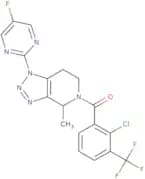
CAS:<p>JNJ-54175446 is a novel antidepressant drug that has a high uptake in the brain. It is an investigational drug that has been shown to have a rapid onset of action and to be effective across multiple depression symptom domains, including mood, anxiety, and cognitive symptoms. JNJ-54175446 binds to the serotonin transporter (SERT) with higher affinity than other antidepressants, which may contribute to its rapid onset of action. The compound also penetrates the blood-brain barrier more easily than other antidepressants and does not show signs of tolerance or withdrawal when used for up to 12 weeks. Clinical studies have shown that JNJ-54175446 has pharmacokinetic properties suitable for once-daily administration. In addition, this drug has been shown to increase levels of brain-derived neurotrophic factor (BDNF) in rats and mice, as well as microglia cells in animal models. This suggests that JNJ-54175446 may have beneficial effects on the brain's microenvironment</p>Fórmula:C18H13ClF4N6OPureza:Min. 95%Peso molecular:440.8 g/molPAPPA antibody
<p>PAPPA antibody was raised in mouse using purified human PAPP-A/proMBP complex or purified human atherosclerotic tissue form of PAPP-A as the immunogen.</p>ADAR1 antibody
<p>The ADAR1 antibody is a highly specific monoclonal antibody used in Life Sciences research. It has been extensively studied for its biochemical properties and reactivity. This antibody specifically targets ADAR1, an enzyme involved in RNA editing processes. It has been shown to have a high affinity for the chloride monomer and can be used for the immunohistochemical detection of ADAR1 in various tissues. Additionally, this antibody has been found to interact with epidermal growth factor and glucan synthase, indicating its potential role in growth factor signaling pathways. The ADAR1 antibody is a valuable tool for researchers studying RNA editing processes and its impact on cellular function.</p>Pureza:Min. 95%NANP antibody
<p>The NANP antibody is a monoclonal antibody that specifically targets the catechol-o-methyltransferase (COMT) enzyme. This antibody has been extensively studied in the field of Life Sciences and has shown promising results as a potential therapeutic agent. The NANP antibody binds to COMT and inhibits its activity, leading to increased levels of vasoactive intestinal peptide (VIP). VIP is an important regulatory peptide involved in various physiological processes, including immune response modulation and cell survival.</p>CRABP2 antibody
<p>CRABP2 antibody was raised in mouse using recombinant human CRABP2 (1-138aa) purified from E. coli as the immunogen.</p>FGF2 protein
<p>The 6-Fluoro-3-indoxyl-beta-D-galactopyranoside is an effective antituberculosis drug that belongs to the class of rifamycins. This powerful compound is specifically designed to combat tuberculosis infection by targeting active compounds and exhibiting bactericidal activity. Its mechanism of action involves binding to DNA-dependent RNA polymerase, inhibiting transcription and replication, thus hindering bacterial growth. Extensive studies have shown its high frequency of human activity using a patch-clamp technique on human erythrocytes. In terms of metabolism, this drug undergoes various transformations such as hydrolysis by esterases or glucuronidases, oxidation by cytochrome P450 enzymes, reduction by glutathione reductase, or conjugation with glucuronic acid. Additionally, it exhibits specific binding properties to markers expressed in Mycobacterium tuberculosis strains, inhibiting their cell growth in culture.</p>Pureza:Min. 95%SPAG8 antibody
<p>The SPAG8 antibody is a monoclonal antibody that targets the growth factor SPAG8. It has been shown to bind specifically to SPAG8 and inhibit its activity. SPAG8 is involved in various biological processes, including cell growth, development, and differentiation. The antibody can be used in research and diagnostic applications to detect and quantify SPAG8 levels in samples such as human serum or tissue. Its specificity and high affinity make it a valuable tool for studying the role of SPAG8 in various physiological and pathological conditions. Additionally, the antibody can be used for therapeutic purposes, such as targeting SPAG8-expressing cancer cells or modulating its activity to treat certain diseases.</p>ATP5F1 antibody
<p>ATP5F1 antibody was raised using the middle region of ATP5F1 corresponding to a region with amino acids VTYRERLYRVYKEVKNRLDYHISVQNMMRRKEQEHMINWVEKHVVQSIST</p>ACBD4 antibody
<p>ACBD4 antibody was raised using the N terminal of ACBD4 corresponding to a region with amino acids MGTEKESPEPDCQKQFQAAVSVIQNLPKNGSYRPSYEEMLRFYSYYKQAT</p>Pureza:Min. 95%RPS15 antibody
<p>RPS15 antibody was raised using the middle region of RPS15 corresponding to a region with amino acids GVYNGKTFNQVEIKPEMIGHYLGEFSITYKPVKHGRPGIGATHSSRFIPL</p>Csk antibody
<p>The Csk antibody is a highly specialized polyclonal antibody that targets the protein kinase Csk. It has been shown to have neutralizing effects on IFN-gamma and tyrosine phosphorylation, making it a valuable tool for studying the immune response and endotoxemia. This antibody can be used in various applications, including immunohistochemistry and Western blotting, to detect the presence of Csk in different cell types and tissues. Additionally, it has been used as a research tool in the study of antiphospholipid antibodies and their role in autoimmune diseases. The Csk antibody is also available as a monoclonal antibody, providing researchers with options for their specific experimental needs.</p>C16ORF61 antibody
<p>C16ORF61 antibody was raised using the middle region of C16Orf61 corresponding to a region with amino acids NILKFFGYCNDVDRELRKCLKNEYVENRTKSREHGIAMRKKLFNPPEESE</p>ERCC8 antibody
<p>ERCC8 antibody was raised in mouse using recombinant Human Excision Repair Cross-Complementing Rodent Repair Deficiency, Complementation Group 8</p>C10ORF38 antibody
<p>C10ORF38 antibody was raised using the middle region of C10Orf38 corresponding to a region with amino acids ARKSMEREGYESSGNDDYRGSYNTVLSQPLFEKQDREGPASTGSKLTIQE</p>Pureza:Min. 95%KLHL5 antibody
<p>KLHL5 antibody was raised in rabbit using the n terminal of KLHL5 as the immunogen</p>Pureza:Min. 95%Tetraspanin 31 antibody
<p>Tetraspanin 31 antibody was raised using the middle region of TSPAN31 corresponding to a region with amino acids CTAICKSQSPTCQMCGEKFLKHSDEALKILGGVGLFFSFTEILGVWLAMR</p>Pureza:Min. 95%Angiopoietin 2 antibody
<p>The Angiopoietin 2 antibody is a highly effective neutralizing agent that targets annexin A2. It is widely used in Life Sciences research and is a valuable tool for studying the role of angiopoietin 2 in various biological processes. This antibody belongs to the class of Polyclonal Antibodies and has been extensively tested for its specificity and potency.</p>FLJ20674 antibody
<p>FLJ20674 antibody was raised using the N terminal of FLJ20674 corresponding to a region with amino acids LNVTQWFQVWLQVASGPYQIEVHIVATGTLPNGTLYAARGSQVDFSCNSS</p>Pureza:Min. 95%VPS37A antibody
<p>VPS37A antibody was raised using a synthetic peptide corresponding to a region with amino acids SWLFPLTKSASSSAAGSPGGLTSLQQQKQRLIESLRNSHSSIAEIQKDVE</p>Akt antibody
<p>Akt, also known as Protein Kinase B (PKB), is a critical signaling protein in cells that regulates essential processes like cell growth, survival, metabolism, and proliferation. It functions within the PI3K/Akt pathway, one of the primary pathways for cell survival and growth, which is activated by growth factors and hormones such as insulin. Upon activation, Akt is recruited to the cell membrane, where it is phosphorylated by kinases like PDK1, triggering its full activation. This allows Akt to influence downstream processes, promoting cell survival by inhibiting apoptosis, supporting cell growth via pathways like mTOR, and enhancing glucose metabolism—especially important for insulin response.Akt plays a significant role in diseases like cancer and diabetes. Dysregulation of the Akt pathway is frequently observed in cancer, often due to mutations in pathway components such as PI3K, PTEN, or Akt itself, resulting in increased cell survival, growth, and resistance to therapies. In diabetes, insulin resistance diminishes Akt pathway responsiveness, reducing glucose uptake and leading to elevated blood glucose levels. Thus, the Akt pathway is a focal point in therapeutic research, particularly for diseases where its regulatory effects on cell growth and metabolism are implicated.</p>ACE antibody
<p>ACE antibody was raised in mouse using ACE (denatured) from human kidney as the immunogen.</p>Pxmp3 antibody
<p>Pxmp3 antibody was raised in rabbit using the N terminal of Pxmp3 as the immunogen</p>Pureza:Min. 95%CD28 antibody
<p>The CD28 antibody is a highly specialized monoclonal antibody that is used in the field of Life Sciences. It specifically targets activated CD28, a protein found on the surface of immune cells. This antibody has been extensively studied and has shown promising results in various applications.</p>ZAP70 antibody
<p>The ZAP70 antibody is a powerful staining reagent that is widely used in the field of Life Sciences. It belongs to the class of Polyclonal Antibodies and has been extensively studied for its role in ferroptosis, a form of regulated cell death. This antibody specifically targets ZAP70, a protein involved in signal transduction pathways in immune cells.</p>GLT8D1 antibody
<p>GLT8D1 antibody was raised using the middle region of GLT8D1 corresponding to a region with amino acids LLIVFYQQHSTIDPMWNVRHLGSSAGKRYSPQFVKAAKLLHWNGHLKPWG</p>Pureza:Min. 95%TRPM4 antibody
<p>The TRPM4 antibody is a highly specialized antibody used in the field of life sciences. It is specifically designed to target and neutralize the TRPM4 protein, which plays a crucial role in cellular processes such as calcium signaling and ion transport. This monoclonal antibody has been extensively tested and proven to be highly reactive and effective in inhibiting the activity of TRPM4.</p>ST3GAL6 antibody
<p>The ST3GAL6 antibody is a powerful tool in the field of Life Sciences. It specifically targets the glycation of carbonic and fibrinogen, making it an ideal neutralizing agent for these molecules. This monoclonal antibody has been extensively tested and proven to effectively bind to virus surface antigens, inhibiting their activation and replication. Additionally, the ST3GAL6 antibody has shown anticoagulant properties, making it a valuable tool in preventing blood clotting disorders. Its specificity and efficacy have been confirmed using mass spectrometric methods, ensuring accurate and reliable results. Whether you are conducting research or developing therapeutics, the ST3GAL6 antibody is an essential component in your toolkit.</p>ANXA1 antibody
<p>The ANXA1 antibody is a highly effective inhibitor used in Life Sciences research. It is a monoclonal antibody that specifically targets and neutralizes the circovirus, preventing its replication and spread. Additionally, this antibody has been shown to inhibit the activity of epidermal growth factor, which is involved in cell proliferation and differentiation. Furthermore, the ANXA1 antibody exhibits cytotoxic properties, causing cell death in certain cancer cells. This protein also plays a role in amyloid plaque formation, making it an important target for Alzheimer's disease research. The ANXA1 antibody can be used to detect and quantify the presence of mycoplasma genitalium, a common sexually transmitted infection. Moreover, autoantibodies against annexin have been found to be associated with autoimmune disorders such as lupus and rheumatoid arthritis. Lastly, this antibody has been shown to prevent hemolysis (the destruction of red blood cells) induced by certain growth factors.</p>NGAL antibody
<p>The NGAL antibody is a monoclonal antibody that specifically targets and neutralizes the protein isoforms of neutrophil gelatinase-associated lipocalin (NGAL). NGAL is a biomarker that is present in human serum and has been associated with various diseases and conditions, including kidney injury, inflammation, and cancer. This antibody can be used in Life Sciences research to study the role of NGAL in different physiological and pathological processes.</p>PDK4 antibody
<p>PDK4 antibody was raised using the N terminal of PDK4 corresponding to a region with amino acids MKAARFVLRSAGSLNGAGLVPREVEHFSRYSPSPLSMKQLLDFGSENACE</p>GAS1 antibody
<p>The GAS1 antibody is a highly specialized monoclonal antibody that targets the phosphatase activated cytotoxic protein GAS1. This antibody has been extensively studied and proven to be effective in various research applications. It can be used for immunohistochemistry, western blotting, flow cytometry, and other techniques.</p>NCT-504
CAS:<p>NCT-504 is a peptide that has been shown to activate potassium channels. It binds to the receptor site and activates ion channels, including those for potassium, sodium, and calcium ions. NCT-504 is an inhibitor of ligand-gated ion channels, which are responsible for the transmission of nerve impulses. NCT-504 has been shown to inhibit GABA-A receptor channels in rat brain tissue. This drug also inhibits the binding of antibodies to tumor cells.</p>Fórmula:C15H12N6O2S3Pureza:Min. 95%Peso molecular:404.5 g/molSTAT6 antibody
<p>STAT6 antibody was raised in rabbit using the C terminal of STAT6 as the immunogen</p>Pureza:Min. 95%β actin antibody
<p>The Beta actin antibody is a highly effective neutralizing agent that targets telomerase, an enzyme involved in cell division and aging. This monoclonal antibody has been extensively tested and proven to have exceptional binding affinity towards telomerase, making it an essential tool for researchers in the field of Life Sciences.</p>Leptin antibody
<p>Leptin antibody was raised in mouse using highly pure recombinant human leptin as the immunogen.</p>Epsin 2 antibody
<p>Epsin 2 antibody was raised using the middle region of EPN2 corresponding to a region with amino acids SHSEQEYGKAGGSPASYHGSTSPRVSSELEQARPQTSGEEELQLQLALAM</p>GPR27 antibody
<p>GPR27 antibody was raised using the middle region of GPR27 corresponding to a region with amino acids AVTLLFLLLWGPYVVASYLRVLVRPGAVPQAYLTASVWLTFAQAGINPVV</p>Pureza:Min. 95%