Bioquímicos e reagentes
Os bioquímicos e reagentes são substâncias fundamentais para a pesquisa e desenvolvimento em campos como biotecnologia, biologia molecular, farmacologia e medicina. Esses produtos são essenciais para uma variedade de aplicações, incluindo a síntese de compostos, a análise de amostras biológicas, a pesquisa de processos metabólicos e a produção de medicamentos. Na CymitQuimica, oferecemos uma ampla seleção de bioquímicos e reagentes de alta qualidade e pureza, adequados para diversas necessidades científicas e industriais. Nosso catálogo inclui enzimas, anticorpos, ácidos nucleicos, aminoácidos e muitos outros produtos, todos projetados para apoiar pesquisadores e profissionais em seus projetos de pesquisa e desenvolvimento, garantindo resultados confiáveis e reproduzíveis.
Subcategorias de "Bioquímicos e reagentes"
- Biomoléculas(99.117 produtos)
- Por Alvo Biológico(99.161 produtos)
- Por uso/Efeitos Farmacológicos(6.787 produtos)
- Compostos relacionados à criopreservação e aos crioconservantes(21 produtos)
- Desinfetantes, aditivos para aquecimento de líquidos de banho e compostos relacionados(28 produtos)
- Hormónios(346 produtos)
- Biologia Vegetal(6.710 produtos)
- Metabólitos secundários(14.222 produtos)
Foram encontrados 130581 produtos de "Bioquímicos e reagentes"
Ordenar por
Pureza (%)
0
100
|
0
|
50
|
90
|
95
|
100
Chromogranin A Blocking Peptide
<p>A synthetic peptide for use as a blocking control in assays to test for specificity of CHGA antibody, catalog no. 70R-1565</p>Pureza:Min. 95%NUDT21 Blocking Peptide
<p>A synthetic peptide for use as a blocking control in assays to test for specificity of NUDT21 antibody, catalog no. 70R-1446</p>Pureza:Min. 95%Cardiotrophin 1 Blocking Peptide
<p>A synthetic peptide for use as a blocking control in assays to test for specificity of CTF1 antibody, catalog no. 70R-5254</p>Pureza:Min. 95%FCN3 Blocking Peptide
<p>A synthetic peptide for use as a blocking control in assays to test for specificity of FCN3 antibody, catalog no. 70R-5456</p>Pureza:Min. 95%Nivocasan
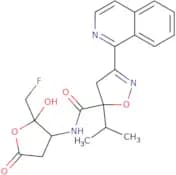
CAS:<p>Nivocasan is a diagnostic agent that is used to detect chronic kidney disease. It is an n-oxide compound, which is metabolized by the liver and kidneys into an active form with a molecular weight of about 300. Nivocasan binds to the nucleic acid in the cells of the nervous system, causing them to be stained by immunohistochemical staining. This drug has been shown to increase bone mass and reduce insulin resistance in rats with glucose intolerance. Hydroxy group may also play a role in its activity. Nivocasan is also being developed as a clinical drug for the treatment of nerve diseases caused by virus infections or other causes such as diabetes, stroke, and Alzheimer's disease.</p>Fórmula:C21H22FN3O5Pureza:Min. 95%Peso molecular:415.4 g/molGTPBP10 Blocking Peptide
<p>A synthetic peptide for use as a blocking control in assays to test for specificity of GTPBP10 antibody, catalog no. 70R-2076</p>Pureza:Min. 95%PEMT antibody
<p>PEMT antibody was raised using the C terminal of PEMT corresponding to a region with amino acids GWAIMHASPTGLLLTVLVALTYIVALLYEEPFTAEIYRQKASGSHKRS</p>Pureza:Min. 95%RAB5 antibody
<p>The RAB5 antibody is a highly specific polyclonal antibody that targets the RAB5 protein. This protein plays a crucial role in the regulation of endocytic trafficking and is involved in various cellular processes such as receptor internalization, vesicle fusion, and intracellular signaling. The RAB5 antibody has been extensively validated for use in immunohistochemistry (IHC), immunofluorescence (IF), and western blotting (WB) applications.</p>Pureza:Min. 95%HDAC2 antibody
<p>The HDAC2 antibody is a highly specific and potent cytotoxic agent that targets HDAC2, an enzyme involved in gene regulation. This antibody has been extensively studied in various research fields, including Life Sciences and drug development.</p>Goat anti Dog IgG (H + L) (HRP)
<p>Goat anti-dog IgG (H + L) (HRP) was raised in goat using canine IgG, whole molecule as the immunogen.</p>Pureza:Min. 95%SLC5A11 antibody
<p>SLC5A11 antibody was raised using a synthetic peptide corresponding to a region with amino acids VGGMEGLKEKYFLALASNRSENSSCGLPREDAFHIFRDPLTSDLPWPGVL</p>Pureza:Min. 95%KCND3 Blocking Peptide
<p>A synthetic peptide for use as a blocking control in assays to test for specificity of KCND3 antibody, catalog no. 70R-5186</p>Pureza:Min. 95%PTGFRN antibody
<p>The PTGFRN antibody is a highly specialized polyclonal antibody that targets the PTGFRN protein. This protein is involved in various cellular processes, including signal transduction and gene expression regulation. The PTGFRN antibody specifically recognizes and binds to the p38 mitogen-activated protein (MAP) kinase and nuclear factor kappa-light-chain-enhancer of activated B cells (NF-κB) signaling pathways.</p>CD43 antibody
<p>The CD43 antibody is a highly specific monoclonal antibody that is used in various applications in the field of life sciences. This antibody specifically targets CD43, a cell surface glycoprotein that is expressed on adipose tissue, liver microsomes, and other cell types. CD43 plays a crucial role in cell adhesion and signaling processes.</p>ANCA antibody
<p>ANCA antibody was raised in mouse using extract from neutrophil azurophilic granules as the immunogen.</p>PPIL3 antibody
<p>PPIL3 antibody was raised using a synthetic peptide corresponding to a region with amino acids NYYNGCIFHRNIKGFMVQTGDPTGTGRGGNSIWGKKFEDEYSEYLKHNVR</p>DIRC2 Blocking Peptide
<p>A synthetic peptide for use as a blocking control in assays to test for specificity of DVL1 antibody, catalog no. 70R-1639</p>Pureza:Min. 95%NLRP5 antibody
<p>NLRP5 antibody was raised in rabbit using the N terminal of NLRP5 as the immunogen</p>Pureza:Min. 95%RAB37 Blocking Peptide
<p>A synthetic peptide for use as a blocking control in assays to test for specificity of RAB37 antibody, catalog no. 70R-9348</p>Pureza:Min. 95%RPL30 antibody
<p>RPL30 antibody was raised using the middle region of RPL30 corresponding to a region with amino acids MLAKTGVHHYSGNNIELGTACGKYYRVCTLAIIDPGDSDIIRSMPEQTGE</p>HOMEZ Blocking Peptide
<p>A synthetic peptide for use as a blocking control in assays to test for specificity of HOMEZ antibody, catalog no. 70R-8745</p>Pureza:Min. 95%Klf3 antibody
<p>Klf3 antibody was raised in rabbit using the C terminal of Klf3 as the immunogen</p>Pureza:Min. 95%NR2F1 Blocking Peptide
<p>A synthetic peptide for use as a blocking control in assays to test for specificity of NR2F1 antibody, catalog no. 70R-1942</p>Pureza:Min. 95%SDS Blocking Peptide
<p>A synthetic peptide for use as a blocking control in assays to test for specificity of SDS antibody, catalog no. 70R-3762</p>Pureza:Min. 95%RDH16 Blocking Peptide
<p>A synthetic peptide for use as a blocking control in assays to test for specificity of RDH16 antibody, catalog no. 70R-5494</p>Pureza:Min. 95%RSV antibody
<p>RSV antibody was raised in rabbit using whole RSV virions (subgroup A-Long strain) as the immunogen.</p>Pureza:Min. 95%Influenza B antibody
<p>The Influenza B antibody is a monoclonal antibody that specifically targets the Influenza B virus. This antibody has been extensively studied and shown to have a high affinity for the virus, making it an effective tool for diagnostic assays and research purposes. It can be used in various applications, including the detection of Influenza B virus in patient samples, the quantification of viral load, and the characterization of viral strains. Additionally, this antibody has been used in studies investigating autoantibodies and their role in disease pathogenesis. Its specificity ensures accurate and reliable results, making it an essential component in the field of Life Sciences. With its exceptional binding properties and compatibility with different assay formats, this Influenza B antibody is a valuable tool for researchers working on understanding and combating influenza infections.</p>ABT-418 Hydrochloride
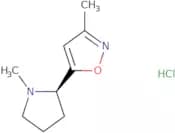
CAS:<p>ABT-418 Hydrochloride is a cholinergic agonist, which is a synthetic compound derived from the selective targeting of nicotinic acetylcholine receptors. This agent acts by primarily binding to neuronal nicotinic receptors in the brain, enhancing cholinergic neurotransmission. The increased cholinergic activity is thought to modulate various cognitive processes.</p>Fórmula:C9H14N2O·HClPureza:Min. 95%Peso molecular:166.22 g/molBAY 293
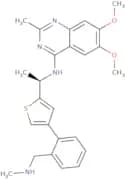
CAS:<p>BAY 293 is a tyrosine kinase inhibitor that blocks the epidermal growth factor receptor (EGFR) and prevents it from binding to the epidermal growth factor (EGF). The BAY 293 also inhibits the activity of other protein kinases, such as Shp2, which are involved in signal transduction pathways. It has been shown to inhibit tumor formation in mice with sarcoma viral oncogene-induced tumors. BAY 293 binds covalently to the enzyme, thereby inhibiting its function. This compound has been shown to be effective against cancer cells that have overactive EGFR and Shp2 proteins.</p>Fórmula:C25H28N4O2SPureza:Min. 95%Peso molecular:448.59 g/molFBXO28 Blocking Peptide
<p>A synthetic peptide for use as a blocking control in assays to test for specificity of FBXO28 antibody, catalog no. 70R-3153</p>Pureza:Min. 95%ALAD Blocking Peptide
<p>A synthetic peptide for use as a blocking control in assays to test for specificity of ALAD antibody, catalog no. 70R-3446</p>Pureza:Min. 95%PLX 51107
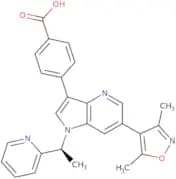
CAS:<p>PLX 51107 is an anticancer agent that has been shown to inhibit the growth of urothelial carcinoma cells in vitro and in vivo. It has also been shown to have genotoxic effects on prostate cancer cells. PLX 51107 induces apoptosis through the activation of caspases and pro-apoptotic protein expression, which may be due to its ability to bind to toll-like receptor 4 (TLR4) on tumor cells. This drug has a number of beneficial effects, such as inducing cycle arrest and inhibiting cell proliferation by blocking transcriptional regulation. It also inhibits angiogenesis, which leads to tumor growth inhibition. PLX 51107 is effective against a broad range of cancers, including urothelial carcinoma, breast cancer, colon cancer, and prostate cancer. PLX 51107 is not currently approved for use in humans because it can cause gastrointestinal toxicity in rats and mice at higher doses.</p>Fórmula:C26H22N4O3Pureza:Min. 95%Peso molecular:438.48 g/molAquaporin 10 antibody
<p>Aquaporin 10 antibody was raised using the C terminal of AQP10 corresponding to a region with amino acids VGATVGTATYQLLVALHHPEGPEPAQDLVSAQHKASELETPASAQMLECK</p>Pureza:Min. 95%USP13 Blocking Peptide
<p>A synthetic peptide for use as a blocking control in assays to test for specificity of USP13 antibody, catalog no. 70R-9735</p>Pureza:Min. 95%Sdhb Blocking Peptide
<p>A synthetic peptide for use as a blocking control in assays to test for specificity of Sdhb antibody, catalog no. 70R-8781</p>Pureza:Min. 95%FKHR antibody
<p>FKHR antibody is a polyclonal antibody used in Life Sciences research. It specifically targets the FKHR protein, which plays a crucial role in various cellular processes. This antibody is commonly used in studies related to tgf-beta1 signaling, ketamine-induced neurotoxicity, erythropoietin receptor expression, and erythropoietin signaling pathways. The FKHR antibody has been validated for use in multiple applications, including Western blotting, immunohistochemistry, and immunofluorescence. It is derived from human serum and has been purified and buffered for optimal performance. This high-quality antibody offers reliable and consistent results, making it an essential tool for researchers studying FKHR and its associated pathways.</p>CD4 antibody (biotin)
<p>CD4 antibody (biotin) was raised in mouse using human CD4 as the immunoge.</p>Sheep anti Rabbit IgG (H + L) (HRP)
<p>Sheep anti-rabbit IgG (H+L) (HRP) was raised in sheep using rabbit IgG whole molecule as the immunogen.</p>Pureza:Min. 95%PNRC2 antibody
<p>PNRC2 antibody was raised using the middle region of PNRC2 corresponding to a region with amino acids NQSWNSSLSGPRLLFKSQANQNYAGAKFSEPPSPSVLPKPPSHWVPVSFN</p>TTL Blocking Peptide
<p>A synthetic peptide for use as a blocking control in assays to test for specificity of TTL antibody, catalog no. 70R-2530</p>Pureza:Min. 95%WASF3 antibody
<p>WASF3 antibody was raised using the N terminal of WASF3 corresponding to a region with amino acids NMKKAFKSSTVQDQQVVSKNSIPNPVADIYNQSDKPPPLNILTPYRDDKK</p>MBD2 Blocking Peptide
<p>A synthetic peptide for use as a blocking control in assays to test for specificity of MBD2 antibody, catalog no. 70R-1031</p>Pureza:Min. 95%RLBP1 antibody
<p>The RLBP1 antibody is a highly specialized monoclonal antibody used in the field of Life Sciences. It is designed to specifically target and neutralize RLBP1, a protein involved in various cellular processes. This antibody is commonly used in research and diagnostic applications, particularly in the detection and quantification of RLBP1 in human serum samples.</p>SUOX antibody
<p>The SUOX antibody is a monoclonal antibody used in the field of Life Sciences. It is designed to target and activate specific proteins involved in various biological processes. This antibody has shown promising results in the activation of fibrinogen, lipoprotein lipase, epidermal growth factor, and phosphatase. Additionally, it has been observed to have an effect on collagen and annexin. The SUOX antibody can be utilized as a medicament for therapeutic purposes, potentially offering new treatment options in the medical field.</p>MMP9 antibody
<p>The MMP9 antibody is a powerful tool used in Life Sciences research. It is a polyclonal antibody that specifically binds to matrix metalloproteinase 9 (MMP9), an enzyme involved in extracellular matrix degradation. This antibody has been extensively validated and is highly specific, making it ideal for use in various assays.</p>B3gat2 antibody
<p>B3gat2 antibody was raised in rabbit using the C terminal of B3gat2 as the immunogen</p>Pureza:Min. 95%RPL30 Blocking Peptide
<p>A synthetic peptide for use as a blocking control in assays to test for specificity of RPL30 antibody, catalog no. 70R-1998</p>Pureza:Min. 95%Estrogen Receptor antibody
<p>Estrogen Receptor antibody was raised in Mouse using a purified recombinant fragment of Estrogen Receptor(aa130-339) expressed in E. coli as the immunogen.</p>SFPQ Blocking Peptide
<p>A synthetic peptide for use as a blocking control in assays to test for specificity of SFPQ antibody, catalog no. 70R-1422</p>Pureza:Min. 95%HN1 antibody
<p>The HN1 antibody is a highly specialized antibody that targets sirtuins, a group of proteins involved in various cellular processes. It serves as a serum marker for the presence of sirtuins and can be used in research or clinical settings to detect their activity. The HN1 antibody has been extensively studied and validated, making it a reliable tool for scientists and medical professionals.</p>GLIS3 Blocking Peptide
<p>A synthetic peptide for use as a blocking control in assays to test for specificity of GLIS3 antibody, catalog no. 70R-8435</p>Pureza:Min. 95%ACP6 antibody
<p>ACP6 antibody was raised using the N terminal of ACP6 corresponding to a region with amino acids EQVEWNPQLLEVPPQTQFDYTVTNLAGGPKPYSPYDSQYHETTLKGGMFA</p>SLC10A5 Blocking Peptide
<p>A synthetic peptide for use as a blocking control in assays to test for specificity of SLC10A5 antibody, catalog no. 70R-1767</p>Pureza:Min. 95%QL47
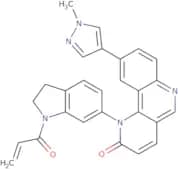
CAS:<p>QL47 is a molecule that inhibits phosphorylation of protein and translation. It also has anti-inflammatory properties and can be used to treat autoimmune diseases and inflammatory diseases. QL47 binds to the ferroelectric domain in the cell membrane, which is involved in cellular signaling. This binding prevents the formation of a phosphate-protein complex, which inhibits phosphorylation. The inhibition mechanism is due to the hydroxyl group on QL47, which interacts with the hydroxyl group on tyrosine residues in proteins and blocks their access to phosphate groups. QL47 can be detected using mass spectrometry methods and has been shown to have pharmacokinetic properties that are dependent on dose, blood flow rate, and tissue perfusion.</p>Fórmula:C27H21N5O2Pureza:Min. 95%Peso molecular:447.49 g/molDUSP10 Blocking Peptide
<p>A synthetic peptide for use as a blocking control in assays to test for specificity of DUSP10 antibody, catalog no. 70R-5836</p>Pureza:Min. 95%TRDMT1 antibody
<p>TRDMT1 antibody was raised using the N terminal of TRDMT1 corresponding to a region with amino acids MILMSPPCQPFTRIGRQGDMTDSRTNSFLHILDILPRLQKLPKYILLENV</p>KGF protein
<p>Region of KGF protein corresponding to amino acids MCNDMTPEQM ATNVNCSSPE RHTRSYDYME GGDIRVRRLF CRTQWYLRID KRGKVKGTQE MKNNYNIMEI RTVAVGIVAI KGVESEFYLA MNKEGKLYAK KECNEDCNFK ELILENHYNT YASAKWTHNG GEMFVALNQK GIPVRGKKTK KEQKTAHFLP MAIT.</p>Pureza:Min. 95%TRIM2 antibody
<p>The TRIM2 antibody is a highly specialized product in the field of Life Sciences. It is a monoclonal antibody that specifically targets and binds to TRIM2, an important protein involved in various cellular processes. This antibody has been extensively tested and validated for its high specificity and sensitivity.</p>Cxcl12 protein
<p>Cxcl12 protein is a chemokine that plays a crucial role in various biological processes. It is activated by hepatocyte growth factor and has been extensively studied in the field of Life Sciences. Cxcl12 protein exhibits diverse biological effects, including the regulation of cell migration, proliferation, and survival. It is involved in angiogenic responses and has been shown to promote endothelial cell migration and tube formation.</p>Pureza:Min. 95%CYM-5442
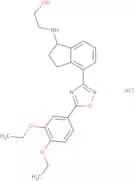
CAS:<p>CYM-5442 is a colony-stimulating factor that has been shown to have a variety of effects on tissue culture. It has been shown to stimulate the growth of cells in vitro, and may be used for the treatment of autoimmune diseases, cardiac problems, and inflammatory bowel disease. CYM-5442 also acts as an acylation reaction with glucose regulation in the body and can stimulate serotonin reuptake inhibition. This drug is also thought to have activity against bowel diseases such as Crohn's disease, ulcerative colitis, or irritable bowel syndrome by inhibiting toll-like receptor 4 (TLR4).</p>Fórmula:C23H27N3O4Pureza:Min. 95%Peso molecular:409.48 g/molGoat anti Human IgG (HRP)
<p>This antibody reacts with heavy chains on human IgG (gamma chain).</p>Pureza:Min. 95%SMAD3 antibody
<p>SMAD3 antibody was raised in Mouse using a purified recombinant fragment of human SMAD3 expressed in E. coli as the immunogen.</p>Fggy antibody
<p>Fggy antibody was raised in rabbit using the N terminal of Fggy as the immunogen</p>Pureza:Min. 95%MAGEB3 antibody
<p>MAGEB3 antibody was raised using the N terminal of MAGEB3 corresponding to a region with amino acids KKKVSFSSPLILGATIQKKSAGRSRSALKKPQRALSTTTSVDVSYKKSYK</p>LYSMD1 antibody
<p>LYSMD1 antibody was raised using the N terminal of LYSMD1 corresponding to a region with amino acids VRERRLEHQLEPGDTLAGLALKYGVTMEQIKRANRLYTNDSIFLKKTLYI</p>14-3-3 θ antibody
<p>The 14-3-3 theta antibody is an essential tool in Life Sciences research. It is a high-quality antibody that specifically targets the 14-3-3 theta protein. This protein plays a crucial role in various cellular processes, including signal transduction, cell cycle regulation, and apoptosis.</p>IgM Isotype Control Fc fusion protein (PE)
<p>Rat monoclonal IgM Isotype Control Fc fusion protein (PE)</p>Pureza:Min. 95%CDC5L antibody
<p>CDC5L antibody was raised in mouse using recombinant Human Cdc5 Cell Division Cycle 5-Like (S. Pombe) (Cdc5L)</p>PEX5 antibody
<p>The PEX5 antibody is a monoclonal antibody that has been specifically designed to target and neutralize the activity of PEX5, a protein involved in various cellular processes. This antibody is activated and reactive, making it highly effective in inhibiting the function of PEX5.</p>