Bioquímicos e reagentes
Os bioquímicos e reagentes são substâncias fundamentais para a pesquisa e desenvolvimento em campos como biotecnologia, biologia molecular, farmacologia e medicina. Esses produtos são essenciais para uma variedade de aplicações, incluindo a síntese de compostos, a análise de amostras biológicas, a pesquisa de processos metabólicos e a produção de medicamentos. Na CymitQuimica, oferecemos uma ampla seleção de bioquímicos e reagentes de alta qualidade e pureza, adequados para diversas necessidades científicas e industriais. Nosso catálogo inclui enzimas, anticorpos, ácidos nucleicos, aminoácidos e muitos outros produtos, todos projetados para apoiar pesquisadores e profissionais em seus projetos de pesquisa e desenvolvimento, garantindo resultados confiáveis e reproduzíveis.
Subcategorias de "Bioquímicos e reagentes"
- Biomoléculas(99.104 produtos)
- Por Alvo Biológico(99.074 produtos)
- Por uso/Efeitos Farmacológicos(6.784 produtos)
- Compostos relacionados à criopreservação e aos crioconservantes(21 produtos)
- Desinfetantes, aditivos para aquecimento de líquidos de banho e compostos relacionados(28 produtos)
- Hormónios(346 produtos)
- Biologia Vegetal(6.693 produtos)
- Metabólitos secundários(14.218 produtos)
Foram encontrados 130576 produtos de "Bioquímicos e reagentes"
Ordenar por
Pureza (%)
0
100
|
0
|
50
|
90
|
95
|
100
Yellow Fever Virus NS1 protein
<p>The Yellow Fever Virus NS1 protein is a key component in the study of yellow fever virus and its effects on the human body. It has been found to have anti-glial fibrillary acidic properties, meaning it can inhibit the growth of glial cells in the brain. Additionally, it has been shown to interact with various receptors and factors in the body, such as the growth hormone receptor and interleukin-6 inhibitory factor. This protein is often used in research and scientific studies related to yellow fever virus, as well as in the development of diagnostic tests and therapies. Monoclonal antibodies targeting this protein have been developed for use in neutralizing the virus and detecting its presence in human serum. Recombinant forms of this protein are also used for various applications in Life Sciences, including conjugated proteins for specific assays. Overall, the Yellow Fever Virus NS1 protein is a crucial tool for understanding and combating yellow fever virus infections.</p>Mouse RBC antibody
<p>Mouse RBC antibody was raised in rabbit using murine erythrocytes as the immunogen.</p>Pureza:Min. 95%FGFR1 antibody
<p>The FGFR1 antibody is a monoclonal antibody used in Life Sciences research. It specifically targets and inhibits the growth factor receptor FGFR1, which plays a crucial role in cell growth and proliferation. By blocking the activation of FGFR1, this antibody prevents the downstream signaling pathways that promote cell division.</p>Pureza:Min. 95%RBM26 antibody
<p>RBM26 antibody was raised using the middle region of RBM26 corresponding to a region with amino acids PAALKAAQKTLLVSTSAVDNNEAQKKKQEALKLQQDVRKRKQEILEKHIE</p>SRR antibody
<p>The SRR antibody is a monoclonal antibody that is specifically designed for the detection and neutralization of insulin. It is commonly used in research and clinical settings to study hyperinsulinaemic hypoglycaemia, a condition characterized by abnormally high levels of insulin in the blood. The SRR antibody is produced through chemical synthesis or recombinant technology using human insulin as the antigen. It has been extensively validated using techniques such as polymerase chain reaction (PCR) and racemase assays to ensure its specificity and reliability. This monoclonal antibody can be used to detect insulin in various samples, including serum, plasma, and tissue extracts. Additionally, it has been shown to have neutralizing activity against insulin, making it a valuable tool for studying the effects of insulin antibodies and autoantibodies in human insulin preparations. With its high affinity for insulin and ability to recognize specific amino acid residues, the SRR antibody offers precise and accurate results for insulin-related research applications.</p>Cry1 antibody
<p>The Cry1 antibody is a highly specialized antibody used in Life Sciences research. It specifically targets and binds to the Cry1 protein, which is involved in various cellular processes such as tyrosine phosphorylation and growth factor signaling. This antibody is colloidal gold-conjugated, making it easily detectable in experiments using techniques such as immunohistochemistry or Western blotting.</p>LRRC37A3 antibody
<p>LRRC37A3 antibody was raised using the middle region of LRRC37A3 corresponding to a region with amino acids NYTSTELIIEPEEPSDSSGINLSGFGSEQLDTNDESDVTSTLSYILPYFS</p>Pureza:Min. 95%V5 Tag antibody
<p>The V5 Tag antibody is a highly reactive monoclonal antibody that is used in the field of Life Sciences. It specifically targets the V5 epitope tag, which is commonly used in protein research and expression studies. This antibody can be used for various applications such as immunoblotting, immunoprecipitation, and immunofluorescence assays.</p>SORCS2 antibody
<p>The SORCS2 antibody is a polyclonal antibody that specifically targets the endonuclease SORCS2. This antibody recognizes and binds to the sugar moieties on SORCS2, inhibiting its activity. SORCS2 is involved in various biological processes, including growth factor signaling and regulation of microvessel density. In Life Sciences research, this antibody is commonly used to study the role of SORCS2 in different cellular pathways. It has been shown to neutralize the effects of epidermal growth factor (EGF)-like molecules and hyaluronidase in human serum. Additionally, it has been found to modulate the activity of glutamate receptors and collagen synthesis. The SORCS2 antibody is a valuable tool for researchers studying the function and regulation of this important enzyme in both normal and disease states.</p>TNKS antibody
<p>TNKS antibody was raised using the middle region of TNKS corresponding to a region with amino acids VSASLISPASTPSCLSAASSIDNLTGPLAELAVGGASNAGDGAAGTERKE</p>ZNF547 antibody
<p>ZNF547 antibody was raised in rabbit using the N terminal of ZNF547 as the immunogen</p>Pureza:Min. 95%DHX30 antibody
<p>DHX30 antibody was raised using a synthetic peptide corresponding to a region with amino acids AESGMAPGGPGEGDGSLVNASRDLLKEFPQPKNLLNSVIGRALGISHAKD</p>SPHK1 antibody
<p>SPHK1 antibody was raised in rabbit using a synthetic peptide conjugated to KLH as the immunogen.</p>Pureza:Min. 95%SMAD2 antibody
<p>The SMAD2 antibody is a highly effective tool in the field of Life Sciences. It is an antibody that specifically targets SMAD2, a protein involved in various cellular processes. This antibody has been extensively studied and has shown to have potent protease activity, making it an ideal choice for researchers working on protease-related projects.</p>Goat anti Rat IgG (H + L) (Fab'2) (FITC)
<p>Goat anti-rat IgG (H+L) (Fab'2) (FITC) was raised in goat using rat IgG whole molecule as the immunogen.</p>Pureza:Min. 95%THC antibody
<p>THC antibody was raised in mouse using Tetrahydrocannabinol (THC)-BSA as the immunogen.</p>C6 antibody
<p>The C6 antibody is a highly activated protein that acts as an inhibitor of tumor necrosis factor-alpha (TNF-α). It is widely used in Life Sciences research for its ability to target and neutralize TNF-α, a key player in inflammation and immune response. The C6 antibody has shown promising results in various studies, including its ability to inhibit the binding of TNF-α to its receptors and reduce the production of inflammatory mediators.</p>Complement C2 antibody
<p>Complement C2 antibody was raised in goat using highly purified human complement protein as the immunogen.</p>Pureza:Min. 95%CD80 antibody
<p>The CD80 antibody is a monoclonal antibody that targets the CD80 protein, which plays a crucial role in immune responses. It has been shown to inhibit the interaction between CD80 and its receptors, including CTLA-4 and PD-L1, leading to enhanced T-cell activation and proliferation. This antibody has been used in various studies to investigate the role of CD80 in different biological processes, such as dopamine signaling, growth factor regulation, endothelial cell growth, and cell adhesion through E-cadherin. Additionally, it has been found to modulate actin dynamics and chemokine production. The CD80 antibody has also been studied for its potential therapeutic applications in diseases like cancer and autoimmune disorders. Its unique properties make it a valuable tool for researchers in the field of Life Sciences.</p>Cytokeratin 10+13 antibody (Prediluted for IHC)
<p>Mouse monoclonal Cytokeratin 10+13 antibody (Prediluted for IHC)</p>Pureza:Min. 95%IL3 β antibody
<p>IL3 beta antibody was raised in goat using highly pure recombinant rat IL-3beta as the immunogen.</p>Pureza:Min. 95%PILRA antibody
<p>PILRA antibody was raised using the N terminal of PILRA corresponding to a region with amino acids IPFSFYYPWELATAPDVRISWRRGHFHRQSFYSTRPPSIHKDYVNRLFLN</p>Pureza:Min. 95%DKFZP761C169 antibody
<p>DKFZP761C169 antibody was raised using the N terminal Of Dkfzp761C169 corresponding to a region with amino acids RKEKNGWRTHGRNGTENINHRGGYHGGSSRSRSSIFHAGKSQGLHENNIP</p>TF antibody
<p>The TF antibody is a highly specialized monoclonal antibody that is used for various applications in research and diagnostics. This antibody specifically recognizes the TF antigen, which is a carbohydrate structure found on the surface of cells. The TF antibody can be used in immunoassays, such as ELISA or Western blotting, to detect the presence of TF antigen in samples.</p>ETV5 antibody
<p>ETV5 antibody was raised in Mouse using a purified recombinant fragment of human ETV5 expressed in E. coli as the immunogen.</p>Goat anti Human IgM (mu chain) (HRP)
<p>This antibody reacts with heavy chains on human IgM (mu chain).</p>Pureza:Min. 95%USP5 antibody
<p>The USP5 antibody is a highly specialized product in the field of Life Sciences. It belongs to the class of neutralizing monoclonal antibodies that target TGF-beta protein. This antibody is specifically designed to bind to and neutralize TGF-beta, a growth factor involved in various cellular processes.</p>RBP1 antibody
<p>The RBP1 antibody is a growth factor that has been shown to play a role in thrombocytopenia. It is commonly used in Life Sciences research and can be utilized in various experimental techniques, such as electrode-based assays. This trifunctional antibody is capable of binding to human serum and activating specific pathways. It can also be used as a tool for the detection and quantification of other antibodies or antigens. The RBP1 antibody has genotoxic effects on cells, making it useful for studying DNA damage and repair mechanisms. Additionally, it acts as an inhibitor of phosphatase activity and chemokine signaling. This Monoclonal Antibody specifically targets tyrosine kinase receptors and protein kinases, making it an essential tool for researchers in the field of molecular biology.</p>MMP19 antibody
<p>MMP19 antibody was raised in rabbit using a synthetic peptide corresponding to a region of human MMP-19 as the immunogen.</p>Pureza:Min. 95%ADORA3 antibody
<p>ADORA3 antibody was raised in rabbit using the C terminal of ADORA3 as the immunogen</p>Pureza:Min. 95%ART3 antibody
<p>ART3 antibody was raised using the middle region of ART3 corresponding to a region with amino acids LEPTQIPAPGPVPVPGPKSHPSASSGKLLLPQFGMVIILISVSAINLFVA</p>Pureza:Min. 95%CNP antibody
<p>CNP antibody was raised using the middle region of CNP corresponding to a region with amino acids LYSLGNGRWMLTLAKNMEVRAIFTGYYGKGKPVPTQGSRKGGALQSCTII</p>HNRNPA2B1 antibody
<p>HNRNPA2B1 antibody was raised in Rabbit using Human HNRNPA2B1 as the immunogen</p>LOX antibody
<p>The LOX antibody is a low-molecular-weight monoclonal antibody with immunosuppressant properties. It contains a cycloalkyl group that specifically targets lipoprotein lipase, an enzyme involved in lipid metabolism. This antibody has the ability to neutralize interferon and other growth factors, making it an effective antiviral agent. Additionally, the LOX antibody has been shown to have a high affinity for alpha-fetoprotein, a marker commonly found in certain types of cancer cells. With its neutralizing capabilities and targeted approach, this monoclonal antibody is a valuable tool in the field of life sciences and holds great potential for therapeutic applications.</p>APOM antibody
<p>The 6-Fluoro-3-indoxyl-beta-D-galactopyranoside is a powerful antituberculosis drug from the rifamycin class. It is specifically designed to combat tuberculosis infections by targeting active compounds and exhibiting bactericidal activity. Through extensive research using transcription-quantitative polymerase chain and patch-clamp techniques, it has been proven to inhibit bacterial growth by binding to DNA-dependent RNA polymerase, preventing transcription and replication. Additionally, this drug undergoes various metabolic transformations such as hydrolysis by esterases or glucuronidases, oxidation by cytochrome P450 enzymes, reduction by glutathione reductase, or conjugation with glucuronic acid. It also demonstrates a high affinity for markers expressed in Mycobacterium tuberculosis strains, inhibiting their cell growth. Experience the potent efficacy of 6-Fluoro-3-indoxyl-beta-D-galactopyranoside in combating tuberculosis infections.</p>CBFA2T2 antibody
<p>CBFA2T2 antibody was raised in mouse using recombinant Core-Binding Factor,Alpha Subunit 2</p>KIF4A antibody
<p>The 6-Fluoro-3-indoxyl-beta-D-galactopyranoside is a powerful antituberculosis drug that falls under the class of rifamycins. It is known for its bactericidal activity against tuberculosis infection. This active compound works by inhibiting bacterial growth through binding to DNA-dependent RNA polymerase, preventing transcription and replication. Additionally, it has been proven to have high efficacy in human erythrocytes using a patch-clamp technique. The metabolism of this drug involves various transformations such as hydrolysis by esterases or glucuronidases, oxidation by cytochrome P450 enzymes, reduction by glutathione reductase, or conjugation with glucuronic acid. Furthermore, it specifically targets markers expressed at high levels in Mycobacterium tuberculosis strains and inhibits cell growth in culture.</p>SDSL antibody
<p>SDSL antibody was raised using the N terminal of SDSL corresponding to a region with amino acids MDGPVAEHAKQEPFHVVTPLLESWALSQVAGMPVFLKCENVQPSGSFKIR</p>MPO protein
<p>The MIT protein, also known as alpha-galactose antigen, is a highly versatile and potent antibody-drug that has various applications in the field of Life Sciences. This monoclonal antibody specifically targets and binds to the alpha-gal epitope, which is present on a wide range of native proteins and antigens. It can be immobilized for use in assays or purification processes, making it an essential tool for researchers.</p>Pureza:Min. 95%GDF15 protein (His tag)
<p>195-308 amino acids: MRGSHHHHHH GMASMTGGQQ MGRDLYDDDD KDRWGSMARA RNGDHCPLGP GRCCRLHTVR ASLEDLGWAD WVLSPREVQV TMCIGACPSQ FRAANMHAQI KTSLHRLKPD TVPAPCCVPA SYNPMVLIQK TDTGVSLQTY DDLLAKDCHC I</p>Pureza:Min. 95%GUK1 antibody
<p>GUK1 antibody was raised using the middle region of GUK1 corresponding to a region with amino acids IEHAEFSGNLYGTSKVAVQAVQAMNRICVLDVDLQGVRNIKATDLRPIYI</p>Pura antibody
<p>Pura antibody was raised in rabbit using the C terminal of Pura as the immunogen</p>Pureza:Min. 95%RHBDD1 antibody
<p>The RHBDD1 antibody is a monoclonal antibody specifically designed to target insulin. It is commonly used in research and diagnostic applications for the detection and analysis of insulin levels. This antibody has been extensively validated using mass spectrometry methods and has shown high specificity and sensitivity in detecting insulin in various samples, including human serum. The RHBDD1 antibody is derived from a hybridoma cell line and is produced using recombinant human insulin as an antigen. Its unique binding properties enable accurate measurement of insulin levels, making it an essential tool in the field of Life Sciences. Whether you are studying hyperinsulinaemic hypoglycaemia or investigating insulin-related disorders, this mouse monoclonal antibody can provide reliable results. With its ability to recognize specific acid residues on insulin, the RHBDD1 antibody offers precise and consistent performance for insulin detection. Trust this high-quality antibody for your research needs and unlock new insights into the role of insulin in various physiological processes.</p>RAD17 antibody
<p>RAD17 antibody was raised in rabbit using residues 10-23 [STKRSLKKKKIRKI] of the S. pombe RAD17 75 kDA protein as the immunogen.</p>Pureza:Min. 95%PTPMT1 antibody
<p>PTPMT1 antibody was raised in rabbit using a synthetic peptide conjugated to KLH as the immunogen.</p>Pureza:Min. 95%ZNF19 antibody
<p>ZNF19 antibody was raised using the N terminal of ZNF19 corresponding to a region with amino acids TALGYPVPKPALISLLERGDMAWGLEAQDDPPAERTKNVCKDVETNIDSE</p>NGAL antibody
<p>The NGAL antibody is a highly specialized monoclonal antibody used in the field of Life Sciences. It is commonly employed in transfer reactions and immunoassays to detect and quantify NGAL (neutrophil gelatinase-associated lipocalin) levels in various biological samples. This antibody has also been investigated as a potential therapeutic agent, particularly as an anti-CD25 antibody drug for targeted therapy.</p>LCOR antibody
<p>LCOR antibody was raised in rabbit using the C terminal of LCOR as the immunogen</p>Pureza:Min. 95%NR4A3 antibody
<p>NR4A3 antibody was raised using the middle region of NR4A3 corresponding to a region with amino acids KCLSVGMVKEVVRTDSLKGRRGRLPSKPKSPLQQEPSQPSPPSPPICMMN</p>UBE2L3 antibody
<p>UBE2L3 antibody was raised using the middle region of UBE2L3 corresponding to a region with amino acids WQGLIVPDNPPYDKGAFRIEINFPAEYPFKPPKITFKTKIYHPNIDEKGQ</p>AMG PERK 44
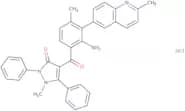
CAS:<p>AMG PERK 44 is a cytosolic calcium ionophore that activates the phosphorylation of eukaryotic protein kinase C. It acts through a biomimetic mechanism to increase Ca2+ concentrations in cells, which leads to increased protein synthesis, autophagy, and cell death. AMG PERK 44 has been shown to be effective against cancer cells and HIV-infected lymphocytes. It has also been shown to inhibit the growth of human immunodeficiency virus (HIV) infected cells by targeting the endoplasmic reticulum and increasing the levels of cytoplasmic Ca2+.</p>Fórmula:C34H29ClN4O2Pureza:Min. 95%Peso molecular:561.1 g/molNSMCE1 antibody
<p>NSMCE1 antibody was raised using a synthetic peptide corresponding to a region with amino acids KKEAEQVLQKFVQNKWLIEKEGEFTLHGRAILEMEQYIRETYPDAVKICN</p>Goat anti Human IgG Fc (biotin)
<p>Goat anti-human IgG Fc (biotin) was raised in goat using human igG, Fc fragment as the immunogen.</p>