Bioquímicos e reagentes
Os bioquímicos e reagentes são substâncias fundamentais para a pesquisa e desenvolvimento em campos como biotecnologia, biologia molecular, farmacologia e medicina. Esses produtos são essenciais para uma variedade de aplicações, incluindo a síntese de compostos, a análise de amostras biológicas, a pesquisa de processos metabólicos e a produção de medicamentos. Na CymitQuimica, oferecemos uma ampla seleção de bioquímicos e reagentes de alta qualidade e pureza, adequados para diversas necessidades científicas e industriais. Nosso catálogo inclui enzimas, anticorpos, ácidos nucleicos, aminoácidos e muitos outros produtos, todos projetados para apoiar pesquisadores e profissionais em seus projetos de pesquisa e desenvolvimento, garantindo resultados confiáveis e reproduzíveis.
Subcategorias de "Bioquímicos e reagentes"
- Biomoléculas(99.185 produtos)
- Por Alvo Biológico(99.150 produtos)
- Por uso/Efeitos Farmacológicos(6.789 produtos)
- Compostos relacionados à criopreservação e aos crioconservantes(21 produtos)
- Desinfetantes, aditivos para aquecimento de líquidos de banho e compostos relacionados(28 produtos)
- Hormónios(346 produtos)
- Biologia Vegetal(6.764 produtos)
- Metabólitos secundários(14.307 produtos)
Foram encontrados 130581 produtos de "Bioquímicos e reagentes"
Ordenar por
Pureza (%)
0
100
|
0
|
50
|
90
|
95
|
100
Alarin
CAS:<p>Alarin is a peptide that is an activator of the nicotinic acetylcholine receptor. It has been shown to activate the receptor in a number of systems, including calf-thymus DNA and purified protein. Alarin binds to the ligand-binding site of the acetylcholine receptor, which leads to channel opening. Alarin has been shown to interact with ion channels and can be used as a research tool for cell biology and pharmacology studies.</p>Fórmula:C127H205N43O35Pureza:Min. 95%Peso molecular:2,894.3 g/molDes-Arg9-[Leu8]-Bradykinin
CAS:Produto Controlado<p>Bradykinin is a peptide hormone that can be formed from the breakdown of kininogen. It works by binding to specific receptors found on the surface of cells and activating a G-protein coupled receptor. Bradykinin stimulates the secretion of gastric acid, increases the permeability of capillaries in the lungs, and causes contraction of smooth muscle in many organs. Bradykinin also has an important role in regulating blood pressure and heart rate. Des-Arg9-[Leu8]-Bradykinin (D-BK) is a potent inhibitor of this activity and is used as an antihypertensive agent. D-BK prevents the activation of G-proteins by binding to receptors with high affinity and specificity. When it binds to its receptor, it inhibits cyclic AMP production, which leads to decreased cell activity and vasodilation. This inhibition reduces blood pressure by reducing cardiac output and increasing systemic vascular resistance.</p>Fórmula:C41H63N11O10•CH3COOH•3H2OPureza:Min. 95%Peso molecular:984.11 g/molLH-RH (Human)
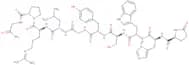
CAS:<p>Luteinizing hormone-releasing hormone (LH-RH), also known as Gonadotropin-Releasing Hormone (GnRH), stimulates the pituitary gland’s production and secretion of luteinizing hormone and follicle-stimulating hormone. LHRH is a decapeptide and is itself secreted by the hypothalamus. It is crucial for human reproduction and is heavily involved in the regulation of ovulation, sexual development and the onset of puberty.<br>When secreted, GNRH binds to the G-protein coupled receptor, gonadotropin-releasing hormone receptor (GNRHR) located on pituitary gonadotrophic cells in the anterior pituitary.<br>Medically, the understanding of GnRH is paramount, due to its involvement in the pathogensis of central hypogonadism. Any obstructions to its function in the reproductive system can result in the development of human pathologically conditions. It is important to note that analogs of GnRH can be used in pharmacology, in the treatment of gynaecological diseases, through blocking the secretion of estrogen secretion from the ovary. Additional GNRH analogs can be used to treat ovarian cancer, hormone-dependent cancers, endometriosis and modality in infertility. Therefore this product is a useful research tool and is available in a 0.5mg vial.</p>Fórmula:C55H75N17O13•(C2H4O2)2Pureza:Min. 95%Peso molecular:1,302.4 g/molE-64-c
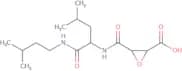
CAS:<p>E-64-c is a research tool that is used to activate the receptor of a cell. This ligand can bind to the receptor and form a complex, which will then be able to interact with other proteins in the cell. This process can lead to changes in ion channel activity, protein synthesis, or gene expression. E-64-c has been shown to inhibit the activity of ion channels such as calcium channels and potassium channels, as well as protein synthesis. It also binds to antibodies and blocks their binding sites on cells.br><br>E-64-c is a high purity ligand that can be used for studying protein interactions or pharmacological purposes. The potency of this ligand has been tested by measuring its ability to inhibit the binding of various peptides such as vasopressin and angiotensin II.</p>Fórmula:C15H26N2O5Pureza:Min. 95%Peso molecular:314.38 g/molSuc-[Glu9,Ala11,15]-Endothelin-1 (8-21)
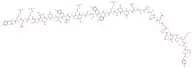
CAS:<p>Suc-[Glu9,Ala11,15]-Endothelin-1 (8-21) is a peptide that has been used as a research tool in pharmacology and protein interactions. Suc-[Glu9,Ala11,15]-Endothelin-1 (8-21) has been shown to be an agonist of the endothelin receptor. Endothelin-1 is a peptide that acts as a vasoconstrictor and plays an important role in the regulation of blood pressure.<br>Endothelin-1 is also an endogenous ligand for two G protein-coupled receptors, ETA and ETB. Interesting Endothelin-1 is the most abundant isoform and is expressed in endothelial cells of every blood vessel. It exerts its vasoconstrictor effects through binding to ETA receptors located on the smooth muscle.</p>Fórmula:C86H117N17O27Pureza:Min. 95%Peso molecular:1,820.9 g/molS49076
CAS:<p>S49076 is a quinoline derivative that has been shown to inhibit the growth of tumors in animal models by inhibiting epidermal growth factor receptor. S49076 is also able to inhibit the activation of H3 histones, which are important for gene transcription. The drug has been shown to be safe in preclinical studies, and clinical trials are currently ongoing for the treatment of cancer.</p>Fórmula:C22H22N4O4SPureza:Min. 95%Peso molecular:438.5 g/molEndothelin-1 (Human)
CAS:<p>Endothelin-1 is a peptide that acts as a vasoconstrictor and plays an important role in the regulation of blood pressure. Endothelin-1 is also an endogenous ligand for two G protein-coupled receptors, ETA and ETB. Interesting Endothelin-1 is the most abundant isoform and is expressed in endothelial cells of every blood vessel. It exerts its vasoconstrictor effects through binding to ETA receptors located on the smooth muscle.<br>This product has disulfide bonds between Cys1-Cys15 and Cys3-Cys11, sourced from Porcine, Canine, Rat, Mouse and Bovine and is available as a 0.5mg vial.</p>Fórmula:C109H159N25O32S5Pureza:Min. 95%Peso molecular:2,491.9 g/molAc-Val-Asp-Val-Ala-Asp-H (aldehyde)
CAS:<p>Ac-Val-Asp-Val-Ala-Asp-H (aldehyde) is a peptide that is a cell biology research tool. It is an inhibitor of protein interactions, activator, ligand or receptor. Ac-Val-Asp-Val-Ala-Asp-H (aldehyde) has high purity and is suitable for life science research. Ac-Val-Asp-Val-Ala-Asp-H (aldehyde) can be used as an ion channel inhibitor in pharmacology studies. Ac Val Asp Val Ala Asp H (aldehyde) also functions as an antibody to a protein of interest.</p>Fórmula:C23H37N5O10Pureza:Min. 95%Peso molecular:543.57 g/molVU 0483605
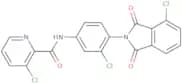
CAS:<p>VU 0483605 is a selective allosteric modulator, which is a type of small molecule compound. It originates from the field of neuropharmacology research, specifically designed to interact with metabotropic glutamate receptors (mGluRs), a class of G-protein-coupled receptors. This compound exhibits a selective mode of action by targeting mGlu receptor subtypes with high affinity, modulating their physiological and pathophysiological roles in the central nervous system.</p>Fórmula:C20H10Cl3N3O3Pureza:Min. 95%Peso molecular:446.67 g/molAnti Secretin (Porcine) Serum (50 ul)
CAS:<p>Anti-Secretin (Porcine) Serum is a high purity, serum-based protein that is used in research and cell biology experiments. It contains a variety of proteins including antibodies, activators, inhibitors, and peptides. Anti-Secretin (Porcine) Serum is used to study the function of ions channels and ligands. This product also has a wide range of applications in pharmacology and cell biology. The CAS number for this product is 109376-05-8.</p>Fórmula:C32H49N11O8Pureza:Min. 95%Peso molecular:715.8 g/molBoc-Gln-Pro
CAS:<p>Boc-Gln-Pro is a peptide that can be used as a substrate for peptidoglutaminase.</p>Fórmula:C15H25N3O6Pureza:Min. 95%Peso molecular:343.38 g/molRelaxin-2 (Human)
CAS:<p>Relaxin-2 is a peptide hormone that belongs to the insulin family of hormones. It is produced by the corpus luteum and placenta. The relaxin-2 receptor is a G protein coupled receptor belonging to the superfamily of class A receptors, which are known as rhodopsin-like receptors. Relaxin-2 has been shown to activate ion channels in cells, leading to an increase in intracellular calcium levels. This hormone has also been shown to inhibit protein interactions and regulate cell growth and differentiation through its interaction with the receptor. The pharmacological effects of relaxin-2 are mediated by binding to the ligand-binding domain on the receptor, which leads to activation of a number of intracellular signaling pathways.</p>Fórmula:C256H408N74O74S8Pureza:Min. 95%Peso molecular:5,963 g/molPhysostigmine-d3
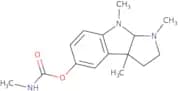
CAS:<p>Please enquire for more information about Physostigmine-d3 including the price, delivery time and more detailed product information at the technical inquiry form on this page</p>Fórmula:C15H21N3O2Pureza:Min. 95%Peso molecular:278.36 g/molJBJ-03-142-02
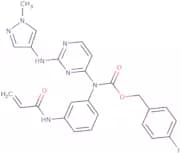
CAS:<p>JBJ-03-142-02 is a high purity, potent and selective activator of the nicotinic acetylcholine receptor. This peptide can be used for research in pharmacology, protein interactions, cell biology, and antibody production. It binds to the ligand binding site of the nicotinic acetylcholine receptor, which causes a conformational change that activates the channel. JBJ-03-142-02 can also be used as an inhibitor for other ion channels such as potassium channels and sodium channels.</p>Fórmula:C25H22FN7O3Pureza:Min. 95%Peso molecular:487.5 g/molTC-Mps1-12
CAS:<p>TC-Mps1-12 is a drug target for skin cancer and bladder cancer. TC-Mps1-12 inhibits the tyrosine kinase activity of the epidermal growth factor receptor (EGFR) and its downstream signalling cascades, which are involved in cell proliferation. This drug has been shown to be effective in decreasing tumour size in mice with skin cancer. TC-Mps1-12 also inhibits the EGFR downstream signalling pathways in bladder cancer cells, leading to decreased production of inflammatory cytokines and increased apoptosis.</p>Fórmula:C17H20N6OPureza:Min. 95%Peso molecular:324.38 g/mol[Tyr8]-Substance P (0.5 mg vial)
CAS:<p>Substance P is a neuropeptide that is synthesized from the precursor protein pro-opiomelanocortin (POMC). Substance P has been shown to be a potent inhibitor of the synthesis of proteins that are necessary for cell division. It also stimulates the release of inflammatory mediators and has been shown to have an activator effect on receptors. This product is used as a research tool in cell biology, biochemistry, and pharmacology.</p>Fórmula:C63H98N18O14SPureza:Min. 95%Peso molecular:1,363.6 g/mol[Sar1,Val5,Ala8]-Angiotensin II
CAS:<p>Sar1,Val5,Ala8]-Angiotensin II is a peptide with the amino acid sequence of [Sar1,Val5,Ala8]-Angiotensin II. The peptide is a research tool that can be used to study the effects of angiotensin on ion channels and receptor interactions. Sar1,Val5,Ala8]-Angiotensin II has also been shown to inhibit the binding of angiotensin I (AI) to its receptors. Sar1,Val5,Ala8]-Angiotensin II binds to the AT1 receptor and blocks its activation by AI. Sar1,Val5,Ala8]-Angiotensin II is a potent inhibitor of protein interactions and may have applications in pharmacology and cell biology.</p>Fórmula:C42H65N13O10Pureza:Min. 95%Peso molecular:912.05 g/molCRF (Ovine)
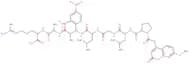
CAS:<p>Corticotropin Releasing Factor (CRF) is a peptide hormone involved in the regulation of the neuroendocrine system, the hypothalamic-pituitary-adrenal (HPA) axis. The hypothalamus releases CRF during stress and in turn CRF stimulates the production of stress hormones such as glucocorticoids and adrenocorticotropin (ACTH). A negative feedback loop is created as glucocorticoids then prevents further endocrine activity exhibited by the pituitary gland and hypothalamus. Interestingly in patients with depression, it has been found that the hypothalamic-pituitary adrenal axis is over stimulated thus increased production of CRF occurs resulting in depression symptoms. Furthermore studies have shown the expression of CRF receptors in glial cells and T-cells and elevated levels of CRF and glucocorticoids prevent T-cell proliferation. During stress cytokines can also stimulate the secretion of CRF. However CRF can also regulate these cytokines. CRF has the potential to be used in the research into depression treatments. <br>This product is available as a 0.1mg vial.</p>Fórmula:C205H339N59O63SPureza:Min. 95%Peso molecular:4,670.3 g/molNma-Gly-Gly-Val-Val-Ile-Ala-Thr-Val-Lys(Dnp)-D-Arg-D-Arg-D-Arg-NH₂
CAS:<p>Nma-Gly-Gly-Val-Val-Ile-Ala-Thr-Val-Lys(Dnp)-D-Arg-D-Arg-D-Arg NH₂ is a peptide that can be used as a research tool to study ion channels. It is an inhibitor of the chloride channel, and it can also inhibit other ion channels. This peptide has been shown to bind to the receptor site of the nicotinic acetylcholine receptor, which is found in muscle and nerve cells. When bound to this receptor, Nma Gly Gly Val Val Ile Ala Thr Val Lys (Dnp) D Arg D Arg D Arg NH2 blocks the passage of ions through the membrane.</p>Fórmula:C70H116N26O18Pureza:Min. 95%Peso molecular:1,609.8 g/molBoc-Val-Pro-Arg-AMC
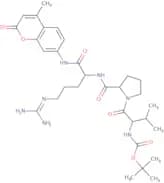
CAS:<p>Boc-Val-Pro-Arg-AMC is a peptide that activates ion channels. It is an agonist of the nicotinic acetylcholine receptor (nAChR) and can be used in research to investigate the pharmacology of nAChRs. Boc-Val-Pro-Arg-AMC can also be used as a high purity ligand for antibody production, which has applications in cell biology and other life science research.</p>Fórmula:C31H45N7O7Pureza:Min. 95%Peso molecular:627.73 g/molc3 Ceramide
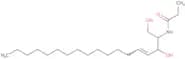
CAS:<p>C3 Ceramide is a human-derived analog of the naturally occurring sphingolipid ceramide. It has been shown to induce apoptosis, or programmed cell death, in cancer cells through activation of kinase pathways. C3 Ceramide has been found in human urine and can be used as a potential therapeutic agent for various cancers. This polysaccharide-based inhibitor has demonstrated potent anticancer effects against tumor cells in vitro and in vivo. Additionally, C3 Ceramide has also shown promise as a protein kinase inhibitor, making it a valuable medicinal tool for cancer research and treatment. Its potential benefits are being explored by scientists worldwide, including those from China who are investigating its efficacy against different types of cancer.</p>Fórmula:C21H41NO3Pureza:Min. 95%Peso molecular:355.6 g/molPhe-AMC
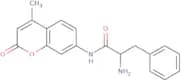
CAS:<p>Phen-AMC is a potent inhibitor of the enzyme acetylcholinesterase (AChE), which catalyzes the breakdown of the neurotransmitter acetylcholine. Phen-AMC is used as a research tool to study protein interactions, activator, and ligand binding. This inhibitor also has been shown to activate nicotinic receptors, ion channels, and antibodies.</p>Fórmula:C19H18N2O3Pureza:Min. 95%Peso molecular:322.36 g/molNPY (Porcine, 13-36)
CAS:<p>NPY is a peptide that belongs to the family of neuropeptides. It is an activator of G-protein coupled receptors, which are proteins found on the surface of cells. NPY binds to these receptors and triggers a signal transduction cascade that leads to increased activity in ion channels. This results in an increase in the permeability of the membrane and the influx of calcium ions into cells, which can cause cell death or inhibition of cell growth. NPY has been shown to be involved in many physiological processes, including regulation of food intake, body weight, water balance, reproduction, and immune function. NPY has also been shown to inhibit receptor binding by antibodies.</p>Fórmula:C135H209N41O36Pureza:Min. 95%Peso molecular:2,982.4 g/molOxytocin (Human, Porcine, Bovine, Rat, Ovine)
CAS:<p>Oxytocin is a peptide hormone that is produced by the hypothalamus and released by the pituitary gland. It is used to induce labor, control postpartum bleeding and stimulate milk production. Oxytocin also plays a role in sexual arousal, social recognition, and trust. It has been shown to have an inhibitory effect on many types of ion channels, including those found in the heart, central nervous system, and blood vessels. Oxytocin binds to receptors that are found throughout the body and brain. The receptor for oxytocin is known as OXT. This receptor belongs to the G-protein coupled receptor family of receptors. Oxytocin was first isolated from sheep serum in 1906 by Henry Dale and Charles Robert Harington. It was later synthesized in 1953 by Vincent du Vigneaud. This product has disulfide bonds between Cys1-Cys6.</p>Fórmula:C43H66N12O12S2Pureza:Min. 95%Peso molecular:1,007.2 g/molTyrosyl-Bradykinin
CAS:<p>Tyrosyl-Bradykinin is a peptide that is used as a research tool. It can activate an antibody or receptor and is used in the study of protein interactions. Tyrosyl-Bradykinin has been shown to be an inhibitor of ion channels and can block the activity of ligands and receptors. This peptide has also shown pharmacological properties, such as preventing platelet aggregation and inhibiting the release of histamine from mast cells.</p>Fórmula:C59H82N16O13Pureza:Min. 95%Peso molecular:1,223.4 g/molForchlorofenuron
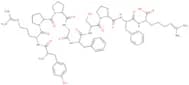
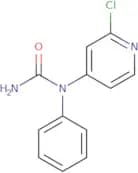
CAS:<p>Forchlorofenuron is a potent anticancer agent that targets protein kinases in cancer cells, inducing apoptosis and inhibiting tumor growth. This analog of the natural cytokinin hormone has been shown to be effective against a variety of human cancers, including breast, lung, and colon cancer. Forchlorofenuron acts as an inhibitor of protein kinases, which are enzymes that play a key role in cell signaling pathways. By blocking these pathways, Forchlorofenuron can induce apoptosis and prevent the growth and spread of cancer cells. This medicinal compound has been used as a tumor inhibitor in Chinese medicine for many years and can be found in urine samples after administration. Its efficacy against various kinases makes it a promising candidate for future anticancer therapies.</p>Fórmula:C12H10ClN3OPureza:Min. 95%Peso molecular:247.68 g/mol[D-Arg1,D-Trp7,9,Leu11]-Substance P
CAS:<p>This product is a Substance P antagonist in the Hydrochloride salt from and as a 0.5mg vial. Substance P is a neuropeptide that acts as a neurotransmitter and neuromodulator. It is best known for its role in nociception or pain perception. Substance P is also involved in other biological processes such as the regulation of gastrointestinal motility and the inflammatory response. As a tachykinin neuropeptide, substance P acts through binding to its specific neurokinin 1 receptor (NK-1R). NK-1R is present in neurons and on glial cell types. Substance P is also involved in: increased inflammation in the lungs, gastrointestinal tract and the skin and neuroinflammation. Interestingly the levels of Substance P are raised in inflammatory bowel diseases and through its involvement in cytokine release, it contributes to asthma pathology. These diverse selection of functions makes substance P a target for therapeutic research.</p>Fórmula:C75H108N20O13Pureza:Min. 95%Peso molecular:1,497.8 g/molAdenylate Kinase 4, human, recombinant
<p>Adenylate kinase 4 (AK4) is a protein that in humans is encoded by the AK4 gene. AK4 catalyzes the conversion of adenosine triphosphate (ATP) to adenosine monophosphate (AMP). The enzyme has been shown to play an important role in the regulation of cell proliferation and survival, as well as in the regulation of ion channels, neurotransmitter release, and other biological processes. AK4 is also an activator of G-protein coupled receptors and a ligand for certain nuclear receptors. It can also function as an inhibitory receptor for certain G-protein coupled receptors.</p>Pureza:Min. 95%ANP (Rat, 3-28)
CAS:<p>ANP (Rat, 3-28) is a peptide that is a potent inhibitor of protein interactions. This peptide binds to the ligand-binding domain of the receptor and blocks the binding of the ligand. ANP (Rat, 3-28) also has high purity and can be used as a research tool or an antibody in life science studies.</p>Fórmula:C119H189N43O36S2Pureza:Min. 95%Peso molecular:2,862.2 g/molUrotensin II (Human)
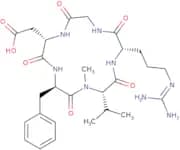
CAS:<p>A potent vasoconstrictor, available in the hydrochloride form with disulfide bonds between Cys5-Cys10 and as a 0.5mg vial.<br>Urotensin II (UT-II) is a peptide that is found in humans and other vertebrates and is involved in biological systems such as the nervous, endocrine, cardiovascular and renal.<br>Like that of urotensin II-related peptide, urotensin II contains the hexapeptide -CYS-TYR-LYS-TRP-PHE-CYS- known as the core and this is crucial to its biological function. Urotensin II can also increase the concentration of intercellular calcium through binding to its G protein coupled receptor: urotensin-II receptor which causes the activation of Protein kinase C followed by the activation of Phospholipase C.<br>UT-II is widely distributed throughout the body, with highest concentrations found in the cardiovascular system, particularly in the heart and blood vessels. UT-II has been shown to have a wide range of physiological effects in humans, including vasoconstriction, modulation of blood pressure, and stimulation of the release of aldosterone and vasopressin. <br>In addition to its physiological effects, UT-II has also been implicated in the pathogenesis of various cardiovascular and metabolic disorders, including hypertension, heart failure, and diabetes. Inhibition of UT-II signaling has been suggested as a potential therapeutic target for these conditions.</p>Fórmula:C64H85N13O18S2Pureza:Min. 95%Peso molecular:1,388.6 g/molCilengitide
CAS:<p>Cilengitide is a peptide that inhibits the integrin receptor, which may be involved in tumorigenesis. It blocks the process of cellular transformation and inhibits tumor growth by blocking angiogenesis. Cilengitide has been shown to have minimal toxicity in vitro and in vivo, which is likely due to its low solubility in water. This peptide also has antitumor activity against solid tumours and can inhibit the growth of human breast cancer cells. Cilengitide was found to be effective in an experimental model using MDA-MB-231 breast cancer cells, demonstrating its potential for use as a therapeutic agent for cancer treatment.</p>Fórmula:C27H40N8O7Pureza:Min. 95%Peso molecular:588.66 g/molSuc-Ala-Ala-Ala-AMC
CAS:<p>Suc-Ala-Ala-Ala-AMC is a peptide that is used as a research tool to study protein interactions. It can be used to activate an antibody or receptor and to inhibit the activity of ion channels. This compound has been shown to bind to the Ligand Binding Domain of the Beta2 adrenergic receptor, which is expressed in the heart and lungs. Suc-Ala-Ala-Ala-AMC is also known as 73617-90-0, and has CAS No. 73617-90-0.</p>Fórmula:C23H28N4O8Pureza:Min. 95%Peso molecular:488.49 g/molZ-Ala-Ala-Leu-pNA
CAS:<p>Z-Ala-Ala-Leu-pNA is a synthetic substrate that is used as a chemical test for serine proteases. It is synthesized by the addition of a single amino acid to the C-terminal end of Z-Ala-Ala-Leu. This substrate has been used in kinetic studies and biochemical analysis, such as biophysical and proteolytic properties. The enzyme preparation that hydrolyzes this substrate is often immobilized on a solid support, such as agarose beads or polystyrene or glass beads, so that it can be applied to an assay plate. Z-Ala-Ala-Leu-pNA is also used in functional group analyses of proteins.</p>Fórmula:C26H33N5O7Pureza:Min. 95%Peso molecular:527.57 g/molBpidl hydrate
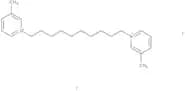
CAS:<p>Bpidl hydrate is an antibody that binds to the human ion channel TRPV4. It has been shown to be a high-potency activator of TRPV4 and can also bind to other ion channels. Bpidl hydrate may be used in pharmacological studies as a tool for determining the function of various ion channels, such as TRPV4, and may have potential applications in the treatment of pain or asthma.</p>Fórmula:C22H34I2N2Pureza:Min. 95%Peso molecular:580.3 g/molLeucine-Enkephalin
CAS:<p>Leucine-Enkephalin is a research tool that binds to the opioid receptor. It is an activator of the receptor and can be used in cell biology, pharmacology, and as a ligand or antibody for receptor studies. Leucine-Enkephalin has been shown to inhibit ion channels in vitro and can be used to study protein interactions. This peptide also exhibits pharmacological effects in vivo, including analgesia, inhibition of gastrointestinal motility, and induction of emesis.</p>Fórmula:C28H37N5O7Pureza:Min. 95%Peso molecular:555.62 g/molSecretin (Porcine)
CAS:<p>Secretin is a peptide that is used as a research tool in the study of ion channels, cell biology, and pharmacology. Secretin is a peptide hormone that is produced in the duodenum and is involved in the regulation of pancreatic bicarbonate, gastric acid and osmoregulation. Secretin binds to secretin receptors which are G-protein coupled receptors and are expressed in pancreatic centroacinar cells. Secretin binds to these receptors and activates adenylate cyclase which converts ATP into cAMP which results in the secretion of bicarbonate from the pancreas. Secretin plays a role in osmoregulation through its effects on the kidney, pitutiary gland and the hypothalamus. This product is available as a 0.5mg vial.</p>Fórmula:C130H220N44O41Pureza:Min. 95%Peso molecular:3,055.4 g/molPyrabactin
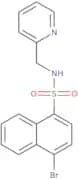
CAS:<p>Pyrabactin is a potent inhibitor of kinases, specifically cyclin-dependent kinase (CDK) and other protein kinases. It is an analog of the Chinese herbal medicine pyrabactin, which has been used for centuries to treat various ailments including cancer. Pyrabactin has been shown to induce apoptosis in cancer cells and inhibit tumor growth in animal models. Additionally, it has anticancer properties due to its ability to inhibit the activity of CDKs, which are essential for cell division and proliferation. Pyrabactin is excreted primarily through urine and has potential as a therapeutic agent for cancer treatment.</p>Fórmula:C16H13BrN2O2SPureza:Min. 95%Peso molecular:377.3 g/molNeuroendocrine Regulatory Peptide-1 (Human)
CAS:<p>This Neuroendocrine Regulatory Peptide-1 (human) product can be used as an endogenous suppressor of vasopressin release and is available as a 0.1mg vial. The neuroendocrine regulatory peptide-1 (NERP1) is derived from VGF and it colocalizes with vasopressin in the hypothalamus and it has been found that NERPs prevent vasopressin release from the hypothalamus. Thus NERP1 is involved in body fluid homeostasis through modulating the release of vasopressin.</p>Fórmula:C113H192N36O39Pureza:Min. 95%Peso molecular:2,679 g/molCoV-2-Spike (1-1211)
<p>A human infecting coronavirus (viral pneumonia) called 2019 novel coronavirus, 2019-nCoV, was found in the fish market at the city of Wuhan, Hubei province of China on December 2019. The 2019-nCoV shares an 87% identity to the 2 bat-derived severe acute respiratory syndrome 2018 SARS-CoV-2 located in Zhoushan of eastern China. 2019-nCoV has an analogous receptor-BD-structure to that of 2018 SARS-CoV, even though there is a.a. diversity so thus the 2019-nCoV might bind to ACE2 receptor protein (angiotensin-converting enzyme 2) in humans. While bats are possibly the host of 2019-nCoV, researchers suspect that animal from the ocean sold at the seafood market was an intermediate host. RSCU analysis proposes that the 2019-nCoV is a recombinant within the viral spike glycoprotein between the bat coronavirus and an unknown coronavirus. The CHO derived recombinant protein contains the Coronavirus 2019-Spike Full-Length protein, Wuhan-Hu-1 strain, amino acids 1-1211 having a Mw of 134 kDa fused to His tag at C-terminal. The furin cleavage site (682- 685 a.a.) has been mutated from RRAR to SRAS and the transmembrane domain & intravirion part was replaced with a glycine-serine linker + His-tag. It has been purified by Metal affinity chromatographic technique and the final formulation is avaiable as the CoV-2 spike full length protein solution is supplied in DPBS.</p>Pureza:Min. 95%α-desmethyl anastrozole-d3
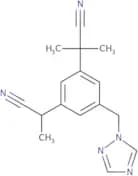
CAS:<p>Please enquire for more information about Alpha-desmethyl anastrozole-d3 including the price, delivery time and more detailed product information at the technical inquiry form on this page</p>Fórmula:C16H17N5Pureza:Min. 95%Peso molecular:282.36 g/molZ-Glu-Tyr
CAS:<p>Z-Glu-Tyr is a synthetic substrate of the enzyme cathepsin B. The amino acid sequence of Z-Glu-Tyr has been shown to be identical to the sequence of the natural substrate, L-glutaminyl-L-tyrosine. The activity of the enzyme cathepsin B can be inhibited by Z-Glu-Tyr due to its ability to form a covalent bond with cysteine residues in the active site. This inhibition prevents cleavage of peptide bonds and synthesis of polypeptides, which are necessary for cell growth and division. Z-Glu-Tyr is also an inhibitor of thiol proteases, such as papain and subtilisin, which are enzymes that hydrolyze peptide bonds in proteins.</p>Fórmula:C22H24N2O8Pureza:Min. 95%Peso molecular:444.43 g/molMethyl (Methyl 5-Acetamido-4,7,8,9-Tetra-O-Acetyl-3,5-Dideoxy-2-Thio-D-Glycero-D-Galacto-2-Nonulopyranosid)onate
CAS:<p>Methyl 5-acetamido-4,7,8,9-tetra-O-acetyl-3,5-dideoxy-2-thio-D-glycero-D-galacto-2-nonulopyranoside is a glycosyl compound that is used in the synthesis of peptides and other biochemicals. Methyl 5-(acetamido)-4,7,8,9 tetra O acetyl 3,5 dideoxy 2 thioglycoside has been shown to inhibit bacterial growth by binding to the enzyme beta lactamase. This product is also used as an intermediate for the synthesis of other compounds.</p>Fórmula:C21H31NO12SPureza:Min. 95%Peso molecular:521.54 g/molRX871024
CAS:<p>RX871024 is a drug that targets β-cells and has been shown to be effective in reducing the number of β-cells in diabetic patients. It also reduces the levels of epoxyeicosatrienoic acids, which are cytotoxic to β-cells. RX871024 inhibits cytosolic calcium ion levels by binding to the cytosol and blocking intracellular targets such as diacylglycerol and beta-cell apoptosis. The drug also increases phosphorylation of amp-activated protein kinase, which is necessary for glucose transport into the cell. RX871024 may have potential as a treatment for diabetes mellitus type 2 because it antagonizes pge2 in wild-type mice.</p>Fórmula:C17H16ClN3Pureza:Min. 95%Peso molecular:297.8 g/molObestatin (Rat, Mouse)
CAS:<p>Obestatin is a peptide that was originally isolated from rat and mouse brain. It is a potent inhibitor of Kv1.3 and Kv1.5 potassium channels, with an IC50 of about 1 nM for both channels, but has no effect on other ion channels. Obestatin also inhibits the binding of antibodies to epitopes on the surface of cells, which may be due to its ability to inhibit cell-cell adhesion. The antibody-binding activity of obestatin is also inhibited by peptides corresponding to residues in the N-terminal region of obestatin, but not by peptides corresponding to residues in the C-terminal region. Obestatin has been shown to activate receptor tyrosine kinase (RTK) pathways and induce signaling cascades that lead to the proliferation and differentiation of tumor cells.</p>Fórmula:C114H174N34O31Pureza:Min. 95%Peso molecular:2,516.8 g/molStichodactyla Toxin
CAS:<p>Stichodactyla toxin is a peptide that binds to neuronal ion channels and inhibits the transmission of nerve impulses. It has been shown to bind to the nicotinic acetylcholine receptor (nAChR) and inhibit ligand-gated ion channels, such as glutamate receptors. Stichodactyla toxins have been used as research tools in pharmacology and protein interactions. This toxin may be an inhibitor of cell proliferation, or an activator of apoptosis. The high purity of this toxin makes it suitable for antibody production.</p>Fórmula:C169H274N54O48S7Pureza:Min. 95%Peso molecular:4,054.8 g/molGla17,21,24-Osteocalcin (Human)
CAS:<p>Gla17,21,24-Osteocalcin is a peptide that belongs to the family of proteins that have bone-building properties. Osteocalcin is produced by osteoblasts and its production increases in response to activation by parathyroid hormone. It is also an activator of ion channels and has been found to be involved in regulating calcium homeostasis. Gla17,21,24-Osteocalcin has been shown to inhibit protein interactions with the receptor and ligand. This peptide also binds to receptor sites on cells and inhibits the activity of G protein-coupled receptors (GPCRs).</p>Fórmula:C269H381N67O82S2Pureza:Min. 95%Peso molecular:5,929.4 g/molNaltriben mesylate monohydrate
CAS:<p>Naltriben is a potent and selective inhibitor of Bruton's tyrosine kinase (BTK) that blocks the activation of B-cells. It is used as a research tool to study the function of BTK in cells, such as peptides and proteins that bind to this protein. Naltriben has been shown to activate ligand-gated ion channels, including nicotinic acetylcholine receptors. This drug also inhibits protein interactions with the receptor for advanced glycation endproducts (RAGE).</p>Fórmula:C26H25NO4•CH4O3S•H2OPureza:Min. 95%Urocortin II (Mouse)
CAS:<p>Urocortin II is a peptide of the corticotropin-releasing factor receptor family that is synthesized in the brain. It has been shown to inhibit the activity of other peptides and proteins, and can be used as a research tool for studying protein interactions, receptor binding, ion channel activity, and ligand binding. Urocortin II has been shown to activate receptors in mouse brain tissue, which may provide insight into its function as a regulator of stress responses.</p>Fórmula:C187H320N56O50Pureza:Min. 95%Peso molecular:4,152.9 g/molML289
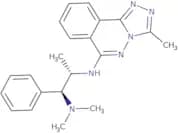
CAS:<p>ML289 is an allosteric modulator of metabotropic glutamate receptors (mGluRs). It has been shown to activate mGluR2/3 and mGluR4 in vitro. ML289 is a structural analog of the amino acid glutamate and binds to the same site as glutamate. This binding leads to increased signaling through these receptors, which are involved in many physiological processes, including myotonica and physiochemical functions. ML290 has been shown to be penetrant in vivo, with high brain concentrations achieved following peripheral administration. The pharmacokinetics of ML290 have also been characterized in rats, demonstrating that it is rapidly absorbed after oral administration and its concentration remains relatively stable over time.<br>ML290 has also been shown to bind metal surfaces such as steel or nickel, making it a potential candidate for use on metal surfaces where bacteria may grow.</p>Fórmula:C22H23NO3Pureza:Min. 95%Peso molecular:349.42 g/molDodecylurea
CAS:<p>Dodecylurea is an activator that binds to a receptor. This ligand-receptor interaction leads to changes in the cell biology, such as ion channels and protein interactions. Dodecylurea is used as a research tool for studying the properties of cells and proteins. It has been shown to inhibit the activity of ion channels, which may be useful in the treatment of pain or epilepsy. Dodecylurea also has pharmacological effects on peptides and proteins, which can be used for research on protein interactions or for therapeutic purposes.</p>Fórmula:C13H28N2OPureza:Min. 95%Peso molecular:228.37 g/molGN 44028
CAS:<p>GN 44028 is a synthetic small molecule, which is an ATP-competitive inhibitor developed through advanced medicinal chemistry techniques. It specifically targets serine/threonine kinases, a class of enzymes pivotal in cellular signaling and regulation. The inhibitor achieves its effects by binding to the ATP-binding site of these kinases, thereby blocking substrate phosphorylation and downstream signal transduction pathways.</p>Fórmula:C18N15N3O2Pureza:Min. 95%Peso molecular:305.33 g/molBoc-Leu-Arg-Arg-AMC
CAS:<p>Boc-Leu-Arg-Arg-AMC is a synthetic, nonpeptide antagonist of the CGRP receptor. It has been shown to inhibit the binding of peptides to the CGRP receptor and is used as a research tool for studying the pharmacology and protein interactions of this receptor. Boc-Leu-Arg-Arg-AMC has been shown to stimulate ion channel activity in vitro. This compound also has an affinity for antibodies that are specific for CGRP receptors, which can be used as a ligand in immunoassays.</p>Fórmula:C33H52N10O7Pureza:Min. 95%Peso molecular:700.83 g/molStresscopin-Related Peptide (Human)
CAS:<p>Stresscopin-Related Peptide (Human) is a protein that belongs to the class of peptides. The peptide is an activator of receptor for glucocorticoids, and it also can bind with other receptors. Stresscopin-Related Peptide (Human) has been shown to interact with ion channels and ligands, such as antibodies, in the human body. This product is purified to ≥98% and available in a research grade form. It is not intended for use in humans or animals.</p>Fórmula:C205H358N68O57Pureza:Min. 95%Peso molecular:4,687.5 g/molAlicapistat
CAS:<p>Alicapistat is a small molecule that has been shown to have antioxidant properties. Alicapistat prevents ischemia-reperfusion injury in animals by blocking the production of reactive oxygen species and reducing oxidative damage to the body. It also has anti-cancer properties, as it blocks iron uptake into cancer cells and inhibits cancer cell proliferation. Alicapistat is a nonselective inhibitor that binds to many different proteins, including enzymes such as proteases and kinases, which may affect physiological function. The drug has also been found to be effective in preventing inflammation caused by mesenchymal stromal cells</p>Fórmula:C25H27N3O4Pureza:Min. 95%Peso molecular:433.5 g/molMOCAc-Pro-Leu-Gly-Leu-A2pr(Dnp)-Ala-Arg-NH₂
CAS:<p>MOCAc-Pro-Leu-Gly-Leu-A2pr(Dnp)-Ala-Arg-NH₂ is a peptide that is used as a research tool in cell biology. It can be used to study the interactions between proteins, receptors and ion channels. MOCAc-Pro-Leu-Gly-Leu-A2pr(Dnp)-Ala-Arg-NH₂ has been shown to activate the G protein receptor, which is involved in the transmission of signals by cells. The peptide is also an inhibitor for ligand binding to the receptor.</p>Fórmula:C49H68N14O15Pureza:Min. 95%Peso molecular:1,093.10 g/molSTAT3-IN-1
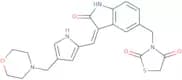
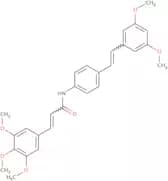
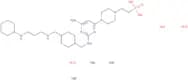
CAS:<p>STAT3-IN-1 is a small molecule that inhibits the activation of the transcription factor STAT3. STAT3 is involved in the regulation of cancer cell proliferation and survival, as well as the suppression of inflammation. STAT3-IN-1 has been shown to inhibit tumor growth by blocking IL-10 production and attenuating tissue inhibitor of metalloproteinase (TIMP)-1 expression. It also inhibits chemoresistance in breast cancer cells by reducing NF-κB activity, which leads to increased apoptosis and decreased proliferation rates. Additionally, STAT3-IN-1 has been shown to reduce tumor size in mice xenografts, enhance tissue regeneration and improve prognosis.</p>Fórmula:C28H29NO6Pureza:Min. 95%Peso molecular:475.5 g/molPRT 060318
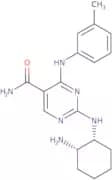
CAS:<p>PRT 060318 is a small molecule that inhibits the expression of the protein Foxo1. It has been shown to inhibit the growth of chronic lymphocytic leukemia cells in culture, as well as inhibit their ability to migrate and invade other tissues. PRT 060318 also inhibits cell proliferation by blocking Annexin A2 signaling pathways. In vivo studies have shown that PRT 060318 can be used to suppress tumor growth and reduce the size of tumors in mice with a severe combined immunodeficiency (SCID) through inhibition of Foxo1. The drug does not appear to have any toxic effects on healthy cells and tissue, which may be due to its low affinity for Annexin A2.</p>Fórmula:C18H24N6OPureza:Min. 95%Peso molecular:340.42 g/molAc-Val-Glu-Ile-Asp-H (aldehyde)
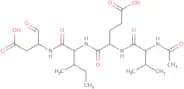
CAS:<p>Ac-Val-Glu-Ile-Asp-H (aldehyde) is a synthetic peptide that is used as an inhibitor to study the effects of protein interactions. Ac-Val-Glu-Ile-Asp-H (aldehyde) binds to the active site of the enzyme, which prevents the enzyme from functioning and can be used as a research tool. Ac-Val-Glu-Ile-Asp-H (aldehyde) has been shown to activate some receptors and ligands, such as ion channels and antibodies.</p>Fórmula:C22H36N4O9Pureza:Min. 95%Peso molecular:500.54 g/molBurixafor hydrobromide
CAS:<p>Burixafor hydrobromide is an anti-tumor agent that belongs to the class of antagonists. It is a potent and selective antagonist of the erythropoietin receptor (EPOR). This drug has been shown to have systemic activity in cancer models by inhibiting tumor growth. Burixafor hydrobromide inhibits tumor cell proliferation by blocking EPOR signaling, which is important for normal red blood cell production. This agent also has a high affinity for deuterated compounds and may be used as a tracer or radiotracer for imaging tumors.</p>Fórmula:C27H60Br3N8O6PPureza:Min. 95%Peso molecular:863.5 g/molNPY (Porcine, Bovine)
CAS:<p>NPY is a peptide that belongs to the family of neuropeptides. It is an endogenous regulator of appetite and energy expenditure in the central nervous system, which has been shown to act as a neurotransmitter and neuromodulator. NPY is also an activator of ion channels, such as potassium channels, sodium channels, and calcium channels. NPY has been shown to bind with high affinity to receptors in the brain, heart, lungs, kidneys, and intestines. The binding of NPY to its receptor leads to activation of protein interactions. This process can lead to changes in cell physiology or regulation of physiological functions by altering gene expression or changing the concentration of ions in the blood. NPY has also been shown as an inhibitor for many different ligands and receptors including dopamine D1 receptors and serotonin 5-HT2A/C receptors.</p>Fórmula:C190H287N55O57Pureza:Min. 95%Peso molecular:4,253.6 g/molGW-870086
CAS:<p>GW-870086 is a synthetic small molecule compound classified as a selective glucocorticoid receptor agonist. It is derived from structured pharmaceutical research aimed at developing targeted therapies with minimal systemic side effects. This compound selectively binds to glucocorticoid receptors, modulating the transcription of glucocorticoid-responsive genes while attenuating inflammation and immune responses.</p>Fórmula:C31H39F2NO6Pureza:Min. 95%Peso molecular:559.65 g/molCD11b antibody (Azide Free)
<p>CD11b antibody (Azide Free) was raised in rat using C57BL/10 murine splenic T cells and concanavalin A-activated C57BL/10 splenocytes as the immunogen.</p>Pureza:Min. 95%L-685,458
CAS:<p>L-685,458 is a peptide that is used as a research tool to study protein interactions and the role of ion channels in cell biology. It binds to the receptor site and inhibits the binding of natural ligands. L-685,458 is an inhibitor of ion channels and acts by blocking the voltage-dependent activation of sodium channels. It also blocks potassium channels, which are responsible for regulating membrane potentials and controlling nerve impulses. L-685,458 has been shown to inhibit protein interactions in pharmacology studies with receptor binding assays.</p>Fórmula:C39H52N4O6Pureza:Min. 95%Peso molecular:672.85 g/molParathyroid Hormone (Human, 1-44)
CAS:<p>Amino acids 1-44 of the Parathyroid Hormone (PTH) which is a peptide hormone that is secreted from the parathyroid gland in the event of abnormal serum calcium levels and it ultimately regulates calcium and phosphate levels in the body. The PTH exerts its activity through binding to the G-protein coupled receptor type 1 PTH receptor, which activates adenylate cyclase or phospholipase C thus activating pathways involved in the mediation of bone resorption and bone formation. This product is suitable for life science applications and is available as a 0.5mg vial.</p>Fórmula:C225H366N68O61S2Pureza:Min. 95%Peso molecular:5,063.9 g/molParainfluenza type 2 antibody (FITC)
<p>Parainfluenza type 2 antibody (FITC) was raised in mouse using parainfluenza virus, type 2 as the immunogen.</p>Pureza:Min. 95%AIP-I
CAS:<p>AIP-I is a peptide that is an activator of ion channels. The AIP-I peptide is a synthetic analog of the natural ligand, AIP-II. It has been shown to be a potent inhibitor of voltage-gated potassium channels in human embryonic kidney cells and has also been used as a research tool for studying protein interactions and receptor pharmacology.</p>Fórmula:C43H60N8O13S2Pureza:Min. 95%Peso molecular:961.12 g/molß-Casomorphin-5 (Bovine)
CAS:<p>Beta-casomorphin-5 (BCM-5) is a peptide that is released from the digestion of casein in milk. It is an analog of casomorphin-7, which has been shown to have opioid activity. BCM-5 has been found to inhibit the proliferation of cells and induce apoptosis by binding to P21, a protein that controls the cell cycle. BCM-5 also binds to the mu-opioid receptor and inhibits gastric acid secretion. The conformational properties of BCM-5 have been determined with analytical methods such as LC/MS/MS, NMR, and FTIR. These studies have shown that BCM-5 adopts a ß-sheet conformation when bound to mucin glycoprotein or other proteins.</p>Fórmula:C30H37N5O7•2H2OPureza:Min. 95%Peso molecular:615.67 g/molSubstance P (Human, Bovine, Rat, Mouse)
CAS:<p>Substance P is a member of the tachykinin neuropeptide family which is produced in the central nervous system (CNS) and acts through its specific receptor neurokinin 1 receptor (NK-1R). NK-1R is present in neurons and on glial cell types. Substance P is involved in: pain perceptions as a neurotransmitter; gut motility; increased inflammation in the lungs, gastrointestinal tract and the skin and neuroinflammation. Interestingly the levels of Substance P are raised in inflammatory bowel diseases and through its involvement in cytokine release, it contributes to asthma pathology. These diverse selection of functions makes substance P a target for therapeutic research. This product is available as a 0.5 mg vial.</p>Fórmula:C63H98N18O13SPureza:Min. 95%Peso molecular:1,347.6 g/molARN 14686
CAS:<p>ARN 14686 is a research tool that is used as an inhibitor of ion channels. It binds to receptors and blocks the opening of ligand-gated ion channels, thereby preventing the flow of ions across the membrane. ARN 14686 has high purity and can be used in Cell Biology, Pharmacology, and Ion Channels research. ARN 14686 has been shown to inhibit the activity of Ligand-gated ion channels, such as nicotinic acetylcholine receptor (nAChR), GABA A receptor, and serotonin 5HT3 receptor. ARN 14686 also inhibits voltage-gated potassium channels such as Kv1.2. <br>ARN 14686 is a peptide that can bind to antibodies or receptors on cells and activate them by binding to their surface proteins. This peptide can be used in protein interactions studies or antibody production.br></p>Fórmula:C15H24N2O3Pureza:Min. 95%Peso molecular:280.36 g/molDes-Asp1-[Ile8]-Angiotensin II
CAS:<p>Des-Asp1-[Ile8]-Angiotensin II is a peptide that has been shown to have analgesic effects. It has been reported to be active in anesthetized, Sprague-Dawley rats and in primary cultures of rat brain neurons. The peptide binds to the angiotensin II type 1 receptor (AT1) subtype and enhances the activity of the receptor when it is bound by angiotensin II. Des-Asp1-[Ile8]-Angiotensin II also inhibits aminopeptidase activity, leading to an increase in the concentration of angiotensin II. This leads to increased antinociception at high concentrations, which may be due to its effect on baroreceptors or mesenteric blood vessels.</p>Fórmula:C43H68N12O9•2CH3COOH•4H2OPureza:Min. 95%Peso molecular:1,089.24 g/molFluorosalan
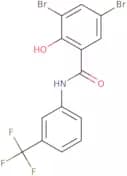
CAS:<p>Fluorosalan is a topical antiseptic, which is a fluorinated salicylamide derivative with bacteriostatic properties. This product is synthesized through the halogenation of salicylamide, a compound known for its antimicrobial effects. The incorporation of fluorine enhances the chemical stability and increases its effectiveness against a broad spectrum of pathogenic microorganisms.<br><br>The mode of action of Fluorosalan involves the disruption of microbial cell membranes and inhibition of essential enzyme systems within the pathogen, thus preventing their replication and survival. Its efficacy is attributed to its ability to interfere with microbial metabolism and cellular integrity effectively.<br><br>Fluorosalan is predominantly employed in clinical settings for the treatment of superficial skin infections and as a preventive measure in surgical procedures to reduce infection rates. The application is typically through topical formulations, enabling direct delivery to the site of infection and minimizing systemic side effects. Due to its potent antibacterial properties and low incidence of resistance, Fluorosalan remains a critical component in infection control protocols.</p>Fórmula:C14H8Br2F3NO2Pureza:Min. 95%Peso molecular:439.02 g/molAc-Val-Asp-Val-Ala-Asp-AMC
CAS:Produto Controlado<p>Ac-Val-Asp-Val-Ala-Asp-AMC is a research tool used to study the function of ion channels. It is an activator that binds to the receptor site on ATP sensitive potassium channels. Ac-Val-Asp-Val-Ala-Asp-AMC has been shown to inhibit calcium and sodium ion flux through ion channels, as well as high purity and good solubility. This peptide is useful for studying protein interactions, pharmacology, and life science research.</p>Fórmula:C33H44N6O12Pureza:Min. 95%Peso molecular:716.74 g/molUbrogepant
CAS:<p>Ubrogepant is a small-molecule calcitonin gene-related peptide (CGRP) receptor antagonist, derived from medicinal chemistry research focused on migraine pathophysiology. It functions by selectively binding to the CGRP receptor, thereby blocking the action of CGRP, a neuropeptide implicated in the pathogenesis of migraines. This mechanism disrupts neurogenic inflammation and vasodilation, processes known to contribute to migraine attacks.</p>Fórmula:C29H26F3N5O3Pureza:Min. 95%Peso molecular:549.54 g/molL-Moses
CAS:<p>Inhibitor of PCAF bromodomain</p>Fórmula:C21H24N6Pureza:Min. 95%Peso molecular:360.46 g/molHexa-His
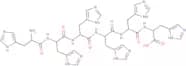
CAS:<p>Hexa-His is a monoclonal antibody that binds to the glycoprotein of human herpes simplex virus. It is used for the diagnosis of this virus in patients with symptoms of genital herpes and for identifying the type of herpes simplex virus in tissue culture. Hexa-His has been shown to be effective against cancers such as melanoma, ovarian cancer, and prostate cancer. This antibody also has been shown to be effective against inflammatory diseases such as Crohn's disease, rheumatoid arthritis, and psoriasis.</p>Fórmula:C36H44N18O7Pureza:Min. 95%Peso molecular:840.9 g/molc24:1 Ceramide (d17:1/24:1(15Z))
CAS:<p>Ceramides are a type of lipid that is important for maintaining the barrier function of skin. Ceramide 24:1 (C24:1) is a putatively pro-inflammatory, anti-proliferative, and immunomodulatory lipid that has been implicated in cancer. C24:1 levels are reduced in the serum of patients with cancer and C24:1 levels are increased in the blood of patients with cancer. Additionally, there is evidence that this lipid plays an important role in metastasis (the spread of cancer to other parts of the body). It has been shown to be associated with poor prognosis and high grade tumours.<br>Ceramides can be measured as part of a metabolomics analysis to identify metabolic pathways associated with cancer. The validation study will help determine if measurements from this technique can be used as an indicator for cancer risk or diagnosis. The biosynthesis pathway for C24:1 has not yet been determined but there are several strategies being pursued to</p>Fórmula:C41H79NO3Pureza:Min. 95%Peso molecular:634.07 g/molNSC745887
CAS:<p>NSC745887 is a small molecule that has been shown to induce apoptosis in different cancerous cells, including human PC-3 prostate cancer cells. This compound inhibits the activity of telomerase, an enzyme that is necessary for the elongation of telomeres and the maintenance of cellular viability. NSC745887 also induces autophagy through inhibition of the amination reaction, which is required for cell growth. The optical properties of this molecule have been studied using spectroscopy. NSC745887 appears to be taken up by cells following binding with annexin A2 and may be used as a fluorescent probe to detect apoptotic cells.</p>Fórmula:C16H8N2O2Pureza:Min. 95%Peso molecular:260.25 g/molAflutinib
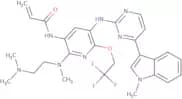
CAS:<p>Aflutinib is a potent and selective inhibitor of the epidermal growth factor receptor (EGFR) tyrosine kinase. Aflutinib was developed by Pfizer and is currently in phase II clinical trials for cancer treatment. This drug has been shown to be effective against cancers that overexpress EGFR, including lung cancer, pancreatic cancer, breast cancer, colorectal cancer, and head-and-neck cancers. The mechanism of action is inhibition of DNA synthesis by blocking the phosphorylation of tyrosine residues on the EGFR receptor. Aflutinib also binds to mesenchymal markers expressed at high levels in many cancers. This binding inhibits the activation of downstream signaling pathways such as RAS/RAF/MEK/ERK and PI3K/AKT pathways, leading to cell death. <br>Aflutinib has been shown to cause toxic epidermal necrolysis in some patients with</p>Fórmula:C28H31F3N8O2Pureza:Min. 95%Peso molecular:568.6 g/molRP-64477
CAS:<p>RP-64477 is a drug that inhibits the absorption of cholesterol and glucose from the intestine. RP-64477 belongs to a class of drugs known as pyrazole derivatives, which are structurally similar to thiazolidinones, but with a different side chain. The compound also has an inhibitory effect on monocytic cells, which can lead to an inhibition of lipid accumulation in the liver. RP-64477 has been shown to lower plasma cholesterol levels and reduce blood glucose levels in animals. This drug is orally active and exhibits hypocholesterolaemic activity in animal models.</p>Fórmula:C29H42N2O3SPureza:Min. 95%Peso molecular:498.72 g/molIACS-8968 (S-enantiomer)
CAS:<p>IACS-8968 is an activator that binds to specific receptors and ion channels. It is used as a research tool for studying the effects of ligands on cell biology. IACS-8968 has also been shown to be an inhibitor of phosphoinositide 3-kinase (PI3K) and protein kinase C (PKC).</p>Fórmula:C17H18F3N5O2Pureza:Min. 95%Peso molecular:381.35 g/molMagainin 1
<p>Magainin 1 is a research tool that belongs to the class of activators. It binds to receptor and ligand, which are proteins in cells. Magainin 1 is used as a tool in cell biology to study protein interactions and pharmacology, as well as for the study of ion channels. It has high purity and can be used with other reagents, such as antibodies or peptides, in research.</p>Pureza:Min. 95%CD25 antibody (Spectral Red)
<p>CD25 antibody (Spectral Red) was raised in rat using IL-2-dependent BALB/c mouse helper T-cell clone HT-2 as the immunogen.</p>Pureza:Min. 95%LY 2228820 dimesylate
CAS:<p>Inhibitor of p38 mitogen-activated protein kinase</p>Fórmula:C26H37FN6O6S2Pureza:Min. 95%Peso molecular:612.74 g/molWHI-P 154
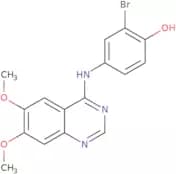
CAS:<p>Inhibitor of Janus kinase JAK3; immunosuppresor</p>Fórmula:C16H14BrN3O3Pureza:Min. 95%Peso molecular:376.2 g/molAnti ACTH (Rat) Serum
<p>Anti ACTH (Rat) Serum is a research tool that can be used to study the biological effects of ACTH. This serum contains activated rat ACTH, which is a ligand and binds to the receptor and activates the cell. The anti-ACTH antibody is used to detect ACTH in blood and tissue samples. Anti-ACTH serum has been shown to inhibit ion channel activity, protein synthesis, and peptide binding. It also inhibits the binding of an antibody specific for rat ACTH.</p>Pureza:Min. 95%Indomethacin-d4
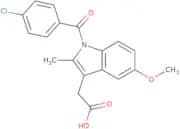
CAS:<p>Indomethacin-d4 is a synthetic, fluorescent derivative of indomethacin. It is used as a research tool in the field of pharmacology and cell biology to study protein interactions and ligand receptor interactions. Indomethacin-d4 has been shown to act as an inhibitor or activator on ion channels, depending on the type of ion channel studied. Indomethacin-d4 can be used in Life Science research to identify ligands for G protein coupled receptors (GPCR) by measuring changes in fluorescence intensity.</p>Fórmula:C19H16ClNO4Pureza:Min. 95%Peso molecular:361.8 g/molCD73-IN-1
CAS:<p>CD73-IN-1 is a peptide with high purity. It is an inhibitor of CD73, which is a protein that plays a key role in the regulation of the immune system and inflammation. CD73-IN-1 can be used as a research tool to study protein interactions, antibody research, cell biology, pharmacology, or life science. The CAS number for this product is 2132396-40-6.</p>Fórmula:C18H17N3O4SPureza:Min. 95%Peso molecular:371.41 g/molU 75875
CAS:<p>U 75875 is a research tool that belongs to the group of ligands and activators. It binds to a receptor and activates it. U 75875 has been shown to be an inhibitor that is able to block ion channels. It may also be used in cancer therapy, as it can inhibit the growth of cancer cells by binding to the receptor tyrosine kinase.</p>Fórmula:C45H61N7O7Pureza:Min. 95%Peso molecular:812.00 g/molInecalcitol
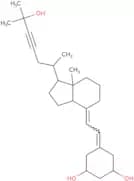
CAS:<p>Vitamin D receptor (VDR) agonist; anti-proliferative in breast & prostate cancer</p>Fórmula:C26H40O3Pureza:Min. 95%Peso molecular:400.59 g/molBig Endothelin-3 (Human, 22-41 Amide) Antiserum
<p>Big Endothelin-3 (Human, 22-41 Amide) Antiserum is an antibody that can be used to inhibit the activity of Big Endothelin-3. It is a monoclonal antibody that has been raised against Big Endothelin-3 and is specific to this protein. The antibody recognizes the epitope on the human form of Big Endothelin-3 which is located between amino acids 22 and 41. This antibody can also be used to detect peptides in cell lysates or tissue sections.</p>Pureza:Min. 95%CD117 antibody (Spectral Red)
<p>CD117 antibody (FITC) was raised in rat using murine CD117/c-Kit as the immunogen.</p>Pureza:Min. 95%CD81 antibody (FITC)
<p>CD81 antibody (FITC) was raised in hamster using murine epithelial cell line PAM212 as the immunogen.</p>Pureza:Min. 95%Haptoglobin antibody
<p>Haptoglobin antibody was raised in goat using purified human haptoglobin as the immunogen.</p>Pureza:Min. 95%PLTX-II
<p>A synthetic spider toxin, sourced from the spider, Plectreurys tristes. It can be applied as a presynaptic Ca2+ channel blocker. The disulfide bonds are undetermined.</p>Fórmula:C208H313N61O70S10Pureza:Min. 95%Peso molecular:5,108.7 g/molSGI 1776
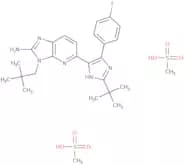
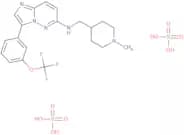
CAS:<p>Inhibits Pim kinase; anti-cancer agent</p>Fórmula:C20H22F3N5O•(H2SO4)2Pureza:Min. 95%Peso molecular:601.58 g/molNucPE1
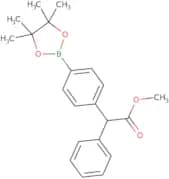
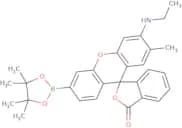
CAS:<p>NucPE1 is a potent agent for the treatment of cancer. It has been shown to be effective in killing cancer cells that have mutations in the FLT3-ITD gene. NucPE1 also exhibits anti-tumour activity by inducing apoptosis in a model organism and by inhibiting fatty acid synthesis. This drug has been shown to inhibit the oxidative DNA damage caused by reactive oxygen species and it can reactivate silenced genes. NucPE1 is toxic to mammalian cells, causing cell death, but it does not affect human erythrocytes. The mechanism of action of this drug is unclear, but it may be due to its ability to bind to response element binding protein or its ability to inhibit the tyrosine kinase activity of Flt3.</p>Fórmula:C29H30BNO5Pureza:Min. 95%Peso molecular:483.4 g/molCD66acde antibody
<p>CD66acde antibody was raised in mouse using human granulocytes as the immunogen.</p>Pureza:Min. 95%AMG-579
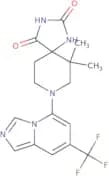
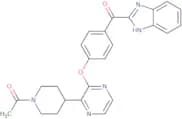
CAS:<p>AMG-579 is a novel, orally available phosphodiesterase inhibitor. It has been shown to be effective in animal models of Parkinson's disease and Huntington's disease, as well as in vitro experiments with cells from these diseases. AMG-579 has also been shown to inhibit the metabolic pathways that lead to the development of striatal lesions. This drug inhibits phosphodiesterases and guanosine receptors, which are involved in a number of biochemical pathways and have potential therapeutic applications for diseases such as Parkinson's and Huntington's.</p>Fórmula:C25H23N5O3Pureza:Min. 95%Peso molecular:441.5 g/molLegionella Species Rabbit Polyclonal Antibody, IgG Fraction
<p>Legionella Species Rabbit Polyclonal Anitbody, IgG Fraction is a life science tool for use in pharmaceutical and diagnostic applications. Please enquire for more information about Legionella Species Rabbit Polyclonal Anitbody, IgG Fraction including the price, delivery time and more detailed product information at the technical inquiry form on this page.</p>
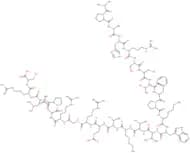

![Des-Arg9-[Leu8]-Bradykinin](/_next/image/?url=https%3A%2Fstatic.cymitquimica.com%2Fproducts%2F3D%2Fthumb-webp%2FPBK-4065.webp&w=3840&q=75)
![Suc-[Glu9,Ala11,15]-Endothelin-1 (8-21)](/_next/image/?url=https%3A%2Fstatic.cymitquimica.com%2Fproducts%2F3D%2Fthumb-webp%2FPED-4285-V.webp&w=3840&q=75)




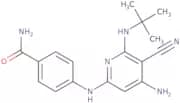
![[Tyr8]-Substance P (0.5 mg vial)](/_next/image/?url=https%3A%2Fstatic.cymitquimica.com%2Fproducts%2F3D%2Fthumb-webp%2FPSP-4059-V.webp&w=3840&q=75)
![[Sar1,Val5,Ala8]-Angiotensin II](/_next/image/?url=https%3A%2Fstatic.cymitquimica.com%2Fproducts%2F3D%2Fthumb-webp%2FPAN-4071-V.webp&w=3840&q=75)




![[D-Arg1,D-Trp7,9,Leu11]-Substance P](/_next/image/?url=https%3A%2Fstatic.cymitquimica.com%2Fproducts%2F3D%2Fthumb-webp%2FPSP-4173-V.webp&w=3840&q=75)



















![Des-Asp1-[Ile8]-Angiotensin II](/_next/image/?url=https%3A%2Fstatic.cymitquimica.com%2Fproducts%2F3D%2Fthumb-webp%2FPAN-4037.webp&w=3840&q=75)