Bioquímicos e reagentes
Os bioquímicos e reagentes são substâncias fundamentais para a pesquisa e desenvolvimento em campos como biotecnologia, biologia molecular, farmacologia e medicina. Esses produtos são essenciais para uma variedade de aplicações, incluindo a síntese de compostos, a análise de amostras biológicas, a pesquisa de processos metabólicos e a produção de medicamentos. Na CymitQuimica, oferecemos uma ampla seleção de bioquímicos e reagentes de alta qualidade e pureza, adequados para diversas necessidades científicas e industriais. Nosso catálogo inclui enzimas, anticorpos, ácidos nucleicos, aminoácidos e muitos outros produtos, todos projetados para apoiar pesquisadores e profissionais em seus projetos de pesquisa e desenvolvimento, garantindo resultados confiáveis e reproduzíveis.
Subcategorias de "Bioquímicos e reagentes"
- Biomoléculas(99.185 produtos)
- Por Alvo Biológico(99.150 produtos)
- Por uso/Efeitos Farmacológicos(6.789 produtos)
- Compostos relacionados à criopreservação e aos crioconservantes(21 produtos)
- Desinfetantes, aditivos para aquecimento de líquidos de banho e compostos relacionados(28 produtos)
- Hormónios(346 produtos)
- Biologia Vegetal(6.764 produtos)
- Metabólitos secundários(14.307 produtos)
Foram encontrados 130581 produtos de "Bioquímicos e reagentes"
Ordenar por
Pureza (%)
0
100
|
0
|
50
|
90
|
95
|
100
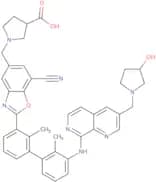
Pd-1/Pd-L1-in-8
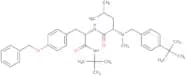
CAS:<p>Pd-1/Pd-L1-in-8 is an inhibitor that targets the PD-1/PD-L1 pathway, which is involved in regulating immune responses. This inhibitor has been developed by Chinese researchers and has shown promising results in preclinical studies as a potential treatment for various types of cancer. Pd-1/Pd-L1-in-8 is a kinase inhibitor that works by blocking the activity of specific kinases involved in cancer cell growth and survival. It induces apoptosis, programmed cell death, in cancer cells and shows potent anticancer activity. The analog of this medicinal compound has been isolated from human urine and demonstrates significant potential as an anticancer drug.</p>Fórmula:C41H39N7O4Pureza:Min. 95%Peso molecular:693.8 g/molNebentan
CAS:<p>Nebentan is a peptide that belongs to the class of activators. It has been shown to activate the c-Jun N-terminal kinase and phosphatidylinositol 3 kinase pathways in cells. The high purity of this drug makes it an ideal research tool for studying protein interactions, receptor binding and ligand pharmacology. Nebentan is a potent inhibitor of ion channels, which may provide therapeutic benefits for diseases such as epilepsy.</p>Fórmula:C24H21N5O5SPureza:Min. 95%Peso molecular:491.5 g/molPhe-Met-MCA
<p>Phe-Met-MCA is a peptide that specifically activates the ATP-sensitive potassium (KATP) channels. These channels are important for regulating cellular energy metabolism and membrane potential. Phe-Met-MCA is an inhibitor of protein kinase C (PKC), which regulates the activity of KATP channels by phosphorylation. The peptide is also an inhibitor of other protein kinases, including PKCζ, PKCε, and PKCθ.</p>Pureza:Min. 95%Thrombopoietin antibody
<p>Thrombopoietin antibody was raised using a synthetic peptide corresponding to a region with amino acids HELLNGTRGLFPGPSRRTLGAPDISSGTSDTGSLPPNLQPGYSPSPTHPP</p>Pureza:Min. 95%Rimcazole dihydrochloride
CAS:<p>Rimcazole dihydrochloride is a drug that is used in the treatment of chronic cough. It belongs to the class of drugs called anticholinergic drugs. The drug binds to receptors found on the surface of cells, including kappa-opioid receptors, and blocks the action of acetylcholine. This prevents the release of substances that cause inflammation and muscle contractions. Rimcazole also has minimal toxicity and does not have any significant interactions with other drugs when administered alone or in combination preparations. However, it should not be administered to patients who are taking active antiretroviral therapy or those with carcinoma cell lines because it may increase their risk for serious side effects.</p>Fórmula:C21H27N3·2HClPureza:Min. 95%Peso molecular:394.38 g/molNKIRAS1 antibody
<p>NKIRAS1 antibody was raised using the N terminal of NKIRAS1 corresponding to a region with amino acids CETMEDVYMASVETDRGVKEQLHLYDTRGLQEGVELPKHYFSFADGFVLV</p>Pureza:Min. 95%AVE 5688
CAS:<p>AVE 5688 is a drug that inhibits the synthesis of acid molecules and analogs, which are compounds that inhibit the enzyme nitric oxide synthase. It has been shown to inhibit the growth of influenza virus and herpes simplex virus in cell culture. AVE 5688 also has structural formula similar to dimethyl fumarate, which is an immunomodulator used for treatment of metabolic disorders and autoimmune diseases. The oral dosage form of AVE 5688 is currently being evaluated for prevention or treatment of hyperproliferative or autoimmune diseases.</p>Fórmula:C16H8ClF5N2O5Pureza:Min. 95%Peso molecular:438.69 g/molGoat anti Human IgA (α chain) (FITC)
<p>This antibody reacts with heavy chains on human IgA (alpha chain) and.</p>PDE9-IN-(S)-C33
CAS:<p>PDE9-IN-(S)-C33 is a phosphodiesterase inhibitor that is used in the treatment of heart diseases such as cardiac hypertrophy. PDE9-IN-(S)-C33 inhibits the activity of phosphodiesterase (PDE) type 9, which breaks down cyclic guanosine monophosphate (cGMP). This leads to an increase in intracellular cGMP levels and an inhibition of cardiac hypertrophy. PDE9-IN-(S)-C33 also has a beneficial effect on neonatal rat cardiomyocytes, which may be due to its ability to inhibit transition from hyperplasia to hypertrophy.</p>Fórmula:C18H20ClN5OPureza:Min. 95%Peso molecular:357.8 g/molN-Palmitoyl(d9) D-erythro-sphingosine
CAS:Produto Controlado<p>N-Palmitoyl(d9) D-erythro-sphingosine is a fatty acid that is used as a research tool for receptor and ligand binding assays. This product is also used in Cell Biology to study protein interactions and in Pharmacology as an inhibitor of ion channels. In the Life Science industry, it is used to study the effects of membrane fluidity on ion channel activity. N-Palmitoyl(d9) D-erythro-sphingosine has been shown to activate G protein coupled receptors and inhibit K+ channels in human cells. It also binds with high affinity to antibodies raised against peptides containing palmitic acid residues.</p>Fórmula:C34H58D9NO3Pureza:Min. 95%Peso molecular:546.96 g/molSAR131675
CAS:<p>SAR131675 is a drug that acts as a tyrosine kinase inhibitor. It has been shown to have an effect on the growth of cancer cells and has been shown to be effective in treating inflammatory bowel disease. SAR131675 inhibits the activity of protein tyrosine kinases, which are enzymes that phosphorylate proteins and regulate their biological functions. The drug is selective for certain kinases, such as c-kit, stem cell factor receptor (c-Kit), and platelet-derived growth factor receptor (PDGFR). SAR131675 has been shown to be safe and effective in treating diseases such as cancer or inflammatory bowel disease when administered at an effective dose.</p>Fórmula:C18H22N4O4Pureza:Min. 95%Peso molecular:358.39 g/molp-Methyl atomoxetine hydrochloride
CAS:<p>p-Methyl atomoxetine hydrochloride is a selective norepinephrine reuptake inhibitor, which is synthesized from chemical precursors typically through a series of organic reactions proceeding under controlled conditions. It functions by inhibiting the reuptake of norepinephrine in the synaptic cleft, resulting in increased concentrations of this neurotransmitter in the central nervous system.</p>Fórmula:C17H22ClNOPureza:Min. 95%Peso molecular:291.8 g/molAK3 antibody
<p>The AK3 antibody is a nephrotoxic monoclonal antibody that is used in the field of Life Sciences. It has been extensively studied for its ability to detect protein biomarkers in various biological samples, including human serum. The AK3 antibody specifically targets histidine residues and can be used as a tool for the detection and quantification of proteins that contain this amino acid. It has also been shown to have inhibitory effects on epidermal growth factor and alpha-fetoprotein, making it a valuable tool for research in cancer biology. The AK3 antibody is commonly used in immunoassays and can be utilized with techniques such as carbon electrode-based assays or colloidal gold-based assays. Its high specificity and sensitivity make it an essential component in many research laboratories.</p>L-a-Phosphatidylcholine - PC30
CAS:<p>L-A-Phosphatidylcholine is a natural product that is extracted from the Chinese herb Salvia miltiorrhizae. It is a phospholipid that has been shown to inhibit the growth of colorectal adenocarcinoma cells in vitro. The mechanism of action for L-A-Phosphatidylcholine is unclear, but it may be due to its ability to inhibit the activity of polymerase chain reaction (PCR) and nitrite ion. L-A-Phosphatidylcholine also inhibits fatty acid uptake and acyl chain synthesis in vitro, as well as hydrogen bond formation with the hydroxyl group and water vapor uptake. L-A-Phosphatidylcholine also has a strong affinity for nitrate ions, which may be related to its anti-inflammatory effects.</p>Fórmula:C42H80NO8PPureza:Min. 95%Peso molecular:758.06 g/molHMR 1031
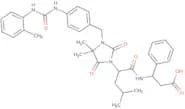
CAS:<p>HMR 1031 is a molecule that has been shown to be effective in treating allergen-induced food allergy and inflammatory bowel disease. It is a small, orally bioavailable molecule that is able to penetrate the blood-brain barrier and enter the central nervous system. HMR 1031 targets specific subunits of the IgE receptor, leading to suppression of allergic reactions. This drug has been shown to modulate inflammatory diseases in vitro studies and dry powder formulation studies on animals. The terminal half-life of HMR 1031 is about three hours.</p>Fórmula:C35H41N5O6Pureza:Min. 95%Peso molecular:627.7 g/molKU 0060648
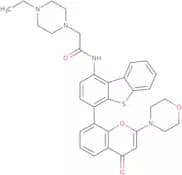
CAS:<p>DNA-PK and PI 3-K inhibitor</p>Fórmula:C33H34N4O4SPureza:Min. 95%Peso molecular:582.71 g/molHTR3A antibody
<p>HTR3A antibody was raised in rabbit using the middle region of HTR3A as the immunogen</p>Pureza:Min. 95%Noggin antibody
<p>Noggin antibody was raised in rabbit using a synthetic peptide comprising an internal sequence of the human Noggin protein as the immunogen.</p>Pureza:Min. 95%Capsiconiate
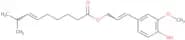
CAS:Produto Controlado<p>Capsiconiate is a natural compound derived from the Capsicum family of plants, specifically through the esterification of capsinoids, which are non-pungent analogs of capsaicinoids. It is derived from sources such as sweet peppers and other Capsicum varieties. Unlike its pungent counterparts, capsiconiate is characterized by its milder sensory perception while retaining significant bioactivity.</p>Fórmula:C20H28O4Pureza:Min. 95%Peso molecular:332.4 g/molPsenen antibody
<p>Psenen antibody was raised in rabbit using the N terminal of Psenen as the immunogen</p>Pureza:Min. 95%TWEAK antibody
<p>TWEAK antibody was raised in goat using highly pure recombinant human TWEAK as the immunogen.</p>Pureza:Min. 95%Levulinic-d5 acid
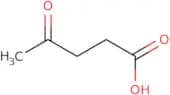
CAS:<p>Please enquire for more information about Levulinic-d5 acid including the price, delivery time and more detailed product information at the technical inquiry form on this page</p>Fórmula:C5H8O3Pureza:Min. 95%Peso molecular:121.15 g/molGHRP 4 TFA
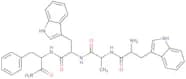
CAS:<p>Please enquire for more information about GHRP 4 TFA including the price, delivery time and more detailed product information at the technical inquiry form on this page</p>Fórmula:C34H37N7O4Pureza:Min. 95%Peso molecular:607.7 g/molCD38 antibody (FITC)
<p>CD38 antibody (FITC) was raised in rat using CD38 as the immunogen.</p>Pureza:Min. 95%ALDH6A1 antibody
<p>ALDH6A1 antibody was raised using the middle region of ALDH6A1 corresponding to a region with amino acids AVLVGEAKKWLPELVEHAKNLRVNAGDQPGADLGPLITPQAKERVCNLID</p>Pureza:Min. 95%OR13C9 antibody
<p>OR13C9 antibody was raised in rabbit using the middle region of OR13C9 as the immunogen</p>Pureza:Min. 95%Nuvenzepine
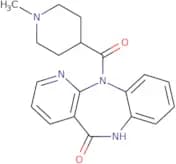
CAS:<p>Nuvenzepine is a potent and selective muscarinic antagonist, synthesized from intricate chemical processes involving non-peptidic structures. Its primary mode of action involves inhibiting muscarinic acetylcholine receptors, particularly those located in the gastrointestinal tract. By impeding these receptors, Nuvenzepine effectively reduces gastric secretions and modulates smooth muscle activity.</p>Fórmula:C19H20N4O2Pureza:Min. 95%Peso molecular:336.4 g/molCD45R antibody (Spectral Red)
<p>CD45R antibody (PE-CY5.5) was raised in rat using abelson murine leukemia virus-induced pre-B tumor cells as the immunogen.</p>Pureza:Min. 95%OR1D2 antibody
<p>The OR1D2 antibody is a highly specialized fibroin that exhibits cytotoxic properties. This antibody specifically targets TGF-beta, a key protein involved in various cellular processes. It also interacts with fibrinogen, a crucial protein for blood clotting. The OR1D2 antibody is available as both polyclonal and monoclonal antibodies, providing flexibility for different research needs. In addition, it has been shown to inhibit caspase-9 activity, an enzyme involved in apoptosis. Researchers in the life sciences field can utilize this antibody as a valuable tool for studying signal transduction pathways and family kinase inhibitors. Its immobilization capabilities make it ideal for binding proteins on surfaces or electrodes, facilitating various experimental setups.</p>Nicomol
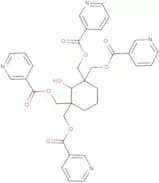
CAS:<p>Nicomol is a drug that belongs to the class of dextran sulfates. It is used in the treatment of cardiac disorders, including angina pectoris, congestive heart failure, and myocardial infarction. Nicomol also has hypoglycemic activity and can be useful for treating metabolic disorders. Nicomol is administered intravenously and has been shown to increase the uptake of glucose by the body, which may be due to its ability to inhibit potassium dichromate-induced protein gene expression in heart tissue. The drug also promotes mitochondrial function by increasing fatty acid oxidation and reducing fat cell size.</p>Pureza:Min. 95%EIF4H Blocking Peptide
<p>A synthetic peptide for use as a blocking control in assays to test for specificity of EIF4H antibody, catalog no. 70R-4728</p>Pureza:Min. 95%N-[3-(Acetylamino)-4-fluorophenyl]-1-(2-fluorophenyl)-1H-pyrazole-4-carboxamide
CAS:<p>3-Amino-4-fluorophenylpyrazole (AFPC) is a ligand that binds to the GABA receptor and activates it. AFPC also inhibits GABA transport into cells, which leads to an increase in intracellular GABA concentration. AFPC has been shown to inhibit the activity of Kainate receptors, which are involved in the transmission of pain signals. This drug has been used as a research tool to study the function of ion channels and membrane proteins such as G protein-coupled receptors, ligand-gated ion channels, and neurotransmitter transporters. It is also used as an antibody and inhibitor for various proteins, including beta 2 adrenergic receptor, type 1 adenylyl cyclase, voltage-gated potassium channels, and phospholipases A2.</p>Fórmula:C18H14F2N4O2Pureza:Min. 95%Peso molecular:356.33 g/molPD 173212
CAS:<p>PD 173212 is a drug that is used to regulate the activity of neurons in the geniculate nucleus. It binds to glutamate receptors, which are molecules located on the surface of cells. This binding prevents the release of neurotransmitters and blocks synaptic transmission, thereby reducing pain. PD 173212 has also been shown to block calcium channels, which are channels for ions in cell membranes. The inhibition of these channels reduces neuronal excitability and may be responsible for its analgesic properties.</p>Fórmula:C38H53N3O3Pureza:Min. 95%Peso molecular:599.85 g/molCD45R antibody (Spectral Red)
<p>CD45R antibody (FITC) was raised in rat using abelson murine leukemia virus-induced pre-B tumor cells as the immunogen.</p>Pureza:Min. 95%RK 287107
CAS:<p>Inhibitor of tankyrase</p>Fórmula:C22H26F2N4O2Pureza:Min. 95%Peso molecular:416.46 g/molApoptosis Activator VII
CAS:<p>Apoptosis Activator VII is a small molecule that binds to the ubiquitin ligase, which are enzymes involved in the protein degradation process. It is an iron-binding agent that can regulate the expression of genes by binding to protein transcription factors, such as NF-κB and STAT3. Apoptosis Activator VII has been shown to inhibit prostate cancer cell growth and also may be able to help prevent the development of drug resistance in prostate cancer cells. This agent also has been shown to have a protective effect on neuronal function.</p>Fórmula:C33H24F6N3O3Pureza:Min. 95%Peso molecular:624.55 g/molP54 antibody
<p>The P54 antibody is a highly specialized protein that belongs to the family of kinase inhibitors. It is commonly used in Life Sciences research and has shown promising results in various studies. This polyclonal antibody specifically binds to proteins involved in the regulation of cell growth, such as epidermal growth factor (EGF) and androgen receptors.</p>4-Amino-3-ethoxybenzenesulfonic acid
CAS:<p>4-Amino-3-ethoxybenzenesulfonic acid is a research tool that is used to study ion channels. It activates the receptor, which leads to increased cell permeability and the release of neurotransmitters. 4-Amino-3-ethoxybenzenesulfonic acid can be used to determine the effects of a ligand on a receptor by binding to it and altering its activity. 4-Amino-3-ethoxybenzenesulfonic acid is also used as an antibody in immunohistochemistry studies and has been shown to inhibit protein interactions.</p>Fórmula:C17H17F3N6O2Pureza:Min. 95%Peso molecular:394.4 g/molGlucokinase activator 1
CAS:<p>Glucokinase activator 1 (GKA1) is a protein that activates glucokinase, which is an enzyme that promotes the phosphorylation of glucose to glucose-6-phosphate. GKA1 has been shown to activate glucokinase in a mutant strain of E. coli, which has been shown to have increased lipoprotein lipase activity and enhanced uptake of glucose. This protein is also able to stimulate the production of insulin by increasing transcriptional regulation and messenger RNA levels. GKA1 may be used as a potential therapy for diabetes and as a diagnostic tool for measuring insulin resistance.</p>Fórmula:C27H20F2N2O7S2Pureza:Min. 95%Peso molecular:586.6 g/molCD56 antibody (Spectral Red)
<p>CD56 antibody (Spectral Red) was raised in mouse using human CD56 as the immunogen.</p>Pureza:Min. 95%FAK antibody
<p>FAK antibody was raised in Mouse using a purified recombinant fragment of human FAK expressed in E. coli as the immunogen.</p>NANP antibody
<p>NANP antibody was raised in rabbit using a synthetic peptide conjugated to KLH as the immunogen.</p>Pureza:Min. 95%KLHL8 Blocking Peptide
<p>A synthetic peptide for use as a blocking control in assays to test for specificity of KLHL8 antibody, catalog no. 70R-8348</p>Pureza:Min. 95%










![N-[3-(Acetylamino)-4-fluorophenyl]-1-(2-fluorophenyl)-1H-pyrazole-4-carboxamide](/_next/image/?url=https%3A%2Fstatic.cymitquimica.com%2Fproducts%2F3D%2Fthumb-webp%2FFSD35097.webp&w=3840&q=75)