Bioquímicos e reagentes
Os bioquímicos e reagentes são substâncias fundamentais para a pesquisa e desenvolvimento em campos como biotecnologia, biologia molecular, farmacologia e medicina. Esses produtos são essenciais para uma variedade de aplicações, incluindo a síntese de compostos, a análise de amostras biológicas, a pesquisa de processos metabólicos e a produção de medicamentos. Na CymitQuimica, oferecemos uma ampla seleção de bioquímicos e reagentes de alta qualidade e pureza, adequados para diversas necessidades científicas e industriais. Nosso catálogo inclui enzimas, anticorpos, ácidos nucleicos, aminoácidos e muitos outros produtos, todos projetados para apoiar pesquisadores e profissionais em seus projetos de pesquisa e desenvolvimento, garantindo resultados confiáveis e reproduzíveis.
Subcategorias de "Bioquímicos e reagentes"
- Biomoléculas(99.118 produtos)
- Por Alvo Biológico(99.156 produtos)
- Por uso/Efeitos Farmacológicos(6.788 produtos)
- Compostos relacionados à criopreservação e aos crioconservantes(21 produtos)
- Desinfetantes, aditivos para aquecimento de líquidos de banho e compostos relacionados(28 produtos)
- Hormónios(346 produtos)
- Biologia Vegetal(6.748 produtos)
- Metabólitos secundários(14.233 produtos)
Foram encontrados 130579 produtos de "Bioquímicos e reagentes"
Ordenar por
Pureza (%)
0
100
|
0
|
50
|
90
|
95
|
100
HDLBP antibody
<p>HDLBP antibody was raised using a synthetic peptide corresponding to a region with amino acids RLEHDVNIQFPDKDDGNQPQDQITITGYEKNTEAARDAILRIVGELEQMV</p>GLPG 0974
CAS:<p>GLPG 0974 is an experimental pharmaceutical compound, specifically an antagonist of the free fatty acid receptor 2 (FFA2), also known as GPR43. This compound is synthesized through a process of chemical engineering aimed at selectively inhibiting GPR43's activity. The mode of action involves blocking the interaction of short-chain fatty acids with GPR43, a receptor implicated in inflammatory pathways.</p>Fórmula:C25H25ClN2O4SPureza:Min. 95%Peso molecular:485 g/molCELSR3 antibody
<p>CELSR3 antibody is a powerful antiviral agent that targets the lipoprotein lipase, a key enzyme involved in viral replication. This monoclonal antibody acts as a medicament by neutralizing the growth factor required for viral proliferation. The colloidal nature of this antibody allows for efficient targeting and binding to specific viral particles. Additionally, CELSR3 antibody exhibits high specificity towards the CD20 antigen, making it an effective therapeutic option for diseases characterized by abnormal CD20 expression. Its unique glycosylation pattern and fatty acid modifications enhance its stability and prolong its half-life in circulation. With its potent antiviral properties and precise targeting capabilities, CELSR3 antibody is a promising tool in the field of life sciences for combating viral infections.</p>Sparfosate sodium
CAS:<p>Sparfloxacin is a peptide that is used as a research tool in cell biology and pharmacology. It binds to the anti-sigma factor, which is involved in the regulation of ribosomal RNA (rRNA) synthesis. This binding prevents the formation of an rRNA transcription complex with the 50S ribosomal subunit, inhibiting protein synthesis and cell division. Sparfloxacin can also inhibit ion channels by binding to their ligand-binding sites, reducing the flow of ions through these channels.</p>Fórmula:C6H8NNa2O8PPureza:Min. 95%Peso molecular:299.08 g/molTPSAB1 antibody
<p>The TPSAB1 antibody is a biomolecule that belongs to the class of polyclonal antibodies. It specifically targets and binds to the epidermal growth factor, which is a nuclear-activated protein involved in various biological processes. This antibody is widely used in the field of Life Sciences for research purposes, particularly in studies related to epidermal growth and its role in cell signaling pathways.</p>TNFRSF21 antibody
<p>TNFRSF21 antibody was raised using the N terminal of TNFRSF21 corresponding to a region with amino acids TTTAQPEQKASNLIGTYRHVDRATGQVLTCDKCPAGTYVSEHCTNTSLRV</p>Pureza:Min. 95%FAM55D antibody
<p>FAM55D antibody was raised using the C terminal of FAM55D corresponding to a region with amino acids TYSVKEMEYLTRAIDRTGGEKNTVIVISLGQHFRPFPIDVFIRRALNVHK</p>ATE1 antibody
<p>ATE1 antibody was raised using the N terminal of ATE1 corresponding to a region with amino acids CCPQYTIRCRPLQFQPSKSHKKVLKKMLKFLAKGEVPKGSCEDEPMDSTM</p>BAY-885
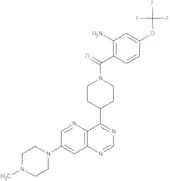
CAS:<p>BAY-885 is a drug development candidate that has been shown to have potent cytotoxic activity against cancer cells. BAY-885 inhibits the constitutive activation of the transcription factor NF-κB, which is involved in tumor growth, proliferation, and survival. It also inhibits the enzymatic activity of the protein caspase 3. This drug has demonstrated high potency in cell culture and animal models.</p>Fórmula:C25H28F3N7O2Pureza:Min. 95%Peso molecular:515.53 g/mol(S,R,S)-AHPC-Boc
CAS:<p>(S,R,S)-AHPC-Boc is a synthetic ligand used in the field of targeted protein degradation. It is a derivative sourced from the class of bifunctional small molecules known as PROTACs (PROteolysis TArgeting Chimeras), which serve as crucial tools for regulated protein degradation within biological systems. This compound specifically facilitates the recruitment of target proteins to the ubiquitin-proteasome system by connecting a ligand for a disease-relevant protein to an E3 ubiquitin ligase recruiter.</p>Fórmula:C27H38N4O5SPureza:Min. 95%Peso molecular:530.7 g/molCTIP antibody
<p>The 6-Fluoro-3-indoxyl-beta-D-galactopyranoside is a powerful antituberculosis drug that falls under the class of rifamycins. It is specifically designed to combat tuberculosis infections by targeting active compounds and exhibiting bactericidal activity. This drug works by binding to DNA-dependent RNA polymerase, effectively inhibiting bacterial growth and preventing transcription and replication. Extensive research has demonstrated its high efficacy, with studies conducted using a patch-clamp technique on human erythrocytes.</p>MYL2 antibody
<p>MYL2 antibody was raised in mouse using recombinant human MYL2 (1-166aa) purified from E. coli as the immunogen.</p>DBCO-Amine
<p>An aza-dibenzocyclooctyne (DBCO) product used for strain-promoted azide-alkyne cycloaddition. The amine terminus of the molecule reacts with carboxylic acids and their active esters to form stable amide bonds. Insoluble in water, DBCO-amine is slightly soluble to sparingly soluble in most organic solvents.</p>Pureza:Min. 95%PCGF4 antibody
<p>PCGF4 antibody was raised in rabbit using the C terminal of PCGF4 as the immunogen</p>Pureza:Min. 95%Troponin I protein (Cardiac) (Bovine)
<p>Purified native Bovine Troponin I protein (Cardiac)</p>Pureza:Min. 95%SLC25A21 antibody
<p>SLC25A21 antibody was raised using a synthetic peptide corresponding to a region with amino acids FYKGILPPILAETPKRAVKFFTFEQYKKLLGYVSLSPALTFAIAGLGSGL</p>Pureza:Min. 95%I-Stat (trisodium)
CAS:<p>I-Stat (trisodium) is a peptide that binds to ion channels and can activate or inhibit them. It has been used in research as a tool for examining the interactions of proteins. I-Stat (trisodium) has been shown to have high purity, and it is an inhibitor of calcium channels.</p>Fórmula:C10H5Na3O10S3Pureza:Min. 95%Peso molecular:450.3 g/molPF-06284674
CAS:<p>PF-06284674 is a potent and selective small molecule activator of the human angiotensin II type 1 receptor. Angiotensin II is a hormone that regulates blood pressure, water and electrolyte balance, and vascular tone. The activation of the angiotensin II type 1 receptor by PF-06284674 has been shown to produce vasodilation in various tissues including the kidney, heart, and brain. PF-06284674 may be useful for research purposes as an inhibitor of protein interactions or an antibody production tool.</p>Fórmula:C17H14N4OPureza:Min. 95%Peso molecular:290.32 g/molMASH1 antibody
<p>The MASH1 antibody is a powerful tool in the field of Life Sciences. It is a monoclonal antibody that specifically targets and inhibits the growth factor MASH1. This antibody has been extensively studied and proven to be highly effective in blocking the activity of MASH1, making it an invaluable tool for researchers studying the role of this growth factor in various biological processes.</p>Pureza:Min. 95%CD28 Blocking Peptide
<p>A synthetic peptide for use as a blocking control in assays to test for specificity of CD28 antibody, catalog no. 70R-9669</p>Pureza:Min. 95%Protein 4E-BP1 (initiation factor eIF-4-binding protein 1) (human)
CAS:<p>Protein 4E-BP1 is a protein that binds to the eIF4E initiation factor and regulates the translation of mRNA. It has been shown to be involved in cancer, as well as other diseases. Protein 4E-BP1 has been shown to regulate the translation of mRNA by binding to the eIF4E initiation factor, which is required for translation in cells. Protein 4E-BP1 is also involved in autophagy, which is a process of self-degradation that cells use to destroy damaged or unnecessary cellular components. The level of this protein can be used as a diagnostic marker for cancer, and it has been found at high levels in T-cell lymphomas. This protein is phosphorylated at serine 40 and serine 46 in response to physiological levels of growth factors such as insulin or IGF-1. Phosphorylation at these sites blocks the ability of 4E-BP1 to bind with eIF4E and inhibit translation. When phosph</p>Pureza:Min. 95%KRT19 antibody
<p>The KRT19 antibody is a highly specialized product used in the field of Life Sciences. It is an activated antibody that specifically targets and binds to the KRT19 protein. This protein is commonly associated with various diseases, including Helicobacter infections.</p>Influenza B antibody
<p>Influenza B antibody is a neutralizing monoclonal antibody that specifically targets the influenza B virus. It works by binding to the hemagglutinin protein on the surface of the virus, preventing it from infecting host cells. This antibody has been shown to be effective in inhibiting viral replication and reducing the severity of symptoms associated with influenza B infection.</p>Tenascin C antibody
<p>The Tenascin C antibody is a highly specialized product used in the field of Life Sciences. It is an activated glycoprotein that acts as a growth factor and plays a crucial role in various cellular processes. This antibody is widely used in immunoassays, particularly in the detection and quantification of Tenascin C levels.</p>SKF 86002 dihydrochloride
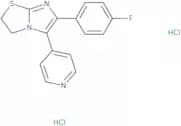
CAS:<p>SKF 86002 is a tyrosine kinase inhibitor that has been shown to inhibit cancer cells from proliferating by modulating the expression of albumin. SKF 86002 has also been shown to be effective against acute lymphoblastic leukemia and cancer metastasis. SKF 86002 binds to the cell surface receptor, leading to inhibition of the phosphorylation of tyrosine residues on proteins in the cell membrane, which prevents the activation of cellular signal transduction pathways. SKF 86002 also inhibits chemoresistance mediated by serum albumin by binding to it and preventing its function as an enzyme.</p>Fórmula:C16H12FN3S·2HClPureza:Min. 95%Peso molecular:370.27 g/molChlamydia trachomatis antibody
<p>Chlamydia trachomatis antibody was raised in goat using purified MOMP from strain L2 as the immunogen.</p>Pureza:Min. 95%RPS6KA4 antibody
<p>RPS6KA4 antibody was raised in mouse using recombinant Human Ribosomal Protein S6 Kinase, 90Kda, Polypeptide 4 (Rps6Ka4)</p>ETS1 antibody
<p>ETS1 antibody is a growth factor that targets tyrosine residues on proteins. It can be used in combination with other antibodies, such as trastuzumab (anti-HER2 antibody), to inhibit the growth of cancer cells. ETS1 antibody binds to the epidermal growth factor receptor and prevents the activation of downstream signaling pathways that promote cell proliferation. This monoclonal antibody specifically recognizes the amino and carbonyl groups on ETS1 protein, allowing for highly specific binding. ETS1 antibody is commonly used in Life Sciences research, particularly in studies involving antibodies and their interactions with various proteins. It has also been shown to have potential therapeutic applications, such as targeting lipoprotein lipase or CD33 on mesenchymal stem cells.</p>TAGLN antibody
<p>The TAGLN antibody is a monoclonal antibody that acts as an anti-connexin agent. It targets connexin proteins involved in endothelial growth and adipose tissue development. This antibody has been extensively studied in the field of Life Sciences and has shown promising results in various research areas. It has been used to study the role of connexins in angiogenesis, immune response, and cell signaling pathways. The TAGLN antibody is cytotoxic and has been shown to neutralize certain chemokines and growth factors. It is commonly used in experiments involving human serum and has also been utilized to detect alpha-fetoprotein levels. With its specificity and effectiveness, the TAGLN antibody is a valuable tool for researchers in understanding cellular processes and developing therapeutic interventions.</p>Syntaxin 1A antibody
<p>The Syntaxin 1A antibody is a highly specialized monoclonal antibody used in Life Sciences research. It is designed to specifically target and bind to Syntaxin 1A, a protein involved in vesicle fusion and neurotransmitter release. This antibody is commonly used in various assays to study the activation and localization of Syntaxin 1A in different cellular contexts.</p>Pureza:Min. 95%Bakuchicin
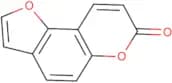
CAS:<p>Bakuchicin is a plant-derived molecule that inhibits the activity of topoisomerase II, which is an enzyme involved in DNA replication. Bakuchicin has shown antiviral properties in vitro and in vivo against human viruses, such as hepatitis B virus (HBV), by inhibiting viral RNA replication. Bakuchicin also affects the production of pro-inflammatory cytokines and has been shown to have antidepressant effects in mice. The mechanism of action of bakuchicin is not yet fully understood; however, it may be due to its inhibition of topoisomerase II, leading to dna replication inhibition and subsequent depression in mice.</p>Fórmula:C11H6O3Pureza:Min. 95%Peso molecular:186.16 g/molTBX1 antibody
<p>The TBX1 antibody is a highly specialized antibody that plays a crucial role in the field of Life Sciences. It specifically targets and binds to a cell antigen found on functional endothelial cells. This antibody is produced by hybridoma cells and has been extensively studied for its ability to inhibit the growth factor responsible for the development of pluripotent stem cells.</p>DIRAS1 antibody
<p>DIRAS1 antibody was raised using the N terminal of DIRAS1 corresponding to a region with amino acids PEQSNDYRVVVFGAGGVGKSSLVLRFVKGTFRDTYIPTIEDTYRQVISCD</p>Pureza:Min. 95%N-A-Cbz-glycyl-L-prolyl-L-arginine-4-Me-B-nph
CAS:<p>N-Acetyl-Cbz-glycyl-L-prolyl-L-arginine-4-MeBnph is a peptide that is an activator of the ion channel TRPV1. It has been shown to be a potent agonist of the TRPV1 receptor, which has been implicated in pain, inflammation, and cell proliferation. The peptide also inhibits the interaction of the acetylcholine receptor with its ligand in rat brain synaptosomes. N-Acetyl-Cbz-glycyl-L-prolyl-L-arginine 4MeBnph also activates voltage gated calcium channels and inhibits protein interactions by binding to the receptor site on cell membranes.</p>Fórmula:C34H43N7O8Pureza:Min. 95%Peso molecular:677.7 g/molRTC-30
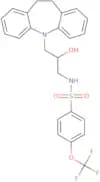
CAS:<p>RTC-30 is an optogenetic tool, which is a photoresponsive device that operates by altering its chemical structure upon exposure to specific wavelengths of light. This molecule can be precisely controlled through exposure to UV or visible light, leading to reversible changes between its active and inactive forms. RTC-30's mechanism involves photoswitching, a property that allows it to toggle cellular processes on or off, effectively acting as a molecular switch.</p>Fórmula:C24H23F3N2O4SPureza:Min. 95%Peso molecular:492.5 g/mol