Bioquímicos e reagentes
Os bioquímicos e reagentes são substâncias fundamentais para a pesquisa e desenvolvimento em campos como biotecnologia, biologia molecular, farmacologia e medicina. Esses produtos são essenciais para uma variedade de aplicações, incluindo a síntese de compostos, a análise de amostras biológicas, a pesquisa de processos metabólicos e a produção de medicamentos. Na CymitQuimica, oferecemos uma ampla seleção de bioquímicos e reagentes de alta qualidade e pureza, adequados para diversas necessidades científicas e industriais. Nosso catálogo inclui enzimas, anticorpos, ácidos nucleicos, aminoácidos e muitos outros produtos, todos projetados para apoiar pesquisadores e profissionais em seus projetos de pesquisa e desenvolvimento, garantindo resultados confiáveis e reproduzíveis.
Subcategorias de "Bioquímicos e reagentes"
- Biomoléculas(99.129 produtos)
- Por Alvo Biológico(99.160 produtos)
- Por uso/Efeitos Farmacológicos(6.787 produtos)
- Compostos relacionados à criopreservação e aos crioconservantes(21 produtos)
- Desinfetantes, aditivos para aquecimento de líquidos de banho e compostos relacionados(28 produtos)
- Hormónios(346 produtos)
- Biologia Vegetal(6.742 produtos)
- Metabólitos secundários(14.222 produtos)
Foram encontrados 130579 produtos de "Bioquímicos e reagentes"
Ordenar por
Pureza (%)
0
100
|
0
|
50
|
90
|
95
|
100
CBL-B (239-247) Heavy
<p>CBL-B (239-247) is derived from the CBL-B E3 ubiquitin ligase which targets receptor tyrosine kinas-es to lysosome degradation. CBL-B and its family member CBL are expressed in hematopoietic cells and as E3 ubiquitin ligases they contain a tyrosine kinase domain and an RF domain joined by a linker domain. The function of the RF domain is to transfer ubiquitin from E2 ubiquitin-conjugating enzymes onto the target protein which is often phosphorylated. Consequently the ubiquitinated substrate, the receptor tyrosine kinases, are ultimately targeted to the lysosome for degradation.EGFR is an example of a receptor tyrosine kinase whose activation is prevented by CBL and CBL-B when they bind and recruit GRb2, the adapter protein to EGFR. Consequently the ubiquitinylation of EGFR occurs and targets it for recognition by the endosomal protein complex and then lysosome degradation.It has also been found that the CBL family can negatively regulate through ubiquitinylation, PI 3-kinases, Rap G-protein guanine nucleotide exchange factor (GEF), C3G and Rho GTPase GEF Vav which are all non-receptors.If CBL or CBL-B becomes non-functional it can be associated with malignancies such as acute myeloid leukemia and myelodysplastic syndrome.The Arginine residue at position 10 is isotopically labelled with carbon-13 (6) and nitrogen-15 (4).</p>Pureza:Min. 95%Peso molecular:1,225.7 g/mol(RFR)4XB
<p>Cell penetrating peptide with a repeating motif of cationic-nonpolar-cationic (C-N-C) residues, such repeating motifs are important features of membrane-penetrating peptides. This peptide is able to enhance the efficacy and uptake of peptide phosphorodiamidate morpholino oligomers (PPMOs) into bacterial cells. PPMOs are synthetic DNA mimics that bind cRNA and inhibit bacterial gene expression, however these antisense oligomers need help crossing the outer membrane of Gram-negative bacteria due to their molecular weight and polar characteristics. Cell penetrating peptide such as this, when attached to antisense oligomers can improve their entry into Gram-negative bacteria and increased their potency by orders of magnitude.</p>Cor e Forma:PowderPeso molecular:898.5 g/molPap12-6
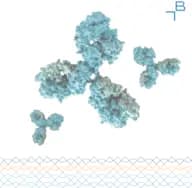
<p>Broad-spectrum antibacterial, active against multidrug-resistant Gram-negative bacteria. Acts though permeabilizing the bacterial membrane and also shows anti-inflammatory activity via a TLR4-mediated NF-KB signaling pathway. Significantly improves survival in a mouse sepsis model.</p>Peso molecular:1,644.1 g/molCA 125 antibody
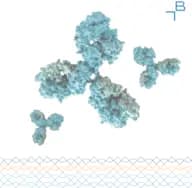
<p>The CA 125 antibody is a monoclonal antibody that specifically targets the CA 125 antigen. This antigen is a protein that is found on the surface of certain cells, including ovarian cancer cells. The CA 125 antibody has cytotoxic properties, meaning it can selectively kill cells that express the CA 125 antigen.</p>[Glp6,Pro9] Substance P (6-11)/Septide
<p>Tachykinins are important neuropeptides throughout the nervous system involved in various roles including smooth muscle activity. Substance P is the natural ligand for neurokinin 1 (NK1) tachykinin receptor. Septide was originally identified from the C-terminus substance P and found to be a selective agonist of NK1 tachykinin receptor. Septide is a potent agonist able to stimulate muscle contraction in various models but not all. However, septide consistently lacks a high affinity for the NK1 tachykinin receptor compared to substance P or other applicable agonists. A 'septide sensitive' receptor is speculated, or it could be a conformation of NK1 tachykinin receptor. Further work is required to establish septide function and role in the nervous system. Septide is provided here with an N-terminal pyroglutamic acid to aid this investigation as is standardly used within the literature.</p>Peso molecular:763.4 g/molTau (260-267) Heavy
<p>Residues 260-267 of tubulin-associated unit (tau). This region represents the death-associated protein kinase 1 (DAPK1) binding domain within the tau microtubule repeat domains (R). DAPK1 phosphorylates tau on ser262 in ischemic brain injury. This peptide can block the interaction between DAPK1 and tau and reduce the level of ser262 phosphorylation and therefore may have therapeutic benefits.Tau is a phosphoprotein involved in microtubule (MT) assembly and stability as well as brain development. Tau is phosphorylated at multiple sites by several protein kinases, including cyclic-AMP-dependent protein kinases and casein kinase type-1. Tau phosphorylation causes tau to change shape, negatively regulating its ability to stimulate MT assembly.Malfunctioning tau protein contributes to the structural core of the paired helical filaments (PHFs), which make up neurofibrillary tangles (NFTs). NFTs are often observed in neurodegenerative disorders, such as Alzheimer disease and other tauopathies.The lysine residue at position 8 of this peptide is isotopically labelled with carbon-13 (6) and nitrogen-15 (2), giving this peptide a mass increase of 8 compared to the unlabelled peptide.</p>Pureza:Min. 95%Peso molecular:868.5 g/molUbiquitin (12-27) Light
<p>Ubiquitin (12-27) is derived from ubiquitin, a protein which is added through a catalytic process to target proteins to initiate processes such as protein degradation, DNA repair, protein kinase activation and vesicle trafficking.When ubiquitin is added to a target molecule, it is first activated by an ubiquitin-activating enzyme E1 resulting in the formation of the E1-Ub thioester. It is then received by the E2 ubiquitin conjugating enzyme and then transferred onto a lysine residue of the target protein by the E3 ubiquitin ligase.Ubiquitin plays a major role in protein degradation due to the formation of a polyubiquitin chain. This is produced when the lysine-48 residue on ubiquitin is itself ubiquitinated and sequentially followed by the further addition of ubiquitin molecules. The target protein which now contains the polyubiquitinated chain is recognised by the 26s proteasome and degraded.Alternatively monoubiquitination signals can initiate processes such as receptor internalisation and DNA repair. Specifically polyubiquitin chains on lysine 63 residues can regulate processes such as protein kinase activation and vesicle trafficking.</p>Pureza:Min. 95%Peso molecular:1,786.9 g/molOctreotide
CAS:<p>Octreotide is a synthetic somatostatin analogue used for the treatment of acromegaly and neuroendocrine tumours. In clinical settings, Octreotide is used for the treatment of vasoactive intestinal peptide-secreting tumours, growth hormone producing tumours, and pituitary tumours. Octreotide also displays efficacy in the treatment of cluster headaches, acute haemorrhage from liver cirrhosis, malignant bowel obstruction, and idiopathic intracranial hypertension. Octreotide exerts its organ protective effects through several mechanisms, including its ability to decrease the levels of endotoxin and the proinflammatory cytokines TNF-alpha and IL-1β, and by inhibiting hepatocellular apoptosis. Octreotide also exerts a protective effect in hepatic ischemia-reperfusion (HIR) injury, which often occurs after complex liver surgeries such as major resection or transplantation.</p>Peso molecular:1,018.4 g/molVEGFR2 antibody
<p>The VEGFR2 antibody is a highly effective monoclonal antibody used in Life Sciences research. It acts as an inhibitor, targeting the vascular endothelial growth factor receptor 2 (VEGFR2). This antibody has been extensively tested and validated for its specificity and reliability. It can be used in various applications, such as immunoassays, western blotting, and immunohistochemistry.</p>Pureza:Min. 95%MRK 560
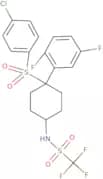
CAS:<p>γ-secretase inhibitor; reduces amyloid-β in brainÂ</p>Fórmula:C19H17ClF5NO4S2Pureza:Min. 95%Peso molecular:517.92 g/molMacropin 2
<p>This anti-microbial peptide (AMP) has been shown to cause lysis of several human cancer cell lines. Macropin-2 is most potent against CCRF-CEM T lymphoblastoid (human acute lymphoblastic leukemia) cells. At higher concentrations Macropin-2 also causes lysis of human umbilical vein endothelial cells (HUVEC), rat intestinal epithelial cells (IEC), human cervix carcinoma (HeLa) cells and human colon adenocarcinoma (SW480). Macropin-1 is also available in our catalogue.</p>Peso molecular:2,007.53 g/molRizatriptan benzoate
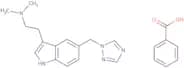
CAS:<p>5-HT1B/1D serotonin receptor agonist; anti-migraine agent; vasoconstrictive</p>Fórmula:C15H19N5•C7H6O2Pureza:Min. 95%Cor e Forma:PowderPeso molecular:391.47 g/molOSU 6162 hydrochloride
CAS:<p>OSU 6162 hydrochloride is a research chemical classified as a dopamine stabilizer, derived synthetically. It primarily acts as a dopamine receptor antagonist, targeting both D2 and D3 dopaminergic receptors in the central nervous system. By modulating dopamine receptor activity, OSU 6162 hydrochloride can help balance dopaminergic signaling, which is crucial in various neurological and psychiatric conditions.</p>Fórmula:C15H23NO2S·HClPureza:Min. 98 Area-%Cor e Forma:PowderPeso molecular:281.41 g/molSMAC/DIABLO -TAT (48-60)-[Lys]
<p>SMAC/DIABLO -TAT (48-60)-[Lys] is a pro-apoptotic peptide that is derived from the mitochondrial protein known either as Second Mitochondria-Derived Activator of Caspases (Smac) or Direct IAP Binding Protein with low isoelectric point, pI (DIABLO). During apoptosis the mitochondria has increased permeability to Smac/DIABLO, which causes the protein to diffuse into the cytosol. Here, Smac/DIABLO adheres to Inhibitors of apoptosis proteins (IAPs) and prevents them from binding to caspases, which in turn accentuates apoptosis.TAT (48-60) is present due to its properties as a cell penetrating cationic peptide (CPP). It derived from the N-terminus of the Tat protein, which is a trans-activator of the transcription protein present in the human immunodeficiency virus (HIV). As a CPP, TAT (48-60) is able facilitate the delivery of the Beclin scrambled protein across the plasma membrane.This peptide has an additional lysine attached to the C-terminus of the TAT (48-60) sequence.</p>Cor e Forma:PowderPeso molecular:2,650.6 g/molTritrpticin
CAS:<p>An anti-microbial peptide (AMP) of the cathelicidin family, originally discovered in pig neutrophils. Tritrpticin has potent and broad anti-microbial activity against Gram-positive and Gram-negative bacteria, some fungi, and protozoa.Tritrpticin is thought to exist in a range of conformations in solution, and recognise its targets with high selectivity and efficiency whilst displaying low haemolytic activity. The peptides three sequential tryptophan residues flanked by two prolines and four arginines are important for the peptides interaction with membranes and for its mechanism of action. The presence of these three tryptophan and four arginines residues, also class Tritrpticin as a member of the Arg/Trp-rich family of AMPs.</p>Fórmula:C96H132N28O14Peso molecular:1,902.25 g/molH-LLLPHWAK-OH
<p>H-LLLPHWAK-OH is a custom peptide that can be synthesized rapidly by our peptide experts in under 2 weeks. H-LLLPHWAK-OH is provided at greater that >95% purity (HPLC) from Cymit Quimica for a variety of research applications. We also offer H-LLLPHWAK-OH in bulk quantities in addition to our standard pack sizes.Please enquire for more information about H-LLLPHWAK-OH at the technical inquiry form on this page</p>Pureza:Min. 95%BMS 754807
CAS:<p>A reversible inhibitor of IGF-1R kinase and insulin receptor. Has anti-growth effects in mesenchymal, epithelial and hematopoietic tumor types. Synergistic with other cytotoxic, hormonal and targeted anti-cancer therapy.</p>Fórmula:C23H24FN9OPureza:Min. 95%Cor e Forma:PowderPeso molecular:461.49 g/molH-AFPEDRSQPGQDCRFRVTQL-OH
<p>H-AFPEDRSQPGQDCRFRVTQL-OH is a custom peptide that can be synthesized rapidly by our peptide experts in under 2 weeks. H-AFPEDRSQPGQDCRFRVTQL-OH is provided at greater that >95% purity (HPLC) from Cymit Quimica for a variety of research applications. We also offer H-AFPEDRSQPGQDCRFRVTQL-OH in bulk quantities in addition to our standard pack sizes.Please enquire for more information about H-AFPEDRSQPGQDCRFRVTQL-OH at the technical inquiry form on this page</p>Pureza:Min. 95%ACTH (15-24) Cys
<p>Human adrenocorticotropic hormone (ACTH), also known as corticotropin, is a tropic hormone produced and secreted by the anterior pituitary gland and member of the melanocortins peptide family. ACTH is cleaved from the precursor proopiomelanocortin (POMC). ACTH is an important component of the hypothalamic-pituitary-adrenal (HPA) axis and is often produced in response to biological stress. ACTH acts to increase the production and release of cortisol via its interaction with the ACTH receptor- ACTHR, also known as melanocortin type 2 receptor (MC2R). Receptor activation increases the intracellular concentration of cAMP via adenylyl cyclase.Abnormal ACTH levels in the body has been linked to primary adrenal insufficiency/Addison's disease, Cushing's disease and secondary adrenal insufficiency. ACTH (15-24) has been shown to be a competitive ACTH receptor antagonist and can be used as a method to combat the overproduction of cortisol. Treatment with ACTH (15-24) inhibits activation of a specific melanocortin 2 receptor (MC2R) by inhibiting adrenocorticotropin hormone (ACTH)-induced production of cortisol. ACTH (15-24) is provided here with a C-terminal cysteine residue for conjugation reactions.</p>Peso molecular:1,371.8 g/molClick (AAKK)4
<p>Small peptide design has become of interest to catalyse chemical transformations within the cell. The aim is to generate peptides to enhance the hybridization of attached oligonucleotides to complementary DNA sequences. (AAKK)4 is modelled on the surface of staphylococcal nuclease, it a short cationic lysine-rich peptide that can deliver a nucleophile to DNA or RNA. (AAKK)4 peptide can improve DNA-PNA (peptide nucleic acid) hybridisations dramatically as well as increase strand invasion rate. (AAKK)4 peptide is a non-lipid approach for cell penetration which is preferable for certain cell lines due to cytotoxicity issues. (AAKK)4-antisense conjugates have been used to silence gene expression.(AAKK)4 is provided here with a N-terminal alkyne attachment. Two of the most regularly encountered functional groups for click chemistry are azides and alkynes, and the azide-alkyne cycloaddition has become the most popular click reaction. The use of click chemistry with alkyne-(AAKK)4 allows a wide variety of applications particularly for conjugation, modification, and peptide design.</p>Cor e Forma:PowderPeso molecular:1,690.1 g/molAtapros
CAS:<p>Atapros is a high purity synthetic peptide that is used as research tool in the fields of Cell Biology, Pharmacology, and Ion channels. Atapros is a receptor agonist or activator for ligands with affinity to receptors. It can also be used to identify ligands that have affinity to receptors. The peptide has been shown to inhibit protein interactions by disrupting the binding of proteins with other proteins.</p>Fórmula:C21H32O4Pureza:Min. 95%Peso molecular:348.5 g/molCaloxin 1C2
<p>Plasma membrane calcium pumps (PMCA) play integral roles in calcium homeostasis and calcium signalling. There are four PMCA isoforms (1-4), their expression and localisation are varied amongst cell types and diseased tissue. Therefore, identification of specific inhibitors of each PMCA is underway to aid understanding of the individual roles the PMCAs play. Use of phage libraries and mutagenesis has allowed rapid screening of possible peptides. A PMCA inhibitor of importance found by screening and mutagenesis is caloxin 1C2. Caloxin 1C2 has been shown to have a 10 found higher affinity for PMCA4 than any other isoforms suggesting it is a suitable selective inhibitor for PMCA4 activity. The allosteric inhibitor is already being used in research to help understand the specific function of PMCA4 in tissues. Since changes in the levels of activity and expression of the PMCA isoforms have been linked to several conditions, such as hypertension and diabetes, clarifying the function of PMCA4 with the use of caloxin1C2 inhibitor could provide new treatments in the future.</p>Cor e Forma:PowderPeso molecular:1,843 g/molH-AQCY-OH
<p>H-AQCY-OH is a custom peptide that can be synthesized rapidly by our peptide experts in under 2 weeks. H-AQCY-OH is provided at greater that >98% purity (HPLC) from Cymit Quimica for a variety of research applications. We also offer H-AQCY-OH in bulk quantities in addition to our standard pack sizes.Please enquire for more information about H-AQCY-OH at the technical inquiry form on this page</p>Pureza:Min. 95%Influenza B antibody
<p>Influenza B antibody is an essential product in the field of Life Sciences. This antibiotic is specifically designed to target and neutralize the Influenza B virus. It belongs to a class of Antibodies known as monoclonal antibodies, which are highly specific and effective in combating viral infections.</p>Rivastigmine hydrochloride
CAS:Produto Controlado<p>Acetylcholinesterase and butyrylcholinesterase inhibitor</p>Pureza:Min. 95%Ac-SGQQQGLPRAAGGSVPC-NH2
<p>Ac-SGQQQGLPRAAGGSVPC-NH2 is a custom peptide that can be synthesized rapidly by our peptide experts in under 2 weeks. Ac-SGQQQGLPRAAGGSVPC-NH2 is provided at greater that >95% purity (HPLC) from Cymit Quimica for a variety of research applications. We also offer Ac-SGQQQGLPRAAGGSVPC-NH2 in bulk quantities in addition to our standard pack sizes.Please enquire for more information about Ac-SGQQQGLPRAAGGSVPC-NH2 at the technical inquiry form on this page</p>Pureza:Min. 95%Myelin Basic Protein, MBP (68-86)
<p>This 19 amino acid fragment of myelin basic protein (MBP) can induce experimental allergic encephalomyelitis (EAE) in Lewis rats. EAE is the most commonly used experimental model for studying the human inflammatory demyelinating disease, multiple sclerosis (MS).MBP is an integral component of myelin found in the central nervous system (CNS). MBP is considered vital for the development and stability of the myelin sheath where it plays a role in membrane adhesion. MPBs constitute an extraordinarily varied collection of splice isoforms which show a myriad of post-translational modifications. MBP may be targeted by auto-antibodies in diseases such as multiple sclerosis. The low affinity of MBP (1-9) peptide for MCH class II molecules may result in MBP autoreactive T cells escaping central-tolerance, where self-reactive T cells are usually eliminated.</p>Cor e Forma:PowderPeso molecular:1,931.9 g/molGag protein (181-189) acetyl/amide [Simian immunodeficiency virus]
<p>Gag peptide, derived from the simian immunodeficiency virus (SIV), is a homologue of the human immunodeficiency virus (HIV) gag protein which interacts with viral components in order to induce the infectious form of the virus. SIV can be used to model HIV.</p>Peso molecular:1,124.5 g/molA1AT-1 (336-343) Heavy
<p>Alpha-1 anti-trypsin (A1AT) is the most abundant anti-protease in circulation. It is produced in the liver and is essential for regulating the activity of neutrophil elastase and proteinase-3 in the lung. In its native metastable state it has a five-stranded central β-sheet, it is then transformed into a thermodynamically favoured six-stranded central β-sheet conformation.Under normal conditions, A1AT inhibits non-specific destruction by the serine protease neutrophil elastase (NE), to avoid destruction of lung elastin and prevent damage to bronchial and alveolar wall integrity. Mutations in alpha-1 anti-trypsin are responsible for alpha-1 anti-trypsin deficiency (AATD), one of the most common hereditary disorders. In AATD, reduced AAT levels result in destruction of lung tissue by NE. AATD also leads to a predisposition to severe liver disease. The leucine residue at position 3 of this peptide is isotopically labelled with carbon-13 (6) and nitrogen-15 (1), giving this peptide a mass increase of 7 compared to the unlabelled peptide.</p>Pureza:Min. 95%Peso molecular:1,073.6 g/molIFNB1 (118-132) Human deimmunised
<p>Recombinant human interferon-β (IFNB) is a therapeutic for specific stages of multiple sclerosis (MS). However, a significant portion of patients develop neutralising antibodies within two years which prevent the clinical efficacy of the treatment- this was correlated to a specific rise in IgG. Sequencing of IFNB1 revealed CD4+ T cell epitope residues (118-132) that contain critical T cell activation residues. Identifying these sequences allows them to be manipulated to provide new interferon treatments that reduce the capacity to induce neutralising antibodies in MS patients. In addition, the critical residue isoleucine has been mutated to valine and shown to reduce the immunological response to this epitope. This IFNB1 (118-132) epitope can be used for immunological investigations as a deimmunised version of the epitope. In addition, it can be used as a control for T cell activation and antibody recognition via immunoassays and immunohistochemistry. This may provide further insights into specific haplotypes correlating to IFNB responses in MS treatment.</p>Peso molecular:1,891 g/molLCBiot-INPASLDK-OH
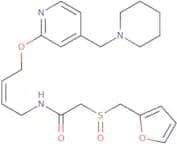
<p>Peptide LCBiot-INPASLDK-OH is a Research Peptide with significant interest within the field academic and medical research. This peptide is available for purchase at Cymit Quimica in multiple sizes and with a specification of your choice.</p>Lafutidine
CAS:<p>Histamine (H2) receptor antagonist; treats ulcers and acid reflux</p>Fórmula:C22H29N3O4SPureza:Min. 95%Peso molecular:431.55 g/molHistone H3 (1-20) K4Me3, K9Ac-GG-[Lys(5-FAM)]
<p>Histone H3 (1-20) K4Me3, K9Ac-GG-[Lys(5-FAM)] is derived from Histone 3 (H3) which is one of the four core histones fundamental for compacting eukaryotic DNA into the nucleosome.-Lysine 4 of Histone H3 (1-20) K4Me3, K9Ac-GG-[Lys(5-FAM)] has been tri-methylated, lysine 9 has been acetylated and the C-terminal has been labelled with 5-Carboxyfluorescein (5-FAM), a widely used green, fluorescent tag. Additionally, this peptide contains an uncharged C-terminal amide.LD: Histone H3 (1-20) K4Me3, K9Ac-GG-[Lys(5-FAM)] is derived from Histone 3 (H3) which is one of the four core histones (H2A, H2B, H3 and H4) fundamental in compacting eukaryotic DNA into the nucleosome. The nucleosome arises when 147 base pairs of DNA wrap around a H3-H4 tetramer and two H2A-H2B dimers, forming the histone octamer core. Both H4 and H3 are highly conserved and perform roles in binding to segments of DNA which enter and leave the nucleosome and in chromatin formation. Similar to the other core histone, H3 has a globular domain and a flexible N-terminal domain, 'histone tail' which can undergo modifications such as acetylation, methylation, phosphorylation and ubiquitination. Due to histones containing a large number of lysine and arginine residues they have a positive net charge which interacts in an electrostatic manner with the negatively charged phosphate groups in DNA. The transcriptional activation or silencing of the chromatin is controlled by ATP-dependent chromatin remodelling factors and histone modifying enzymes which target histone proteins. Both processes function to alter the positioning of the nucleosome, allowing the DNA it to be either available or inaccessible to the transcription machinery.The lysine at position 4 of this peptide has been tri-methylated and it is implicated in studies that this modification may remodel the chromatin so that it is more accessible to transcription factors, which may ultimately increase the level of gene expression. The lysine at position 9 has been acetylated, which neutralizes the positive charge on the amino acid, loosening the chromatin structure. This alteration to the accessibility of chromatin promotes the initiation of transcription.Additionally, Histone H3 (1-20) K4Me3, K9Ac-GG-[Lys(5-FAM)] has a C-terminal GKK linker labelled with 5-Carboxyfluorescein (5-FAM), a widely used green fluorescent tag. This peptide also has an uncharged C-terminal amide.</p>Peso molecular:2,866.5 g/molInsulin antibody
<p>Insulin antibody was raised in guinea pig using human Insulin as the immunogen.</p>Grossamide
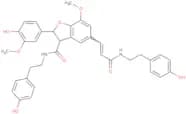
CAS:<p>Grossamide is a synthetic toll-like receptor (TLR) agonist that activates the immune system. It is used in nutrient solutions to stimulate plant growth. Grossamide has been shown to inhibit acetylcholinesterase, which is an enzyme that breaks down the neurotransmitter acetylcholine and can be used as a potential treatment for Alzheimer's disease. Grossamide has also been shown to have anti-cancer properties, including inhibiting prostate cancer cell growth and increasing tumor necrosis factor-α (TNF-α).</p>Fórmula:C36H36N2O8Pureza:Min. 95%Cor e Forma:PowderPeso molecular:624.7 g/molPAR-2 Agonist amide
<p>Thrombin receptor inhibitory peptide (TRIP). Thrombin activates members of the PAR family of receptors to initiate a variety of signalling pathways.Protease activated receptors (PARs) are a distinctive four-member family of seven transmembrane G protein-coupled receptors (GPCRs) widely expressed in inflammatory cells. PARs are cleaved by certain serine proteases to expose a tethered ligand domain, this ligand domain then binds to and activates the receptors to initiate multiple signalling cascades. This peptide mimics the tethered peptide ligand of PAR- 2, but lacks the S42 residue which is important for receptor activation, and therefore acts as a thrombin antagonist peptide.</p>Cor e Forma:PowderPeso molecular:1,297.7 g/molHistone H2A (1-20)-GGK(Biotin)
<p>The Histone H2A residues 1 to 20 are derived from histone 2A (H2A) which is one of the four core histones (H2A, H2B, H3 and H4) fundamental in compacting eukaryotic DNA into a structure known as the nucleosome. The nucleosome arises when 147 base pairs of DNA wrap around a H3-H4 tetramer and two H2A-H2B dimers, forming the histone octamer core.At the site of DNA entry on the outer nucleosome, the C-terminus of H2A is present and is able to interact with linker histones or other factors. This allows for variation and changes in nucleosome stability to occur. Furthermore Histone H2A has histone variants such as H2A.Z and H2A.X (which are present in all organisms) and these variants alter the organisation of the DNA.Due to histones containing a large number of lysine and arginine residues they have a positive net charge which interacts in an electrostatic manner with the negatively charged phosphate groups in DNA. The transcriptional activation or silencing of the chromatin is controlled by ATP-dependent chromatin remodelling factors and histone modifying enzymes which target histone proteins. Both processes function to alter to change the positioning of the nucleosome, allowing the DNA it to be either available to the transcription machinery or inaccessible.Biotin has been added to the lysine on GGK.</p>Peso molecular:898.5 g/molIgG, H&L Chains (Anti-Mouse) Goat Polyclonal Antibody, IgG Fraction
<p>IgG, H&L Chains (Anti-Mouse) Goat Polyclonal Antibody, IgG Fraction is a life science tool for use in pharmaceutical and diagnostic applications. Please enquire for more information about IgG, H&L Chains (Anti-Mouse) Goat Polyclonal Antibody, IgG Fraction including the price, delivery time and more detailed product information at the technical inquiry form on this page.</p>OXA (17-33)
<p>Orexin-A (also known as hypocretin-1) is a hypothalamic neuropeptide that regulates feeding behaviour, reward processes, cognition, the sleep-wake cycle and stress. Orexin-A is involved in stress induced mental illness such as major depressive disorder and anxiety disorders and may therefore be a potential target for treatment of these conditions.Orexins are excitatory neuropeptides generated from the prepro-orexin precursor that is exclusively localised in cells of the lateral and posterior hypothalamic region. Orexins are also widely expressed in human and mammalian retinas, such as bipolar cells, amacrine cells and ganglion cells.Orexin-A activates the orphan G-protein-coupled orexin receptor, type 1 (OX1R) and 2 (OX2R). There are approximately 10,000-20,000 orexinergic neurons in the human brain.</p>Peso molecular:1,747.9 g/molH-SILLTEQALAK^-OH
<p>Peptide H-SILLTEQALAK^-OH is a Research Peptide with significant interest within the field academic and medical research. This peptide is available for purchase at Cymit Quimica in multiple sizes and with a specification of your choice.</p>Testosterone antibody
<p>The Testosterone antibody is a monoclonal antibody that specifically targets and detects the presence of androgen hormone. It has been extensively used in research related to cryptosporidium parvum, a protozoan parasite that causes gastrointestinal infections. This antibody binds to the β-catenin protein, which plays a crucial role in the regulation of cell adhesion and signaling pathways. The Testosterone antibody is widely used in life sciences for immunoassays, such as ELISA or Western blotting, to study the expression and localization of testosterone in various biological samples. Its high specificity and sensitivity make it an essential tool for researchers studying steroid hormones and their impact on health and disease. With its colloidal gold conjugation and plasticizer-free formulation, this antibody ensures accurate and reliable results without interference from non-specific binding. Additionally, it exhibits excellent performance in applications involving collagen-based matrices due to its affinity for nuclear β-catenin. Trust the Testosterone antibody to provide precise detection and analysis of</p>Pureza:Min. 95%Ehrlichia Canis gp19 Antigen, Recombinant
<p>Ehrlichia Canis gp19 Antigen, Recombinant is a protein for use in pharmaceutical and diagnostic applications. Please enquire for more information about Ehrlichia Canis gp19 Antigen, Recombinant including the price, delivery time and more detailed product information at the technical inquiry form on this page.</p>CBL (598-612) Heavy
<p>CBL (598-612) is derived from the CBL E3 ubiquitin ligase which targets receptor tyrosine kinases to lysosome degradation. CBL and its family member CBL-B are expressed in hematopoietic cells and as E3 ubiquitin ligases they contain a tyrosine kinase domain and an RF domain joined by a linker domain. The function of the RF domain is to transfer ubiquitin from E2 ubiquitin-conjugating enzymes onto the target protein which is often phosphorylated. Consequently the ubiquitinated substrate, the receptor tyrosine kinases, are ultimately targeted to the lysosome for degradation.EGFR is an example of a receptor tyrosine kinase whose activation is prevented by CBL and CBL-B when they bind and recruit GRb2, the adapter protein to EGFR. Consequently the ubiquitinylation of EGFR occurs and targets it for recognition by the endosomal protein Complex and then lysosome degradation.It has also been found that the CBL family can negatively regulate through ubiquitinylation, PI 3-kinases, Rap G-protein guanine nucleotide exchange factor (GEF), C3G and Rho GTPase GEF Vav which are all non-receptors.If CBL becomes non-functional it can be associated with malignancies such as acute myeloid leukemia and myelodysplastic syndrome.The Arginine residue at position 14 is isotopically labelled using carbon-13 (6) and nitrogen-14 (4).</p>Pureza:Min. 95%Peso molecular:1,551.8 g/molSARS-CoV-2 NSP13 (556-570)
<p>The SARS-CoV-2 non-structural protein 13 (NSP13) has been identified as a target for anti-viral therapeutics due to its highly conserved sequence and is essential for viral replication. NSP13 is part of the helicase superfamily 1B. As an NTPase and RNA helicase, NSP13 binds to RNA-dependent RNA polymerase and acts in concert with the replication-transcription complex to stimulate backtracking and further activate NSP13 helicase activity. These factors make NSP13 a good target for developing new antiviral drugs. In addition, the identification of epitopes within the NSP13 sequence can help design more effective SARS-CoV-2 vaccines.Models have predicted epitopes exhibiting antigenicity, stability and interactions with MHC class-I and class-II molecules. NSP13 (556-570) is an epitope candidate with various HLA restrictions. This epitope can be used to better vaccine design for more durable CD4+ and CD8+ T cell responses for long-lasting immunity.</p>Peso molecular:1,717.9 g/molSPA4 Peptide
<p>SPA4 is a surfactant protein-A (SP-A)-derived peptide which is an antagonist of toll-like receptor-4 (TLR4). SP-A and TLR4 have been identified as important pathogen-pattern recognition receptors (PPRRs). SP-A represents the majority of SPs and plays a key role in fighting pathogens and down-regulating inflammation, whereas TLR4 recognises pathogens and endogenous stress proteins and induces the inflammatory and adaptive immune responses.Over-activation of TLR4 induces inflammatory response via NF-KB and TNF-α cytokine. SPA4 has been shown to bind to TLR4 and inhibit the release of TNF-α in response to the most potent TLR4-ligand: Gram-negative bacteria-derived lipopolysaccharide (LPS), however SPA4 does not interfere with LPS binding to TLR4. The suppression of LPS-TLR4 signalling by SPA4 peptide alleviates inflammatory response.</p>Peso molecular:2,396 g/mol[MCA]/[Lys(Dnp)]-CoV Main Protease (Mpro) Substrate
<p>Fluorescently labelled substrate for the severe acute respiratory syndrome coronavirus main protease (SARS-CoV Mpro).- The substrate sequence is derived from residues P4-P5' of the SARS-CoV Mpro-N-terminal autoprocessing site which has the sequence AVLQSGFRK. SARS-CoV Mpro is a key antiviral target.This peptide contains a highly fluorescent N-terminal 7-methoxycoumarin fluorophore (Mca) and a 2,4-dinitrophenyl (Dnp) quencher. Mca is efficiently quenched by resonance energy transfer to the 2,4-dinitrophenyl group when the peptide is intact, however upon cleavage of the peptide by Mpro, the Mca group and the Dnp quencher are separated and fluorescence can be detected. This therefore represents a useful tool for investigating Mpro activity.</p>Peso molecular:1,514.7 g/molPantinin-3
<p>Pantinin-3, like other pantinin peptides, has high activity against Gram-positive bacteria yet weak activity against Gram-negative bacteria. With the exception of S. aureus, pantinin-3 displays the highest activity against all Gram-negative bacteria for which it has been tested. Pantinin-3 also displays activity against Candida tropicalis and has relatively mild haemolytic activity against human red blood cells.</p>Cor e Forma:PowderPeso molecular:1,491.77 g/mol

![[Glp6,Pro9] Substance P (6-11)/Septide](/_next/image/?url=https%3A%2Fstatic.cymitquimica.com%2Fproducts%2F3D%2Fthumb-webp%2FCRB1000628.webp&w=3840&q=75)


![SMAC/DIABLO -TAT (48-60)-[Lys]](/_next/image/?url=https%3A%2Fstatic.cymitquimica.com%2Fproducts%2F3D%2Fthumb-webp%2FCRB1000573.webp&w=3840&q=75)





![Gag protein (181-189) acetyl/amide [Simian immunodeficiency virus]](/_next/image/?url=https%3A%2Fstatic.cymitquimica.com%2Fproducts%2F3D%2Fthumb-webp%2FCRB1001216.webp&w=3840&q=75)

![Histone H3 (1-20) K4Me3, K9Ac-GG-[Lys(5-FAM)]](/_next/image/?url=https%3A%2Fstatic.cymitquimica.com%2Fproducts%2F3D%2Fthumb-webp%2FCRB1101263.webp&w=3840&q=75)


![[MCA]/[Lys(Dnp)]-CoV Main Protease (Mpro) Substrate](/_next/image/?url=https%3A%2Fstatic.cymitquimica.com%2Fproducts%2F3D%2Fthumb-webp%2FCRB1001503.webp&w=3840&q=75)