Bioquímicos e reagentes
Os bioquímicos e reagentes são substâncias fundamentais para a pesquisa e desenvolvimento em campos como biotecnologia, biologia molecular, farmacologia e medicina. Esses produtos são essenciais para uma variedade de aplicações, incluindo a síntese de compostos, a análise de amostras biológicas, a pesquisa de processos metabólicos e a produção de medicamentos. Na CymitQuimica, oferecemos uma ampla seleção de bioquímicos e reagentes de alta qualidade e pureza, adequados para diversas necessidades científicas e industriais. Nosso catálogo inclui enzimas, anticorpos, ácidos nucleicos, aminoácidos e muitos outros produtos, todos projetados para apoiar pesquisadores e profissionais em seus projetos de pesquisa e desenvolvimento, garantindo resultados confiáveis e reproduzíveis.
Subcategorias de "Bioquímicos e reagentes"
- Biomoléculas(99.205 produtos)
- Por Alvo Biológico(99.900 produtos)
- Por uso/Efeitos Farmacológicos(6.790 produtos)
- Compostos relacionados à criopreservação e aos crioconservantes(21 produtos)
- Desinfetantes, aditivos para aquecimento de líquidos de banho e compostos relacionados(28 produtos)
- Hormónios(346 produtos)
- Biologia Vegetal(6.835 produtos)
- Metabólitos secundários(14.345 produtos)
Foram encontrados 130607 produtos de "Bioquímicos e reagentes"
Ordenar por
Pureza (%)
0
100
|
0
|
50
|
90
|
95
|
100
Farnesylated a-factor
<p>Farnesylated a-factor is a post-translationally modified mating pheromone derived from Saccharomyces cerevisiae. The addition of a farnesyl group to the C-terminus is crucial for the biological activity of the a-factor.During the mating of Saccharomyces cerevisiae, the haploid state of yeast can be either α-type or a-type. Mating pheromones produced by these haploid cells can induce two different cell types to mate. The α-factor is released from α-type cells and bind to the G-protein coupled receptor (GPCR) Ste2p on a-cells, whereas the a-factor is released from a-type cells and binds to the GPCR Ste3p on α-cells.</p>Peso molecular:1,628.9 g/molH-DRV^YIHP-OH
<p>Peptide H-DRV^YIHP-OH is a Research Peptide with significant interest within the field academic and medical research. This peptide is available for purchase at Cymit Quimica in multiple sizes and with a specification of your choice.</p>Fibrinopeptide
<p>Fibrinogen is a large plasma glycoprotein with a complex structure, and one of the most abundant proteins in blood. Fibrinogen is important in fibrin clot formation, haemostasis, and inflammatory responses. Increased plasma fibrinogen indicates a proinflammatory state and is a risk factor for vascular inflammatory diseases including hypertension and atherosclerosis. Fibrinogen cleavage products act as inflammatory activators in the pathophysiology of allergic asthma.The conversion of monomeric fibrinogen into polymeric fibrin is mediated by thrombin, which binds to fibrinogen and catalyses cleavage of fibrinopeptide A (FpA) and fibrinopeptide B (FpB). Fibrinopeptide B is protected from modifications such as carbamylation by pyroglutamination of the N-terminal amino acid.</p>Cor e Forma:PowderPeso molecular:1,551.7 g/molH-LGPISGHVL-OH
<p>H-LGPISGHVL-OH is a custom peptide that can be synthesized rapidly by our peptide experts in under 2 weeks. H-LGPISGHVL-OH is provided at greater that >90% purity (HPLC) from Cymit Quimica for a variety of research applications. We also offer H-LGPISGHVL-OH in bulk quantities in addition to our standard pack sizes.Please enquire for more information about H-LGPISGHVL-OH at the technical inquiry form on this page</p>Pureza:Min. 95%Spexin
<p>Spexin is a neuropeptide that is conserved amongst humans and rodents. Spexin activates galanin2/3 receptors, inducing a different active conformation of GalR2 to galanin. The broad distribution of spexin suggests multiple physiological roles including as a regulating factor in obesity and energy metabolism. Spexin is ubiquitously expressed in human tissue, however, a correlation has been found with obesity and age. Obese patients had significantly lower levels of circulating spexin than those with a healthy weight range. The significance of this suggests spexin regulates appetite, feeding behaviour, and energy expenditure. Spexin also specifically inhibits the uptake of long-chain fatty acids by adipocytes.Spexin is a central modulator of cardiovascular and renal function and can elicit central nervous system behavioural responses. As spexin levels decrease with age there is research to understand if it plays a role in age-related pathophysiology of cardiometabolic conditions. Spexin is also being considered an early biomarker for cardiovascular disease due to the magnitude with which it decreases as the pathophysiology progresses.</p>Peso molecular:1,618.8 g/molFLAG tag (Cy3B)
<p>FLAG tag with a GGC linker (Cy3B)</p>Cor e Forma:PowderPeso molecular:1,911.7 g/molH-PSSNVA-OH
<p>H-PSSNVA-OH is a custom peptide that can be synthesized rapidly by our peptide experts in under 2 weeks. H-PSSNVA-OH is provided at greater that >95% purity (HPLC) from Cymit Quimica for a variety of research applications. We also offer H-PSSNVA-OH in bulk quantities in addition to our standard pack sizes.Please enquire for more information about H-PSSNVA-OH at the technical inquiry form on this page</p>Pureza:Min. 95%Ac-RGK-[AMC]
<p>Substrate peptide for histone deacetylase (HDAC) enzymes for use in assaying HDAC activity. Histone deacetylases (HDACs) are a family of enzymes which are highly evolutionary conserved across all eukaryotes. HDACs modify histones by removing acetyl groups from the tail regions. Histone deacetylation is generally associated with reduced gene expression due to a more compact chromatin state less accessibility for transcription factors (TFs). HDACs are essential for many physiological processes including development and cellular homeostasis. They also play an important role in disease states, including neurodegenerative disorders, genetic diseases and cancers.This peptide is the fluorogenic substrate for assaying histone deacetylase (HDAC) activity in a two-step enzymatic reaction. The assay consists of the initial lysine deacetylation by HDAC followed by the release of the fluorescent group by trypsin. Fluorescence can be detected upon fluorophore release.</p>Peso molecular:558.3 g/molCeruloplasmin antibody
<p>Ceruloplasmin antibody was raised in sheep using human ceruloplasmin purified from plasma as the immunogen.</p>Pureza:Min. 95%H-VVAGVANALAHK^^-OH
<p>Peptide H-VVAGVANALAHK^^-OH is a Research Peptide with significant interest within the field academic and medical research. This peptide is available for purchase at Cymit Quimica in multiple sizes and with a specification of your choice.</p>SETD8 Peptide
<p>Setd8 is a member of the SET domain containing family of proteins and is the sole methyltransferase that catalyses monomethylation of lysine 20 on histone H4 (H4K20me1). This histone modification is involved in regulating DNA replication, chromosome condensation and gene expression.Setd8 is widely expressed and in addition to modifying histone H4, it can modify non-histone proteins, including p53. Setd8 has been shown to play a role in maintaining skin differentiation and is dysregulated in multiple cancer types.</p>Peso molecular:1,076.7 g/molH-FVQGKDWGC-OH
<p>H-FVQGKDWGC-OH is a custom peptide that can be synthesized rapidly by our peptide experts in under 2 weeks. H-FVQGKDWGC-OH is provided at greater that >98% purity (HPLC) from Cymit Quimica for a variety of research applications. We also offer H-FVQGKDWGC-OH in bulk quantities in addition to our standard pack sizes.Please enquire for more information about H-FVQGKDWGC-OH at the technical inquiry form on this page</p>Pureza:Min. 95%Gag (18-26) [Human immunodeficiency virus type 1] acetyl/amide
<p>CD8+ T-cell (cytotoxic T lymphocyte (CTL)) responses are important in the control of viral replication. Inducing a sustained HIV-1 specific CD8+ T-cell response is the target for vaccine development by using conserved HIV-1 epitopes. The HIV gag gene encodes p17 and p24. P17 Gag is a matrix protein that is vital to HIV life cycle, use of p17 Gag epitopes is a possibility for HIV therapies. P17 Gag targets viral RNA to the nucleus and Gag polyproteins to the cell membrane- p17 Gag accumulates in the extracellular space of tissue while interacting with receptors on various cell types to deregulate cell function.CTL recognition epitope of p17 Gag is identified as residues 77-85 to activate the immune response. Within Gag p17 is the conserved/persistently recognised epitope KIRLRPGGK (amino acids 18-26). This sequence has been used as an effective epitope in immunological assays to assess CTL response work has also shown patients targeting conserved or variable Gag epitopes including Gag p17 (18-26) effects the strength of CD8+ T-cell response and disease progression.</p>Peso molecular:1,064.7 g/molThyroglobulin (Tg-FSP)
<p>Thyroglobulin (Tg) is a widely used biomarker of various differentiated thyroid cancer (DTC)- Tg is a substrate for thyroid hormone production. Detection and quantification of serum thyroglobulin levels remain challenging due to Tg's size, heterogeneity, and thyroglobulin autoantibodies (TgAb). Immunoassays offer the opportunity to tailor DTC treatments, but many patients are TgAb positive, excluding them from analysis during regression.Liquid chromatography-tandem mass spectrometry (LC-MS/MS) can overcome immunoassay issues by digestion of Tg to a tryptic peptide removing the interference from TgAbs. The addition of a doubly charged peptide precursor ion, FSP peptide, allows easy detection of Tg-FSP by an anti-FSP antibody that is reliable and quantifiable.</p>Peso molecular:1,405.7 g/molSMAC/DIABLO [Lys(5-FAM)]
<p>SMAC/DIABLO [Lys(5-FAM)] is a pro-apoptotic peptide that is derived from the mitochondrial protein known either as Second Mitochondria-Derived Activator of Caspases (Smac) or Direct IAP Binding Protein with low isoelectric point, pI (DIABLO). During apoptosis the mitochondria has increased permeability to Smac/DIABLO, which causes the protein to diffuse into the cytosol. Here, Smac/DIABLO adheres to Inhibitors of apoptosis proteins (IAPs) and prevents them from binding to caspases, which in turn accentuates apoptosis.This peptide has a C-terminal lysine linker labelled with 5-Carboxyfluorescein (5-FAM), a widely used, green fluorescent tag.</p>Fórmula:C68H93N13O21Cor e Forma:PowderPeso molecular:1,428.54 g/molAc-SESGELHGLTTC-NH2
<p>Ac-SESGELHGLTTC-NH2 is a custom peptide that can be synthesized rapidly by our peptide experts in under 2 weeks. Ac-SESGELHGLTTC-NH2 is provided at greater that >95% purity (HPLC) from Cymit Quimica for a variety of research applications. We also offer Ac-SESGELHGLTTC-NH2 in bulk quantities in addition to our standard pack sizes.Please enquire for more information about Ac-SESGELHGLTTC-NH2 at the technical inquiry form on this page</p>Pureza:Min. 95%Endothelin antibody
<p>The Endothelin antibody is a monoclonal antibody that specifically targets and neutralizes endothelin, a growth factor involved in various physiological processes. This antibody has been shown to bind to the endothelin receptor, preventing its activation and downstream signaling. In addition, it inhibits the colony-stimulating factor GM-CSF, which plays a crucial role in immune cell development and function. The Endothelin antibody has been extensively studied in Life Sciences research and has shown promising results in blocking endothelin-mediated effects. It can be used for applications such as immunoassays, protein detection, and cell-based assays. With its high specificity and affinity, this antibody is a valuable tool for studying endothelin-related pathways and exploring potential therapeutic interventions.</p>C.I.Basic Yellow 5
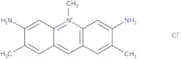
CAS:<p>Basic Yellow 5 is a dye that belongs to the group of organic pigments. It is used in textile and leather production, as well as in food coloring. Basic Yellow 5 has been shown to bind to lectins on the surface of bacteria, which is how it exerts its antibacterial effects. This dye inhibits protein synthesis by binding to the ribosome and preventing amino acid incorporation into proteins. Basic Yellow 5 also inhibits bacterial growth by binding to the ribosome, interfering with protein synthesis and cell division.END></p>Pureza:Min. 95%HLA-A*02:01 HBV core (18-27)
<p>HLA-A*02 is a class I major histocompatibility complex (MHC) allele which is part of the HLA-A group of human major histocompatibility complex (MHC) leukocyte antigens (HLA). HLA-A is a human MHC class I cell surface receptor and is involved in presenting short polypeptides to the immune system. These polypeptides are typically 7-11 amino acids in length and originate from proteins being expressed by the cell. Cytotoxic T cells in the blood "read" the peptide presented by the complex and should only bind to non-self peptides. If binding occurs, a series of events is initiated culminating in cell death via apoptosis. This peptide corresponds to the Hepatitis B variant (HBV) core sequence which is presented on the MHC class I antigen HLA-A*02.</p>Peso molecular:1,154.6 g/molHIV p17 Gag (77-85)
<p>The HIV gag gene encodes p17 and p24. P17 Gag is a matrix protein that is vital to HIV life cycle, it targets viral RNA to the nucleus and Gag polyproteins to the cell membrane- p17 Gag accumulates in the extracellular space of tissue while interacting with receptors on various cell types to deregulate cell function.During HIV infection the cytotoxic T lymphocyte (CTL) response is key to attenuating viral replication. CTL recognition epitope of p17 Gag is identified as residues 77-85 to activate the immune response. HIV p17 Gag CTL epitope has been used in IgG titres and has been suggested as a suitable prognostic tool for onset of AIDS. A high affinity of IgG for p17 Gag was correlated to patients remaining in an asymptomatic state. p17 Gag epitope has been shown to induce a strong CTL response in the majority of chronically infected HIV patients. This makes the p17 Gag epitope a target for molecular therapy for HIV treatment and potentially a vaccine development.</p>Cor e Forma:PowderPeso molecular:980.5 g/molSB 612111 hydrochloride
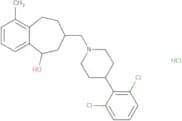
CAS:<p>SB 612111 hydrochloride is a potent and selective antagonist of the nociceptin/orphanin FQ peptide receptor (NOP receptor). It is a synthetic compound derived from rational design and chemical synthesis approaches targeting specific receptor pathways. The mode of action of SB 612111 hydrochloride involves competitive inhibition of the NOP receptor, blocking the binding of its endogenous ligand, nociceptin, thereby modulating neurotransmission within various neural circuits.</p>Fórmula:C24H29Cl2NO·HClPureza:Min. 95%Peso molecular:454.86 g/molH-ALVTDADNVIPK^-OH
<p>Peptide H-ALVTDADNVIPK^-OH is a Research Peptide with significant interest within the field academic and medical research. This peptide is available for purchase at Cymit Quimica in multiple sizes and with a specification of your choice.</p>RNase A (8-13)
<p>H-FERQHM-OH peptide, corresponding to RNase A 8-13 (Chain A of bovine pancreatic ribonuclease) is a non-amyloidogenic peptide, that can be used as a negative control in amyloid formation experiments together with CRB1001320.</p>Pureza:Min. 95%Peso molecular:846.4 g/molTAT-TRPV1 (736-745)
<p>TAT-TRPV1 (736-745) is a cell-permeable TRPV1 fragment (capsaicin receptor and the vanilloid receptor 1), that can inhibit the interaction of TRPV1 and A-kinase anchoring protein 79 (AKAP79). TAT- TRPV1 (736-745) consists of amino acids 736-749 from the TRPV1 C-terminal domain, combined with amino acids 47-57 of TAT to promote uptake across neuronal cell membranes. TAT-TRPV1 (736-745) inhibits both the first and the second phase of pain behaviour in the formalin test, implying an effect on both acute and inflammatory pain.A-kinase anchoring protein 79 (AKAP79) is a protein that targets kinases to TRPV1. Inflammation causes hyperalgesia but can be reduced when TRPV1 is blocked. a key region on AKAP79, amino acids 326-336, is responsible for its interaction with TRPV1. TAT-TRPV1 (736-745) promotes uptake across the cell membrane and TRPV1 (736-745) inhibited inflammatory hyperalgesia in mice. TAT-TRPV1 (736-745) did not affect pain thresholds in the absence of inflammation. These results suggest that antagonizing the TRPV1-AKAP79 interaction will be a useful strategy for inhibiting inflammatory hyperalgesia and TAT is an effective delivery system.</p>Peso molecular:2,927.6 g/molOVA-A2 Peptide, SAINFEKL, OVA (257-264) Variant
<p>Custom research peptide; min purity 95%. For different specs please use the Peptide Quote Tool</p>Fórmula:C42H68N10O13Peso molecular:921.1 g/molTAT-NR2B (C-ter)
<p>N-methyl-D-aspartate receptors (NMDARs) are ligand-gated ionotropic glutamate receptors that mediate excitatory synaptic transmission and play important roles in many aspects of nervous system function including: synaptic plasticity- learning and memory- neuronal development and circuit formation. NMDARs have been implicated in various neuronal disorders. NMDARs are heteromers consisting of an obligate NR1 subunit and most commonly one or two kinds of NR2 subunits or occasionally NR3 subunits. NR2B is the predominant subunit found in the postnatal brain, however over time the number of NRA2 subunits increase and eventually outnumber NR2B subunits in a process known as the NR2B-NR2A developmental switch. The greater ratios of the NR2B subunit in post-natal brains leads to NMDA receptors which remain open longer compared to those with more NR2A subunits, this may be related to the greater memory abilities in the immediate postnatal period compared to late in life. NR2B improves synaptic plasticity and memory when over-expressed in neurones. The involvement of NMDAR in the central nervous system (CNS) has become a focus area for neurodegenerative diseases such as Alzheimer's disease, epilepsy and ischemic neuronal cell death.The TAT peptide is present due to its properties as a cell penetrating cationic peptide (CPP). It derived from the N-terminus of the Tat protein, which is a trans-activator of the transcription protein present in the human immunodeficiency virus (HIV). As a CPP, TAT is able facilitate the delivery of NR2B (C-ter) across the plasma membrane.</p>Cor e Forma:PowderPeso molecular:2,517.4 g/mol17β Estradiol Mouse Monoclonal Antibody
<p>Please enquire for more information about 17β Estradiol Mouse Monoclonal Antibody including the price, delivery time and more detailed product information at the technical inquiry form on this page</p>Calcitonin, Rat
<p>The hormone Calcitonin, reduces the amount of serum calcium during hypercalcemia and is released from the C-cells of the thyroid gland. Within its structure it contains a disulphide bridge between cysteine 1 and 7 and a proline at its carboxy terminal.Calcitonin is used therapeutically in the treatment of hypercalcemia diseases such as Paget disease, Sudeck atrophy, bone metastases and vitamin-D intoxication.The level of calcitonin in the plasma can also be used as a marker for medullary thyroid carcinoma, while procalcitonin is used to diagnose sepsis.</p>Peso molecular:3,397.6 g/molGonadoliberin-2 (Human, Chicken)
<p>Custom research peptide; min purity 95%. For different specs please use the Peptide Quote Tool</p>Peso molecular:1,236.33 g/molH-AAEGLDTQR^-OH
<p>Peptide H-AAEGLDTQR^-OH is a Research Peptide with significant interest within the field academic and medical research. This peptide is available for purchase at Cymit Quimica in multiple sizes and with a specification of your choice.</p>H-VFLENVIR^-OH
<p>Peptide H-VFLENVIR^-OH is a Research Peptide with significant interest within the field academic and medical research. This peptide is available for purchase at Cymit Quimica in multiple sizes and with a specification of your choice.</p>ApoA-I antibody
<p>ApoA-I antibody was raised in sheep using human apolipoprotein A1 as the immunogen.</p>Pureza:Min. 95%GTF2H4 antibody
<p>GTF2H4 antibody was raised in mouse using recombinant Human General Transcription Factor Iih, Polypeptide 4, 52Kda</p>Chromogranin A antibody
<p>The Chromogranin A antibody is a reactive basic protein that is widely used in the field of Life Sciences. It is commonly used in research and diagnostic applications. This antibody has been extensively studied and characterized for its specificity and sensitivity.</p>Pureza:Min. 95%H-DQRVVNGGVPWPSPCPSPSS-OH
<p>H-DQRVVNGGVPWPSPCPSPSS-OH is a custom peptide that can be synthesized rapidly by our peptide experts in under 2 weeks. H-DQRVVNGGVPWPSPCPSPSS-OH is provided at greater that >95% purity (HPLC) from Cymit Quimica for a variety of research applications. We also offer H-DQRVVNGGVPWPSPCPSPSS-OH in bulk quantities in addition to our standard pack sizes.Please enquire for more information about H-DQRVVNGGVPWPSPCPSPSS-OH at the technical inquiry form on this page</p>Pureza:Min. 95%H-GIYDGDLK^-OH
<p>Peptide H-GIYDGDLK^-OH is a Research Peptide with significant interest within the field academic and medical research. This peptide is available for purchase at Cymit Quimica in multiple sizes and with a specification of your choice.</p>ApoA-I antibody
ApoA-I antibody was raised in goat using affinity purified human apolipoprotein A-I as the immunogen.Pureza:Min. 95%H-Leu-Ser-Ile-Gly-Arg-Leu-NH2
<p>H-Leu-Ser-Ile-Gly-Arg-Leu-NH2 is a peptide that has been shown to have coagulation and cardiovascular effects. It also has protease-activated receptor (PAR) and PAR2 activity, which may be the mechanism for its observed antihypertensive effects. H-Leu-Ser-Ile-Gly-Arg-Leu NH2 is a biologically active peptide that belongs to the group of protease activated receptor (PAR) peptides. It has been shown to activate PAR2 in human endothelial cells and stimulate vasodilation and nitric oxide production.</p>Fórmula:C29H56N10O7Pureza:Min. 95%Peso molecular:656.83 g/molHaptoglobin (58-72) Heavy
<p>Derived from the haptoglobin protein which binds to and reduces the toxic effects of free haemoglobin, produced during red cell lysis. Decreasing levels of haptoglobin can be used as a marker of haemolysis. The leucine residue at position 11 is isotopically labelled with carbon-13 (6) and nitrogen-15 (1).</p>Pureza:Min. 95%Peso molecular:1,673.8 g/molVP4 (93-101) Nora virus
<p>VP4 is a viral coat protein of Nora virus encoded for by ORF4. The product of this gene is likely cleaved into three capsid proteins, VP4A, B and C. VP4 is also the most conserved gene from Nora virus and related viruses. Nora virus is a non-pathogenic virus found in gut of Drosophila melanogaster. It causes persistent, non-pathological infection, it replicates in the fly gut and is transmitted via the faecal-oral route. Nora virus has a 12333 nucleotides long single-stranded RNA genome of positive polarity.</p>Peso molecular:904.5 g/molH-CGEEDITVQTV-OH
<p>H-CGEEDITVQTV-OH is a custom peptide that can be synthesized rapidly by our peptide experts in under 2 weeks. H-CGEEDITVQTV-OH is provided at greater that >95% purity (HPLC) from Cymit Quimica for a variety of research applications. We also offer H-CGEEDITVQTV-OH in bulk quantities in addition to our standard pack sizes.Please enquire for more information about H-CGEEDITVQTV-OH at the technical inquiry form on this page</p>Pureza:Min. 95%Click TP10
<p>TP10 is an amphipathic cell-penetrating peptide (CPP) also known as transportan 10. Its formation involves the use of a lysine residue to form a chimeric linkage between a mastoparan 21-residue peptide, a wasp venon 14-residue peptide and 6-residues derived from the neuropeptide galanin. Structurally TP10 contains only positively charged amino acids along with 4 lysines and an N-terminus. Therefore, it will produce a +5 charge under conditions of a neutral pH. It has been found that TP10 may aid molecules in penetrating through the cell membrane barrier through directly interacting with the lipid bilayer. During these interactions with the membrane TP10 will form an amphipathic α-helix. TP10 can be used in transduction methods.TP10 is provided here with a N-terminal alkyne attachment. Two of the most regularly encountered functional groups for click chemistry are azides and alkynes, and the azide-alkyne cycloaddition has become the most popular click reaction. The use of click chemistry with alkyne-TP10 allows a wide variety of applications particularly for conjugation, modification, and peptide design. Fluorescent labelling of TP10 for drug delivery has been used in vivo.</p>Cor e Forma:PowderPeso molecular:2,260.4 g/molAlyteserin-1c
<p>Alyerserin-1c is a C-terminally α-amidated 23 residue Cationic antimicrobial peptide (AMP) with a net charge of +2. Anti-microbial peptides (AMPs) are produced by the innate immune system and are expressed when the host is challenged by a pathogen. The Alyerserin family of peptides was first identified in norepinephrine-stimulated skin secretions of the midwife toad-Alytes obstetricans-(Alytidae). Alyteserin-1 peptides have limited structural similarity to the ascaphins from the skins of frogs of the Leiopelmatidae family. Alyteserin-1 peptides are selective at inhibiting growth activity of Gram-negative bacteria-such as Escherichia coli and show weak haemolytic activity against human erythrocytes.Alyteserin contain at least 50% hydrophobic amino acids. Hydrophobic residues contribute to the insertion of the peptide into the hydrophobic membrane core which results in membrane disruption and death of the pathogen. Due to their mechanism of action it is less likely for resistance to develop towards such peptides compared to conventional antibiotics.</p>Peso molecular:2,265.74 g/molbeta-Amyloid A4 protein Heavy
<p>Tryptic peptide fragment from β-Amyloid A4 protein from star-nosed mole. Contains an N-terminal capped cysteine residue. The Leucine residue at position 12 of this peptide is isotopically labelled with carbon-13 (6) and nitrogen-15 (1), giving this peptide a mass increase of 7 compared to the unlabelled peptide.</p>Pureza:Min. 95%Peso molecular:1,767.9 g/molH-YQTHVLLAV-OH
<p>H-YQTHVLLAV-OH is a custom peptide that can be synthesized rapidly by our peptide experts in under 2 weeks. H-YQTHVLLAV-OH is provided at greater that >95% purity (HPLC) from Cymit Quimica for a variety of research applications. We also offer H-YQTHVLLAV-OH in bulk quantities in addition to our standard pack sizes.Please enquire for more information about H-YQTHVLLAV-OH at the technical inquiry form on this page</p>Pureza:Min. 95%Cilengitide
<p>Cilengitide is a cyclic arginine-glycine-aspartic acid (RGD) motif containing peptide that selectively inhibits the integrin alphav subunit. Integrins are cell adhesion molecules which mediate cell-cell and cell-matrix interactions and creating a scaffold for tissue organisation. Integrins also act to regulate cell attachment, proliferation, differentiation, apoptosis and motility.Integrin alphav can form heterodimers with integrin subunits β1, β3, β5, β6, or β8. Cilengitide is a highly selective antagonist of alphavβ3 and alphavβ5 integrins. It also and shows anti-angiogenic effects and inhibits growth and promotes apoptosis of tumour cells that express integrins, such as glioblastoma.Cilengitide has gone on to phase II trials for cancers such as glioblastoma, melanoma, prostate, breast, lung and head and neck cancers.</p>Peso molecular:1,234 g/molBak BH3
<p>The Bak BH3 peptide is derived from the pro-apoptotic proteins BAK and BH3, which are both members of the BCL-2 family proteins. It can bind to Bcl-xL, antagonize its anti-apoptotic function, and rapidly induce apoptosis.The process of apoptosis can be activated by the intrinsic or extrinsic pathways, the former is activated by stress stimuli such as DNA damage and nutrient deficiency, while the latter is induced through activation of the death receptors FAS and TRAIL.The BCL-2 family's transmembrane anchor at the C-terminus allows them to locate at the mitochondrial outer membrane and play a vital role in apoptosis.Within the mitochondria BH3 molecules, containing the members BID, BIM, PUMA and NOXA, can be activated by the intrinsic pathway. These in turn can initiate the homo-oligomerisation of BAX and BAK which induce mitochondrial outer membrane permeabilisation (MOMP) and the release of cytochrome c into the cytosol. Here cytochrome c associates with APAF-1 and dATP, ultimately activating effector caspase3/7 and apoptosis.</p>Cor e Forma:PowderPeso molecular:1,723.9 g/molCollagen alpha-2(I) chain (90-) Heavy
<p>Collagens are the most abundant family of extra cellular matrix (ECM) proteins, accounting for two-thirds of the dry mass of adult articular cartilage. Several subtypes have been identified including type II, IX, X, XI, VI, XII, and XIV collagen, however 90% of the collagen in the body consists of types I, II, and III. Type I collagen is a long thin protein which consists of three coiled subunits: two alpha 1 (I) (α1(I)) chains and one α2(I). Type I collagen forms part of the major structure of the bone, and mutations in the α1(I) or α2(I) genes lead to-osteogenesis imperfecta,-or brittle-bone disease.The proline residue at position 5 of this peptide is isotopically labelled with carbon-13 (5) and nitrogen-15 (1), giving this peptide a mass increase of 6 compared to the unlabelled peptide.</p>Pureza:Min. 95%Peso molecular:790.4 g/molPresenilin 1 antibody
<p>Presenilin 1 antibody was raised in goat using a synthetic peptide corresponding to amino acid residues 14-33 of the N-terminus of the alzheimer's disease presenilin-1 as the immunogen.</p>Pureza:Min. 95%GRK2 antibody
<p>The GRK2 antibody is a highly specialized product in the field of Life Sciences. It is an antibody that specifically targets and binds to GRK2, a protein kinase involved in various cellular processes. This antibody has been extensively studied and proven to be effective in research applications.</p>



![Ac-RGK-[AMC]](/_next/image/?url=https%3A%2Fstatic.cymitquimica.com%2Fproducts%2F3D%2Fthumb-webp%2FCRB1101605.webp&w=3840&q=75)

![Gag (18-26) [Human immunodeficiency virus type 1] acetyl/amide](/_next/image/?url=https%3A%2Fstatic.cymitquimica.com%2Fproducts%2F3D%2Fthumb-webp%2FCRB1001214.webp&w=3840&q=75)
![SMAC/DIABLO [Lys(5-FAM)]](/_next/image/?url=https%3A%2Fstatic.cymitquimica.com%2Fproducts%2F3D%2Fthumb-webp%2FCRB1100325.webp&w=3840&q=75)