Heterociclos com Nitrogénio (N)
Nesta categoria, você encontrará uma grande variedade de heterociclos contendo nitrogênio. Heterociclos são cadeias de carbono que formam um ciclo em que pelo menos uma posição é ocupada por um heteroátomo, neste caso, o nitrogênio. Esses compostos são essenciais na síntese de produtos farmacêuticos, agroquímicos e corantes, oferecendo reatividade e estabilidade únicas. Na CymitQuimica, oferecemos uma seleção abrangente de heterociclos contendo nitrogênio de alta qualidade para apoiar suas pesquisas e aplicações industriais.
Subcategorias de "Heterociclos com Nitrogénio (N)"
- Azepano(434 produtos)
- Benzotriazóis(436 produtos)
- Diazepinas(331 produtos)
- Imidazóis(4.006 produtos)
- Imidazolinas(385 produtos)
- Isoxazol(1.077 produtos)
- Piperazinas(3.735 produtos)
- Piperidinas(8.398 produtos)
- Pirazinas(1.299 produtos)
- Pirazol(5.919 produtos)
- Pirazolidina(21 produtos)
- Pirazolina(142 produtos)
- Piridazina(856 produtos)
- Piridinas(21.911 produtos)
- Pirimidina(6.038 produtos)
- Pirróis(2.440 produtos)
- Pirrolidinas(5.814 produtos)
- Pirrolina(48 produtos)
- Pirrolo[1,2-b]piridazina(10 produtos)
- Tetrazola(510 produtos)
- Triazinas(462 produtos)
- Triazolas(1.679 produtos)
Exibir 14 mais subcategorias
Foram encontrados 17855 produtos de "Heterociclos com Nitrogénio (N)"
Ordenar por
Pureza (%)
0
100
|
0
|
50
|
90
|
95
|
100
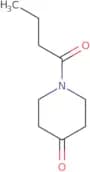
1-Butyrylpiperidin-4-one
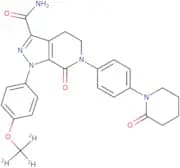
CAS:Produto Controlado<p>Please enquire for more information about 1-Butyrylpiperidin-4-one including the price, delivery time and more detailed product information at the technical inquiry form on this page</p>Fórmula:C9H15NO2Pureza:Min. 95%Peso molecular:169.22 g/molApixaban-d3
CAS:Produto Controlado<p>Please enquire for more information about Apixaban-d3 including the price, delivery time and more detailed product information at the technical inquiry form on this page</p>Fórmula:C25H22D3N5O4Pureza:Min. 95%Peso molecular:462.52 g/mol4-Iodo-1-tritylimidazole
CAS:<p>4-Iodo-1-tritylimidazole is an organic molecule that has a chemical stability comparable to that of a nucleophile. It is a molecule with a heterocycle and accepts electrons from carbinol compounds, halides, and other functional groups. 4-Iodo-1-tritylimidazole can be synthesized by the palladium-catalyzed coupling reaction between organometallic reagents and histidine. This compound has been shown to have properties that are similar to those of biomimetic molecules, such as cross-coupling.</p>Fórmula:C22H17IN2Pureza:Min. 95%Cor e Forma:PowderPeso molecular:436.29 g/mol4-(4-Oxopiperidine-1-carbonyl)phenylboronic acid
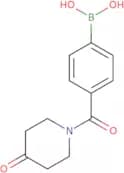
CAS:Produto Controlado<p>Please enquire for more information about 4-(4-Oxopiperidine-1-carbonyl)phenylboronic acid including the price, delivery time and more detailed product information at the technical inquiry form on this page</p>Fórmula:C12H14BNO4Pureza:Min. 95%Peso molecular:247.05 g/mol3-Fluoro-2-(tributylstannyl)pyridine
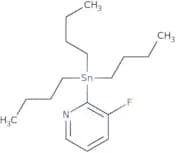
CAS:Produto Controlado<p>Please enquire for more information about 3-Fluoro-2-(tributylstannyl)pyridine including the price, delivery time and more detailed product information at the technical inquiry form on this page</p>Fórmula:C17H30FNSnPureza:Min. 95%Peso molecular:386.14 g/mol1-Benzyl-4-piperidinol
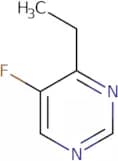
CAS:<p>1-Benzyl-4-piperidinol is a n-hexane soluble synthetic compound. It has been shown to inhibit the cholesterol acyltransferase enzyme in rat liver microsomes, which is involved in the synthesis of cholesterol. 1-Benzyl-4-piperidinol can also be used for the treatment of cancers, such as prostate adenocarcinoma, due to its potent antagonistic activity against prostate cancer cells. This compound has also been shown to induce apoptosis in cancer cells and inhibit growth. The mechanism of action may be due to bond cleavage and inhibition of protein synthesis.</p>Fórmula:C12H17NOPureza:Min. 95%Peso molecular:191.27 g/mol4-Ethyl-5-fluoropyrimidine
CAS:<p>4-Ethyl-5-fluoropyrimidine is a white solid with a melting point of 258°C. It is soluble in organic solvents such as acetonitrile and methanol. The compound has been shown to have reversed phase chromatographic properties and can be used as a potential impurity in the synthesis of other compounds. 4-Ethyl-5-fluoropyrimidine is not susceptible to photolytic decomposition but can be oxidized by air, which may result in the formation of impurities. 4-Ethyl-5-fluoropyrimidine can be purified using chromatography methods with high sensitivity and low detection limits. The compound has also been shown to have good chemical stability under ambient conditions, making it suitable for storage or shipping.</p>Fórmula:C6H7FN2Pureza:Min. 95%Peso molecular:126.13 g/mol5-[4-(3-Chlorophenyl)piperazin-1-yl]-5-oxopentanoic acid
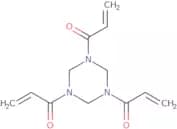
CAS:Produto Controlado<p>Please enquire for more information about 5-[4-(3-Chlorophenyl)piperazin-1-yl]-5-oxopentanoic acid including the price, delivery time and more detailed product information at the technical inquiry form on this page</p>Fórmula:C15H19ClN2O3Pureza:Min. 95%Peso molecular:310.78 g/mol1,3,5-Triacryloylhexahydro-1,3,5-triazine
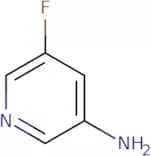
CAS:<p>1,3,5-Triacryloylhexahydro-1,3,5-triazine (TTH) is a particle that absorbs UV light. It is a reactive chemical with a high thermal stability and low reactivity to air. TTH has been used as a cross-linker in polymer films and as a microsphere filler. The absorption of UV light by TTH may be due to the presence of hydroxyl groups or nitrogen atoms. The nmr spectra show that TTH contains trimethylolpropane groups.</p>Fórmula:C12H15N3O3Pureza:Min. 95%Cor e Forma:White PowderPeso molecular:249.27 g/mol3-Amino-5-fluoropyridine
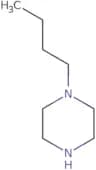
CAS:<p>3-Amino-5-fluoropyridine is a chiral amino acid that can be synthesized from butyronitrile and fluorine in the presence of an organocatalyst. The synthesis can be carried out with either a biodegradable or non-biodegradable catalyst. 3-Amino-5-fluoropyridine can be used as a precursor to prepare medicines such as fluoroquinolones, which are antibiotics that inhibit bacterial growth by binding to DNA-dependent RNA polymerase and preventing transcription and replication. Fluoroquinolones are also potent anti-inflammatory agents and have been shown to reduce inflammation in animal models of asthma, arthritis, and colitis. 3-Amino-5-fluoropyridine can be synthesized from nitro compounds with aluminium mediated reactions. Nitro compounds are toxic substances that have been used in explosives or as herbicides.</p>Fórmula:C5H5FN2Pureza:Min. 95%Cor e Forma:Off-White PowderPeso molecular:112.11 g/mol1-(N-Butyl)piperazine
CAS:<p>1-(N-Butyl)piperazine is the simplest member of a class of drugs called aliphatic amines. This drug has been found to be active against a broad spectrum of bacteria, yeast, and fungi, including many antibiotic-resistant strains. 1-(N-Butyl)piperazine also has pharmacokinetic properties that make it suitable for administration by injection or intravenously.</p>Fórmula:C8H18N2Pureza:Min. 95%Peso molecular:142.24 g/mol5-Aminoorotic acid
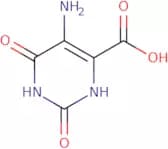
CAS:<p>5-Aminoorotic acid is an antimicrobial agent that has been shown to have anticancer activity. It has a nitrogen atom and two oxygen atoms in the molecule. The chemical structure of 5-aminoorotic acid can be determined using NMR spectroscopy and its biological properties are dependent on hydrogen bonding interactions with other molecules. 5-Aminoorotic acid is a chelate ring, which means it can bind to metal ions such as lanthanum (La3+). 5-Aminoorotic acid has been shown to inhibit the glycol oxidation reaction and may also be able to inhibit other enzymatic reactions. This drug is stable for use in model systems and may also be used for cancer treatment.</p>Fórmula:C5H5N3O4Pureza:Min. 95%Peso molecular:171.11 g/mol1,1'-Dimethyl-4,4'-bipyridinium dichloride hydrate
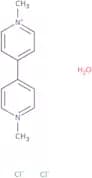
CAS:<p>1,1'-Dimethyl-4,4'-bipyridinium dichloride hydrate is a bipyridine with a divalent chloride. It has been shown to have synergic effects in the presence of dextran sulfate and paraquat. This compound has good photochemical properties, which are used for wastewater treatment and surface methodology. 1,1'-Dimethyl-4,4'-bipyridinium dichloride hydrate also has toxicological studies that show it does not cause any cellular toxicity or mitochondrial membrane potential changes. It also reduces potassium dichromate toxicity in glomerular filtration rate studies. This compound can be used as an analytical method for other bipyridines.</p>Fórmula:C12H14Cl2N2•(H2O)xPureza:Min. 95%Cor e Forma:PowderPeso molecular:257.16 g/mol6-(2-Bromoethyl)-1,3-dimethyl-1H-pyrrolo[3,4-d]pyrimidine-2,4(3H,6H)-dione
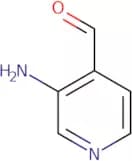
CAS:Produto Controlado<p>Please enquire for more information about 6-(2-Bromoethyl)-1,3-dimethyl-1H-pyrrolo[3,4-d]pyrimidine-2,4(3H,6H)-dione including the price, delivery time and more detailed product information at the technical inquiry form on this page</p>Fórmula:C10H12BrN3O2Pureza:Min. 95%Peso molecular:286.13 g/mol3-Aminopyridine-4-carboxaldehyde
CAS:<p>3-Aminopyridine-4-carboxaldehyde (3APCA) is an acridone that is a colorless, crystalline solid. It has a molecular formula of C8H6N2O2 and a molecular weight of 174.14 g/mol. 3APCA can be synthesized by heating 2-pyridinecarboxylic acid with chloroacetyl chloride in the presence of pyridine as a solvent. The compound can be detected by nmr spectra, which are efficient methods for characterization of this chemical. The spectrum shows peaks at δ 8.22 ppm (1H), 7.61 ppm (1H), 6.99 ppm (2H), 5.87 ppm (1H), 4.06 ppm (2H). 3APCA has been shown to react with alkyl bromides to form carboxylic acids, which are shown by the peaks at δ 8.22 ppm and</p>Fórmula:C6H6N2OPureza:Min. 95%Peso molecular:122.12 g/mol2-Aminopyrimidine-5-boronic acid pinacol ester
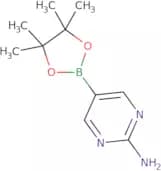
CAS:<p>2-Aminopyrimidine-5-boronic acid pinacol ester is a boronic acid derivative that has been shown to inhibit the activity of protein kinase C. This compound is also an effective linker for cross-coupling reactions and has a low reactivity with nucleophiles, which makes it safer than other boronic acids. 2-Aminopyrimidine-5-boronic acid pinacol ester has been shown to be potent against cancer cells in vitro and in vivo and synthetic cells. 2-Aminopyrimidine-5-boronic acid pinacol ester inhibits the growth of cancer cells by binding to the ATP site on protein kinase C, thereby inhibiting its function.</p>Fórmula:C10H16BN3O2Pureza:Min. 95 Area-%Cor e Forma:PowderPeso molecular:221.06 g/mol2-Iodo-5-methylpyrimidine
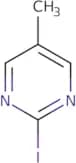
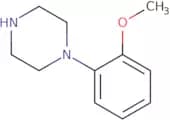
CAS:<p>Please enquire for more information about 2-Iodo-5-methylpyrimidine including the price, delivery time and more detailed product information at the technical inquiry form on this page</p>Fórmula:C5H5IN2Pureza:Min. 95%Peso molecular:220.01 g/mol1-(2-Methoxylphenyl)-piperazine monohydrobromide
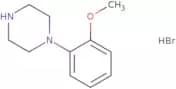
CAS:Produto Controlado<p>Please enquire for more information about 1-(2-Methoxylphenyl)-piperazine monohydrobromide including the price, delivery time and more detailed product information at the technical inquiry form on this page</p>Pureza:Min. 95%1-(4-Chloro-3-Trifluoromethylphenyl)Piperazine
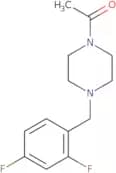
CAS:Produto Controlado<p>Please enquire for more information about 1-(4-Chloro-3-Trifluoromethylphenyl)Piperazine including the price, delivery time and more detailed product information at the technical inquiry form on this page</p>Fórmula:C11H12ClF3N2Pureza:Min. 95%Peso molecular:264.67 g/mol1-Acetyl-4-(2,4-difluorobenzyl)piperazine
CAS:Produto Controlado<p>Please enquire for more information about 1-Acetyl-4-(2,4-difluorobenzyl)piperazine including the price, delivery time and more detailed product information at the technical inquiry form on this page</p>Fórmula:C13H16F2N2OPureza:Min. 95%Peso molecular:254.28 g/mol3-Hydroxy-1-methylpyridinium iodide
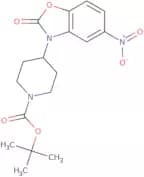
CAS:<p>3-Hydroxy-1-methylpyridinium iodide is a solute that has a molecular weight of 183.12 and the chemical formula CHNO. It is synthesized by the reaction of hydrogen peroxide with pyridinium dichromate in the presence of vitamin B6. 3-Hydroxy-1-methylpyridinium iodide has been shown to be an effective probe for 13C NMR spectroscopy and can be used as a boronic ester with an electron withdrawing group. The synthesis of 3-hydroxy-1-methylpyridinium iodide may also include halides such as bromo or chloro compounds, which are added to increase the solubility of the product.</p>Fórmula:C6H8NOPureza:Min. 95%Peso molecular:110.13 g/moltert-Butyl 4-(5-nitro-2-oxo-1,3-benzoxazol-3(2H)-yl)piperidine-1-carboxylate
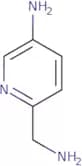
CAS:Produto Controlado<p>Please enquire for more information about tert-Butyl 4-(5-nitro-2-oxo-1,3-benzoxazol-3(2H)-yl)piperidine-1-carboxylate including the price, delivery time and more detailed product information at the technical inquiry form on this page</p>Fórmula:C17H21N3O6Pureza:Min. 95%Peso molecular:363.37 g/mol6-(Aminomethyl)pyridin-3-amine
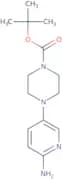
CAS:<p>Please enquire for more information about 6-(Aminomethyl)pyridin-3-amine including the price, delivery time and more detailed product information at the technical inquiry form on this page</p>Pureza:Min. 95%tert-Butyl 4-(6-aminopyridin-3-yl)piperazine-1-carboxylate
CAS:<p>tert-Butyl 4-(6-aminopyridin-3-yl)piperazine-1-carboxylate is an organic compound that can be synthesized by the reduction of 5-bromo-2-nitro pyridine with a palladium catalyst. It has been shown to inhibit the growth of cancer cells in vitro and in vivo, and is being investigated as a potential treatment for breast cancer.</p>Fórmula:C14H22N4O2Pureza:Min. 95%Peso molecular:278.35 g/mol3-Amino-4-methoxypyridine
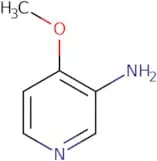
CAS:<p>3-Amino-4-methoxypyridine is a molecule that has been shown to have anesthetic activity. It has been shown to inhibit the uptake of glycogen by glioblastoma cells and decrease the rate of glycogen synthesis in these cells. 3-Amino-4-methoxypyridine also inhibits the production of ATP in cardiac muscle cells, which may be due to its ability to inhibit glycogen synthase kinase-3 (GSK3) and glycogen synthase. This drug also inhibits cancer cell growth by inhibiting protein synthesis, as well as inflammatory disease progression by inhibiting NFκB activation and cytokine production. 3-Amino-4-methoxypyridine can be synthesized from aminopyridines such as isonicotinic acid or nicotinic acid, which are oxidized with hydrogen peroxide and sodium nitrite in the presence of a base catalyst.</p>Fórmula:C6H8N2OPureza:Min. 95%Peso molecular:124.14 g/mol5-Bromopyridine-2-carbaldehyde
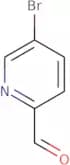
CAS:<p>5-Bromopyridine-2-carbaldehyde is a water soluble organic molecule that has been shown to inhibit the mitochondrial respiratory chain. It is a structural analog of the natural substrate for mitochondrial cytochrome c oxidase, 5-aminolevulinic acid. This compound has been shown to be selective against cancer cells and has anti-viral properties. The photophysical properties of 5-bromopyridine-2-carbaldehyde have been studied extensively. The fluorescence quantum yield of this molecule in aqueous solution is 0.06%.</p>Fórmula:C6H4BrNOPureza:Min. 95%Cor e Forma:White PowderPeso molecular:186.01 g/mol4-chloro-5-fluoropyrimidin-2-amine
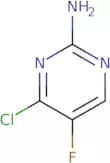
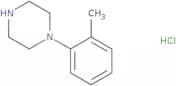
CAS:<p>Please enquire for more information about 4-chloro-5-fluoropyrimidin-2-amine including the price, delivery time and more detailed product information at the technical inquiry form on this page</p>Fórmula:C4H3ClFN3Pureza:Min. 95%Peso molecular:147.54 g/mol1-(2-Methylphenyl)piperazine 2HCl
CAS:Produto Controlado<p>1-(2-Methylphenyl)piperazine 2HCl is a cholinergic agent that has been shown to increase the activity of acetylcholine in the brain. It has been used to study the effects of acetylcholine on locomotor activity and memory. 1-(2-Methylphenyl)piperazine 2HCl can be synthesized by reacting piperazine with paraformaldehyde. The synthesis of 1-(2-Methylphenyl)piperazine 2HCl is dependent on the alkyl substituents on the piperazine molecule, as well as whether or not it has an R group.</p>Pureza:Min. 95%p-MPPF dihydrochloride
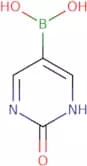
CAS:<p>Please enquire for more information about p-MPPF dihydrochloride including the price, delivery time and more detailed product information at the technical inquiry form on this page</p>Fórmula:C25H27FN4O2•(HCl)2Pureza:Min. 95%Peso molecular:507.43 g/mol2-Hydroxypyrimidine-5-boronicacid
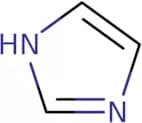
CAS:<p>Please enquire for more information about 2-Hydroxypyrimidine-5-boronicacid including the price, delivery time and more detailed product information at the technical inquiry form on this page</p>Fórmula:C4H5BN2O3Pureza:Min. 95%Peso molecular:139.91 g/molImidazole
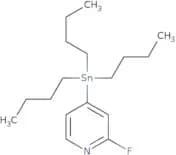
CAS:<p>Imidazole is a highly polar aromatic compound with two annular nitrogen atoms. Imidazole is widely used in the affinity purification of proteins with polyhistidine tags (His-Tag). In the protein purification process, imidazole is used for the elution of His-Tag-fused recombinant proteins from a metal-immobilised resins. In the elution buffers, imidazole is typically used in the 50 â 500 mM concentration range (Bornhorst and Falke, 2000).</p>Fórmula:C3H4N2Pureza:Min 99%Cor e Forma:White Off-White PowderPeso molecular:68.08 g/mol2-Fluoro-4-(tributylstannyl)pyridine
CAS:Produto Controlado<p>Please enquire for more information about 2-Fluoro-4-(tributylstannyl)pyridine including the price, delivery time and more detailed product information at the technical inquiry form on this page</p>Fórmula:C17H30FNSnPureza:Min. 95%Peso molecular:386.14 g/molN-Pyrazinylcarbonyl-L-phenylalanine methyl ester
CAS:<p>Please enquire for more information about N-Pyrazinylcarbonyl-L-phenylalanine methyl ester including the price, delivery time and more detailed product information at the technical inquiry form on this page</p>Fórmula:C15H15N3O3Pureza:Min. 95%Peso molecular:285.3 g/mol1-(2-Methoxyphenyl)piperazine
CAS:Produto Controlado<p>1-(2-Methoxyphenyl)piperazine is a drug that has been shown to have locomotor activity, antihypertensive activity, and inhibitory properties. It also acts as a matrix effect and receptor activity. 1-(2-Methoxyphenyl)piperazine has been shown to have inhibitory effects on 5-ht7 receptors, which are mainly found in the brain. This drug binds to the 5-ht2 receptor, which is a type of serotonin receptor in the brain. The binding of 1-(2-methoxyphenyl)piperazine to the 5-ht2 receptor inhibits the release of dopamine from neurons and leads to necrotic cell death. This drug can also be used as an analytical tool for measuring 5-ht1a receptors, which is a type of serotonin receptor found in the brain.</p>Fórmula:C11H16N2OPureza:Min. 95%Peso molecular:192.26 g/mol3-Bromoacetylpyridine, hydrobromide
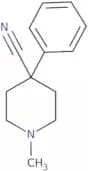
CAS:<p>3-Bromoacetylpyridine, hydrobromide is a derivatizing agent that has been shown to react with nucleophiles. It can be used as an electron donor or electron acceptor in radical scavenging and other reactions. 3-Bromoacetylpyridine, hydrobromide is also a ligand for metal ions, and has been shown to bind to copper(II) ions. This product ionizes easily under electrospray ionization and reacts with thiourea to form 3-acetylpyridine.</p>Fórmula:C7H7Br2NOPureza:Min. 95%Peso molecular:280.94 g/mol1-Methyl-4-phenylpiperidine-4-carbonitrile
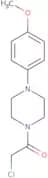
CAS:Produto Controlado<p>Please enquire for more information about 1-Methyl-4-phenylpiperidine-4-carbonitrile including the price, delivery time and more detailed product information at the technical inquiry form on this page</p>Fórmula:C13H16N2Pureza:Min. 95%Peso molecular:200.28 g/mol1-(Chloroacetyl)-4-(4-methoxyphenyl)piperazine
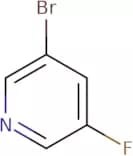
CAS:Produto Controlado<p>Please enquire for more information about 1-(Chloroacetyl)-4-(4-methoxyphenyl)piperazine including the price, delivery time and more detailed product information at the technical inquiry form on this page</p>Fórmula:C13H17ClN2O2Pureza:Min. 95%Peso molecular:268.74 g/mol3-Bromo-5-fluoropyridine
CAS:<p>3-Bromo-5-fluoropyridine is a synthetic dyestuff that is used in the production of dyes and pigments. It has an analogous structure to 3-amino-5-bromopyridine, which is used as a medicine for treating epilepsy. 3-Bromo-5-fluoropyridine reacts with acetoacetate or ethyl acetoacetate to form methylated products, such as 3-(4'-hydroxyphenyl)propionate. This compound can be synthesized by halogenation with bromine or chlorination followed by hydrolysis. The synthesis of 3-bromo-5-fluoropyridine from 3-amino-5-bromopyridine involves a series of reactions, including diazonium salt formation, followed by bromination and reduction to produce the desired product.</p>Fórmula:C5H3BrFNPureza:Min. 95%Cor e Forma:PowderPeso molecular:175.9 g/mol1-(4-Bromo-2,5-dimethoxybenzyl)piperazine
CAS:Produto Controlado<p>Please enquire for more information about 1-(4-Bromo-2,5-dimethoxybenzyl)piperazine including the price, delivery time and more detailed product information at the technical inquiry form on this page</p>Fórmula:C13H19BrN2O2Pureza:Min. 95%Peso molecular:315.21 g/mol1-(3-Bromobenzyl)piperazine
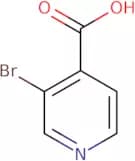
CAS:Produto Controlado<p>Please enquire for more information about 1-(3-Bromobenzyl)piperazine including the price, delivery time and more detailed product information at the technical inquiry form on this page</p>Fórmula:C11H15BrN2Pureza:Min. 95%Peso molecular:255.15 g/mol3-Bromo-4-pyridinecarboxylic acid
CAS:<p>3-Bromo-4-pyridinecarboxylic acid is a naphthyridine derivative that is used in drug development. It is a crystalline solid that can be dissolved in organic solvents. 3-Bromo-4-pyridinecarboxylic acid has been shown to have antiinflammatory properties and can be used as an oxidant. 3-Bromo-4-pyridinecarboxylic acid is being investigated as a receptor subtype for inflammatory diseases, and it has also been used to study the mechanism of chronic inflammatory diseases.</p>Fórmula:C6H4BrNO2Pureza:Min. 95%Peso molecular:202.01 g/mol1-(4-Methoxybenzyl)piperazine
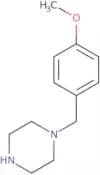
CAS:Produto Controlado<p>1-(4-Methoxybenzyl)piperazine is a chemical compound that has been shown to have inhibitory activities against cancer cells. It also shows potential for the treatment of type 2 diabetes and Alzheimer's disease. The mechanism of action is not well understood, but it may be due to its ability to induce mitochondrial biogenesis and insulin sensitivity. 1-(4-Methoxybenzyl)piperazine has also been shown to improve memory in rats with spontaneous dementia, similar to the effects of donepezil (a drug used for Alzheimer's disease). 1-(4-Methoxybenzyl)piperazine can be taken orally or administered via injection.</p>Fórmula:C12H18N2OPureza:Min. 95%Peso molecular:206.28 g/mol2-Methyl-5-(tributylstannyl)pyridine
CAS:Produto Controlado<p>Please enquire for more information about 2-Methyl-5-(tributylstannyl)pyridine including the price, delivery time and more detailed product information at the technical inquiry form on this page</p>Fórmula:C18H33NSnPureza:Min. 95%Peso molecular:382.17 g/mol1-(4-Methoxybenzyl)piperidine-2,4-dione
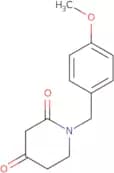
CAS:<p>Please enquire for more information about 1-(4-Methoxybenzyl)piperidine-2,4-dione including the price, delivery time and more detailed product information at the technical inquiry form on this page</p>Fórmula:C13H15NO3Pureza:Min. 95%Peso molecular:233.26 g/mol2,5-Difluoropyridine
CAS:<p>2,5-Difluoropyridine is a ligand that is used in the synthesis of pharmaceuticals and other organic compounds. 2,5-Difluoropyridine is typically activated by a metal ion (e.g., palladium) to form an organometallic complex. The orientation of substituents on the difluoropyridine ring can affect its reactivity and selectivity. For example, chlorine atoms interact with the electrophilic carbon atom in the ring and orientations with electron withdrawing groups are more reactive than those with electron donating groups. 2,5-Difluoropyridine can be used as a cross-coupling reagent for Grignard reactions and nucleophilic substitution reactions. It also has been shown to inhibit human erythrocyte pyruvate kinase activity in vitro and may be useful for the treatment of diabetic complications such as neuropathy or retinopathy.</p>Fórmula:C5H3F2NPureza:Min. 95%Cor e Forma:Clear LiquidPeso molecular:115.08 g/mol2-Chloropyridine
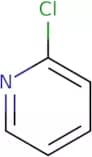
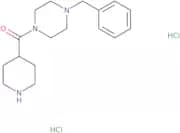
CAS:Produto Controlado<p>2-Chloropyridine is a molecule that reacts with hydrochloric acid to produce hydrogen chloride and 2-chloropyridine. The reaction mechanism involves a photoelectron and hydrogen bonding interactions. The chlorine atom in the original molecule will be replaced by a hydrogen atom, while the other chlorine atom becomes part of the product, hydrogen chloride. This reaction occurs in solution at room temperature.</p>Fórmula:C5H4ClNPureza:Min. 95%Cor e Forma:PowderPeso molecular:113.54 g/mol(4-Benzylpiperazin-1-yl)piperidin-4-yl-methanone dihydrochloride
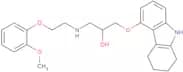
CAS:Produto Controlado<p>Please enquire for more information about (4-Benzylpiperazin-1-yl)piperidin-4-yl-methanone dihydrochloride including the price, delivery time and more detailed product information at the technical inquiry form on this page</p>Fórmula:C17H27Cl2N3OPureza:Min. 95%Peso molecular:360.32 g/mol6,7,8,9-Tetrahydro carvedilol
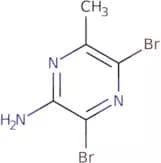
CAS:<p>Please enquire for more information about 6,7,8,9-Tetrahydro carvedilol including the price, delivery time and more detailed product information at the technical inquiry form on this page</p>Fórmula:C24H30N2O4Pureza:Min. 95%Peso molecular:410.51 g/mol3,5-Dibromo-6-methylpyrazin-2-amine
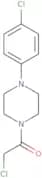
CAS:<p>Please enquire for more information about 3,5-Dibromo-6-methylpyrazin-2-amine including the price, delivery time and more detailed product information at the technical inquiry form on this page</p>Fórmula:C5H5Br2N3Pureza:Min. 95%Peso molecular:266.92 g/mol1-(Chloroacetyl)-4-(4-chlorophenyl)piperazine
CAS:Produto Controlado<p>Please enquire for more information about 1-(Chloroacetyl)-4-(4-chlorophenyl)piperazine including the price, delivery time and more detailed product information at the technical inquiry form on this page</p>Fórmula:C12H14Cl2N2OPureza:Min. 95%Peso molecular:273.16 g/mol



![5-[4-(3-Chlorophenyl)piperazin-1-yl]-5-oxopentanoic acid](/_next/image/?url=https%3A%2Fstatic.cymitquimica.com%2Fproducts%2F3D%2Fthumb-webp%2FFC124636.webp&w=3840&q=75)
![6-(2-Bromoethyl)-1,3-dimethyl-1H-pyrrolo[3,4-d]pyrimidine-2,4(3H,6H)-dione](/_next/image/?url=https%3A%2Fstatic.cymitquimica.com%2Fproducts%2F3D%2Fthumb-webp%2FFB117220.webp&w=3840&q=75)