Building Blocks Hidrocarbonetos
Os building blocks hidrocarbonetos são compostos orgânicos constituídos exclusivamente por átomos de carbono e hidrogénio. Estas estruturas fundamentais servem de base para a síntese de uma grande variedade de moléculas complexas. Os building blocks hidrocarbonetos são utilizados no desenvolvimento de fármacos, polímeros e outros compostos orgânicos. Na CymitQuimica, oferecemos uma vasta gama de building blocks hidrocarbonetos de alta qualidade para facilitar os seus projetos de síntese e investigação.
Subcategorias de "Building Blocks Hidrocarbonetos"
Foram encontrados 5579 produtos de "Building Blocks Hidrocarbonetos"
Ordenar por
Pureza (%)
0
100
|
0
|
50
|
90
|
95
|
100
2-(2-(2-Chloroethoxy)ethoxy)ethanol
CAS:2-(2-(2-Chloroethoxy)ethoxy)ethanol (CETOI) is a coumarin derivative that is used as an additive in the fabrication of polyurethane. Magnetic resonance spectroscopy has shown that CETOI can be used as a probe to study amide groups by its ability to form hydrogen bonds with amide groups. This chemical can also be used in regenerative medicine and cyclic peptides. Azobenzene monomers have been shown to inhibit viral replication, including influenza virus, through the formation of covalent bonds with phosphate groups on dsDNA.Fórmula:C6H13ClO3Pureza:Min. 95%Cor e Forma:Colorless Clear LiquidPeso molecular:168.62 g/mol2-Methyl-3-biphenylmethanol
CAS:2-Methyl-3-biphenylmethanol (2MBPM) is a low potency chemical that is used as a surrogate for 2,4,6-trinitrotoluene (TNT). It has been shown to bind to the same sites on the death protein as TNT and other nitroaromatic compounds. 2MBPM can be synthesized by coupling biphenyl with methylmagnesium bromide in the suzuki coupling reaction. 2MBPM inhibits the growth of cancer cells by inhibiting PD-L1 expression. This compound also has oxidative properties and can act as an oxidation catalyst.Fórmula:C14H14OPureza:Min. 95%Cor e Forma:PowderPeso molecular:198.26 g/mol6-Methylheptanol
CAS:6-Methylheptanol is a chemical compound that belongs to the group of imidazole hydrochlorides. It is used as a catalyst for the treatment of wastewater. 6-Methylheptanol has been shown to catalyze the reaction of malonic acid with glycol ethers and hydroxyl groups in water, which produces high values of phosphorus pentoxide. The kinetic data and reaction mechanism for this process have been elucidated by using a model system and reaction solution. 6-Methylheptanol also has an effect on polymerase chain reactions (PCR) due to its ability to increase the temperature at which the enzyme works.Fórmula:C8H18OPureza:Min. 97 Area-%Cor e Forma:Colorless Clear LiquidPeso molecular:130.23 g/moltert-Butylisocyanate
CAS:Tert-butylisocyanate is a reactive chemical that contains a carboxylate group. It is an ester hydrochloride that can be synthesized by reacting trifluoroacetic acid with molybdenum trioxide. This compound has been studied using X-ray crystal structures and the intramolecular hydrogen transfer reaction between two nitrogen atoms in the molecule. Tert-butylisocyanate is stable in solution because it does not react with water or alkalis, but does react with sodium carbonate, forming sodium cyanate and tetrabutylammonium hydroxide. Tert-butylisocyanate reacts with inorganic acids such as sulfuric acid to form its corresponding salts. The chelate ligand of tert-butylisocyanate prevents it from reacting with transition metals such as copper and iron, but will react with zinc metal.Fórmula:C5H9NOPureza:Min. 98 Area-%Cor e Forma:Colorless Clear LiquidPeso molecular:99.13 g/molChloro-1-propanol
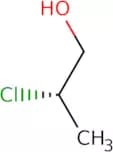
CAS:Chloro-1-propanol is a product that is used as an organic solvent and a reaction medium. It can be used in the synthesis of chlorinated compounds, such as epoxides, chloride gas, and oxetane. Chloro-1-propanol is not carcinogenic, although it does contain traces of impurities that are carcinogenic. Chloro-1-propanol has a high yield with relatively low cost and can be obtained by reacting chlorine with alcohols or phenols. This product is hydrophobic and reacts well with other molecules that are also hydrophobic. The reactivity of chloro-1-propanol increases when it reacts with chloride gas or hydrochloric acid to form divalent ions.Fórmula:C3H7ClOPureza:Min. 95%Cor e Forma:Colorless Clear LiquidPeso molecular:94.54 g/mol10H-Phenothiazine-10-propanesulfonic acid sodium salt
CAS:As a derivative of phenothiazine this compound may have various applications, including in the field of pharmaceuticals or materials science, depending on its specific properties and reactivity. Phenothiazine derivatives, in general, have been explored for their diverse biological and chemical activities, ranging from antipsychotic properties to use as dyes and light-sensitive materials.Fórmula:C15H14NNaO3S2Pureza:Min. 98 Area-%Cor e Forma:PowderPeso molecular:343.4 g/mol1,4-Cyclohexanedione monoethlylene acetal
CAS:1,4-Cyclohexanedione monoethlylene acetal is a hydrochloric acid analog of pyrazole. It has been shown to bind selectively to serotonin receptors in the central nervous system and is used as an anti-inflammatory drug. 1,4-Cyclohexanedione monoethlylene acetal has a stereoselective profile that can be used for the treatment of inflammatory diseases. It has also been shown to have immunosuppressant properties, which may be due to its ability to inhibit T-cell proliferation and cytokine production.Fórmula:C8H12O3Pureza:Min. 95%Cor e Forma:White PowderPeso molecular:156.18 g/mol2-(2-Methoxyethoxy)ethanol
CAS:<p>2-(2-Methoxyethoxy)ethanol is a sodium salt that has a synergic effect with other solvents. It is used in the preparation of samples for analytical purposes and in the reaction solution of various glycol ethers. 2-(2-Methoxyethoxy)ethanol also has an effect on thermal expansion, which can be utilized to monitor this parameter during sample preparation. The presence of nitrogen atoms in its structure makes it possible to use it as a reagent for the synthesis of styryl dyes. 2-(2-Methoxyethoxy)ethanol is an antirheumatic drug that belongs to the class of glycol esters and benzalkonium chloride.</p>Fórmula:C5H12O3Pureza:Min. 95%Cor e Forma:Colorless Clear LiquidPeso molecular:120.15 g/mol5-Amino-1-pentanol
CAS:<p>5-Amino-1-pentanol is a chemical compound that has been shown to stimulate angiogenesis, which is the process of developing new blood vessels from pre-existing ones. It is not currently approved for use in humans and has only been tested on mice. 5-Amino-1-pentanol stimulates angiogenesis by binding to the vascular endothelial growth factor receptor 2 (VEGFR2) protein, which is involved in regulating blood vessel formation. This drug also suppresses cancer gene expression and selectively binds to DNA polymerase α. The amide group of 5-amino-1-pentanol reacts with trifluoroacetic acid to form an amine, which then reacts with water vapor to form a hydroxyl group. This reaction solution can be used as a diagnostic tool for detecting the presence of amines or other nitrogenous compounds.</p>Fórmula:C5H13NOPureza:Min. 94%Cor e Forma:Colorless Yellow PowderPeso molecular:103.16 g/molDipropyl ether
CAS:Dipropyl ether is an ether that has a glycol ether backbone. It is used as a solvent in the production of optical sensors, and it may be used as a carrier for fatty acids. Dipropyl ether also has the ability to transport water, which makes it useful for wastewater treatment. This compound is synthesized by reacting ethylene diamine with two equivalents of propylene oxide. The glycol chain consists of two hydroxyl groups that are separated by an intramolecular hydrogen bond, which stabilizes the molecule and prevents it from reacting with other substances.Fórmula:C6H14OPureza:Min. 99.0 Area-%Cor e Forma:Colorless Clear LiquidPeso molecular:102.17 g/mol3-(Cyclohexylamino)-1-propanesulfonic acid sodium salt
CAS:CAS No. 105140-23-6 is a cyclic sulfonic acid that is used as a reagent, building block, and intermediate in the synthesis of organic compounds. It is soluble in water and has a high melting point, making it useful for research purposes. CAS No. 105140-23-6 is also an excellent scaffold for complex compounds with many functional groups, making it versatile for use in reactions and syntheses.Fórmula:C9H18NO3SNaPeso molecular:243.3 g/molRef: 3D-C-9180
1kgA consultar5kgA consultar250gA consultar500gA consultar2500gA consultar-Unit-ggA consultar2-Iodoethanol - stabilised with copper
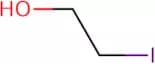
CAS:2-Iodoethanol is a chemical compound that has the chemical formula CH2CHIO2. It is used as a reagent in analytical chemistry, as well as in pharmaceutical preparations and polymerase chain reactions. The hydroxyl group on the ethoxy side of this molecule is important for its reactivity, with 2-iodoethanol having an electron affinity of 5.4 eV. This reactivity can also be seen when it is reacted with sodium carbonate to form sodium ethoxide, which has been shown to have anti-hyperproliferative properties. 2-Iodoethanol has been shown to be particularly effective against plant metabolites, such as 5-membered heteroaryl compounds.Fórmula:C2H5IOPureza:Min. 98.5 Area-%Cor e Forma:PowderPeso molecular:171.96 g/mol2,3-Butanedione monoxime
CAS:<p>2,3-Butanedione monoxime (BDM) is a metabolite of the glycol ether, 2,3-butanedione. It has been shown to have a beneficial effect on metabolic disorders in rats by modulating several enzyme activities. The optimum concentration of BDM is 2 mmol/L. This compound has also been shown to inhibit the oxidation of xanthine oxidase and the formation of hydroxyl radicals in vitro. BDM has also been found to have synchronous fluorescence with papillary muscles from guinea pigs and cytosolic ca2+ levels in rat liver cells. The structure analysis revealed that BDM binds to the active site of the x-ray crystal structures for mitochondrial cytochrome C oxidase and cardiac ATP synthase with an affinity similar to that of CoQ10. The Langmuir adsorption isotherm for BDM was calculated as 0.913 +/- 0.034 cm/g at 20 degrees Celsius,</p>Fórmula:C4H7O2NPureza:(%) Min. 99%Cor e Forma:White PowderPeso molecular:101.1 g/mol1-Methoxy-2-methyl-2-propanol
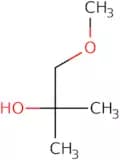
CAS:<p>1-Methoxy-2-methyl-2-propanol is a ligand that is used in coordination chemistry and catalysis. It can be prepared by the metathesis reaction of zirconium dichloride and terminal alkynes at high temperatures. The compound has been shown to have properties as a phase equilibrium catalyst and a mononuclear ligand. 1-Methoxy-2-methyl-2-propanol is soluble in organic solvents, but insoluble in water. It has a melting point of about -20°C and a boiling point of about 190°C, with supercritical fluid properties between these two points. It can be used for reactions at low temperatures or high temperatures, depending on the solvent used.</p>Fórmula:C5H12O2Pureza:Min. 95%Cor e Forma:Colorless Clear LiquidPeso molecular:104.15 g/mol3-Mercapto-3-methyl-1-hexanol
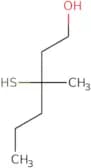
CAS:<p>3-Mercapto-3-methyl-1-hexanol is a molecule that belongs to the group of 3-hydroxyalkanoic acids. It is found in human skin cells and has a high transport rate in these cells. 3-Mercapto-3-methyl-1-hexanol can be converted to 3-hydroxy-3 methylhexanoic acid by bacterial enzymes, including corynebacterium, coli k12, and staphylococci. The molecule has been shown to be an enantiomer of 3,4 dithiadiphosphene. Studies have shown that this compound has antibacterial properties against both Gram positive and Gram negative bacteria, although it does not exhibit any activity against C. difficile or Proteus mirabilis. 3-Mercaptohexanol may also have clinical relevance for humans because it is structurally similar to molecules that are involved in the biosynthesis of important biochemicals such as</p>Fórmula:C7H16OSPureza:Min. 95 Area-%Cor e Forma:Colorless Clear LiquidPeso molecular:148.27 g/moltert-Butyl isocyanoacetate
CAS:tert-Butyl isocyanoacetate is an organic compound that belongs to the diacid class of organic compounds. It reacts with water to produce the amide and squaramide. Tert-butyl isocyanoacetate has a high affinity for nitrogen atoms, and can be used in uv absorption spectroscopy. It also has a stepwise mechanism and can react with other chemicals to produce new substances. The compound has fluorescence properties and is used in optical devices such as lasers. Tert-butyl isocyanoacetate also has an ester hydrochloride form which is low potency but active methylene catalysed.Fórmula:C7H11NO2Pureza:Min. 95%Cor e Forma:Brown Clear LiquidPeso molecular:141.17 g/molBis(trifluoromethane)sulfonimide lithium salt
CAS:Please enquire for more information about Bis(trifluoromethane)sulfonimide lithium salt including the price, delivery time and more detailed product information at the technical inquiry form on this pageFórmula:C2F6LiNO4S2Peso molecular:287.09 g/molRef: 3D-Q-101273
1kgA consultar5kgA consultar250gA consultar500gA consultar2500gA consultar-Unit-kgkgA consultar1-Bromo-2-(trifluoromethoxy)ethane
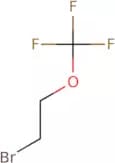
CAS:<p>1-Bromo-2-(trifluoromethoxy)ethane is a chemical compound with the formula CBrFO. It is a colorless liquid that reacts violently with water and alkali metals. 1-Bromo-2-(trifluoromethoxy)ethane has been used as a precursor to 2-chloroethyl peroxide, which can be used in organic synthesis as an oxidant or in solvents to produce chloroprene. The bromine atom in this molecule can be replaced by fluorine or chlorine atoms, forming 1-fluoro-2-(trifluoromethoxy)ethane and 1,1,1-trichloroethylene.</p>Fórmula:C3H4BrF3OPureza:Min. 95%Cor e Forma:PowderPeso molecular:192.96 g/molβ-Glycerophosphate, disodium salt pentahydrate, max. 2% α
CAS:Beta-Glycerophosphate, Disodium Salt Pentahydrate is a complex compound that is used as a reagent, useful intermediate, and fine chemical. It is also useful as a scaffold or building block for the synthesis of organic compounds. Beta-glycerophosphate has CAS No. 13408-09-8 and is classified as a speciality chemical. This compound can be used in research and development for versatile building blocks and reaction components to synthesize organic compounds.Fórmula:C3H17Na2O11PPeso molecular:306.12 g/molRef: 3D-G-4200
1kgA consultar100gA consultar250gA consultar500gA consultar2500gA consultar-Unit-kgkgA consultar2,2,2-Trifluoroethanol
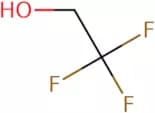
CAS:<p>2,2,2-Trifluoroethanol is a trifluoroacetic acid analogue that has been shown to be an effective antimicrobial agent. It binds to the active site of the enzyme enoyl reductase, inhibiting the synthesis of fatty acids and disrupting cell membrane function. 2,2,2-Trifluoroethanol has also been shown to have anti-inflammatory effects. The drug binds to human serum albumin and inhibits hydrogen peroxide release from neutrophils. This complexation with albumin prevents the release of hydroxyl radicals that are generated in response to oxidative stress. Intramolecular hydrogen bonding between 2,2,2-trifluoroethanol molecules may also contribute to its activity as a natural drug.</p>Fórmula:C2H3F3OPureza:Min. 95%Cor e Forma:Clear LiquidPeso molecular:100.04 g/mol2-Chloro-1,1,1-trimethoxyethane
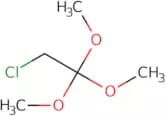
CAS:<p>2-Chloro-1,1,1-trimethoxyethane is a reagent that is used in the synthesis of recombinant proteins. It is also used to produce monoclonal antibodies. Fatty acids can be analyzed by using these reagents as they are soluble in this solvent. The structural analysis of fatty acids has been shown to have anticancer activity. 2-Chloro-1,1,1-trimethoxyethane reacts with glycosyl residues on lysine residues in proteins and produces an acid that causes the protein to unfold and denature. This reaction has been shown to have anticancer activity against cervical cancer cells in human liver cells.</p>Fórmula:C5H11ClO3Pureza:Min. 97.5%Cor e Forma:Colorless Clear LiquidPeso molecular:154.59 g/molPropionamide
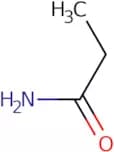
CAS:<p>Propionamide is an amide that inhibits bacterial growth by binding to the DNA-dependent RNA polymerase and preventing transcription. It is used in treatment trials for bacterial infections. Propionamide has been shown to inhibit the growth of bacteria in vitro and in vivo, as well as to have an inhibitory effect on experimental solubility data. The chemical properties of propionamide are consistent with a potential use as a drug for treating metabolic disorders, such as diabetes mellitus and obesity.</p>Fórmula:C3H7NOPureza:Min. 95%Cor e Forma:White PowderPeso molecular:73.09 g/mol(1-Methylpiperidin-4-yl)methanol
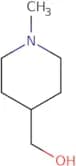
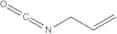
CAS:<p>(1-Methylpiperidin-4-yl)methanol is a potent inhibitor of the kinases vegfr-2 and vesicular glutamate transporter 2 (vglut2). It is also active against human tumor xenografts. The inhibitory activity was determined to be due to its ability to bind and covalently modify tyrosine residues in the kinase domain. The inhibitory potency of (1-Methylpiperidin-4-yl)methanol was found to be constant, regardless of oxygenation status. This suggests that the inhibition is not due to the binding of oxygenated metabolites. In vitro experiments showed that it inhibits cellular proliferation by blocking protein synthesis and arresting cells at G1 phase. This drug has potential as an antitumor agent because it inhibits tumor growth without affecting normal tissue or causing significant toxicity in animal models.</p>Fórmula:C7H15NOPureza:Min. 95%Cor e Forma:Colourless to yellow liquid.Peso molecular:129.2 g/molOctyl isocyanate
CAS:Octyl isocyanate is a non-steroidal anti-inflammatory drug that belongs to the class of isocyanates. The biological activity of octyl isocyanate has been studied extensively, and it has been shown to inhibit the polymerase chain reaction (PCR). Octyl isocyanate also inhibits the growth of bacteria in vitro through metal chelation and polymyxin B., which are antibiotics that bind metal ions and disrupt bacterial cell membranes. Octyl isocyanate has been shown to be reactive in vivo, leading to autophagy and necrosis.Fórmula:C9H17NOPureza:Min. 97 Area-%Cor e Forma:Clear LiquidPeso molecular:155.24 g/mol3-Methylnonane-2,4-dione
CAS:3-Methylnonane-2,4-dione is a chemical compound that belongs to the group of unsaturated ketones. It has been shown to have an odorant receptor activity in mice. 3-Methylnonane-2,4-dione is found in foods, such as butter and cheese, and has a mild flavor. It can be reduced by carbonyl reduction and reacts with light during exposure. The reaction vessel must be inert to avoid contact with reducing agents that can cause a color change. 3-Methylnonane-2,4-dione also reacts with peroxides and other oxidizing agents to form peroxyketals.Fórmula:C10H18O2Pureza:Min. 97 Area-%Cor e Forma:Clear LiquidPeso molecular:170.25 g/mol1-Phenoxy-2-propanol
CAS:<p>1-Phenoxy-2-propanol is an antimicrobial agent that belongs to the group of glycol ethers. It has a hydroxyl group and atp levels, which are both vital for its activity index. 1-Phenoxy-2-propanol is used as a preservative in cosmetics and pharmaceuticals, with the exception of eye products. It also has been shown to have a low level of toxicity for humans and other mammals, such as rats and guinea pigs. The EPA has classified 1-phenoxy-2 propanol as Group D - not classifiable as to human carcinogenicity. 1-Phenoxy-2 propanol is toxic to bacteria, yeast, fungi, algae, plants, and invertebrates when present in high concentrations.</p>Fórmula:C9H12O2Pureza:Min. 95%Cor e Forma:Colorless Clear LiquidPeso molecular:152.19 g/mol10-Amino-1-decanol
CAS:10-Amino-1-decanol is a synthetic compound that has been shown to be neuroprotective and estrogenic. It also inhibits the growth of MCF-7 cells by interacting with the cell's signalling pathways. This molecule was synthesized by ozonides and contains ether linkages, which may be responsible for its inhibitory activity. The molecular modelling of this molecule shows that it contains an iron chelating group, which may be responsible for its ability to interact with other molecules containing iron. 10-Amino-1-decanol interacts with proteins in a similar way to tamoxifen, inhibiting their activity.Fórmula:C10H23NOPureza:Min. 95%Cor e Forma:White PowderPeso molecular:173.3 g/mol9-Azabicyclo[3.3.1]nonane N-oxyl
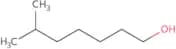
CAS:9-Azabicyclo[3.3.1]nonane N-oxyl (ABNO) is a reaction component in copper catalysed aerobic oxidation of alcohols. ABNO is a less hindered nitroxyl radical that exhibits an enhanced reactivity compared with TEMPO. Low catalyst loading (1 mol%) of ABNO can efficiently catalyse oxidation of alcohols in the presence of a Cu+ species and atmospheric oxygen to give the corresponding aldehyde or ketone.Fórmula:C8H14NOPureza:Min. 95 Area-%Cor e Forma:PowderPeso molecular:140.2 g/mol12-Bromo-1-aminododecane, hydrobromide
CAS:<p>12-Bromo-1-aminododecane, hydrobromide is a reagent that can be used as a building block in organic synthesis. It is also useful for the preparation of 12-bromo-1-aminododecane, hydrochloride, which has been shown to be an effective reaction component and reagent in both organic and organometallic synthesis. This compound has a CAS number of 14502-45-5 and can be purchased as a fine chemical or speciality chemical.</p>Fórmula:C12H27Br2NPureza:Min. 95%Cor e Forma:PowderPeso molecular:345.16 g/molSodium pyruvate
CAS:Pyruvate is an intermediary organic acid metabolite in glycolysis and the first of the Embden Meyerhoff pathways that can pass readily in or out of the cell. Thus, the addition of sodium pyruvate to tissue culture medium provides both an energy source and a carbon skeleton for anabolic processes. Furthermore, it assists with maintaining certain specialized cells, is useful when cloning, and may be necessary when the serum concentration is reduced in the medium.Fórmula:C3H3O3NaPureza:Min. 95%Cor e Forma:Crystalline PowderPeso molecular:110.04 g/mol1,4-Bis-(diphenylphosphino)butane
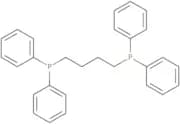
CAS:1,4-Bis-(diphenylphosphino)butane is a coordination compound that contains a bicyclic heterocycle. The compounds are made up of phosphorus and nitrogen atoms which are arranged in a tetrahedral geometry. It has photochemical properties and can be used to inhibit the growth of myeloid leukemia cells. The complexes bind to amines and form stable complexes with hydroxyl groups, so they are also able to cross mitochondrial membranes. This compound has been shown to bind to copper ions in x-ray crystal structures. 1,4-Bis-(diphenylphosphino)butane binds more strongly to ethylene diamine than it does to aryl halides such as chloroethane or phenylethane. Activation energies for the binding of 1,4-bis-(diphenylphosphino)butane with ethylene diamine have been found by measuring the free energy change for its formation fromFórmula:C28H28P2Pureza:Min. 95%Cor e Forma:White PowderPeso molecular:426.47 g/mol2,3-Dimercaptopropanesulfonic acid sodium salt monohydrate
CAS:Chelating agent for heavy metalsFórmula:C3H8O3S3·H2O·NaPureza:(¹H-Nmr) Min. 95 Area-%Cor e Forma:White/Off-White SolidPeso molecular:229.3 g/mol11-Mercaptoundecanoic acid
CAS:11-Mercaptoundecanoic acid (11MUA) is a fluorescence probe that reacts with the amide group of proteins. It has been used to study HIV-1 infection and the early stages of human immunodeficiency virus (HIV) replication. 11MUA can be detected by fluorescence spectrometry and gives a strong, selective signal in human serum. This compound is also used as a model system for studying protease activity and electrochemical impedance spectroscopy. 11MUA is stable in solution and can be detected at very low levels, making it an excellent probe for protein degradation studies. The reaction solution containing 11MUA can be prepared using trifluoroacetic acid (TFA), which facilitates the formation of esters from carboxylic acids, or by adding TFA to an acyl chloride derivative of 11-mercaptoundecanoic acid.Fórmula:C11H22O2SPureza:Min. 95%Cor e Forma:White PowderPeso molecular:218.36 g/mol2-Methyl-1,2,3-propanetriol
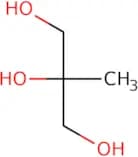
CAS:<p>2-Methyl-1,2,3-propanetriol is a monomer that is used in the production of polymers. It has been shown to be an efficient cross-linking agent for metal surfaces and is used as a polymerization catalyst. 2-Methyl-1,2,3-propanetriol also plays a role in the synthesis of amino acids by acting as a substrate for kinesin and aliphatic hydrocarbon. It can be used as a feedstock for producing plastics with deionized water or aromatic hydrocarbons such as phenol. This chemical has been shown to be pluripotent in mammalian cells and can act as a cationic surfactant.</p>Fórmula:C4H10O3Pureza:Min. 95 Area-%Cor e Forma:Clear LiquidPeso molecular:106.12 g/mol(S)-(+)-2-Amino-3-methylbutane
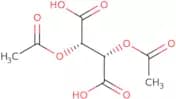
CAS:<p>(S)-(+)-2-Amino-3-methylbutane is a chiral, optically active pyruvate. It can be used as an optical reagent to determine the configuration of an amino acid in the presence of a hydrazone or amine. The 2-amino group is attached to the C1 carbon atom and the methyl group is attached to the C4 carbon atom. Hydrogenolysis of (S)-(+)-2-amino-3-methylbutane produces ethyl pyruvate and hydrogen gas.</p>Fórmula:C5H13NPureza:Min. 95%Cor e Forma:Clear LiquidPeso molecular:87.17 g/mol(+)-Diacetyl-D-tartaric acid
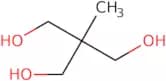
CAS:(+)-Diacetyl-D-tartaric acid is a chiral organic compound that is soluble in organic solvents. It can be used as a catalyst for the asymmetric synthesis of organic compounds and has been shown to cleave bonds with high stereoselectivity. (+)-Diacetyl-D-tartaric acid also exhibits mesomorphic properties, meaning it changes from liquid to solid and vice versa at certain temperatures. The optical activity of this compound can be seen by its magnetic resonance spectrum, which displays two peaks at different wavelengths. This molecule has been shown to have potential uses in microscopy, as well as for the preparation of monomers for magnetic materials.Fórmula:C8H10O8Pureza:Min. 95%Cor e Forma:White PowderPeso molecular:234.16 g/mol1,1,1-Tris(hydroxymethyl)ethane
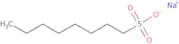
CAS:1,1,1-Tris(hydroxymethyl)ethane is a liquid that can be used in the treatment of wastewater. It is a non-ionic surfactant that reacts with metal hydroxides to form insoluble salts. 1,1,1-Tris(hydroxymethyl)ethane has been shown to have a light emission property at room temperature and below. The structure of 1,1,1-Tris(hydroxymethyl)ethane has been determined using spectroscopic analysis and chemical synthesis. Hypoglycemic effects have been demonstrated in mice fed a high-fat diet supplemented with 1,1,1-Tris(hydroxymethyl)ethane as well as in rats fed an experimental diet containing this compound.Fórmula:C5H12O3Pureza:Min. 95 Area-%Cor e Forma:White Off-White PowderPeso molecular:120.15 g/mol1-Octanesulfonic acid sodium salt
CAS:<p>1-Octanesulfonic acid sodium salt is a chemical compound that can be used to prepare surfactants. It has been shown to have a high optimum concentration for the formation of stable foam and is compatible with blood sampling, hydrophobic effect, and ester hydrochloride. 1-Octanesulfonic acid sodium salt has also been used as an analytical method for detecting sulfate ion in the presence of other ions on the basis of its reactivity with potassium permanganate. The detection limit is 0.1 ppm with a reaction solution containing 1% octanesulfonic acid sodium salt and 3% potassium permanganate. The chemical stability at pH 2 is higher than that at pH 7 because the sulfonate group acts as a buffer at low pH. 1-Octanesulfonic acid sodium salt can be quantified by means of fluorescence detector or electrochemical detector after it reacts with phenolphthalein in an acidic solution.</p>Fórmula:C8H18O3S•NaPureza:Min. 98%Cor e Forma:White PowderPeso molecular:217.28 g/mol6-Bromo-1-hexanol
CAS:6-Bromo-1-hexanol is an azobenzene polymer film that is used in the manufacture of a number of pharmaceuticals. The polymer has been shown to have a broad spectrum of activity against bacteria and fungi, including human maltase glucoamylase, which is found in the gut. The polymers are prepared by reacting sodium salts with maleate, hydroxyl group, and x-ray crystal structures. 6-Bromo-1-hexanol has been shown to have good optical properties and can be used as a sample preparation material for x-ray diffraction studies. It also has a high chloride ion content and acts as a halide donor in cell culture experiments. This polymer also fluoresces under UV light.!--Fórmula:C6H13BrOPureza:Min. 97 Area-%Cor e Forma:Colorless Clear LiquidPeso molecular:181.07 g/mol11-Bromoundecanoic acid
CAS:11-Bromoundecanoic acid is a heterobifunctional reagent that is used in the synthesis of phospholipids. This chemical reacts with an amide group on a phosphatidylcholine to introduce a bromine atom, which can be used as a fluorophore. The reaction is done in an organic solvent, such as dichloromethane, which facilitates the reaction by dissolving the reactants. The reaction can be monitored using fluorescence assay techniques and 11-bromoundecanoic acid is characterized by its constant ring-opening constant and fatty acid chain length.Fórmula:C11H21BrO2Pureza:Min. 95%Cor e Forma:PowderPeso molecular:265.19 g/mol2-Methylamino-2-phenylbutanol hydrochloride
CAS:2-Methylamino-2-phenylbutanol hydrochloride is a fine chemical that can be used in the production of research chemicals, pharmaceuticals, and other specialty chemicals. It is a versatile building block with many applications in organic synthesis. 2-Methylamino-2-phenylbutanol hydrochloride is an intermediate for the production of other useful compounds and has many reactions that are applicable to complex compounds. 2-Methylamino-2-phenylbutanol hydrochloride can also be used as a reagent and has high quality standards.Fórmula:C11H17NO•HClPureza:(%) Min. 95%Cor e Forma:PowderPeso molecular:215.72 g/mol1-Iododecane - Stabilized with copper chip
CAS:Precursor to prepare 9-nonadecanoneFórmula:C10H21IPureza:Min. 98 Area-%Cor e Forma:Colorless Clear LiquidPeso molecular:268.18 g/molTrimethylolpropane, diallyl ether, tech
CAS:Fórmula:C12H22O3Pureza:90%Cor e Forma:Colourless LiquidPeso molecular:214.32,5-Dioxopyrrolidin-1-yl 4,7,10,13,16,19,22,25-octaoxaoctacos-27-yn-1-oate
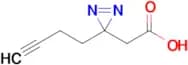
CAS:Pureza:95%Peso molecular:533.57098392-(3-(But-3-yn-1-yl)-3H-diazirin-3-yl)acetic acid
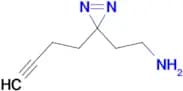
CAS:Pureza:95%Cor e Forma:LiquidPeso molecular:152.15299992-(3-(But-3-yn-1-yl)-3H-diazirin-3-yl)ethan-1-amine
CAS:Fórmula:C7H11N3Pureza:97%Cor e Forma:LiquidPeso molecular:137.186(R)-2-Amino-3-(prop-2-yn-1-ylthio)propanoic acid
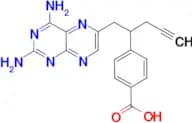
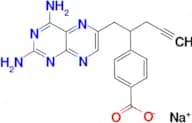
CAS:Fórmula:C6H9NO2SPureza:95%Cor e Forma:Liquid, No data available.Peso molecular:159.2Sodium 4-(1-(2,4-diaminopteridin-6-yl)pent-4-yn-2-yl)benzoate
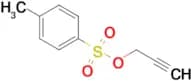
CAS:Pureza:98%Peso molecular:370.3479919Prop-2-yn-1-yl 4-methylbenzenesulfonate
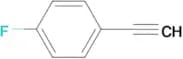
CAS:Fórmula:C10H10O3SPureza:97%Cor e Forma:LiquidPeso molecular:210.254-Fluorophenylacetylene
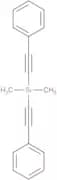
CAS:Fórmula:C8H5FPureza:98%Cor e Forma:Solid, Low Melting SolidPeso molecular:120.126Bis(phenylethynyl)dimethylsilane
CAS:<p>S02060 - Bis(phenylethynyl)dimethylsilane</p>Fórmula:C18H16SiPureza:98%Cor e Forma:SolidPeso molecular:260.4113-BUTYN-2-AMINE HYDROCHLORIDE
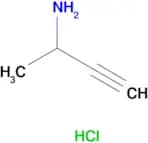
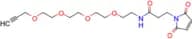
CAS:Fórmula:C4H8ClNPureza:97%Cor e Forma:Liquid, No data available.Peso molecular:105.573-(2,5-Dioxo-2,5-dihydro-1H-pyrrol-1-yl)-N-(3,6,9,12-tetraoxapentadec-14-yn-1-yl)propanamide
CAS:Pureza:97%Cor e Forma:Viscous LiquidPeso molecular:382.4129944Ref: 10-F304472
1g29,00€5g102,00€10g195,00€15g263,00€25g332,00€50g618,00€100g1.124,00€2.5g69,00€100mg12,00€250mg20,00€2-Methyl-4-trimethylsilyl-3-butyn-2-ol
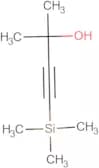
CAS:<p>S11970 - 2-Methyl-4-trimethylsilyl-3-butyn-2-ol</p>Fórmula:C8H16OSiPureza:98%Cor e Forma:SolidPeso molecular:156.32-(2,6-Dioxo-3-piperidinyl)-4-ethynyl-1H-isoindole-1,3(2H)-dione
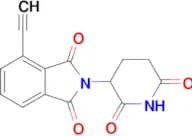
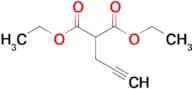
CAS:Pureza:98%Peso molecular:282.255Diethyl 2-(prop-2-yn-1-yl)malonate
CAS:Fórmula:C10H14O4Pureza:95%Cor e Forma:LiquidPeso molecular:198.218(S)-N-((1S,2R)-2-(prop-2-yn-1-yloxy)-2,3-dihydro-1H-inden-1-yl)pyrrolidine-2-carboxamide 2,2,2-trifluoroacetate
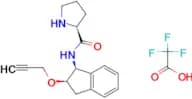
CAS:Pureza:97%Peso molecular:398.382















![9-Azabicyclo[3.3.1]nonane N-oxyl](/_next/image/?url=https%3A%2Fstatic.cymitquimica.com%2Fproducts%2F3D%2Fthumb-webp%2FFA59534.webp&w=3840&q=75)



















![RuCl2[(R)-xylbinap][(R)-daipen]](/_next/image/?url=https%3A%2Fstatic.cymitquimica.com%2Fproducts%2F10%2Fthumb-webp%2FF987732.webp&w=3840&q=75)