Building Blocks Hidrocarbonetos
Os building blocks hidrocarbonetos são compostos orgânicos constituídos exclusivamente por átomos de carbono e hidrogénio. Estas estruturas fundamentais servem de base para a síntese de uma grande variedade de moléculas complexas. Os building blocks hidrocarbonetos são utilizados no desenvolvimento de fármacos, polímeros e outros compostos orgânicos. Na CymitQuimica, oferecemos uma vasta gama de building blocks hidrocarbonetos de alta qualidade para facilitar os seus projetos de síntese e investigação.
Subcategorias de "Building Blocks Hidrocarbonetos"
Foram encontrados 5577 produtos de "Building Blocks Hidrocarbonetos"
Ordenar por
Pureza (%)
0
100
|
0
|
50
|
90
|
95
|
100
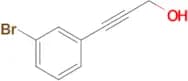
3-(3-Bromo-phenyl)-prop-2-yn-1-ol
CAS:Fórmula:C9H7BrOPureza:95%Cor e Forma:LiquidPeso molecular:211.0582-amino-6-fluoro-3-(prop-2-yn-1-yl)benzo[d]thiazol-3-ium bromide
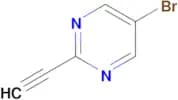
CAS:Fórmula:C10H8BrFN2SPureza:95.0%Peso molecular:287.155-Bromo-2-ethynylpyrimidine
CAS:Fórmula:C6H3BrN2Pureza:98%Cor e Forma:Solid, PowderPeso molecular:183.008(R)-1-(tert-Butoxycarbonyl)-2-(prop-2-yn-1-yl)pyrrolidine-2-carboxylic acid
CAS:Fórmula:C13H19NO4Pureza:95%Peso molecular:253.298N-(3-(2,4-Dichlorophenoxy)propyl)-N-methylprop-2-yn-1-amine hydrochloride
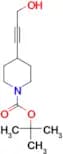
CAS:Fórmula:C13H16Cl3NOPureza:98%Peso molecular:308.63tert-Butyl 4-(3-hydroxyprop-1-yn-1-yl)piperidine-1-carboxylate
CAS:Fórmula:C13H21NO3Pureza:95%Cor e Forma:OilPeso molecular:239.3156-methoxy-3-(prop-2-yn-1-yl)benzo[d]thiazol-2(3H)-imine hydrobromide
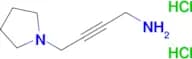
CAS:Fórmula:C11H11BrN2OSPureza:95.0%Peso molecular:299.19(4-pyrrolidin-1-ylbut-2-yn-1-yl)amine dihydrochloride
CAS:Fórmula:C8H16Cl2N2Pureza:95.0%Peso molecular:211.136-nitro-3-(prop-2-yn-1-yl)benzo[d]thiazol-2(3H)-imine hydrobromide
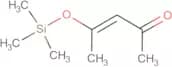
CAS:Fórmula:C10H8BrN3O2SPureza:95.0%Peso molecular:314.162-Trimethylsiloxypent-2-en-4-one
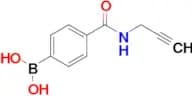
CAS:<p>S18825 - 2-Trimethylsiloxypent-2-en-4-one</p>Fórmula:C8H16O2SiPureza:>96.0%(GC)Cor e Forma:Liquid, ClearPeso molecular:172.299(4-(Prop-2-yn-1-ylcarbamoyl)phenyl)boronic acid
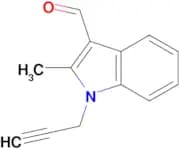
CAS:Fórmula:C10H10BNO3Pureza:95.0%Cor e Forma:SolidPeso molecular:2032-Methyl-1-prop-2-ynyl-1H-indole-3-carbaldehyde
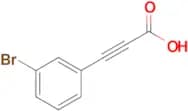
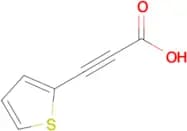
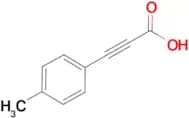
CAS:Fórmula:C13H11NOPureza:95%Cor e Forma:SolidPeso molecular:197.2373-(thiophen-2-yl)prop-2-ynoic acid
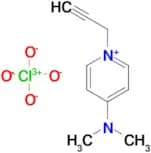
CAS:Fórmula:C7H4O2SPureza:95.0%Cor e Forma:Liquid, No data available.Peso molecular:152.174-(Dimethylamino)-1-(prop-2-yn-1-yl)pyridin-1-ium perchlorate
CAS:Fórmula:C10H13ClN2O4Pureza:97.0%Peso molecular:260.67MPEP hydrochoride
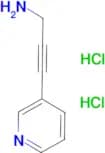
CAS:<p>M03848 - MPEP hydrochoride</p>Fórmula:C14H12ClNPureza:>99%Cor e Forma:SolidPeso molecular:229.713-(pyridin-3-yl)prop-2-yn-1-amine dihydrochloride
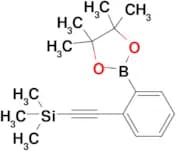
CAS:Fórmula:C8H10Cl2N2Pureza:95.0%Peso molecular:205.08Trimethyl((2-(4,4,5,5-tetramethyl-1,3,2-dioxaborolan-2-yl)phenyl)ethynyl)silane
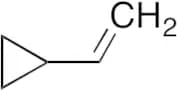
CAS:Pureza:95+%Peso molecular:300.2799988Vinylcyclopropane
CAS:Produto Controlado<p>Stability Highly Volatile<br>Applications Vinylcyclopropane is a useful synthetic intermediate. Vinylcyclopropane and its derivatives can participate in a variety of transition-metal-catalyzed multicomponent cycloadditions to produce five- to eight-membered carbocycles.<br>References Jiao, L., et al.: J. Org. Chem., 78, 6842 (2013); Pasto, D., et al.: Tetrahedron Lett., 9, 713 (1979); Larock, R., et al.: Tetrahedron, 52, 2743 (1996)<br></p>Fórmula:C5H8Cor e Forma:NeatPeso molecular:68.127-Octyn-1-ol
CAS:Produto Controlado<p>Applications 7-Octyn-1-ol is used in the synthesis of the sex pheromone of the citrus leafminer, Phyllocnistis citrella.<br>References Ando, T., et al.: Agric. Biol. Chem., 49, 3633 (1985), Beevor, P., et al.: J. Chem. Ecol., 12, 1 (1986), Kerr, D., et al.: J. Med. Chem., 33, 1958 (1990), McElfresh, J., et al.: Ecology, 82, 3505 (2002),<br></p>Fórmula:C8H14OCor e Forma:NeatPeso molecular:126.202-(2-Phenoxyethoxy)ethanol
CAS:<p>2-(2-Phenoxyethoxy)ethanol (BPE) is a polycarboxylic acid that is used as an additive in the production of coatings, adhesives and plastics. It is a colorless liquid with a mild odor. BPE has synergic effect with cationic polymers and surfactants, which results in high resistance to water, oil and gas. This product can be used as an additive for cationic polymerization, which will increase the hydrophobicity of the material. BPE also has a high degree of resistance to biological treatment (e.g., potassium dichromate).</p>Fórmula:C10H14O3Pureza:Min. 95%Cor e Forma:Clear LiquidPeso molecular:182.22 g/mol2-(2-Phenoxyethoxy)ethanol
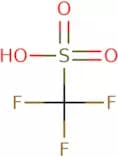
CAS:<p>2-(2-Phenoxyethoxy)ethanol is a fine chemical and a useful building block. It is an important intermediate in the synthesis of other chemicals, such as pharmaceuticals, herbicides, and pesticides. 2-(2-Phenoxyethoxy)ethanol can be used as a research chemical or reagent. It can also be used to prepare complex compounds and versatile scaffolds. CAS No. 104-68-7</p>Fórmula:C10H14O3Pureza:Min. 95.0 Area-%Peso molecular:182.24 g/molTrifluoromethanesulfonic acid
CAS:<p>Trifluoromethanesulfonic acid is a strong oxidizing agent that is used as a catalyst for the synthesis of organic compounds. It is an excellent solvent for many types of reactions and has been shown to be an effective catalyst for the synthesis of triflate, which can be used in cationic polymerization. Trifluoromethanesulfonic acid also has potential applications in carbohydrate chemistry and asymmetric synthesis, due to its ability to reduce carboxylic acids and nitriles. Trifluoromethanesulfonic acid can be synthesized by reacting potassium hexafluorophosphate with amines or nitrogen atoms under activated conditions.</p>Fórmula:CHF3O3SPureza:Min. 95%Cor e Forma:Clear LiquidPeso molecular:150.08 g/molMethanesulfonic anhydride
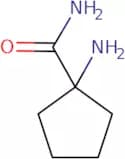
CAS:<p>Methanesulfonic anhydride is a white crystalline solid that is soluble in water and ethanol. It has been shown to be a potent inhibitor of acetaminophen metabolism and the formation of reactive metabolites. Methanesulfonic anhydride inhibits the metabolic activity of cytochrome P450 enzymes, which are responsible for the oxidation of acetaminophen. This inhibition leads to lower levels of toxic metabolites and less tissue damage. Methanesulfonic anhydride also modulates other assays, such as those for nitric oxide synthase and prostaglandin E2 receptors. Methanesulfonic anhydride is used as a catalyst in chemical reactions, including those that produce hydrogen sulfide gas for use in gold mining. It has also been used to study the localization of various proteins by using probes labeled with methanesulfonic anhydride. Methanesulfonic anhydride may cause hypertension due to its ability to inhibit the degradation of norepinephrine, leading to increased</p>Fórmula:C2H6O5S2Pureza:Min. 95%Cor e Forma:PowderPeso molecular:174.2 g/mol1-Amino-1-cyclopentanecarboxamide
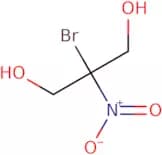
CAS:1-Amino-1-cyclopentanecarboxamide is a bicyclic heterocycle that has been shown to have therapeutic effects in the treatment of autoimmune diseases and cancer. It is structurally related to chemokines, which are cytokines that induce inflammatory responses by activating the immune system. 1-Amino-1-cyclopentanecarboxamide binds to specific receptors on white blood cells, resulting in an increase in the production of chemokines and other proinflammatory molecules. This leads to an increase in inflammation, as well as an increase in blood pressure. The chemical also has anti-inflammatory properties and can be used for the treatment of inflammatory diseases such as arthritis. 1-Amino-1-cyclopentanecarboxamide has been shown to inhibit cancer cell growth by inducing apoptosis (programmed cell death).Fórmula:C6H12N2OPureza:Min. 95%Cor e Forma:PowderPeso molecular:128.17 g/mol2-Bromo-2-nitro-1,3-propanediol
CAS:<p>2-Bromo-2-nitro-1,3-propanediol (BNP) is a preservative that is used in wastewater treatment. It is an antimicrobial agent that has synergistic effects with other antimicrobial agents such as triclosan, benzalkonium chloride and sesquiterpene lactones. 2-Bromo-2-nitro-1,3-propanediol has been shown to have a phase transition temperature of -28°C, which can be used to identify it in the laboratory. This compound also has a pK value of 4.4, which indicates that it is weakly acidic. 2-Bromo-2-nitro-1,3-propanediol can be used as an analytical method for the determination of p - hydroxybenzoic acid in aqueous samples by electrochemical impedance spectroscopy (EIS).</p>Fórmula:C3H6BrNO4Pureza:Min. 95%Cor e Forma:PowderPeso molecular:199.99 g/molDocosane
CAS:<p>Please enquire for more information about Docosane including the price, delivery time and more detailed product information at the technical inquiry form on this page</p>Fórmula:C22H46Pureza:Min. 95%Peso molecular:310.6 g/moltert-Butyl 3-bromopropionate
CAS:<p>Tert-butyl 3-bromopropionate is a linker for the synthesis of pleuromutilin derivatives. It has been used as a model substrate for studying the effects of hypertrophy on cardiac muscle. Tert-butyl 3-bromopropionate has also been shown to inhibit the production of proinflammatory cytokines in response to bacterial infection, and can be used as an antibacterial agent. Tert-butyl 3-bromopropionate binds to RNA and inhibits protein synthesis, which leads to cell death by preventing the production of proteins vital for cell division. Tert-butyl 3-bromopropionate is also a potent inhibitor of chloride channels that are found in nerve cells and prevents the flow of chloride ions through these channels, leading to paralysis. This drug also inhibits hydrogen fluoride excretion in rats, which may be due to its ability to bind with chloride ions in the kidney tubules, preventing their</p>Fórmula:C7H13BrO2Pureza:Min. 95%Cor e Forma:Colorless Clear LiquidPeso molecular:209.08 g/molChlorobutanol
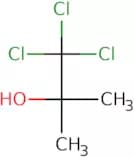
CAS:Chlorobutanol is an antimicrobial agent that is used in the preservation of pharmaceuticals, cosmetics, and other products. It has been shown to be effective against a variety of bacterial and fungal organisms. Chlorobutanol is also used as a preservative in topical ophthalmic preparations. In addition, chlorobutanol has been found to be a potent inhibitor of histone deacetylase (HDAC) activity, which may be due to its ability to bind to the active site of HDACs. This binding prevents acetylation of lysine residues on histones, thereby preventing transcriptional activation.Fórmula:C4H7OCl3Pureza:Min. 95%Cor e Forma:White To Off-White SolidPeso molecular:177.46 g/mol



![2-amino-6-fluoro-3-(prop-2-yn-1-yl)benzo[d]thiazol-3-ium bromide](/_next/image/?url=https%3A%2Fstatic.cymitquimica.com%2Fproducts%2F10%2Fthumb-webp%2FF515273.webp&w=3840&q=75)







![6-methoxy-3-(prop-2-yn-1-yl)benzo[d]thiazol-2(3H)-imine hydrobromide](/_next/image/?url=https%3A%2Fstatic.cymitquimica.com%2Fproducts%2F10%2Fthumb-webp%2FF515272.webp&w=3840&q=75)

![6-nitro-3-(prop-2-yn-1-yl)benzo[d]thiazol-2(3H)-imine hydrobromide](/_next/image/?url=https%3A%2Fstatic.cymitquimica.com%2Fproducts%2F10%2Fthumb-webp%2FF515287.webp&w=3840&q=75)