


Building Blocks
Subcategorias de "Building Blocks"
- Ácidos Borónicos e Derivados de Ácido Borónico(5.778 produtos)
- Building Blocks Quirais(1.243 produtos)
- Building Blocks Hidrocarbonetos(6.099 produtos)
- Building Blocks orgânicos(61.038 produtos)
Foram encontrados 205376 produtos de "Building Blocks"
4,5,6,7-Tetrahydropyrazolo[1,5-a]pyrazine dihydrochloride
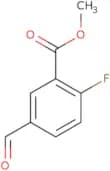
CAS:Versatile small molecule scaffoldFórmula:C6H11Cl2N3Pureza:Min. 95%Peso molecular:196.08 g/molMethyl 2-fluoro-5-formylbenzoate
CAS:Versatile small molecule scaffold
Fórmula:C9H7FO3Pureza:Min. 95%Peso molecular:182.15 g/mol8-chloro-3-(propan-2-yl)-[1,2,4]triazolo[4,3-a]pyrazine
CAS:Versatile small molecule scaffoldFórmula:C8H9ClN4Pureza:Min. 95%Peso molecular:196.64 g/mol2-Ethyl-5-nitrobenzoic acid
CAS:Versatile small molecule scaffold
Fórmula:C9H9NO4Pureza:Min. 95%Peso molecular:195.17 g/mol4-Cyclopropylphenylacetic acid
CAS:Versatile small molecule scaffold
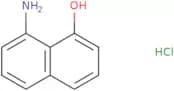
Fórmula:C11H12O2Pureza:Min. 95%Peso molecular:176.22 g/mol8-Aminonaphthalen-1-ol hydrochloride
CAS:Versatile small molecule scaffold
Fórmula:C10H10ClNOPureza:Min. 95%Peso molecular:195.64 g/mol2,4-Dimethylfuran-3-carboxylic acid
CAS:2,4-Dimethylfuran-3-carboxylic acid is a dianion that is used as a fungicide. It has been shown to be effective against many plant diseases, including powdery mildews, rusts, and sooty molds. The methyl ester of 2,4-dimethylfuran-3-carboxylic acid can be synthesized in the laboratory from cyclohexanone and methylamine. The reactive methyl group of the dianion catalyzes the reaction with hydroxyl groups on other molecules, forming an amide or alkylating agent. This reaction occurs stereoselectively when one of the hydrogens on the carbon adjacent to the carboxylate group is also replaced by a methyl group.
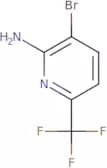
Fórmula:C7H8O3Pureza:Min. 95%Peso molecular:140.14 g/mol2-Amino-3-Bromo-6-trifluoromethylpyridine
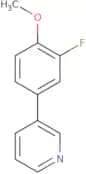
CAS:Versatile small molecule scaffoldFórmula:C6H4BrF3N2Pureza:Min. 95%Peso molecular:241.01 g/mol3-(3-Fluoro-4-methoxyphenyl)pyridine
CAS:Versatile small molecule scaffold
Fórmula:C12H10FNOPureza:Min. 95%Peso molecular:203.21 g/molRef: 3D-PYB35548
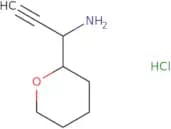
Produto descontinuado1-(Oxan-2-yl)prop-2-yn-1-amine hydrochloride
CAS:Versatile small molecule scaffoldFórmula:C8H14ClNOPureza:Min. 95%Peso molecular:175.65 g/mol2-(Pyrrolidin-3-yl)ethanol hydrochloride
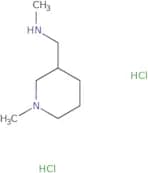
CAS:Versatile small molecule scaffoldFórmula:C6H13NO·HClPureza:Min. 95%Peso molecular:151.64 g/molN-Methyl-1-(1-methylpiperidin-3-yl)methanamine
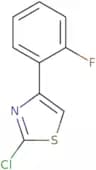
CAS:Versatile small molecule scaffoldFórmula:C8H18N2Pureza:Min. 95%Peso molecular:142.25 g/mol2-Chloro-4-(2-fluorophenyl)-1,3-thiazole
CAS:Versatile small molecule scaffold
Fórmula:C9H5ClFNSPureza:Min. 95%Peso molecular:213.66 g/mol3-Methylidene-8-azabicyclo[3.2.1]octane hydrochloride
CAS:Versatile small molecule scaffold
Fórmula:C8H14ClNPureza:Min. 95%Peso molecular:159.65 g/mol2-({[(9H-Fluoren-9-yl)methoxy]carbonyl}(3-methoxyphenyl)amino)acetic acid
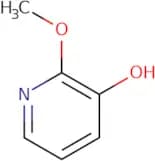
CAS:Versatile small molecule scaffoldFórmula:C24H21NO5Pureza:Min. 95%Peso molecular:403.4 g/mol2-Methoxypyridin-3-ol
CAS:2-Methoxypyridin-3-ol is a nitro compound that can be used as a lead compound to produce an inhibitor of oxime reductase. It can also be used as a pyridine ring, which is an important functional group in many organic compounds. 2-Methoxypyridin-3-ol has the ability to inhibit the enzyme oxime reductase, which catalyzes the formation of hydroxyl radicals from nitrosating agents and hydroxylamine, leading to their detoxification. This substance has been shown to be efficient in the orientation of nitro groups and ethers.
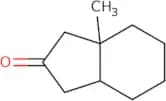
Fórmula:C6H7NO2Pureza:Min. 95%Peso molecular:125.13 g/molrac-(3aR,7aS)-3a-Methyl-octahydro-1H-inden-2-one
CAS:Versatile small molecule scaffold
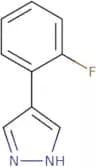
Fórmula:C10H16OPureza:Min. 95%Peso molecular:152.23 g/mol4-(2-Fluorophenyl)-1H-pyrazole
CAS:Versatile small molecule scaffold
Fórmula:C9H7FN2Pureza:Min. 95%Peso molecular:162.16 g/molEthyl 2-[(4-amino-5-cyanopyrimidin-2-yl)sulfanyl]acetate
CAS:Versatile small molecule scaffoldFórmula:C9H10N4O2SPureza:Min. 95%Peso molecular:238.27 g/mol2-(3-Chloro-1-benzothiophen-2-yl)-6H,7H-[1,3]oxazolo[5,4-d]pyrimidin-7-one
CAS:Versatile small molecule scaffoldFórmula:C13H6ClN3O2SPureza:Min. 95%Peso molecular:303.72 g/mol4-{3-Methyl-1H-pyrazolo[3,4-b]pyridin-1-yl}benzoic acid
CAS:Versatile small molecule scaffoldFórmula:C14H11N3O2Pureza:Min. 95%Peso molecular:253.26 g/mol1-[(4-Chlorophenyl)methyl]-3,6-dimethyl-1H-pyrazolo[3,4-b]pyridine-4-carboxylic acid
CAS:Versatile small molecule scaffold
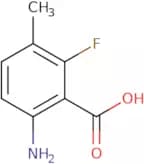
Fórmula:C16H14ClN3O2Pureza:Min. 95%Peso molecular:315.75 g/mol6-Amino-2-fluoro-3-methylbenzoic acid
CAS:Versatile small molecule scaffold
Fórmula:C8H8FNO2Pureza:Min. 95%Peso molecular:169.15 g/mol4-Chloro-5H,6H,7H-pyrimido[4,5-b][1,4]oxazin-6-one
CAS:Versatile small molecule scaffoldFórmula:C6H4ClN3O2Pureza:Min. 95%Peso molecular:185.57 g/molRef: 3D-LYB52467
Produto descontinuado3-[(5-Bromopyrimidin-2-yl)oxy]benzoic acid
CAS:Versatile small molecule scaffold
Fórmula:C11H7BrN2O3Pureza:Min. 95%Peso molecular:295.09 g/mol1-[(1-Aminopropan-2-yl)oxy]-2-bromobenzene
CAS:Versatile small molecule scaffold
Fórmula:C9H12BrNOPureza:Min. 95%Peso molecular:230.1 g/mol[3-(Cyclohexyloxy)phenyl]methanamine hydrochloride
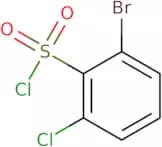
CAS:Versatile small molecule scaffoldFórmula:C13H20ClNOPureza:Min. 95%Peso molecular:241.76 g/mol2-Bromo-6-chlorobenzene-1-sulfonyl chloride
CAS:Versatile small molecule scaffoldFórmula:C6H3BrCl2O2SPureza:Min. 95%Peso molecular:289.96 g/mol1-Oxoisoindoline-5-carbonitrile
CAS:Versatile small molecule scaffold
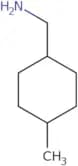
Fórmula:C9H6N2OPureza:Min. 95%Peso molecular:158.16 g/mol4-Methyl-cyclohexanemethanamine
CAS:Versatile small molecule scaffold
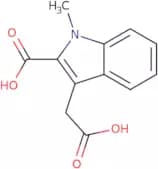
Fórmula:C8H17NPureza:Min. 95%Peso molecular:127.23 g/mol3-(carboxymethyl)-1-methyl-1H-indole-2-carboxylic acid
CAS:Versatile small molecule scaffold
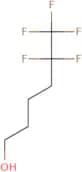
Fórmula:C12H11NO4Pureza:Min. 95%Peso molecular:233.22 g/mol5,5,6,6,6-Pentafluorohexan-1-ol
CAS:Versatile small molecule scaffold
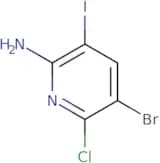
Fórmula:C6H9F5OPureza:Min. 95%Peso molecular:192.13 g/mol5-Bromo-6-chloro-3-iodopyridin-2-amine
CAS:Versatile small molecule scaffold
Fórmula:C5H3BrClIN2Pureza:Min. 95%Peso molecular:333.35 g/mol2-Azido-1-(piperidin-1-yl)ethan-1-one
CAS:Versatile small molecule scaffold
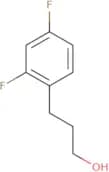
Fórmula:C7H12N4OPureza:Min. 95%Peso molecular:168.2 g/mol3-(2,4-Difluorophenyl)propan-1-ol
CAS:Versatile small molecule scaffold
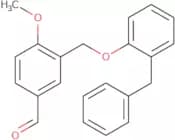
Fórmula:C9H10F2OPureza:Min. 95%Peso molecular:172.17 g/mol3-(2-Benzyl-phenoxymethyl)-4-methoxy-benzaldehyde
CAS:Versatile small molecule scaffold
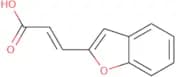
Fórmula:C22H20O3Pureza:Min. 95%Peso molecular:332.4 g/mol(2E)-3-(1-benzofuran-2-yl)prop-2-enoic acid
CAS:(2E)-3-(1-benzofuran-2-yl)prop-2-enoic acid is a white solid that has the chemical formula CHClO. It is soluble in chloroform, ether, and benzene. When heated to 105°C in the presence of air, it decomposes to release oxygen and carbon dioxide. (2E)-3-(1-benzofuran-2-yl)prop-2-enoic acid is used as an intermediate for organic synthesis reactions such as alkylation reactions and Friedel - Crafts reactions. Thermal analysis of this compound indicates that it has a high thermal stability with respect to thermal decomposition. (2E)-3-(1-benzofuran-2-yl)prop-2-enoic acid can be reacted with azide or diphenyl ether to form a coordination complex. This compound also reacts with potassium or phosphorus oxychloride to form oxychlorides.Fórmula:C11H8O3Pureza:Min. 95%Peso molecular:188.18 g/mol1-Propylpyrazole
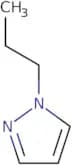
CAS:1-Propylpyrazole is a non-classical inhibitor of aldehyde oxidase that has been shown to have an inhibitory effect on pentane. 1-Propylpyrazole has peroxidase-like activity, which means it can bind to lipid hydroperoxides in the presence of hydrogen peroxide or peroxidase. It has also been shown to be an effective inhibitor of dehydrogenase, which is an enzyme that catalyzes the oxidation of aldehydes and ketones to carboxylic acids. This drug is not active against classical aldehyde oxidases such as alcohol dehydrogenase, but it does inhibit polyunsaturated fatty acid synthesis by binding with cytochrome P450 enzymes.
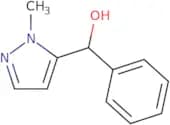
Fórmula:C6H10N2Pureza:Min. 95%Peso molecular:110.16 g/mol(1-Methyl-1H-pyrazol-5-yl)(phenyl)methanol
CAS:Versatile small molecule scaffold
Fórmula:C11H12N2OPureza:Min. 95%Peso molecular:188.23 g/molJMS-17-2
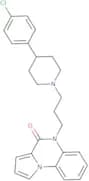
CAS:JMS-17-2 is a small molecule that was shown to have a potent and selective inhibitory effect on the production of chemokines in cancer cells. It blocks the interaction between CXCL12 and its receptor, CXCR4. This interaction is important for normal bone tissue development and function, as well as for chemotaxis and metastasis of cancer cells. JMS-17-2 has been shown to prevent tumor growth in animal models by inhibiting angiogenesis, or the formation of new blood vessels to supply nutrients to tumors. The drug also inhibits tumor growth by decreasing the number of primary tumors, reducing bone lesions, and inhibiting the progression of pancreatic cancer. Clinical trials are currently being conducted to assess the efficacy of JMS-17-2 in humans with advanced solid tumors.
Fórmula:C25H26ClN3OPureza:Min. 95%Peso molecular:419.95 g/mol(3,4-Dihydro-2H-chromen-6-ylmethyl)ae hydrochloride
CAS:Versatile small molecule scaffold
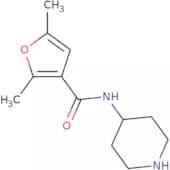
Fórmula:C10H14ClNOPureza:Min. 95%Peso molecular:199.68 g/mol2,5-Dimethyl-N-(piperidin-4-yl)furan-3-carboxamide
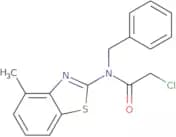
CAS:Versatile small molecule scaffoldFórmula:C12H18N2O2Pureza:Min. 95%Peso molecular:222.28 g/molN-Benzyl-2-chloro-N-(4-methyl-1,3-benzothiazol-2-yl)acetamide
CAS:Versatile small molecule scaffoldFórmula:C17H15ClN2OSPureza:Min. 95%Peso molecular:330.8 g/mol(4-Ethylcycloheptyl)methanamines
CAS:Versatile small molecule scaffold
Fórmula:C10H21NPureza:Min. 95%Peso molecular:155.3 g/molRef: 3D-EJC74542
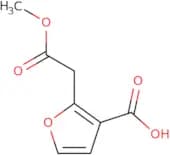
Produto descontinuado2-(2-Methoxy-2-oxoethyl)furan-3-carboxylic acid
CAS:Versatile small molecule scaffoldFórmula:C8H8O5Pureza:Min. 95%Peso molecular:184.15 g/mol2-Carbamoyl-2-methylbutanoic acid
CAS:Versatile small molecule scaffold
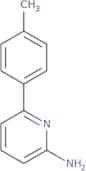
Fórmula:C6H11NO3Pureza:Min. 95%Peso molecular:145.2 g/mol6-(p-Tolyl)pyridin-2-amine
CAS:Versatile small molecule scaffold
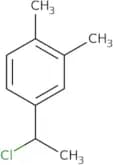
Fórmula:C12H12N2Pureza:Min. 95%Peso molecular:184.24 g/mol3,4-Dimethyl-1-(1-chloroethyl)benzene
CAS:Versatile small molecule scaffold
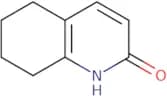
Fórmula:C10H13ClPureza:Min. 95%Peso molecular:168.66 g/mol5,6,7,8-Tetrahydroquinolin-2(1H)-one
CAS:Tetrahydroquinolin-2(1H)-one is a hydrobromide that has been found in the environment as an environmental pollutant. Tetrahydroquinolin-2(1H)-one is used to synthesize amides and has been studied by single-crystal x-ray diffraction. The molecule is centrosymmetric, with a molecular weight of 244.06 g/mol. Tetrahydroquinolin-2(1H)-one can be used as a ligand for metals such as chlorine and magnesium. It does not dissolve in water but does dissolve in organic solvents such as ethers, chloroform, or benzene.
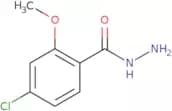
Fórmula:C9H11NOPureza:Min. 95%Peso molecular:149.19 g/mol4-Chloro-2-methoxybenzohydrazide
CAS:Versatile small molecule scaffold
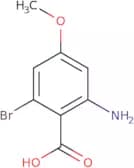
Fórmula:C8H9ClN2O2Pureza:Min. 95%Peso molecular:200.62 g/mol2-Amino-6-bromo-4-methoxybenzoic acid
CAS:Versatile small molecule scaffold
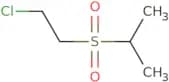
Fórmula:C8H8BrNO3Pureza:Min. 95%Peso molecular:246.06 g/mol2-(2-Chloroethanesulfonyl)propane
CAS:Versatile small molecule scaffold
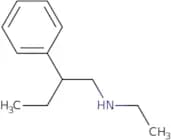
Fórmula:C5H11ClO2SPureza:Min. 95%Peso molecular:170.66 g/molEthyl(2-phenylbutyl)amine
CAS:Produto ControladoVersatile small molecule scaffold
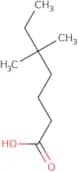
Fórmula:C12H19NPureza:Min. 95%Peso molecular:177.29 g/mol5,5-Dimethylheptanoic acid
CAS:Versatile small molecule scaffold
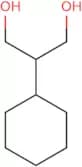
Fórmula:C9H18O2Pureza:Min. 95%Peso molecular:158.24 g/mol2-Cyclohexylpropane-1,3-diol
CAS:2-Cyclohexylpropane-1,3-diol is a substrate for porcine pancreatic lipase. It is hydrolyzed by this enzyme, which is stereoselective and enantioselective. 2-Cyclohexylpropane-1,3-diol also has properties that are similar to angiotensin, a peptide that is secreted by the human body. This substance can be used as a solvent for other organic compounds in chemical reactions.
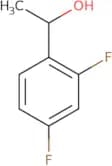
Fórmula:C9H18O2Pureza:Min. 95%Peso molecular:158.24 g/mol(1R)-1-(2,4-Difluorophenyl)ethan-1-ol
CAS:Versatile small molecule scaffold
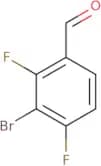
Fórmula:C8H8F2OPureza:Min. 95%Peso molecular:158.14 g/mol3-Bromo-2,4-difluorobenzaldehyde
CAS:Versatile small molecule scaffold
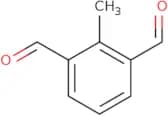
Fórmula:C7H3BrF2OPureza:Min. 95%Peso molecular:219.93 g/mol2-Methylbenzene-1,3-dicarbaldehyde
CAS:2-Methylbenzene-1,3-dicarbaldehyde is a divalent hydrocarbon that has an oxidation catalyst. This compound is used as an intermediate in the production of drugs and pharmaceuticals. It has been shown to have cardiovascular disorders, such as vasodilatation and hypotension. The mechanism of action is not fully understood but may be related to its ability to act as a nitrovasodilator by increasing nitric oxide (NO) release. 2-Methylbenzene-1,3-dicarbaldehyde also produces psychotic disorders when long term exposure occurs. This compound has been shown to have neurotoxic effects in animal models with long term exposure.
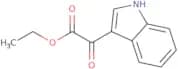
Fórmula:C9H8O2Pureza:Min. 95%Peso molecular:148.16 g/molEthyl 2-(indol-3-yl)-2-oxoacetate
CAS:Ethyl 2-(indol-3-yl)-2-oxoacetate is a hydroxy derivative of the amino acid tyrosine. It inhibits the enzyme tyrosine hydroxylase, which catalyzes the conversion of tyrosine to L-DOPA. This in turn affects dopamine synthesis and has an inhibitory effect on rat brain. Ethyl 2-(indol-3-yl)-2-oxoacetate also inhibits methylmagnesium borohydride in vitro, which is a reagent that breaks down esters, amides, and nitriles. Tyrosine hydroxylase is inhibited by the presence of two hydroxy groups on the ethyl side chain and one hydroxy group on the indole ring. It can be used as a structural analogue for other drugs that are used to treat Parkinson's disease or depression.
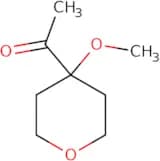
Fórmula:C12H11NO3Pureza:Min. 95%Peso molecular:217.22 g/mol1-(4-Methoxyoxan-4-yl)ethan-1-one
CAS:Versatile small molecule scaffold
Fórmula:C8H14O3Pureza:Min. 95%Peso molecular:158.19 g/mol4-[2-(4-Iodophenyl)ethyl]morpholine
CAS:Versatile small molecule scaffold
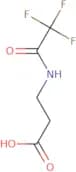
Fórmula:C12H16INOPureza:Min. 95%Peso molecular:317.17 g/mol3-(Trifluoroacetamido)propanoic acid
CAS:Versatile small molecule scaffold
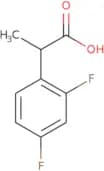
Fórmula:C5H6F3NO3Pureza:Min. 95%Peso molecular:185.1 g/mol2-(2,4-Difluorophenyl)propanoic acid
CAS:Versatile small molecule scaffold
Fórmula:C9H8F2O2Pureza:Min. 95%Peso molecular:186.15 g/mol1,3-Diazaspiro[4.4]nonane-2,4-dione
CAS:1,3-Diazaspiro[4.4]nonane-2,4-dione (1) is a new fungicide that was shown to have fungicidal activity in vitro against the grapevine pathogens Plasmopara viticola and Plasmopara obducens. This compound has been isolated from the plant Express erythroxylum coca (Erythroxylum coca). The compound belongs to the class of diaza spiro compounds and is a member of a family of diaza spiro compounds with antifungal activity. One possible mode of action for 1 is that it inhibits the synthesis of DNA by binding to bacterial DNA gyrase.
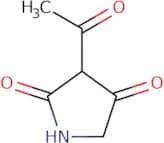
Fórmula:C7H10N2O2Pureza:Min. 95%Peso molecular:154.17 g/mol3-Acetylpyrrolidine-2,4-dione
CAS:3-Acetylpyrrolidine-2,4-dione is an experimental drug that belongs to the class of metal hydroxides. It has been shown to have anti-tumor activity in vitro and in vivo against a variety of malignant tumors. 3-Acetylpyrrolidine-2,4-dione also inhibits the growth of pigweed and other plants by inhibiting the production of tenuazonic acid. This compound is a tautomeric form of tenuazonic acid, which is also known as 2,4-pentanedione. The carboxylate group on this molecule may be responsible for its herbicidal activity.
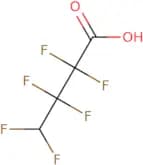
Fórmula:C6H7NO3Pureza:Min. 95%Peso molecular:141.12 g/mol2,2,3,3,4,4-Hexafluorobutyric acid
CAS:2,2,3,3,4,4-Hexafluorobutyric acid is a hydroxylated organic compound. It has been shown to be more chemically stable than other quaternary ammonium compounds. 2,2,3,3,4,4-Hexafluorobutyric acid is used as a polymerization initiator for the preparation of cationic polymers. This chemical can also be used to fragment proteins and nucleic acids in order to prepare samples for analysis by mass spectrometry. 2HFBA is reactive and can cause irritation on contact with the skin or eyes. It has been shown that this chemical may have an effect on body mass index and can bind to calcium ions.
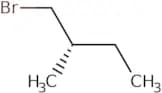
Fórmula:C4H2F6O2Pureza:Min. 95%Peso molecular:196.05 g/mol(S)-(+)-1-Bromo-2-methylbutane
CAS:(S)-(+)-1-Bromo-2-methylbutane is a chiral molecule with two stereoisomers, the cis and trans forms. The cis form has been observed to be the more stable of the two. It is a functional theory that these two forms are not mirror images of each other because they have different conformations. (S)-(+)-1-Bromo-2-methylbutane has been used in the synthesis of a number of important molecules. The stereoisomers can be distinguished by conformational analysis and optical microscopy. (S)-(+)-1-Bromo-2-methylbutane also has an application in biotechnology for use as a precursor for hydrazones, which are important in organic chemistry and molecular biology, such as DNA sequencing.
Fórmula:C5H11BrPureza:Min. 95%Peso molecular:151.04 g/mol4-Chloro-2-hydroxy-6-methylphenylboronic acid
CAS:Versatile small molecule scaffoldFórmula:C7H8BClO3Pureza:Min. 95%Peso molecular:186.4 g/mol3-Hydroxy-5-methylpyridine
CAS:3-Hydroxy-5-methylpyridine (3HMP) is a chemical substance that has been classified as an amine. It is a product of the metabolism of purines, which are nitrogenous bases found in DNA and RNA. 3HMP is produced by aerogenic bacteria (such as Enterobacter), and can be used to estimate the number of these bacteria present in water samples. 3HMP has been shown to have antiviral properties against influenza virus, and can be used as a biomarker for the presence of other viruses in animals. 3HMP also has mineralization properties, which have been studied extensively, particularly with regards to pancreatic disease.
Fórmula:C6H7NOPureza:Min. 95%Cor e Forma:PowderPeso molecular:109.13 g/molRef: 3D-FH16174
Produto descontinuadotert-Butyl (2,2-difluoro-3-hydroxypropyl)carbamate
CAS:Versatile small molecule scaffoldFórmula:C10H13NO4Pureza:Min. 95%Peso molecular:211.21 g/mol1-Hydroxycyclopentane-1-carbonitrile
CAS:1-Hydroxycyclopentane-1-carbonitrile is a monomer that is hydrolyzed to form benzoin and cyanohydrins. It can be used in the production of scifinder as a monomer or dimerizer.
Fórmula:C6H9NOPureza:Min. 95%Peso molecular:111.14 g/mol8-Bromo-2-methylimidazo[1,2-a]pyridine
CAS:Versatile small molecule scaffold
Fórmula:C8H7N2BrPureza:Min. 95%Peso molecular:211.05 g/mol4,5-Dihydro-1H-imidazol-2-amine hydrochloride
CAS:Please enquire for more information about 4,5-Dihydro-1H-imidazol-2-amine hydrochloride including the price, delivery time and more detailed product information at the technical inquiry form on this page
Fórmula:C3H7N3•HClPureza:Min. 95%Peso molecular:121.57 g/molRef: 3D-FD183639
Produto descontinuado2-Bromo-3,3,3-trifluoro-1-propene
CAS:Produto Controlado2-Bromo-3,3,3-trifluoro-1-propene is a chemical compound that has been synthesized in an asymmetric reaction. The reactant is bromopropane and the product is 2,2,2-trifluoropropene. The methylene group on the propene molecule is activated by the nucleophilic attack of a fluoride ion from hydrogen fluoride to form a cavity with a highly strained bond. The kinetic study of this reaction revealed that the activation energy for the reaction is 42 kJ/mol. Palladium-catalyzed coupling reactions are catalyzed by palladium and require nonpolar solvents such as toluene or dichloromethane. This type of reaction has been shown to be exothermic with an isolated yield of 1%.
Fórmula:C3H2BrF3Pureza:Min. 95%Cor e Forma:Colorless PowderPeso molecular:174.95 g/mol4,5-Dihydroxy-2,3-Pentanedione
CAS:4,5-Dihydroxy-2,3-pentanedione is a carbonyl compound that is the product of the oxidation of ascorbic acid. It is used in wastewater treatment and has antimicrobial properties against infectious diseases. This compound has been shown to inhibit protein synthesis by binding to the ribosome and preventing the formation of peptide bonds between amino acids. 4,5-Dihydroxy-2,3-pentanedione has also been shown to bind to plasma proteins, which may be due to its acyl chain structure. 4,5-Dihydroxy-2,3-pentanedione can be synthesized in a catalytic mechanism that involves dehydroascorbic acid and molecular oxygen.
Fórmula:C5H8O4Pureza:Min. 95%Cor e Forma:PowderPeso molecular:132.11 g/molRef: 3D-FD180770
Produto descontinuadoPiperyline
CAS:Piperyline is an alkanoic acid that has shown to be effective against skin cancer. It also has antimicrobial properties, which may be due to its ability to bind metal ions and form polymeric compounds. Piperyline inhibits microbial growth by inhibiting the synthesis of proteins and nucleic acids. The antimicrobial activity is related to its cationic polymerization with hydroxyl groups, which forms a structure that can inhibit microbial enzymes and disrupt microbial cell membranes. This compound also interacts with the skin's natural lipids, making it difficult for microorganisms to attach and grow on the skin. Piperyline is synthesized in organic chemistry laboratories as an amide precursor of other pharmaceuticals such as penicillin.
Fórmula:C16H17NO3Pureza:Min. 95%Peso molecular:271.31 g/mol
![4,5,6,7-Tetrahydropyrazolo[1,5-a]pyrazine dihydrochloride](/_next/image/?url=https%3A%2Fstatic.cymitquimica.com%2Fproducts%2F3D%2Fthumb-webp%2FQGA89407.webp&w=3840&q=75)

![8-chloro-3-(propan-2-yl)-[1,2,4]triazolo[4,3-a]pyrazine](/_next/image/?url=https%3A%2Fstatic.cymitquimica.com%2Fproducts%2F3D%2Fthumb-webp%2FQFA91091.webp&w=3840&q=75)




![3-Methylidene-8-azabicyclo[3.2.1]octane hydrochloride](/_next/image/?url=https%3A%2Fstatic.cymitquimica.com%2Fproducts%2F3D%2Fthumb-webp%2FNSC65245.webp&w=3840&q=75)
![2-({[(9H-Fluoren-9-yl)methoxy]carbonyl}(3-methoxyphenyl)amino)acetic acid](/_next/image/?url=https%3A%2Fstatic.cymitquimica.com%2Fproducts%2F3D%2Fthumb-webp%2FNKD54880.webp&w=3840&q=75)
![Ethyl 2-[(4-amino-5-cyanopyrimidin-2-yl)sulfanyl]acetate](/_next/image/?url=https%3A%2Fstatic.cymitquimica.com%2Fproducts%2F3D%2Fthumb-webp%2FMMB60132.webp&w=3840&q=75)
![2-(3-Chloro-1-benzothiophen-2-yl)-6H,7H-[1,3]oxazolo[5,4-d]pyrimidin-7-one](/_next/image/?url=https%3A%2Fstatic.cymitquimica.com%2Fproducts%2F3D%2Fthumb-webp%2FMMB60048.webp&w=3840&q=75)
![4-{3-Methyl-1H-pyrazolo[3,4-b]pyridin-1-yl}benzoic acid](/_next/image/?url=https%3A%2Fstatic.cymitquimica.com%2Fproducts%2F3D%2Fthumb-webp%2FMMB60004.webp&w=3840&q=75)
![1-[(4-Chlorophenyl)methyl]-3,6-dimethyl-1H-pyrazolo[3,4-b]pyridine-4-carboxylic acid](/_next/image/?url=https%3A%2Fstatic.cymitquimica.com%2Fproducts%2F3D%2Fthumb-webp%2FMMB59774.webp&w=3840&q=75)
![4-Chloro-5H,6H,7H-pyrimido[4,5-b][1,4]oxazin-6-one](/_next/image/?url=https%3A%2Fstatic.cymitquimica.com%2Fproducts%2F3D%2Fthumb-webp%2FLYB52467.webp&w=3840&q=75)
![3-[(5-Bromopyrimidin-2-yl)oxy]benzoic acid](/_next/image/?url=https%3A%2Fstatic.cymitquimica.com%2Fproducts%2F3D%2Fthumb-webp%2FLTB37959.webp&w=3840&q=75)
![1-[(1-Aminopropan-2-yl)oxy]-2-bromobenzene](/_next/image/?url=https%3A%2Fstatic.cymitquimica.com%2Fproducts%2F3D%2Fthumb-webp%2FLKB76331.webp&w=3840&q=75)
![[3-(Cyclohexyloxy)phenyl]methanamine hydrochloride](/_next/image/?url=https%3A%2Fstatic.cymitquimica.com%2Fproducts%2F3D%2Fthumb-webp%2FLCC31568.webp&w=3840&q=75)





![4-[2-(4-Iodophenyl)ethyl]morpholine](/_next/image/?url=https%3A%2Fstatic.cymitquimica.com%2Fproducts%2F3D%2Fthumb-webp%2FAEA83946.webp&w=3840&q=75)
![1,3-Diazaspiro[4.4]nonane-2,4-dione](/_next/image/?url=https%3A%2Fstatic.cymitquimica.com%2Fproducts%2F3D%2Fthumb-webp%2FAAA69951.webp&w=3840&q=75)




![8-Bromo-2-methylimidazo[1,2-a]pyridine](/_next/image/?url=https%3A%2Fstatic.cymitquimica.com%2Fproducts%2F3D%2Fthumb-webp%2FUXB37475.webp&w=3840&q=75)



