Building Blocks
Esta seção contém produtos fundamentais para a síntese de compostos orgânicos e biológicos. Building blocks são os materiais de partida essenciais usados para construir moléculas complexas através de várias reações químicas. Eles desempenham um papel crítico na descoberta de medicamentos, ciência dos materiais e pesquisa química. Na CymitQuimica, oferecemos uma ampla gama de building blocks de alta qualidade para apoiar suas pesquisas inovadoras e projetos industriais, garantindo que você tenha os componentes essenciais para uma síntese bem-sucedida.
Subcategorias de "Building Blocks"
- Ácidos Borónicos e Derivados de Ácido Borónico(5.778 produtos)
- Building Blocks Quirais(1.243 produtos)
- Building Blocks Hidrocarbonetos(6.097 produtos)
- Building Blocks orgânicos(61.052 produtos)
Foram encontrados 201390 produtos de "Building Blocks"
Ordenar por
Pureza (%)
0
100
|
0
|
50
|
90
|
95
|
100
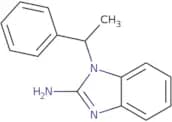
1-(1-Phenylethyl)-1H-1,3-benzodiazol-2-amine
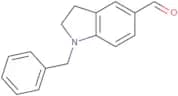
CAS:Versatile small molecule scaffoldFórmula:C15H15N3Pureza:Min. 95%Peso molecular:237.3 g/mol1-Benzyl-2,3-dihydro-1H-indole-5-carbaldehyde
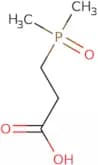
CAS:<p>Versatile small molecule scaffold</p>Fórmula:C16H15NOPureza:Min. 95%Peso molecular:237.3 g/mol3-(Dimethylphosphoryl)propanoic acid
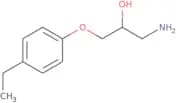
CAS:Versatile small molecule scaffoldFórmula:C5H11O3PPureza:Min. 95%Peso molecular:150.1 g/mol1-Amino-3-(4-ethyl-phenoxy)-propan-2-ol
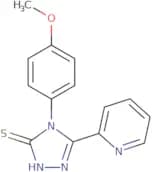
CAS:<p>Versatile small molecule scaffold</p>Fórmula:C11H17NO2Pureza:Min. 95%Peso molecular:195.26 g/mol4-(4-Methoxyphenyl)-5-(pyridin-2-yl)-4H-1,2,4-triazole-3-thiol
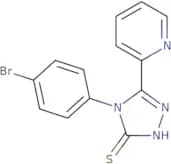
CAS:Versatile small molecule scaffoldFórmula:C14H12N4OSPureza:Min. 95%Peso molecular:284.34 g/mol4-(4-Bromophenyl)-5-(pyridin-2-yl)-4H-1,2,4-triazole-3-thiol
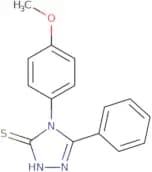
CAS:Versatile small molecule scaffoldFórmula:C13H9BrN4SPureza:Min. 95%Peso molecular:333.21 g/mol4-(4-Methoxyphenyl)-5-phenyl-4H-1,2,4-triazole-3-thiol
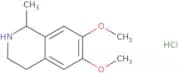
CAS:Versatile small molecule scaffoldFórmula:C15H13N3OSPureza:Min. 95%Peso molecular:283.4 g/mol6,7-Dimethoxy-1-methyl-1,2,3,4-tetrahydroisoquinoline hydrochloride
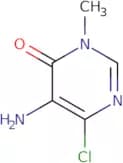
CAS:Puerarin is a natural compound that is found in the roots of the plant Pueraria lobata. It has been shown to inhibit the binding of dopamine receptor agonists to their receptors, which may be due to its structural similarity to dopamine. Puerarin also inhibits the activity of an enzyme called tyrosine hydroxylase, which converts tyrosine into l-dopa and is a key enzyme in the synthesis of neurotransmitters such as dopamine and norepinephrine. Puerarin has been shown to have anti-inflammatory effects in tissue culture experiments, and it may possess potential for treating autoimmune diseases due to its ability to inhibit inflammatory responses.Fórmula:C12H17NO2·HClPureza:Min. 95%Peso molecular:243.73 g/mol5-Amino-6-chloro-3-methyl-3,4-dihydropyrimidin-4-one
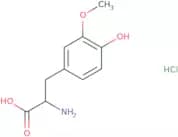
CAS:Versatile small molecule scaffoldFórmula:C5H6ClN3OPureza:Min. 95%Peso molecular:159.57 g/mol(2S)-2-Amino-3-(4-hydroxy-3-methoxyphenyl)propanoic acid hydrochloride
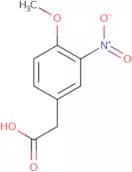
CAS:Produto Controlado<p>Versatile small molecule scaffold</p>Fórmula:C10H14ClNO4Pureza:Min. 95%Peso molecular:247.67 g/mol2-(4-methoxy-3-nitrophenyl)acetic acid
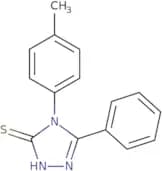
CAS:2-(4-Methoxy-3-nitrophenyl)acetic acid is a linker used in peptide synthesis. It reacts with benzylic alcohols to form stable, cleavable linkages. 2-(4-Methoxy-3-nitrophenyl)acetic acid preferentially reacts with phenylacetic acid and deprotects the benzyl group from a peptide. This product is stable at room temperature and can be used in solid phase chemistry, such as peptide synthesis.Fórmula:C9H9NO5Pureza:Min. 95%Peso molecular:211.2 g/mol4-(4-Methylphenyl)-5-phenyl-4H-1,2,4-triazole-3-thiol
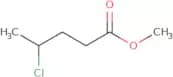
CAS:<p>Versatile small molecule scaffold</p>Fórmula:C15H13N3SPureza:Min. 95%Peso molecular:267.4 g/molMethyl 4-chloropentanoate
CAS:<p>Methyl 4-chloropentanoate is a piperidine derivative and an intermediate in the reductive amination of ketones. It is used as a reagent for the synthesis of pyridine derivatives, carbamates, and other functionalized compounds. Methyl 4-chloropentanoate can be prepared by hydrogenation of methyl 4-chlorobutyrate or by electrochemical oxidation of methyl 4-aminobenzoate. This compound has been used in organic process research and electrochemical preparations.</p>Fórmula:C6H11ClO2Pureza:Min. 95%Peso molecular:150.6 g/mol{2-[(Dimethylamino)methyl]phenyl}methanol
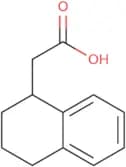
CAS:<p>Versatile small molecule scaffold</p>Fórmula:C10H15NOPureza:Min. 95%Peso molecular:165.23 g/mol2-(1,2,3,4-Tetrahydronaphthalen-1-yl)acetic acid
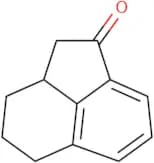
CAS:Versatile small molecule scaffoldFórmula:C12H14O2Pureza:Min. 95%Peso molecular:190.24 g/mol1,2,2a,3,4,5-Hexahydroacenaphthylen-1-one
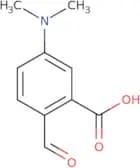
CAS:Versatile small molecule scaffoldFórmula:C12H12OPureza:Min. 95%Peso molecular:172.22 g/mol5-(Dimethylamino)-2-formylbenzoic acid
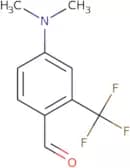
CAS:Versatile small molecule scaffoldFórmula:C10H11NO3Pureza:Min. 95%Peso molecular:193.2 g/mol4-(Dimethylamino)-2-(trifluoromethyl)benzaldehyde
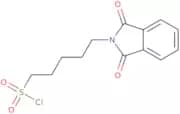
CAS:Versatile small molecule scaffoldFórmula:C10H10F3NOPureza:Min. 95%Peso molecular:217.19 g/mol5-(1,3-Dioxo-2,3-dihydro-1H-isoindol-2-yl)pentane-1-sulfonyl chloride
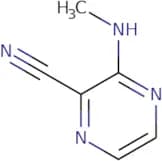
CAS:Versatile small molecule scaffoldFórmula:C13H14ClNO4SPureza:Min. 95%Peso molecular:315.77 g/mol3-(Methylamino)pyrazine-2-carbonitrile
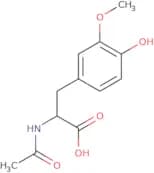
CAS:<p>3-(Methylamino)pyrazine-2-carbonitrile (3MAPCN) is a synthetic chemical that has been optimized for use as a cyanide antidote. It has been shown to be effective against cyanide poisoning in rats and is currently undergoing clinical trials. 3MAPCN binds to the iron atom of cytochrome c oxidase in the mitochondrial electron transport chain, thereby inhibiting the enzyme's ability to produce ATP. This prevents cell death by depriving the cell of energy.</p>Fórmula:C6H6N4Pureza:Min. 95%Peso molecular:134.14 g/mol2-Acetamido-3-(4-hydroxy-3-methoxyphenyl)propanoic acid
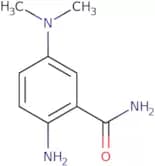
CAS:<p>2-Acetamido-3-(4-hydroxy-3-methoxyphenyl)propanoic acid is an organic acid that is used as a diagnostic agent for dopamine. It has been shown to be effective in the diagnosis of pediatric cases of DOPA responsive dystonia and DOPA responsive choreoathetosis. This compound may be used to diagnose Parkinson's disease, although it is not yet approved for this use. 2-Acetamido-3-(4-hydroxy-3-methoxyphenyl)propanoic acid is also used as a biochemical marker in the retrospective diagnosis of monoamine oxidase inhibitor therapy and in the clinical development of drugs with monoamine oxidase inhibiting activity.</p>Fórmula:C12H15NO5Pureza:Min. 95%Peso molecular:253.25 g/mol2-Amino-5-(dimethylamino)benzamide
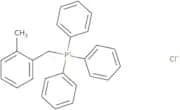
CAS:<p>Versatile small molecule scaffold</p>Fórmula:C9H13N3OPureza:Min. 95%Peso molecular:179.22 g/mol(2-Methylbenzyl)triphenylphosphonium chloride
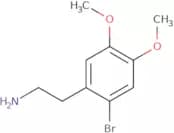
CAS:Versatile small molecule scaffoldFórmula:C26H24ClPPureza:Min. 95%Peso molecular:402.9 g/mol2-(2-Bromo-4,5-dimethoxyphenyl)ethan-1-amine
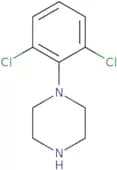
CAS:Produto ControladoVersatile small molecule scaffoldFórmula:C10H14BrNO2Pureza:Min. 95%Peso molecular:260.13 g/mol1-(2,6-Dichlorophenyl)piperazine
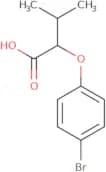
CAS:Produto Controlado<p>Versatile small molecule scaffold</p>Fórmula:C10H12Cl2N2Pureza:Min. 95%Peso molecular:231.12 g/mol2-(4-Bromophenoxy)-3-methylbutanoic acid
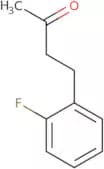
CAS:Versatile small molecule scaffoldFórmula:C11H13BrO3Pureza:Min. 95%Peso molecular:273.12 g/mol4-(2-Fluorophenyl)butan-2-one
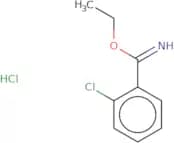
CAS:<p>Versatile small molecule scaffold</p>Fórmula:C10H11FOPureza:Min. 95%Peso molecular:166.19 g/molEthyl 2-chlorobenzene-1-carboximidate hydrochloride
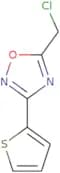
CAS:<p>Versatile small molecule scaffold</p>Fórmula:C9H11Cl2NOPureza:Min. 95%Peso molecular:220.1 g/mol5-(Chloromethyl)-3-thien-2-yl-1,2,4-oxadiazole
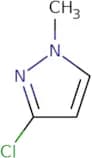
CAS:Versatile small molecule scaffoldFórmula:C7H5ClN2OSPureza:Min. 95%Peso molecular:200.65 g/mol3-Chloro-1-methyl-1H-pyrazole
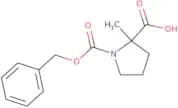
CAS:<p>3-Chloro-1-methyl-1H-pyrazole is a regioselective, heterocyclic compound. It is a halovinyl derivative of pyrazole and is used in the synthesis of other heterocycles. 3-Chloro-1-methyl-1H-pyrazole has been found to be an efficient synthetic intermediate for both ketones and pyrazoles. The reaction mechanism for this compound involves an initial alkylation followed by a substitution reaction with the nucleophilic hydroxyl group. The final product is formed via a heterocyclization step involving fragmentation and halogenation.</p>Fórmula:C4H5ClN2Pureza:Min. 95%Peso molecular:116.55 g/mol1-Cbz-2-methylpyrrolidine-2-carboxylic acid
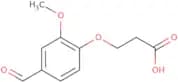
CAS:1-Cbz-2-methylpyrrolidine-2-carboxylic acid is an orally active PARP inhibitor that has been shown to inhibit tumor growth in clinical trials. It is a carboxamide derivative with a cyclic structure. 1-Cbz-2-methylpyrrolidine-2-carboxylic acid blocks cellular proliferation and induces apoptosis by inhibiting DNA synthesis and protein expression. This agent also inhibits the growth of murine melanoma cells in vitro, as well as xenografts in vivo. In addition, 1-Cbz-2-methylpyrrolidine-2-carboxylic acid has been shown to be more potent against cancer cells than other PARP inhibitors, such as abt 888.Fórmula:C14H17NO4Pureza:Min. 95%Peso molecular:263.29 g/mol3-(4-Formyl-2-methoxyphenoxy)propanoic acid
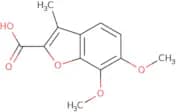
CAS:<p>Versatile small molecule scaffold</p>Fórmula:C11H12O5Pureza:Min. 95%Peso molecular:224.21 g/mol6,7-Dimethoxy-3-methyl-1-benzofuran-2-carboxylic acid
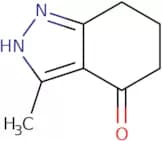
CAS:Versatile small molecule scaffoldFórmula:C12H12O5Pureza:Min. 95%Peso molecular:236.22 g/mol3-Methyl-1,5,6,7-tetrahydroindazol-4-one
CAS:Versatile small molecule scaffoldFórmula:C8H10N2OPureza:Min. 95%Peso molecular:150.18 g/molMethyl 4-aminobenzoate hydrochloride
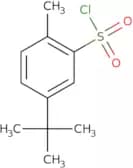
CAS:Methyl 4-aminobenzoate hydrochloride is a compound that is soluble in water and has a molecular weight of 155.14 g/mol. The compound has an acidic nature, with the pKa being 2.5, which makes it a proton donor and an acid catalyst. It can be used to synthesize retinoic acid, which is used to treat acne, by reacting with glycinamide ribonucleotide. Methyl 4-aminobenzoate hydrochloride can also be used for sample pretreatment before analysis by gas chromatography (GC), liquid chromatography (LC) or mass spectrometry (MS). This compound is not highly polar and can therefore be dissolved in non-polar solvents such as hexane or dichloromethane. Methyl 4-aminobenzoate hydrochloride reacts with anthracene and amines to form methyl derivatives.Fórmula:C8H9NO2·HClPureza:Min. 95%Peso molecular:187.63 g/mol5-tert-Butyl-2-methyl-benzenesulfonyl chloride
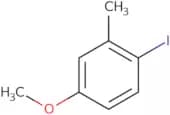
CAS:Versatile small molecule scaffoldFórmula:C11H15ClO2SPureza:Min. 95%Peso molecular:246.75 g/mol1-Iodo-4-methoxy-2-methylbenzene
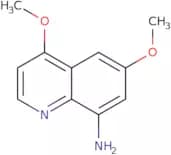
CAS:<p>1-Iodo-4-methoxy-2-methylbenzene (1IMMB) is an iodide which has been used as a precursor in the synthesis of carbonyl groups. This compound has also been shown to have high yields and mechanistic. The carbonyl group is located at the 1,3 positions and the methoxy group is located at the 2 position. This compound reacts with acetonitrile to form a naphthalene derivative. 1IMMB also reacts with an alcohol to form a cyclic ether with regiospecificity. It can also be used as a catalyst in the synthesis of unsymmetrical compounds that contain both carbonyl groups and alcohols.</p>Fórmula:C8H9IOPureza:Min. 95%Peso molecular:248.06 g/mol4,6-Dimethoxyquinolin-8-amine
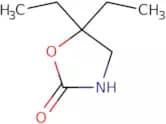
CAS:Versatile small molecule scaffoldFórmula:C11H12N2O2Pureza:Min. 95%Peso molecular:204.22 g/mol5,5-Diethyl-1,3-oxazolidin-2-one
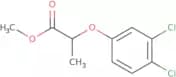
CAS:Versatile small molecule scaffoldFórmula:C7H13NO2Pureza:Min. 95%Peso molecular:143.18 g/molMethyl 2-(3,4-dichlorophenoxy)propanoate
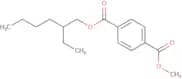
CAS:Versatile small molecule scaffoldFórmula:C10H10Cl2O3Pureza:Min. 95%Peso molecular:249.09 g/mol1-(2-Ethylhexyl) 4-methyl benzene-1,4-dicarboxylate
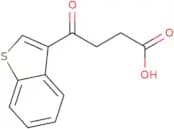
CAS:1-(2-Ethylhexyl) 4-methyl benzene-1,4-dicarboxylate is a silylated, polysulphide sealant with good adhesion to many plastics and metals. It is also used as a plasticizer for acrylates and a sealant for polyurethanes. This product has been shown to be an effective sealant for terephthalate and polyethers. The molecule contains two ester groups that react with the hydroxyl groups on the surface of the substrate to form the crosslinked network.Fórmula:C17H24O4Pureza:Min. 95%Peso molecular:292.4 g/mol4-(1-Benzothiophen-3-yl)-4-oxobutanoic acid
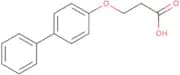
CAS:<p>Versatile small molecule scaffold</p>Fórmula:C12H10O3SPureza:Min. 95%Peso molecular:234.27 g/mol3-(4-Phenylphenoxy)propanoic acid
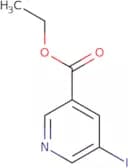
CAS:<p>Versatile small molecule scaffold</p>Fórmula:C15H14O3Pureza:Min. 95%Peso molecular:242.27 g/molEthyl 5-iodonicotinate
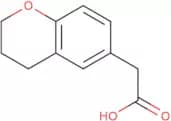
CAS:Versatile small molecule scaffoldFórmula:C8H8INO2Pureza:Min. 95%Peso molecular:277.06 g/molChroman-6-yl-acetic acid
CAS:<p>Versatile small molecule scaffold</p>Fórmula:C11H12O3Pureza:Min. 95%Peso molecular:192.22 g/mol7-Methyl-1H-benzo[d][1,3]oxazine-2,4-dione
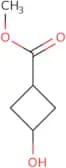
CAS:Versatile small molecule scaffoldFórmula:C9H7NO3Pureza:Min. 95%Peso molecular:177.16 g/molMethyl cis-3-hydroxycyclobutanecarboxylate
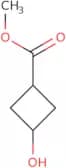
CAS:Versatile small molecule scaffoldFórmula:C6H10O3Pureza:Min. 95%Peso molecular:130.14 g/molTrans-methyl 3-hydroxycyclobutanecarboxylate
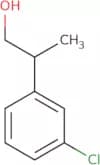
CAS:Versatile small molecule scaffoldFórmula:C6H10O3Pureza:Min. 95%Peso molecular:130.1 g/mol2-(3-Chlorophenyl)propan-1-ol
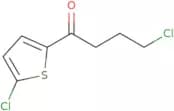
CAS:Versatile small molecule scaffoldFórmula:C9H11ClOPureza:Min. 95%Peso molecular:170.63 g/mol4-Chloro-1-(5-chlorothiophen-2-yl)butan-1-one
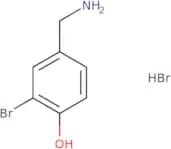
CAS:Versatile small molecule scaffoldFórmula:C8H8Cl2OSPureza:Min. 95%Peso molecular:223.12 g/mol4-(Aminomethyl)-2-bromophenol hydrobromide
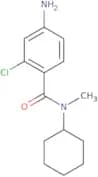
CAS:Versatile small molecule scaffoldFórmula:C7H9Br2NOPureza:Min. 95%Peso molecular:282.96 g/mol4-Amino-2-chloro-N-cyclohexyl-N-methylbenzamide
CAS:Versatile small molecule scaffoldFórmula:C14H19ClN2OPureza:Min. 95%Peso molecular:266.76 g/mol8-Chloro-1H-benzo[D][1,3]oxazine-2,4-dione
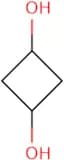
CAS:8-Chloro-1H-benzo[D][1,3]oxazine-2,4-dione is an organic chemical used as a precursor to pharmaceuticals. It is produced by the esterification of an acid chloride with a carboxylic acid. This chemical can be converted into other products through hydrogenation or hydrochlorination. 8-Chloro-1H-benzo[D][1,3]oxazine-2,4-dione is also used in the production of xylene and dichlorobenzene. This compound has two isomers that differ in their reactivity due to steric hindrance. The less reactive isomer has been shown to have antiinflammatory effects in mice.Fórmula:C8H4ClNO3Pureza:Min. 95%Peso molecular:197.58 g/molCyclobutane-1,3-diol
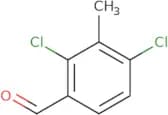
CAS:<p>Cyclobutane-1,3-diol is an organic compound that is a viscous liquid at room temperature. It is used in the production of polyesters and coatings. Cyclobutane-1,3-diol has been shown to be a good ligation partner with ethylene glycol in the liquid phase. It also has been used as an impurity scavenger and as a skeleton for other compounds. Cyclobutane-1,3-diol can be purified by distillation or crystallization, but it may contain fluorine or alkali metal residues that are difficult to remove. There are two stereoisomers of cyclobutane-1,3-diol: D-(+)-cyclobutane-1,3-diol and L-(+)-cyclobutane-1,3-diol.</p>Fórmula:C4H8O2Pureza:Min. 95%Peso molecular:88.11 g/mol2,4-Dichloro-3-methylbenzaldehyde
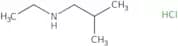
CAS:<p>Versatile small molecule scaffold</p>Fórmula:C8H6Cl2OPureza:Min. 95%Peso molecular:189.04 g/molEthyl(2-methylpropyl)amine hydrochloride
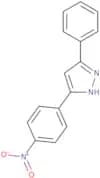
CAS:Versatile small molecule scaffoldFórmula:C6H16ClNPureza:Min. 95%Peso molecular:137.65 g/mol3-(4-Nitrophenyl)-5-phenyl-1H-pyrazole
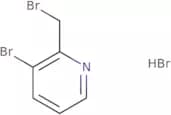
CAS:<p>3-(4-Nitrophenyl)-5-phenyl-1H-pyrazole is a dipole tautomeric proton tautomer with a fluorescence photophysical. It has a molecular orbital that is acidic. 3-(4-Nitrophenyl)-5-phenyl-1H-pyrazole has the following transfer functional groups: nitro, fluorescence, and photophysical. 3-(4-Nitrophenyl)-5-phenyl-1H-pyrazole is an experimentally determined molecule with a molecular orbitals of acidic. It has two tautomers, which are the dipole and tautomers. The dipole tautomeric proton tautomer is the more stable form of 3-(4-Nitrophenyl)-5-phenyl-1H-pyrazole in solution.</p>Fórmula:C15H11N3O2Pureza:Min. 95%Peso molecular:265.27 g/mol3-Bromo-2-(bromomethyl)pyridine hydrobromide
CAS:Versatile small molecule scaffoldFórmula:C6H6Br3NPureza:Min. 95%Peso molecular:331.83 g/molBiphenyl-4-yl-hydrazine hydrochloride
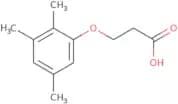
CAS:Versatile small molecule scaffoldFórmula:C12H13ClN2Pureza:Min. 95%Peso molecular:220.7 g/mol3-(2,3,5-Trimethylphenoxy)propanoic acid
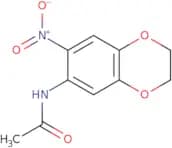
CAS:Versatile small molecule scaffoldFórmula:C12H16O3Pureza:Min. 95%Peso molecular:208.25 g/molN-(7-Nitro-2,3-dihydro-1,4-benzodioxin-6-yl)acetamide
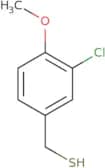
CAS:Versatile small molecule scaffoldFórmula:C10H10N2O5Pureza:Min. 95%Peso molecular:238.2 g/mol(3-Chloro-4-methoxyphenyl)methanethiol
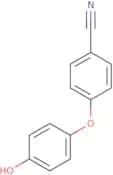
CAS:<p>Versatile small molecule scaffold</p>Fórmula:C8H9ClOSPureza:Min. 95%Peso molecular:188.67 g/mol4-(4-Hydroxyphenoxy)benzonitrile
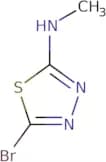
CAS:<p>Versatile small molecule scaffold</p>Fórmula:C13H9NO2Pureza:Min. 95%Peso molecular:211.22 g/mol5-Bromo-N-methyl-1,3,4-thiadiazol-2-amine
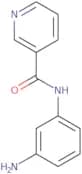
CAS:Versatile small molecule scaffoldFórmula:C3H4BrN3SPureza:Min. 95%Peso molecular:194.06 g/molN-(3-Aminophenyl)nicotinamide
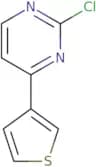
CAS:Versatile small molecule scaffoldFórmula:C12H11N3OPureza:Min. 95%Peso molecular:213.23 g/mol2-Chloro-4-(thiophen-3-yl)pyrimidine
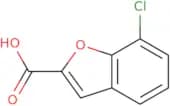
CAS:Versatile small molecule scaffoldFórmula:C8H5ClN2SPureza:Min. 95%Peso molecular:196.66 g/mol7-Chlorobenzofuran-2-carboxylic acid
CAS:<p>Versatile small molecule scaffold</p>Fórmula:C9H5O3ClPureza:Min. 95%Peso molecular:196.58 g/moltert-Butyl N-(2-bromo-6-methoxypyridin-3-yl)carbamate
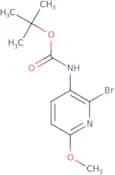
CAS:Versatile small molecule scaffoldFórmula:C11H15BrN2O3Pureza:Min. 95%Peso molecular:303.15 g/mol2-(2-Methoxyphenyl)propan-2-amine hydrochloride
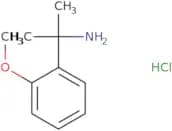
CAS:Versatile small molecule scaffoldFórmula:C10H16ClNOPureza:Min. 95%Peso molecular:201.69 g/mol2-Chloro-4-ethynyl-1-methylbenzene
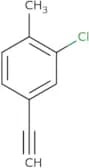
CAS:Versatile small molecule scaffoldFórmula:C9H7ClPureza:Min. 95%Peso molecular:150.6 g/molLIMKi 3
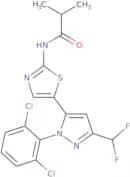
CAS:<p>LIMKi 3 is a sesquiterpene lactone that has been shown to activate the LIM kinase pathway. This pathway is involved in axonal growth, neuronal differentiation, and apoptosis. It has been shown to induce apoptosis in HL-60 cells and malignant brain cells. LIMKi 3 also inhibits HIV infection by interrupting the production of effector proteins such as tat and rev, which are necessary for viral replication. The compound has potent antitumor activity against human tumor cell lines in vitro and in vivo with no observed toxicity to normal tissues.</p>Fórmula:C17H14Cl2F2N4OSPureza:Min. 95%Peso molecular:431.29 g/mol3-(Trifluoromethyl)-4,5,6,7-tetrahydro-1H-indazole-5-carboxylic acid
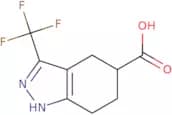
CAS:Versatile small molecule scaffoldFórmula:C9H9F3N2O2Pureza:Min. 95%Peso molecular:234.18 g/mol3-Methyl-4,5,6,7-tetrahydro-1H-indazole-5-carboxylic acid
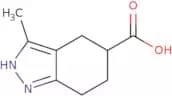
CAS:Versatile small molecule scaffoldFórmula:C9H12N2O2Pureza:Min. 95%Peso molecular:180.21 g/mol3-Methyl-1H,4H,5H,6H,7H-pyrazolo[4,3-b]pyridine
CAS:Versatile small molecule scaffoldFórmula:C7H11N3Pureza:Min. 95%Peso molecular:137.18 g/mol4-bromo-2-chloro-5-fluorobenzyl alcohol
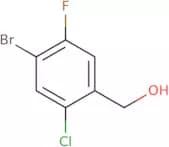
CAS:<p>Versatile small molecule scaffold</p>Fórmula:C7H5BrClFOPureza:Min. 95%Peso molecular:239.47 g/mol2-{5H,6H,7H,8H-[1,2,4]Triazolo[4,3-a]pyrazin-3-yl}pyridine dihydrochloride
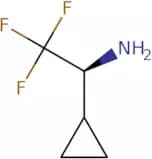
CAS:Versatile small molecule scaffoldFórmula:C10H13Cl2N5Pureza:Min. 95%Peso molecular:274.1 g/mol(1S)-1-Cyclopropyl-2,2,2-trifluoroethan-1-amine hydrochloride
CAS:Versatile small molecule scaffoldFórmula:C5H9ClF3NPureza:Min. 95%Peso molecular:175.58 g/molMethyl 4,5-dimethyl-6H-thieno[2,3-b]pyrrole-2-carboxylate
CAS:<p>Versatile small molecule scaffold</p>Fórmula:C10H11NO2SPureza:Min. 95%Peso molecular:209.27 g/mol4-Methyl-4,6-diazaspiro[2.4]heptan-5-one
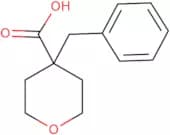
CAS:Versatile small molecule scaffoldFórmula:C6H10N2OPureza:Min. 95%Peso molecular:126.16 g/mol4-Benzyloxane-4-carboxylic acid
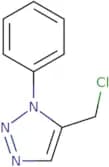
CAS:<p>Versatile small molecule scaffold</p>Fórmula:C13H16O3Pureza:Min. 95%Peso molecular:220.27 g/mol5-(Chloromethyl)-1-phenyl-1H-1,2,3-triazole
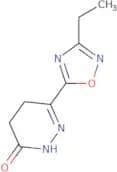
CAS:Versatile small molecule scaffoldFórmula:C9H8ClN3Pureza:Min. 95%Peso molecular:193.63 g/mol6-(3-Ethyl-1,2,4-oxadiazol-5-yl)-2,3,4,5-tetrahydropyridazin-3-one
CAS:Versatile small molecule scaffoldFórmula:C8H10N4O2Pureza:Min. 95%Peso molecular:194.19 g/mol[2-(Aminomethyl)-4-methylpentyl]benzene
CAS:Versatile small molecule scaffoldFórmula:C13H21NPureza:Min. 95%Peso molecular:191.31 g/mol2-(4-Cyclopropyl-2-fluorophenyl)-4,4,5,5-tetramethyl-1,3,2-dioxaborolane
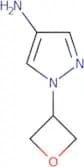
CAS:Versatile small molecule scaffoldFórmula:C15H20BFO2Pureza:Min. 95%Peso molecular:262.13 g/mol1-(3-Oxetanyl)-1H-pyrazol-4-amine
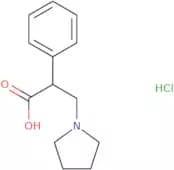
CAS:<p>Versatile small molecule scaffold</p>Fórmula:C6H9N3OPureza:Min. 95%Peso molecular:139.16 g/mol2-Phenyl-3-(pyrrolidin-1-yl)propanoic acid hydrochloride
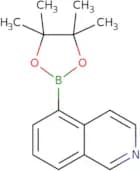
CAS:Versatile small molecule scaffoldFórmula:C13H18ClNO2Pureza:Min. 95%Peso molecular:255.74 g/mol5-(4,4,5,5-Tetramethyl-1,3,2-dioxaborolan-2-yl)isoquinoline
CAS:<p>Versatile small molecule scaffold</p>Fórmula:C15H18BNO2Pureza:Min. 95%Peso molecular:255.12 g/mol{[3-(1-Ethoxyethyl)-1,2,4-oxadiazol-5-yl]methyl}(methyl)amine
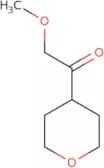
CAS:Versatile small molecule scaffoldFórmula:C8H15N3O2Pureza:Min. 95%Peso molecular:185.22 g/mol2-Methoxy-1-(oxan-4-yl)ethan-1-one
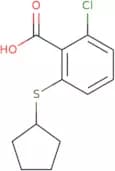
CAS:Versatile small molecule scaffoldFórmula:C8H14O3Pureza:Min. 95%Peso molecular:158.19 g/mol2-Chloro-6-(cyclopentylsulfanyl)benzoic acid
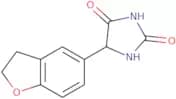
CAS:Versatile small molecule scaffoldFórmula:C12H13ClO2SPureza:Min. 95%Peso molecular:256.75 g/mol5-(2,3-Dihydro-1-benzofuran-5-yl)imidazolidine-2,4-dione
CAS:<p>Versatile small molecule scaffold</p>Fórmula:C11H10N2O3Pureza:Min. 95%Peso molecular:218.21 g/mol[1-(4-Fluoro-3-methylphenyl)-1H-1,2,3-triazol-4-yl]methanol
CAS:<p>Versatile small molecule scaffold</p>Fórmula:C10H10FN3OPureza:Min. 95%Peso molecular:207.2 g/mol4-Bromo-N1-[2-(dimethylamino)ethyl]-N1-methylbenzene-1,2-diamine
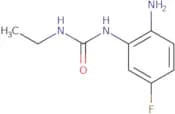
CAS:<p>Versatile small molecule scaffold</p>Fórmula:C11H18BrN3Pureza:Min. 95%Peso molecular:272.18 g/mol1-(2-Amino-5-fluorophenyl)-3-ethylurea
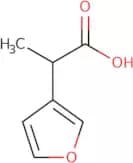
CAS:Versatile small molecule scaffoldFórmula:C9H12FN3OPureza:Min. 95%Peso molecular:197.21 g/mol2-(Furan-3-yl)propanoic acid
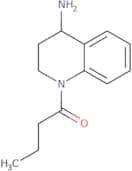
CAS:<p>2-(Furan-3-yl)propanoic acid is a toolbox compound that has been shown to bind to DNA binding proteins and induce protein interactions. 2-(Furan-3-yl)propanoic acid also binds to intramolecular hydrogen bridges, which are important for the correct folding of some proteins. This compound has been shown to be effective in inhibiting the expression of mirnas and may have therapeutic potential for cancer treatment by inducing apoptosis in cells that carry mutated genes. 2-(Furan-3-yl)propanoic acid can be used as a red light sensitizer, where it will cause cross-linking between adjacent thymidine bases on double stranded DNA, leading to cell death.</p>Fórmula:C7H8O3Pureza:Min. 95%Peso molecular:140.14 g/mol1-(4-Amino-3,4-dihydroquinolin-1(2H)-yl)butan-1-one
CAS:Versatile small molecule scaffoldFórmula:C13H18N2OPureza:Min. 95%Peso molecular:218.29 g/mol[3-(Pentan-3-yl)-1,2-oxazol-5-yl]methanamine
CAS:<p>Versatile small molecule scaffold</p>Fórmula:C9H16N2OPureza:Min. 95%Peso molecular:168.24 g/mol1-Hydroxy-4,4-dimethylcyclohexane-1-carboxylic acid
CAS:Versatile small molecule scaffoldFórmula:C9H16O3Pureza:Min. 95%Peso molecular:172.2 g/mol2-(Methanesulfonylmethyl)-1,3-oxazole-4-carboxylic acid
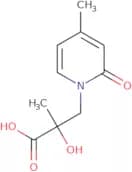
CAS:Versatile small molecule scaffoldFórmula:C6H7NO5SPureza:Min. 95%Peso molecular:205.19 g/mol2-Hydroxy-2-methyl-3-(4-methyl-2-oxo-1,2-dihydropyridin-1-yl)propanoic acid
CAS:Versatile small molecule scaffoldFórmula:C10H13NO4Pureza:Min. 95%Peso molecular:211.21 g/mol

![{2-[(Dimethylamino)methyl]phenyl}methanol](/_next/image/?url=https%3A%2Fstatic.cymitquimica.com%2Fproducts%2F3D%2Fthumb-webp%2FNCA32179.webp&w=3840&q=75)
![7-Methyl-1H-benzo[d][1,3]oxazine-2,4-dione](/_next/image/?url=https%3A%2Fstatic.cymitquimica.com%2Fproducts%2F3D%2Fthumb-webp%2FNCA48011.webp&w=3840&q=75)
![8-Chloro-1H-benzo[D][1,3]oxazine-2,4-dione](/_next/image/?url=https%3A%2Fstatic.cymitquimica.com%2Fproducts%2F3D%2Fthumb-webp%2FNCA49760.webp&w=3840&q=75)

![3-Methyl-1H,4H,5H,6H,7H-pyrazolo[4,3-b]pyridine](/_next/image/?url=https%3A%2Fstatic.cymitquimica.com%2Fproducts%2F3D%2Fthumb-webp%2FNDC24752.webp&w=3840&q=75)
![2-{5H,6H,7H,8H-[1,2,4]Triazolo[4,3-a]pyrazin-3-yl}pyridine dihydrochloride](/_next/image/?url=https%3A%2Fstatic.cymitquimica.com%2Fproducts%2F3D%2Fthumb-webp%2FNDC37574.webp&w=3840&q=75)
![Methyl 4,5-dimethyl-6H-thieno[2,3-b]pyrrole-2-carboxylate](/_next/image/?url=https%3A%2Fstatic.cymitquimica.com%2Fproducts%2F3D%2Fthumb-webp%2FNDC46650.webp&w=3840&q=75)
![4-Methyl-4,6-diazaspiro[2.4]heptan-5-one](/_next/image/?url=https%3A%2Fstatic.cymitquimica.com%2Fproducts%2F3D%2Fthumb-webp%2FNDC49329.webp&w=3840&q=75)
![[2-(Aminomethyl)-4-methylpentyl]benzene](/_next/image/?url=https%3A%2Fstatic.cymitquimica.com%2Fproducts%2F3D%2Fthumb-webp%2FNDC68556.webp&w=3840&q=75)

![{[3-(1-Ethoxyethyl)-1,2,4-oxadiazol-5-yl]methyl}(methyl)amine](/_next/image/?url=https%3A%2Fstatic.cymitquimica.com%2Fproducts%2F3D%2Fthumb-webp%2FNDC94295.webp&w=3840&q=75)
![[1-(4-Fluoro-3-methylphenyl)-1H-1,2,3-triazol-4-yl]methanol](/_next/image/?url=https%3A%2Fstatic.cymitquimica.com%2Fproducts%2F3D%2Fthumb-webp%2FNDC94933.webp&w=3840&q=75)
![4-Bromo-N1-[2-(dimethylamino)ethyl]-N1-methylbenzene-1,2-diamine](/_next/image/?url=https%3A%2Fstatic.cymitquimica.com%2Fproducts%2F3D%2Fthumb-webp%2FNDC94968.webp&w=3840&q=75)
![[3-(Pentan-3-yl)-1,2-oxazol-5-yl]methanamine](/_next/image/?url=https%3A%2Fstatic.cymitquimica.com%2Fproducts%2F3D%2Fthumb-webp%2FNDC96786.webp&w=3840&q=75)