Building Blocks
Esta seção contém produtos fundamentais para a síntese de compostos orgânicos e biológicos. Building blocks são os materiais de partida essenciais usados para construir moléculas complexas através de várias reações químicas. Eles desempenham um papel crítico na descoberta de medicamentos, ciência dos materiais e pesquisa química. Na CymitQuimica, oferecemos uma ampla gama de building blocks de alta qualidade para apoiar suas pesquisas inovadoras e projetos industriais, garantindo que você tenha os componentes essenciais para uma síntese bem-sucedida.
Subcategorias de "Building Blocks"
- Ácidos Borónicos e Derivados de Ácido Borónico(5.778 produtos)
- Building Blocks Quirais(1.243 produtos)
- Building Blocks Hidrocarbonetos(6.097 produtos)
- Building Blocks orgânicos(61.052 produtos)
Foram encontrados 201390 produtos de "Building Blocks"
Ordenar por
Pureza (%)
0
100
|
0
|
50
|
90
|
95
|
100
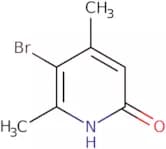
5-Bromo-4,6-dimethylpyridin-2(1H)-one
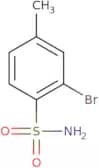
CAS:Versatile small molecule scaffoldFórmula:C7H8BrNOPureza:Min. 95%Peso molecular:202.05 g/mol2-Bromo-4-methylbenzene-1-sulfonamide
CAS:Versatile small molecule scaffoldFórmula:C7H8BrNO2SPureza:Min. 95%Peso molecular:250.12 g/mol5-(Aminomethyl)-2-methoxyphenol
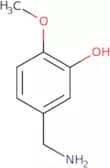
CAS:5-(Aminomethyl)-2-methoxyphenol is a xylene-soluble phenolic compound that has been used to diagnose aluminium in human serum. It is also commonly used as an antioxidant and preservative in food chemistry. 5-(Aminomethyl)-2-methoxyphenol has shown potential antitumor effects, as well as the ability to inhibit the growth of amine-producing cells. The mechanism of action for this compound remains unknown.Fórmula:C8H11NO2Pureza:Min. 95%Peso molecular:153.18 g/molSodium 1,4,5,6-tetrahydropyridine-2-carboxylate
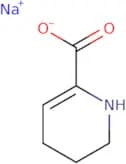
CAS:<p>Versatile small molecule scaffold</p>Fórmula:C6H8NNaO2Pureza:Min. 95%Peso molecular:149.12 g/mol1,2,3,6-Tetrahydropyridin-1-amine hydrochloride
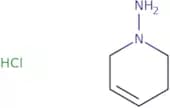
CAS:Versatile small molecule scaffoldFórmula:C5H11ClN2Pureza:Min. 95%Peso molecular:134.6 g/mol4-Bromo-5-methoxy-1-methyl-1H-pyrazole
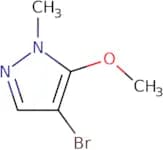
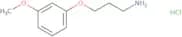
CAS:Versatile small molecule scaffoldFórmula:C5H7BrN2OPureza:Min. 95%Peso molecular:191.03 g/mol1-Propanamine, 3-(3-methoxyphenoxy)-, hydrochloride (1:1)
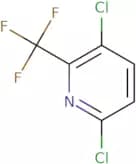
CAS:Versatile small molecule scaffoldFórmula:C10H16ClNO2Pureza:Min. 95%Peso molecular:217.69 g/mol3,6-Dichloro-2-(trifluoromethyl)pyridine
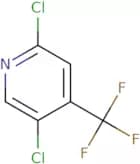
CAS:Versatile small molecule scaffoldFórmula:C6H2Cl2F3NPureza:Min. 95%Peso molecular:215.99 g/mol2,5-Dichloro-4-(trifluoromethyl)pyridine
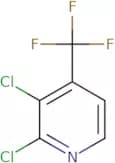
CAS:Versatile small molecule scaffoldFórmula:C6H2Cl2F3NPureza:Min. 95%Peso molecular:215.99 g/mol2,3-Dichloro-4-(trifluoromethyl)pyridine
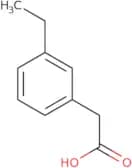
CAS:Versatile small molecule scaffoldFórmula:C6H2Cl2F3NPureza:Min. 95%Peso molecular:215.99 g/mol2-(3-Ethylphenyl)acetic acid
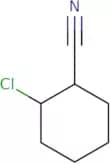
CAS:Versatile small molecule scaffoldFórmula:C10H12O2Pureza:Min. 95%Peso molecular:164.2 g/mol2-Chlorocyclohexane-1-carbonitrile
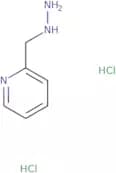
CAS:<p>2-Chlorocyclohexane-1-carbonitrile is an organic compound that belongs to the group of ethers. It is a colorless liquid with a sweet, chloroform-like odor. 2-Chlorocyclohexane-1-carbonitrile has been shown to have transition and steric factors that influence the reactivity of the molecule. The presence of the chlorine atom in this molecule causes it to be detectable by gas chromatography and mass spectrometry. The hydrogen chloride protonation and interaction with other molecules can lead to additional structural changes in 2-chlorocyclohexane-1-carbonitrile, which can also affect its reactivity.</p>Fórmula:C7H10ClNPureza:Min. 95%Peso molecular:143.61 g/mol2-(Hydrazinylmethyl)pyridine dihydrochloride
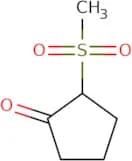
CAS:Versatile small molecule scaffoldFórmula:C6H11Cl2N3Pureza:Min. 95%Peso molecular:196.08 g/mol2-Methanesulfonylcyclopentan-1-one
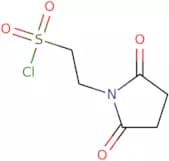
CAS:Versatile small molecule scaffoldFórmula:C6H10O3SPureza:Min. 95%Peso molecular:162.21 g/mol2-(2,5-Dioxo-pyrrolidin-1-yl)-ethanesulfonyl chloride
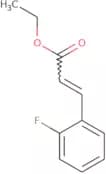
CAS:Versatile small molecule scaffoldFórmula:C6H8ClNO4SPureza:Min. 95%Peso molecular:225.65 g/molEthyl (2E)-3-(2-fluorophenyl)prop-2-enoate
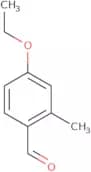
CAS:Versatile small molecule scaffoldFórmula:C11H11FO2Pureza:Min. 95%Peso molecular:194.2 g/mol4-Ethoxy-2-methylbenzaldehyde
CAS:Versatile small molecule scaffoldFórmula:C10H12O2Pureza:Min. 95%Peso molecular:164.2 g/mol2-Methyl-2-[3-(trifluoromethyl)phenyl]propanenitrile
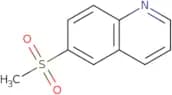
CAS:<p>Versatile small molecule scaffold</p>Fórmula:C11H10F3NPureza:Min. 95%Peso molecular:213.2 g/mol6-Methanesulfonylquinoline
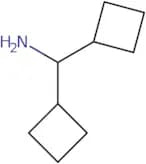
CAS:Versatile small molecule scaffoldFórmula:C10H9NO2SPureza:Min. 95%Peso molecular:207.25 g/molDicyclobutylmethanamine
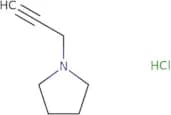
CAS:Versatile small molecule scaffoldFórmula:C9H17NPureza:Min. 95%Peso molecular:139.24 g/mol1-(Prop-2-yn-1-yl)pyrrolidine hydrochloride
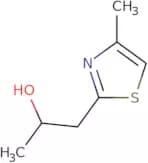
CAS:Versatile small molecule scaffoldFórmula:C7H11N·HClPureza:Min. 95%Peso molecular:145.62 g/mol1-(4-Methyl-1,3-thiazol-2-yl)propan-2-ol
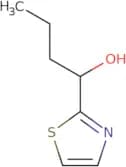
CAS:<p>Versatile small molecule scaffold</p>Fórmula:C7H11NOSPureza:Min. 95%Peso molecular:157.24 g/mol1-(1,3-Thiazol-2-yl)butan-1-ol
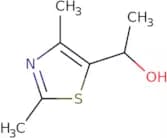
CAS:<p>Versatile small molecule scaffold</p>Fórmula:C7H11NOSPureza:Min. 95%Peso molecular:157.24 g/mol1-(Dimethyl-1,3-thiazol-5-yl)ethan-1-ol
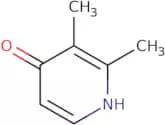
CAS:Versatile small molecule scaffoldFórmula:C7H11NOSPureza:Min. 95%Peso molecular:157.24 g/mol2,3-Dimethyl-1,4-dihydropyridin-4-one
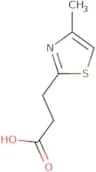
CAS:Versatile small molecule scaffoldFórmula:C7H9NOPureza:Min. 95%Peso molecular:123.15 g/mol3-(4-Methyl-1,3-thiazol-2-yl)propanoic acid
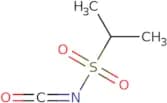
CAS:Versatile small molecule scaffoldFórmula:C7H9NO2SPureza:Min. 95%Peso molecular:171.22 g/molPropane-2-sulfonyl isocyanate
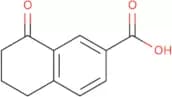
CAS:Versatile small molecule scaffoldFórmula:C4H7NO3SPureza:Min. 95%Peso molecular:149.17 g/mol8-Oxo-5,6,7,8-tetrahydronaphthalene-2-carboxylic acid
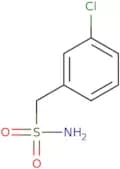
CAS:<p>Versatile small molecule scaffold</p>Fórmula:C11H10O3Pureza:Min. 95%Peso molecular:190.2 g/mol(3-Chlorophenyl)methanesulfonamide
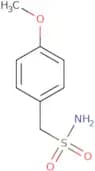
CAS:Versatile small molecule scaffoldFórmula:C7H8ClNO2SPureza:Min. 95%Peso molecular:205.66 g/mol(4-Methoxyphenyl)methanesulfonamide
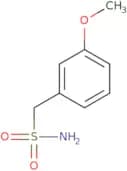
CAS:Versatile small molecule scaffoldFórmula:C8H11NO3SPureza:Min. 95%Peso molecular:201.25 g/mol(3-Methoxyphenyl)methanesulfonamide
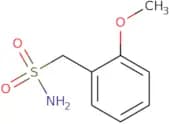
CAS:<p>Versatile small molecule scaffold</p>Fórmula:C8H11NO3SPureza:Min. 95%Peso molecular:201.24 g/mol(2-Methoxyphenyl)methanesulfonamide
CAS:(2-Methoxyphenyl)methanesulfonamide is a linker that contains an amine and a sulfonyl chloride. It is used for solid phase synthesis of amides. This compound can be prepared by reacting amines with acid chlorides in the presence of benzene or chloroform as a solvent. The substituents on the phenyl ring are electron-withdrawing groups, which stabilize the molecule and prevent it from undergoing nucleophilic substitution reactions. (2-Methoxyphenyl)methanesulfonamide reacts with primary amines to form stable amides.Fórmula:C8H11NO3SPureza:Min. 95%Peso molecular:201.25 g/molThiazolo[4,5-c]pyridin-2-amine
CAS:Versatile small molecule scaffoldFórmula:C6H5N3SPureza:Min. 95%Peso molecular:151.19 g/mol2-Methyl-[1,3]thiazolo[4,5-c]pyridine
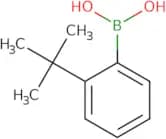
CAS:Versatile small molecule scaffoldFórmula:C7H6N2SPureza:Min. 95%Peso molecular:150.2 g/mol(2-tert-Butylphenyl)boronic acid
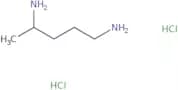
CAS:2-tert-Butylphenylboronic acid is a versatile and useful reagent that is used in organic synthesis for the preparation of chiral boronates. This compound has been shown to form complexes with many different metal ions and can be used to synthesize supramolecular structures. Studies have shown that 2-tert-butylphenylboronic acid reacts with diastereomeric biphenyls in the presence of a base to form a complex that can be separated into its two diastereomers by crystallization, affording two different products.Fórmula:C10H15BO2Pureza:Min. 95%Peso molecular:178.04 g/molPentane-1,4-diamine dihydrochloride
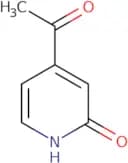
CAS:Versatile small molecule scaffoldFórmula:C5H16Cl2N2Pureza:Min. 95%Peso molecular:175.1 g/mol4-Acetyl-1,2-dihydropyridin-2-one
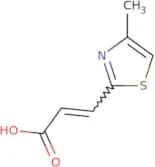
CAS:Versatile small molecule scaffoldFórmula:C7H7NO2Pureza:Min. 95%Peso molecular:137.14 g/mol(2E)-3-(4-Methyl-1,3-thiazol-2-yl)prop-2-enoic acid
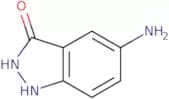
CAS:Versatile small molecule scaffoldFórmula:C7H7NO2SPureza:Min. 95%Peso molecular:169.2 g/mol5-Amino-3-hydroxy(1H)indazole
CAS:<p>Versatile small molecule scaffold</p>Fórmula:C7H7N3OPureza:Min. 95%Peso molecular:149.15 g/mol2-Methyl-1H-pyrrolo[2,3-d]pyrimidin-4(7H)-one
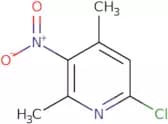
CAS:Versatile small molecule scaffoldFórmula:C7H7N3OPureza:Min. 95%Peso molecular:149.15 g/mol6-Chloro-2,4-dimethyl-3-nitropyridine
CAS:Versatile small molecule scaffoldFórmula:C7H7ClN2O2Pureza:Min. 95%Peso molecular:186.59 g/mol2-Chloro-4,6-dimethyl-3-nitropyridine
CAS:Versatile small molecule scaffoldFórmula:C7H7ClN2O2Pureza:Min. 95%Peso molecular:186.6 g/mol7-Chloro-5,6-dimethyl-[1,2,4]triazolo[1,5-a]pyrimidine
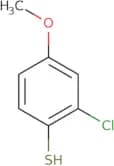
CAS:Versatile small molecule scaffoldFórmula:C7H7ClN4Pureza:Min. 95%Peso molecular:182.61 g/mol2-Chloro-4-methoxybenzene-1-thiol
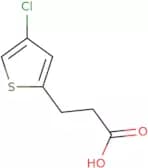
CAS:<p>Versatile small molecule scaffold</p>Fórmula:C7H7ClOSPureza:Min. 95%Peso molecular:174.65 g/mol3-(4-Chlorothiophen-2-yl)propanoic acid
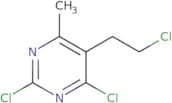
CAS:<p>Versatile small molecule scaffold</p>Fórmula:C7H7ClO2SPureza:Min. 95%Peso molecular:190.65 g/mol2,4-Dichloro-5-(2-chloroethyl)-6-methylpyrimidine
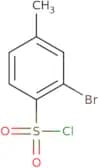
CAS:Versatile small molecule scaffoldFórmula:C7H7Cl3N2Pureza:Min. 95%Peso molecular:225.5 g/mol2-Bromo-4-methylbenzenesulfonyl chloride
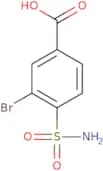
CAS:Versatile small molecule scaffoldFórmula:C7H6BrClO2SPureza:Min. 95%Peso molecular:269.55 g/mol3-Bromo-4-sulfamoylbenzoic acid
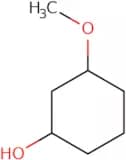
CAS:<p>Versatile small molecule scaffold</p>Fórmula:C7H6BrNO4SPureza:Min. 95%Peso molecular:280.1 g/mol3-methoxycyclohexan-1-ol
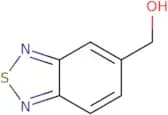
CAS:<p>3-methoxycyclohexan-1-ol is a dipole with the monosubstituted, monomeric structure. It is an isomer of cyclohexanol and can be found as a mixture of two conformers, cis and trans. The molecule has hydrogen bonds between the OH group on C3 and the O atom on C4. 3-methoxycyclohexan-1-ol has been shown to be stabilized by hydrogen bonding to chlorine. The molecule also has intramolecular hydrogen bonding in the form of a bond cleavage. 3-methoxycyclohexan-1-ol has a molecular weight of 114.14 g/mol and its nmr spectrum displays signals in both d and t time domains due to its conformational properties.</p>Fórmula:C7H14O2Pureza:Min. 95%Peso molecular:130.19 g/mol2,1,3-Benzothiadiazol-5-ylmethanol
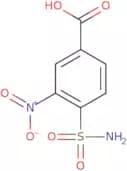
CAS:Versatile small molecule scaffoldFórmula:C7H6N2OSPureza:Min. 95%Peso molecular:166.2 g/mol3-Nitro-4-sulfamoylbenzoic acid
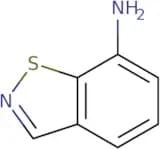
CAS:<p>Versatile small molecule scaffold</p>Fórmula:C7H6N2O6SPureza:Min. 95%Peso molecular:246.2 g/mol1,2-Benzisothiazol-7-amine
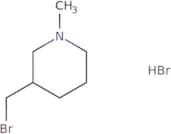
CAS:<p>Versatile small molecule scaffold</p>Fórmula:C7H6N2SPureza:Min. 95%Peso molecular:150.2 g/mol3-(Bromomethyl)-1-methylpiperidine hydrobromide
CAS:Versatile small molecule scaffoldFórmula:C7H15Br2NPureza:Min. 95%Peso molecular:273.01 g/mol3-Methyl-[1,2]oxazolo[5,4-d]pyrimidin-4-amine
CAS:Versatile small molecule scaffoldFórmula:C6H6N4OPureza:Min. 95%Peso molecular:150.14 g/molSodium 2-[(2-oxopropyl)sulfanyl]acetate
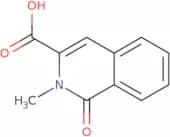
CAS:<p>Versatile small molecule scaffold</p>Fórmula:C5H7NaO3SPureza:Min. 95%Peso molecular:170.16 g/mol2-Methyl-1-oxo-1,2-dihydroisoquinoline-3-carboxylic acid
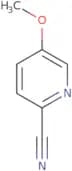
CAS:Versatile small molecule scaffoldFórmula:C11H9NO3Pureza:Min. 95%Peso molecular:203.19 g/mol2-Cyano-5-methoxypyridine
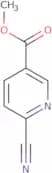
CAS:<p>Versatile small molecule scaffold</p>Fórmula:C7H6N2OPureza:Min. 95%Peso molecular:134.14 g/molMethyl 6-cyanonicotinate
CAS:Versatile small molecule scaffoldFórmula:C8H6N2O2Pureza:Min. 95%Peso molecular:162.15 g/mol3-Chloro-4-methoxybenzene-1-thiol
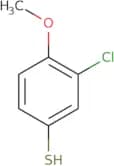
CAS:3-Chloro-4-methoxybenzene-1-thiol is a chlorinated aromatic compound that is used as an intermediate in the synthesis of sulphones. It is prepared by the reaction of aluminium with hydrochloric acid, then followed by the addition of sulphur chloride. The product precipitates as a yellow solid and has a melting point of about 40°C. 3-Chloro-4-methoxybenzene-1-thiol does not react with water or dilute acids, but reacts with alkalis to form salts.Fórmula:C7H7ClOSPureza:Min. 95%Peso molecular:174.65 g/mol5-Bromo-2,3-dihydro-1-benzofuran-7-sulfonamide
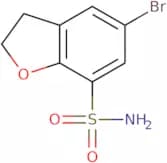
CAS:<p>Versatile small molecule scaffold</p>Fórmula:C8H8BrNO3SPureza:Min. 95%Peso molecular:278.13 g/mol5-Ethoxy-1H-pyrazole-3-carboxylic acid
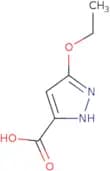
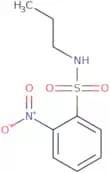
CAS:Versatile small molecule scaffoldFórmula:C6H8N2O3Pureza:Min. 95%Peso molecular:156.14 g/mol2-Nitro-N-propylbenzene-1-sulfonamide
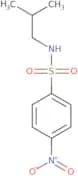
CAS:Versatile small molecule scaffoldFórmula:C9H12N2O4SPureza:Min. 95%Peso molecular:244.27 g/molN-(2-Methylpropyl)-4-nitrobenzene-1-sulfonamide
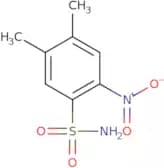
CAS:Versatile small molecule scaffoldFórmula:C10H14N2O4SPureza:Min. 95%Peso molecular:258.3 g/mol4,5-Dimethyl-2-nitrobenzene-1-sulfonamide
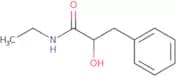
CAS:Versatile small molecule scaffoldFórmula:C8H10N2O4SPureza:Min. 95%Peso molecular:230.24 g/mol(2S)-N-Ethyl-2-hydroxy-3-phenylpropanamide
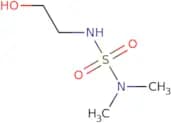
CAS:Versatile small molecule scaffoldFórmula:C11H15NO2Pureza:Min. 95%Peso molecular:193.24 g/mol(Dimethylsulfamoyl)(2-hydroxyethyl)amine
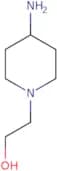
CAS:Versatile small molecule scaffoldFórmula:C4H12N2O3SPureza:Min. 95%Peso molecular:168.22 g/mol2-(4-Aminopiperidin-1-yl)ethanol
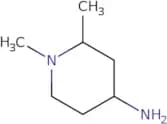
CAS:Versatile small molecule scaffoldFórmula:C7H16N2OPureza:Min. 95%Peso molecular:144.21 g/mol1,2-Dimethylpiperidin-4-amine
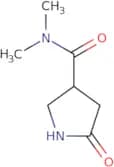
CAS:Versatile small molecule scaffoldFórmula:C7H16N2Pureza:Min. 95%Peso molecular:128.22 g/molN,N-Dimethyl-5-Pyrrolidinone-3-Carboxamide
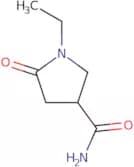
CAS:Versatile small molecule scaffoldFórmula:C7H12N2O2Pureza:Min. 95%Peso molecular:156.18 g/mol1-Ethyl-5-oxopyrrolidine-3-carboxamide
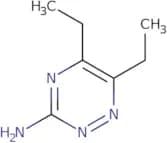
CAS:Versatile small molecule scaffoldFórmula:C7H12N2O2Pureza:Min. 95%Peso molecular:156.18 g/molDiethyl-1,2,4-triazin-3-amine
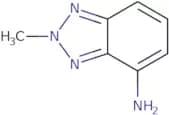
CAS:Versatile small molecule scaffoldFórmula:C7H12N4Pureza:Min. 95%Peso molecular:152.2 g/mol2-Methyl-2H-1,2,3-benzotriazol-4-amine
CAS:<p>Versatile small molecule scaffold</p>Fórmula:C7H8N4Pureza:Min. 95%Peso molecular:148.17 g/mol2-Methyl-7H-pyrrolo[2,3-d]pyrimidin-4-amine
CAS:Versatile small molecule scaffoldFórmula:C7H8N4Pureza:Min. 95%Peso molecular:148.17 g/mol1-Ethyl-1H,4H,5H-pyrazolo[3,4-d]pyrimidin-4-one
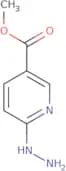
CAS:<p>Versatile small molecule scaffold</p>Fórmula:C7H8N4OPureza:Min. 95%Peso molecular:164.16 g/molMethyl 6-hydrazinylpyridine-3-carboxylate
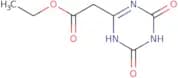
CAS:Versatile small molecule scaffoldFórmula:C7H9N3O2Pureza:Min. 95%Peso molecular:167.17 g/molEthyl 2-(dihydroxy-1,3,5-triazin-2-yl)acetate
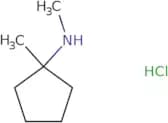
CAS:Versatile small molecule scaffoldFórmula:C7H9N3O4Pureza:Min. 95%Peso molecular:199.16 g/molN,1-Dimethylcyclopentan-1-amine hydrochloride
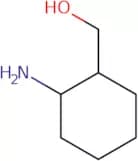
CAS:Versatile small molecule scaffoldFórmula:C7H16ClNPureza:Min. 95%Peso molecular:149.66 g/mol(2-Aminocyclohexyl)methanol
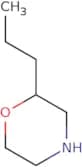
CAS:<p>Versatile small molecule scaffold</p>Fórmula:C7H15NOPureza:Min. 95%Peso molecular:129.2 g/mol2-Propylmorpholine
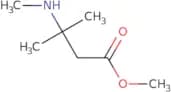
CAS:Versatile small molecule scaffoldFórmula:C7H15NOPureza:Min. 95%Peso molecular:129.2 g/molMethyl 3-methyl-3-(methylamino)butanoate
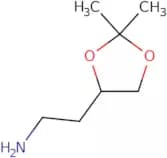
CAS:Versatile small molecule scaffoldFórmula:C7H15NO2Pureza:Min. 95%Peso molecular:145.2 g/mol2-(2,2-Dimethyl-1,3-dioxolan-4-yl)ethan-1-amine
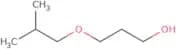
CAS:Versatile small molecule scaffoldFórmula:C7H15NO2Pureza:Min. 95%Peso molecular:145.2 g/mol3-(2-Methylpropoxy)propan-1-ol
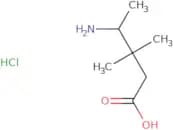
CAS:3-(2-Methylpropoxy)propan-1-ol is a volatile organic chemical that can be used as a solvent in the production of paints and coatings. It is also used as an intermediate in the manufacture of other chemicals, such as trichloroethane and ethylene dichloride. 3-(2-Methylpropoxy)propan-1-ol has been detected by gas chromatography using a flame ionization detector (GC/FID) in oleoresin samples from oranges and pineapples. Recoveries of 3-(2-methylpropoxy)propan-1-ol from orange oleoresin were found to be 87%.Fórmula:C7H16O2Pureza:Min. 95%Peso molecular:132.2 g/mol4-Amino-3,3-dimethylpentanoic acid hydrochloride
CAS:<p>Versatile small molecule scaffold</p>Fórmula:C7H16ClNO2Pureza:Min. 95%Peso molecular:181.7 g/mol5H,6H,6aH,7H,8H,9H,10H-Pyrido[1,2-a]quinoxalin-6-one
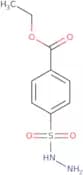
CAS:Versatile small molecule scaffoldFórmula:C12H14N2OPureza:Min. 95%Peso molecular:202.25 g/molEthyl 4-(hydrazinesulfonyl)benzoate
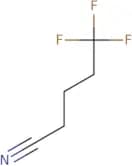
CAS:<p>Versatile small molecule scaffold</p>Fórmula:C9H12N2O4SPureza:Min. 95%Peso molecular:244.27 g/mol5,5,5-Trifluoropentanonitrile
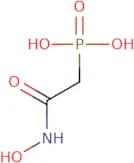
CAS:5,5,5-Trifluoropentanonitrile is a heterocyclic compound that can be used as an intermediate in the synthesis of other chemicals. It is a versatile chemical that has been successful in the discovery and development of new drugs for use as anti-inflammatory or anti-cancer agents. 5,5,5-Trifluoropentanonitrile is also useful for the production of ketones and functional groups.Fórmula:C5H6F3NPureza:Min. 95%Peso molecular:137.1 g/mol2-(Hydroxyamino)-2-oxoethylphosphonic acid
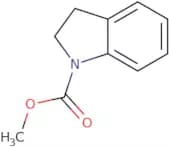
CAS:<p>2-(Hydroxyamino)-2-oxoethylphosphonic acid is an inhibitor of the enzyme senescent and is used to treat cancer. It inhibits the enzymatic reaction of the enzyme by binding to a hydrogen bond in the active site, thereby preventing its function. The compound has been shown to inhibit tumor growth in vitro and in vivo models. 2-(Hydroxyamino)-2-oxoethylphosphonic acid is also used for diagnostic purposes, as it can be detected in urine samples. This inhibitor binds to a water molecule that reacts with the phosphate group on the phosphonate backbone, which prevents it from binding to other phosphate groups on other molecules. This inhibition leads to a decrease in ATP production, which is essential for cell division.</p>Fórmula:C2H6NO5PPureza:Min. 95%Peso molecular:155.05 g/molMethyl 2,3-dihydro-1H-indole-1-carboxylate
CAS:Methyl 2,3-dihydro-1H-indole-1-carboxylate (MDIC) is a nitro compound that is used as an ingredient in pharmaceutical preparations. It is a non-selective competitive inhibitor of the enzyme active oxygen species and has been shown to have reactive effects on amines and carboxylic acids. MDIC also inhibits the production of active oxygen species by reacting with heterocycles, such as tetrahydropyran, heterocycloalkyls, or amines. This chemical has shown activity against osteopathic, porcine, and other animal models of inflammation. MDIC also reacts with heme, which can inhibit the formation of free radicals that play a role in inflammation.Fórmula:C10H11NO2Pureza:Min. 95%Peso molecular:177.2 g/mol1-Bromo-4-oxo-3-oxabicyclo[3.1.0]hexane-6-carboxylic acid
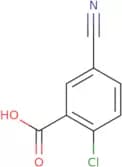
CAS:Versatile small molecule scaffoldFórmula:C6H5BrO4Pureza:Min. 95%Peso molecular:221.01 g/mol2-Chloro-5-cyanobenzoic acid
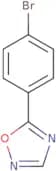
CAS:<p>2-Chloro-5-cyanobenzoic acid is a sclerotinia inhibitor that is used in the chemical synthesis of benzamide. It has been shown to inhibit the growth rate of sclerotinia by binding to the mycelium, spores, and other structures with methyl esters. The compound has also been shown to be magnetic and have a high hydrogen spectrum. 2-Chloro-5-cyanobenzoic acid can be synthesized from hydroxylamine and benzoyl chloride in the presence of cuprous cyanide. This chemical has also been shown to be effective at inhibiting sclerotinia growth on cotton plants.</p>Fórmula:C8H4ClNO2Pureza:Min. 95%Peso molecular:181.58 g/mol5-(4-Bromophenyl)-1,2,4-oxadiazole
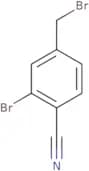
CAS:Versatile small molecule scaffoldFórmula:C8H5BrN2OPureza:Min. 95%Peso molecular:225.04 g/mol2-bromo-4-(bromomethyl)benzonitrile
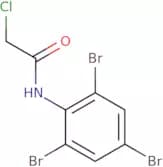
CAS:<p>Versatile small molecule scaffold</p>Fórmula:C8H5Br2NPureza:Min. 95%Peso molecular:274.94 g/mol2-Chloro-N-(2,4,6-tribromophenyl)acetamide
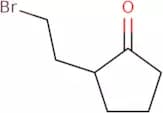
CAS:Versatile small molecule scaffoldFórmula:C8H5Br3ClNOPureza:Min. 95%Peso molecular:406.29 g/mol2-(2-Bromoethyl)cyclopentan-1-one
CAS:<p>2-(2-Bromoethyl)cyclopentan-1-one is a synthetic compound that belongs to the class of bicyclic proline analogues. It can be synthesized by cyclization of an ester with a bromocyclopentane. This reaction can be accomplished using acid or base catalysis, and it leads to the formation of a six-membered ring with two chiral centers. The enantiopure form (enantiomerically pure) has been isolated in moderate yield from racemic mixtures by enantiopyrase resolution. This synthetic compound has shown promising results as an anticonvulsant, although its therapeutic potential is not yet fully understood.</p>Fórmula:C7H11BrOPureza:Min. 95%Peso molecular:191.07 g/molMethyl 3-(bromomethyl)cyclobutanecarboxylate
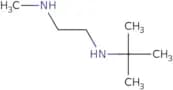
CAS:<p>Versatile small molecule scaffold</p>Fórmula:C7H11O2BrPureza:Min. 95%Peso molecular:207.07 g/molN-tert-Butyl-N'-methyl ethylenediamine
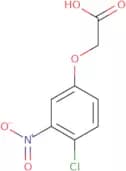
CAS:Versatile small molecule scaffoldFórmula:C7H18N2Pureza:Min. 95%Peso molecular:130.23 g/mol2-(4-Chloro-3-nitrophenoxy)acetic acid
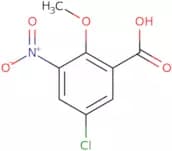
CAS:Versatile small molecule scaffoldFórmula:C8H6ClNO5Pureza:Min. 95%Peso molecular:231.59 g/mol5-Chloro-2-methoxy-3-nitrobenzoic acid
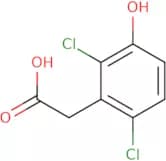
CAS:<p>Versatile small molecule scaffold</p>Fórmula:C8H6ClNO5Pureza:Min. 95%Peso molecular:231.59 g/mol2-(2,6-Dichloro-3-hydroxyphenyl)acetic acid
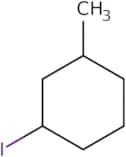
CAS:Versatile small molecule scaffoldFórmula:C8H6Cl2O3Pureza:Min. 95%Peso molecular:221.03 g/mol1-Iodo-3-methylcyclohexane
CAS:The synthesis of 1-iodo-3-methylcyclohexane is reported. In this method, chloroamine reacts with transmetallation to form a terminal alkynyl halide. The terminal alkyne can be converted to an iodide by reaction with sodium iodide and then reacted with cyclohexene to produce the desired product. This synthesis is achieved by using a chiral ligand. The reaction mechanism for this process has been determined to be a concerted β-elimination followed by transmetallation.Fórmula:C7H13IPureza:Min. 95%Peso molecular:224.08 g/mol

![2-Methyl-2-[3-(trifluoromethyl)phenyl]propanenitrile](/_next/image/?url=https%3A%2Fstatic.cymitquimica.com%2Fproducts%2F3D%2Fthumb-webp%2FPDA76540.webp&w=3840&q=75)
![Thiazolo[4,5-c]pyridin-2-amine](/_next/image/?url=https%3A%2Fstatic.cymitquimica.com%2Fproducts%2F3D%2Fthumb-webp%2FPDA78654.webp&w=3840&q=75)
![2-Methyl-[1,3]thiazolo[4,5-c]pyridine](/_next/image/?url=https%3A%2Fstatic.cymitquimica.com%2Fproducts%2F3D%2Fthumb-webp%2FPDA78657.webp&w=3840&q=75)
![2-Methyl-1H-pyrrolo[2,3-d]pyrimidin-4(7H)-one](/_next/image/?url=https%3A%2Fstatic.cymitquimica.com%2Fproducts%2F3D%2Fthumb-webp%2FPDA79211.webp&w=3840&q=75)
![7-Chloro-5,6-dimethyl-[1,2,4]triazolo[1,5-a]pyrimidine](/_next/image/?url=https%3A%2Fstatic.cymitquimica.com%2Fproducts%2F3D%2Fthumb-webp%2FPDA79329.webp&w=3840&q=75)
![3-Methyl-[1,2]oxazolo[5,4-d]pyrimidin-4-amine](/_next/image/?url=https%3A%2Fstatic.cymitquimica.com%2Fproducts%2F3D%2Fthumb-webp%2FPDA79907.webp&w=3840&q=75)
![Sodium 2-[(2-oxopropyl)sulfanyl]acetate](/_next/image/?url=https%3A%2Fstatic.cymitquimica.com%2Fproducts%2F3D%2Fthumb-webp%2FPDA79978.webp&w=3840&q=75)
![2-Methyl-7H-pyrrolo[2,3-d]pyrimidin-4-amine](/_next/image/?url=https%3A%2Fstatic.cymitquimica.com%2Fproducts%2F3D%2Fthumb-webp%2FPDA85287.webp&w=3840&q=75)
![1-Ethyl-1H,4H,5H-pyrazolo[3,4-d]pyrimidin-4-one](/_next/image/?url=https%3A%2Fstatic.cymitquimica.com%2Fproducts%2F3D%2Fthumb-webp%2FPDA85292.webp&w=3840&q=75)
![5H,6H,6aH,7H,8H,9H,10H-Pyrido[1,2-a]quinoxalin-6-one](/_next/image/?url=https%3A%2Fstatic.cymitquimica.com%2Fproducts%2F3D%2Fthumb-webp%2FPDA86074.webp&w=3840&q=75)
![1-Bromo-4-oxo-3-oxabicyclo[3.1.0]hexane-6-carboxylic acid](/_next/image/?url=https%3A%2Fstatic.cymitquimica.com%2Fproducts%2F3D%2Fthumb-webp%2FPDA89130.webp&w=3840&q=75)