Building Blocks
Subcategorias de "Building Blocks"
- Ácidos Borónicos e Derivados de Ácido Borónico(5.778 produtos)
- Building Blocks Quirais(1.243 produtos)
- Building Blocks Hidrocarbonetos(6.098 produtos)
- Building Blocks orgânicos(61.042 produtos)
Foram encontrados 204339 produtos de "Building Blocks"
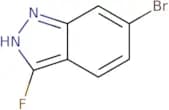
6-Bromo-3-fluoro-1H-indazole
CAS:Versatile small molecule scaffold
Fórmula:C7H4BrFN2Pureza:Min. 95%Peso molecular:215.02 g/mol(2,6-Dimethylpyridin-3-yl)methanol
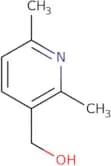
CAS:Versatile small molecule scaffold
Fórmula:C8H11NOPureza:Min. 95%Peso molecular:137.18 g/mol(7S,8aS)-7-Fluoro-octahydropyrrolo[1,2-a]pyrazine dihydrochloride
CAS:Versatile small molecule scaffold
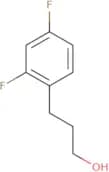
Fórmula:C7H15Cl2FN2Pureza:Min. 95%Peso molecular:217.11 g/mol3-(2,4-Difluorophenyl)propan-1-ol
CAS:Versatile small molecule scaffold
Fórmula:C9H10F2OPureza:Min. 95%Peso molecular:172.17 g/mol2-{5-Methylimidazo[1,2-a]pyridin-2-yl}morpholine
CAS:Versatile small molecule scaffoldFórmula:C12H15N3OPureza:Min. 95%Peso molecular:217.27 g/mol3-Amino-4-methyl-N-[3-(trifluoromethyl)phenyl]benzene-1-sulfonamide
CAS:Versatile small molecule scaffoldFórmula:C14H13F3N2O2SPureza:Min. 95%Peso molecular:330.33 g/mol5-bromo-4-chloro-7-methyl-7H-pyrrolo[2,3-d]pyrimidine
CAS:Versatile small molecule scaffold
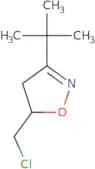
Fórmula:C7H5BrClN3Pureza:Min. 95%Peso molecular:246.5 g/mol3-tert-Butyl-5-(chloromethyl)-4,5-dihydro-1,2-oxazole
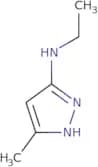
CAS:Versatile small molecule scaffoldFórmula:C8H14ClNOPureza:Min. 95%Peso molecular:175.65 g/molN-Ethyl-5-methyl-1H-pyrazol-3-amine
CAS:Versatile small molecule scaffold
Fórmula:C6H11N3Pureza:Min. 95%Peso molecular:125.17 g/mol2-[(tert-Butyldimethylsilyl)oxy]benzaldehyde
CAS:2-[(tert-Butyldimethylsilyl)oxy]benzaldehyde (BBSA) is a traceless synthetic reagent that is used for the termination of peptide synthesis. It can also be used in the synthesis of benzofurans, carbonyl compounds, and thioacetals. The high yield and chemoselectivity makes BBSA a competitive reagent for these types of reactions. BBSA can be prepared from hydrogen peroxide, esters, enol ethers, or peroxides. These latter reactants are more selective than hydrogen peroxide and do not lead to oxidation of substrates or side products. This product is also useful for the synthesis of thioketals.
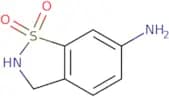
Fórmula:C13H20O2SiPureza:Min. 95%Peso molecular:236.38 g/mol1,1-Dioxo-2,3-dihydro-1,2-benzothiazol-6-amine
CAS:Versatile small molecule scaffold
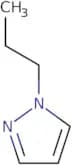
Fórmula:C7H8N2O2SPureza:Min. 95%Peso molecular:184.22 g/mol1-Propylpyrazole
CAS:1-Propylpyrazole is a non-classical inhibitor of aldehyde oxidase that has been shown to have an inhibitory effect on pentane. 1-Propylpyrazole has peroxidase-like activity, which means it can bind to lipid hydroperoxides in the presence of hydrogen peroxide or peroxidase. It has also been shown to be an effective inhibitor of dehydrogenase, which is an enzyme that catalyzes the oxidation of aldehydes and ketones to carboxylic acids. This drug is not active against classical aldehyde oxidases such as alcohol dehydrogenase, but it does inhibit polyunsaturated fatty acid synthesis by binding with cytochrome P450 enzymes.
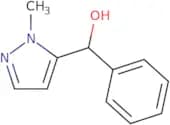
Fórmula:C6H10N2Pureza:Min. 95%Peso molecular:110.16 g/mol(1-Methyl-1H-pyrazol-5-yl)(phenyl)methanol
CAS:Versatile small molecule scaffold
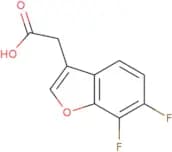
Fórmula:C11H12N2OPureza:Min. 95%Peso molecular:188.23 g/mol2-(6,7-Difluoro-1-benzofuran-3-yl)acetic acid
CAS:Versatile small molecule scaffold
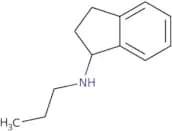
Fórmula:C10H6F2O3Pureza:Min. 95%Peso molecular:212.15 g/molN-Propyl-2,3-dihydro-1H-inden-1-amine
CAS:Produto ControladoVersatile small molecule scaffoldFórmula:C12H17NPureza:Min. 95%Peso molecular:175.27 g/moltert-Butyl N-[1-(4-aminophenyl)ethyl]carbamate
CAS:Versatile small molecule scaffold
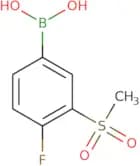
Fórmula:C13H20N2O2Pureza:Min. 95%Peso molecular:236.31 g/mol4-Fluoro-3-(methanesulfonyl)phenylboronic acid
CAS:Versatile small molecule scaffold
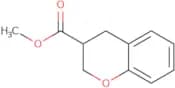
Fórmula:C7H8BFO4SPureza:Min. 95%Peso molecular:218.02 g/molMethyl chroman-3-carboxylate
CAS:Versatile small molecule scaffold
Fórmula:C11H12O3Pureza:Min. 95%Peso molecular:192.21 g/mol8-Chloro-3-methyl-1H-pyrrolo[3,2-c]quinoline
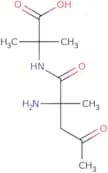
CAS:Versatile small molecule scaffoldFórmula:C12H9ClN2Pureza:Min. 95%Peso molecular:216.66 g/mol2-(2-acetamido-2-methylpropanamido)-2-methylpropanoic acid
CAS:Versatile small molecule scaffoldFórmula:C10H18N2O4Pureza:Min. 95%Peso molecular:230.26 g/mol7-Bromo-[1,3]thiazolo[4,5-c]pyridin-2-amine
CAS:Versatile small molecule scaffold
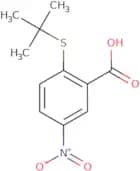
Fórmula:C6H4BrN3SPureza:Min. 95%Peso molecular:230.09 g/mol2-(tert-Butylsulfanyl)-5-nitrobenzoic acid
CAS:Versatile small molecule scaffold
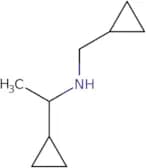
Fórmula:C11H13NO4SPureza:Min. 95%Peso molecular:255.29 g/mol(1-Cyclopropylethyl)(cyclopropylmethyl)amine
CAS:Versatile small molecule scaffold
Fórmula:C9H17NPureza:Min. 95%Peso molecular:139.24 g/mol1-[2-(4-Methoxyphenyl)ethyl]imidazolidine-2,4,5-trione
CAS:Versatile small molecule scaffold
Fórmula:C12H12N2O4Pureza:Min. 95%Peso molecular:248.23 g/mol2-Cyclopropylbenzaldehyde
CAS:Versatile small molecule scaffold
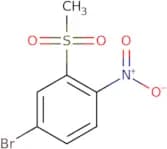
Fórmula:C10H10OPureza:Min. 95%Peso molecular:146.19 g/mol4-Bromo-2-methanesulfonyl-1-nitrobenzene
CAS:Versatile small molecule scaffold
Fórmula:C7H6BrNO4SPureza:Min. 95%Peso molecular:280.1 g/mol(3,4-Dihydro-2H-chromen-6-ylmethyl)ae hydrochloride
CAS:Versatile small molecule scaffold
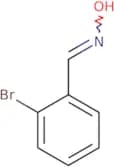
Fórmula:C10H14ClNOPureza:Min. 95%Peso molecular:199.68 g/mol2-Bromobenzaldoxime
CAS:2-Bromobenzaldoxime is a biologically active molecule that has been shown to have significant physiological activities. It is an aldehyde, which is metabolized by the liver or kidneys into the corresponding alcohol, 2-bromoethanol. 2-Bromobenzaldoxime has been shown to be synthesized from diethyl ether and potassium phosphate in the presence of amino acids. The reaction proceeds with dehydration of the intermediate bromohydrin to form an aldoxime. This molecule can be used as a pharmaceutical drug for various diseases such as diabetes mellitus, hypertension, and inflammation.
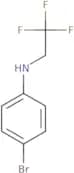
Fórmula:C7H6BrNOPureza:Min. 95%Peso molecular:200.03 g/mol4-bromo-N-(2,2,2-trifluoroethyl)aniline
CAS:Versatile small molecule scaffold
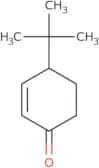
Fórmula:C8H7BrF3NPureza:Min. 95%Peso molecular:254 g/mol4-tert-Butylcyclohex-2-en-1-one
CAS:Versatile small molecule scaffold
Fórmula:C10H16OPureza:Min. 95%Peso molecular:152.23 g/molRef: 3D-AAA93707
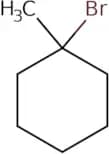
Produto descontinuado1-Bromo-1-methylcyclohexane
CAS:1-Bromo-1-methylcyclohexane is a monomolecular gas that is used as an intermediate in organic synthesis. It reacts with halides to form cyclopentyl derivatives. This reaction has been shown to be faster than the corresponding reaction of 1-bromocyclohexane with chlorides or bromides. The rate of this reaction may be due to the polarizability and conformational changes of the molecule upon substitution by a methyl group. 1-Bromo-1-methylcyclohexane is also an ionizing reagent, which means it can cause electrophilic reactions to occur on other molecules. It has been found that the solvent effect on this product can affect its reactivity, with solvents such as water having more of an effect than solvents such as benzene. 1-Bromo-1-methylcyclohexane has been shown to interact with other compounds in both transfer and complex
Fórmula:C7H13BrPureza:Min. 95%Peso molecular:177.08 g/mol1,2,3,4,5-Pentachlorobenzene
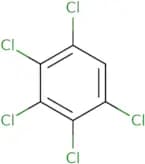
CAS:1,2,3,4,5-Pentachlorobenzene is a chlorinated hydrocarbon that is used in the production of pesticides and herbicides. It is an ingredient in the manufacturing of pentachlorophenol and pentachloronitrobenzene. 1,2,3,4,5-Pentachlorobenzene has been used as a chemical intermediate or solvent for the production of other chemicals. The emissions from this chemical can be harmful to humans and animals because it has been shown to affect enzyme activities at sublethal doses. It also affects rat liver microsomes and causes DNA damage that can lead to cancer.
Fórmula:C6HCl5Pureza:Min. 95%Peso molecular:250.34 g/mol2,2-Dibromopropane
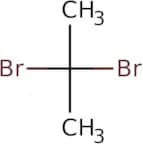
CAS:2,2-Dibromopropane is a synthetic chemical that has been used as a precursor in the production of nylon. It is an activator that can be used to form covalent bonds with reactive groups on other molecules. The activation energy for the reaction with piperazine is between 104 and 106 kJ/mol. 2,2-Dibromopropane undergoes acylation reactions under certain conditions, forming reaction products such as 2,2-dibromoethyl acetate and 2,2-dibromoethanol. The molecular weight of 2,2-dibromopropane is 192.19 g/mol and its structural formula is CHBrCHBrCHBrCHBrC≡C≡C≡C≡C≡C≡CC(O)OH.
Fórmula:C3H6Br2Pureza:Min. 95%Peso molecular:201.89 g/mol1-Monotetranoin
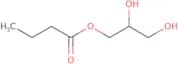
CAS:1-Monotetranoin is a fatty ester that is involved in the process of lipolysis, which is the breakdown of fat cells. Lipolysis occurs when an enzyme called lipase hydrolyzes triglycerides into glycerol and three fatty acids. 1-Monotetranoin has been shown to be a potent stimulator of growth factor production and cell proliferation in vivo models. It has also been shown to be effective at inhibiting angiogenic processes in vitro, including the release of growth factors from fat cells. The neutral pH optimum for 1-monotetranoin is between 7 and 8, which may be due to its hydrophobic nature.
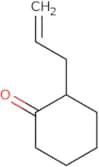
Fórmula:C7H14O4Pureza:Min. 95%Peso molecular:162.18 g/mol2-Allylcyclohexanone
CAS:2-Allylcyclohexanone is an unsaturated ketone that is synthesized by the ring-opening of allyl cyclohexane carboxylate with sodium hydroxide. It can be used as a chemical intermediate for the synthesis of other compounds. 2-Allylcyclohexanone can also be used to react with hydroxide solution to produce a salt and an alcohol. The hydroxide solution can act as a base, reducing the carbonyl group in the presence of an acid to form the corresponding alcohol. This reaction is stereoselective because it only occurs when there are two different groups on adjacent carbons.
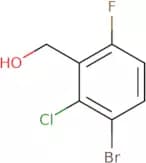
2-Allylcyclohexanone has been shown to inhibit non-nucleoside reverse transcriptase inhibitors (NNRTIs) such as nevirapine, efavirenz, and delavirdine. In addition, it has been found to have functional groups that are capable of reactingFórmula:C9H14OPureza:Min. 95%Peso molecular:138.21 g/mol3-Bromo-2-chloro-6-fluorobenzyl alcohol
CAS:Versatile small molecule scaffold
Fórmula:C7H5BrClFOPureza:Min. 95%Peso molecular:239.47 g/molRef: 3D-JWC62856
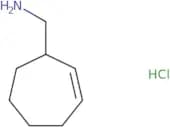
Produto descontinuado(Cyclohept-2-en-1-yl)methanamine hydrochloride
CAS:Versatile small molecule scaffold
Fórmula:C8H16ClNPureza:Min. 95%Peso molecular:161.7 g/mol2-Bromo-3,3,3-trifluoro-1-propene
CAS:Produto Controlado2-Bromo-3,3,3-trifluoro-1-propene is a chemical compound that has been synthesized in an asymmetric reaction. The reactant is bromopropane and the product is 2,2,2-trifluoropropene. The methylene group on the propene molecule is activated by the nucleophilic attack of a fluoride ion from hydrogen fluoride to form a cavity with a highly strained bond. The kinetic study of this reaction revealed that the activation energy for the reaction is 42 kJ/mol. Palladium-catalyzed coupling reactions are catalyzed by palladium and require nonpolar solvents such as toluene or dichloromethane. This type of reaction has been shown to be exothermic with an isolated yield of 1%.
Fórmula:C3H2BrF3Pureza:Min. 95%Cor e Forma:Colorless PowderPeso molecular:174.95 g/molPiperyline
CAS:Piperyline is an alkanoic acid that has shown to be effective against skin cancer. It also has antimicrobial properties, which may be due to its ability to bind metal ions and form polymeric compounds. Piperyline inhibits microbial growth by inhibiting the synthesis of proteins and nucleic acids. The antimicrobial activity is related to its cationic polymerization with hydroxyl groups, which forms a structure that can inhibit microbial enzymes and disrupt microbial cell membranes. This compound also interacts with the skin's natural lipids, making it difficult for microorganisms to attach and grow on the skin. Piperyline is synthesized in organic chemistry laboratories as an amide precursor of other pharmaceuticals such as penicillin.
Fórmula:C16H17NO3Pureza:Min. 95%Peso molecular:271.31 g/mol

![(7S,8aS)-7-Fluoro-octahydropyrrolo[1,2-a]pyrazine dihydrochloride](/_next/image/?url=https%3A%2Fstatic.cymitquimica.com%2Fproducts%2F3D%2Fthumb-webp%2FHXC93968.webp&w=3840&q=75)
![2-{5-Methylimidazo[1,2-a]pyridin-2-yl}morpholine](/_next/image/?url=https%3A%2Fstatic.cymitquimica.com%2Fproducts%2F3D%2Fthumb-webp%2FHKC66896.webp&w=3840&q=75)
![3-Amino-4-methyl-N-[3-(trifluoromethyl)phenyl]benzene-1-sulfonamide](/_next/image/?url=https%3A%2Fstatic.cymitquimica.com%2Fproducts%2F3D%2Fthumb-webp%2FQXA20922.webp&w=3840&q=75)
![5-bromo-4-chloro-7-methyl-7H-pyrrolo[2,3-d]pyrimidine](/_next/image/?url=https%3A%2Fstatic.cymitquimica.com%2Fproducts%2F3D%2Fthumb-webp%2FRAC34330.webp&w=3840&q=75)
![2-[(tert-Butyldimethylsilyl)oxy]benzaldehyde](/_next/image/?url=https%3A%2Fstatic.cymitquimica.com%2Fproducts%2F3D%2Fthumb-webp%2FREA58512.webp&w=3840&q=75)
![tert-Butyl N-[1-(4-aminophenyl)ethyl]carbamate](/_next/image/?url=https%3A%2Fstatic.cymitquimica.com%2Fproducts%2F3D%2Fthumb-webp%2FTAB08668.webp&w=3840&q=75)
![8-Chloro-3-methyl-1H-pyrrolo[3,2-c]quinoline](/_next/image/?url=https%3A%2Fstatic.cymitquimica.com%2Fproducts%2F3D%2Fthumb-webp%2FTCA49997.webp&w=3840&q=75)
![7-Bromo-[1,3]thiazolo[4,5-c]pyridin-2-amine](/_next/image/?url=https%3A%2Fstatic.cymitquimica.com%2Fproducts%2F3D%2Fthumb-webp%2FTEA80175.webp&w=3840&q=75)
![1-[2-(4-Methoxyphenyl)ethyl]imidazolidine-2,4,5-trione](/_next/image/?url=https%3A%2Fstatic.cymitquimica.com%2Fproducts%2F3D%2Fthumb-webp%2FUTB40814.webp&w=3840&q=75)