


Building Blocks
Subcategorias de "Building Blocks"
- Ácidos Borónicos e Derivados de Ácido Borónico(5.778 produtos)
- Building Blocks Quirais(1.243 produtos)
- Building Blocks Hidrocarbonetos(6.099 produtos)
- Building Blocks orgânicos(61.038 produtos)
Foram encontrados 205376 produtos de "Building Blocks"
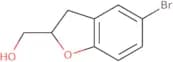
(5-Bromo-2,3-dihydro-1-benzofuran-2-yl)methanol
CAS:Versatile small molecule scaffold
Fórmula:C9H9O2BrPureza:Min. 95%Peso molecular:229.07 g/mol5-Fluoropyridine-3-sulfonamide
CAS:Versatile small molecule scaffold
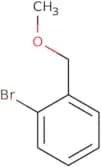
Fórmula:C5H5FN2O2SPureza:Min. 95%Peso molecular:176.17 g/mol1-Bromo-2-(methoxymethyl)benzene
CAS:1-Bromo-2-(methoxymethyl)benzene is a boronic acid that is used in the synthesis of palladium complexes. It is synthesized by reacting 1-bromobenzene with methanol and methoxymethyl chloride. The 1-bromo-2-(methoxymethyl)benzene has been used as a ligand for palladium complexes, which are often used to catalyze organic reactions, such as the metathesis reaction. Synthetic methods have been developed to produce the compound and NMR spectra have been obtained to provide kinetic data on these reactions.
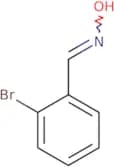
Fórmula:C8H9BrOPureza:Min. 95%Peso molecular:201.06 g/mol2-Bromobenzaldoxime
CAS:2-Bromobenzaldoxime is a biologically active molecule that has been shown to have significant physiological activities. It is an aldehyde, which is metabolized by the liver or kidneys into the corresponding alcohol, 2-bromoethanol. 2-Bromobenzaldoxime has been shown to be synthesized from diethyl ether and potassium phosphate in the presence of amino acids. The reaction proceeds with dehydration of the intermediate bromohydrin to form an aldoxime. This molecule can be used as a pharmaceutical drug for various diseases such as diabetes mellitus, hypertension, and inflammation.
Fórmula:C7H6BrNOPureza:Min. 95%Peso molecular:200.03 g/mol1-[4-Methyl-2-(4-methylphenyl)-1,3-thiazol-5-yl]ethan-1-ol
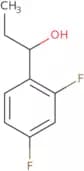
CAS:Versatile small molecule scaffoldFórmula:C13H15NOSPureza:Min. 95%Peso molecular:233.33 g/mol1-(2,4-Difluorophenyl)propan-1-ol
CAS:Versatile small molecule scaffold
Fórmula:C9H10F2OPureza:Min. 95%Peso molecular:172.17 g/mol3-{[3-(Thiophen-3-yl)-1,2,4-oxadiazol-5-yl]methyl}thiomorpholine hydrochloride
CAS:Versatile small molecule scaffold
Fórmula:C11H14ClN3OS2Pureza:Min. 95%Peso molecular:303.8 g/molRef: 3D-YGC02770
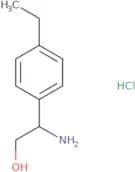
Produto descontinuado2-Amino-2-(4-ethylphenyl)ethan-1-ol hydrochloride
CAS:Versatile small molecule scaffold
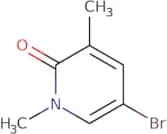
Fórmula:C10H16ClNOPureza:Min. 95%Peso molecular:201.69 g/mol5-Bromo-1,3-dimethylpyridin-2(1H)-one
CAS:Benzyne is a reactive intermediate that is formed by the tautomerization of 5-bromo-1,3-dimethylpyridin-2(1H)-one. It is an adduct between a bromine atom and a benzene ring. This compound has been shown to react with electron-rich olefins to form bicyclic compounds called diels-alder adducts. These reactions are often catalyzed by metals, such as palladium or nickel. Benzyne also reacts with triple bonds or other electron rich centers to form benzyne adducts, which are highly reactive and can be used as chemical probes for electron density in molecules.
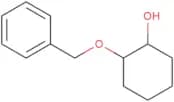
Fórmula:C7H8BrNOPureza:Min. 95%Peso molecular:202.05 g/molrac-(1R,2R)-2-(Benzyloxy)cyclohexan-1-ol
CAS:Versatile small molecule scaffold
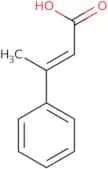
Fórmula:C13H18O2Pureza:Min. 95%Peso molecular:206.28 g/mol3-Phenylbut-2-enoic acid
CAS:3-Phenylbut-2-enoic acid is a prochiral, carbonyl compound that can be used in the synthesis of chiral pharmaceuticals. Mechanistic studies have shown that 3-phenylbut-2-enoic acid is a catalytic hydrogenation reagent that converts prochiral substrates to their corresponding chiral products. When combined with binap and butenoic acid, 3-phenylbut-2-enoic acid can catalyze the asymmetric synthesis of butenoate. The reaction yields high enantiomeric excesses and good yields.
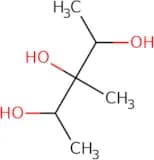
Fórmula:C10H10O2Pureza:Min. 95%Peso molecular:162.19 g/mol3-Methylpentane-2,3,4-triol
CAS:Versatile small molecule scaffold
Fórmula:C6H14O3Pureza:Min. 95%Peso molecular:134.17 g/molRef: 3D-BAA18510
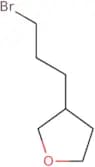
Produto descontinuado3-(3-Bromopropyl)oxolane
CAS:Versatile small molecule scaffold
Fórmula:C7H13BrOPureza:Min. 95%Peso molecular:193.08 g/molRef: 3D-ASB49655
Produto descontinuado4-(Dimethyl-1,2-oxazol-4-yl)phenol
CAS:Versatile small molecule scaffold
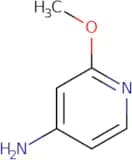
Fórmula:C11H11NO2Pureza:Min. 95%Peso molecular:189.21 g/mol(4-Aminopyridin-2-yl)methanol
CAS:Versatile small molecule scaffold
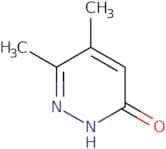
Fórmula:C6H8N2OPureza:Min. 95%Peso molecular:124.14 g/mol5,6-Dimethylpyridazin-3(2H)-one
CAS:Versatile small molecule scaffold
Fórmula:C6H8N2OPureza:Min. 95%Peso molecular:124.14 g/molMethyl 2-Octynoate
CAS:Methyl 2-octynoate is a chemical that has been shown to bind to the nicotinic acetylcholine receptor. Methyl 2-octynoate has been shown to have antitumor activity in various types of cancer cells, including breast, prostate, and lung cancer cells. This chemical is not known to be chemically stable or film-forming. It also disrupts mitochondrial membrane potential and reduces the endpoints of oxidative phosphorylation. Methyl 2-octynoate was found to have low potency against cancer cells in vitro and in vivo.
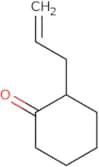
Fórmula:C9H14O2Pureza:Min. 95%Peso molecular:154.21 g/mol2-Allylcyclohexanone
CAS:2-Allylcyclohexanone is an unsaturated ketone that is synthesized by the ring-opening of allyl cyclohexane carboxylate with sodium hydroxide. It can be used as a chemical intermediate for the synthesis of other compounds. 2-Allylcyclohexanone can also be used to react with hydroxide solution to produce a salt and an alcohol. The hydroxide solution can act as a base, reducing the carbonyl group in the presence of an acid to form the corresponding alcohol. This reaction is stereoselective because it only occurs when there are two different groups on adjacent carbons.
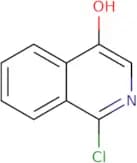
2-Allylcyclohexanone has been shown to inhibit non-nucleoside reverse transcriptase inhibitors (NNRTIs) such as nevirapine, efavirenz, and delavirdine. In addition, it has been found to have functional groups that are capable of reactingFórmula:C9H14OPureza:Min. 95%Peso molecular:138.21 g/mol1-Chloroisoquinolin-4-ol
CAS:1-Chloroisoquinolin-4-ol is a phenylpyrimidine with anti-inflammatory properties. It is used in the treatment of sensitivity and mediated diseases, such as osteoarthritis, rheumatoid arthritis, and ankylosing spondylitis. 1-Chloroisoquinolin-4-ol inhibits the enzymatic activity of matrix metalloproteinases (MMPs), which are enzymes that break down collagen and other proteins in the body. The inhibition of MMPs by 1-chloroisoquinolin-4-ol leads to reduced inflammation and pain. This compound is also an effective inhibitor of the activities of chloride channels involved in acid secretion by cells in the stomach lining, thus inhibiting acid production. 1-Chloroisoquinolin-4-ol has been shown to have anticholesterolemic effects on liver cells due to its ability to inhibit cholesterol synthesis through inhibition of HMG CoA
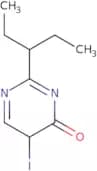
Fórmula:C9H6ClNOPureza:Min. 95%Peso molecular:179.6 g/mol5-Iodo-2-(pentan-3-yl)-3,4-dihydropyrimidin-4-one
CAS:Versatile small molecule scaffold
Fórmula:C9H13IN2OPureza:Min. 95%Peso molecular:292.12 g/molRef: 3D-NLC80919
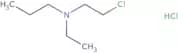
Produto descontinuadoN-(2-Chloroethyl)-N-ethylpropan-1-amine hydrochloride
CAS:Produto ControladoVersatile small molecule scaffold
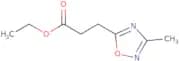
Fórmula:C7H17Cl2NPureza:Min. 95%Peso molecular:186.12 g/molEthyl 3-(3-methyl-1,2,4-oxadiazol-5-yl)propanoate
CAS:Versatile small molecule scaffold
Fórmula:C8H12N2O3Pureza:Min. 95%Peso molecular:184.19 g/mol5-Chloro-3-cyclobutyl-1,2,4-oxadiazole
CAS:Versatile small molecule scaffold
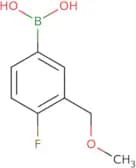
Fórmula:C6H7ClN2OPureza:Min. 95%Peso molecular:158.58 g/mol4-Fluoro-3-(methoxymethyl)phenylboronic acid
CAS:Versatile small molecule scaffold
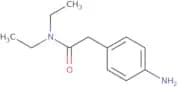
Fórmula:C8H10BFO3Pureza:Min. 95%Peso molecular:183.97 g/mol2-(4-Aminophenyl)-N,N-diethylacetamide
CAS:Versatile small molecule scaffoldFórmula:C12H18N2OPureza:Min. 95%Peso molecular:206.28 g/mol2-(Pyrrolidin-3-yl)ethanol hydrochloride
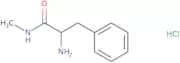
CAS:Versatile small molecule scaffoldFórmula:C6H13NO·HClPureza:Min. 95%Peso molecular:151.64 g/mol2-Amino-N-methyl-3-phenylpropanamide hydrochloride
CAS:Versatile small molecule scaffold
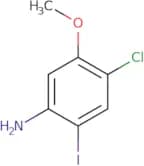
Fórmula:C10H15ClN2OPureza:Min. 95%Peso molecular:214.7 g/mol4-Chloro-2-iodo-5-methoxyaniline
CAS:Versatile small molecule scaffold
Fórmula:C7H7ClINOPureza:Min. 95%Peso molecular:283.49 g/mol9-Oxo-6,7,8,9-tetrahydro-5H-benzo[7]annulene-2-carboxylic acid
CAS:Versatile small molecule scaffoldFórmula:C12H12O3Pureza:Min. 95%Peso molecular:204.22 g/molRef: 3D-PKB95830
Produto descontinuado3-[(5-Bromopyrimidin-2-yl)oxy]benzoic acid
CAS:Versatile small molecule scaffold
Fórmula:C11H7BrN2O3Pureza:Min. 95%Peso molecular:295.09 g/mol3-(4-Aminopiperidin-1-yl)propanoic acid dihydrochloride
CAS:Versatile small molecule scaffold
Fórmula:C8H18Cl2N2O2Pureza:Min. 95%Peso molecular:245.14 g/molRef: 3D-LIC70652
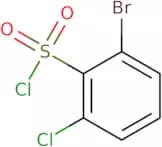
Produto descontinuado2-Bromo-6-chlorobenzene-1-sulfonyl chloride
CAS:Versatile small molecule scaffoldFórmula:C6H3BrCl2O2SPureza:Min. 95%Peso molecular:289.96 g/mol1-Oxoisoindoline-5-carbonitrile
CAS:Versatile small molecule scaffold
Fórmula:C9H6N2OPureza:Min. 95%Peso molecular:158.16 g/mol5-[3-(Trifluoromethoxy)phenyl]thiophene-2-carboxylic acid
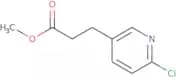
CAS:Versatile small molecule scaffoldFórmula:C12H7F3O3SPureza:Min. 95%Peso molecular:288.24 g/molMethyl 3-(6-chloropyridin-3-yl)propanoate
CAS:Versatile small molecule scaffold
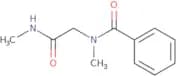
Fórmula:C9H10ClNO2Pureza:Min. 95%Peso molecular:199.63 g/molN-Methyl-2-(N-methyl-1-phenylformamido)acetamide
CAS:Versatile small molecule scaffold
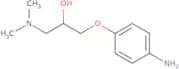
Fórmula:C11H14N2O2Pureza:Min. 95%Peso molecular:206.2 g/mol1-(4-Aminophenoxy)-3-(dimethylamino)propan-2-ol
CAS:Versatile small molecule scaffold
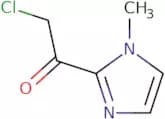
Fórmula:C11H18N2O2Pureza:Min. 95%Peso molecular:210.27 g/mol2-Chloro-1-(1-methyl-1H-imidazol-2-yl)ethan-1-one
CAS:Versatile small molecule scaffold
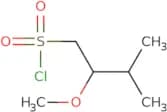
Fórmula:C6H7ClN2OPureza:Min. 95%Peso molecular:158.58 g/mol2-Methoxy-3-methylbutane-1-sulfonyl chloride
CAS:Versatile small molecule scaffold
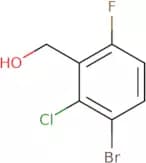
Fórmula:C6H13ClO3SPureza:Min. 95%Peso molecular:200.68 g/mol3-Bromo-2-chloro-6-fluorobenzyl alcohol
CAS:Versatile small molecule scaffold
Fórmula:C7H5BrClFOPureza:Min. 95%Peso molecular:239.47 g/molRef: 3D-JWC62856
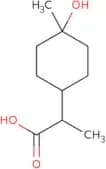
Produto descontinuado2-(4-Hydroxy-4-methylcyclohexyl)propanoic acid
CAS:Versatile small molecule scaffold
Fórmula:C10H18O3Pureza:Min. 95%Peso molecular:186.25 g/mol2,4-Dimethylfuran-3-carboxylic acid
CAS:2,4-Dimethylfuran-3-carboxylic acid is a dianion that is used as a fungicide. It has been shown to be effective against many plant diseases, including powdery mildews, rusts, and sooty molds. The methyl ester of 2,4-dimethylfuran-3-carboxylic acid can be synthesized in the laboratory from cyclohexanone and methylamine. The reactive methyl group of the dianion catalyzes the reaction with hydroxyl groups on other molecules, forming an amide or alkylating agent. This reaction occurs stereoselectively when one of the hydrogens on the carbon adjacent to the carboxylate group is also replaced by a methyl group.
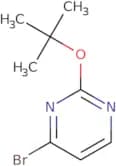
Fórmula:C7H8O3Pureza:Min. 95%Peso molecular:140.14 g/mol4-Bromo-2-(tert-butoxy)pyrimidine
CAS:Versatile small molecule scaffold
Fórmula:C8H11BrN2OPureza:Min. 95%Peso molecular:231.09 g/molEthyl 2-(piperidin-4-yloxy)acetate hydrochloride
CAS:Versatile small molecule scaffold
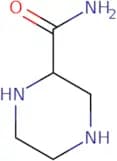
Fórmula:C9H18ClNO3Pureza:Min. 95%Peso molecular:223.7 g/molPiperazine-2-carboxamide
CAS:Piperazine-2-carboxamide is a synthetic drug that is used to treat tuberculosis. It binds to the mycolic acid of the bacterial cell wall, preventing it from forming an outer layer and disrupting its function. Piperazine-2-carboxamide also inhibits the synthesis of fatty acids and amines in bacteria, which are necessary for their survival. This drug can be synthesized by reacting piperazine with formaldehyde and acetamide.
Fórmula:C5H11N3OPureza:Min. 95%Peso molecular:129.16 g/mol[2-(1H-Indol-4-yl)ethyl]dimethylamine
CAS:Produto ControladoVersatile small molecule scaffold
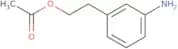
Fórmula:C12H16N2Pureza:Min. 95%Peso molecular:188.27 g/mol2-(3-Aminophenyl)ethyl acetate
CAS:Versatile small molecule scaffold
Fórmula:C10H13NO2Pureza:Min. 95%Peso molecular:179.22 g/mol3-(3-Fluorophenoxymethyl)-5H,6H,7H,8H,9H-[1,2,4]triazolo[4,3-a]azepine
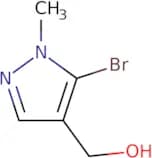
CAS:Versatile small molecule scaffoldFórmula:C14H16FN3OPureza:Min. 95%Peso molecular:261.29 g/mol(5-Bromo-1-methyl-1H-pyrazol-4-yl)methanol
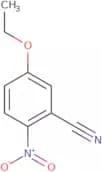
CAS:Versatile small molecule scaffoldFórmula:C5H7BrN2OPureza:Min. 95%Peso molecular:191.03 g/mol5-Ethoxy-2-nitrobenzonitrile
CAS:Versatile small molecule scaffold
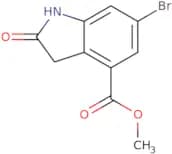
Fórmula:C9H8N2O3Pureza:Min. 95%Peso molecular:192.17 g/molMethyl 6-Bromo-2-oxo-2,3-dihydro-1H-indole-4-carboxylate
CAS:Versatile small molecule scaffoldFórmula:C10H8NO3BrPureza:Min. 95%Peso molecular:270.07 g/mol4-(Piperazin-1-yl)isoquinoline dihydrochloride
CAS:Versatile small molecule scaffold
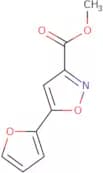
Fórmula:C13H17Cl2N3Pureza:Min. 95%Peso molecular:286.2 g/molMethyl 5-(2-furyl)isoxazole-3-carboxylate
CAS:Versatile small molecule scaffold
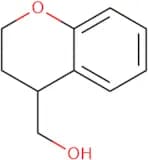
Fórmula:C9H7NO4Pureza:Min. 95%Peso molecular:193.16 g/mol3,4-Dihydro-2H-1-benzopyran-4-ylmethanol
CAS:Versatile small molecule scaffold
Fórmula:C10H12O2Pureza:Min. 95%Peso molecular:164.2 g/mol2-(2-{[(9H-Fluoren-9-yl)methoxy]carbonyl}-1,2,3,4-tetrahydroisoquinolin-1-yl)acetic acid
CAS:Versatile small molecule scaffoldFórmula:C26H23NO4Pureza:Min. 95%Peso molecular:413.5 g/molRef: 3D-QWA48355
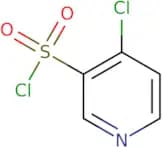
Produto descontinuado4-chloropyridine-3-sulfonyl chloride
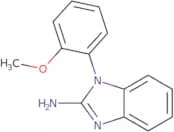
CAS:4-Chloropyridine-3-sulfonyl chloride is a thrombin inhibitor that has been discovered through the use of in vitro screening methods. It is a small molecule with lipophilic properties and oral bioavailability. This compound inhibits thrombin by binding to the active site of the enzyme, which prevents the formation of an enzyme-thrombin complex. The discovery was made using a pharmacophore-based approach and further modifications were made to improve its potency and increase its lipophilicity. This compound also exhibits an acceptable level of bioavailability in vivo, which may be due to its high solubility in water.Fórmula:C5H3Cl2NO2SPureza:Min. 95%Peso molecular:212.1 g/mol1-(2-Methoxyphenyl)-1H-1,3-benzodiazol-2-amine
CAS:Versatile small molecule scaffoldFórmula:C14H13N3OPureza:Min. 95%Peso molecular:239.27 g/mol2-Phenyl-2-[(propan-2-yl)amino]acetic acid
CAS:Versatile small molecule scaffold
Fórmula:C11H15NO2Pureza:Min. 95%Peso molecular:193.24 g/mol3-Bromo-5H,6H,8H-[1,2,4]triazolo[3,4-c][1,4]oxazine
CAS:Versatile small molecule scaffoldFórmula:C5H6BrN3OPureza:Min. 95%Peso molecular:204.02 g/molRef: 3D-HWC64136
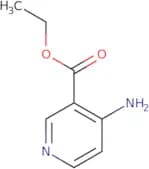
Produto descontinuadoEthyl 4-aminonicotinate
CAS:Ethyl 4-aminonicotinate is a cyclic amine with a chemical formula of C6H11NO2. It has a molecular weight of 117.07 g/mol, and its molecular structure consists of an ethyl group attached to the amino group. The molecule has three resonance peaks in the infrared spectrum at 2,617cm-1 (ν(C=O)), 1,906cm-1 ((C=N)), and 1,723 cm-1 (ν(NH)). In addition to these peaks, the molecule also has two magnetic resonance peaks at 2.24ppm (δ) and 3.38ppm (δ). This compound is soluble in water and can be used as an intermediate in organic synthesis or pharmaceuticals.
Fórmula:C8H10N2O2Pureza:Min. 95%Peso molecular:166.18 g/mol6-Methyl-5-oxa-8-azaspiro[3.5]nonane
CAS:Versatile small molecule scaffold
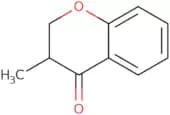
Fórmula:C8H15NOPureza:Min. 95%Peso molecular:141.21 g/mol3-Methyl-3,4-dihydro-2H-1-benzopyran-4-one
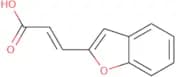
CAS:Versatile small molecule scaffoldFórmula:C10H10O2Pureza:Min. 95%Peso molecular:162.18 g/mol(2E)-3-(1-benzofuran-2-yl)prop-2-enoic acid
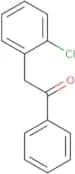
CAS:(2E)-3-(1-benzofuran-2-yl)prop-2-enoic acid is a white solid that has the chemical formula CHClO. It is soluble in chloroform, ether, and benzene. When heated to 105°C in the presence of air, it decomposes to release oxygen and carbon dioxide. (2E)-3-(1-benzofuran-2-yl)prop-2-enoic acid is used as an intermediate for organic synthesis reactions such as alkylation reactions and Friedel - Crafts reactions. Thermal analysis of this compound indicates that it has a high thermal stability with respect to thermal decomposition. (2E)-3-(1-benzofuran-2-yl)prop-2-enoic acid can be reacted with azide or diphenyl ether to form a coordination complex. This compound also reacts with potassium or phosphorus oxychloride to form oxychlorides.Fórmula:C11H8O3Pureza:Min. 95%Peso molecular:188.18 g/mol2-(2-Chlorophenyl)-1-phenylethan-1-one
CAS:Versatile small molecule scaffold
Fórmula:C14H11ClOPureza:Min. 95%Peso molecular:230.69 g/mol5-bromo-4-chloro-7-methyl-7H-pyrrolo[2,3-d]pyrimidine
CAS:Versatile small molecule scaffold
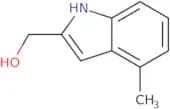
Fórmula:C7H5BrClN3Pureza:Min. 95%Peso molecular:246.5 g/mol(4-Methyl-1H-indol-2-yl)methanol
CAS:Versatile small molecule scaffold
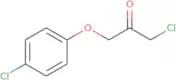
Fórmula:C10H11NOPureza:Min. 95%Peso molecular:161.2 g/mol1-Chloro-3-(4-chlorophenoxy)propan-2-one
CAS:Versatile small molecule scaffoldFórmula:C9H8Cl2O2Pureza:Min. 95%Peso molecular:219.06 g/mol1-Hydroxycyclopentane-1-carbonitrile
CAS:1-Hydroxycyclopentane-1-carbonitrile is a monomer that is hydrolyzed to form benzoin and cyanohydrins. It can be used in the production of scifinder as a monomer or dimerizer.
Fórmula:C6H9NOPureza:Min. 95%Peso molecular:111.14 g/mol4,5-Dihydro-1H-imidazol-2-amine hydrochloride
CAS:Please enquire for more information about 4,5-Dihydro-1H-imidazol-2-amine hydrochloride including the price, delivery time and more detailed product information at the technical inquiry form on this page
Fórmula:C3H7N3•HClPureza:Min. 95%Peso molecular:121.57 g/molRef: 3D-FD183639
Produto descontinuado3-Hydroxy-5-methylpyridine
CAS:3-Hydroxy-5-methylpyridine (3HMP) is a chemical substance that has been classified as an amine. It is a product of the metabolism of purines, which are nitrogenous bases found in DNA and RNA. 3HMP is produced by aerogenic bacteria (such as Enterobacter), and can be used to estimate the number of these bacteria present in water samples. 3HMP has been shown to have antiviral properties against influenza virus, and can be used as a biomarker for the presence of other viruses in animals. 3HMP also has mineralization properties, which have been studied extensively, particularly with regards to pancreatic disease.
Fórmula:C6H7NOPureza:Min. 95%Cor e Forma:PowderPeso molecular:109.13 g/molRef: 3D-FH16174
Produto descontinuado4-Chloro-2-hydroxy-6-methylphenylboronic acid
CAS:Versatile small molecule scaffoldFórmula:C7H8BClO3Pureza:Min. 95%Peso molecular:186.4 g/mol2-Bromo-3,3,3-trifluoro-1-propene
CAS:Produto Controlado2-Bromo-3,3,3-trifluoro-1-propene is a chemical compound that has been synthesized in an asymmetric reaction. The reactant is bromopropane and the product is 2,2,2-trifluoropropene. The methylene group on the propene molecule is activated by the nucleophilic attack of a fluoride ion from hydrogen fluoride to form a cavity with a highly strained bond. The kinetic study of this reaction revealed that the activation energy for the reaction is 42 kJ/mol. Palladium-catalyzed coupling reactions are catalyzed by palladium and require nonpolar solvents such as toluene or dichloromethane. This type of reaction has been shown to be exothermic with an isolated yield of 1%.
Fórmula:C3H2BrF3Pureza:Min. 95%Cor e Forma:Colorless PowderPeso molecular:174.95 g/mol8-Bromo-2-methylimidazo[1,2-a]pyridine
CAS:Versatile small molecule scaffold
Fórmula:C8H7N2BrPureza:Min. 95%Peso molecular:211.05 g/moltert-Butyl (2,2-difluoro-3-hydroxypropyl)carbamate
CAS:Versatile small molecule scaffoldFórmula:C10H13NO4Pureza:Min. 95%Peso molecular:211.21 g/mol4,5-Dihydroxy-2,3-Pentanedione
CAS:4,5-Dihydroxy-2,3-pentanedione is a carbonyl compound that is the product of the oxidation of ascorbic acid. It is used in wastewater treatment and has antimicrobial properties against infectious diseases. This compound has been shown to inhibit protein synthesis by binding to the ribosome and preventing the formation of peptide bonds between amino acids. 4,5-Dihydroxy-2,3-pentanedione has also been shown to bind to plasma proteins, which may be due to its acyl chain structure. 4,5-Dihydroxy-2,3-pentanedione can be synthesized in a catalytic mechanism that involves dehydroascorbic acid and molecular oxygen.
Fórmula:C5H8O4Pureza:Min. 95%Cor e Forma:PowderPeso molecular:132.11 g/molRef: 3D-FD180770
Produto descontinuadoPiperyline
CAS:Piperyline is an alkanoic acid that has shown to be effective against skin cancer. It also has antimicrobial properties, which may be due to its ability to bind metal ions and form polymeric compounds. Piperyline inhibits microbial growth by inhibiting the synthesis of proteins and nucleic acids. The antimicrobial activity is related to its cationic polymerization with hydroxyl groups, which forms a structure that can inhibit microbial enzymes and disrupt microbial cell membranes. This compound also interacts with the skin's natural lipids, making it difficult for microorganisms to attach and grow on the skin. Piperyline is synthesized in organic chemistry laboratories as an amide precursor of other pharmaceuticals such as penicillin.
Fórmula:C16H17NO3Pureza:Min. 95%Peso molecular:271.31 g/mol


![1-[4-Methyl-2-(4-methylphenyl)-1,3-thiazol-5-yl]ethan-1-ol](/_next/image/?url=https%3A%2Fstatic.cymitquimica.com%2Fproducts%2F3D%2Fthumb-webp%2FXZB72183.webp&w=3840&q=75)
![3-{[3-(Thiophen-3-yl)-1,2,4-oxadiazol-5-yl]methyl}thiomorpholine hydrochloride](/_next/image/?url=https%3A%2Fstatic.cymitquimica.com%2Fproducts%2F3D%2Fthumb-webp%2FYGC02770.webp&w=3840&q=75)




![9-Oxo-6,7,8,9-tetrahydro-5H-benzo[7]annulene-2-carboxylic acid](/_next/image/?url=https%3A%2Fstatic.cymitquimica.com%2Fproducts%2F3D%2Fthumb-webp%2FPKB95830.webp&w=3840&q=75)
![3-[(5-Bromopyrimidin-2-yl)oxy]benzoic acid](/_next/image/?url=https%3A%2Fstatic.cymitquimica.com%2Fproducts%2F3D%2Fthumb-webp%2FLTB37959.webp&w=3840&q=75)


![5-[3-(Trifluoromethoxy)phenyl]thiophene-2-carboxylic acid](/_next/image/?url=https%3A%2Fstatic.cymitquimica.com%2Fproducts%2F3D%2Fthumb-webp%2FLAC74775.webp&w=3840&q=75)


![[2-(1H-Indol-4-yl)ethyl]dimethylamine](/_next/image/?url=https%3A%2Fstatic.cymitquimica.com%2Fproducts%2F3D%2Fthumb-webp%2FJDA40101.webp&w=3840&q=75)
![3-(3-Fluorophenoxymethyl)-5H,6H,7H,8H,9H-[1,2,4]triazolo[4,3-a]azepine](/_next/image/?url=https%3A%2Fstatic.cymitquimica.com%2Fproducts%2F3D%2Fthumb-webp%2FQGB27246.webp&w=3840&q=75)

![2-(2-{[(9H-Fluoren-9-yl)methoxy]carbonyl}-1,2,3,4-tetrahydroisoquinolin-1-yl)acetic acid](/_next/image/?url=https%3A%2Fstatic.cymitquimica.com%2Fproducts%2F3D%2Fthumb-webp%2FQWA48355.webp&w=3840&q=75)
![2-Phenyl-2-[(propan-2-yl)amino]acetic acid](/_next/image/?url=https%3A%2Fstatic.cymitquimica.com%2Fproducts%2F3D%2Fthumb-webp%2FHXA09010.webp&w=3840&q=75)
![3-Bromo-5H,6H,8H-[1,2,4]triazolo[3,4-c][1,4]oxazine](/_next/image/?url=https%3A%2Fstatic.cymitquimica.com%2Fproducts%2F3D%2Fthumb-webp%2FHWC64136.webp&w=3840&q=75)
![6-Methyl-5-oxa-8-azaspiro[3.5]nonane](/_next/image/?url=https%3A%2Fstatic.cymitquimica.com%2Fproducts%2F3D%2Fthumb-webp%2FHJC13358.webp&w=3840&q=75)
![5-bromo-4-chloro-7-methyl-7H-pyrrolo[2,3-d]pyrimidine](/_next/image/?url=https%3A%2Fstatic.cymitquimica.com%2Fproducts%2F3D%2Fthumb-webp%2FRAC34330.webp&w=3840&q=75)





![8-Bromo-2-methylimidazo[1,2-a]pyridine](/_next/image/?url=https%3A%2Fstatic.cymitquimica.com%2Fproducts%2F3D%2Fthumb-webp%2FUXB37475.webp&w=3840&q=75)


