Building Blocks
Esta seção contém produtos fundamentais para a síntese de compostos orgânicos e biológicos. Building blocks são os materiais de partida essenciais usados para construir moléculas complexas através de várias reações químicas. Eles desempenham um papel crítico na descoberta de medicamentos, ciência dos materiais e pesquisa química. Na CymitQuimica, oferecemos uma ampla gama de building blocks de alta qualidade para apoiar suas pesquisas inovadoras e projetos industriais, garantindo que você tenha os componentes essenciais para uma síntese bem-sucedida.
Subcategorias de "Building Blocks"
- Ácidos Borónicos e Derivados de Ácido Borónico(5.756 produtos)
- Building Blocks Quirais(1.242 produtos)
- Building Blocks Hidrocarbonetos(6.095 produtos)
- Building Blocks orgânicos(61.037 produtos)
Foram encontrados 196139 produtos de "Building Blocks"
Ordenar por
Pureza (%)
0
100
|
0
|
50
|
90
|
95
|
100
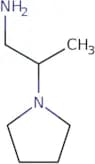
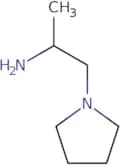
2-Pyrrolidin-1-yl-propylamine
CAS:<p>Versatile small molecule scaffold</p>Fórmula:C7H16N2Pureza:Min. 95%Peso molecular:128.22 g/mol1-Methyl-2-pyrrolidin-1-yl-ethylamine
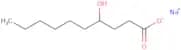
CAS:<p>Versatile small molecule scaffold</p>Fórmula:C7H16N2Pureza:Min. 95%Peso molecular:128.22 g/molSodium 4-hydroxydecanoate
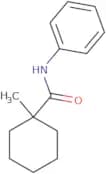
CAS:<p>Versatile small molecule scaffold</p>Fórmula:C10H19NaO3Pureza:Min. 95%Peso molecular:210.25 g/mol1-Methyl-N-phenylcyclohexane-1-carboxamide
CAS:<p>Versatile small molecule scaffold</p>Fórmula:C14H19NOPureza:Min. 95%Peso molecular:217.31 g/mol1-Bromo-3-(2-ethoxyethoxy)propane
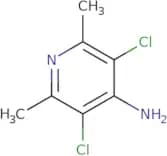
CAS:<p>Versatile small molecule scaffold</p>Fórmula:C7H15BrO2Pureza:Min. 95%Peso molecular:211.1 g/mol3,5-dichloro-2,6-dimethylpyridin-4-amine
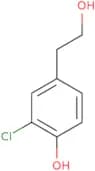
CAS:<p>3,5-Dichloro-2,6-dimethylpyridin-4-amine is a phytotoxic compound that belongs to the group of heterocyclic compounds. It has been used in hydroponic cultures as a carboxyl herbicide and for the control of clopidol-resistant weeds. The symptoms induced by 3,5-dichloro-2,6-dimethylpyridin-4-amine are similar to those observed in plants treated with picolinic acid. Ingestion of this substance can lead to symptoms such as vomiting and diarrhea. The chemical is toxic and ingestion can result in death.</p>Fórmula:C7H8N2Cl2Pureza:Min. 95%Peso molecular:191.05 g/mol2-Chloro-4-(2-hydroxyethyl)phenol
CAS:<p>Versatile small molecule scaffold</p>Fórmula:C8H9ClO2Pureza:Min. 95%Peso molecular:172.61 g/mol1-Methyl-2-{[(2-nitrophenyl)methyl]sulfanyl}-1H-imidazole
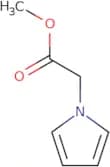
CAS:<p>Versatile small molecule scaffold</p>Fórmula:C11H11N3O2SPureza:Min. 95%Peso molecular:249.29 g/molMethyl 2-(1H-pyrrol-1-yl)acetate
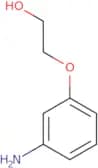
CAS:<p>Versatile small molecule scaffold</p>Fórmula:C7H9NO2Pureza:Min. 95%Peso molecular:139.15 g/mol2-(3-Aminophenoxy)ethan-1-ol
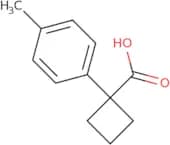
CAS:<p>2-(3-Aminophenoxy)ethan-1-ol is a nitro compound that has been synthesized from 3-aminophenol and ethyl chloroformate. The synthesis of this compound involves the use of a copper catalyst to form the nitro group. This chemical is an intermediate in the production of other nitro compounds, such as 2,4-dinitrophenol, which are used in explosives and dyes. 2-(3-Aminophenoxy)ethan-1-ol can be used as a stabilizing agent for nanoparticles because it contains amines that can bind to metal ions. It also has optical properties that can be exploited for various purposes, such as catalyzed reactions or optical studies. 2-(3-Aminophenoxy)ethan-1-ol is also useful when analyzing nitroarenes by using techniques such as chemoselective oxidation and hydrolysis.</p>Fórmula:C8H11NO2Pureza:Min. 95%Peso molecular:153.18 g/mol1-(4-Methylphenyl)cyclobutanecarboxylic acid
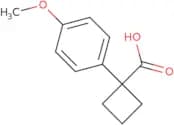
CAS:<p>Versatile small molecule scaffold</p>Fórmula:C12H14O2Pureza:Min. 95%Peso molecular:190.24 g/mol1-(4-Methoxyphenyl)cyclobutane-1-carboxylic acid
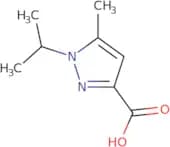
CAS:<p>Versatile small molecule scaffold</p>Fórmula:C12H14O3Pureza:Min. 95%Peso molecular:206.24 g/mol5-Methyl-1-(propan-2-yl)-1H-pyrazole-3-carboxylic acid
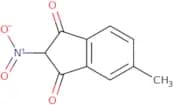
CAS:<p>Versatile small molecule scaffold</p>Fórmula:C8H12N2O2Pureza:Min. 95%Peso molecular:168.19 g/mol5-Methyl-2-nitro-2,3-dihydro-1H-indene-1,3-dione
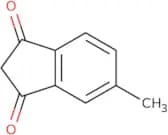
CAS:<p>Versatile small molecule scaffold</p>Fórmula:C10H7NO4Pureza:Min. 95%Peso molecular:205.17 g/mol5-Methyl-2,3-dihydro-1H-indene-1,3-dione
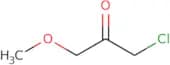
CAS:<p>Versatile small molecule scaffold</p>Fórmula:C10H8O2Pureza:Min. 95%Peso molecular:160.17 g/mol1-Chloro-3-methoxypropan-2-one
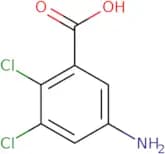
CAS:<p>Versatile small molecule scaffold</p>Fórmula:C4H7ClO2Pureza:Min. 95%Peso molecular:122.55 g/mol5-Amino-2,3-dichlorobenzoic acid
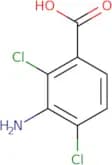
CAS:<p>Versatile small molecule scaffold</p>Fórmula:C7H5Cl2NO2Pureza:Min. 95%Peso molecular:206.02 g/mol3-Amino-2,4-dichlorobenzoic acid
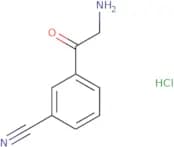
CAS:<p>3-Amino-2,4-dichlorobenzoic acid is a metabolite of malonate that inhibits the synthesis of fatty acids by inhibiting the activity of fatty acid synthetase. It has been shown to inhibit lipid accumulation in plants and may be used as an inhibitor in plant physiology experiments. 3-Amino-2,4-dichlorobenzoic acid can be applied to explants before or after treatment with test compounds to determine its inhibitory effect on fatty acid synthetase activity. 3-Amino-2,4-dichlorobenzoic acid is also a potent inhibitor of endogenous lipogenic enzymes.</p>Fórmula:C7H5Cl2NO2Pureza:Min. 95%Peso molecular:206.03 g/mol3-(2-Aminoacetyl)benzonitrile hydrochloride
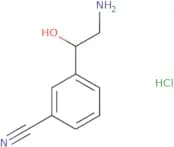
CAS:<p>Versatile small molecule scaffold</p>Fórmula:C9H9ClN2OPureza:Min. 95%Peso molecular:196.63 g/mol3-(2-Amino-1-hydroxyethyl)benzonitrile hydrochloride
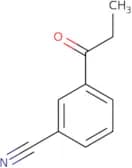
CAS:<p>Versatile small molecule scaffold</p>Fórmula:C9H11ClN2OPureza:Min. 95%Peso molecular:198.65 g/mol3-Propanoylbenzonitrile
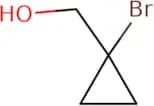
CAS:<p>Versatile small molecule scaffold</p>Fórmula:C10H9NOPureza:Min. 95%Peso molecular:159.18 g/mol(1-Bromocyclopropyl)methanol
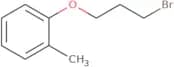
CAS:<p>Versatile small molecule scaffold</p>Fórmula:C4H7BrOPureza:Min. 95%Peso molecular:151 g/mol1-(3-Bromopropoxy)-2-methylbenzene
CAS:<p>Versatile small molecule scaffold</p>Fórmula:C10H13BrOPureza:Min. 95%Peso molecular:229.11 g/mol2-Chloro-N-[2-(2,6-dimethylphenoxy)ethyl]acetamide
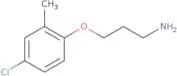
CAS:<p>Versatile small molecule scaffold</p>Fórmula:C12H16ClNO2Pureza:Min. 95%Peso molecular:241.71 g/mol1-(3-Aminopropoxy)-4-chloro-2-methylbenzene
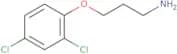
CAS:<p>Versatile small molecule scaffold</p>Fórmula:C10H14ClNOPureza:Min. 95%Peso molecular:199.68 g/mol1-(3-Aminopropoxy)-2,4-dichlorobenzene
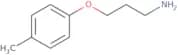
CAS:<p>Versatile small molecule scaffold</p>Fórmula:C9H11Cl2NOPureza:Min. 95%Peso molecular:220.09 g/mol3-p-Tolyloxy-propylamine
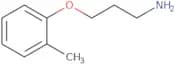
CAS:<p>Versatile small molecule scaffold</p>Fórmula:C10H15NOPureza:Min. 95%Peso molecular:165.23 g/mol3-o-Tolyloxy-propylamine
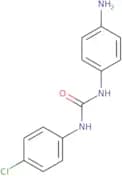
CAS:<p>Versatile small molecule scaffold</p>Fórmula:C10H15NOPureza:Min. 95%Peso molecular:165.24 g/mol3-(4-Aminophenyl)-1-(4-chlorophenyl)urea
CAS:<p>Versatile small molecule scaffold</p>Fórmula:C13H12ClN3OPureza:Min. 95%Peso molecular:261.7 g/molPyridazine-4-carboxaldehyde
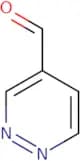
CAS:<p>Pyridazine-4-carboxaldehyde is a pyridine derivative that has been shown to have antiherpetic properties. It can be synthesized by reacting pyridazine with methyl iodide and anhydrous potassium carbonate. Pyridazine-4-carboxaldehyde is a potent inhibitor of human cytomegalovirus (HCMV) replication in cell culture, and its activity against the virus may be due to its ability to inhibit DNA synthesis and act as a cytotoxic agent. Pyridazine-4-carboxaldehyde has also been studied for its potential use in cancer treatment, with one study showing that it was able to inhibit tumor growth in mice.</p>Fórmula:C5H4N2OPureza:Min. 95%Peso molecular:108.1 g/mol2-Amino-3-hydroxy-3-(4-methoxyphenyl)propanoic acid
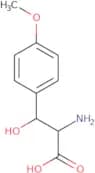
CAS:<p>Versatile small molecule scaffold</p>Fórmula:C10H13NO4Pureza:Min. 95%Peso molecular:211.21 g/molN'-Hydroxyfuran-2-carboximidamide
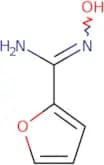
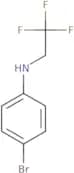
CAS:<p>N'-Hydroxyfuran-2-carboximidamide is an antibacterial agent that inhibits the growth of bacteria by binding to the 50S ribosomal subunit. It is used to treat eye infections and is also used as an adjuvant in animal vaccines. N'-Hydroxyfuran-2-carboximidamide has been shown to be effective against methicillin-resistant Staphylococcus aureus (MRSA) and Clostridium perfringens, although is not active against acid-fast bacteria such as Mycobacterium tuberculosis or Mycobacterium avium complex.</p>Fórmula:C5H6N2O2Pureza:Min. 95%Peso molecular:126.11 g/mol4-bromo-N-(2,2,2-trifluoroethyl)aniline
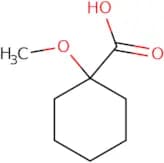
CAS:<p>Versatile small molecule scaffold</p>Fórmula:C8H7BrF3NPureza:Min. 95%Peso molecular:254 g/mol1-Methoxycyclohexane-1-carboxylic acid
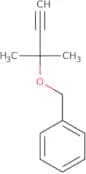
CAS:<p>1-Methoxycyclohexane-1-carboxylic acid is a potent histone deacetylase (HDAC) inhibitor. It binds to the catalytic site of HDACs and prevents them from removing acetyl groups from lysine residues on histones, which are proteins that are important for gene expression. 1-Methoxycyclohexane-1-carboxylic acid has been shown to inhibit the proliferation of recombinant cells and chronic bronchitis in animals. This compound may also be effective against other inflammatory diseases as it inhibits prostaglandin synthesis by inhibiting cyclooxygenases and nitric oxide synthases.</p>Fórmula:C8H14O3Pureza:Min. 95%Peso molecular:158.19 g/mol(((2-Methylbut-3-yn-2-yl)oxy)methyl)benzene
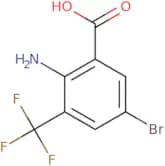
CAS:<p>Versatile small molecule scaffold</p>Fórmula:C12H14OPureza:Min. 95%Peso molecular:174.24 g/mol2-Amino-5-bromo-3-(trifluoromethyl)benzoic acid
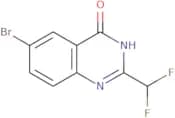
CAS:<p>Versatile small molecule scaffold</p>Fórmula:C8H5NO2F3BrPureza:Min. 95%Peso molecular:284.03 g/mol6-Bromo-2-(difluoromethyl)-3,4-dihydroquinazolin-4-one
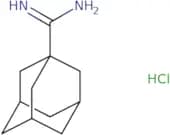
CAS:<p>Versatile small molecule scaffold</p>Fórmula:C9H5BrF2N2OPureza:Min. 95%Peso molecular:275.05 g/molAdamantane-1-carboxamidine hydrochloride
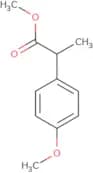
CAS:<p>Versatile small molecule scaffold</p>Fórmula:C11H19ClN2Pureza:Min. 95%Peso molecular:214.73 g/molMethyl 2-(4-methoxyphenyl)propanoate
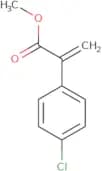
CAS:<p>Versatile small molecule scaffold</p>Fórmula:C11H14O3Pureza:Min. 95%Peso molecular:194.23 g/molMethyl 2-(4-chlorophenyl)prop-2-enoate
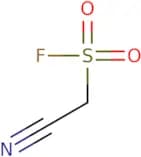
CAS:<p>Versatile small molecule scaffold</p>Fórmula:C10H9ClO2Pureza:Min. 95%Peso molecular:196.63 g/molCyanomethanesulfonyl fluoride
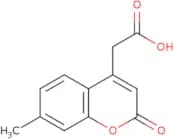
CAS:<p>Versatile small molecule scaffold</p>Fórmula:C2H2FNO2SPureza:Min. 95%Peso molecular:123.11 g/mol(7-Methyl-2-oxo-2H-chromen-4-yl)acetic acid
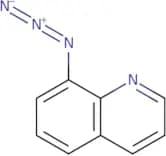
CAS:<p>(7-Methyl-2-oxo-2H-chromen-4-yl)acetic acid is a coumarin derivative that is used as a fluorescent probe to study the interaction of electron donors and acceptors. This compound has been shown to have photophysical properties, such as fluorescence and photoinduced electron transfer, which can be modulated by the presence of electron donors, such as piperidine or styryl. (7-Methyl-2-oxo-2H-chromen-4-yl)acetic acid belongs to the group of ethylenic compounds with moieties that are similar to those found in coumarin and phenothiazine.</p>Fórmula:C12H10O4Pureza:Min. 95%Peso molecular:218.21 g/mol8-Azidoquinoline
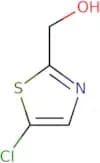
CAS:<p>8-Azidoquinoline is a chemical compound that belongs to the class of x-ray crystal structures. It has been shown to have cytotoxic effects on kidney cells in culture. 8-Azidoquinoline can be used as a precursor for the synthesis of other derivatives that are useful in cancer research, such as 8-azidopurine and 8-azidoadenosine. This chemical can also be used for cross-coupling reactions with amines, which isomerizes the ring and opens it for further reactions. The isomers of this molecule are formed by the replacement of one or more hydrogen atoms with an azide group.</p>Fórmula:C9H6N4Pureza:Min. 95%Peso molecular:170.17 g/mol(5-Chloro-1,3-thiazol-2-yl)methanol
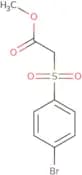
CAS:<p>Versatile small molecule scaffold</p>Fórmula:C4H4NOSClPureza:Min. 95%Peso molecular:149.59 g/molMethyl 2-(4-bromobenzenesulfonyl)acetate
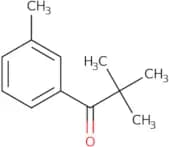
CAS:<p>Versatile small molecule scaffold</p>Fórmula:C9H9BrO4SPureza:Min. 95%Peso molecular:293.14 g/mol2,2-Dimethyl-1-m-tolylpropan-1-one
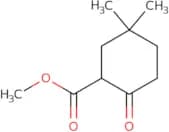
CAS:<p>Versatile small molecule scaffold</p>Fórmula:C12H16OPureza:Min. 95%Peso molecular:176.26 g/molMethyl 5,5-Dimethyl-2-oxocyclohexanecarboxylate
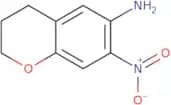
CAS:<p>Versatile small molecule scaffold</p>Fórmula:C10H16O3Pureza:Min. 95%Peso molecular:184.23 g/mol7-Nitro-3,4-dihydro-2H-chromen-6-ylamine
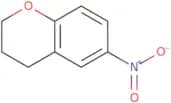
CAS:<p>Versatile small molecule scaffold</p>Fórmula:C9H10N2O3Pureza:Min. 95%Peso molecular:194.19 g/mol6-Nitro-3,4-dihydro-2H-1-benzopyran
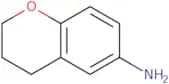
CAS:<p>Ai Product Descriptions 50 Creative</p>Fórmula:C9H9NO3Pureza:Min. 95%Peso molecular:179.17 g/mol3,4-dihydro-2H-1-benzopyran-6-amine
CAS:<p>3,4-dihydro-2H-1-benzopyran-6-amine is an olefinic, reactive chemical that is used as an excipient in the preparation of polyenes. It can be used as a reactant to form heterocycles and unsaturated fatty acids. 3,4-dihydro-2H-1-benzopyran-6-amine has been shown to inhibit platelet aggregation and has been used as a ligand for the study of chemical reactions. This drug also has a wittig reaction with amido compounds to form hydrocarbon groups.</p>Fórmula:C9H11NOPureza:Min. 95%Peso molecular:149.19 g/mol2-Amino-2-(4-methyl-1,3-thiazol-5-yl)acetic acid
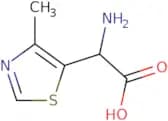
CAS:<p>Versatile small molecule scaffold</p>Fórmula:C6H8N2O2SPureza:Min. 95%Peso molecular:172.21 g/mol2-(1,3-Thiazol-5-yl)acetonitrile
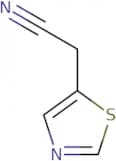
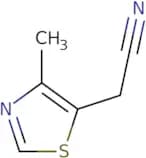
CAS:<p>Versatile small molecule scaffold</p>Fórmula:C5H4N2SPureza:Min. 95%Peso molecular:124.17 g/mol2-(4-Methyl-1,3-thiazol-5-yl)acetonitrile
CAS:<p>Versatile small molecule scaffold</p>Fórmula:C6H6N2SPureza:Min. 95%Peso molecular:138.19 g/mol2-(Dimethylamino)-4-phenyl-1,3-thiazole-5-carbaldehyde
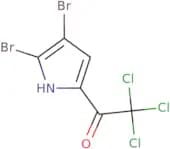
CAS:<p>Versatile small molecule scaffold</p>Fórmula:C12H12N2OSPureza:Min. 95%Peso molecular:232.3 g/mol2,2,2-Trichloro-1-(4,5-dibromo-1H-pyrrol-2-yl)-1-ethanone
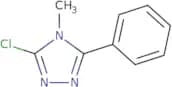
CAS:<p>Versatile small molecule scaffold</p>Fórmula:C6H2Br2Cl3NOPureza:Min. 95%Peso molecular:370.27 g/mol3-Chloro-4-methyl-5-phenyl-4H-1,2,4-triazole
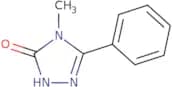
CAS:<p>Versatile small molecule scaffold</p>Fórmula:C9H8ClN3Pureza:Min. 95%Peso molecular:193.63 g/mol4-Methyl-3-phenyl-4,5-dihydro-1H-1,2,4-triazol-5-one
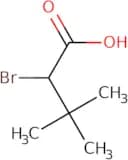
CAS:<p>Versatile small molecule scaffold</p>Fórmula:C9H9N3OPureza:Min. 95%Peso molecular:175.19 g/mol2-Bromo-3,3-dimethylbutanoic acid
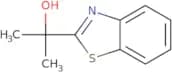
CAS:<p>Versatile small molecule scaffold</p>Fórmula:C6H11BrO2Pureza:Min. 95%Peso molecular:195.05 g/mol2-(1,3-Benzothiazol-2-yl)propan-2-ol
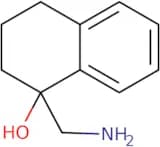
CAS:<p>2-(1,3-Benzothiazol-2-yl)propan-2-ol is an organic perchlorate. It is a white crystalline solid that has a melting point of about 5°C and a boiling point of about 170°F. The molecular weight of 2-(1,3-Benzothiazol-2-yl)propan-2-ol is 134.19 grams/mol. This substance is not hazardous to health and can be used in the production of substances such as acylation agents, carbinols, and perchloric acid.</p>Fórmula:C10H11NOSPureza:Min. 95%Peso molecular:193.27 g/mol1-(Aminomethyl)-1,2,3,4-tetrahydronaphthalen-1-ol
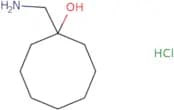
CAS:<p>Versatile small molecule scaffold</p>Fórmula:C11H15NOPureza:Min. 95%Peso molecular:177.24 g/mol1-(Aminomethyl)cyclooctan-1-ol hydrochloride
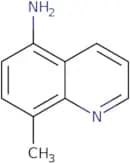
CAS:<p>Versatile small molecule scaffold</p>Fórmula:C9H20ClNOPureza:Min. 95%Peso molecular:193.7 g/mol8-Methyl-quinolin-5-ylamine
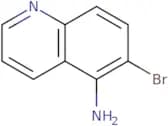
CAS:<p>8-Methylquinolin-5-ylamine is a heterocyclic compound. It is prepared by the catalytic oxidation of paraformaldehyde, which can be produced from formaldehyde and chloral hydrate or from formaldehyde and ammonium sulfate. 8-Methylquinolin-5-ylamine has been shown to have carcinogenic activity in animal studies, although it does not seem to have carcinogenic properties in humans. The carcinogenic effect may be due to its ability to induce cancer through a number of mechanisms, including binding with DNA, inhibiting DNA repair enzymes, or causing mutations in the DNA molecule. This chemical also has the potential to cause damage by forming covalent bonds with cellular macromolecules such as proteins or nucleic acids (e.g., DNA).</p>Fórmula:C10H10N2Pureza:Min. 95%Peso molecular:158.2 g/mol5-Amino-6-bromoquinoline
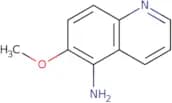
CAS:<p>Versatile small molecule scaffold</p>Fórmula:C9H7BrN2Pureza:Min. 95%Peso molecular:223.07 g/mol6-Methoxyquinolin-5-amine
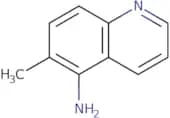
CAS:<p>6-Methoxyquinolin-5-amine is a cytotoxic drug that belongs to the class of quinoline derivatives. It has been shown to induce cell death in cancer cells through a caspase-independent mechanism. 6-Methoxyquinolin-5-amine is also able to induce autophagy, which is a process of self-digestion and recycling of cellular components. The chemical stability of 6-methoxyquinolin-5-amine is greater than that of most other cytotoxic drugs, making it an active analogue with improved pharmacokinetic properties. This compound induces apoptosis by binding to the mitochondria and inhibiting electron transport chain activity. 6-Methoxyquinolin-5-amine can also cause reactive oxygen species release, which leads to DNA damage and subsequent apoptosis induction.</p>Fórmula:C10H10N2OPureza:Min. 95%Peso molecular:174.2 g/mol6-Methyl-5-quinolinamine
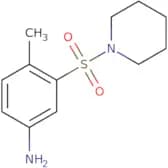
CAS:<p>6-Methyl-5-quinolinamine (6MQ) is a cationic quinolone antibacterial that inhibits bacterial growth by binding to DNA. It has been shown to inhibit the growth of bacteria, such as Escherichia coli and Staphylococcus aureus. 6MQ binds to the DNA gyrase enzyme and prevents it from unwinding the double helix, which prevents transcription and replication. The quinoline ring in this compound also contains an amine group, which is important for its antibacterial activity. 6MQ forms hydrogen bonds with the carboxylic acid groups on the surface of bacterial cells, leading to cell death.<br>6MQ can be synthesized by reacting malonate with fluorine gas in order to form an intermediate molecule, which reacts with ammonia and methyl iodide in order to form a quinoline ring.</p>Fórmula:C10H10N2Pureza:Min. 95%Peso molecular:158.2 g/mol4-Methyl-3-(piperidine-1-sulfonyl)-phenylamine
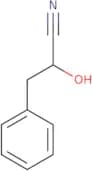
CAS:<p>Versatile small molecule scaffold</p>Fórmula:C12H18N2O2SPureza:Min. 95%Peso molecular:254.35 g/mol2-Hydroxy-3-phenylpropanenitrile
CAS:<p>2-Hydroxy-3-phenylpropanenitrile is a mesenteric extract that has been shown to have an inhibitory effect on the growth of bacteria. It is a chemical compound that is found in biological samples such as human liver, kidney, and lung. 2-Hydroxy-3-phenylpropanenitrile contains a phenyl group and a hydroxy group, which are important for its biochemical properties. It is also used as a carbon source in chemical reactions. The bacterial strain that has been studied with this compound is mesenteroides. This organism was grown in hydrolyzable media containing mandelonitrile and malonic acid, and 2-hydroxypropane nitrile was removed from the culture medium by acidic hydrolysis. This extract showed an inhibitory effect on the growth of the bacterial strain</p>Fórmula:C9H9NOPureza:Min. 95%Peso molecular:147.17 g/mol6-(Methylamino)hexan-1-ol
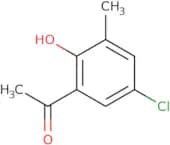
CAS:<p>Versatile small molecule scaffold</p>Fórmula:C7H17NOPureza:Min. 95%Peso molecular:131.22 g/mol1-(5-Chloro-2-hydroxy-3-methylphenyl)ethan-1-one
CAS:<p>Versatile small molecule scaffold</p>Fórmula:C9H9ClO2Pureza:Min. 95%Peso molecular:184.62 g/mol3-Bromo-2-hydroxy-5-methoxybenzenecarbaldehyde
CAS:<p>3-Bromo-2-hydroxy-5-methoxybenzenecarbaldehyde is an organic compound with the chemical formula of CHBrOH. It has an acidic character and a melting point of -220°C. This compound is used in diagnostic tests for HIV infection and inflammatory bowel disease. The hydroxyl group at the 3 position of the molecule makes this compound reactive, leading to its use as a catalyst in polymerization reactions. 3-Bromo-2-hydroxy-5-methoxybenzenecarbaldehyde also has protease activity, which may be due to the presence of nitrogen atoms on its structure.</p>Fórmula:C8H7BrO3Pureza:Min. 95%Peso molecular:231.05 g/molDiethyl({2-[(2-methylpropyl)amino]ethyl})amine
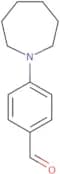
CAS:<p>Versatile small molecule scaffold</p>Fórmula:C10H24N2Pureza:Min. 95%Peso molecular:172.31 g/mol4-(Azepan-1-yl)benzaldehyde
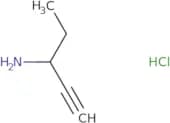
CAS:<p>Versatile small molecule scaffold</p>Fórmula:C13H17NOPureza:Min. 95%Peso molecular:203.28 g/molPent-1-yn-3-amine hydrochloride
CAS:<p>Versatile small molecule scaffold</p>Fórmula:C5H10ClNPureza:Min. 95%Peso molecular:119.59 g/mol2-[(4-Methyl-1,3-thiazol-2-yl)methyl]pyridine dihydrochloride
CAS:<p>Versatile small molecule scaffold</p>Fórmula:C10H12Cl2N2SPureza:Min. 95%Peso molecular:263.19 g/mol4-[2-(Dimethylamino)ethyl]benzene-1,2-diol hydrobromide
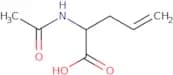
CAS:<p>4-[2-(Dimethylamino)ethyl]benzene-1,2-diol hydrobromide (DMAB) is a potent and selective inhibitor of cocaine-induced chronotropic and pressor responses in rats. DMAB also inhibits the release of dopamine from rat brain nerve endings. In addition, it has been shown to inhibit the binding of cocaine to ganglionic nerve endings and bulbocapnine receptors. The drug appears to be well tolerated following oral administration in animals, as no changes in blood pressure or heart rate were observed.</p>Fórmula:C10H16BrNO2Pureza:Min. 95%Peso molecular:262.14 g/mol2-Acetamidopent-4-enoic acid
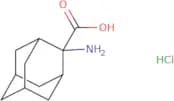
CAS:<p>Versatile small molecule scaffold</p>Fórmula:C7H11NO3Pureza:Min. 95%Peso molecular:157.17 g/mol2-Aminoadamantane-2-carboxylic acid hydrochloride
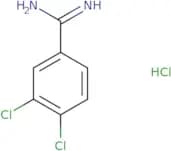
CAS:<p>Versatile small molecule scaffold</p>Fórmula:C11H18ClNO2Pureza:Min. 95%Cor e Forma:PowderPeso molecular:231.72 g/mol3,4-Dichlorobenzene-1-carboximidamide hydrochloride
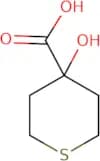
CAS:<p>Versatile small molecule scaffold</p>Fórmula:C7H7Cl3N2Pureza:Min. 95%Peso molecular:225.5 g/mol4-Hydroxythiane-4-carboxylic acid
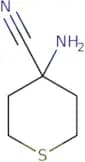
CAS:<p>Versatile small molecule scaffold</p>Fórmula:C6H10O3SPureza:Min. 95%Peso molecular:162.21 g/mol4-Aminotetrahydro-2H-thiopyran-4-carbonitrile
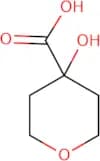
CAS:<p>Versatile small molecule scaffold</p>Fórmula:C6H10N2SPureza:Min. 95%Peso molecular:142.22 g/mol4-hydroxytetrahydro-2H-pyran-4-carboxylic acid
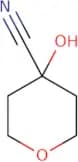
CAS:<p>Versatile small molecule scaffold</p>Fórmula:C6H10O4Pureza:Min. 95%Peso molecular:146.14 g/mol4-Hydroxytetrahydro-2H-pyran-4-carbonitrile
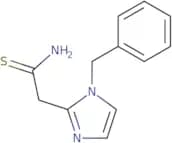
CAS:<p>Versatile small molecule scaffold</p>Fórmula:C6H9NO2Pureza:Min. 95%Peso molecular:127.14 g/mol2-(1-Benzyl-1H-imidazol-2-yl)ethanethioamide
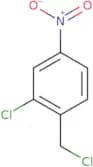
CAS:<p>Versatile small molecule scaffold</p>Fórmula:C12H13N3SPureza:Min. 95%Peso molecular:231.32 g/mol2-Chloro-1-(chloromethyl)-4-nitrobenzene
CAS:<p>2-Chloro-1-(chloromethyl)-4-nitrobenzene is a silver salt used in the manufacture of photographic emulsions. It is prepared by reacting 2-chloro-3-nitropyridine with silver nitrate. The reaction produces a white precipitate that can be recrystallized from water or ethanol. This compound has been shown to be an effective antimicrobial agent against bacteria and fungi, and can be used to prevent the growth of mould on photographic film.</p>Fórmula:C7H5Cl2NO2Pureza:Min. 95%Peso molecular:206.02 g/mol4,5-Dichloro-2-hydroxybenzoic acid
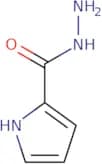
CAS:<p>Versatile small molecule scaffold</p>Fórmula:C7H4Cl2O3Pureza:Min. 95%Peso molecular:207.01 g/mol1H-pyrrole-2-carbohydrazide
CAS:<p>1H-Pyrrole-2-carbohydrazide is an antimicrobial agent that belongs to the group of synthetic compounds. It can be synthesized by the cross-coupling reaction of anilines with halides, diastereomeric products being formed. The reaction product is purified by preparative high performance liquid chromatography (prep HPLC) and tested for antimycobacterial activity in vitro. 1H-pyrrole-2-carbohydrazide has been shown to inhibit the growth of Mycobacterium tuberculosis and Mycobacterium avium complex at a concentration of 10 μM. This compound also inhibits the synthesis of proteins and nucleic acids, which are essential for bacterial growth.</p>Fórmula:C5H7N3OPureza:Min. 95%Peso molecular:125.13 g/mol4-Hydroxy-1H,2H-pyrrolo[1,2-d][1,2,4]triazin-1-one
CAS:<p>Versatile small molecule scaffold</p>Fórmula:C6H5N3O2Pureza:Min. 95%Peso molecular:151.12 g/molPyrrolo[1,2-d][1,2,4]triazin-1(2H)-one
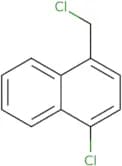
CAS:<p>Pyrrolo[1,2-b][1,2,4]triazin-1(2H)-one is a synthetic compound that inhibits the growth of cancer cells and can be used for the treatment of reperfusion injury. It has been shown to have significant inhibitory activity against inflammatory diseases and neurodegenerative diseases. Pyrrolo[1,2-b][1,2,4]triazin-1(2H)-one has also been found to inhibit the production of cytokines in response to bacterial stimulation. This compound binds reversibly to the active site of enzymes such as escherichia coli ribonucleoside diphosphate reductase (RNR), which prevents the conversion of ribonucleotide triphosphates into deoxyribonucleotide triphosphates. This inhibits DNA synthesis and leads to cell death. Pyrrolo[1,2-b][1,2,4]triaz</p>Fórmula:C6H5N3OPureza:Min. 95%Peso molecular:135.12 g/mol1-Chloro-4-(chloromethyl)naphthalene
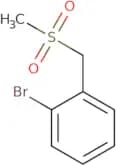
CAS:<p>Versatile small molecule scaffold</p>Fórmula:C11H8Cl2Pureza:Min. 95%Peso molecular:211.08 g/mol1-Bromo-2-((methylsulfonyl)methyl)benzene
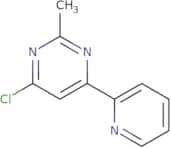
CAS:<p>Versatile small molecule scaffold</p>Fórmula:C8H9BrO2SPureza:Min. 95%Peso molecular:249.12 g/mol4-Chloro-2-methyl-6-(pyridin-2-yl)pyrimidine
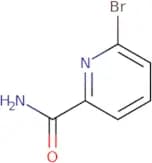
CAS:<p>Versatile small molecule scaffold</p>Fórmula:C10H8ClN3Pureza:Min. 95%Peso molecular:205.64 g/mol6-Bromopyridine-2-carboxamide
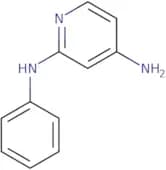
CAS:<p>6-Bromopyridine-2-carboxamide is a dibenzazepine and an azacycle. It is used to study its affinity for the dopamine receptors, sodium channels, and histamine receptors. 6-Bromopyridine-2-carboxamide has been shown to block histamine receptors in the rat brain. This drug also has affinity for sodium channels and blocks them at lower concentrations than other drugs. Functional assays have demonstrated that 6-bromopyridine-2-carboxamide is a functional blocker of the ion channel receptor in human erythrocytes.</p>Fórmula:C6H5BrN2OPureza:Min. 95%Peso molecular:201.02 g/molN-2-Phenylpyridine-2,4-diamine
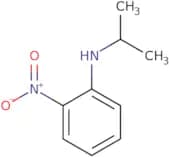
CAS:<p>Versatile small molecule scaffold</p>Fórmula:C11H11N3Pureza:Min. 95%Peso molecular:185.22 g/molIsopropyl-(2-nitro-phenyl)-amine
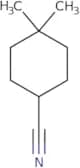
CAS:<p>Versatile small molecule scaffold</p>Fórmula:C9H12N2O2Pureza:Min. 95%Peso molecular:180.21 g/mol4,4-Dimethylcyclohexane-1-carbonitrile
CAS:<p>Versatile small molecule scaffold</p>Fórmula:C9H15NPureza:Min. 95%Peso molecular:137.22 g/mol2-[4-(3-Chlorophenyl)piperazin-1-yl]acetonitrile
CAS:<p>Versatile small molecule scaffold</p>Fórmula:C12H14ClN3Pureza:Min. 95%Peso molecular:235.71 g/mol6-(1H-Indol-3-yl)hexanoic acid
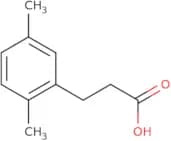
CAS:<p>Versatile small molecule scaffold</p>Fórmula:C14H17NO2Pureza:Min. 95%Peso molecular:231.29 g/mol3-(2,5-Dimethylphenyl)propionic acid
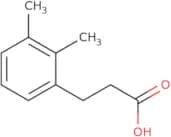
CAS:<p>3-(2,5-Dimethylphenyl)propionic acid is a cytotoxic agent that belongs to the group of carboxamides. It is lipophilic and has been shown to be effective against colon tumor cells in vivo. 3-(2,5-Dimethylphenyl)propionic acid binds to DNA chains and inhibits cellular proliferation by inhibiting the synthesis of nucleic acids. This agent also inhibits the activity of topoisomerases I and II, which are enzymes that are necessary for DNA replication and transcription. 3-(2,5-Dimethylphenyl)propionic acid has been shown to have a high cytotoxic potency in vitro but low potency against cultured human cells.</p>Fórmula:C11H14O2Pureza:Min. 95%Peso molecular:178.23 g/mol3-(2',3'-Dimethylphenyl)propionic acid
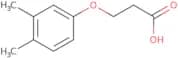
CAS:<p>3-(2',3'-Dimethylphenyl)propionic acid is a prostaglandin compound that inhibits the production of vasoconstricting and vasodilating substances. It belongs to the class of amide, benzoic acid, and azacyclic compounds. The structural formula is CHCOOH. 3-(2',3'-Dimethylphenyl)propionic acid inhibits the response of cells to agonists such as histamine, serotonin, and bradykinin by binding to specific receptors on cell surfaces called integrins. This compound has been shown to have vasospastic effects in patients with Raynaud's phenomenon or other diseases involving vasospasm. 3-(2',3'-Dimethylphenyl)propionic acid also has thrombotic effects due to its inhibition of blood coagulation factors IIa and Xa.</p>Fórmula:C11H14O2Pureza:Min. 95%Peso molecular:178.23 g/mol3-(3,4-Dimethylphenoxy)propanoic acid
CAS:<p>Versatile small molecule scaffold</p>Fórmula:C11H14O3Pureza:Min. 95%Peso molecular:194.23 g/mol


![1-Methyl-2-{[(2-nitrophenyl)methyl]sulfanyl}-1H-imidazole](/_next/image/?url=https%3A%2Fstatic.cymitquimica.com%2Fproducts%2F3D%2Fthumb-webp%2FACA96881.webp&w=3840&q=75)
![2-Chloro-N-[2-(2,6-dimethylphenoxy)ethyl]acetamide](/_next/image/?url=https%3A%2Fstatic.cymitquimica.com%2Fproducts%2F3D%2Fthumb-webp%2FACA91175.webp&w=3840&q=75)


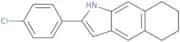
![Diethyl({2-[(2-methylpropyl)amino]ethyl})amine](/_next/image/?url=https%3A%2Fstatic.cymitquimica.com%2Fproducts%2F3D%2Fthumb-webp%2FACA34206.webp&w=3840&q=75)
![2-[(4-Methyl-1,3-thiazol-2-yl)methyl]pyridine dihydrochloride](/_next/image/?url=https%3A%2Fstatic.cymitquimica.com%2Fproducts%2F3D%2Fthumb-webp%2FACA31070.webp&w=3840&q=75)
![4-[2-(Dimethylamino)ethyl]benzene-1,2-diol hydrobromide](/_next/image/?url=https%3A%2Fstatic.cymitquimica.com%2Fproducts%2F3D%2Fthumb-webp%2FACA30953.webp&w=3840&q=75)

![4-Hydroxy-1H,2H-pyrrolo[1,2-d][1,2,4]triazin-1-one](/_next/image/?url=https%3A%2Fstatic.cymitquimica.com%2Fproducts%2F3D%2Fthumb-webp%2FACA26988.webp&w=3840&q=75)
![Pyrrolo[1,2-d][1,2,4]triazin-1(2H)-one](/_next/image/?url=https%3A%2Fstatic.cymitquimica.com%2Fproducts%2F3D%2Fthumb-webp%2FACA26986.webp&w=3840&q=75)
![2-[4-(3-Chlorophenyl)piperazin-1-yl]acetonitrile](/_next/image/?url=https%3A%2Fstatic.cymitquimica.com%2Fproducts%2F3D%2Fthumb-webp%2FABA17891.webp&w=3840&q=75)