Building Blocks
Subcategorias de "Building Blocks"
- Ácidos Borónicos e Derivados de Ácido Borónico(5.774 produtos)
- Building Blocks Quirais(1.237 produtos)
- Building Blocks Hidrocarbonetos(6.098 produtos)
- Building Blocks orgânicos(60.969 produtos)
Foram encontrados 205134 produtos de "Building Blocks"
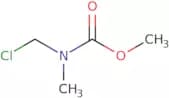
Methyl N-(chloromethyl)-N-methylcarbamate
CAS:Versatile small molecule scaffold
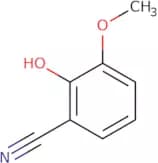
Fórmula:C4H8ClNO2Pureza:Min. 95%Peso molecular:137.56 g/mol2-Hydroxy-3-methoxybenzenecarbonitrile
CAS:2-Hydroxy-3-methoxybenzenecarbonitrile (2HMB) is a reagent that is used in the synthesis of benzofurans. It is an analog of 2,2'-dichlorodiethyl carbonate. The reaction mechanism involves the conversion of 2HMB to 2-chloro-3-methoxybenzenecarbonitrile, followed by the elimination of chloride to yield 3-hydroxybenzofuran. This reagent also has the ability to catalyze reactions such as demethylation and alkylations.
Fórmula:C8H7NO2Pureza:Min. 95%Peso molecular:149.15 g/molMethyl[1-(4-methylphenyl)butan-2-yl]amine
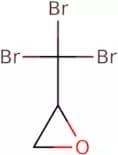
CAS:Produto ControladoVersatile small molecule scaffoldFórmula:C12H19NPureza:Min. 95%Peso molecular:177.29 g/mol2-(Tribromomethyl)oxirane
CAS:Versatile small molecule scaffold
Fórmula:C3H3Br3OPureza:Min. 95%Peso molecular:294.77 g/molRef: 3D-GAA82497
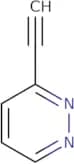
Produto descontinuado3-Ethynylpyridazine
CAS:3-Ethynylpyridazine is a nonlinear crystal compound that belongs to the group of chemical compounds. It has been synthesized and expressed as a liquid crystal, and has been characterized by X-ray diffraction. 3-Ethynylpyridazine is an anhydrous solid that can be used as a catalyst in organic synthesis, or as a starting material for the production of medicines, such as hydroxide or hydrogenated toluene. 3-Ethynylpyridazine can also be used in the production of pharmaceutical intermediates and other organic chemicals.
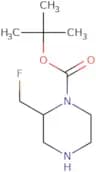
Pureza:Min. 95%1-N-Boc-2-fluoromethylpiperazine
CAS:Versatile small molecule scaffold
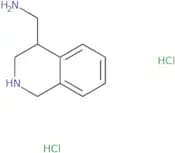
Fórmula:C10H19FN2O2Pureza:Min. 95%Peso molecular:218.27 g/mol(1,2,3,4-Tetrahydroisoquinolin-4-yl)methanamine dihydrochloride
CAS:Versatile small molecule scaffold
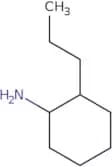
Fórmula:C10H16Cl2N2Pureza:Min. 95%Peso molecular:235.15 g/mol2-Propylcyclohexan-1-amine
CAS:2-Propylcyclohexan-1-amine is a hydrogenation reaction intermediate that is produced by the thermodynamic equilibrium of cyclohexanone. It is a colorless liquid that has an amine odor. 2-Propylcyclohexan-1-amine can be used as a solvent and as a reactant in industrial processes. The phosphide ion, P, in this compound can be oxidized to form phosphoric acid with heat or light. This reaction has an activation energy (Ea) of 78 kJ/mol and produces hydrogen gas and the corresponding acid from 2-propyclohexanone. The bond cleavage reaction between phosphine and cyclohexane has an Ea of 54 kJ/mol and produces hydrogen gas, phosphate ions, and the corresponding alcohol.
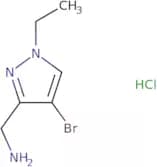
Fórmula:C9H19NPureza:Min. 95%Peso molecular:141.25 g/mol(4-Bromo-1-ethyl-1H-pyrazol-3-yl)methanamine hydrochloride
CAS:Versatile small molecule scaffold
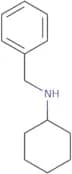
Fórmula:C6H11BrClN3Pureza:Min. 95%Peso molecular:240.53 g/molN-Benzylcyclohexanamine
CAS:N-Benzylcyclohexanamine is a protected cyclohexylamine and is soluble in organic solvents such as benzene and chloroform, but insoluble in water.
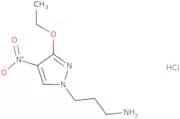
Fórmula:C13H19NPureza:Min. 95%Cor e Forma:Clear LiquidPeso molecular:189.3 g/mol3-(3-Ethoxy-4-nitro-1H-pyrazol-1-yl)propan-1-amine hydrochloride
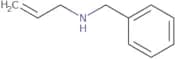
CAS:Versatile small molecule scaffoldFórmula:C8H15ClN4O3Pureza:Min. 95%Peso molecular:250.68 g/molN-Allylbenzylamine
CAS:N-Allylbenzylamine is an aliphatic hydrocarbon that is found in a variety of natural sources, including peanuts. It has shown anticancer activity against certain cell lines and may be useful in the treatment of cancer. N-Allylbenzylamine reacts with primary amines to form reaction products such as benzyl amine, which is used as a polymerization initiator in the production of polyurethane. The β-amino acid group can be incorporated into proteins by substitution with an amino acid side chain and is important for bone metabolism. N-Allylbenzylamine has also been shown to have anti-inflammatory properties due to its ability to inhibit prostaglandin synthesis.
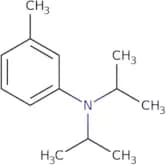
Fórmula:C10H13NPureza:Min. 95%Peso molecular:147.22 g/mol3-Methyl-N,N-bis(propan-2-yl)aniline
CAS:Versatile small molecule scaffold
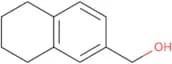
Fórmula:C13H21NPureza:Min. 95%Peso molecular:191.31 g/mol(5,6,7,8-Tetrahydronaphthalen-2-yl)methanol
CAS:(5,6,7,8-Tetrahydronaphthalen-2-yl)methanol is a hexacyclic molecule that is used as an intermediate in the production of drugs. It can also be used as a precursor for the synthesis of various nitrogen compounds. This compound has potent inducers of cytochrome P450 and hydroxylase enzymes. This product is also considered to be carcinogenic and has been shown to cause tumors in rats when given orally.
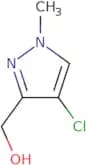
Fórmula:C11H14OPureza:Min. 95%Peso molecular:162.23 g/mol(4-Chloro-1-methyl-1H-pyrazol-3-yl)methanol
CAS:Versatile small molecule scaffold
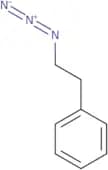
Fórmula:C5H7ClN2OPureza:Min. 95%Peso molecular:146.57 g/mol(2-Azidoethyl)benzene
CAS:2-Azidoethylbenzene is a coumarin derivative that has been identified as an important bioactive molecule. It is synthesized by the reaction of azides and benzene using a reaction solution. The compound reacts with hydroxyl groups to form a C-N bond, which may be responsible for its biological activity. 2-Azidoethylbenzene has been shown to have anti-leukemia effects in radiation-sensitive leukemia cells. It also has vasodilatory properties that may be related to the increase in blood pressure induced by the compound. 2-Azidoethylbenzene has also been shown to be effective against hypoxia inducible factors such as HIF1α, which are proteins involved in cell growth and proliferation.
Fórmula:C8H9N3Pureza:Min. 95%Peso molecular:147.18 g/mol3-(3-Bromophenyl)-1,2-oxazole-5-carboxylic acid
CAS:Versatile small molecule scaffold
Fórmula:C10H6BrNO3Pureza:Min. 95%Peso molecular:268.06 g/mol3-[(4-Amino-1H-pyrazol-1-yl)methyl]-4-methoxybenzoic acid hydrochloride
CAS:Versatile small molecule scaffold
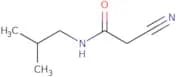
Fórmula:C12H14ClN3O3Pureza:Min. 95%Peso molecular:283.71 g/mol2-Cyano-N-(2-methylpropyl)acetamide
CAS:Versatile small molecule scaffold
Fórmula:C7H12N2OPureza:Min. 95%Peso molecular:140.18 g/mol1,7,7-Trimethylspiro[bicyclo[2.2.1]heptane-2,4'-imidazolidine]-2',5'-dione
CAS:Versatile small molecule scaffold
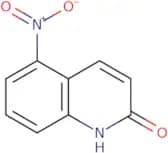
Fórmula:C12H18N2O2Pureza:Min. 95%Peso molecular:222.28 g/mol5-Nitro-1H-quinolin-2-one
CAS:Versatile small molecule scaffold
Fórmula:C9H6N2O3Pureza:Min. 95%Peso molecular:190.16 g/mol1-Bromodocosane
CAS:1-Bromodocosane is a microcapsule that is used as an antimicrobial agent. It consists of a water-soluble polymer, polyvinyl alcohol, which forms a shell around the active ingredient, 1-bromodocosane. The brominated derivative of docosane has been shown to have a profound effect on aliphatic hydrocarbons in plant physiology.
Fórmula:C22H45BrPureza:Min. 95%Peso molecular:389.5 g/mol3-Chloro-±-methylbenzyl Alcohol
CAS:3-Chloro-±-methylbenzyl Alcohol is an alcohol that can be used as a biocatalyst. It is chiral and has been shown to be an efficient catalyst for the asymmetric synthesis of (R)-2,3-butanediol in the presence of saccharomyces cerevisiae. This compound has also been shown to be an effective optical resolution agent, with a high optical purity and excellent stability in organic solvents. 3-Chloro-±-methylbenzyl Alcohol is useful in the catalyzed conversion of glucose into ethanol, which is a dry weight procedure that does not require water or addition of cosubstrate.
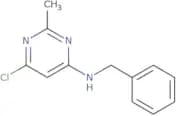
Fórmula:C8H9ClOPureza:Min. 95%Peso molecular:156.61 g/molN-Benzyl-6-chloro-2-methyl-4-pyrimidinamine
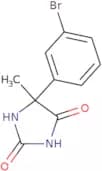
CAS:Versatile small molecule scaffoldFórmula:C12H12ClN3Pureza:Min. 95%Peso molecular:233.69 g/mol5-(3-Bromo-phenyl)-5-methyl-imidazolidine-2,4-dione
CAS:Versatile small molecule scaffold
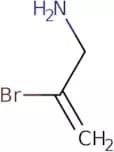
Fórmula:C10H9BrN2O2Pureza:Min. 95%Peso molecular:269.1 g/mol2-Bromo-allylamine
CAS:2-Bromo-allylamine is an inorganic compound that can be used as a synthetic intermediate for organic synthesis. It has been used to synthesize a variety of compounds, such as pharmaceuticals and agrochemicals. The bromide group is attached to the amine group through an ether bond. Bromoallylation is a chemoenzymatic reaction system that uses 2-bromo-allylamine as an intermediate.
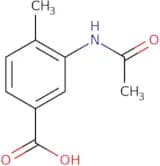
2-Bromo-allylamine can also be synthesized by reacting allyl chloride with bromine or chlorodibromomethane in the presence of catalysts such as copper(II) acetate and sodium methoxide. This reaction has been shown to be able to produce 2-bromo-allylamine in high yield without any side reactions.Fórmula:C3H6BrNPureza:Min. 95%Peso molecular:135.99 g/mol3-Acetamido-4-methylbenzoic acid
CAS:3-Acetamido-4-methylbenzoic acid is a product of organic synthesis. It is an amide compound and is synthesized by the condensation reaction of cyanamide and aniline. 3-Acetamido-4-methylbenzoic acid has been used in the synthesis of medicines such as nilotinib, which is a tyrosine kinase inhibitor that blocks cancer cell growth.
Fórmula:C10H11NO3Pureza:Min. 95%Peso molecular:193.2 g/mol1-{[1-(Difluoromethyl)-1H-pyrazol-5-yl]methyl}piperazine hydrochloride
CAS:Produto ControladoVersatile small molecule scaffold
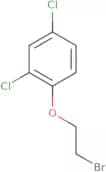
Fórmula:C9H15ClF2N4Pureza:Min. 95%Peso molecular:252.69 g/mol1-(2-Bromoethoxy)-2,4-dichlorobenzene
CAS:Versatile small molecule scaffold
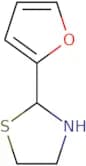
Fórmula:C8H7BrCl2OPureza:Min. 95%Peso molecular:269.96 g/mol2-(Furan-2-yl)-1,3-thiazolidine
CAS:2-(Furan-2-yl)-1,3-thiazolidine is a chemical compound that is used as a reagent in organic synthesis. It has been shown to be an efficient sulfur-promoted atom transfer agent for the aerobic oxidation of thiols, such as cysteine. 2-(Furan-2-yl)-1,3-thiazolidine has also been studied as a catalyst in the formation of microemulsions. The catalytic activity of this molecule may be enhanced by its ability to form structured intermediates at the interface between water and oil phases. This reaction product is stable enough to withstand repeated phase changes and can be used for the production of glycols from diols.
Fórmula:C7H9NOSPureza:Min. 95%Peso molecular:155.22 g/mol2-(4-Bromo-2-methylphenoxy)acetic acid
CAS:2-(4-Bromo-2-methylphenoxy)acetic acid is a sulfonated phenolic compound that is synthesized by the sulfurylation of 2-methylphenoxyacetic acid with sulfuryl chloride. It has been used as a chemical intermediate in the synthesis of various drugs, such as triethanolamine. 2-(4-Bromo-2-methylphenoxy)acetic acid can also be used to produce fluorinated compounds, such as pentafluoropropionic and hexafluoroacetic acids. The chlorination reaction is an efficient method for the production of this compound.
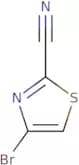
Fórmula:C9H9BrO3Pureza:Min. 95%Peso molecular:245.08 g/mol4-Bromo-2-thiazolecarbonitrile
CAS:Versatile small molecule scaffold
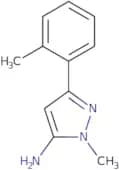
Fórmula:C4HBrN2SPureza:Min. 95%Peso molecular:189.03 g/mol2-Methyl-5-(2-methylphenyl)pyrazol-3-amine
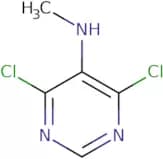
CAS:Versatile small molecule scaffoldFórmula:C11H13N3Pureza:Min. 95%Peso molecular:187.25 g/mol4,6-dichloro-N-methylpyrimidin-5-amine
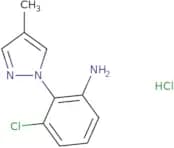
CAS:Versatile small molecule scaffoldFórmula:C5H5Cl2N3Pureza:Min. 95%Peso molecular:178 g/mol3-Chloro-2-(4-methyl-1H-pyrazol-1-yl)aniline hydrochloride
CAS:Versatile small molecule scaffold
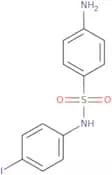
Fórmula:C10H11Cl2N3Pureza:Min. 95%Peso molecular:244.12 g/mol4-Amino-N-(4-iodophenyl)benzene-1-sulfonamide
CAS:Versatile small molecule scaffold
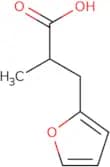
Fórmula:C12H11IN2O2SPureza:Min. 95%Peso molecular:374.2 g/mol3-(Furan-2-yl)-2-methylpropanoic acid
CAS:Versatile small molecule scaffold
Fórmula:C8H10O3Pureza:Min. 95%Peso molecular:154.16 g/mol1,2,4-Triazolo[4,3-a]pyridin-3(2H)-one
CAS:1,2,4-Triazolo[4,3-a]pyridin-3(2H)-one is a potent inhibitor of the enzyme c-glycosylase. This compound has been used in pharmaceutical preparations and as a feedstock in organic syntheses. It is used to produce the anti-inflammatory drug piroxicam, which inhibits the action of cyclooxygenase and blocks the synthesis of prostaglandins. 1,2,4-Triazolo[4,3-a]pyridin-3(2H)-one also has been shown to inhibit crystallization of the bovine liver enzyme phosphatidylcholine:cholesterol acyltransferase (PCAT). The inhibition was found to be competitive with respect to PCAT substrate and was not due to inhibition of PCAT by 1,2,4-triazolo[4,3-a]pyridin-3(
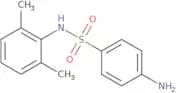
Fórmula:C6H5N3OPureza:Min. 95%Peso molecular:135.13 g/mol4-Amino-N-(2,6-dimethylphenyl)benzenesulfonamide
CAS:Versatile small molecule scaffold
Fórmula:C14H16N2O2SPureza:Min. 95%Peso molecular:276.36 g/mol1-(4-Methoxyphenyl)-2-methylpropan-2-amine
CAS:Produto ControladoVersatile small molecule scaffold
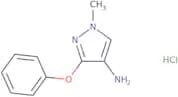
Fórmula:C11H17NOPureza:Min. 95%Peso molecular:179.26 g/mol1-Methyl-3-phenoxy-1H-pyrazol-4-amine hydrochloride
CAS:Versatile small molecule scaffold
Fórmula:C10H12ClN3OPureza:Min. 95%Peso molecular:225.67 g/mol(1-Cyclohexyl-1H-pyrazol-4-yl)methanol
CAS:Versatile small molecule scaffold
Fórmula:C10H16N2OPureza:Min. 95%Peso molecular:180.2 g/molRef: 3D-LJB13599
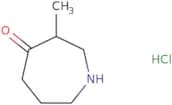
Produto descontinuado3-Methylazepan-4-one Hydrochloride
CAS:Versatile small molecule scaffold
Fórmula:C7H13NO·HClPureza:Min. 95%Peso molecular:163.64 g/molRef: 3D-GCA51523
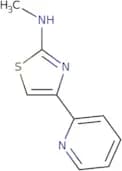
Produto descontinuadoN-Methyl-4-(pyridin-2-yl)-1,3-thiazol-2-amine
CAS:Versatile small molecule scaffold
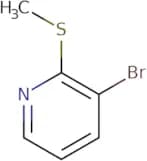
Fórmula:C9H9N3SPureza:Min. 95%Peso molecular:191.26 g/mol3-Bromo-2-(methylthio)pyridine
CAS:Versatile small molecule scaffold
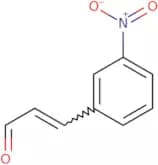
Fórmula:C6H6BrNSPureza:Min. 95%Peso molecular:204.09 g/mol3-(3-Nitrophenyl)acrylaldehyde
CAS:3-(3-Nitrophenyl)acrylaldehyde is an organic compound that belongs to the class of aldehydes. It is used in the synthesis of halogenated compounds, such as dibromohexane, and in organic chemistry as a building block for the preparation of hydrophobic compounds. 3-(3-Nitrophenyl)acrylaldehyde reacts with benzene in an aldol condensation reaction to form 2,4-dinitrobenzaldehyde. This reaction may be catalyzed by acid or base. The efficiency of this reaction is increased when it is carried out at lower temperatures and higher pressures. The ring-opening reaction of 3-(3-nitrophenyl)acrylaldehyde with methanal also proceeds efficiently at lower temperatures and higher pressures.
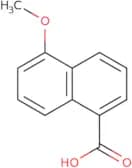
Fórmula:C9H7NO3Pureza:Min. 95%Peso molecular:177.16 g/mol5-Methoxy-1-naphthoic acid
CAS:Versatile small molecule scaffold
Fórmula:C12H10O3Pureza:Min. 95%Peso molecular:202.21 g/mol2-[(4-Methylphenyl)methoxy]acetic acid
CAS:Versatile small molecule scaffold
Fórmula:C10H12O3Pureza:Min. 95%Peso molecular:180.2 g/mol1,4-Diazabicyclo[3.2.2]nonan-3-one
CAS:Versatile small molecule scaffold
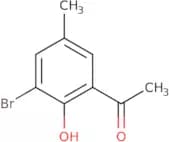
Fórmula:C7H12N2OPureza:Min. 95%Peso molecular:140.19 g/mol1-(3-Bromo-2-hydroxy-5-methylphenyl)ethan-1-one
CAS:Versatile small molecule scaffold
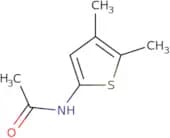
Fórmula:C9H9BrO2Pureza:Min. 95%Peso molecular:229.07 g/molN-(4,5-Dimethylthiophen-2-yl)acetamide
CAS:Versatile small molecule scaffold
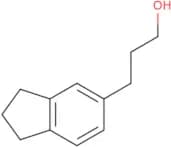
Fórmula:C8H11NOSPureza:Min. 95%Peso molecular:169.25 g/mol3-(2,3-Dihydro-1H-inden-5-yl)propan-1-ol
CAS:Versatile small molecule scaffold
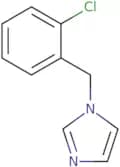
Fórmula:C12H16OPureza:Min. 95%Peso molecular:176.25 g/mol1-(2-Chlorobenzyl)imidazole
CAS:Versatile small molecule scaffold
Fórmula:C10H9ClN2Pureza:Min. 95%Peso molecular:192.64 g/mol2-(2-Hydroxyethyl)-2H,3H-[1,2,4]triazolo[4,3-a]pyridin-3-one
CAS:Versatile small molecule scaffold
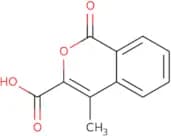
Fórmula:C8H9N3O2Pureza:Min. 95%Peso molecular:179.18 g/mol4-Methyl-1-oxo-1H-isochromene-3-carboxylic acid
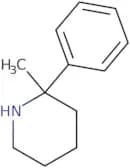
CAS:Versatile small molecule scaffoldFórmula:C11H8O4Pureza:Min. 95%Peso molecular:204.18 g/mol2-Methyl-2-phenylpiperidine
CAS:Produto ControladoVersatile small molecule scaffold
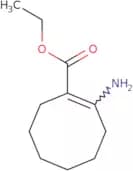
Fórmula:C12H17NPureza:Min. 95%Peso molecular:175.3 g/molEthyl 2-aminocyclooct-1-ene-1-carboxylate
CAS:Versatile small molecule scaffoldFórmula:C11H19NO2Pureza:Min. 95%Peso molecular:197.27 g/molRef: 3D-GCA66194
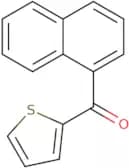
Produto descontinuado(Naphthalen-1-yl)(thiophen-2-yl)methanone
CAS:Versatile small molecule scaffold
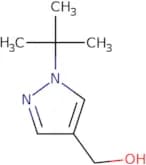
Fórmula:C15H10OSPureza:Min. 95%Peso molecular:238.31 g/mol(1-tert-Butyl-1H-pyrazol-4-yl)methanol
CAS:Versatile small molecule scaffold
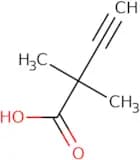
Fórmula:C8H14N2OPureza:Min. 95%Peso molecular:154.2 g/mol2,2-Dimethylbut-3-ynoic acid
CAS:2,2-Dimethylbut-3-ynoic acid is an organic compound that can be synthesized from acetone. The chemical formula of this compound is C6H12O2. 2,2-Dimethylbut-3-ynoic acid has a boiling point of 157 degrees Celsius and a melting point of -87 degrees Celsius. It has the molecular weight of 136.19 g/mol and its density is 1.07 g/cm^3 at 25 degrees Celsius. This compound can be used as a precursor to other chemicals, such as butanediol or butyraldehyde, which are used in production processes for plastics and synthetic rubber.
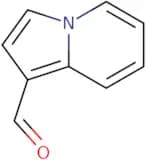
Fórmula:C6H8O2Pureza:Min. 95%Peso molecular:112.13 g/mol1-Indolizinecarboxaldehyde
CAS:Versatile small molecule scaffold
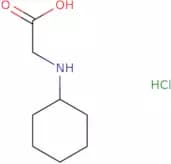
Fórmula:C9H7NOPureza:Min. 95%Peso molecular:145.16 g/mol2-(Cyclohexylamino)acetic acid hydrochloride
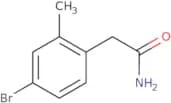
CAS:2-(Cyclohexylamino)acetic acid hydrochloride is a chiral compound that has been shown to inhibit the activity of metalloproteinases, including matrix metalloproteinase (MMP) and peptidyl-arginine deiminases. It also inhibits the production of inflammatory cytokines in response to viral infection. 2-(Cyclohexylamino)acetic acid hydrochloride may be useful for the treatment of liver diseases such as hepatitis or cirrhosis due to its ability to inhibit MMP-2. It is also being investigated as a potential drug for traumatic brain injury because it has been shown to reduce oxidative stress and inflammation in animal models.Fórmula:C8H16ClNO2Pureza:Min. 95%Peso molecular:193.67 g/mol2-(4-Bromo-2-methylphenyl)acetamide
CAS:Versatile small molecule scaffold
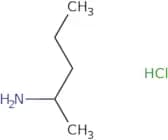
Fórmula:C9H10BrNOPureza:Min. 95%Peso molecular:228.09 g/mol(R)-Pentan-2-amine hydrochloride ee
CAS:Versatile small molecule scaffold
Fórmula:C5H14ClNPureza:Min. 95%Peso molecular:123.62 g/mol3-[4-(Hydroxymethyl)phenyl]propanoic acid
CAS:Versatile small molecule scaffold
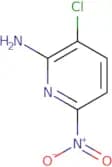
Fórmula:C10H12O3Pureza:Min. 95%Peso molecular:180.2 g/mol3-Chloro-6-nitropyridin-2-amine
CAS:Versatile small molecule scaffold
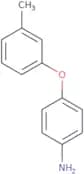
Fórmula:C5H4ClN3O2Pureza:Min. 95%Peso molecular:173.56 g/mol4-(3-Methylphenoxy)aniline hydrochloride
CAS:Versatile small molecule scaffold
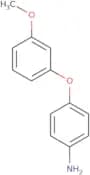
Fórmula:C13H14ClNOPureza:Min. 95%Peso molecular:235.72 g/mol4-(3-Methoxyphenoxy)aniline
CAS:Versatile small molecule scaffold
Fórmula:C13H13NO2Pureza:Min. 95%Peso molecular:215.25 g/mol2-[Benzyl(methyl)ao]propanoic acid
CAS:2-[Benzyl(methyl)ao]propanoic acid is a glycine analogue that has been synthesized and characterized. It is an α-amino acid with the chemical formula C5H11NO2. The molecule has a chiral carbon atom at the center of the propanoic acid group and contains two asymmetric carbon atoms on the benzene ring, which enable it to exist in two stereoisomers. The compound has been shown to exhibit interligand interactions with copper as well as stereoselectivity in its interactions with l-amino acids. 2-[Benzyl(methyl)ao]propanoic acid also exhibits dichroism spectra, which are unique to these types of molecules.
Fórmula:C11H15NO2Pureza:Min. 95%Peso molecular:193.24 g/molEthyl 2-[(1-phenylethyl)amino]acetate
CAS:Versatile small molecule scaffold
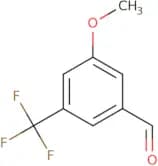
Fórmula:C12H17NO2Pureza:Min. 95%Peso molecular:207.27 g/mol3-Methoxy-5-(trifluoromethyl)benzaldehyde
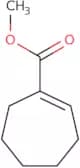
CAS:Versatile small molecule scaffoldFórmula:C9H7F3O2Pureza:Min. 95%Peso molecular:204.15 g/molMethyl cyclohept-1-ene-1-carboxylate
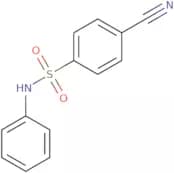
CAS:Methyl cyclohept-1-ene-1-carboxylate is a histone methyltransferase inhibitor that inhibits the synthesis of histones in mammalian cells. Methyl cyclohept-1-ene-1-carboxylate is used for the treatment of cancers, such as leukemia, lymphoma, and multiple myeloma. It binds to the DNA at specific sites and blocks the formation of histones by inhibiting the transfer of methyl groups. This process leads to changes in gene expression and cellular proliferation. Methyl cyclohept-1-ene-1-carboxylate has also been shown to inhibit demethylation, leading to increased methylation of DNA. The effector proteins may be involved in regulating this process, but more research is needed to confirm this hypothesis.Fórmula:C9H14O2Pureza:Min. 95%Peso molecular:154.21 g/mol4-Cyano-N-phenylbenzene-1-sulfonamide
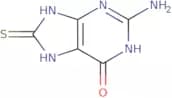
CAS:4-Cyano-N-phenylbenzene-1-sulfonamide is a salt that belongs to the group of aromatic sulfonamides. It is a white, crystalline solid with a melting point of 197 °C. 4-Cyano-N-phenylbenzene-1-sulfonamide has been found to be a polymorphic substance, which means that it can exist in more than one form. The systematic name for this compound is 1-(4'-cyano-3'-nitrophenyl)-4-(4'-cyano-3'-nitrophenyl)benzenesulfonamide monohydrochloride (2:1), and it has two polymorphs: the tetragonal crystal system and the orthorhombic crystal system. 4-Cyano-N-phenylbenzene-1 -sulfonamide also has hydrogen bonding interactions between its molecules and diffraction patternsFórmula:C13H10N2O2SPureza:Min. 95%Peso molecular:258.3 g/mol2-Amino-6-hydroxy-8-mercaptopurine
CAS:2-Amino-6-hydroxy-8-mercaptopurine is an antimicrobial agent that inhibits the growth of bacteria by binding to their ribosomes. It has been shown to have a cytotoxic effect in vivo on cancer cells and intestinal parasites, as well as a protective effect against infectious diseases. 2-Amino-6-hydroxy-8-mercaptopurine has also been shown to inhibit the synthesis of proteins in vitro, which may be due to its ability to bind to the ribosomal subunit and inhibit protein synthesis. 2-Amino-6-hydroxy-8-mercaptopurine inhibits bacterial growth by binding to DNA dependent RNA polymerase, thereby preventing transcription and replication. The high frequency of human activity has been shown using a patch clamp technique on human erythrocytes. This active form is metabolized through a number of metabolic transformations, including hydrolysis by esterases or gluc
Fórmula:C5H5N5OSPureza:Min. 95%Cor e Forma:PowderPeso molecular:183.19 g/mol2,2,2-Trifluoroethyl N-[2-(piperidin-1-yl)ethyl]carbamate hydrochloride
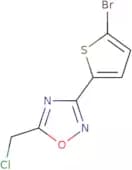
CAS:Versatile small molecule scaffoldFórmula:C10H18ClF3N2O2Pureza:Min. 95%Peso molecular:290.71 g/mol3-(5-Bromothiophen-2-yl)-5-(chloromethyl)-1,2,4-oxadiazole
CAS:Versatile small molecule scaffold
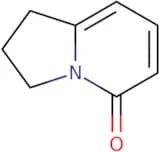
Fórmula:C7H4BrClN2OSPureza:Min. 95%Peso molecular:279.54 g/mol2,3-Dihydro-5(1H)-indolizinone
CAS:2,3-Dihydro-5(1H)-indolizinone (NU-120) is a quinoid compound that has been shown to have anti-oxidant and anti-inflammatory properties. The prodrug form of NU-120 is converted to the active n-oxide form in vivo by the enzyme cytochrome P450. This conversion takes place at an efficient rate with oral absorption between 0.2% and 2%. The drug has a crystalline structure and solvates readily in water.
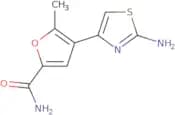
Fórmula:C8H9NOPureza:Min. 95%Peso molecular:135.16 g/mol4-(2-Amino-1,3-thiazol-4-yl)-5-methylfuran-2-carboxamide
CAS:Versatile small molecule scaffoldFórmula:C9H9N3O2SPureza:Min. 95%Peso molecular:223.25 g/mol3-[4-(Trifluoromethyl)-1H-pyrazol-1-yl]aniline
CAS:Versatile small molecule scaffoldFórmula:C10H8F3N3Pureza:Min. 95%Peso molecular:227.19 g/molRef: 3D-GCC60568
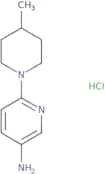
Produto descontinuado6-(4-Methylpiperidin-1-yl)pyridin-3-amine hydrochloride
CAS:Versatile small molecule scaffold
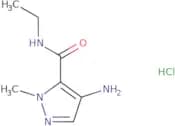
Fórmula:C11H18ClN3Pureza:Min. 95%Peso molecular:227.73 g/mol4-Amino-N-ethyl-1-methyl-1H-pyrazole-5-carboxamide hydrochloride
CAS:Versatile small molecule scaffold
Fórmula:C7H13ClN4OPureza:Min. 95%Peso molecular:204.66 g/mol1-{[1-(Propan-2-yl)-1H-pyrazol-4-yl]methyl}-1,4-diazepane
CAS:Versatile small molecule scaffold
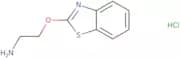
Fórmula:C12H22N4Pureza:Min. 95%Peso molecular:222.33 g/mol2-(2-Aminoethoxy)-1,3-benzothiazole hydrochloride
CAS:Versatile small molecule scaffold
Fórmula:C9H11ClN2OSPureza:Min. 95%Peso molecular:230.72 g/mol1-{2-[(3-Fluorophenyl)methyl]-1,2,3,4-tetrahydroisoquinolin-5-yl}-5-methyl-1H-1,2,3-triazole-4-carboxylic acid hydrochloride
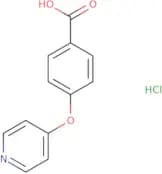
CAS:Versatile small molecule scaffoldFórmula:C20H20ClFN4O2Pureza:Min. 95%Peso molecular:402.8 g/mol4-(Pyridin-4-yloxy)benzoic acid hydrochloride
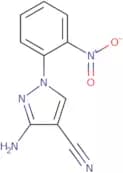
CAS:Versatile small molecule scaffoldFórmula:C12H10ClNO3Pureza:Min. 95%Peso molecular:251.66 g/mol3-Amino-1-(2-nitrophenyl)-1H-pyrazole-4-carbonitrile
CAS:Versatile small molecule scaffoldFórmula:C10H7N5O2Pureza:Min. 95%Peso molecular:229.19 g/mol2-tert-Butyl-5H,6H,7H,8H-imidazo[1,2-a]pyridin-6-amine
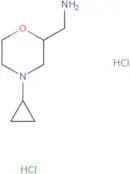
CAS:Versatile small molecule scaffoldFórmula:C11H19N3Pureza:Min. 95%Peso molecular:193.29 g/mol(4-Cyclopropylmorpholin-2-yl)methanamine dihydrochloride
CAS:Versatile small molecule scaffoldFórmula:C8H18Cl2N2OPureza:Min. 95%Peso molecular:229.14 g/molRef: 3D-GCC60705
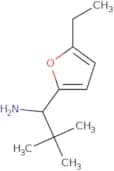
Produto descontinuado1-(5-Ethylfuran-2-yl)-2,2-dimethylpropan-1-amine
CAS:Versatile small molecule scaffold
Fórmula:C11H19NOPureza:Min. 95%Peso molecular:181.27 g/mol2-(2-{[(2,2,2-Trifluoroethoxy)carbonyl]amino}-1,3-thiazol-4-yl)acetic acid
CAS:Versatile small molecule scaffold
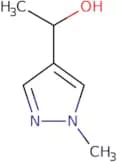
Fórmula:C8H7F3N2O4SPureza:Min. 95%Peso molecular:284.21 g/mol(1S)-1-(1-Methyl-1H-pyrazol-4-yl)ethan-1-ol
CAS:Versatile small molecule scaffold
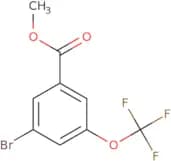
Fórmula:C6H10N2OPureza:Min. 95%Peso molecular:126.16 g/molMethyl 3-bromo-5-(trifluoromethoxy)benzoate
CAS:Versatile small molecule scaffold
Fórmula:C9H6BrF3O3Pureza:Min. 95%Peso molecular:299.04 g/mol4-{[4-(Cyclopropylmethyl)piperazin-1-yl]methyl}-1,3-thiazol-2-amine
CAS:Versatile small molecule scaffold
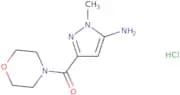
Fórmula:C12H20N4SPureza:Min. 95%Peso molecular:252.38 g/mol1-Methyl-3-(morpholine-4-carbonyl)-1H-pyrazol-5-amine hydrochloride
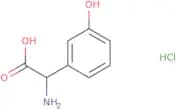
CAS:Versatile small molecule scaffoldFórmula:C9H15ClN4O2Pureza:Min. 95%Peso molecular:246.69 g/mol2-amino-2-(3-hydroxyphenyl)acetic acid hydrochloride
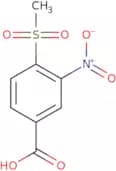
CAS:Versatile small molecule scaffoldFórmula:C8H10ClNO3Pureza:Min. 95%Peso molecular:203.62 g/mol4-Methanesulfonyl-3-nitrobenzoic acid
CAS:Versatile small molecule scaffold
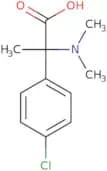
Fórmula:C8H7NO6SPureza:Min. 95%Peso molecular:245.2 g/mol2-(4-Chlorophenyl)-2-(dimethylamino)propanoic acid
CAS:Versatile small molecule scaffold
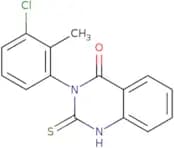
Fórmula:C11H14ClNO2Pureza:Min. 95%Peso molecular:227.69 g/mol3-(3-Chloro-2-methylphenyl)-2-thioxo-2,3-dihydro-4(1H)-quinazolinone
CAS:Versatile small molecule scaffold
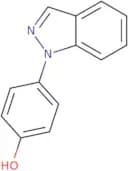
Fórmula:C15H11ClN2OSPureza:Min. 95%Peso molecular:302.78 g/mol4-(1H-Indazol-1-yl)phenol
CAS:Versatile small molecule scaffold
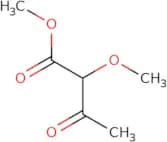
Fórmula:C13H10N2OPureza:Min. 95%Peso molecular:210.23 g/molMethyl 2-methoxy-3-oxobutanoate
CAS:Methyl 2-methoxy-3-oxobutanoate is a dienes, chemistry, insect, functionalized, diels-alder. It is an organic compound with the chemical formula CH3OOC(CH2)2CH=C(OH)(CH3)CO2H.
Methyl 2-methoxy-3-oxobutanoate has been found to be an effective inhibitor of anthraquinone and australian.Fórmula:C6H10O4Pureza:Min. 95%Peso molecular:146.14 g/mol

![Methyl[1-(4-methylphenyl)butan-2-yl]amine](/_next/image/?url=https%3A%2Fstatic.cymitquimica.com%2Fproducts%2F3D%2Fthumb-webp%2FLJB19921.webp&w=3840&q=75)

![3-[(4-Amino-1H-pyrazol-1-yl)methyl]-4-methoxybenzoic acid hydrochloride](/_next/image/?url=https%3A%2Fstatic.cymitquimica.com%2Fproducts%2F3D%2Fthumb-webp%2FGHC96406.webp&w=3840&q=75)
![1,7,7-Trimethylspiro[bicyclo[2.2.1]heptane-2,4'-imidazolidine]-2',5'-dione](/_next/image/?url=https%3A%2Fstatic.cymitquimica.com%2Fproducts%2F3D%2Fthumb-webp%2FGAA92930.webp&w=3840&q=75)


![1-{[1-(Difluoromethyl)-1H-pyrazol-5-yl]methyl}piperazine hydrochloride](/_next/image/?url=https%3A%2Fstatic.cymitquimica.com%2Fproducts%2F3D%2Fthumb-webp%2FGHC96410.webp&w=3840&q=75)
![1,2,4-Triazolo[4,3-a]pyridin-3(2H)-one](/_next/image/?url=https%3A%2Fstatic.cymitquimica.com%2Fproducts%2F3D%2Fthumb-webp%2FGAA96971.webp&w=3840&q=75)

![2-[(4-Methylphenyl)methoxy]acetic acid](/_next/image/?url=https%3A%2Fstatic.cymitquimica.com%2Fproducts%2F3D%2Fthumb-webp%2FBCA93440.webp&w=3840&q=75)
![1,4-Diazabicyclo[3.2.2]nonan-3-one](/_next/image/?url=https%3A%2Fstatic.cymitquimica.com%2Fproducts%2F3D%2Fthumb-webp%2FDCA61911.webp&w=3840&q=75)
![2-(2-Hydroxyethyl)-2H,3H-[1,2,4]triazolo[4,3-a]pyridin-3-one](/_next/image/?url=https%3A%2Fstatic.cymitquimica.com%2Fproducts%2F3D%2Fthumb-webp%2FGCA65449.webp&w=3840&q=75)
![3-[4-(Hydroxymethyl)phenyl]propanoic acid](/_next/image/?url=https%3A%2Fstatic.cymitquimica.com%2Fproducts%2F3D%2Fthumb-webp%2FGCA70334.webp&w=3840&q=75)
![2-[Benzyl(methyl)ao]propanoic acid](/_next/image/?url=https%3A%2Fstatic.cymitquimica.com%2Fproducts%2F3D%2Fthumb-webp%2FBEA69294.webp&w=3840&q=75)
![Ethyl 2-[(1-phenylethyl)amino]acetate](/_next/image/?url=https%3A%2Fstatic.cymitquimica.com%2Fproducts%2F3D%2Fthumb-webp%2FGCA72098.webp&w=3840&q=75)
![2,2,2-Trifluoroethyl N-[2-(piperidin-1-yl)ethyl]carbamate hydrochloride](/_next/image/?url=https%3A%2Fstatic.cymitquimica.com%2Fproducts%2F3D%2Fthumb-webp%2FGCC60531.webp&w=3840&q=75)
![3-[4-(Trifluoromethyl)-1H-pyrazol-1-yl]aniline](/_next/image/?url=https%3A%2Fstatic.cymitquimica.com%2Fproducts%2F3D%2Fthumb-webp%2FGCC60568.webp&w=3840&q=75)
![1-{[1-(Propan-2-yl)-1H-pyrazol-4-yl]methyl}-1,4-diazepane](/_next/image/?url=https%3A%2Fstatic.cymitquimica.com%2Fproducts%2F3D%2Fthumb-webp%2FGCC60572.webp&w=3840&q=75)
![1-{2-[(3-Fluorophenyl)methyl]-1,2,3,4-tetrahydroisoquinolin-5-yl}-5-methyl-1H-1,2,3-triazole-4-car…](/_next/image/?url=https%3A%2Fstatic.cymitquimica.com%2Fproducts%2F3D%2Fthumb-webp%2FGCC60580.webp&w=3840&q=75)
![2-tert-Butyl-5H,6H,7H,8H-imidazo[1,2-a]pyridin-6-amine](/_next/image/?url=https%3A%2Fstatic.cymitquimica.com%2Fproducts%2F3D%2Fthumb-webp%2FGCC60689.webp&w=3840&q=75)
![2-(2-{[(2,2,2-Trifluoroethoxy)carbonyl]amino}-1,3-thiazol-4-yl)acetic acid](/_next/image/?url=https%3A%2Fstatic.cymitquimica.com%2Fproducts%2F3D%2Fthumb-webp%2FGCC64488.webp&w=3840&q=75)
![4-{[4-(Cyclopropylmethyl)piperazin-1-yl]methyl}-1,3-thiazol-2-amine](/_next/image/?url=https%3A%2Fstatic.cymitquimica.com%2Fproducts%2F3D%2Fthumb-webp%2FGCC90241.webp&w=3840&q=75)