


Building Blocks
Subcategorias de "Building Blocks"
- Ácidos Borónicos e Derivados de Ácido Borónico(5.780 produtos)
- Building Blocks Quirais(1.240 produtos)
- Building Blocks Hidrocarbonetos(6.100 produtos)
- Building Blocks orgânicos(61.009 produtos)
Foram encontrados 205248 produtos de "Building Blocks"
Dimethyl[2-(phenylamino)ethyl]amine
CAS:Versatile small molecule scaffold
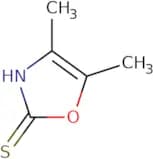
Fórmula:C10H16N2Pureza:Min. 95%Peso molecular:164.25 g/molDimethyl-1,3-oxazole-2-thiol
CAS:Versatile small molecule scaffold
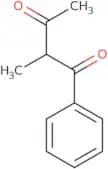
Fórmula:C5H7NOSPureza:Min. 95%Peso molecular:129.18 g/mol2-Methyl-1-phenylbutane-1,3-dione
CAS:2-Methyl-1-phenylbutane-1,3-dione is a chemical intermediate that belongs to the group of alkyl bromides. It is used as an herbicide and a pesticide, and can be reduced to 2-methyl-2-(4'-bromophenyl)pentanal by reductive cleavage with chlorine. The reduction of 2-methyl-1-phenylbutane-1,3-dione by hydrogen gas leads to the diastereoisomers 2-(4'-bromophenyl)-2-(2'-methylpropionyl)pentanal and 3-(4'-bromophenyl)-2-(2'-methylpropionyl)pentanal. The former is a chiral molecule that can be used as a medicine for high blood pressure, while the latter has been shown to be effective against microbial strains such as Escherichia coli and Candida albicans.
Fórmula:C11H12O2Pureza:Min. 95%Peso molecular:176.21 g/mol4-Iodo-1,5-dimethyl-1H-pyrazole-3-carboxylic acid
CAS:Versatile small molecule scaffoldFórmula:C6H7IN2O2Pureza:Min. 95%Peso molecular:266.04 g/molmethyl 2-(4-amino-1H-pyrazol-1-yl)acetate hydrochloride
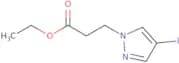
CAS:Versatile small molecule scaffoldFórmula:C6H10ClN3O2Pureza:Min. 95%Peso molecular:191.6 g/molEthyl 3-(4-iodopyrazol-1-yl)propanoate
CAS:Versatile small molecule scaffold
Fórmula:C8H11IN2O2Pureza:Min. 95%Peso molecular:294.09 g/mol(6-Bromobenzo[d][1,3]dioxol-5-yl)methanol
CAS:Versatile small molecule scaffold
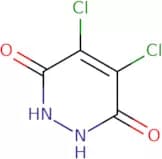
Fórmula:C8H7BrO3Pureza:Min. 95%Peso molecular:231.04 g/mol4,5-Dichloropyridazine-3,6-diol
CAS:Dichloropyridazine-3,6-diol is a furan derivative that has been shown to act as an inhibitor of the oxidative deamination of pyridine. It is also a nucleophilic reagent with a chlorine atom and two hydroxylamine groups in its structure. The carbonyl oxygen atom and the cyclic carbonyl group are both susceptible to oxidation and can be used to form chlorides. Dichloropyridazine-3,6-diol is resistant to acid chlorides such as thionyl chloride or phosphoric acid. This compound undergoes dehydration reactions with carboxylic acids and chlorides, yielding the corresponding carboxylate or chloride.
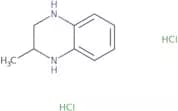
Fórmula:C4H2Cl2N2O2Pureza:Min. 95%Peso molecular:180.97 g/mol2-Methyl-1,2,3,4-tetrahydroquinoxaline
CAS:2-Methyl-1,2,3,4-tetrahydroquinoxaline is an enantioselective antioxidant that has been shown to have a chiral conformation. It has also been found to be a catalyst in the reductive elimination of hydrochloric acid. This compound can be hydrogenated by catalytic hydrogenation and this reaction produces tetralin as a by-product. 2-Methyl-1,2,3,4-tetrahydroquinoxaline is used in research because it contains a methyl group and amines that are important for biological functions.
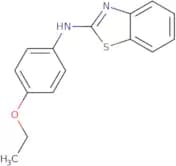
Fórmula:C9H12N2Pureza:Min. 95%Peso molecular:148.2 g/molBenzothiazol-2-yl-(4-ethoxy-phenyl)-amine
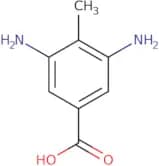
CAS:Benzothiazol-2-yl-(4-ethoxy-phenyl)-amine is a compound that has been shown to be active against solid tumours and metastases. It has been shown to inhibit phosphatase activity in the presence of monoclonal antibodies, which is an indicator for cancerous cells. Benzothiazol-2-yl-(4-ethoxy-phenyl)-amine may be used as a diagnostic marker for determining the presence of cancer cells in patients with infectious diseases, such as HIV/AIDS. This compound has also been shown to inhibit phosphatase activity in the presence of monoclonal antibodies, which is an indicator for cancerous cells. Benzothiazol-2-yl-(4-ethoxy-phenyl)-amine may be used as a diagnostic marker for determining the presence of cancer cells in patients with infectious diseases, such as HIV/AIDS.Fórmula:C15H14N2OSPureza:Min. 95%Peso molecular:270.4 g/mol3,5-Diamino-4-methylbenzoic acid
CAS:3,5-Diamino-4-methylbenzoic acid is a chemical compound with the formula C6H3N3O2. It is an organic nitrite that reacts readily with nucleophiles such as alcohols, phenols, and amines to form the corresponding N-substituted benzoic acid. The reaction proceeds via a two step process in which 3,5-diamino-4-methylbenzoic acid first reacts with sodium nitrite to produce 3,5-diamino-4-nitrobenzoic acid followed by hydrolysis of this intermediate to form the desired product. Nitrite salts are used in the food industry as preservatives and antimicrobials. They can be applied as a gas or dissolved in water. Nitrite salts are also used for wastewater treatment and for environmental remediation.
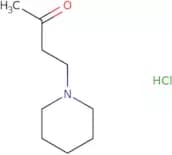
Fórmula:C8H10N2O2Pureza:Min. 95%Peso molecular:166.18 g/mol4-(Piperidin-1-yl)butan-2-one hydrochloride
CAS:Versatile small molecule scaffold
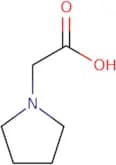
Fórmula:C9H18ClNOPureza:Min. 95%Peso molecular:191.7 g/molPyrrolidin-1-yl-acetic acid hydrochloride
CAS:Pyrrolidin-1-yl-acetic acid hydrochloride is a drug that inhibits the enzyme protease, which is involved in the replication of HIV. It also inhibits the enzyme piperazine, an essential cofactor for retroviral replication. Pyrrolidin-1-yl-acetic acid hydrochloride has been shown to inhibit insulin resistance and increase glucose uptake in animal models. This drug may be a potential treatment for diabetes mellitus type 2. The structural formula of this drug is shown below:Fórmula:C6H12ClNO2Pureza:Min. 95%Peso molecular:165.62 g/molEthyl 2-(2-methyl-1H-indol-3-yl)-2-oxoacetate
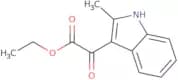
CAS:Versatile small molecule scaffold
Fórmula:C13H13NO3Pureza:Min. 95%Peso molecular:231.25 g/mol2-(Dihydroxy-1,3-thiazol-5-yl)acetic acid
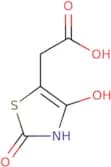
CAS:Versatile small molecule scaffold
Fórmula:C5H5NO4SPureza:Min. 95%Peso molecular:175.16 g/mol2-Bromo-3-methyl-1-(morpholin-4-yl)butan-1-one
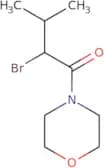
CAS:Versatile small molecule scaffold
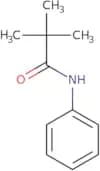
Fórmula:C9H16BrNO2Pureza:Min. 95%Peso molecular:250.13 g/molN-Phenylpivalamide
CAS:N-Phenylpivalamide is an asymmetric synthesis that is a reaction yield of activated secondary amine and alkylsulfonyl chloride. The effective dose of n-phenylpivalamide is 0.01 mg/kg and the chloride ion, nitrogen atoms, and amines are all reactive functional groups. The nmr spectra show that this compound has stereoisomers.
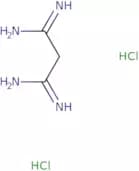
Fórmula:C11H15NOPureza:Min. 95%Peso molecular:177.24 g/molPropanebis(imidamide) dihydrochloride
CAS:Propanebis(imidamide) dihydrochloride is a drug that inhibits the enzyme guanylate cyclase. It is used to treat cardiovascular disorders, such as angina pectoris and hypertension. Propanebis(imidamide) dihydrochloride has been shown to inhibit the kinase, cyclase, and phosphodiesterase enzymes. This inhibition leads to an increase in the levels of cyclic guanosine monophosphate (cGMP). As a result, blood vessels are dilated, which reduces blood pressure and heart rate. The drug also increases the levels of intracellular cGMP by inhibiting protein kinase G. Propanebis(imidamide) dihydrochloride can be administered orally or intravenously.
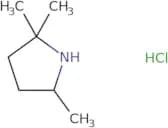
Fórmula:C3H10Cl2N4Pureza:Min. 95%Peso molecular:173.04 g/mol2,2,5-Trimethylpyrrolidine hydrochloride
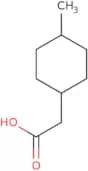
CAS:Versatile small molecule scaffoldFórmula:C7H16ClNPureza:Min. 95%Peso molecular:149.66 g/mol4-Methylcyclohexaneacetic acid, mixture of cis and trans
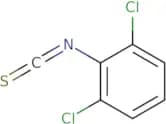
CAS:4-Methylcyclohexaneacetic acid, mixture of cis and trans is a white crystalline solid with a melting point of about 125°C. It is soluble in organic solvents, including diethanolamine, ethanolamine, and amines. 4-Methylcyclohexaneacetic acid is commercially available as the mixture of cis and trans isomers. This compound has been used to synthesize ferroelectric materials because it can be readily polymerized with ethylene glycol or diethylether. 4-Methylcyclohexaneacetic acid has also been used as an intermediate for the manufacture of pharmaceuticals.Fórmula:C9H16O2Pureza:Min. 95%Peso molecular:156.22 g/mol2,6-Dichlorophenylisothiocyanate
CAS:2,6-Dichlorophenylisothiocyanate is a chloride that is used to treat tuberculosis. It is a prodrug that is hydrolyzed in the body to form 2-amino-3-chloropyrazine and imidazoles which are active against Mycobacterium tuberculosis and Mycobacterium avium complex. 2,6-Dichlorophenylisothiocyanate can be administered orally as well as intravenously. It has been shown to have tuberculostatic activity in animal models of experimental tuberculosis. The mechanism of action for this drug is not fully understood, but it may be due to its ability to inhibit protein synthesis by binding to bacterial ribosomes.
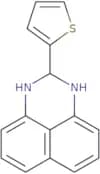
Fórmula:Cl2C6H3NCSPureza:Min. 95%Peso molecular:204.08 g/mol2-(Thiophen-2-yl)-2,3-dihydro-1H-perimidine
CAS:The compound 2-(thiophen-2-yl)-2,3-dihydro-1H-perimidine has been found to exhibit potent acetylcholinesterase (AChE) inhibitory activity. AChE is the target of organophosphate and carbamate insecticides and nerve agents. The inhibition study revealed that 2-(thiophen-2-yl)-2,3-dihydro-1H-perimidine binds to the active site of AChE with a strong binding affinity. The crystal structures of this molecule have been determined by x-ray crystallography, which revealed that it has a dipole moment. This molecule was also found to have an absorbance at frequencies in the fingerprint region, which can be used for identification purposes. The theory behind its structure was determined by vibrational spectroscopy techniques as well as analyses of its crystal structures.
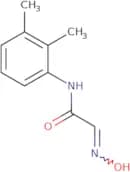
Fórmula:C15H12N2SPureza:Min. 95%Peso molecular:252.3 g/molN-(2,3-Dimethylphenyl)-2-(N-hydroxyimino)acetamide
CAS:Versatile small molecule scaffold
Fórmula:C10H12N2O2Pureza:Min. 95%Peso molecular:192.21 g/mol5H,6H,7H,8H,9H-[1,2,4]Triazolo[4,3-d][1,4]diazepine dihydrochloride
CAS:Versatile small molecule scaffold
Fórmula:C6H12Cl2N4Pureza:Min. 95%Peso molecular:211.09 g/mol(2E)-3-(1H-1,3-Benzodiazol-2-yl)prop-2-enoic acid hydrochloride
CAS:Versatile small molecule scaffoldFórmula:C10H9ClN2O2Pureza:Min. 95%Peso molecular:224.6 g/mol4-Nitro-1,3-benzothiazol-5-amine hydrochloride
CAS:Versatile small molecule scaffold
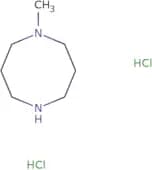
Fórmula:C7H6ClN3O2SPureza:Min. 95%Peso molecular:231.66 g/mol1-Methyl-1,5-diazocane dihydrochloride
CAS:Versatile small molecule scaffold
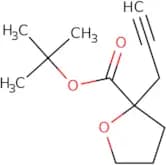
Fórmula:C7H18Cl2N2Pureza:Min. 95%Peso molecular:201.1 g/moltert-Butyl 2-(prop-2-yn-1-yl)oxolane-2-carboxylate
CAS:Versatile small molecule scaffold
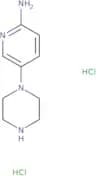
Fórmula:C12H18O3Pureza:Min. 95%Peso molecular:210.27 g/mol5-(Piperazin-1-yl)pyridin-2-amine dihydrochloride
CAS:Versatile small molecule scaffold
Fórmula:C9H16Cl2N4Pureza:Min. 95%Peso molecular:251.2 g/molRef: 3D-FPD80731
Produto descontinuado1-Methyl-4,8-dioxa-1,10-diazaspiro[5.5]undecane
CAS:Versatile small molecule scaffold
Fórmula:C8H16N2O2Pureza:Min. 95%Peso molecular:172.2 g/molRef: 3D-FPD80323
Produto descontinuadotert-Butyl 6-(aminomethyl)-1-azaspiro[3.3]heptane-1-carboxylate
CAS:Versatile small molecule scaffoldFórmula:C12H22N2O2Pureza:Min. 95%Peso molecular:226.3 g/molEthyl 1-(hydroxymethyl)-3,3-dimethyl-2-oxabicyclo[2.1.1]hexane-4-carboxylate
CAS:Versatile small molecule scaffold
Fórmula:C11H18O4Pureza:Min. 95%Peso molecular:214.3 g/mol{8-Methyl-1-oxaspiro[4.5]decan-2-yl}methanamine hydrochloride
CAS:Versatile small molecule scaffold
Fórmula:C11H22ClNOPureza:Min. 95%Peso molecular:219.8 g/mol1-[(5-Fluoro-2-methoxyphenyl)methyl]cyclopropan-1-amine hydrochloride
CAS:Versatile small molecule scaffold
Fórmula:C11H15ClFNOPureza:Min. 95%Peso molecular:231.7 g/molRef: 3D-FPD79943
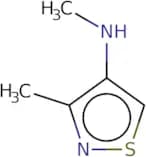
Produto descontinuadoN,3-Dimethyl-1,2-thiazol-4-amine
CAS:Versatile small molecule scaffold
Fórmula:C5H8N2SPureza:Min. 95%Peso molecular:128.2 g/mol4-(Ethoxycarbonyl)-3,3-dimethyl-2-oxabicyclo[2.1.1]hexane-1-carboxylic acid
CAS:Versatile small molecule scaffold
Fórmula:C11H16O5Pureza:Min. 95%Peso molecular:228.2 g/mol3-Amino-7-oxa-1λ⁶-thiaspiro[3.5]nonane-1,1-dione hydrochloride
CAS:Versatile small molecule scaffoldFórmula:C7H14ClNO3SPureza:Min. 95%Peso molecular:227.7 g/mol6-methyl-4,5,6,7-tetrahydro-1,3-benzothiazole-2-carboxylate lithium
CAS:Versatile small molecule scaffold
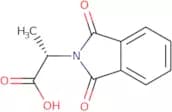
Fórmula:C9H10LiNO2SPureza:Min. 95%Peso molecular:203.2 g/molPhthaloyl-L-alanine
CAS:Phthaloyl-L-alanine is a molecule with a hydrochloric acid group and a carbonyl group. It has been shown to have the ability to bind to peptidyl molecules and immobilize them, leading to an inhibition of the reaction mechanism. This process can be induced by enzymatic inactivation or by hydrogen bonding with chloride. The cisplatin-induced apoptosis of cancer cells has been demonstrated using patch-clamp technique on human erythrocytes. Caspases are proteins that are activated during apoptosis and have been found to interact with Phthaloyl-L-alanine in vitro. Molecular modeling studies suggest that Phthaloyl-L-alanine may inhibit caspases by binding to the enzyme's active site.
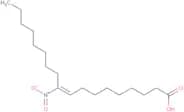
Fórmula:C11H9NO4Pureza:Min. 95%Cor e Forma:PowderPeso molecular:219.19 g/mol10-Nitro oleic acid
CAS:10-Nitro oleic acid is a nitro compound that has been shown to have a low binding affinity for DNA. It has been shown to induce reactive oxygen species (ROS) in cells, which may be caused by its ability to bind to the response element of the promoter region of an interferon-induced gene. In addition, 10-Nitro oleic acid also binds to single-stranded RNA and induces protein thiols. The polymerase chain reaction (PCR) technique has been used to detect 10-Nitro oleic acid in rat urine and human erythrocytes. 10-Nitro oleic acid is not active against human polymorphonuclear leukocytes or human mdr1 cells; however, it is active against kidney injury cells and chronic liver diseases cells.
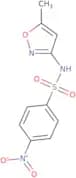
Fórmula:C18H33NO4Pureza:Min. 95%Cor e Forma:PowderPeso molecular:327.46 g/mol4-Nitro-sulfamethoxazole
CAS:Please enquire for more information about 4-Nitro-sulfamethoxazole including the price, delivery time and more detailed product information at the technical inquiry form on this page
Fórmula:C10H9N3O5SPureza:Min. 95%Cor e Forma:PowderPeso molecular:283.26 g/molRef: 3D-FN182590
Produto descontinuado2-Naphthol
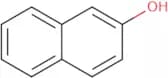
CAS:2-Naphthol is an organic compound with the chemical formula C10H7O. It is a derivative of naphthalene, and is produced by the condensation of two molecules of malonic acid in the presence of a reducing agent such as sodium borohydride. 2-Naphthol is used as a pesticide and as a chemical intermediate in the production of other chemicals. 2-Naphthol has been shown to be toxic to humans and animals; it may cause liver damage, kidney damage, and skin irritation. The acute oral LD50 for rats is 690 mg/kg body weight. 2-Naphthol binds to cell receptors that are involved in a variety of physiological processes including heme transport, phagocytosis, oxidative burst, chemotaxis, and respiratory burst. This binding inhibits these functions leading to cell death.
Fórmula:C10H8OPureza:Min. 95%Cor e Forma:White To Yellow To Pink To Light Brown SolidPeso molecular:144.17 g/molRef: 3D-FN01578
Produto descontinuado4-{[2-(Thiophen-3-yl)ethyl]amino}benzoic acid
CAS:Versatile small molecule scaffold
Fórmula:C13H13NO2SPureza:Min. 95%Peso molecular:247.31 g/mol6-Phenoxyquinolin-4-amine
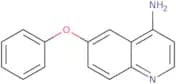
CAS:Versatile small molecule scaffold
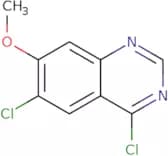
Fórmula:C15H12N2OPureza:Min. 95%Peso molecular:236.27 g/mol4,6-Dichloro-7-methoxyquinazoline
CAS:Versatile small molecule scaffold
Fórmula:C9H6Cl2N2OPureza:Min. 95%Peso molecular:229.06 g/mol6-(Azidomethyl)quinoline
CAS:Versatile small molecule scaffold
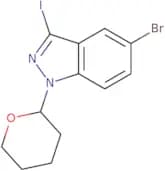
Fórmula:C10H8N4Pureza:Min. 95%Peso molecular:184.2 g/mol5-Bromo-3-iodo-1-(tetrahydro-2H-pyran-2-yl)-1H-indazole
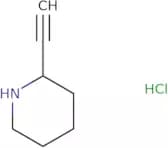
CAS:Versatile small molecule scaffoldFórmula:C12H12BrIN2OPureza:Min. 95%Peso molecular:407.04 g/mol2-Ethynylpiperidine hydrochloride
CAS:Versatile small molecule scaffold
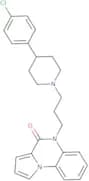
Fórmula:C7H12ClNPureza:Min. 95%Peso molecular:145.63 g/molJMS-17-2
CAS:JMS-17-2 is a small molecule that was shown to have a potent and selective inhibitory effect on the production of chemokines in cancer cells. It blocks the interaction between CXCL12 and its receptor, CXCR4. This interaction is important for normal bone tissue development and function, as well as for chemotaxis and metastasis of cancer cells. JMS-17-2 has been shown to prevent tumor growth in animal models by inhibiting angiogenesis, or the formation of new blood vessels to supply nutrients to tumors. The drug also inhibits tumor growth by decreasing the number of primary tumors, reducing bone lesions, and inhibiting the progression of pancreatic cancer. Clinical trials are currently being conducted to assess the efficacy of JMS-17-2 in humans with advanced solid tumors.
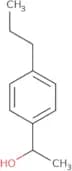
Fórmula:C25H26ClN3OPureza:Min. 95%Peso molecular:419.95 g/mol(1R)-1-(4-Propylphenyl)ethan-1-ol
CAS:Versatile small molecule scaffold
Fórmula:C11H16OPureza:Min. 95%Peso molecular:164.24 g/mol[1-(1-Benzofuran-2-yl)ethyl](ethyl)amine
CAS:Versatile small molecule scaffold
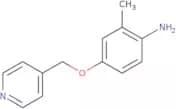
Fórmula:C12H15NOPureza:Min. 95%Peso molecular:189.25 g/mol2-Methyl-4-(pyridin-4-ylmethoxy)aniline
CAS:Versatile small molecule scaffold
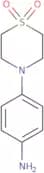
Fórmula:C13H14N2OPureza:Min. 95%Peso molecular:214.26 g/mol4-(4-Aminophenyl)thiomorpholine 1,1-Dioxide
CAS:Versatile small molecule scaffold
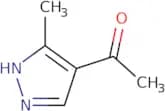
Fórmula:C10H14N2O2SPureza:Min. 95%Peso molecular:226.29 g/mol1-(5-Methyl-1H-Pyrazol-4-Yl)Ethanone
CAS:Phenylhydrazine is a white crystalline solid with a molecular weight of 150.25, and the molecular formula C6H5NHN. It is soluble in water, alcohol, ether and chloroform. Phenylhydrazine can react with an acid chloride to form a hydrazone; this reaction is used in the synthesis of some pharmaceuticals. The most common use of phenylhydrazine is as a precursor to various pharmaceuticals, such as antipyretics and anti-inflammatory agents. Phenylhydrazine reacts with zinc chloride to form 1-(5-methyl-1H-pyrazol-4-yl)ethanone.
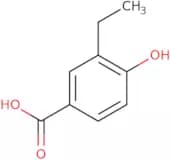
Fórmula:C6H8N2OPureza:Min. 95%Peso molecular:124.14 g/mol3-Ethyl-4-hydroxybenzoic acid
CAS:Versatile small molecule scaffold
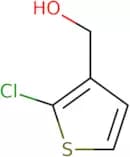
Fórmula:C9H10O3Pureza:Min. 95%Peso molecular:166.17 g/mol(2-Chlorothiophen-3-yl)methanol
CAS:Versatile small molecule scaffold
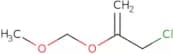
Fórmula:C5H5ClOSPureza:Min. 95%Peso molecular:148.61 g/mol2-(Chloromethyl)-3,5-dioxahex-1-ene
CAS:2-(Chloromethyl)-3,5-dioxahex-1-ene is a synthetic compound that belongs to the group of piperidine compounds. It is a nucleophile and a primary amine that reacts with carbonyl compounds in an efficient method. This reaction is stereoselective and produces the corresponding 2-(chloromethyl)-3,5-dioxahex-1-enes. The chloride ion can be replaced by other nucleophiles such as methoxymethyl or amines. The malonate ester can also be used for this reaction.
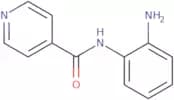
2-(Chloromethyl)-3,5-dioxahex-1-ene has been shown to react with phenylacetonitrile and chloride ions to produce alkylated products such as 2-(chloromethyl)-3,5-dioxahexanenitrile or 2-(chloromethyl)-4,6-dioxFórmula:C5H9ClO2Pureza:Min. 95%Peso molecular:136.58 g/molN-(2-Amino-phenyl)-isonicotinamide
CAS:N-(2-Amino-phenyl)-isonicotinamide is a compound that has various characteristics and potential applications. It has been studied for its interaction with dopamine, as well as its ability to react with methanol and hydrogen atoms. This compound also exhibits amide properties and has been investigated in the development of DNA vaccines. Additionally, it has shown cytotoxic effects on multidrug-resistant cells and demonstrated potential as a catalyst in reactions involving diphenyl ether and guanidine. Furthermore, N-(2-Amino-phenyl)-isonicotinamide has been explored in research related to ornithine, tripterygium, ammonium salts, and tetrachloride. Its diverse characteristics make it an intriguing compound for further study and potential applications.
Fórmula:C12H11N3OPureza:Min. 95%Peso molecular:213.24 g/mol5-(3H-Pyrazol-3-ylidene)-1,2,4-triazolidine-3-thione
CAS:Versatile small molecule scaffold
Fórmula:C5H5N5SPureza:Min. 95%Peso molecular:167.19 g/molN,N-Dimethyl-2-(1-(1-(pyridin-2-yl)ethyl)-1H-inden-2-yl)ethan-1-amine hydrochloride
CAS:Please enquire for more information about N,N-Dimethyl-2-(1-(1-(pyridin-2-yl)ethyl)-1H-inden-2-yl)ethan-1-amine hydrochloride including the price, delivery time and more detailed product information at the technical inquiry form on this page
Fórmula:C20H24N2•(HCl)2Pureza:Min. 95%Peso molecular:365.34 g/molRef: 3D-FD183759
Produto descontinuadoDasatinib-d8
CAS:Produto ControladoPlease enquire for more information about Dasatinib-d8 including the price, delivery time and more detailed product information at the technical inquiry form on this page
Fórmula:C22H18D8ClN7O2SPureza:Min. 95%Peso molecular:496.05 g/molRef: 3D-FD183325
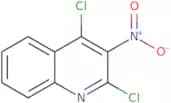
Produto descontinuado2,4-Dichloro-3-nitroquinoline
CAS:2,4-Dichloro-3-nitroquinoline is a chemotherapeutic drug that belongs to the class of epidermal growth factor receptor (EGFR) inhibitors. This agent has anticancer activity against cells in the G1 phase of the cell cycle and may also have some antiproliferative effects on tumor cells. 2,4-Dichloro-3-nitroquinoline binds to EGFR and inhibits the binding of epidermal growth factor (EGF) to its receptor. This binding causes the activation of downstream signaling pathways that regulate cell proliferation. Computer modeling has been used to determine how this compound interacts with other molecules such as hydrogen bonds, nucleophilic substitution, and organic solvents.
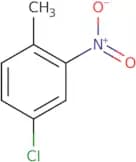
Fórmula:C9H4Cl2N2O2Pureza:Min. 95%Peso molecular:243.05 g/mol4-Chloro-2-nitrotoluene
CAS:4-Chloro-2-nitrotoluene is a chemical compound that is a nitro derivative of toluene. It is a white crystalline solid with the formula CHClNO. 4-Chloro-2-nitrotoluene has been shown to have constant boiling point, vibrational frequency and zirconium content at constant pressure. The thermodynamic properties of this compound are also constant, with values for free energy and entropy being -28.5 and 115.5 respectively. The molecule can be described by the functional theory, which states that it contains one nitro group and one monocarboxylic acid group in its molecular structure. 4-Chloro-2-nitrotoluene can be optimised using computational methods such as databases or molecular modeling software where it can be introduced into other molecules to form new compounds.BR>BR> 4-Chloro-2-nitrotoluene (CH
Fórmula:C7H6ClNO2Pureza:Min. 95%Peso molecular:171.58 g/molBenzydamine hydrochloride EP Impurity D
CAS:Produto ControladoPlease enquire for more information about Benzydamine hydrochloride EP Impurity D including the price, delivery time and more detailed product information at the technical inquiry form on this page
Fórmula:C23H32N4OPureza:Min. 95%Peso molecular:380.53 g/molRef: 3D-FB183148
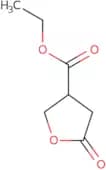
Produto descontinuadoEthyl 5-oxooxolane-3-carboxylate
CAS:Versatile small molecule scaffold
Fórmula:C7H10O4Pureza:Min. 95%Peso molecular:158.15 g/molRef: 3D-FAA20492
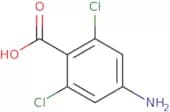
Produto descontinuado4-Amino-2,6-dichlorobenzoic acid
CAS:Versatile small molecule scaffold
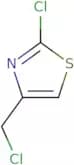
Fórmula:C7H5Cl2NO2Pureza:Min. 95%Peso molecular:206.02 g/mol2-Chloro-4-(chloromethyl)thiazole
CAS:2-Chloro-4-(chloromethyl)thiazole is a coplanar molecule with torsion and dihedral angles. It has an IUPAC name of 2-chloro-4-(chloromethyl)thiazole, but is also known as CMT or 2,4-dichlorotriazole.
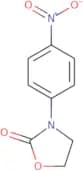
Fórmula:C4H3Cl2NSPureza:Min. 95%Peso molecular:168.05 g/mol3-(4-Nitrophenyl)-1,3-oxazolidin-2-one
CAS:Versatile small molecule scaffold
Fórmula:C9H8N2O4Pureza:Min. 95%Peso molecular:208.17 g/mol2-(4-Bromophenyl)-2-oxoacetaldehyde
CAS:2-(4-Bromophenyl)-2-oxoacetaldehyde (BPOD) is a molecule that can be synthesized by reacting benzonitrile with thiazolone. BPOD is an acetylation and benzoylation substrate, which makes it useful for the preparation of fatty acids and glyoxal. BPOD has been used as a reactive intermediate in the synthesis of other molecules, such as phenylacetic acid, 2-chloro-4-nitrobenzoyl chloride, and 1,3-dichloroacetone. The reaction of BPOD with proton gives 2-(4-bromophenyl)-2-hydroxyethanal. This reaction is catalyzed by electrolysis or by chromatography.
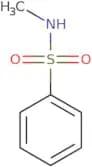
BPOD also reacts with glyoxal to form 2-(4-bromophenyl)-2-(2,3-dihydroxypropoxy)acetaldehyde (BPPD).Fórmula:C8H5BrO2Pureza:Min. 95%Peso molecular:213.03 g/molN-Methylbenzenesulfonamide
CAS:N-Methylbenzenesulfonamide is a molecule that belongs to the class of sulfonamides. It is a colorless liquid with a strong, unpleasant odor. It has been used in the synthesis of ethylene, iodides, and chloroform. N-Methylbenzenesulfonamide has been shown to exhibit potent cardiac activity at high concentrations and has been used as an experimental drug for the treatment of heart conditions. The rate constant for its second-order reaction with hydrogen chloride was determined to be 0.0169/sec at 25°C using cellulose acetate as the substrate. N-Methylbenzenesulfonamide is a stable molecule that will not react with other molecules until it reaches temperatures over 300 degrees Celsius or solvents such as water or alcohols. This chemical also interacts with most other molecules except for those containing nitrogen or oxygen atoms.
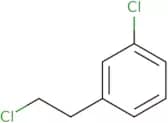
Fórmula:C7H9NO2SPureza:Min. 95%Peso molecular:171.21 g/mol1-Chloro-3-(2-chloroethyl)benzene
CAS:Versatile small molecule scaffold
Fórmula:C8H8Cl2Pureza:Min. 95%Peso molecular:175.05 g/mol{1-Azabicyclo[2.2.2]octan-3-yl}methanol
CAS:{1-Azabicyclo[2.2.2]octan-3-yl}methanol is a dehydrating agent that is used in the production of many organic and inorganic chemicals, such as chlorides, alcohols, amines, ethers, and thiols. This chemical has been shown to react with alkali metals to produce hydrogen chloride gas. It has also been used as an antihistaminic and for dehydrating reactions. {1-Azabicyclo[2.2.2]octan-3-yl}methanol can be used to manufacture hydrogen chloride gas by reacting with sodium hydroxide or potassium hydroxide at high temperatures. The reaction product is then dehydrated to form hydrochloric acid (HCl).
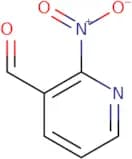
Fórmula:C8H15NOPureza:Min. 95%Peso molecular:141.21 g/mol2-Nitropyridine-3-carbaldehyde
CAS:Versatile small molecule scaffold
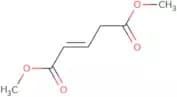
Fórmula:C6H4N2O3Pureza:Min. 95%Peso molecular:152.11 g/molDimethyl Glutaconate
CAS:Dimethyl glutaconate is a reactive, tautomeric compound. It has shown to have a cross-linking effect on DNA, which may be useful in the treatment of tumors. Dimethyl glutaconate inhibits tumor growth by inhibiting the activity of topoisomerase II and III enzymes, which are involved in DNA replication. The inhibition of these enzymes leads to increased strand breakage and degradation of DNA.
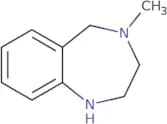
As an anticancer agent, dimethyl glutaconate has been shown to inhibit the proliferation of various types of cancer cells including those found in breast, prostate and colon cancers. It also binds to purine derivatives such as adenine and guanine, which are essential for nucleotide synthesis. This binding prevents their incorporation into DNA or RNA molecules and inhibits nucleic acid production.Fórmula:C7H10O4Pureza:Min. 95%Peso molecular:158.15 g/mol4-Methyl-2,3,4,5-tetrahydro-1H-1,4-benzodiazepine
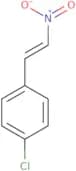
CAS:Versatile small molecule scaffoldFórmula:C10H14N2Pureza:Min. 95%Peso molecular:162.23 g/mol1-Chloro-4-(2-nitro-vinyl)-benzene
CAS:1-Chloro-4-(2-nitro-vinyl)-benzene is a colorless liquid that is soluble in organic solvents. It is used as a dehydrating agent and can be used to synthesize nitromethane by reacting with sodium methoxide in the presence of nitrogen gas. 1-Chloro-4-(2-nitro-vinyl)-benzene is stable at room temperature and has an environmental impact that is low. This compound can also be used as a catalyst for other reactions, such as the conversion of nitrobenzene to aniline.
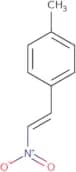
Fórmula:C8H6ClNO2Pureza:Min. 95%Peso molecular:183.59 g/moltrans-4-Methyl-beta-nitrostyrene
CAS:Trans-4-methyl-beta-nitrostyrene is a quinoline derivative that is used as an intermediate in the synthesis of other compounds. It has been shown to be an efficient method for inducing gene expression and regulating cellular response in animals. Trans-4-methyl-beta-nitrostyrene induces tyrosine kinase activity and telomerase activity, which are important in cell proliferation and tumor growth. This compound also activates downstream signal transduction pathways such as those mediated by epidermal growth factor receptor (EGFR). Trans-4-methyl-beta-nitrostyrene can be used to induce gene expression and regulate cellular response in animals. The compound also activates downstream signal transduction pathways such as those mediated by epidermal growth factor receptor (EGFR).
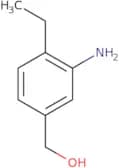
Fórmula:C9H9NO2Pureza:Min. 95%Peso molecular:163.17 g/mol(3-Amino-4-ethylphenyl)methanol
CAS:Versatile small molecule scaffold
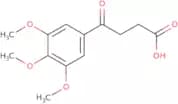
Fórmula:C9H13NOPureza:Min. 95%Peso molecular:151.21 g/mol4-Oxo-4-(3,4,5-trimethoxyphenyl)butanoic acid
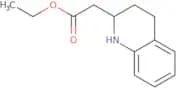
CAS:Versatile small molecule scaffoldFórmula:C13H16O6Pureza:Min. 95%Peso molecular:268.26 g/molEthyl (1,2,3,4-tetrahydroquinolin-2-yl)acetate
CAS:Versatile small molecule scaffoldFórmula:C13H17NO2Pureza:Min. 95%Peso molecular:219.28 g/molRef: 3D-FAA10058
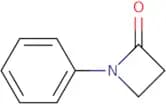
Produto descontinuado1-Phenylazetidin-2-one
CAS:1-Phenylazetidin-2-one is a diastereomer of zinc acetate. It is activated by refluxing with concentrated hydrochloric acid and then treated with carbon dioxide to form the chloride. The chloride is heated in an open vessel with a solvent such as benzene, toluene, xylene, chloroform, or dichloromethane for about three hours until it becomes a deep red color. The 1-phenylazetidin-2-one is isolated from the reaction mixture by recrystallization from methanol and water. This compound has shown anticancer activity by binding to the toll-like receptor 4 (TLR4) on tumor cells and inhibiting the production of inflammatory cytokines. Its interaction with cholesterol may be due to its ability to inhibit HMG-CoA reductase activity in rats.
Fórmula:C9H9NOPureza:Min. 95%Peso molecular:147.17 g/mol1-[1-(4-Fluorophenyl)-5-methyl-1H-pyrazol-4-yl]ethan-1-one
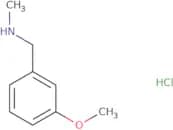
CAS:Versatile small molecule scaffoldFórmula:C12H11FN2OPureza:Min. 95%Peso molecular:218.23 g/mol(3-Methoxybenzyl)methylamine hydrochloride
CAS:Versatile small molecule scaffoldFórmula:C9H14ClNOPureza:Min. 95%Peso molecular:187.66 g/mol[(1-aminocyclohexyl)methyl]amine
CAS:[(1-aminocyclohexyl)methyl]amine is a white crystalline solid that is soluble in water, alcohol, and ether. It has a pKb of 2.5 and decomposes at 240°C. [(1-aminocyclohexyl)methyl]amine is an unsymmetrical molecule with two phenyl groups. This compound has been shown to catalyze the reaction between cyclohexanone and hydrophilic inorganic compounds, such as hydrochloric acid or potassium hydroxide, to form alkali metal cyclohexanones. [(1-aminocyclohexyl)methyl]amine also has antitumor activity by causing DNA damage and inhibiting protein synthesis in cancer cells.
[[File:https://upload.wikimedia.org/wikipedia/commons/thumb/2/2a/Chemical_Structures_of_Quinolones-5D4A8F87EFórmula:C7H16N2Pureza:Min. 95%Peso molecular:128.22 g/mol4-(2-Chlorophenoxy)butanoic acid
CAS:Produto ControladoVersatile small molecule scaffold
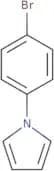
Fórmula:C10H11ClO3Pureza:Min. 95%Peso molecular:214.64 g/mol1-(4-Bromophenyl)pyrrole
CAS:1-(4-Bromophenyl)pyrrole is a primary amine that can be synthesized by cross-coupling of 1,2-dibromobenzene and pyrrole. This process involves the use of palladium as a catalyst to promote the reaction. The catalytic activity of the palladium is increased by hydrogen sulfate and chlorine, which act as promoters in this reaction. The synthesis of 1-(4-bromophenyl)pyrrole can also be accomplished by reacting with primary amines in tetrahydrofuran at high temperatures. Reaction conditions are also dependent on the presence or absence of fluorine gas, which may cause an increase in the yield and decrease in reaction time. In addition, irradiation can be used to break down pyrrole into its constituent parts for use in synthesizing 1-(4-bromophenyl)pyrrole.
Fórmula:C10H8BrNPureza:Min. 95%Peso molecular:222.08 g/mol7-Bromo-2-naphthalenecarboxylic acid
CAS:Versatile small molecule scaffold
Fórmula:C11H7BrO2Pureza:Min. 95%Peso molecular:251.08 g/mol(Phenylthio)propanone
CAS:Phenylthiopropanone (PTPA) is an organic compound that belongs to the class of sulfoxides. It can be synthesized from ethyl ester, chloroform, and phenylthiol in a three-step process using methodologies such as biotransformations or chemoenzymatic reactions. PTPA can also be obtained by reacting sodium sulfoxide with phosphorus pentachloride. PTPA has been used as a precursor for other compounds including the hydroxy group, chloride, and synthetically desulfurized phenylthioacetaldehyde. The synthesis of PTPA is usually carried out in the presence of a catalyst and kinetic control of the reaction is necessary to avoid undesired side reactions.
Fórmula:C9H10OSPureza:Min. 95%Peso molecular:166.24 g/molN2-Methylpyridine-2,3-diamine
CAS:N2-Methylpyridine-2,3-diamine is a cytotoxic agent that is hydrophobic and has been shown to be cytotoxic against human cancer cells. It has been shown to inhibit protein synthesis in cancer cells by inhibiting the translation of mRNA into proteins.
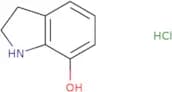
N2-Methylpyridine-2,3-diamine inhibits the activity of diazepinones and other compounds that are involved in the synthesis of fatty acids and cholesterol. This compound also inhibits acetonitrile reductase, an enzyme involved in the synthesis of acetoacetate, which leads to cell death.Fórmula:C6H9N3Pureza:Min. 95%Peso molecular:123.16 g/molIndolin-7-ol hydrochloride
CAS:Versatile small molecule scaffold
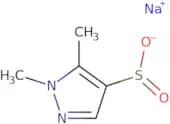
Fórmula:C8H10ClNOPureza:Min. 95%Peso molecular:171.62 g/molSodium 1,5-dimethyl-1H-pyrazole-4-sulfinate
CAS:Versatile small molecule scaffold
Fórmula:C5H7N2NaO2SPureza:Min. 95%Peso molecular:182.18 g/molRef: 3D-EZC90842
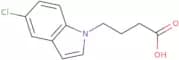
Produto descontinuado4-(5-Chloro-1H-indol-1-yl)butanoic acid
CAS:Versatile small molecule scaffold
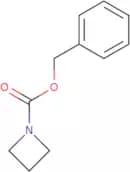
Fórmula:C12H12ClNO2Pureza:Min. 95%Peso molecular:237.68 g/molBenzyl azetidine-1-carboxylate
CAS:Versatile small molecule scaffold
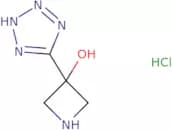
Fórmula:C11H13NO2Pureza:Min. 95%Peso molecular:191.23 g/mol3-(1H-1,2,3,4-Tetrazol-5-yl)azetidin-3-ol hydrochloride
CAS:Versatile small molecule scaffold
Fórmula:C4H8ClN5OPureza:Min. 95%Peso molecular:177.59 g/molRef: 3D-EZB70532
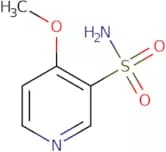
Produto descontinuado4-Methoxypyridine-3-sulfonamide
CAS:4-Methoxypyridine-3-sulfonamide is a potent inhibitor of carbonic anhydrase. It is used in the treatment of chronic glaucoma and other diseases that result from increased intraocular pressure, such as iritis, keratitis, or optic neuritis. 4-Methoxypyridine-3-sulfonamide inhibits the activity of all isoforms of human carbonic anhydrase. The inhibition constants for this drug are higher for cytosolic isoforms than for transmembrane isoforms. This drug has a high selectivity for carbonic anhydrase over other enzymes and can be used to distinguish between different types of isoforms.
Fórmula:C6H8N2O3SPureza:Min. 95%Peso molecular:188.21 g/mol[4-(Methoxymethyl)thiophen-2-yl]methanol
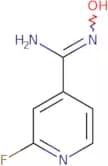
CAS:Versatile small molecule scaffoldFórmula:C7H10O2SPureza:Min. 95%Peso molecular:158.22 g/mol2-Fluoro-N'-hydroxypyridine-4-carboximidamide
CAS:Versatile small molecule scaffoldFórmula:C6H6FN3OPureza:Min. 95%Peso molecular:155.13 g/mol(4R)-4-Methyl-1,2,3-oxathiazolidine-2,2-dione
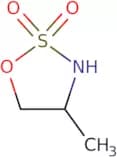
CAS:Versatile small molecule scaffold
Fórmula:C3H7NO3SPureza:Min. 95%Peso molecular:137.16 g/molRef: 3D-ETA24861
Produto descontinuado2-[2-Fluoro-5-(4,4,5,5-tetramethyl-1,3,2-dioxaborolan-2-yl)phenyl]acetamide
CAS:Versatile small molecule scaffold
Fórmula:C14H19BFNO3Pureza:Min. 95%Peso molecular:279.12 g/moltert-Butyl 3-(5-(4,4,5,5-tetramethyl-1,3,2-dioxaborolan-2-yl)-1H-pyrazol-1-yl)azetidine-1-carboxylate
CAS:Versatile small molecule scaffold
Fórmula:C17H28BN3O4Pureza:Min. 95%Peso molecular:349.2 g/mol
![Dimethyl[2-(phenylamino)ethyl]amine](/_next/image/?url=https%3A%2Fstatic.cymitquimica.com%2Fproducts%2F3D%2Fthumb-webp%2FGAA71146.webp&w=3840&q=75)



![(6-Bromobenzo[d][1,3]dioxol-5-yl)methanol](/_next/image/?url=https%3A%2Fstatic.cymitquimica.com%2Fproducts%2F3D%2Fthumb-webp%2FGAA64234.webp&w=3840&q=75)
![5H,6H,7H,8H,9H-[1,2,4]Triazolo[4,3-d][1,4]diazepine dihydrochloride](/_next/image/?url=https%3A%2Fstatic.cymitquimica.com%2Fproducts%2F3D%2Fthumb-webp%2FFPD91349.webp&w=3840&q=75)


![1-Methyl-4,8-dioxa-1,10-diazaspiro[5.5]undecane](/_next/image/?url=https%3A%2Fstatic.cymitquimica.com%2Fproducts%2F3D%2Fthumb-webp%2FFPD80323.webp&w=3840&q=75)
![tert-Butyl 6-(aminomethyl)-1-azaspiro[3.3]heptane-1-carboxylate](/_next/image/?url=https%3A%2Fstatic.cymitquimica.com%2Fproducts%2F3D%2Fthumb-webp%2FFPD80305.webp&w=3840&q=75)
![Ethyl 1-(hydroxymethyl)-3,3-dimethyl-2-oxabicyclo[2.1.1]hexane-4-carboxylate](/_next/image/?url=https%3A%2Fstatic.cymitquimica.com%2Fproducts%2F3D%2Fthumb-webp%2FFPD80274.webp&w=3840&q=75)
![{8-Methyl-1-oxaspiro[4.5]decan-2-yl}methanamine hydrochloride](/_next/image/?url=https%3A%2Fstatic.cymitquimica.com%2Fproducts%2F3D%2Fthumb-webp%2FFPD79951.webp&w=3840&q=75)
![1-[(5-Fluoro-2-methoxyphenyl)methyl]cyclopropan-1-amine hydrochloride](/_next/image/?url=https%3A%2Fstatic.cymitquimica.com%2Fproducts%2F3D%2Fthumb-webp%2FFPD79943.webp&w=3840&q=75)
![4-(Ethoxycarbonyl)-3,3-dimethyl-2-oxabicyclo[2.1.1]hexane-1-carboxylic acid](/_next/image/?url=https%3A%2Fstatic.cymitquimica.com%2Fproducts%2F3D%2Fthumb-webp%2FFPD79923.webp&w=3840&q=75)
![3-Amino-7-oxa-1λ⁶-thiaspiro[3.5]nonane-1,1-dione hydrochloride](/_next/image/?url=https%3A%2Fstatic.cymitquimica.com%2Fproducts%2F3D%2Fthumb-webp%2FFPD79892.webp&w=3840&q=75)

![4-{[2-(Thiophen-3-yl)ethyl]amino}benzoic acid](/_next/image/?url=https%3A%2Fstatic.cymitquimica.com%2Fproducts%2F3D%2Fthumb-webp%2FFIC97053.webp&w=3840&q=75)
amine](/_next/image/?url=https%3A%2Fstatic.cymitquimica.com%2Fproducts%2F3D%2Fthumb-webp%2FFEA34056.webp&w=3840&q=75)




![{1-Azabicyclo[2.2.2]octan-3-yl}methanol](/_next/image/?url=https%3A%2Fstatic.cymitquimica.com%2Fproducts%2F3D%2Fthumb-webp%2FFAA17622.webp&w=3840&q=75)
![1-[1-(4-Fluorophenyl)-5-methyl-1H-pyrazol-4-yl]ethan-1-one](/_next/image/?url=https%3A%2Fstatic.cymitquimica.com%2Fproducts%2F3D%2Fthumb-webp%2FFAA07858.webp&w=3840&q=75)
![[(1-aminocyclohexyl)methyl]amine](/_next/image/?url=https%3A%2Fstatic.cymitquimica.com%2Fproducts%2F3D%2Fthumb-webp%2FFAA06267.webp&w=3840&q=75)


![[4-(Methoxymethyl)thiophen-2-yl]methanol](/_next/image/?url=https%3A%2Fstatic.cymitquimica.com%2Fproducts%2F3D%2Fthumb-webp%2FEZB62707.webp&w=3840&q=75)
![2-[2-Fluoro-5-(4,4,5,5-tetramethyl-1,3,2-dioxaborolan-2-yl)phenyl]acetamide](/_next/image/?url=https%3A%2Fstatic.cymitquimica.com%2Fproducts%2F3D%2Fthumb-webp%2FESD63510.webp&w=3840&q=75)
