


Building Blocks
Subcategorias de "Building Blocks"
- Ácidos Borónicos e Derivados de Ácido Borónico(5.780 produtos)
- Building Blocks Quirais(1.241 produtos)
- Building Blocks Hidrocarbonetos(6.100 produtos)
- Building Blocks orgânicos(61.010 produtos)
Foram encontrados 205258 produtos de "Building Blocks"
6-(Bromomethyl)-3-phenyl-5H,6H-[1,2,4]triazolo[3,4-b][1,3]thiazole
CAS:Versatile small molecule scaffold
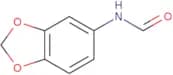
Fórmula:C11H10BrN3SPureza:Min. 95%Peso molecular:296.19 g/molN-(1,3-Dioxaindan-5-yl)formamide
CAS:Versatile small molecule scaffold
Fórmula:C8H7NO3Pureza:Min. 95%Peso molecular:165.15 g/moltert-Butyl 2-acetamidoacetate
CAS:Versatile small molecule scaffold
Fórmula:C8H15NO3Pureza:Min. 95%Peso molecular:173.21 g/molRef: 3D-SEA88089
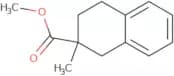
Produto descontinuadoMethyl 2-methyl-1,2,3,4-tetrahydronaphthalene-2-carboxylate
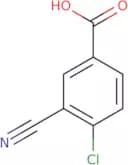
CAS:Versatile small molecule scaffoldFórmula:C13H16O2Pureza:Min. 95%Peso molecular:204.26 g/mol4-Chloro-3-cyanobenzoic acid
CAS:Versatile small molecule scaffold
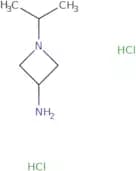
Fórmula:C8H4ClNO2Pureza:Min. 95%Peso molecular:181.58 g/mol1-(1-Methylethyl)-3-azetidinamine, hydrochloride (1:2)
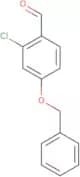
CAS:1-(1-Methylethyl)-3-azetidinamine, hydrochloride (1:2) is a synthetic compound that has been shown to be a potent and selective γ-secretase modulator. It is a triol with an alcohol group at C-3 and two hydroxyl groups at C-4 and C-5. This compound has been shown to inhibit the production of cycloartenol from soybean oil in vitro, which may be due to its inhibition of γ-secretase activity. 1-(1-Methylethyl)-3-azetidinamine, hydrochloride (1:2) also has the potential for use as a target compound for research purposes.Fórmula:C6H16Cl2N2Pureza:Min. 95%Peso molecular:187.11 g/mol4-(Benzyloxy)-2-chlorobenzaldehyde
CAS:4-(Benzyloxy)-2-chlorobenzaldehyde is an aldehyde that can be used for the synthesis of organic compounds. It is made from 2-chloro-4-hydroxybenzaldehyde, which is synthesized from hydroxybenzaldehyde, oxime, and benzyl alcohol. The product has been shown to react with riboflavin and a second reagent in the presence of palladium to form a chromatographic column. 4-(Benzyloxy)-2-chlorobenzaldehyde reacts with 6-chlorouracil to form an oxirane ring. This reaction can also be used to synthesize tulobuterol, which is a β2-agonist. 4-(Benzyloxy)-2-chlorobenzaldehyde reacts with ribose in the presence of hydroxy to produce glucose and 2-(6'-hydroxypurinomethyl)riboflavin as a byproduct.
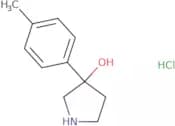
Fórmula:C14H11ClO2Pureza:Min. 95%Peso molecular:246.69 g/mol3-p-Tolyl-pyrrolidin-3-ol hydrochloride
CAS:Versatile small molecule scaffoldFórmula:C11H16ClNOPureza:Min. 95%Peso molecular:213.71 g/mol6-Chloro-3-methyl-[1,2,4]triazolo[3,4-a]-phthalazine
CAS:Versatile small molecule scaffold
Fórmula:C10H7ClN4Pureza:Min. 95%Peso molecular:218.65 g/mol1-Benzoylpiperidin-3-ol
CAS:Versatile small molecule scaffold
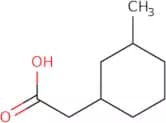
Fórmula:C12H15NO2Pureza:Min. 95%Peso molecular:205.3 g/mol2-(3-Methylcyclohexyl)acetic acid
CAS:Versatile small molecule scaffold
Fórmula:C9H16O2Pureza:Min. 95%Peso molecular:156.22 g/mol2-(3-Bromophenyl)-1,3-dioxane
CAS:Versatile small molecule scaffold
Fórmula:C10H11BrO2Pureza:Min. 95%Peso molecular:243.1 g/mol5,6,7,8-Tetrahydroindolizine-1-carbonitrile
CAS:Versatile small molecule scaffold
Fórmula:C9H10N2Pureza:Min. 95%Peso molecular:146.19 g/mol2-Hydroxy-3-isopropylbenzaldehyde
CAS:2-Hydroxy-3-isopropylbenzaldehyde is an aldehyde with the chemical formula C9H10O4. It is synthesized from 2,3-dihydroxybenzaldehyde by cyanosilylation and has an enantiomeric purity of 99%. The conformation of 2-hydroxy-3-isopropylbenzaldehyde can be determined by 2D NMR techniques as well as x-ray diffraction. The x-ray structure indicates that the molecule has a chair conformation, with a dihedral angle of 60°.
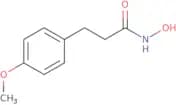
2-Hydroxy-3-isopropylbenzaldehyde can be used in the synthesis of heteroaromatic compounds, such as indole derivatives, through catalytic hydrogenation. This compound also reacts with sodium nitrite to form salicylaldehydes and alicyclic compounds.Fórmula:C10H12O2Pureza:Min. 95%Peso molecular:164.2 g/molN-Hydroxy-3-(4-methoxyphenyl)propanamide
CAS:Versatile small molecule scaffold
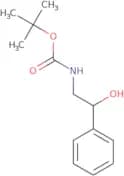
Fórmula:C10H13NO3Pureza:Min. 95%Peso molecular:195.21 g/molN-Boc-2-hydroxy-2-phenylethylamine
CAS:N-Boc-2-hydroxy-2-phenylethylamine is a chemical that inhibits the reuptake of serotonin, which is a monoamine neurotransmitter. It is classified as a reuptake inhibitor. N-Boc-2-hydroxy-2-phenylethylamine competitively binds to the transporter that removes serotonin from the synapse, which leads to increased concentrations of serotonin in the synapse. This drug has shown efficacy in treating depression and could be used as an antidepressant.
Fórmula:C13H19NO3Pureza:Min. 95%Peso molecular:237.3 g/mol1-(3,4,5-Trichlorophenyl)piperazine
CAS:Produto ControladoVersatile small molecule scaffold
Fórmula:C10H11Cl3N2Pureza:Min. 95%Peso molecular:265.6 g/molMethyl 2-(6-nitro-4-oxo-3,4-dihydroquinazolin-3-yl)acetate
CAS:Versatile small molecule scaffold
Fórmula:C11H9N3O5Pureza:Min. 95%Peso molecular:263.21 g/mol2-Amino-4-chloro-3-methoxybenzoic acid
CAS:Versatile small molecule scaffold
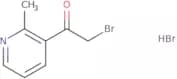
Fórmula:C8H8ClNO3Pureza:Min. 95%Peso molecular:201.61 g/mol2-Bromo-1-(2-methylpyridin-3-yl)ethan-1-one hydrobromide
CAS:Versatile small molecule scaffoldFórmula:C8H9Br2NOPureza:Min. 95%Peso molecular:294.97 g/molRef: 3D-SCA27927
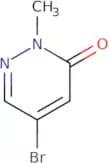
Produto descontinuado5-Bromo-2-methylpyridazin-3(2H)-one
CAS:Versatile small molecule scaffold
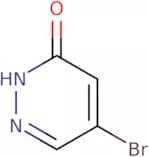
Fórmula:C5H5BrN2OPureza:Min. 95%Peso molecular:189.01 g/mol5-Bromo-2,3-dihydropyridazin-3-one
CAS:Versatile small molecule scaffold
Fórmula:C4H3BrN2OPureza:Min. 95%Peso molecular:174.98 g/mol9-Thiabicyclo[3.3.1]nonan-3-one
CAS:9-Thiabicyclo[3.3.1]nonan-3-one is an analog of a monocyclic compound that has been explored for its potential use in exploratory studies. The synthesis of this compound was accomplished by the reaction of 9-bromobicyclo[3.3.1]nonan-3-one with tert-butyl alcohol, which provided the desired product in moderate yield. It has been found to have a strong interaction with methanol and tert-butyl alcohol, which can be used to synthesize other analogues of the compound. This analog has not yet been studied for any biological activity, but it may have chemoselectivity due to its steric properties and its ability to act as a hydrogen bond donor or acceptor.
Fórmula:C8H12OSPureza:Min. 95%Peso molecular:156.25 g/molRef: 3D-SCA19470
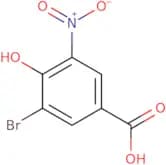
Produto descontinuado3-Bromo-4-hydroxy-5-nitrobenzoic acid
CAS:Versatile small molecule scaffold
Fórmula:C7H4BrNO5Pureza:Min. 95%Peso molecular:262.02 g/mol4-[(Piperidin-2-yl)methyl]benzonitrile
CAS:Produto ControladoVersatile small molecule scaffold
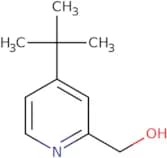
Fórmula:C13H16N2Pureza:Min. 95%Peso molecular:200.28 g/mol(4-tert-Butylpyridin-2-yl)methanol
CAS:(4-tert-Butylpyridin-2-yl)methanol is a ligand that has the ability to bind metal ions through the intramolecular hydrogen bond. The strong magnetic properties of (4-tert-butylpyridin-2-yl)methanol have been studied by measuring the anisotropy of the NMR signal and found to be a paramagnetic molecule. This compound also has an anion, which is a negatively charged ion with a charge of -1. The anions are inorganic, meaning they are not organic compounds. The temperature and electron density of this molecule were also studied, as well as its interaction with methyl groups and electrospray ionization.
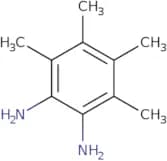
Fórmula:C10H15NOPureza:Min. 95%Peso molecular:165.23 g/molTetramethylbenzene-1,2-diamine
CAS:Versatile small molecule scaffold
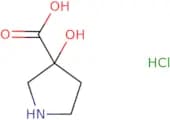
Fórmula:C10H16N2Pureza:Min. 95%Peso molecular:164.25 g/mol3-Hydroxypyrrolidine-3-carboxylic acid hydrochloride
CAS:Versatile small molecule scaffold
Fórmula:C5H10ClNO3Pureza:Min. 95%Peso molecular:167.59 g/molRef: 3D-SCA11723
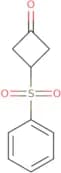
Produto descontinuado3-(Benzenesulfonyl)cyclobutan-1-one
CAS:Versatile small molecule scaffold
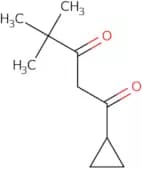
Fórmula:C10H10O3SPureza:Min. 95%Peso molecular:210.25 g/mol1-Cyclopropyl-4,4-dimethylpentane-1,3-dione
CAS:Versatile small molecule scaffold
Fórmula:C10H16O2Pureza:Min. 95%Peso molecular:168.23 g/mol1-Methylpyrido[2,3-b]pyrazine-2,3(1H,4H)-dione
CAS:Versatile small molecule scaffold
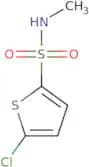
Fórmula:C8H7N3O2Pureza:Min. 95%Peso molecular:177.16 g/mol5-Chloro-N-methylthiophene-2-sulfonamide
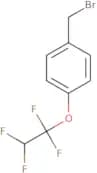
CAS:Versatile small molecule scaffoldFórmula:C5H6ClNO2S2Pureza:Min. 95%Peso molecular:211.7 g/mol1-(Bromomethyl)-4-(1,1,2,2-tetrafluoroethoxy)benzene
CAS:Versatile small molecule scaffold
Fórmula:C9H7BrF4OPureza:Min. 95%Peso molecular:287.05 g/mol4-[(Methylsulfanyl)methyl]benzoic acid
CAS:4-[(Methylsulfanyl)methyl]benzoic acid is a chiral compound with a sulfur atom. It can be prepared by the reaction between methylsulfonyl chloride and benzoyl chloride in chloroform or by the reaction of methoxysulfur trifluoride with benzoic acid. 4-[(Methylsulfanyl)methyl]benzoic acid can also be synthesized by the reaction of sulfone and carboxylic acid derivatives, such as benzyl or cyano. 4-[(Methylsulfanyl)methyl]benzoic acid is used as a fungicide, insecticide, and herbicide. The substituents on this molecule are able to form bonds with other molecules to create an array of different structures. The most common substitution is for methoxy, which has a hydroxy group attached to it. This substitution is found in many different types of molecules including some drugs, hormones, vitamins,
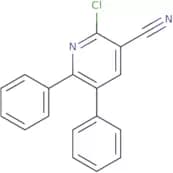
Fórmula:C9H10O2SPureza:Min. 95%Peso molecular:182.24 g/mol2-Chloro-5,6-diphenylpyridine-3-carbonitrile
CAS:Versatile small molecule scaffold
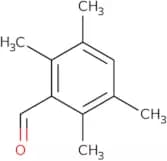
Fórmula:C18H11ClN2Pureza:Min. 95%Peso molecular:290.7 g/mol2,3,5,6-Tetramethylbenzaldehyde
CAS:2,3,5,6-Tetramethylbenzaldehyde is an ancillary ligand that has been used in the synthesis of fluorescent devices and optical devices. It is a nonpolar compound that can be used as a solvent for materials that are not soluble in water. 2,3,5,6-Tetramethylbenzaldehyde is soluble in nonpolar solvents such as toluene or hexane. The compound's fluorescence properties have been studied using exciplex emission and single-crystal x-ray diffraction. 2,3,5,6-Tetramethylbenzaldehyde has also been shown to bind anions such as Cl-, NO2-, and CO32-.
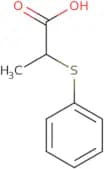
Fórmula:C11H14OPureza:Min. 95%Peso molecular:162.23 g/mol2-(Phenylsulfanyl)propanoic acid
CAS:Versatile small molecule scaffold
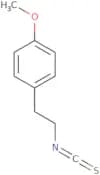
Fórmula:C9H10O2SPureza:Min. 95%Peso molecular:182.24 g/mol1-(2-Isothiocyanatoethyl)-4-methoxybenzene
CAS:Versatile small molecule scaffold
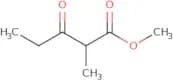
Fórmula:C10H11NOSPureza:Min. 95%Peso molecular:193.27 g/mol2-Methyl-3-oxo-pentanoicacid methyl ester
CAS:The synthesis of 2-methyl-3-oxo-pentanoic acid methyl ester is accomplished by a three step process. The first step is the intramolecular condensation of 2,2-dimethylpropionic acid with acetone to form a 1:1 mixture of 3,4-dihydroxybutyl and 4,4-dihydroxybutyl esters. The second step is the selective transesterification of the 3,4-dihydroxybutyl ester with benzaldehyde. This reaction provides an optically pure 2-methyl-3-oxo-pentanoic acid methyl ester as the major product. The third step is an aldol condensation between the ketone from the second step and acetone to produce another optically pure 2,2 dimethylpropionic acid methyl ester.Fórmula:C7H12O3Pureza:Min. 95%Peso molecular:144.17 g/mol2,4,4-Trimethylpentanal
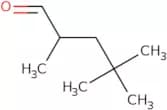
CAS:2,4,4-Trimethylpentanal is a colorless liquid with a sweet odor. It is used as an olefin and solvent, and has industrial applications in the production of chloroform, solvents, and naphthenes. 2,4,4-Trimethylpentanal can also be used as a precursor for the production of benzene by hydrogenation. This product can be found in the liquid phase at room temperature and is soluble in organic solvents such as chloroform and carbon tetrachloride. It reacts with sulphonic acid to produce phosphoric acid or with pentane or tetrachloride to produce epoxides.
Fórmula:C8H16OPureza:Min. 95%Peso molecular:128.21 g/molRef: 3D-SAA41446
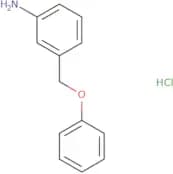
Produto descontinuado3-(Phenoxymethyl)aniline hydrochloride
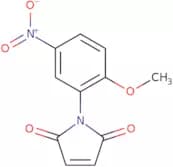
CAS:Versatile small molecule scaffoldFórmula:C13H14ClNOPureza:Min. 95%Peso molecular:235.71 g/mol1-(2-Methoxy-5-nitrophenyl)-1H-pyrrole-2,5-dione
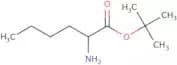
CAS:Versatile small molecule scaffoldFórmula:C11H8N2O5Pureza:Min. 95%Peso molecular:248.19 g/moltert-Butyl 2-aminohexanoate
CAS:Versatile small molecule scaffold
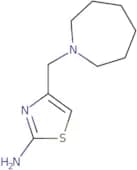
Fórmula:C10H21NO2Pureza:Min. 95%Peso molecular:187.28 g/mol4-(Azepan-1-ylmethyl)-1,3-thiazol-2-amine
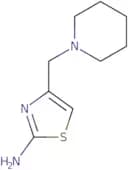
CAS:Versatile small molecule scaffoldFórmula:C10H17N3SPureza:Min. 95%Peso molecular:211.33 g/mol4-Piperidin-1-ylmethyl-thiazol-2-ylamine dihydrochloride
CAS:Versatile small molecule scaffold
Fórmula:C9H17Cl2N3SPureza:Min. 95%Peso molecular:270.23 g/mol2-[(4-Methylphenyl)amino]-4,5-dihydro-1,3-thiazol-4-one
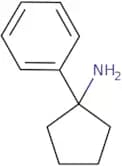
CAS:Versatile small molecule scaffoldFórmula:C10H10N2OSPureza:Min. 95%Peso molecular:206.27 g/mol1-Phenyl-cyclopentylamine
CAS:Produto Controlado1-Phenyl-cyclopentylamine (1-PCPA) is an amine that is typically used in the analysis of complex reactions. It has a nanomolar range and can be detected with various analytical methods, such as in vitro studies. 1-PCPA is used to measure enzymatic activity within the micromolar range. It has a bioisosteric relationship with pentapeptide, which means it can be substituted for pentapeptide in vivo without disrupting protein function or structure. 1-PCPA also has oral toxicity and behavioral effects, making it useful for analyzing the effect of amines on sensitivity and hydrochloric acid.
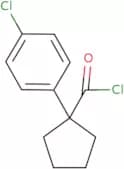
Fórmula:C11H15NPureza:Min. 95%Peso molecular:161.25 g/mol1-Phenylcyclopentanecarbonyl chloride
CAS:1-Phenylcyclopentanecarbonyl chloride is an aliphatic compound with a chlorine atom. It is soluble in water and has a solubility of 4.6 g/L at room temperature. 1-Phenylcyclopentanecarbonyl chloride is used as a precursor to produce bioplastics, such as poly(1-phenylcyclopentane)chloride and poly(1,2-diphenylethylene)chloride. This compound can also be used to disrupt cell membranes by reacting with the chloride ion on the outside of the membrane, which lowers its permeability. 1-Phenylcyclopentanecarbonyl chloride reacts with moieties in organic compounds, such as aliphatic and cycloaliphatic moieties, to form covalently bonded chlorides that are less reactive than their corresponding hydrochlorides or other halides. The lower reactivity of these chlorides allows them toFórmula:C12H13ClOPureza:Min. 95%Peso molecular:208.68 g/molC-(1-Phenyl-cyclohexyl)-methylamine
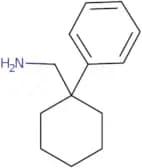
CAS:Produto ControladoC-(1-Phenyl-cyclohexyl)-methylamine is an ether that is used as a research chemical. It is also known as PCA, 1-phenylcyclohexanol, or C1PCA. This compound has the potential to induce anesthesia and has been used in the past as an analeptic drug. The synthesis of this compound involves refluxing a mixture of phenylacetaldehyde and cyclohexanone with methylamine.
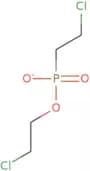
Fórmula:C13H19NPureza:Min. 95%Peso molecular:189.3 g/mol(2-Chloroethoxy)(2-chloroethyl)phosphinic acid
CAS:Versatile small molecule scaffold
Fórmula:C4H8Cl2O3PPureza:Min. 95%Peso molecular:205.98 g/mol4-Phenyl-1,3-oxazole-2-thiol
CAS:Versatile small molecule scaffold
Fórmula:C9H7NOSPureza:Min. 95%Peso molecular:177.22 g/molN-(2-Chloroacetyl)acetamide
CAS:Versatile small molecule scaffold
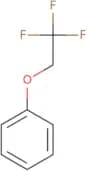
Fórmula:C4H6ClNO2Pureza:Min. 95%Peso molecular:135.55 g/mol2,2,2-Trifluoroethoxybenzene
CAS:2,2,2-Trifluoroethoxybenzene is an acid catalyst that is used in the production of chlorobenzene. This organic compound has been shown to produce a number of products when heated with dihydroxybenzene. These products include acid chlorides and benzoyl chloride that can be used as intermediates in other chemical reactions. 2,2,2-Trifluoroethoxybenzene has also been shown to react with alkali metals to produce inorganic acids. In addition to acting as an acid catalyst, this compound may be used in the synthesis of flecainide, which is an antiarrhythmic drug. This product also reacts with carbonyl groups and acidic molecules such as halogens to form alkali metal carboxylates and alkanes.
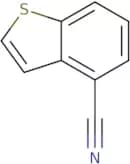
Fórmula:C8H7F3OPureza:Min. 95%Peso molecular:176.14 g/mol1-Benzothiophene-4-carbonitrile
CAS:Versatile small molecule scaffold
Fórmula:C9H5NSPureza:Min. 95%Cor e Forma:PowderPeso molecular:159.21 g/mol3-Ethylcyclohex-2-en-1-one
CAS:Versatile small molecule scaffold
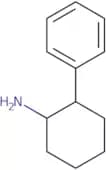
Fórmula:C8H12OPureza:Min. 95%Peso molecular:124.18 g/mol2-Phenylcyclohexanamine
CAS:2-Phenylcyclohexanamine is a synthetic, experimental compound. It has been shown to have high energy content and the ability to cross over from the gas phase to the liquid phase. 2-Phenylcyclohexanamine can be used as a thermodynamic probe in analytical research and has an efficient method for synthesis. The synthesis of 2-phenylcyclohexanamine is done by heating 1,1-diphenyl cyclopropane with cyclohexylamine, producing a mixture that can be purified with column chromatography. The analytical methodology for this compound includes GC/MS analysis of the raw material, reaction product, and final product.
Fórmula:C12H17NPureza:Min. 95%Peso molecular:175.27 g/mol1,3,5-Trichloro-2-(chloromethyl)benzene
CAS:1,3,5-Trichloro-2-(chloromethyl)benzene (TCMB) is a chemical compound that inhibits the synthesis of proteins and is used in cancer therapy. TCMB has been shown to inhibit protein synthesis by binding to the polymerase chain reaction enzyme transcriptase polymerase chain reaction. It also inhibits the activity of enzymes involved in lipid metabolism, such as lipases and cholesterol esterases. The serum bilirubin levels were found to be lower in mice treated with TCMB than in those not treated with TCMB. This may be due to the ability of this drug to inhibit the enzyme fatty acid synthase, which is responsible for synthesizing fatty acids. TCMB has been shown to induce apoptosis in bladder cells, which may be due to its inhibition of DNA synthesis and repair.
Fórmula:C7H4Cl4Pureza:Min. 95%Peso molecular:229.9 g/mol4-(chloromethyl)-1-methyl-1H-imidazole hydrochloride
CAS:Produto ControladoVersatile small molecule scaffold
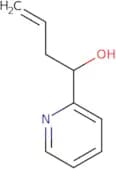
Fórmula:C5H8Cl2N2Pureza:Min. 95%Peso molecular:167.03 g/mol1-(Pyridin-2-yl)but-3-en-1-ol
CAS:Versatile small molecule scaffold
Fórmula:C9H11NOPureza:Min. 95%Peso molecular:149.19 g/molRef: 3D-SAA28557
Produto descontinuado2-(5-chlorobenzo[b]thiophen-3-yl)acetic acid
CAS:Versatile small molecule scaffold
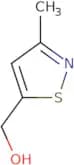
Fórmula:C10H7ClO2SPureza:Min. 95%Peso molecular:226.68 g/mol(3-Methyl-1,2-thiazol-5-yl)methanol
CAS:Versatile small molecule scaffold
Fórmula:C5H7NOSPureza:Min. 95%Peso molecular:129.18 g/mol4-Amino-2-cyclopentylpyrimidine-5-carbonitrile
CAS:Versatile small molecule scaffold
Fórmula:C10H12N4Pureza:Min. 95%Peso molecular:188.23 g/mol2-(Hydroxyamino)-3-phenylpropanoic acid
CAS:Versatile small molecule scaffold
Fórmula:C9H11NO3Pureza:Min. 95%Peso molecular:181.19 g/mol2-(2,2,3,3-Tetramethylcyclopropyl)acetic acid
CAS:Versatile small molecule scaffoldFórmula:C9H16O2Pureza:Min. 95%Peso molecular:156.22 g/mol1,3-Bis(1-naphthalenyloxy)-2-propanol
CAS:1,3-Bis(1-naphthalenyloxy)-2-propanol is a solvated molecule with 1,3-diphenylpropane as the solvent. It has a basicity of 5.4 and an entropy of -10.5 J mol(-1) K(-1). The solubility of 1,3-bis(1-naphthalenyloxy)-2-propanol in organic solvents ranges from 0.03 to 10 g/L. This compound is soluble in acetone, methanol, ethanol and toluene. The experimentally determined enthalpy of vaporization for 1,3-bis(1-naphthalenyloxy)-2-propanol was found to be -12 J mol(-1) K(-1).
Fórmula:C23H20O3Pureza:Min. 95%Peso molecular:344.4 g/mol2-Chloro-3,4-dihydronaphthalen-1(2H)-one
CAS:2-Chloro-3,4-dihydronaphthalen-1(2H)-one is a sulfoxide with significant antifungal activity. It has been shown to be effective against Candida albicans and other fungi, including Aspergillus niger and Mucor racemosus. It is commonly used as an electrolyte in electroluminescent devices, such as light emitting diodes (LEDs). The reaction time for the formation of 2-chloro-3,4-dihydronaphthalen-1(2H)-one from potassium sulfate is dependent on the acid catalyst used. Organic chemists have shown that the use of 2-chloro-3,4-dihydronaphthalen-1(2H)-one can inhibit leukotriene synthesis.
Fórmula:C10H9OClPureza:Min. 95%Peso molecular:180.63 g/molN-(3-Methoxyphenyl)prop-2-enamide
CAS:Versatile small molecule scaffold
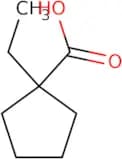
Fórmula:C10H11NO2Pureza:Min. 95%Peso molecular:177.2 g/mol1-Ethylcyclopentane-1-carboxylic acid
CAS:Versatile small molecule scaffold
Fórmula:C8H14O2Pureza:Min. 95%Peso molecular:142.2 g/molspiro[2.5]octane-1-carboxylic acid
CAS:Versatile small molecule scaffold
Fórmula:C9H14O2Pureza:Min. 95%Peso molecular:154.2 g/molEthyl spiro[2.3]hexane-1-carboxylate
CAS:Versatile small molecule scaffold
Fórmula:C9H14O2Pureza:Min. 95%Peso molecular:154.21 g/molSpiro[2.4]heptan-1-amine hydrochloride
CAS:Versatile small molecule scaffold
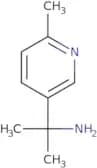
Fórmula:C7H14ClNPureza:Min. 95%Peso molecular:147.64 g/mol2-(6-Methylpyridin-3-yl)propan-2-amine
CAS:Versatile small molecule scaffold
Fórmula:C9H14N2Pureza:Min. 95%Peso molecular:150.22 g/molRef: 3D-RXA15578
Produto descontinuado6-Bromo-3-(trifluoromethyl)-[1,2,4]triazolo[4,3-a]pyridine
CAS:Versatile small molecule scaffold
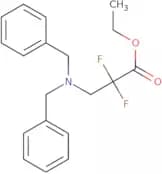
Fórmula:C7H3BrF3N3Pureza:Min. 95%Peso molecular:266.02 g/molethyl 3-(dibenzylaMino)-2,2-difluoropropanoate
CAS:Versatile small molecule scaffold
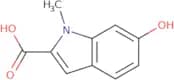
Fórmula:C19H21F2NO2Pureza:Min. 95%Peso molecular:333.37 g/mol6-Hydroxy-1-methyl-1H-indole-2-carboxylic acid
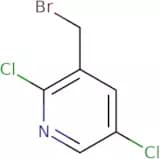
CAS:Versatile small molecule scaffoldFórmula:C10H9NO3Pureza:Min. 95%Peso molecular:191.18 g/mol3-(Bromomethyl)-2,5-dichloropyridine
CAS:Versatile small molecule scaffold
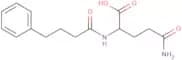
Fórmula:C6H4BrCl2NPureza:Min. 95%Peso molecular:240.91 g/mol4-Carbamoyl-2-(4-phenylbutanamido)butanoic acid
CAS:4-Carbamoyl-2-(4-phenylbutanamido)butanoic acid is a prodrug that is metabolized to phenylacetylglutamine in vivo. 4-Carbamoyl-2-(4-phenylbutanamido)butanoic acid has been shown to be effective for the treatment of hyperammonemia. Administration of this drug has been shown to be synergistic with benzoate, an inhibitor of ammonia production. This drug also has proteolytic properties, which are essential for protein digestion and absorption. It is not known whether this drug crosses the blood brain barrier or if it can be used as a dietary supplement. The use of 4-Carbamoyl-2-(4-phenylbutanamido)butanoic acid as a treatment method is still experimental and its efficacy has not yet been determined.
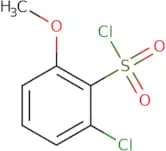
Fórmula:C15H20N2O4Pureza:Min. 95%Peso molecular:292.33 g/mol2-Chloro-6-methoxybenzene-1-sulfonyl chloride
CAS:Versatile small molecule scaffold
Fórmula:C7H6Cl2O3SPureza:Min. 95%Peso molecular:241.09 g/molRef: 3D-RUA85054
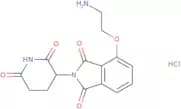
Produto descontinuadoThalidomide 4'-ether-alkylC2-amine
CAS:Thalidomide 4'-ether-alkylC2-amine is a potent and selective blocker of Na+ channels. It has been shown to inhibit the activation of voltage-gated Na+ channels in rat dorsal root ganglia neurons. Thalidomide 4'-ether-alkylC2-amine also binds to the extracellular domain of the G protein coupled receptor, inhibiting the binding of ligands to this receptor. It can be used as a research tool for studying protein interactions and as an inhibitor for many peptides, including alpha-MSH, neuropeptide Y, substance P, calcitonin gene related peptide (CGRP), and bombesin. Thalidomide 4'-ether-alkylC2-amine can also be used for purification of antibodies or cell biology experiments.
Fórmula:C15H16ClN3O5Pureza:Min. 95%Peso molecular:353.76 g/mol3'-Imino-3,4-dihydro-2H-spiro[naphthalene-1,2'-[1,4]oxazolidine]-5'-one
CAS:Versatile small molecule scaffold
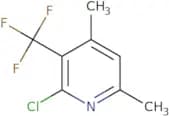
Fórmula:C12H12N2O2Pureza:Min. 95%Peso molecular:216.24 g/mol2-Chloro-4,6-dimethyl-3-(trifluoromethyl)pyridine
CAS:Versatile small molecule scaffold
Fórmula:C8H7ClF3NPureza:Min. 95%Peso molecular:209.59 g/molLithium 2-(imidazo[1,5-a]pyridin-7-yl)acetate
CAS:Versatile small molecule scaffold
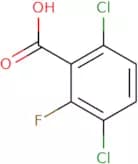
Fórmula:C9H7LiN2O2Pureza:Min. 95%Peso molecular:182.1 g/mol3,6-Dichloro-2-fluorobenzoic acid
CAS:Versatile small molecule scaffold
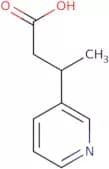
Fórmula:C7H3Cl2FO2Pureza:Min. 95%Peso molecular:209 g/mol3-(Pyridin-3-yl)butanoic acid
CAS:Versatile small molecule scaffold
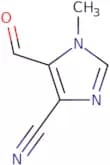
Fórmula:C9H11NO2Pureza:Min. 95%Peso molecular:165.19 g/mol5-Formyl-1-methyl-1H-imidazole-4-carbonitrile
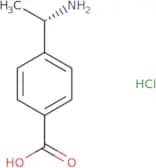
CAS:Versatile small molecule scaffoldFórmula:C6H5N3OPureza:Min. 95%Peso molecular:135.12 g/mol(S)-4-(1-Amino-ethyl)-benzoic acid hydrochloride
CAS:Versatile small molecule scaffoldFórmula:C9H11NO2·HClPureza:Min. 95%Peso molecular:201.65 g/molMethyl 4-[4-(aminomethyl)phenoxy]butanoate hydrochloride
CAS:Produto ControladoVersatile small molecule scaffoldFórmula:C12H18ClNO3Pureza:Min. 95%Peso molecular:259.73 g/mol3-Bromoindole-5-carboxylic Acid
CAS:Versatile small molecule scaffold
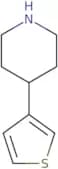
Fórmula:C9H6BrNO2Pureza:Min. 95%Peso molecular:240.06 g/mol4-(Thiophen-3-yl)piperidine
CAS:Versatile small molecule scaffold
Fórmula:C9H13NSPureza:Min. 95%Peso molecular:167.27 g/mol1-(Methoxymethyl)-3-oxocyclobutane-1-carboxylic acid
CAS:Versatile small molecule scaffoldFórmula:C7H10O4Pureza:Min. 95%Peso molecular:158.2 g/mol2-(Oxan-4-ylformamido)propanoic acid
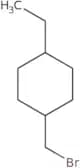
CAS:Versatile small molecule scaffoldFórmula:C9H15NO4Pureza:Min. 95%Peso molecular:201.22 g/mol1-(Bromomethyl)-4-ethylcyclohexane
CAS:Versatile small molecule scaffold
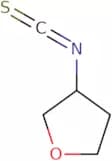
Fórmula:C9H17BrPureza:Min. 95%Peso molecular:205.13 g/mol3-Isothiocyanatooxolane
CAS:Versatile small molecule scaffold
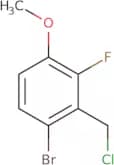
Fórmula:C5H7NOSPureza:Min. 95%Peso molecular:129.18 g/mol1-Bromo-2-(chloromethyl)-3-fluoro-4-methoxybenzene
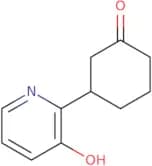
CAS:Versatile small molecule scaffoldFórmula:C8H7BrClFOPureza:Min. 95%Peso molecular:253.5 g/mol3-(3-Hydroxypyridin-2-yl)cyclohexan-1-one
CAS:Versatile small molecule scaffold
Fórmula:C11H13NO2Pureza:Min. 95%Peso molecular:191.23 g/molMethyl 5-(chlorosulfonyl)naphthalene-1-carboxylate
CAS:Versatile small molecule scaffoldFórmula:C12H9ClO4SPureza:Min. 95%Peso molecular:284.72 g/mol5-(Dimethylamino)-2-fluorobenzoic acid
CAS:Versatile small molecule scaffold
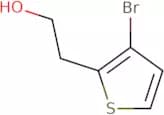
Fórmula:C9H10FNO2Pureza:Min. 95%Peso molecular:183.18 g/mol2-(3-Bromothiophen-2-yl)ethan-1-ol
CAS:Versatile small molecule scaffold
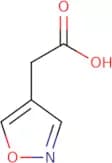
Fórmula:C6H7BrOSPureza:Min. 95%Peso molecular:207.09 g/mol2-(1,2-Oxazol-4-yl)acetic acid
CAS:Versatile small molecule scaffold
Fórmula:C5H5NO3Pureza:Min. 95%Peso molecular:127.1 g/molRef: 3D-RFA67957
Produto descontinuado3-Bromo-7-methyl-6,7,8,9-tetrahydro-5H-benzo[7]annulen-5-one
CAS:Versatile small molecule scaffoldFórmula:C12H13BrOPureza:Min. 95%Peso molecular:253.13 g/mol
![6-(Bromomethyl)-3-phenyl-5H,6H-[1,2,4]triazolo[3,4-b][1,3]thiazole](/_next/image/?url=https%3A%2Fstatic.cymitquimica.com%2Fproducts%2F3D%2Fthumb-webp%2FSEB00446.webp&w=3840&q=75)


![6-Chloro-3-methyl-[1,2,4]triazolo[3,4-a]-phthalazine](/_next/image/?url=https%3A%2Fstatic.cymitquimica.com%2Fproducts%2F3D%2Fthumb-webp%2FSCA45838.webp&w=3840&q=75)





![9-Thiabicyclo[3.3.1]nonan-3-one](/_next/image/?url=https%3A%2Fstatic.cymitquimica.com%2Fproducts%2F3D%2Fthumb-webp%2FSCA19470.webp&w=3840&q=75)
![4-[(Piperidin-2-yl)methyl]benzonitrile](/_next/image/?url=https%3A%2Fstatic.cymitquimica.com%2Fproducts%2F3D%2Fthumb-webp%2FSCA15734.webp&w=3840&q=75)
![1-Methylpyrido[2,3-b]pyrazine-2,3(1H,4H)-dione](/_next/image/?url=https%3A%2Fstatic.cymitquimica.com%2Fproducts%2F3D%2Fthumb-webp%2FSCA07471.webp&w=3840&q=75)
![4-[(Methylsulfanyl)methyl]benzoic acid](/_next/image/?url=https%3A%2Fstatic.cymitquimica.com%2Fproducts%2F3D%2Fthumb-webp%2FSCA00348.webp&w=3840&q=75)
![2-[(4-Methylphenyl)amino]-4,5-dihydro-1,3-thiazol-4-one](/_next/image/?url=https%3A%2Fstatic.cymitquimica.com%2Fproducts%2F3D%2Fthumb-webp%2FSAA38568.webp&w=3840&q=75)





![2-(5-chlorobenzo[b]thiophen-3-yl)acetic acid](/_next/image/?url=https%3A%2Fstatic.cymitquimica.com%2Fproducts%2F3D%2Fthumb-webp%2FSAA26630.webp&w=3840&q=75)


![spiro[2.5]octane-1-carboxylic acid](/_next/image/?url=https%3A%2Fstatic.cymitquimica.com%2Fproducts%2F3D%2Fthumb-webp%2FSAA20286.webp&w=3840&q=75)
![Ethyl spiro[2.3]hexane-1-carboxylate](/_next/image/?url=https%3A%2Fstatic.cymitquimica.com%2Fproducts%2F3D%2Fthumb-webp%2FSAA20257.webp&w=3840&q=75)
![Spiro[2.4]heptan-1-amine hydrochloride](/_next/image/?url=https%3A%2Fstatic.cymitquimica.com%2Fproducts%2F3D%2Fthumb-webp%2FSAA20253.webp&w=3840&q=75)
![6-Bromo-3-(trifluoromethyl)-[1,2,4]triazolo[4,3-a]pyridine](/_next/image/?url=https%3A%2Fstatic.cymitquimica.com%2Fproducts%2F3D%2Fthumb-webp%2FRWB81953.webp&w=3840&q=75)
![3'-Imino-3,4-dihydro-2H-spiro[naphthalene-1,2'-[1,4]oxazolidine]-5'-one](/_next/image/?url=https%3A%2Fstatic.cymitquimica.com%2Fproducts%2F3D%2Fthumb-webp%2FRSC96422.webp&w=3840&q=75)
![Lithium 2-(imidazo[1,5-a]pyridin-7-yl)acetate](/_next/image/?url=https%3A%2Fstatic.cymitquimica.com%2Fproducts%2F3D%2Fthumb-webp%2FRPD12854.webp&w=3840&q=75)
![Methyl 4-[4-(aminomethyl)phenoxy]butanoate hydrochloride](/_next/image/?url=https%3A%2Fstatic.cymitquimica.com%2Fproducts%2F3D%2Fthumb-webp%2FRLB19935.webp&w=3840&q=75)




![3-Bromo-7-methyl-6,7,8,9-tetrahydro-5H-benzo[7]annulen-5-one](/_next/image/?url=https%3A%2Fstatic.cymitquimica.com%2Fproducts%2F3D%2Fthumb-webp%2FRDC67977.webp&w=3840&q=75)