


Building Blocks
Subcategorias de "Building Blocks"
- Ácidos Borónicos e Derivados de Ácido Borónico(5.778 produtos)
- Building Blocks Quirais(1.243 produtos)
- Building Blocks Hidrocarbonetos(6.098 produtos)
- Building Blocks orgânicos(61.036 produtos)
Foram encontrados 205240 produtos de "Building Blocks"
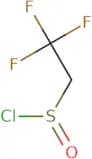
2,2,2-Trifluoroethanesulfinyl chloride
CAS:Please enquire for more information about 2,2,2-Trifluoroethanesulfinyl chloride including the price, delivery time and more detailed product information at the technical inquiry form on this page
Fórmula:C2H2ClF3OSPureza:Min. 95%Cor e Forma:Clear LiquidPeso molecular:166.55 g/mol(2S)-3-Hydroxy-2-phenylpropanoic acid
CAS:(2S)-3-Hydroxy-2-phenylpropanoic acid is an unlabelled, naturally occurring compound. It is the citric acid analog of L-phenylalanine. The structure of (2S)-3-Hydroxy-2-phenylpropanoic acid is a skeleton that consists of one hydroxyl group and one carboxylic acid group. The carboxylic acid group has a double bond in the alpha position to the carboxyl carbon, which gives this molecule an acidic character. The chloride ion is also present in this structure. This molecule can be synthesized by a kinetic reaction that involves fatty acids and brugmansia as catalysts. It can also be synthesized through a catalysed reaction using thionyl chloride as a catalyst.
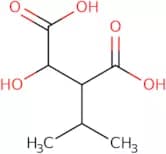
Fórmula:C9H10O3Pureza:Min. 95%Peso molecular:166.17 g/mol2-Hydroxy-3-(1-methylethyl)-butanedioic acid
CAS:2-Hydroxy-3-(1-methylethyl)-butanedioic acid is an organic compound that is a metabolite of the amino acid methionine. It is formed by the oxidation of the methyl group on the 2 position in methionine. The protein subunits are expressed in liver cells and it has been shown to have antioxidant properties. The analytical methods used for this compound include LC-MS/MS, which separates it into its individual isomers. This method can be used to determine the purity of 2-hydroxy-3-(1-methylethyl)-butanedioic acid. The carbonyl group in this molecule makes it susceptible to steric interactions with other molecules, which may lead to it being oxidized or reduced. It has been found that 2-hydroxy-3-(1-methylethyl)-butanedioic acid shows thermophilic and enterocolitic properties.Fórmula:C7H12O5Pureza:Min. 95%Peso molecular:176.17 g/molDSP-4 hydrochloride
CAS:DSP-4 hydrochloride is a neurotoxin that inhibits the synthesis of norepinephrine. It binds to neurons and prevents the uptake of dopamine, which can lead to neuronal death. DSP-4 hydrochloride affects brain functions by decreasing the concentration of serotonin in the cortex and increasing the concentrations of norepinephrine in the coeruleus. DSP-4 hydrochloride also has estrogenic effects by binding to estrogen receptors and increasing estradiol benzoate concentrations.Fórmula:C11H16BrCl2NPureza:Min. 95%Peso molecular:313.06 g/mol7H,8H-Pyrido[2,3-d]pyridazin-8-one
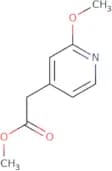
CAS:Versatile small molecule scaffoldFórmula:C7H5N3OPureza:Min. 95%Cor e Forma:PowderPeso molecular:147.13 g/molMethyl 2-(2-methoxypyridin-4-yl)acetate
CAS:Versatile small molecule scaffold
Fórmula:C9H11NO3Pureza:Min. 95%Peso molecular:181.19 g/moltert-Butyl (2,2-difluoro-3-hydroxypropyl)carbamate
CAS:Versatile small molecule scaffoldFórmula:C10H13NO4Pureza:Min. 95%Peso molecular:211.21 g/mol2-(4-Methoxyphenyl)ethyl bromide
CAS:2-(4-Methoxyphenyl)ethyl bromide is an adenosine receptor antagonist that can be used in cancer treatment. It has been shown to inhibit the growth of cancer cells by blocking the binding of adenosine to its receptors and inhibiting phosphodiesterase, which is an enzyme that breaks down the key cellular messenger, cyclic AMP (cAMP). 2-(4-Methoxyphenyl)ethyl bromide also inhibits the production of aphanorphine, a morphine analogue that has been shown to stimulate endoplasmic reticulum stress and apoptosis in cancer cells. This compound has been synthesised and tested on animal models with promising results.Fórmula:C9H11BrOPureza:Min. 95%Peso molecular:215.09 g/mol2-(4-Carboxy-phenyl)-pyrrolidine-1-carboxylic acid tert-butyl ester
CAS:Versatile small molecule scaffoldFórmula:C16H21NO4Pureza:Min. 95%Peso molecular:291.34 g/mol4-(4-Methylpiperazin-1-yl)-2-(trifluoromethyl)aniline
CAS:Versatile small molecule scaffold
Fórmula:C12H16N3F3Pureza:Min. 95%Peso molecular:259.27 g/mol2-Oxa-spiro[3.3]heptan-6-ol
CAS:Versatile small molecule scaffoldFórmula:C6H10O2Pureza:Min. 95%Peso molecular:114.14 g/mol2-Amino-5-fluoro-4-methoxybenzoic acid
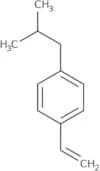
CAS:Versatile small molecule scaffoldFórmula:C8H8FNO3Pureza:Min. 95%Peso molecular:185.15 g/molp-Isobutylstyrene-d7
CAS:p-Isobutylstyrene-d7 is a solid catalyst that can be used in the synthesis of organic compounds. It has been shown to have good activity for the transfer of acid chloride groups to aromatic ring systems and for the synthesis of thiadiazoles. p-Isobutylstyrene-d7 has been shown to be an excellent catalyst for the conversion of hydrochloric acid into hydrogen chloride, which can then be recycled. The toxicity studies on this compound have shown that it is not toxic to bacterial strains, which may make it a good candidate for use as a catalyst in bioremediation or a growth substrate. This catalyst has also been shown to have photocatalytic activity and may be used in the purification of water contaminated with heavy metals.Fórmula:C12H9D7Pureza:Min. 95%Peso molecular:167.3 g/molMethyl 3-oxocyclohexanecarboxylate
CAS:Methyl 3-oxocyclohexanecarboxylate is a chiral molecule that belongs to the class of β-unsaturated ketones. It has been shown to interact with enzymes from horse liver, dehydrogenase and carbanion. Methyl 3-oxocyclohexanecarboxylate is unreactive under most conditions and does not react with other molecules. The compound can be used as a starting material for the synthesis of olefinic compounds.Fórmula:C8H12O3Pureza:Min. 95%Peso molecular:156.18 g/mol4-Amino-2,6-dimethoxypyrimidine
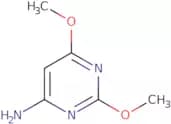
CAS:4-Amino-2,6-dimethoxypyrimidine is an organic compound that has been shown to be a methylating agent. It reacts with the hydrogen chloride present in seawater to form methyl chloride and hydrochloric acid. 4-Amino-2,6-dimethoxypyrimidine also interacts with hydrogen bonds and forms hydrogen bonds with other molecules. The molecular modeling study revealed that this compound is soluble in mineral acids such as sulfuric acid and hydrochloric acid. The solubility data also showed that 4-amino-2,6-dimethoxypyrimidine is soluble in water but not in chlorinated water. This drug has shown significant antifungal activity against Cryptococcus neoformans and Gram-negative organisms such as Escherichia coli, Salmonella typhi, Pseudomonas aeruginosa, Klebsiella pneumoniae, Proteus mirabilis, Enterobacter
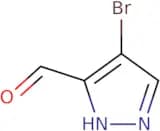
Fórmula:C6H9N3O2Pureza:Min. 95%Peso molecular:155.15 g/mol4-bromo-1H-pyrazole-5-carbaldehyde
CAS:Versatile small molecule scaffoldFórmula:C4H3BrN2OPureza:Min. 95%Peso molecular:175 g/mol4-(Oxazol-2-yl)aniline
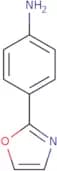
CAS:Versatile small molecule scaffold
Fórmula:C9H8N2OPureza:Min. 95%Peso molecular:160.17 g/mol2,5-Diethoxyterephthalohydrazide
CAS:2,5-Diethoxyterephthalohydrazide is an organic compound that has been used for the synthesis of linkers with various functional groups. It is a reactive intermediate in the synthesis of amines and compounds containing amine functional groups. 2,5-Diethoxyterephthalohydrazide has been shown to be stable under environmental conditions and can be used as a linker in organic solvents such as amines, alcohols or esters. This compound has also been shown to exhibit photocatalytic activity when irradiated by UV light. Techniques such as analytical chemistry and techniques can be used to characterize this compound's reactivity and stability.
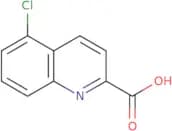
Fórmula:C12H18N4O4Pureza:Min. 95%Peso molecular:282.3 g/mol5-Chloroquinoline-2-carboxylic acid
CAS:Versatile small molecule scaffoldFórmula:C10H6ClNO2Pureza:Min. 95%Peso molecular:207.61 g/mol[2'-(Amino-ºN)[1,1'-biphenyl]-2-yl-C][[3,6-dimethoxy-2',4',6'-tris(1-methylethyl)[1,1'-biphenyl]-2-yl]bis(1,1-dimethylethyl)phosphin e-ºP](methanesulfonato-ºO)palladium (tBuBrettPhos Pd G3)
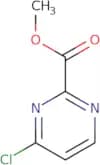
CAS:The chemical is a palladium-based complex that inhibits the activity of α4β7 integrin. It has been shown to be effective in prophylaxis and treatment of inflammatory diseases, such as autoimmune diseases, and other conditions, such as congenital disorders. The compound has been shown to inhibit the growth of plants by causing phytotoxic effects.Fórmula:C44H62NO5PPdSPureza:Min. 95%Peso molecular:854.43 g/molMethyl 4-chloropyrimidine-2-carboxylate
CAS:Versatile small molecule scaffoldFórmula:C6H5ClN2O2Pureza:Min. 95%Peso molecular:172.57 g/mol2-Cyano-5-fluorophenol
CAS:2-Cyano-5-fluorophenol is an organic compound that is used as a precursor to medicines and other chemicals. It reacts with calcium hydroxide in water to form 2-cyano-5-hydroxyfluorobenzene, which can be hydrolyzed to form 2-cyano-5-chlorofluorobenzene. This compound can also react with sodium hydroxide to produce sodium cyanate, which can be hydrolyzed to form sodium chloride and hydrogen cyanide gas. The alkali metal ions are needed for this reaction, which is why the product should not be exposed to water or moisture. 2-Cyano-5-fluorophenol has been shown to have liquid crystal properties and is used in the production of certain types of polymers. 2Cyano-5Fluorophenol crystals are also used in some medicines such as acetaminophen (paracetamol).
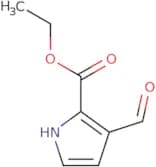
Fórmula:C7H4FNOPureza:Min. 95%Peso molecular:137.11 g/molethyl 3-formyl-1H-pyrrole-2-carboxylate
CAS:Ethyl 3-formyl-1H-pyrrole-2-carboxylate is a formyl compound with the molecular formula C8H8O3. It is a colorless liquid that has a strong odor. The compound can be obtained by the reaction of ethyl acetoacetate and pyrrole in the presence of aluminum chloride. The compound has been studied for its nuclear magnetic resonance (NMR) properties. It has two conformers, which are distinguished by their different chemical shifts, and this difference can be used to study coupling between the carbonyl group and other groups in the molecule.
Fórmula:C8H9NO3Pureza:Min. 95%Peso molecular:167.2 g/mol(3R)-3-Methylpyrrolidine hydrochloride
CAS:Versatile small molecule scaffoldFórmula:C5H11N•HClPureza:Min. 95%Peso molecular:121.5 g/mol1-Boc-pyrrolidine-3-ethanol
CAS:Versatile small molecule scaffold
Fórmula:C11H21NO3Pureza:Min. 95%Peso molecular:215.29 g/molMethyl 3-bromo-1-methyl-1H-pyrazole-5-carboxylate
CAS:Versatile small molecule scaffold
Fórmula:C6H7BrN2O2Pureza:Min. 95%Peso molecular:219.04 g/molN-Ethylcyclobutanamine hydrochloride
CAS:Versatile small molecule scaffoldFórmula:C6H13NPureza:Min. 95%Peso molecular:99.17 g/mol5-Bromo-1-methyl-3H-1,3-benzodiazol-2-one
CAS:Versatile small molecule scaffoldFórmula:C8H7BrN2OPureza:Min. 95%Peso molecular:227.06 g/mol(4-(tert-Butoxy)phenyl)methanamine
CAS:(4-(tert-Butoxy)phenyl)methanamine (BPMT) is a ligand that binds to the alpha-2 receptor and acts as an antagonist. This compound has been shown to be a molecular target for positron emission tomography imaging, which is used in the diagnosis of tumours. BPMT is also used in the treatment of neuropeptide-associated disorders such as Parkinson's disease. The chiral nature of this compound makes it useful for the production of radiopharmaceuticals and other diagnostic agents with different physical properties.Fórmula:C11H17NOPureza:Min. 95%Peso molecular:179.26 g/molBenzyl N,N,N',N'-Tetraisopropylphosphorodiamidite
CAS:Benzyl N,N,N',N'-tetraisopropylphosphorodiamidite is a reagent that reacts with hydroxybenzyl amine to form an ester. This product is used for the synthesis of phosphoramidites and benzyl esters. It is also used as a catalyst for the synthesis of diesters.Fórmula:C19H35N2OPPureza:Min. 95%Peso molecular:338.48 g/mol7-Bromo-1-methylnaphthalene
CAS:7-Bromo-1-methylnaphthalene is a fluorescent dye that can be used to measure the concentration of DNA, RNA, and proteins. This compound is an intercalator, which means that it can bind to double stranded DNA or RNA near the center of the molecule where there is a space for binding. It has been used in the study of the thymic gland because it binds to DNA and RNA in cells from this organ. 7-Bromo-1-methylnaphthalene has also been used as a skeleton for organic compounds, such as dimethylammonium. The bromine atom in this compound can be replaced with other atoms like iodine or chlorine to make different colored dyes.
Fórmula:C11H9BrPureza:Min. 95%Peso molecular:221.09 g/mol4-Bromopyridine-2,3-diamine
CAS:Versatile small molecule scaffoldFórmula:C5H6N3BrPureza:Min. 95%Peso molecular:188.02 g/mol(2S,3S)-2-Methylpyrrolidin-3-ol hydrochloride
CAS:Versatile small molecule scaffold
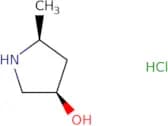
Fórmula:C5H12ClNOPureza:Min. 95%Peso molecular:137.61 g/mol(3R,5S)-5-Methylpyrrolidin-3-ol HCl
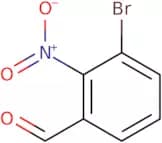
CAS:Versatile small molecule scaffoldFórmula:C5H12ClNOPureza:Min. 95%Peso molecular:137.61 g/mol3-Bromo-2-nitrobenzaldehyde
CAS:3-Bromo-2-nitrobenzaldehyde is an organic chemical compound used in the synthesis of other chemical compounds. It is a colorless liquid that can be easily synthesized using potassium permanganate, tetrahydrofuran, acetone and hydrochloric acid. The chemical reaction is carried out by reacting potassium permanganate with hydrochloric acid to form potassium chloride and manganese dioxide. The manganese dioxide then reacts with acetone to produce 3-bromo-2-nitrobenzaldehyde. This synthetic method for producing 3-bromo-2-nitrobenzaldehyde uses less hazardous chemicals than the traditional method.
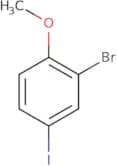
Fórmula:C7H4BrNO3Pureza:Min. 95%Peso molecular:230.02 g/mol2-Bromo-4-iodoanisole
CAS:2-Bromo-4-iodoanisole is an electrophilic intermediate that can be synthetically prepared by regioselective halogenations of 4-iodoanisole. It is also a substrate for sequential halogenations with bromine or iodine. The 2-bromo-4-iodoanisole reacts with aluminum to form an aluminate, which can be used as a catalyst in organic synthesis. 2-Bromo-4-iodoanisole has been shown to react with aromatic rings by electrophilically attacking the ring and adding a second bromine atom to the ring, leading to quenching of the molecule and formation of structurally diverse products.Fórmula:C7H6BrIOPureza:Min. 95%Peso molecular:312.93 g/mol2-[3-Chloro-5-(trifluoromethyl)-2-pyridinyl]-acetonitrile
CAS:Versatile small molecule scaffold
Fórmula:C8H4ClF3N2Pureza:Min. 95%Cor e Forma:PowderPeso molecular:220.58 g/molN-(4-Bromophenyl)-N-phenylacrylamide
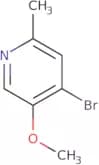
CAS:Versatile small molecule scaffoldFórmula:C15H12BrNOPureza:Min. 95%Cor e Forma:PowderPeso molecular:302.16 g/mol4-Bromo-5-methoxy-2-methylpyridine
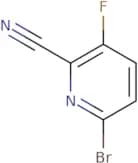
CAS:Versatile small molecule scaffoldFórmula:C7H8BrNOPureza:Min. 95%Peso molecular:202.05 g/mol6-Bromo-3-fluoropyridine-2-carbonitrile
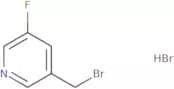
CAS:Versatile small molecule scaffoldFórmula:C6H2N2FBrPureza:Min. 95%Peso molecular:200.99 g/mol3-(bromomethyl)-5-fluoropyridine hbr
CAS:Versatile small molecule scaffoldFórmula:C6H6Br2FNPureza:Min. 95%Peso molecular:270.93 g/molMethyl 3-chloropropionate
CAS:Methyl 3-chloropropionate is an alkyl ether that has been used in clinical studies as a liquid phase ion-pair extraction solvent. It was developed to replace the use of hexane, which is not environmentally friendly and can also cause irritation. Methyl 3-chloropropionate has been shown to have a higher viscosity than hexane at room temperature and is less likely to evaporate than hexane. Methyl 3-chloropropionate has also been used as a synthetic process solvent, with the reaction time being shorter than that of hexane. This compound can be used for chromatography without any effect on the solute or the stationary phase. Methyl 3-chloropropionate has also been shown to be effective in lipase and agarose gel assays, as well as chloride ion extraction from water samples.
Fórmula:C4H7ClO2Pureza:Min. 95%Cor e Forma:Clear LiquidPeso molecular:122.55 g/molMethyl trans-4-bromo-2-butenoate
CAS:Methyl trans-4-bromo-2-butenoate is a synthetic compound that contains a hydroxyl group and two bromine atoms. It is synthesized by the reaction of diethyl succinate, hydrogen, and piperazine in an aqueous solution. Methyl trans-4-bromo-2-butenoate has been shown to have antineoplastic activity in combination with epidermal growth factor (EGF) and carbohydrate conjugates. It also binds to cell surface receptors on the epidermal cells, inhibiting their growth. The structural formula of methyl trans-4-bromo-2-butenoate can be seen below: [[File:Methyltrans4bromobutanoate.png|thumb|300px|left|The structural formula of methyl trans-[4] -[bromo]-[2] -butenoate.]]
Fórmula:C5H7BrO2Pureza:Min. 95%Cor e Forma:Clear LiquidPeso molecular:179.01 g/molMethanesulfonato(diadamantyl-n-butylphosphino)-2'-amino-1,1'-biphenyl-2-yl)palladium(II) dichloromethane adduct
CAS:Please enquire for more information about Methanesulfonato(diadamantyl-n-butylphosphino)-2'-amino-1,1'-biphenyl-2-yl)palladium(II) dichloromethane adduct including the price, delivery time and more detailed product information at the technical inquiry form on this pageFórmula:C37H52NO3PPdSPureza:Min. 95%Peso molecular:728.27 g/molCbznh-PEG3-OH
CAS:Cbznh-PEG3-OH is a pegylation product that belongs to the family of PEG products. It is a derivative of Cbz-NH-PEG5-OH and Cbz-N-PEG5-OH, which are carboxybenzyl amido PEG compounds. Pegylation is the process of attaching polyethylene glycol (PEG) chains to molecules, such as proteins or drugs, to enhance their stability, solubility, and bioavailability. Cbznh-PEG3-OH can be used in various applications, including drug delivery systems, diagnostics, and biotechnology. Its unique chemical structure allows for precise control over the size and properties of the PEG chains, making it a versatile tool in the field of biomedical research.Fórmula:C14H21NO5Pureza:Min. 95%Peso molecular:283.32 g/mol(S)-2-Methylpiperidine hydrochloride
CAS:(S)-2-Methylpiperidine hydrochloride is a synthetic reagent that can be used in asymmetric synthesis. It is a homochiral amide that can be used as a reagent for the efficient preparation of β-unsaturated piperidines. (S)-2-Methylpiperidine hydrochloride can be synthesized from a Grignard reaction with an aldehyde, which is an important chemical reaction in organic chemistry.Fórmula:C6H14ClNPureza:Min. 95%Peso molecular:135.64 g/mol6-Quinolinecarboxylic acid, 4-chloro-7-methoxy-, methyl ester
CAS:Versatile small molecule scaffoldFórmula:C12H10ClNO3Pureza:Min. 95%Peso molecular:251.67 g/molMethyl 7-methoxy-4-oxo-1,4-dihydro-6-quinolinecarboxylate
CAS:Versatile small molecule scaffoldFórmula:C12H11NO4Pureza:Min. 95%Peso molecular:233.22 g/mol1H-Indol-2-ylmethanol
CAS:1H-Indol-2-ylmethanol is a model compound for the synthesis of bioactive molecules. It is used in biological studies as an inhibitor of chronic lymphocytic leukemia, heart disease, and inflammatory pain. The nitro group on 1H-Indol-2-ylmethanol has been shown to activate various enzymes involved in the inflammatory response. The hydroxy group on 1H-Indol-2-ylmethanol has been shown to inhibit cyclooxygenase (COX) enzymes, which are responsible for the production of prostaglandins that cause inflammation.Fórmula:C9H9NOPureza:Min. 95%Cor e Forma:PowderPeso molecular:147.17 g/molIsononyl alcohol
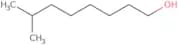
CAS:Isononyl alcohol is a polycarboxylic acid that has been used in the treatment of skin conditions, such as atopic dermatitis and psoriasis. It has been shown to penetrate the skin and stimulate the production of sebum. Isononyl alcohol is also used as a plasticizer for polyvinyl chloride (PVC) and other plastics, which increases their flexibility. This chemical also has a hydrophobic effect, which may be due to its hydroxyl group. The unsaturated alkyl chain on this chemical also makes it susceptible to oxidation by ozone in air and water vapor in air. Isononyl alcohol is metabolized by humans through conjugation with glucuronic acid or sulfate esters.
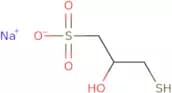
Fórmula:C9H20OPureza:Min. 95%Cor e Forma:Clear LiquidPeso molecular:144.25 g/mol2-Hydroxy-3-mercapto-1-propanesulfonic acid sodium salt
CAS:2-Hydroxy-3-mercapto-1-propanesulfonic acid sodium salt (2HMP) is a diagnostic agent that can be used for the detection of bacterial infections. The conformational properties of 2HMP are similar to those of ATP, which allows it to bind to the polymerase chain reaction enzyme and initiate an enzymatic reaction. This leads to the production of a signal that can be detected by spectrophotometry or fluorometry. 2HMP has also been shown to have chemokine activity in vitro, but this has not been tested in vivo. 2HMP is a competitive inhibitor of human protein serine proteases, such as trypsin and chymotrypsin, with an IC50 value of approximately 1 μM.Fórmula:C3H7NaO4S2Pureza:Min. 95%Peso molecular:194.2 g/mol1-Hydroxypyridine-2-thione zinc
CAS:Zinc pyrithione is a chemical compound that can be used as an antifungal agent. It has been shown to have genotoxic activity in vitro and in vivo. Zinc pyrithione binds to the surface of the fungal cell wall and inhibits the synthesis of ergosterol, a component of the fungal cell membrane. This binding prevents the formation of an ergosterol-zinc complex with cytochrome P450 enzymes, which are required for sterol biosynthesis, leading to inhibition of energy metabolism. The model system for zinc pyrithione is a mixture of 1-hydroxypyridine-2-thione (1HP) and zinc ions in water. Some studies have shown that zinc pyrithione can cause long-term toxicity, including glycol ether toxicity, when applied topically on hair or skin. Acute toxicities may include skin irritation or contact dermatitis from shampoos containing this substance.
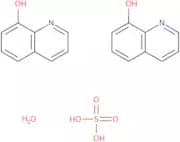
Fórmula:C10H8N2O2S2ZnPureza:Min. 95%Cor e Forma:White/Off-White SolidPeso molecular:317.69 g/mol8-Hydroxyquinoline hemisulfate salt hemihydrate
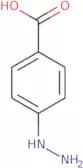
CAS:8-Hydroxyquinoline is a sweet, water soluble, and heat stable inhibitor that has been used in the treatment of kidney disease. 8-Hydoxyquinoline has been shown to inhibit the growth of the rootstock Asiaticus by interfering with cell metabolism. It is also an insecticide that kills insects by causing damage to their cells. 8-Hydoxyquinoline inhibits polymerase chain reaction (PCR) by binding to DNA polymerase, blocking its activity and reducing its ability to synthesize DNA. This drug is also a potent blocker of angiotensinogen synthesis, which leads to reduced blood pressure levels.Fórmula:C9H7NOH2SO4H2OCor e Forma:Yellow PowderPeso molecular:203.21 g/mol4-Hydrazinobenzoic acid
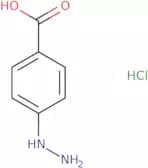
CAS:4-Hydrazinobenzoic acid is a chemical compound that is used as an inhibitor of DNA synthesis. It prevents the formation of hydrogen bonds between nucleotides in DNA, which prevents the synthesis of new DNA strands. 4-Hydrazinobenzoic acid has been shown to inhibit the growth of human breast cancer cells by reactivating the tumor suppressor genes p21 and Rb1, which are responsible for regulating cell cycle progression. This compound also inhibits the production of hydrogen chloride (HCl) in reaction solutions containing sodium hypochlorite (NaOCl).
Fórmula:C7H8N2O2Pureza:Min. 95%Cor e Forma:Slightly Yellow PowderPeso molecular:152.15 g/mol4-Hydrazinobenzoic acid hydrochloride
CAS:4-Hydrazinobenzoic acid hydrochloride is a chemical species that has an oxidative effect on DNA. It is a reactive oxygen species (ROS) that changes the hydrogen spectrum of water. The hydrogen bond is broken and the electrons in the molecule are excited to a higher energy level, which results in ROS formation. 4-Hydrazinobenzoic acid hydrochloride also inhibits mitochondrial function and causes heart disease by increasing blood pressure and weakening the heart muscle. This compound can be used as a cancer treatment for human cells, because it suppresses genes that promote cell growth. In addition, 4-hydrazinobenzoic acid hydrochloride may inhibit endothelial cell proliferation in animal experiments.
Fórmula:C7H8N2O2•HClPureza:Min. 95%Cor e Forma:PowderPeso molecular:188.61 g/molFmoc-Ala-Ala-Pro-OH
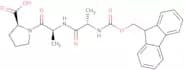
CAS:Fmoc-Ala-Ala-Pro-OH is a building block that is used in organic synthesis as a reaction component or reagent. It can be used to synthesize a wide range of complex compounds with speciality chemical and fine chemical applications. Fmoc-Ala-Ala-Pro-OH is also a versatile building block that can be used to synthesize various useful scaffolds, such as the Fmoc amino acid sequence, which has been shown to bind heparin. This compound has high purity and can be used in research and development.Fórmula:C26H29N3O6Pureza:Min. 95%Cor e Forma:PowderPeso molecular:479.53 g/molFmoc-b-Ala-Phe-Pro-OH
Fmoc-b-Ala-Phe-Pro-OH is a chemical compound that is used as a reaction component, reagent, and useful scaffold. It reacts with various other chemicals to form complex compounds. This synthetic compound can be used as an intermediate in the synthesis of peptides, proteins, and other organic compounds. Fmoc-b-Ala-Phe-Pro-OH can also be used as a building block for the synthesis of speciality chemicals.
Fórmula:C32H33N3O6Pureza:Min. 95%Cor e Forma:PowderPeso molecular:555.62 g/molFmoc-α-methyl-L-phenylalanine
CAS:Please enquire for more information about Fmoc-α-methyl-L-phenylalanine including the price, delivery time and more detailed product information at the technical inquiry form on this pageFórmula:C25H23NO4Pureza:Min. 95%Cor e Forma:PowderPeso molecular:401.45 g/molFmoc-L-aspartic acid beta-allyl ester
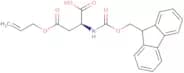
CAS:Fmoc-L-aspartic acid beta-allyl ester is a specific interaction between an amide and an enzyme target. It has been shown to have anti-inflammatory properties by inhibiting the activity of COX-2, which inhibits the production of prostaglandins. Fmoc-L-aspartic acid beta-allyl ester is a cyclic peptide with a lactam ring system that has been synthesized in a stepwise manner on a solid phase. This molecule interacts with cell line A549 and blocks the proliferation of cancer cells. Fmoc-L-aspartic acid beta-allyl ester also contains a disulfide bond that stabilizes its structure.Fórmula:C22H21NO6Pureza:Min. 95%Peso molecular:395.41 g/molFmoc-N-methylglycine
CAS:Fmoc-N-methylglycine is a modified form of the amino acid glycine, which has been modified to include a reactive group that can be used to link other molecules. This molecule has gram-negative bacterial activity and exhibits potent antibacterial activity against many gram-positive bacteria. Fmoc-N-methylglycine is also an antimicrobial peptide with binding constants in the nanomolar range. It is also an agent that binds to serotonin, which may explain its effects on mood and sleep. Fmoc-N-methylglycine can be synthesized using stepwise solid phase synthesis methods or by conjugation with other molecules.Fórmula:C18H17NO4Pureza:Min. 95%Peso molecular:311.33 g/molFmoc-D-Ala-OH
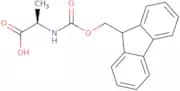
CAS:Fmoc-D-Ala-OH is a synthetic cyclic peptide that has been shown to have anticancer properties. This compound was synthesized by solid-phase chemistry and exhibits an inhibitory effect on cancer cells. Fmoc-D-Ala-OH blocks the synthesis of proteins in cancer cells, leading to cell death. It also inhibits the activity of serine proteases such as degarelix acetate, which are important for cancer cell growth and metastasis.Fórmula:C18H17NO4Pureza:Min. 95%Cor e Forma:PowderPeso molecular:311.33 g/mol4-Formylbenzoic acid
CAS:4-Formylbenzoic acid is an organic compound with the molecular formula CH2=C(O)CH=CHCO2H. It is a white solid that is soluble in water and has a strong, unpleasant odor. 4-Formylbenzoic acid has been shown to have affinity for binding to odorous molecules such as sulfur compounds, amines, and mercaptans. The binding of these molecules to the 4-formylbenzoic acid leads to a decrease in their odor concentration. This process can be done using electrochemical impedance spectroscopy or optical sensors. The oxidation of 4-formylbenzoic acid by trifluoroacetic acid produces 2-formylphenol and formaldehyde, which are themselves volatile compounds with an unpleasant odor. These reactions may be used as wastewater treatment methods. Langmuir adsorption isotherm may be used as an analytical method for measuring the concentration of 4-formylbenzoic acid
Fórmula:C8H6O3Pureza:Min. 98 Area-%Cor e Forma:White Yellow PowderPeso molecular:150.13 g/molFmoc-b-Ala-Ala-Pro-OH
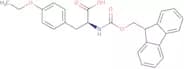
CAS:Fmoc-b-Ala-Ala-Pro-OH is a reaction component that can be used in the synthesis of peptides and other compounds. It is a building block for the preparation of complex compounds, such as small molecules, polymers and natural products. Fmoc-b-Ala-Ala-Pro-OH has been shown to be useful in the synthesis of various types of reagents, including antibiotics and pharmaceuticals. This chemical has been reported as a useful scaffold for the preparation of high quality research chemicals. Fmoc-b-Ala-Ala-Pro is also an intermediate in the synthesis of speciality chemicals and fine chemicals.Fórmula:C26H29N3O6Pureza:Min. 95%Cor e Forma:White PowderPeso molecular:479.53 g/molFmoc-Tyr(Et)-OH
CAS:Please enquire for more information about Fmoc-Tyr(Et)-OH including the price, delivery time and more detailed product information at the technical inquiry form on this pageFórmula:C26H25NO5Pureza:Min. 95%Peso molecular:431.48 g/mol1-[3-(Dimethylamino)propyl]-1-(4-fluorophenyl)-1,3-dihydro-3-oxo-5-isobenzofurancarbonitrile
CAS:Please enquire for more information about 1-[3-(Dimethylamino)propyl]-1-(4-fluorophenyl)-1,3-dihydro-3-oxo-5-isobenzofurancarbonitrile including the price, delivery time and more detailed product information at the technical inquiry form on this page
Fórmula:C20H19FN2O2Pureza:Min. 95%Peso molecular:338.38 g/molDepropyl rotigotine hydrochloride
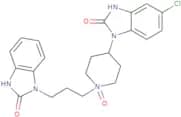
CAS:Please enquire for more information about Depropyl rotigotine hydrochloride including the price, delivery time and more detailed product information at the technical inquiry form on this pageFórmula:C16H19NOS•(HCl)xPureza:Min. 95%Domperidone N-oxide
CAS:Please enquire for more information about Domperidone N-oxide including the price, delivery time and more detailed product information at the technical inquiry form on this pageFórmula:C22H24ClN5O3Pureza:Min. 95%Peso molecular:441.91 g/mol4-Desmethyl-2-methyl celecoxib
CAS:Please enquire for more information about 4-Desmethyl-2-methyl celecoxib including the price, delivery time and more detailed product information at the technical inquiry form on this page
Fórmula:C17H14F3N3O2SPureza:Min. 95%Peso molecular:381.4 g/mol4,5-Dihydro-1H-imidazol-2-amine hydrochloride
CAS:Please enquire for more information about 4,5-Dihydro-1H-imidazol-2-amine hydrochloride including the price, delivery time and more detailed product information at the technical inquiry form on this page
Fórmula:C3H7N3•HClPureza:Min. 95%Peso molecular:121.57 g/mol6,7-Dichloro-1-cyclopropyl-1,4-dihydro-4-oxo-3-quinolinecarboxylic acid
CAS:Please enquire for more information about 6,7-Dichloro-1-cyclopropyl-1,4-dihydro-4-oxo-3-quinolinecarboxylic acid including the price, delivery time and more detailed product information at the technical inquiry form on this pageFórmula:C13H9Cl2NO3Pureza:Min. 95%Peso molecular:298.12 g/mol4,5-Dihydro-2-methyl-4-thiazolecarboxylic acid trifluoroacetate
CAS:Please enquire for more information about 4,5-Dihydro-2-methyl-4-thiazolecarboxylic acid trifluoroacetate including the price, delivery time and more detailed product information at the technical inquiry form on this pageFórmula:C5H7NO2S•(C2HF3O2)xPureza:Min. 95%3-(cis-4-(2-(4-(2,3-Dichlorophenyl)piperazin-1-yl)ethyl)cyclohexyl)-1,1-dimethylurea
CAS:Please enquire for more information about 3-(cis-4-(2-(4-(2,3-Dichlorophenyl)piperazin-1-yl)ethyl)cyclohexyl)-1,1-dimethylurea including the price, delivery time and more detailed product information at the technical inquiry form on this pageFórmula:C21H32Cl2N4OPureza:Min. 95%Peso molecular:427.41 g/molDeschloro amlodipine maleate
CAS:Please enquire for more information about Deschloro amlodipine maleate including the price, delivery time and more detailed product information at the technical inquiry form on this pageFórmula:C20H26N2O5•C4H4O4Pureza:Min. 95%Peso molecular:490.5 g/molrac-Demiditraz
CAS:Please enquire for more information about rac-Demiditraz including the price, delivery time and more detailed product information at the technical inquiry form on this page
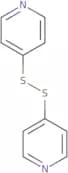
Fórmula:C13H16N2Pureza:Min. 95%Peso molecular:200.28 g/mol4,4'-Dithiopyridine
CAS:4,4'-Dithiopyridine is a reactive molecule that can be used in the synthesis of other organic compounds. It is a disulfide bond with a redox potential of -0.43 V, which makes it readily available for reaction. The structural analysis of 4,4'-dithiopyridine has been performed using NMR spectroscopy and gas chromatography/mass spectrometry (GC/MS). This compound is an inhibitor of sugar transport and can be used to study the p-nitrophenyl phosphate reductase enzyme in bacteria. The reaction product between 4,4'-dithiopyridine and NADPH cytochrome P450 produces the fluorescent molecule 2-aminopurine. This fluorescent molecule may be used as a probe to study transfer reactions in bacteria.
Fórmula:C10H8N2S2Pureza:Min. 95%Cor e Forma:Off-White To Light (Or Pale) Yellow SolidPeso molecular:220.32 g/mol3,5-Dimethyl-4H-1,2,4-triazol-4-amine
CAS:3,5-Dimethyl-4H-1,2,4-triazol-4-amine is a crystalline compound with antiproliferative and anti-inflammatory properties. It has been shown to inhibit the growth of cancer cells in vitro and in vivo. The mechanism of action is not fully understood but may be due to inhibition of DNA synthesis or by inhibiting the activity of topoisomerase II. 3,5-Dimethyl-4H-1,2,4-triazol-4-amine can also act as an antioxidant by scavenging reactive oxygen species (ROS). 3,5-Dimethyl-4H-1,2,4-triazol-4-amine has been shown to have a low toxicity in animals and humans.
Fórmula:C4H8N4Pureza:Min. 95%Peso molecular:112.13 g/mol3-(Difluoromethyl)-1-methyl-1H-pyrazole-4-carboxylic acid
CAS:3-(Difluoromethyl)-1-methyl-1H-pyrazole-4-carboxylic acid is a synthetic chemical that is used as a pesticide. This chemical has been found to be more effective than other pesticides because it can inhibit the synthesis of fatty acids, which are necessary for the growth of insect larvae. 3-(Difluoromethyl)-1-methyl-1H-pyrazole-4-carboxylic acid is synthesized by reacting sodium hydroxide solution with triethyl orthoformate in the presence of hexamethylenetetramine. This reaction produces a mixture of diethyl ester and carboxylate esters, which are then separated from each other. The resulting carboxylate ester is then oxidized to produce 3-(difluoromethyl)-1-methyl-1H pyrazole 4 carboxylic acid.
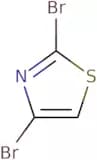
Fórmula:C6H6F2N2O2Pureza:Min. 95%Cor e Forma:White Off-White PowderPeso molecular:176.12 g/mol2,4-Dibromothiazole
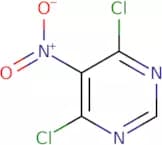
CAS:2,4-Dibromothiazole is a nicotinic acetylcholine receptor (nAChR) antagonist which selectively blocks the binding of acetylcholine to nAChRs. It has been shown to be effective in treating inflammatory bowel disease by inhibiting the production of inflammatory mediators. This drug also has anti-inflammatory effects and can be used for the treatment of autoimmune diseases such as Crohn's disease. 2,4-Dibromothiazole also has low energy properties and is used in palladium complexes for cross-coupling reactions. It can also be used as a cancer chemotherapeutic agent and as a cardiac drug.Fórmula:C3HBr2NSPureza:Min. 95%Cor e Forma:White PowderPeso molecular:242.92 g/mol4,6-Dichloro-5-nitropyrimidine
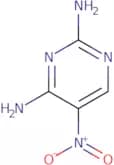
CAS:4,6-Dichloro-5-nitropyrimidine is an intermediate in the synthesis of Tenofovir, a nucleophilic drug that inhibits HIV. It is produced by the reaction of chloride with amines and nitro compounds in the presence of ammonium chloride. 4,6-Dichloro-5-nitropyrimidine has been shown to have anticancer activity against human lymphocytes and other cancer cells. It can also be used for the treatment of AIDS. The biological properties of this compound are dose dependent and are dependent on the size of chlorine atoms attached to nitrogen atoms.Fórmula:C4HCl2N3O2Pureza:Min. 95%Cor e Forma:Yellow PowderPeso molecular:193.98 g/mol2,4-Diamino-5-nitropyrimidine
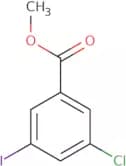
CAS:2,4-Diamino-5-nitropyrimidine is a synthetic molecule that belongs to the class of heterocyclic amines. It has been shown to be a potent antiproliferative agent and has been found to inhibit hepg2 cell growth in vitro. This compound was also found to inhibit cancer cells, including mcf-7. 2,4-Diamino-5-nitropyrimidine binds nucleophilic sites on proteins and inhibits enzymes involved in DNA synthesis. The inhibition of these enzymes leads to cell death by preventing the production of new proteins needed for cell division.Fórmula:C4H5N5O2Pureza:Min. 95%Cor e Forma:Off-White To Yellow SolidPeso molecular:155.12 g/mol3-Chloro-5-iodobenzoic acid methyl ester
CAS:3-Chloro-5-iodobenzoic acid methyl ester is a versatile building block that can be used to make many complex compounds, including research chemicals and reagents. 3-Chloro-5-iodobenzoic acid methyl ester is used as an intermediate for the production of speciality chemicals and has many uses in chemical reactions. This compound was previously sold under the CAS number 289039-85-6.Fórmula:C8H6ClIO2Pureza:Min. 95%Cor e Forma:PowderPeso molecular:296.49 g/mol4-Chlorobenzenethiol
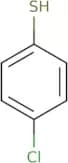
CAS:4-Chlorobenzenethiol is a chemical compound that contains a fatty acid. It is an intramolecular hydrogen donor with the ability to form a disulfide bond. The compound also has high stability and can be used in organic synthesis reactions involving reactive sulfur groups. 4-Chlorobenzenethiol reacts with sodium carbonate to produce sodium thiocarbonate and chloroform, which are then reacted with phosphorus pentoxide for oxidation. The reaction mechanism is similar to that of the Diels-Alder reaction and the model system involves dinucleotide phosphate. 4-Chlorobenzenethiol can be reacted with hydrochloric acid or trifluoroacetic acid as an oxidizing agent.
Fórmula:C6H5ClSPureza:Min. 95%Cor e Forma:White PowderPeso molecular:144.62 g/mol4-Chloro-8-quinolinol
CAS:4-Chloro-8-quinolinol is a quinoline derivative that has been shown to have pharmacological effects. It is used in the synthesis of other compounds, such as 5-chloro-8-hydroxyquinoline, which is used in the treatment of cancer. 4-Chloro-8-quinolinol can also be prepared by oxidizing 5,6,7,8 tetrachloroquinoline with chlorine and ammonia. The photophysical properties of this compound are analogous to those of benzothiazole derivatives. The fluorescence emission spectrum ranges from 360 nm to 450 nm with a maximum at 390 nm and emission intensity at 350 nm. This compound exhibits fungitoxicity against Penicillium notatum and Aspergillus fumigatus.
Fórmula:C9H6ClNOPureza:Min. 95%Peso molecular:179.6 g/molCyclobutanethiol
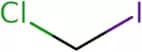
CAS:Cyclobutanethiol is a 1-cyclopentene-1-carboxylic acid, which is a cyclic form of the alkylthio group. It is an organic solvent with a hydroxyl group at one end and an alkyl group at the other end. Cyclobutanethiol can be used as a sealant or as a solvent in organic chemistry. The compound has been shown to inhibit insulin resistance by binding to cb1 receptors on cells, thereby inhibiting the production of glucose. Cyclobutanethiol also absorbs ultraviolet light, so it can be used in photochemistry.Fórmula:C4H8SPureza:90%Cor e Forma:Clear LiquidPeso molecular:88.17 g/molChloroiodomethane, stabilised with copper
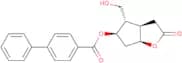
CAS:Chloroiodomethane is a chemical that is used as an intermediate in the production of other chemicals. It is a colourless liquid with a strong odour. 3-Bromopropylamine hydrobromide reacts with chloroiodomethane to form 3-bromopropyl bromide, which can be reacted with hydrogen chloride to form the corresponding acid chloride. This reaction product can then be reacted with β-amino acids to form amides or esters. The reaction mechanism of this process involves nucleophilic substitution of chloroiodomethane by the amino group of the β-amino acid to produce an intermediate α,β-unsaturated carbonyl chloride, which undergoes elimination to give the final product. Chloroiodomethane also reacts rapidly with fatty acids and hydroxyl groups in biological systems, leading to inflammatory diseases such as HIV infection.Fórmula:CH2ClIPureza:Min. 95%Cor e Forma:Colorless Clear LiquidPeso molecular:176.38 g/mol(-)-Corey lactone 4-phenylbenzoate
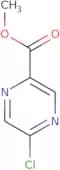
CAS:Corey lactone 4-phenylbenzoate is an efficient, large-scale preparation of (-)-Corey lactone. It is synthesized in two steps from 4-phenylbenzoic acid and ethyl acetoacetate. Corey lactone 4-phenylbenzoate has been used for the synthesis of a variety of natural products. This compound is also a precursor to the synthesis of other compounds, such as 3-amino-4-(2'-hydroxyethoxy)benzaldehyde.Fórmula:C21H20O5Pureza:Min. 95%Peso molecular:352.38 g/mol5-Chloro-2-methoxycarbonyl pyrazine
CAS:5-Chloro-2-methoxycarbonyl pyrazine is a linker that is used to connect two pharmacophores. β-Lactamase, which is an enzyme that degrades β-lactams antibiotics, was inhibited by 5-chloro-2-methoxycarbonyl pyrazine in vitro and in vivo. The inhibitory potency of 5-chloro-2-methoxycarbonyl pyrazine was increased when it was combined with other molecules. This molecule has shown antibacterial activity against Enterobacter cloacae, methicillin resistant Staphylococcus aureus (MRSA), and Mycobacterium tuberculosis.Fórmula:C6H5ClN2O2Pureza:Min. 95%Cor e Forma:PowderPeso molecular:172.57 g/mol4-(Boc-amino)pyridine
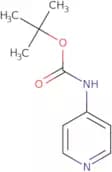
CAS:4-(Boc-amino)pyridine is a pyridine derivative that exhibits magnetic properties. It can be used to study the luminescence properties of pyridine rings. 4-(Boc-amino)pyridine inhibits cell proliferation and growth by binding to the kinase receptor in the cytoplasm, which blocks phosphorylation of proteins in the cell. This compound inhibits hCT-116 cells, which are human colorectal carcinoma cells, and has shown promising results in xenograft studies. 4-(Boc-amino)pyridine is an anionic molecule that can be used as a starting material for synthesis of other compounds. It was first synthesized by reacting 2-aminopyridine with boron trichloride in acetonitrile.Fórmula:C10H14N2O2Pureza:Min. 95%Cor e Forma:White/Off-White SolidPeso molecular:194.23 g/molBenzophenone-4,4'-dicarboxylic acid
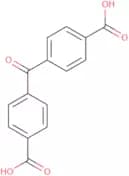
CAS:Benzophenone-4,4'-dicarboxylic acid is a reactive compound that can form ethylene. It has been shown to be an ultrafast encapsulation material for organic molecules and metal ions. Benzophenone-4,4'-dicarboxylic acid can be used in simulations to study the molecule's surface properties and densities. The linker also plays an important role in determining the diffraction of the molecule. This compound is susceptible to delamination when exposed to silicon surfaces.Fórmula:C15H10O5Pureza:Min. 95%Cor e Forma:White PowderPeso molecular:270.24 g/mol2-(Boc-aminomethyl)benzoic acid
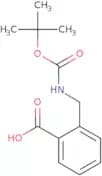
CAS:2-(Boc-aminomethyl)benzoic acid is a versatile building block with a wide range of applications in the field of organic chemistry. It has been shown to be useful as a reagent in the synthesis of complex compounds and fine chemicals, as well as a reaction component for the preparation of pharmaceuticals. 2-(Boc-aminomethyl)benzoic acid can also be used as an intermediate in the synthesis of speciality chemicals such as herbicides, pesticides, and fungicides.
Fórmula:C13H17NO4Pureza:Min. 95%Cor e Forma:PowderPeso molecular:251.28 g/mol6-Bromo-4-hydroxypyrazolo[1,5-a]pyridine-3-carbonitrile
CAS:Please enquire for more information about 6-Bromo-4-hydroxypyrazolo[1,5-a]pyridine-3-carbonitrile including the price, delivery time and more detailed product information at the technical inquiry form on this pageFórmula:C8H4BrN3OPureza:Min. 95%Peso molecular:238.04 g/molBisaboloxide A
CAS:Please enquire for more information about Bisaboloxide A including the price, delivery time and more detailed product information at the technical inquiry form on this pageFórmula:C15H26O2Pureza:Min. 95%Peso molecular:238.37 g/mol1-Bromo-5-fluoropentane
CAS:1-Bromo-5-fluoropentane is a colorless liquid with a high viscosity. It is an inhibitor of enzymes that catalyze fatty acid synthesis, and can be used to treat hepatitis C. 1-Bromo-5-fluoropentane has been shown to have anti-HIV activity in vitro, inhibiting the infection of human cells by HIV. This compound blocks the cb2 receptor, which is involved in the inflammatory process. 1-Bromo-5-fluoropentane also inhibits hydroxylase and thiolase activities in human liver cells. This agent is a synthetic cannabinoid that is structurally similar to THC, but does not bind to CB1 or CB2 receptors. It has a liquid crystal composition at room temperature, but becomes a solid crystal at higher temperatures. 1-Bromo-5-fluoropentane exhibits spontaneous activity when heated to about 100°C. It reactsFórmula:C5H10BrFPureza:Min. 95%Cor e Forma:Colorless Slightly Yellow Clear LiquidPeso molecular:169.04 g/mol3-Bromo-4-chloroaniline
CAS:3-Bromo-4-chloroaniline is a chloroaniline compound. It is synthesized by reacting hexamethylenetetramine with chlorine gas in the presence of formaldehyde and paraformaldehyde. 3-Bromo-4-chloroaniline has been used to produce other compounds, such as trimethylchlorosilane, which is used in the production of silicone rubber. Chloroanilines are toxic chemicals that can be found in the environment and react with formaldehyde to produce carcinogenic substances called halofuginones.
Fórmula:C6H5BrClNPureza:Min. 95%Peso molecular:206.47 g/mol1-Hydroxycyclopentane-1-carbonitrile
CAS:1-Hydroxycyclopentane-1-carbonitrile is a monomer that is hydrolyzed to form benzoin and cyanohydrins. It can be used in the production of scifinder as a monomer or dimerizer.
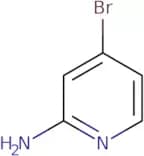
Fórmula:C6H9NOPureza:Min. 95%Peso molecular:111.14 g/mol2-Amino-4-bromopyridine
CAS:2-Amino-4-bromopyridine is a potent, selective antagonist of the nicotinic acetylcholine receptor (nAChR) that has been shown to inhibit the proliferation of cancer cells in vitro. 2-Amino-4-bromopyridine binds to the nAChR and stabilizes it by binding to an allosteric site on the receptor. 2-Amino-4-bromopyridine is synthesized from 4,5-dibromobenzene and 2,6-diaminopyridine in two steps with a yield of 47%. The synthesis of 2-amino-4-bromopyridine proceeds via reaction mechanism involving electrophilic substitution at the bromine atom followed by nucleophilic addition at the nitrogen atom.
Fórmula:C5H5BrN2Pureza:Min. 95%Cor e Forma:PowderPeso molecular:173.01 g/mol1-Adamantane carboxylic acid
CAS:1-Adamantane carboxylic acid is a hydrophobic molecule that can form a complex with metal hydroxides. It is used in the process optimization of the synthesis of sodium salts. 1-Adamantane carboxylic acid binds to metals, such as magnesium and calcium, in a coordination geometry that is similar to that observed for water molecules. The complexation of 1-Adamantane carboxylic acid with metal ions results in an acidic environment, which is important for bowel disease. This acid complex also has anti-inflammatory properties. The hydroxyl group on the 1-adamantane carboxylic acid reacts with oxygen to form an alcohol group and this reaction mechanism may be involved in physiological functions.Fórmula:C11H16O2Pureza:Min. 95%Cor e Forma:White PowderPeso molecular:180.25 g/mol2-Acetylbenzoic acid
CAS:2-Acetylbenzoic acid is a functional molecule that contains an acetyl group. It can form hydrogen bonds with other molecules and has been shown to induce apoptosis in cells. The reaction products of 2-acetylbenzoic acid are malonic acid, acetylsalicylic acid, and 2-benzoylbenzoic acid. These three compounds are made by the addition of hydrogen or hydroxide to the molecule 2-acetylbenzoic acid. The molecule has two functional groups: a carbonyl group and an acetyl group. The chemical structure of this molecule can be seen in the figure below.
2-Acetylbenzoic AcidFórmula:C9H8O3Pureza:Min. 95%Cor e Forma:PowderPeso molecular:164.16 g/mol2-{[2-(2,6-Dioxopiperidin-3-yl)-1-oxo-2,3-dihydro-1H-isoindol-4-yl]oxy}acetic acid
CAS:Versatile small molecule scaffoldFórmula:C15H14N2O6Pureza:Min. 95%Peso molecular:318.28 g/moltert-butyl 4-oxo-2,3-dihydroquinoline-1-carboxylate
CAS:Versatile small molecule scaffoldFórmula:C14H17NO3Pureza:Min. 95%Peso molecular:247.29 g/mol



![7H,8H-Pyrido[2,3-d]pyridazin-8-one](/_next/image/?url=https%3A%2Fstatic.cymitquimica.com%2Fproducts%2F3D%2Fthumb-webp%2FQAA37579.webp&w=3840&q=75)



![2-Oxa-spiro[3.3]heptan-6-ol](/_next/image/?url=https%3A%2Fstatic.cymitquimica.com%2Fproducts%2F3D%2Fthumb-webp%2FNEC38108.webp&w=3840&q=75)



![[2'-(Amino-ºN)[1,1'-biphenyl]-2-yl-C][[3,6-dimethoxy-2',4',6'-tris(1-methylethyl)[1,1'-biphenyl]-2…](/_next/image/?url=https%3A%2Fstatic.cymitquimica.com%2Fproducts%2F3D%2Fthumb-webp%2FLLC47372.webp&w=3840&q=75)



![2-[3-Chloro-5-(trifluoromethyl)-2-pyridinyl]-acetonitrile](/_next/image/?url=https%3A%2Fstatic.cymitquimica.com%2Fproducts%2F3D%2Fthumb-webp%2FHGA76410.webp&w=3840&q=75)









![1-[3-(Dimethylamino)propyl]-1-(4-fluorophenyl)-1,3-dihydro-3-oxo-5-isobenzofurancarbonitrile](/_next/image/?url=https%3A%2Fstatic.cymitquimica.com%2Fproducts%2F3D%2Fthumb-webp%2FFD184085.webp&w=3840&q=75)






![6-Bromo-4-hydroxypyrazolo[1,5-a]pyridine-3-carbonitrile](/_next/image/?url=https%3A%2Fstatic.cymitquimica.com%2Fproducts%2F3D%2Fthumb-webp%2FFB182798.webp&w=3840&q=75)






![2-{[2-(2,6-Dioxopiperidin-3-yl)-1-oxo-2,3-dihydro-1H-isoindol-4-yl]oxy}acetic acid](/_next/image/?url=https%3A%2Fstatic.cymitquimica.com%2Fproducts%2F3D%2Fthumb-webp%2FEPD97616.webp&w=3840&q=75)
