


Building Blocks
Subcategorias de "Building Blocks"
- Ácidos Borónicos e Derivados de Ácido Borónico(5.778 produtos)
- Building Blocks Quirais(1.243 produtos)
- Building Blocks Hidrocarbonetos(6.099 produtos)
- Building Blocks orgânicos(61.038 produtos)
Foram encontrados 205376 produtos de "Building Blocks"
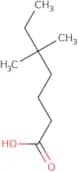
5,5-Dimethylheptanoic acid
CAS:Versatile small molecule scaffold
Fórmula:C9H18O2Pureza:Min. 95%Peso molecular:158.24 g/mol3-Amino-7-oxa-1λ⁶-thiaspiro[3.5]nonane-1,1-dione hydrochloride
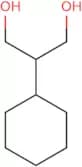
CAS:Versatile small molecule scaffoldFórmula:C7H14ClNO3SPureza:Min. 95%Peso molecular:227.7 g/mol2-Cyclohexylpropane-1,3-diol
CAS:2-Cyclohexylpropane-1,3-diol is a substrate for porcine pancreatic lipase. It is hydrolyzed by this enzyme, which is stereoselective and enantioselective. 2-Cyclohexylpropane-1,3-diol also has properties that are similar to angiotensin, a peptide that is secreted by the human body. This substance can be used as a solvent for other organic compounds in chemical reactions.
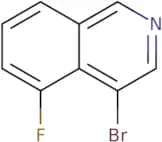
Fórmula:C9H18O2Pureza:Min. 95%Peso molecular:158.24 g/mol4-Bromo-5-fluoro-isoquinoline
CAS:Versatile small molecule scaffold
Fórmula:C9H5BrFNPureza:Min. 95%Peso molecular:226.04 g/molRef: 3D-BPA45758
Produto descontinuado[3-(Propan-2-yl)phenyl]thiourea
CAS:Versatile small molecule scaffold
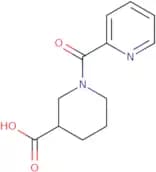
Fórmula:C10H14N2SPureza:Min. 95%Peso molecular:194.3 g/mol1-(Pyridine-2-carbonyl)piperidine-3-carboxylic acid
CAS:Versatile small molecule scaffold
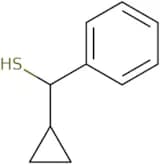
Fórmula:C12H14N2O3Pureza:Min. 95%Peso molecular:234.25 g/molCyclopropyl(phenyl)methanethiol
CAS:Versatile small molecule scaffold
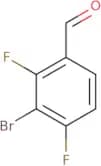
Fórmula:C10H12SPureza:Min. 95%Peso molecular:164.27 g/mol3-Bromo-2,4-difluorobenzaldehyde
CAS:Versatile small molecule scaffold
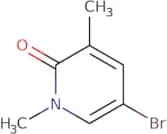
Fórmula:C7H3BrF2OPureza:Min. 95%Peso molecular:219.93 g/mol5-Bromo-1,3-dimethylpyridin-2(1H)-one
CAS:Benzyne is a reactive intermediate that is formed by the tautomerization of 5-bromo-1,3-dimethylpyridin-2(1H)-one. It is an adduct between a bromine atom and a benzene ring. This compound has been shown to react with electron-rich olefins to form bicyclic compounds called diels-alder adducts. These reactions are often catalyzed by metals, such as palladium or nickel. Benzyne also reacts with triple bonds or other electron rich centers to form benzyne adducts, which are highly reactive and can be used as chemical probes for electron density in molecules.
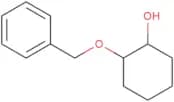
Fórmula:C7H8BrNOPureza:Min. 95%Peso molecular:202.05 g/molrac-(1R,2R)-2-(Benzyloxy)cyclohexan-1-ol
CAS:Versatile small molecule scaffold
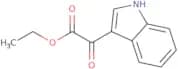
Fórmula:C13H18O2Pureza:Min. 95%Peso molecular:206.28 g/molEthyl 2-(indol-3-yl)-2-oxoacetate
CAS:Ethyl 2-(indol-3-yl)-2-oxoacetate is a hydroxy derivative of the amino acid tyrosine. It inhibits the enzyme tyrosine hydroxylase, which catalyzes the conversion of tyrosine to L-DOPA. This in turn affects dopamine synthesis and has an inhibitory effect on rat brain. Ethyl 2-(indol-3-yl)-2-oxoacetate also inhibits methylmagnesium borohydride in vitro, which is a reagent that breaks down esters, amides, and nitriles. Tyrosine hydroxylase is inhibited by the presence of two hydroxy groups on the ethyl side chain and one hydroxy group on the indole ring. It can be used as a structural analogue for other drugs that are used to treat Parkinson's disease or depression.
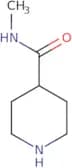
Fórmula:C12H11NO3Pureza:Min. 95%Peso molecular:217.22 g/molN-Methylpiperidine-4-carboxamide
CAS:Versatile small molecule scaffold
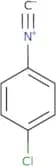
Fórmula:C7H14N2OPureza:Min. 95%Peso molecular:142.2 g/mol1-Chloro-4-isocyanobenzene
CAS:1-Chloro-4-isocyanobenzene (1CI) is an organic compound that has been used as a chemical probe for the detection of amines and other molecules on metal surfaces. The frequency shift in Raman spectra, which is observed after the addition of 1CI to the metal surface, is used to detect amines. 1CI has also been shown to be a potent inhibitor of mitochondrial function. This molecule binds to nucleophilic sites on metal surfaces and forms covalent bonds with them, leading to a high degree of inhibition.
1CI can be synthesized in three steps from commercially available starting materials and is relatively easy to purify.Fórmula:C7H4ClNPureza:Min. 95%Peso molecular:137.56 g/mol2-[3-(Propan-2-yl)phenoxy]acetic acid
CAS:2-[3-(Propan-2-yl)phenoxy]acetic acid is a chemical compound that is used as an additive in benzene, and is a phytotoxic chemical. It prevents the formation of chlorophyll by blocking electron transport and inhibiting photosynthesis. 2-[3-(Propan-2-yl)phenoxy]acetic acid is used to induce callus tissue from lettuce, radish, and other plants. This compound also inhibits the growth of various bacteria including Escherichia coli and Pseudomonas aeruginosa.
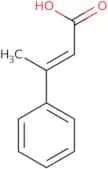
Fórmula:C11H14O3Pureza:Min. 95%Peso molecular:194.23 g/mol3-Phenylbut-2-enoic acid
CAS:3-Phenylbut-2-enoic acid is a prochiral, carbonyl compound that can be used in the synthesis of chiral pharmaceuticals. Mechanistic studies have shown that 3-phenylbut-2-enoic acid is a catalytic hydrogenation reagent that converts prochiral substrates to their corresponding chiral products. When combined with binap and butenoic acid, 3-phenylbut-2-enoic acid can catalyze the asymmetric synthesis of butenoate. The reaction yields high enantiomeric excesses and good yields.
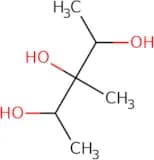
Fórmula:C10H10O2Pureza:Min. 95%Peso molecular:162.19 g/mol3-Methylpentane-2,3,4-triol
CAS:Versatile small molecule scaffold
Fórmula:C6H14O3Pureza:Min. 95%Peso molecular:134.17 g/molRef: 3D-BAA18510
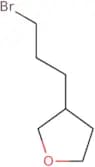
Produto descontinuado3-(3-Bromopropyl)oxolane
CAS:Versatile small molecule scaffold
Fórmula:C7H13BrOPureza:Min. 95%Peso molecular:193.08 g/molRef: 3D-ASB49655
Produto descontinuado4-(Dimethyl-1,2-oxazol-4-yl)phenol
CAS:Versatile small molecule scaffold
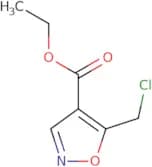
Fórmula:C11H11NO2Pureza:Min. 95%Peso molecular:189.21 g/molEthyl 5-(chloromethyl)-1,2-oxazole-4-carboxylate
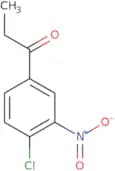
CAS:Versatile small molecule scaffoldFórmula:C7H8ClNO3Pureza:Min. 95%Peso molecular:189.59 g/mol1-(4-Chloro-3-nitrophenyl)propan-1-one
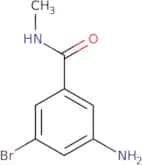
CAS:Versatile small molecule scaffoldFórmula:C9H8ClNO3Pureza:Min. 95%Peso molecular:213.62 g/mol3-Amino-5-bromo-N-methylbenzamide
CAS:Versatile small molecule scaffold
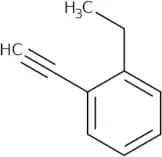
Fórmula:C8H9BrN2OPureza:Min. 95%Peso molecular:229.07 g/mol1-Ethyl-2-ethynylbenzene
CAS:1-Ethyl-2-ethynylbenzene is an indene that can be synthesized by the reaction of 1-ethylbenzene with ethynylmagnesium bromide and trifluoroacetyl chloride. 1-Ethyl-2-ethynylbenzene reacts as a nucleophile with electrophiles, such as phenylsulfonyl and acetylene compounds, to form sulfones and acetylenes. It can also react with tetrafluoroborates to form indenes.
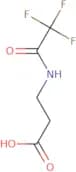
Fórmula:C10H10Pureza:Min. 95%Peso molecular:130.19 g/mol3-(Trifluoroacetamido)propanoic acid
CAS:Versatile small molecule scaffold
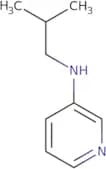
Fórmula:C5H6F3NO3Pureza:Min. 95%Peso molecular:185.1 g/molN-(2-Methylpropyl)pyridin-3-amine
CAS:Versatile small molecule scaffold
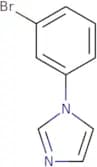
Fórmula:C9H14N2Pureza:Min. 95%Peso molecular:150.22 g/mol1-(3-Bromophenyl)-1H-imidazole
CAS:Versatile small molecule scaffold
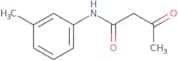
Fórmula:C9H7BrN2Pureza:Min. 95%Peso molecular:223.07 g/molN-(3-Methylphenyl)-3-oxobutanamide
CAS:Versatile small molecule scaffold
Fórmula:C11H13NO2Pureza:Min. 95%Peso molecular:191.23 g/mol[2-(2-Ethoxyethoxy)ethyl](methyl)amine
CAS:Versatile small molecule scaffold
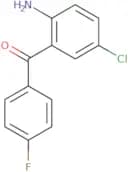
Fórmula:C7H17NO2Pureza:Min. 95%Peso molecular:147.22 g/mol4-Chloro-2-(4-fluorobenzoyl)aniline
CAS:Versatile small molecule scaffold
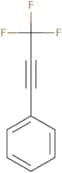
Fórmula:C13H9ClFNOPureza:Min. 95%Peso molecular:249.67 g/mol(3,3,3-Trifluoroprop-1-yn-1-yl)benzene
CAS:(3,3,3-Trifluoroprop-1-yn-1-yl)benzene is a reaction product that can be used to inhibit the activity of metalloprotease and as an anti-cancer agent. This compound inhibits the enzyme that causes chronic kidney disease and degenerative diseases. It is a potent inhibitor of metalloprotease, which is involved in cancer progression, fatty acid synthesis and bone formation. The effective dose for this drug is between 1 and 10mg/kg body weight. It has been shown to have an asymmetric synthesis with the use of amido groups. (3,3,3-Trifluoroprop-1-yn-1-yl)benzene also has antirheumatic properties due to its ability to inhibit proteases such as matrix metalloproteinases and cathepsins.
Fórmula:C9H5F3Pureza:Min. 95%Peso molecular:170.13 g/molRef: 3D-AAA77262
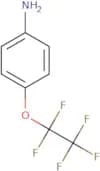
Produto descontinuado4-(Perfluoroethoxy)aniline
CAS:Versatile small molecule scaffold
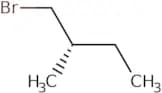
Fórmula:C8H6F5NOPureza:Min. 95%Peso molecular:227.13 g/mol(S)-(+)-1-Bromo-2-methylbutane
CAS:(S)-(+)-1-Bromo-2-methylbutane is a chiral molecule with two stereoisomers, the cis and trans forms. The cis form has been observed to be the more stable of the two. It is a functional theory that these two forms are not mirror images of each other because they have different conformations. (S)-(+)-1-Bromo-2-methylbutane has been used in the synthesis of a number of important molecules. The stereoisomers can be distinguished by conformational analysis and optical microscopy. (S)-(+)-1-Bromo-2-methylbutane also has an application in biotechnology for use as a precursor for hydrazones, which are important in organic chemistry and molecular biology, such as DNA sequencing.
Fórmula:C5H11BrPureza:Min. 95%Peso molecular:151.04 g/molMethyl 2-Octynoate
CAS:Methyl 2-octynoate is a chemical that has been shown to bind to the nicotinic acetylcholine receptor. Methyl 2-octynoate has been shown to have antitumor activity in various types of cancer cells, including breast, prostate, and lung cancer cells. This chemical is not known to be chemically stable or film-forming. It also disrupts mitochondrial membrane potential and reduces the endpoints of oxidative phosphorylation. Methyl 2-octynoate was found to have low potency against cancer cells in vitro and in vivo.
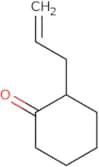
Fórmula:C9H14O2Pureza:Min. 95%Peso molecular:154.21 g/mol2-Allylcyclohexanone
CAS:2-Allylcyclohexanone is an unsaturated ketone that is synthesized by the ring-opening of allyl cyclohexane carboxylate with sodium hydroxide. It can be used as a chemical intermediate for the synthesis of other compounds. 2-Allylcyclohexanone can also be used to react with hydroxide solution to produce a salt and an alcohol. The hydroxide solution can act as a base, reducing the carbonyl group in the presence of an acid to form the corresponding alcohol. This reaction is stereoselective because it only occurs when there are two different groups on adjacent carbons.
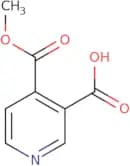
2-Allylcyclohexanone has been shown to inhibit non-nucleoside reverse transcriptase inhibitors (NNRTIs) such as nevirapine, efavirenz, and delavirdine. In addition, it has been found to have functional groups that are capable of reactingFórmula:C9H14OPureza:Min. 95%Peso molecular:138.21 g/mol4-(Methoxycarbonyl)nicotinic acid
CAS:Versatile small molecule scaffold
Fórmula:C8H7NO4Pureza:Min. 95%Peso molecular:181.15 g/mol2-Chloro-5,8-difluoroquinoline
CAS:Versatile small molecule scaffold
Fórmula:C9H4ClF2NPureza:Min. 95%Peso molecular:199.58 g/mol1-[3-(Chloromethyl)benzoyl]piperidine
CAS:Versatile small molecule scaffold
Fórmula:C13H16ClNOPureza:Min. 95%Peso molecular:237.72 g/mol4-Chloro-1,6-dimethyl-1H-pyrazolo[3,4-d]pyrimidine
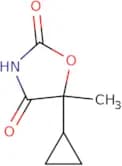
CAS:Versatile small molecule scaffoldFórmula:C7H7ClN4Pureza:Min. 95%Peso molecular:182.61 g/mol5-cyclopropyl-5-methyl-1,3-oxazolidine-2,4-dione
CAS:Versatile small molecule scaffold
Fórmula:C7H9NO3Pureza:Min. 95%Peso molecular:155.15 g/molRef: 3D-YDA54752
Produto descontinuado3-Bromobenzo[b]thiophen-5-amine
CAS:Versatile small molecule scaffold
Fórmula:C8H6BrNSPureza:Min. 95%Peso molecular:228.11 g/mol5-Amino-1-methyl-1,2,3,4-tetrahydropyrimidine-2,4-dione
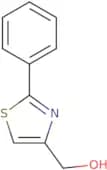
CAS:Versatile small molecule scaffoldFórmula:C5H7N3O2Pureza:Min. 95%Peso molecular:141.13 g/mol4-(Hydroxymethyl)-2-phenyl-1,3-thiazole
CAS:4-(Hydroxymethyl)-2-phenyl-1,3-thiazole is a versatile compound that has various applications in research and chemical synthesis. It is commonly used as a building block for the synthesis of organic compounds, including antibodies and research chemicals. This compound has been found to exhibit potent antiangiogenic properties, making it valuable in the field of cancer research. Additionally, 4-(Hydroxymethyl)-2-phenyl-1,3-thiazole can be used as a precursor in the synthesis of important pharmaceuticals such as cephalosporins and taxol. Its unique structure allows for diverse chemical reactions, making it an essential tool for chemists and researchers alike. Whether you're working on developing new drugs or exploring novel chemical reactions, 4-(Hydroxymethyl)-2-phenyl-1,3-thiazole is an indispensable compound that will help drive your scientific endeavors forward.
Fórmula:C10H9NOSPureza:Min. 95%Peso molecular:191.25 g/mol(2S)-2-Amino-4-(aminooxy)butanoic acid dihydrochloride
CAS:Versatile small molecule scaffold
Fórmula:C4H12Cl2N2O3Pureza:Min. 95%Peso molecular:207.1 g/mol2-isopropyltetrahydro-4H-pyran-4-one
CAS:Versatile small molecule scaffoldFórmula:C8H14O2Pureza:Min. 95%Peso molecular:142.19 g/mol2-{2H,3H-Imidazo[2,1-b][1,3]thiazol-6-yl}ethan-1-amine hydrochloride
CAS:Versatile small molecule scaffold
Fórmula:C7H12ClN3SPureza:Min. 95%Peso molecular:205.71 g/mol2-(Benzylamino)-1-[3-(difluoromethoxy)phenyl]ethan-1-ol
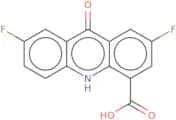
CAS:Versatile small molecule scaffoldFórmula:C16H17F2NO2Pureza:Min. 95%Peso molecular:293.31 g/mol2,7-Difluoro-9-oxo-9,10-dihydroacridine-4-carboxylic acid
CAS:Versatile small molecule scaffold
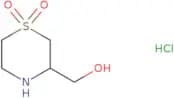
Fórmula:C14H7F2NO3Pureza:Min. 95%Peso molecular:275.2 g/mol(S)-3-(Hydroxymethyl)thiomorpholine 1,1-dioxide hydrochloride
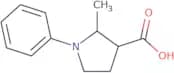
CAS:Versatile small molecule scaffoldFórmula:C5H12ClNO3SPureza:Min. 95%Peso molecular:201.67 g/mol2-Methyl-1-phenylpyrrolidine-3-carboxylic acid
CAS:Versatile small molecule scaffold
Fórmula:C12H15NO2Pureza:Min. 95%Peso molecular:205.25 g/moltert-Butyl N-[1-cyano-3-(propan-2-yloxy)propyl]carbamate
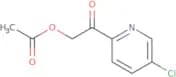
CAS:Versatile small molecule scaffoldFórmula:C12H22N2O3Pureza:Min. 95%Peso molecular:242.31 g/mol2-(5-Chloropyridin-2-yl)-2-oxoethyl acetate
CAS:Versatile small molecule scaffold
Fórmula:C9H8ClNO3Pureza:Min. 95%Peso molecular:213.62 g/molRef: 3D-XWC38084
Produto descontinuado4-Methyl-1,2-oxazolidin-4-ol hydrochloride
CAS:Versatile small molecule scaffold
Fórmula:C4H10ClNO2Pureza:Min. 95%Peso molecular:139.6 g/molRef: 3D-XLD15344
Produto descontinuado3-methylpyridine-2-sulfinate lithium
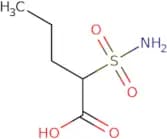
CAS:Versatile small molecule scaffoldFórmula:C6H6LiNO2SPureza:Min. 95%Peso molecular:163.1 g/mol2-Sulfamoylpentanoic acid
CAS:Versatile small molecule scaffold
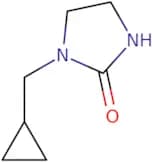
Fórmula:C5H11NO4SPureza:Min. 95%Peso molecular:181.21 g/mol1-(Cyclopropylmethyl)imidazolidin-2-one
CAS:Versatile small molecule scaffold
Fórmula:C7H12N2OPureza:Min. 95%Peso molecular:140.18 g/mol2-(2-[(Propan-2-yloxy)methyl]phenyl)acetic acid
CAS:Versatile small molecule scaffold
Fórmula:C12H16O3Pureza:Min. 95%Peso molecular:208.3 g/molMethyl 6-bromo-2-(trifluoromethyl)imidazo[1,5-a]pyrimidine-8-carboxylate
CAS:Versatile small molecule scaffold
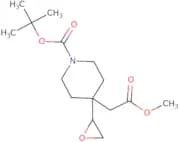
Fórmula:C9H5BrF3N3O2Pureza:Min. 95%Peso molecular:324.05 g/moltert-Butyl 4-(2-methoxy-2-oxoethyl)-4-(oxiran-2-yl)piperidine-1-carboxylate
CAS:Versatile small molecule scaffold
Fórmula:C15H25NO5Pureza:Min. 95%Peso molecular:299.4 g/molRef: 3D-NKD15821
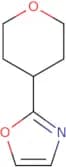
Produto descontinuado2-(Oxan-4-yl)-1,3-oxazole
CAS:Versatile small molecule scaffold
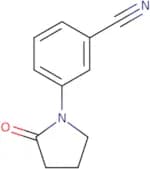
Fórmula:C8H11NO2Pureza:Min. 95%Peso molecular:153.18 g/mol3-(2-Oxopyrrolidin-1-yl)benzonitrile
CAS:Versatile small molecule scaffold
Fórmula:C11H10N2OPureza:Min. 95%Peso molecular:186.21 g/mol8-Fluoro-3-methyl-1,2,3,4-tetrahydroquinoline hydrochloride
CAS:Versatile small molecule scaffold
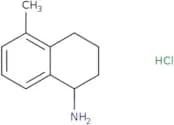
Fórmula:C10H13ClFNPureza:Min. 95%Peso molecular:201.67 g/mol5-Methyl-1,2,3,4-tetrahydronaphthalen-1-amine hydrochloride
CAS:Versatile small molecule scaffold
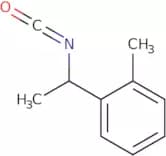
Fórmula:C11H16ClNPureza:Min. 95%Peso molecular:197.7 g/mol1-(1-Isocyanatoethyl)-2-methylbenzene
CAS:Versatile small molecule scaffold
Fórmula:C10H11NOPureza:Min. 95%Peso molecular:161.2 g/mol[1-(Fluoromethyl)cyclopropyl]methanesulfonyl chloride
CAS:Versatile small molecule scaffold
Fórmula:C5H8ClFO2SPureza:Min. 95%Peso molecular:186.63 g/molRef: 3D-PCC96395
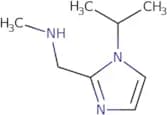
Produto descontinuado1-(1-Isopropyl-1H-imidazol-2-yl)-N-methylmethanamine
CAS:Versatile small molecule scaffold
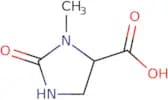
Fórmula:C8H15N3Pureza:Min. 95%Peso molecular:153.22 g/mol3-Methyl-2-oxoimidazolidine-4-carboxylic acid
CAS:Versatile small molecule scaffold
Fórmula:C5H8N2O3Pureza:Min. 95%Peso molecular:144.13 g/molRef: 3D-PCC89794
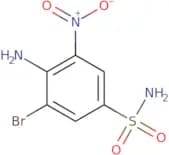
Produto descontinuado4-Amino-3-bromo-5-nitro-benzenesulfonamide
CAS:Versatile small molecule scaffold
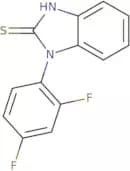
Fórmula:C6H6BrN3O4SPureza:Min. 95%Peso molecular:296.1 g/mol1-(2,4-Difluorophenyl)-1H-1,3-benzodiazole-2-thiol
CAS:Versatile small molecule scaffoldFórmula:C13H8F2N2SPureza:Min. 95%Peso molecular:262.28 g/mol2-Bromo-3,3,3-trifluoro-1-propene
CAS:Produto Controlado2-Bromo-3,3,3-trifluoro-1-propene is a chemical compound that has been synthesized in an asymmetric reaction. The reactant is bromopropane and the product is 2,2,2-trifluoropropene. The methylene group on the propene molecule is activated by the nucleophilic attack of a fluoride ion from hydrogen fluoride to form a cavity with a highly strained bond. The kinetic study of this reaction revealed that the activation energy for the reaction is 42 kJ/mol. Palladium-catalyzed coupling reactions are catalyzed by palladium and require nonpolar solvents such as toluene or dichloromethane. This type of reaction has been shown to be exothermic with an isolated yield of 1%.
Fórmula:C3H2BrF3Pureza:Min. 95%Cor e Forma:Colorless PowderPeso molecular:174.95 g/mol4-Chloro-2-hydroxy-6-methylphenylboronic acid
CAS:Versatile small molecule scaffoldFórmula:C7H8BClO3Pureza:Min. 95%Peso molecular:186.4 g/mol4,5-Dihydro-1H-imidazol-2-amine hydrochloride
CAS:Please enquire for more information about 4,5-Dihydro-1H-imidazol-2-amine hydrochloride including the price, delivery time and more detailed product information at the technical inquiry form on this page
Fórmula:C3H7N3•HClPureza:Min. 95%Peso molecular:121.57 g/molRef: 3D-FD183639
Produto descontinuadotert-Butyl (2,2-difluoro-3-hydroxypropyl)carbamate
CAS:Versatile small molecule scaffoldFórmula:C10H13NO4Pureza:Min. 95%Peso molecular:211.21 g/mol8-Bromo-2-methylimidazo[1,2-a]pyridine
CAS:Versatile small molecule scaffold
Fórmula:C8H7N2BrPureza:Min. 95%Peso molecular:211.05 g/mol3-Hydroxy-5-methylpyridine
CAS:3-Hydroxy-5-methylpyridine (3HMP) is a chemical substance that has been classified as an amine. It is a product of the metabolism of purines, which are nitrogenous bases found in DNA and RNA. 3HMP is produced by aerogenic bacteria (such as Enterobacter), and can be used to estimate the number of these bacteria present in water samples. 3HMP has been shown to have antiviral properties against influenza virus, and can be used as a biomarker for the presence of other viruses in animals. 3HMP also has mineralization properties, which have been studied extensively, particularly with regards to pancreatic disease.
Fórmula:C6H7NOPureza:Min. 95%Cor e Forma:PowderPeso molecular:109.13 g/molRef: 3D-FH16174
Produto descontinuado1-Hydroxycyclopentane-1-carbonitrile
CAS:1-Hydroxycyclopentane-1-carbonitrile is a monomer that is hydrolyzed to form benzoin and cyanohydrins. It can be used in the production of scifinder as a monomer or dimerizer.
Fórmula:C6H9NOPureza:Min. 95%Peso molecular:111.14 g/mol4,5-Dihydroxy-2,3-Pentanedione
CAS:4,5-Dihydroxy-2,3-pentanedione is a carbonyl compound that is the product of the oxidation of ascorbic acid. It is used in wastewater treatment and has antimicrobial properties against infectious diseases. This compound has been shown to inhibit protein synthesis by binding to the ribosome and preventing the formation of peptide bonds between amino acids. 4,5-Dihydroxy-2,3-pentanedione has also been shown to bind to plasma proteins, which may be due to its acyl chain structure. 4,5-Dihydroxy-2,3-pentanedione can be synthesized in a catalytic mechanism that involves dehydroascorbic acid and molecular oxygen.
Fórmula:C5H8O4Pureza:Min. 95%Cor e Forma:PowderPeso molecular:132.11 g/molRef: 3D-FD180770
Produto descontinuadoPiperyline
CAS:Piperyline is an alkanoic acid that has shown to be effective against skin cancer. It also has antimicrobial properties, which may be due to its ability to bind metal ions and form polymeric compounds. Piperyline inhibits microbial growth by inhibiting the synthesis of proteins and nucleic acids. The antimicrobial activity is related to its cationic polymerization with hydroxyl groups, which forms a structure that can inhibit microbial enzymes and disrupt microbial cell membranes. This compound also interacts with the skin's natural lipids, making it difficult for microorganisms to attach and grow on the skin. Piperyline is synthesized in organic chemistry laboratories as an amide precursor of other pharmaceuticals such as penicillin.
Fórmula:C16H17NO3Pureza:Min. 95%Peso molecular:271.31 g/mol

![3-Amino-7-oxa-1λ⁶-thiaspiro[3.5]nonane-1,1-dione hydrochloride](/_next/image/?url=https%3A%2Fstatic.cymitquimica.com%2Fproducts%2F3D%2Fthumb-webp%2FFPD79892.webp&w=3840&q=75)
![[3-(Propan-2-yl)phenyl]thiourea](/_next/image/?url=https%3A%2Fstatic.cymitquimica.com%2Fproducts%2F3D%2Fthumb-webp%2FFMB39611.webp&w=3840&q=75)
![2-[3-(Propan-2-yl)phenoxy]acetic acid](/_next/image/?url=https%3A%2Fstatic.cymitquimica.com%2Fproducts%2F3D%2Fthumb-webp%2FBAA87852.webp&w=3840&q=75)

amine](/_next/image/?url=https%3A%2Fstatic.cymitquimica.com%2Fproducts%2F3D%2Fthumb-webp%2FAAC06291.webp&w=3840&q=75)

![1-[3-(Chloromethyl)benzoyl]piperidine](/_next/image/?url=https%3A%2Fstatic.cymitquimica.com%2Fproducts%2F3D%2Fthumb-webp%2FYFA58364.webp&w=3840&q=75)
![4-Chloro-1,6-dimethyl-1H-pyrazolo[3,4-d]pyrimidine](/_next/image/?url=https%3A%2Fstatic.cymitquimica.com%2Fproducts%2F3D%2Fthumb-webp%2FYDA55075.webp&w=3840&q=75)
![3-Bromobenzo[b]thiophen-5-amine](/_next/image/?url=https%3A%2Fstatic.cymitquimica.com%2Fproducts%2F3D%2Fthumb-webp%2FYDA43436.webp&w=3840&q=75)
![2-{2H,3H-Imidazo[2,1-b][1,3]thiazol-6-yl}ethan-1-amine hydrochloride](/_next/image/?url=https%3A%2Fstatic.cymitquimica.com%2Fproducts%2F3D%2Fthumb-webp%2FXWC94114.webp&w=3840&q=75)
![2-(Benzylamino)-1-[3-(difluoromethoxy)phenyl]ethan-1-ol](/_next/image/?url=https%3A%2Fstatic.cymitquimica.com%2Fproducts%2F3D%2Fthumb-webp%2FXWC80204.webp&w=3840&q=75)
![tert-Butyl N-[1-cyano-3-(propan-2-yloxy)propyl]carbamate](/_next/image/?url=https%3A%2Fstatic.cymitquimica.com%2Fproducts%2F3D%2Fthumb-webp%2FXWC38667.webp&w=3840&q=75)


![2-(2-[(Propan-2-yloxy)methyl]phenyl)acetic acid](/_next/image/?url=https%3A%2Fstatic.cymitquimica.com%2Fproducts%2F3D%2Fthumb-webp%2FXLC02690.webp&w=3840&q=75)
![Methyl 6-bromo-2-(trifluoromethyl)imidazo[1,5-a]pyrimidine-8-carboxylate](/_next/image/?url=https%3A%2Fstatic.cymitquimica.com%2Fproducts%2F3D%2Fthumb-webp%2FNKD25350.webp&w=3840&q=75)

![[1-(Fluoromethyl)cyclopropyl]methanesulfonyl chloride](/_next/image/?url=https%3A%2Fstatic.cymitquimica.com%2Fproducts%2F3D%2Fthumb-webp%2FPCC96395.webp&w=3840&q=75)




![8-Bromo-2-methylimidazo[1,2-a]pyridine](/_next/image/?url=https%3A%2Fstatic.cymitquimica.com%2Fproducts%2F3D%2Fthumb-webp%2FUXB37475.webp&w=3840&q=75)



