Building Blocks
Subcategorias de "Building Blocks"
- Ácidos Borónicos e Derivados de Ácido Borónico(5.778 produtos)
- Building Blocks Quirais(1.243 produtos)
- Building Blocks Hidrocarbonetos(6.099 produtos)
- Building Blocks orgânicos(61.038 produtos)
Foram encontrados 205376 produtos de "Building Blocks"
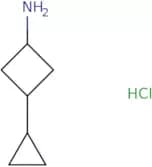
3-Cyclopropylcyclobutan-1-amine hydrochloride, somers
CAS:Versatile small molecule scaffold
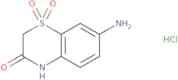
Fórmula:C7H14ClNPureza:Min. 95%Peso molecular:147.64 g/mol7-amino-2H-1,4-benzothiazin-3(4H)-one 1,1-dioxide hydrochloride
CAS:Versatile small molecule scaffold
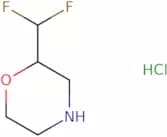
Fórmula:C8H9ClN2O3SPureza:Min. 95%Peso molecular:248.69 g/mol2-(Difluoromethyl)morpholine hydrochloride
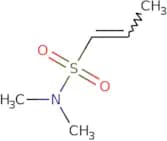
CAS:Versatile small molecule scaffoldFórmula:C5H10ClF2NOPureza:Min. 95%Peso molecular:173.59 g/molN,N-Dimethylprop-1-ene-1-sulfonamide
CAS:Versatile small molecule scaffold
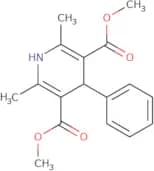
Fórmula:C5H11NO2SPureza:Min. 95%Peso molecular:149.2 g/molDimethyl 2,6-dimethyl-4-phenyl-1,4-dihydropyridine-3,5-dicarboxylate
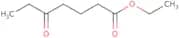
CAS:Dimethyl 2,6-dimethyl-4-phenyl-1,4-dihydropyridine-3,5-dicarboxylate is a radioligand that binds to calcium channels. It is used as a radioligand in binding studies to determine the affinity of various drugs for specific types of calcium channels. Dimethyl 2,6-dimethyl-4-phenyl-1,4-dihydropyridine 3,5 dicarboxylate has been shown to bind specifically to a particular class of calcium channel antagonists (i.e., monosubstituted) and can be used as a pharmacological probe for the study of these compounds.Fórmula:C17H19NO4Pureza:Min. 95%Peso molecular:301.34 g/molEthyl 5-oxoheptanoate
CAS:Ethyl 5-oxoheptanoate is a clear, colorless liquid that can be synthesized by reacting benzene with acetone. The synthesis of ethyl 5-oxoheptanoate is an example of a Friedel-Crafts reaction. This chemical is soluble in organic solvents such as acetone and cyclohexane and has low toxicity. It can be used as a reagent for the preparation of esters from alcohols, phenols, or carboxylic acids. Ethyl 5-oxoheptanoate can also be used to prepare resorcinol, which is a precursor to polymers and dyes, by hydrogenation of the molecule. Preparative methods are often used to produce this product because it has limited solubility in water.
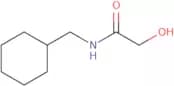
Fórmula:C9H16O3Pureza:Min. 95%Peso molecular:172.22 g/molN-(Cyclohexylmethyl)-2-hydroxyacetamide
CAS:Versatile small molecule scaffoldFórmula:C9H17NO2Pureza:Min. 95%Peso molecular:171.24 g/molRef: 3D-VAB40530
Produto descontinuadoEthyl N-[(1-methylpyrrolidin-3-yl)methyl]carbamate hydrochloride
CAS:Versatile small molecule scaffold
Fórmula:C9H19ClN2O2Pureza:Min. 95%Peso molecular:222.7 g/mol6-Methyl-4-azaspiro[2.5]octane hydrochloride
CAS:Versatile small molecule scaffoldFórmula:C8H16ClNPureza:Min. 95%Peso molecular:161.7 g/mol2-[(tert-Butoxy)carbonyl]-2-azaspiro[4.4]nonane-1-carboxylic acid
CAS:Versatile small molecule scaffold
Fórmula:C14H23NO4Pureza:Min. 95%Peso molecular:269.3 g/molRef: 3D-UTD67923
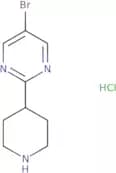
Produto descontinuado5-Bromo-2-(piperidin-4-yl)pyrimidine hydrochloride
CAS:Versatile small molecule scaffold
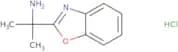
Fórmula:C9H13BrClN3Pureza:Min. 95%Peso molecular:278.58 g/mol2-(1,3-Benzoxazol-2-yl)propan-2-amine hydrochloride
CAS:Versatile small molecule scaffoldFórmula:C10H13ClN2OPureza:Min. 95%Peso molecular:212.67 g/molRef: 3D-UGD90278
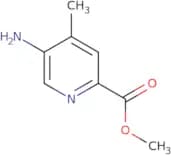
Produto descontinuadomethyl 5-amino-4-methylpyridine-2-carboxylate
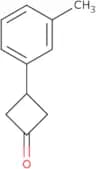
CAS:Versatile small molecule scaffoldFórmula:C8H10N2O2Pureza:Min. 95%Peso molecular:166.18 g/mol3-(3-Methylphenyl)cyclobutan-1-one
CAS:Versatile small molecule scaffold
Fórmula:C11H12OPureza:Min. 95%Peso molecular:160.21 g/molRef: 3D-TJA86756
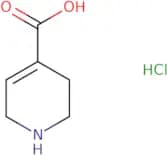
Produto descontinuadoIsoguvacine hydrochloride
CAS:Isoguvacine is an alkaloid that belongs to the group of pharmacological agents. It has been shown to have a synergic effect with other drugs, such as 5-HT2 receptor antagonists and 5-HT3 receptor antagonists, at the level of the plate test. Isoguvacine inhibits the cyclase enzyme, which catalyzes the conversion of ATP into cAMP. The inhibition leads to a decrease in cAMP levels and consequently a decrease in intracellular calcium levels. This drug also blocks glutamate receptors on neurons, preventing their activation by glutamate.
Fórmula:C6H9NO2•HClPureza:Min. 95%Cor e Forma:PowderPeso molecular:163.6 g/mol8-Chloro-3-methyl-1H-pyrrolo[3,2-c]quinoline
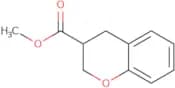
CAS:Versatile small molecule scaffoldFórmula:C12H9ClN2Pureza:Min. 95%Peso molecular:216.66 g/molMethyl chroman-3-carboxylate
CAS:Versatile small molecule scaffold
Fórmula:C11H12O3Pureza:Min. 95%Peso molecular:192.21 g/mol3-(Propan-2-yl)-3-azabicyclo[3.3.1]nonan-9-one
CAS:Versatile small molecule scaffoldFórmula:C11H19NOPureza:Min. 95%Peso molecular:181.27 g/molRef: 3D-TCA06655
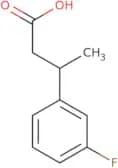
Produto descontinuado3-(3-Fluorophenyl)butanoic acid
CAS:Versatile small molecule scaffold
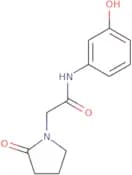
Fórmula:C10H11FO2Pureza:Min. 95%Peso molecular:182.19 g/molN-(3-Hydroxyphenyl)-2-(2-oxopyrrolidin-1-yl)acetamide
CAS:Produto ControladoN-(3-Hydroxyphenyl)-2-(2-oxopyrrolidin-1-yl)acetamide is a research tool that is used as an activator or ligand to study the function of receptors, ion channels and other proteins. It binds to cell surface receptors and activates them by mimicking the endogenous ligands. This compound has been shown to be a high purity reagent with protein interactions.Fórmula:C12H14N2O3Pureza:Min. 95%Peso molecular:234.25 g/mol2-(3-Methylbutyl)pyrrolidine
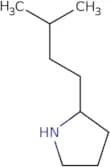
CAS:Versatile small molecule scaffold
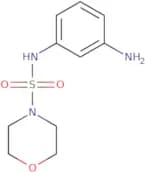
Fórmula:C9H19NPureza:Min. 95%Peso molecular:141.25 g/molN-(3-Aminophenyl)morpholine-4-sulfonamide
CAS:Versatile small molecule scaffold
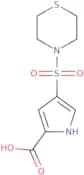
Fórmula:C10H15N3O3SPureza:Min. 95%Peso molecular:257.31 g/mol4-(Thiomorpholine-4-sulfonyl)-1H-pyrrole-2-carboxylic acid
CAS:Produto Controlado4-(Thiomorpholine-4-sulfonyl)-1H-pyrrole-2-carboxylic acid is a peptide that belongs to the class of sulfonamides. It is an activator of ion channels and receptors, which may be useful in the study of life sciences and pharmacology. This compound has been shown to inhibit protein interactions by binding to receptor sites on cells and ligand sites on proteins. 4-(Thiomorpholine-4-sulfonyl)-1H-pyrrole-2-carboxylic acid also binds to the antibody, which enhances the immune response in animals by increasing the production of antibodies against bacterial antigens.
Fórmula:C9H12N2O4S2Pureza:Min. 95%Peso molecular:276.3 g/mol(1S)-1-(Oxan-4-yl)ethan-1-ol
CAS:Versatile small molecule scaffold
Fórmula:C7H14O2Pureza:Min. 95%Peso molecular:130.18 g/molRef: 3D-SMC98537
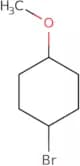
Produto descontinuado1-Bromo-4-methoxycyclohexane
CAS:Versatile small molecule scaffold
Fórmula:C7H13BrOPureza:Min. 95%Peso molecular:193.08 g/molMethyl[(3-propyl-1,2-oxazol-5-yl)methyl]amine
CAS:Versatile small molecule scaffold
Fórmula:C8H14N2OPureza:Min. 95%Peso molecular:154.21 g/mol[(2-Bromo-5-methoxyphenyl)methyl](methyl)amine
CAS:Versatile small molecule scaffold
Fórmula:C9H12BrNOPureza:Min. 95%Peso molecular:230.1 g/mol2-[(2-Aminoethyl)sulfanyl]-1-methyl-1H-imidazole
CAS:Versatile small molecule scaffold
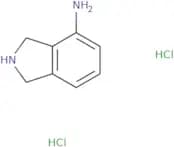
Fórmula:C6H11N3SPureza:Min. 95%Peso molecular:157.24 g/molIsoindolin-4-amine dihydrochloride
CAS:Versatile small molecule scaffold
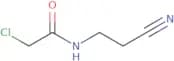
Fórmula:C8H10N2HClPureza:Min. 95%Peso molecular:207.1 g/mol2-Chloro-N-(2-cyanoethyl)acetamide
CAS:2-Chloro-N-(2-cyanoethyl)acetamide is a potent and selective inhibitor of the protein kinase C (PKC). The PKC protein kinases are enzymes that regulate the activity of cells in response to stimuli. 2-Chloro-N-(2-cyanoethyl)acetamide has been shown to be effective against some viruses and tumor cells, but not against bacteria. It inhibits the growth of some cancer cells and has been shown to inhibit the replication of animal viruses such as influenza virus. This drug is also used for treatment of abdominal infections, hepatitis, pancreatitis, mesenteric adenitis, and animals with cancer. 2-Chloro-N-(2-cyanoethyl)acetamide can act as a noncompetitive inhibitor by binding to a site on the enzyme that is different from ATP binding site.
Fórmula:C5H7ClN2OPureza:Min. 95%Peso molecular:146.57 g/mol1,3-Diazaspiro[4.4]nonane-2,4-dione
CAS:1,3-Diazaspiro[4.4]nonane-2,4-dione (1) is a new fungicide that was shown to have fungicidal activity in vitro against the grapevine pathogens Plasmopara viticola and Plasmopara obducens. This compound has been isolated from the plant Express erythroxylum coca (Erythroxylum coca). The compound belongs to the class of diaza spiro compounds and is a member of a family of diaza spiro compounds with antifungal activity. One possible mode of action for 1 is that it inhibits the synthesis of DNA by binding to bacterial DNA gyrase.
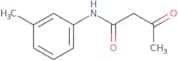
Fórmula:C7H10N2O2Pureza:Min. 95%Peso molecular:154.17 g/molN-(3-Methylphenyl)-3-oxobutanamide
CAS:Versatile small molecule scaffold
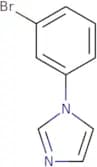
Fórmula:C11H13NO2Pureza:Min. 95%Peso molecular:191.23 g/mol1-(3-Bromophenyl)-1H-imidazole
CAS:Versatile small molecule scaffold
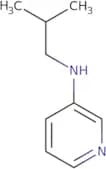
Fórmula:C9H7BrN2Pureza:Min. 95%Peso molecular:223.07 g/molN-(2-Methylpropyl)pyridin-3-amine
CAS:Versatile small molecule scaffold
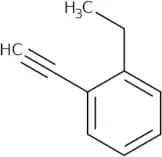
Fórmula:C9H14N2Pureza:Min. 95%Peso molecular:150.22 g/mol1-Ethyl-2-ethynylbenzene
CAS:1-Ethyl-2-ethynylbenzene is an indene that can be synthesized by the reaction of 1-ethylbenzene with ethynylmagnesium bromide and trifluoroacetyl chloride. 1-Ethyl-2-ethynylbenzene reacts as a nucleophile with electrophiles, such as phenylsulfonyl and acetylene compounds, to form sulfones and acetylenes. It can also react with tetrafluoroborates to form indenes.
Fórmula:C10H10Pureza:Min. 95%Peso molecular:130.19 g/mol1-Azabicyclo[3.2.1]octan-4-one
CAS:Versatile small molecule scaffold
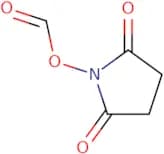
Fórmula:C7H11NOPureza:Min. 95%Peso molecular:125.17 g/mol2,5-Dioxopyrrolidin-1-yl formate
CAS:2,5-Dioxopyrrolidin-1-yl formate is a solubilized ATP analog that has been clinically developed for the treatment of cancer. This drug binds to cell membranes and causes alkylation of the acidic phospholipids in the membrane, leading to increased permeability of the membrane and release of intracellular components. 2,5-Dioxopyrrolidin-1-yl formate also interacts with lysosomes and increases their acidity, which may lead to an increase in lysosomal enzyme activity. This drug has been shown to inhibit tumor growth in a mouse model by binding to erythrocytes while it was being simultaneously administered intravenously. The chemical structures of this drug are closely related to those of phaseolus, which is known for its anticancer effects.
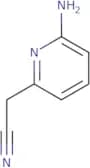
Fórmula:C5H5NO4Pureza:Min. 95%Peso molecular:143.1 g/mol2-(6-Aminopyridin-2-yl)acetonitrile
CAS:Versatile small molecule scaffold
Fórmula:C7H7N3Pureza:Min. 95%Peso molecular:133.15 g/molRef: 3D-ARA77668
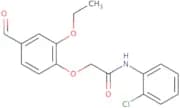
Produto descontinuadoN-(2-Chlorophenyl)-2-(2-ethoxy-4-formylphenoxy)acetamide
CAS:Versatile small molecule scaffold
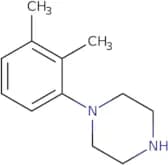
Fórmula:C17H16ClNO4Pureza:Min. 95%Peso molecular:333.8 g/mol1-(2,3-Dimethylphenyl)piperazine
CAS:Produto Controlado1-(2,3-Dimethylphenyl)piperazine is a piperidine derivative that has been shown to have antidepressant activity in both in vitro and in vivo studies. It acts as an antagonist at the 5-HT1A receptor and as an agonist at the 5-HT2A receptor. 1-(2,3-Dimethylphenyl)piperazine has been shown to inhibit the production of dopamine, serotonin, and citric acid by inhibiting the enzyme citrate synthase. This drug also increases the concentration of chloride ions in cells. 1-(2,3-Dimethylphenyl)piperazine is used to treat depression, anxiety disorders, and other conditions that may be related to chemical imbalances of serotonin.
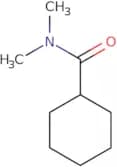
Fórmula:C12H18N2Pureza:Min. 95%Peso molecular:190.29 g/molN,N-Dimethylcyclohexanecarboxamide
CAS:N,N-Dimethylcyclohexanecarboxamide is an acid salt of besylate that is used as a drug for the treatment of hyperglycemia. It has been shown to have a rapid onset and short duration of action. The chemical name for N,N-Dimethylcyclohexanecarboxamide is 1-[2-(2-methoxyethoxy)ethyl]-4-methyl-1,4-dihydropyridine 2,4-dicarboxylic acid methyl ester. This compound inhibits insulin release from the pancreas and stimulates glucagon release from the alpha cells in the pancreas. These effects lead to an increase in blood glucose levels.
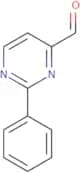
Fórmula:C9H17NOPureza:Min. 95%Peso molecular:155.24 g/mol2-Phenylpyrimidine-4-carbaldehyde
CAS:Versatile small molecule scaffold
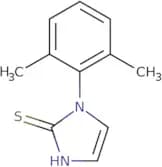
Fórmula:C11H8N2OPureza:Min. 95%Peso molecular:184.19 g/mol1-(2,6-Dimethylphenyl)-2,3-dihydro-1H-imidazole-2-thione
CAS:Versatile small molecule scaffold
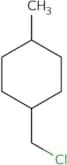
Fórmula:C11H12N2SPureza:Min. 95%Peso molecular:204.29 g/mol1-(Chloromethyl)-4-methylcyclohexane
CAS:Versatile small molecule scaffold
Fórmula:C8H15ClPureza:Min. 95%Peso molecular:146.66 g/molDi-n-octylamine
CAS:Di-n-octylamine is a reactive chemical that is chemically stable in the presence of nitrogen. It is used in chemical biology as a transport agent for amines and other organic compounds. Di-n-octylamine has been shown to have optimum solubility in glycol ethers, magnesium salts, and trifluoroacetic acid. This compound reacts with fatty acids to form hydroxyl groups and can be used as an extractant for glycol ethers. The mechanism of this reaction involves intramolecular hydrogen transfer from the hydroxyl group on the fatty acid to the n-octyl amine molecule.
Fórmula:C16H35NPureza:Min. 95%Peso molecular:241.46 g/mol1-(4-Chlorophenyl)-1H-imidazole-2(3H)-thione
CAS:1-(4-Chlorophenyl)-1H-imidazole-2(3H)-thione is a crystalline solid that belongs to the class of imidazoles. It has been synthesized by reacting 1,2-dibromoethane with sodium methoxide in methanol. The compound was found to have a melting point of about 183°C and a molecular weight of 212.06 g/mol. This compound has been shown to interact with methanol, methoxide, and ethoxy groups. Crystallization occurs when the substance is heated to about 183°C in vacuum and then cooled slowly.
Fórmula:C9H7ClN2SPureza:Min. 95%Peso molecular:210.68 g/molMethyl 2-[2-(hydroxyimino)cyclohexyl]acetate
CAS:Versatile small molecule scaffold
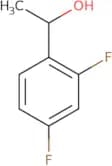
Fórmula:C9H15NO3Pureza:Min. 95%Peso molecular:185.22 g/mol(1R)-1-(2,4-Difluorophenyl)ethan-1-ol
CAS:Versatile small molecule scaffold
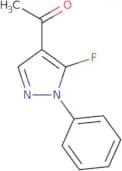
Fórmula:C8H8F2OPureza:Min. 95%Peso molecular:158.14 g/mol1-(5-Fluoro-1-phenyl-1H-pyrazol-4-yl)ethan-1-one
CAS:Versatile small molecule scaffold
Fórmula:C11H9FN2OPureza:Min. 95%Peso molecular:204.2 g/molRef: 3D-RSC00051
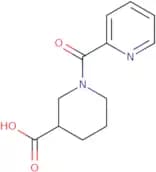
Produto descontinuado1-(Pyridine-2-carbonyl)piperidine-3-carboxylic acid
CAS:Versatile small molecule scaffold
Fórmula:C12H14N2O3Pureza:Min. 95%Peso molecular:234.25 g/mol1-Bromo-4-(butan-2-yloxy)benzene
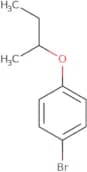
CAS:Versatile small molecule scaffold
Fórmula:C10H13BrOPureza:Min. 95%Peso molecular:229.11 g/mol7-Oxa-1-azaspiro[3.5]nonan-2-one
CAS:Versatile small molecule scaffold
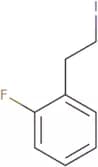
Fórmula:C7H11NO2Pureza:Min. 95%Peso molecular:141.17 g/mol1-Fluoro-2-(2-iodoethyl)benzene
CAS:Versatile small molecule scaffold
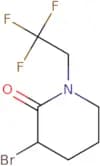
Fórmula:C8H8FIPureza:Min. 95%Peso molecular:250.05 g/mol3-Bromo-1-(2,2,2-trifluoroethyl)piperidin-2-one
CAS:Versatile small molecule scaffold
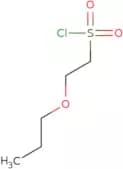
Fórmula:C7H9BrF3NOPureza:Min. 95%Peso molecular:260.05 g/mol2-Propoxyethane-1-sulfonyl chloride
CAS:Versatile small molecule scaffoldFórmula:C5H11ClO3SPureza:Min. 95%Peso molecular:186.66 g/molRef: 3D-RDC90107
Produto descontinuado2,6-Dichloropyridine-3-sulfonamide
CAS:Versatile small molecule scaffold
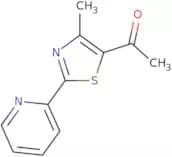
Fórmula:C5H4Cl2N2O2SPureza:Min. 95%Peso molecular:227.07 g/mol1-(4-Methyl-2-pyridin-2-yl-1,3-thiazol-5-yl)ethanone
CAS:Versatile small molecule scaffold
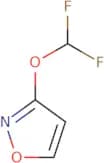
Fórmula:C11H10N2OSPureza:Min. 95%Peso molecular:218.28 g/mol3-(Difluoromethoxy)-1,2-oxazole
CAS:Versatile small molecule scaffold
Fórmula:C4H3F2NO2Pureza:Min. 95%Peso molecular:135.07 g/mol5-{[(9H-Fluoren-9-ylmethoxy)carbonyl]amino}-2-fluorobenzoic acid
CAS:Versatile small molecule scaffold
Fórmula:C22H16FNO4Pureza:Min. 95%Peso molecular:377.4 g/mol3-[(Trimethylsilyl)oxy]oxane-3-carbonitrile
CAS:Versatile small molecule scaffold
Fórmula:C9H17NO2SiPureza:Min. 95%Peso molecular:199.32 g/molMethyl 3-amino-4-(methylamino)benzenecarboxylate
CAS:Versatile small molecule scaffold
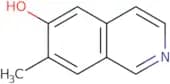
Fórmula:C9H12N2O2Pureza:Min. 95%Peso molecular:180.21 g/mol7-Methylisoquinolin-6-ol
CAS:Versatile small molecule scaffold
Fórmula:C10H9NOPureza:Min. 95%Peso molecular:159.18 g/molRef: 3D-RBB73506
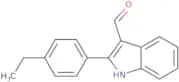
Produto descontinuado2-(4-Ethylphenyl)-1H-indole-3-carbaldehyde
CAS:Versatile small molecule scaffoldFórmula:C17H15NOPureza:Min. 95%Peso molecular:249.31 g/mol2-(2,4-Dimethylphenyl)-1H-indole-3-carbaldehyde
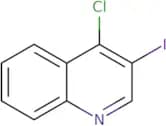
CAS:Versatile small molecule scaffoldFórmula:C17H15NOPureza:Min. 95%Peso molecular:249.31 g/mol4-Chloro-3-iodo-quinoline
CAS:4-Chloro-3-iodo-quinoline is a ligand that has been shown to have agonistic activity with the immune system. It has been demonstrated to be an adjuvant in vaccines, and has been shown to be effective against furan, chlorine, and azide. 4-Chloro-3-iodo-quinoline is structurally related to 3-(trifluoromethyl)quinoline, which is a pharmacological agent used for the treatment of rheumatoid arthritis. The pharmacological effects of 4-chloro-3-iodo quinoline may be due to its ability to bind with toll like receptor.
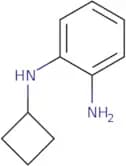
Fórmula:C9H5ClINPureza:Min. 95%Peso molecular:289.5 g/molN1-Cyclobutylbenzene-1,2-diamine
CAS:Versatile small molecule scaffold
Fórmula:C10H14N2Pureza:Min. 95%Peso molecular:162.23 g/mol1-[(4-Bromophenyl)methyl]-3-(2-methylpropyl)-1,4-diazepane
CAS:Versatile small molecule scaffold
Fórmula:C16H25BrN2Pureza:Min. 95%Peso molecular:325.29 g/mol1-Hydroxycyclopentane-1-carbonitrile
CAS:1-Hydroxycyclopentane-1-carbonitrile is a monomer that is hydrolyzed to form benzoin and cyanohydrins. It can be used in the production of scifinder as a monomer or dimerizer.
Fórmula:C6H9NOPureza:Min. 95%Peso molecular:111.14 g/mol2-Bromo-3,3,3-trifluoro-1-propene
CAS:Produto Controlado2-Bromo-3,3,3-trifluoro-1-propene is a chemical compound that has been synthesized in an asymmetric reaction. The reactant is bromopropane and the product is 2,2,2-trifluoropropene. The methylene group on the propene molecule is activated by the nucleophilic attack of a fluoride ion from hydrogen fluoride to form a cavity with a highly strained bond. The kinetic study of this reaction revealed that the activation energy for the reaction is 42 kJ/mol. Palladium-catalyzed coupling reactions are catalyzed by palladium and require nonpolar solvents such as toluene or dichloromethane. This type of reaction has been shown to be exothermic with an isolated yield of 1%.
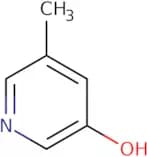
Fórmula:C3H2BrF3Pureza:Min. 95%Cor e Forma:Colorless PowderPeso molecular:174.95 g/mol3-Hydroxy-5-methylpyridine
CAS:3-Hydroxy-5-methylpyridine (3HMP) is a chemical substance that has been classified as an amine. It is a product of the metabolism of purines, which are nitrogenous bases found in DNA and RNA. 3HMP is produced by aerogenic bacteria (such as Enterobacter), and can be used to estimate the number of these bacteria present in water samples. 3HMP has been shown to have antiviral properties against influenza virus, and can be used as a biomarker for the presence of other viruses in animals. 3HMP also has mineralization properties, which have been studied extensively, particularly with regards to pancreatic disease.
Fórmula:C6H7NOPureza:Min. 95%Cor e Forma:PowderPeso molecular:109.13 g/molRef: 3D-FH16174
Produto descontinuado8-Bromo-2-methylimidazo[1,2-a]pyridine
CAS:Versatile small molecule scaffold
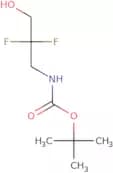
Fórmula:C8H7N2BrPureza:Min. 95%Peso molecular:211.05 g/moltert-Butyl (2,2-difluoro-3-hydroxypropyl)carbamate
CAS:Versatile small molecule scaffoldFórmula:C10H13NO4Pureza:Min. 95%Peso molecular:211.21 g/mol4,5-Dihydro-1H-imidazol-2-amine hydrochloride
CAS:Please enquire for more information about 4,5-Dihydro-1H-imidazol-2-amine hydrochloride including the price, delivery time and more detailed product information at the technical inquiry form on this page
Fórmula:C3H7N3•HClPureza:Min. 95%Peso molecular:121.57 g/molRef: 3D-FD183639
Produto descontinuado4-Chloro-2-hydroxy-6-methylphenylboronic acid
CAS:Versatile small molecule scaffoldFórmula:C7H8BClO3Pureza:Min. 95%Peso molecular:186.4 g/mol4,5-Dihydroxy-2,3-Pentanedione
CAS:4,5-Dihydroxy-2,3-pentanedione is a carbonyl compound that is the product of the oxidation of ascorbic acid. It is used in wastewater treatment and has antimicrobial properties against infectious diseases. This compound has been shown to inhibit protein synthesis by binding to the ribosome and preventing the formation of peptide bonds between amino acids. 4,5-Dihydroxy-2,3-pentanedione has also been shown to bind to plasma proteins, which may be due to its acyl chain structure. 4,5-Dihydroxy-2,3-pentanedione can be synthesized in a catalytic mechanism that involves dehydroascorbic acid and molecular oxygen.
Fórmula:C5H8O4Pureza:Min. 95%Cor e Forma:PowderPeso molecular:132.11 g/molRef: 3D-FD180770
Produto descontinuadoPiperyline
CAS:Piperyline is an alkanoic acid that has shown to be effective against skin cancer. It also has antimicrobial properties, which may be due to its ability to bind metal ions and form polymeric compounds. Piperyline inhibits microbial growth by inhibiting the synthesis of proteins and nucleic acids. The antimicrobial activity is related to its cationic polymerization with hydroxyl groups, which forms a structure that can inhibit microbial enzymes and disrupt microbial cell membranes. This compound also interacts with the skin's natural lipids, making it difficult for microorganisms to attach and grow on the skin. Piperyline is synthesized in organic chemistry laboratories as an amide precursor of other pharmaceuticals such as penicillin.
Fórmula:C16H17NO3Pureza:Min. 95%Peso molecular:271.31 g/mol

![Ethyl N-[(1-methylpyrrolidin-3-yl)methyl]carbamate hydrochloride](/_next/image/?url=https%3A%2Fstatic.cymitquimica.com%2Fproducts%2F3D%2Fthumb-webp%2FUTD68001.webp&w=3840&q=75)
![6-Methyl-4-azaspiro[2.5]octane hydrochloride](/_next/image/?url=https%3A%2Fstatic.cymitquimica.com%2Fproducts%2F3D%2Fthumb-webp%2FUTD67939.webp&w=3840&q=75)
![2-[(tert-Butoxy)carbonyl]-2-azaspiro[4.4]nonane-1-carboxylic acid](/_next/image/?url=https%3A%2Fstatic.cymitquimica.com%2Fproducts%2F3D%2Fthumb-webp%2FUTD67923.webp&w=3840&q=75)
![8-Chloro-3-methyl-1H-pyrrolo[3,2-c]quinoline](/_next/image/?url=https%3A%2Fstatic.cymitquimica.com%2Fproducts%2F3D%2Fthumb-webp%2FTCA49997.webp&w=3840&q=75)
![3-(Propan-2-yl)-3-azabicyclo[3.3.1]nonan-9-one](/_next/image/?url=https%3A%2Fstatic.cymitquimica.com%2Fproducts%2F3D%2Fthumb-webp%2FTCA06655.webp&w=3840&q=75)

![Methyl[(3-propyl-1,2-oxazol-5-yl)methyl]amine](/_next/image/?url=https%3A%2Fstatic.cymitquimica.com%2Fproducts%2F3D%2Fthumb-webp%2FSMB51964.webp&w=3840&q=75)
amine](/_next/image/?url=https%3A%2Fstatic.cymitquimica.com%2Fproducts%2F3D%2Fthumb-webp%2FSFB28908.webp&w=3840&q=75)
![2-[(2-Aminoethyl)sulfanyl]-1-methyl-1H-imidazole](/_next/image/?url=https%3A%2Fstatic.cymitquimica.com%2Fproducts%2F3D%2Fthumb-webp%2FSFA31355.webp&w=3840&q=75)
![1,3-Diazaspiro[4.4]nonane-2,4-dione](/_next/image/?url=https%3A%2Fstatic.cymitquimica.com%2Fproducts%2F3D%2Fthumb-webp%2FAAA69951.webp&w=3840&q=75)
![1-Azabicyclo[3.2.1]octan-4-one](/_next/image/?url=https%3A%2Fstatic.cymitquimica.com%2Fproducts%2F3D%2Fthumb-webp%2FSAA60477.webp&w=3840&q=75)


![Methyl 2-[2-(hydroxyimino)cyclohexyl]acetate](/_next/image/?url=https%3A%2Fstatic.cymitquimica.com%2Fproducts%2F3D%2Fthumb-webp%2FSAA44849.webp&w=3840&q=75)
![7-Oxa-1-azaspiro[3.5]nonan-2-one](/_next/image/?url=https%3A%2Fstatic.cymitquimica.com%2Fproducts%2F3D%2Fthumb-webp%2FDHA24292.webp&w=3840&q=75)

![5-{[(9H-Fluoren-9-ylmethoxy)carbonyl]amino}-2-fluorobenzoic acid](/_next/image/?url=https%3A%2Fstatic.cymitquimica.com%2Fproducts%2F3D%2Fthumb-webp%2FRDC82236.webp&w=3840&q=75)
![3-[(Trimethylsilyl)oxy]oxane-3-carbonitrile](/_next/image/?url=https%3A%2Fstatic.cymitquimica.com%2Fproducts%2F3D%2Fthumb-webp%2FRDC77065.webp&w=3840&q=75)


![1-[(4-Bromophenyl)methyl]-3-(2-methylpropyl)-1,4-diazepane](/_next/image/?url=https%3A%2Fstatic.cymitquimica.com%2Fproducts%2F3D%2Fthumb-webp%2FQJC93175.webp&w=3840&q=75)


![8-Bromo-2-methylimidazo[1,2-a]pyridine](/_next/image/?url=https%3A%2Fstatic.cymitquimica.com%2Fproducts%2F3D%2Fthumb-webp%2FUXB37475.webp&w=3840&q=75)