Building Blocks
Subcategorias de "Building Blocks"
- Ácidos Borónicos e Derivados de Ácido Borónico(5.784 produtos)
- Building Blocks Quirais(1.242 produtos)
- Building Blocks Hidrocarbonetos(6.105 produtos)
- Building Blocks orgânicos(61.061 produtos)
Foram encontrados 205399 produtos de "Building Blocks"
1-(Carbamoylmethyl)-1H-1,2,3-triazole-4-carboxylic acid
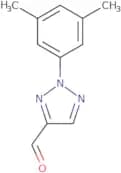
CAS:Versatile small molecule scaffoldFórmula:C5H6N4O3Pureza:Min. 95%Peso molecular:170.13 g/mol2-(3,5-Dimethylphenyl)-2H-1,2,3-triazole-4-carbaldehyde
CAS:Versatile small molecule scaffoldFórmula:C11H11N3OPureza:Min. 95%Peso molecular:201.22 g/molN-(5-Bromo-2-methoxyphenyl)cyclobutanecarboxamide
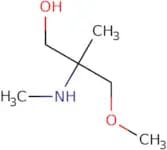
CAS:Versatile small molecule scaffoldFórmula:C12H14BrNO2Pureza:Min. 95%Peso molecular:284.15 g/mol3-Methoxy-2-methyl-2-(methylamino)propan-1-ol
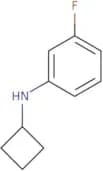
CAS:Versatile small molecule scaffoldFórmula:C6H15NO2Pureza:Min. 95%Peso molecular:133.19 g/molN-Cyclobutyl-3-fluoroaniline
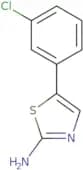
CAS:Versatile small molecule scaffoldFórmula:C10H12FNPureza:Min. 95%Peso molecular:165.21 g/mol5-(3-Chlorophenyl)-1,3-thiazol-2-amine
CAS:Versatile small molecule scaffoldFórmula:C9H7ClN2SPureza:Min. 95%Peso molecular:210.68 g/mol2-(Chloromethyl)-6-(propan-2-yloxy)pyridine
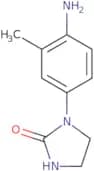
CAS:Versatile small molecule scaffoldFórmula:C9H12ClNOPureza:Min. 95%Peso molecular:185.65 g/mol1-(4-Amino-3-methylphenyl)imidazolidin-2-one
CAS:Versatile small molecule scaffoldFórmula:C10H13N3OPureza:Min. 95%Peso molecular:191.23 g/mol2-(5,6-Dimethyl-1H-1,3-benzodiazol-1-yl)propanethioamide
CAS:Versatile small molecule scaffoldFórmula:C12H15N3SPureza:Min. 95%Peso molecular:233.33 g/mol1-tert-Butyl 4-methyl 5-oxoazepane-1,4-dicarboxylate
CAS:Versatile small molecule scaffoldFórmula:C13H21NO5Pureza:Min. 95%Peso molecular:271.31 g/molL-Alaninol
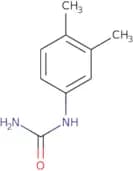
CAS:L-Alaninol is a chemical compound that is used as a building block in organic synthesis.Fórmula:C3H9NOPeso molecular:75.11 g/mol(3,4-Dimethylphenyl)urea
CAS:Versatile small molecule scaffoldFórmula:C9H12N2OPureza:Min. 95%Peso molecular:164.2 g/molChlorendic Acid
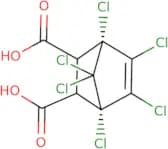
CAS:Chlorendic Acid is an inorganic acid that is used as a hydrogen donor. It has been shown to be effective in the reduction of ethylene diamine and 2,4-dichlorobenzoic acid and can be used as a catalyst for the synthesis of glycol ethers. Chlorendic Acid has also been shown to cause liver lesions in rats when given intraperitoneally at high doses, with no evidence of carcinogenicity. Chlorendic Acid is not considered to be a carcinogenic hazard and does not show genotoxicity or mutagenicity properties.
Fórmula:C9H4Cl6O4Pureza:Min. 95%Peso molecular:388.83 g/molParamethadione-d3
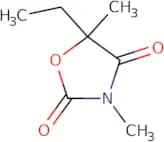
CAS:Paramethadione is a drug that has been shown to be an immunosuppressant and anti-inflammatory agent. It is used in the treatment of autoimmune diseases, such as polycystic ovarian syndrome and rheumatoid arthritis. Paramethadione also has been shown to reduce disease activity in patients with chronic oral fungal infections. This drug interacts with other drugs by inhibiting enzymes that metabolize these drugs, which can lead to increased levels of active drugs in the blood. These interactions are important factors to consider when taking this medication.Fórmula:C7H8D3NO3Pureza:Min. 95%Peso molecular:160.19 g/mol2,2-Diethyl-1,3-propanediol
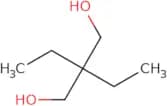
CAS:2,2-Diethyl-1,3-propanediol is a colorless liquid with a pleasant odor. It is soluble in water and hydrocarbons. It has been used as a solvent for polymers, resins, and paints. 2,2-Diethyl-1,3-propanediol has also been used as an intermediate in the synthesis of other compounds. The hydroxyl group makes it reactive with acids. It reacts with sodium to form sodium salts and depressant effect. 2,2-Diethyl-1,3-propanediol can be reacted with malonic acid to produce chloride and carbon source or with silver ions to produce solutes that are insoluble in water or organic solvents.Fórmula:C7H16O2Pureza:Min. 95%Peso molecular:132.2 g/molHexachloropropanone
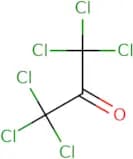
CAS:Hexachloropropanone (HCP) is a molecule that is structurally similar to the amines and has a hydroxyl group. It is activated by intramolecular hydrogen bonding, which results in the formation of a redox potential. This property makes it an excellent reagent for conversion of halides to chlorides and vice versa. Hexachloropropanone also reacts with chlorine atoms, forming chlorine radicals and other reactive species, which can be used as a catalyst in organic synthesis reactions. The molecule has a carbonyl group on one end, which facilitates its interaction with hydrocarbons.Fórmula:C3Cl6OPureza:Min. 95%Peso molecular:264.75 g/molDichloroacetic Acid Methyl Ester
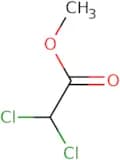
CAS:Dichloroacetic acid methyl ester (DCA) is a metabolic disorder agent that belongs to the group of detergent compositions. It is an important intermediate in the synthesis of sodium salts and hiv infection inhibitors, such as hydrochloric acid and covalent linkages. DCA reacts with water molecules to form hydroxyl groups and then reacts with metal carbonyls to produce anhydrous sodium. This product also reacts with fatty acids to produce alcohol residue and can be used in the reaction solution. The product has a pyrazole ring with a hydroxyl group at one end and an alcohol residue at the other end.Fórmula:C3H4Cl2O2Pureza:Min. 95%Peso molecular:142.97 g/mol4-Chlorophthalic anhydride
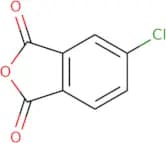
CAS:4-Chlorophthalic anhydride is a colorless crystalline solid that is soluble in acetone and ethanol. It is used to synthesize dyes, paints, varnishes, and other organic compounds. This compound can be produced by the reaction of copper chloride with chloral hydrate or by the dehydration of phthalic anhydride with concentrated sulfuric acid. 4-Chlorophthalic anhydride reacts with hydrogen chloride to form 4-chlorophthalic acid. The solubility of this compound in water varies depending on the temperature and pH levels. The solubilities of 4-chlorophthalic anhydride are determined using experimental solubility data and calculated using thermodynamic values and vibrational frequencies. Phase equilibrium studies show that at low temperatures, 4-chlorophthalic anhydride is more soluble in water than at higher temperatures due to its lower energy state.Fórmula:C8H3ClO3Pureza:Min. 95%Peso molecular:182.56 g/mol2-Amino-1-(4-nitrophenyl)-1,3-propanediol
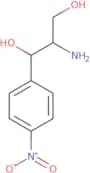
CAS:2-Amino-1-(4-nitrophenyl)-1,3-propanediol (2APPD) is a diagnostic reagent that can be used to identify tuberculosis infections. 2APPD is an acidic compound that can be synthesized by the reaction of 4-nitrophenol and formaldehyde. The absorbance of 2APPD at 400 nm can be measured using a colorimetric method. It has been shown that the initial rate of deaggregation of 2APPD depends on the pH and ionic strength of the environment. A schematic diagram illustrating this process is available in this article. Gold nanoparticles are uncharged and do not react with 2APPD, which makes them ideal for use in developing biosensors for detecting this compound.
Fórmula:C9H12N2O4Pureza:Min. 95%Cor e Forma:PowderPeso molecular:212.2 g/molN,N-Diisopropylethylenediamine
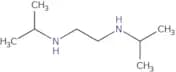
CAS:N,N-Diisopropylethylenediamine is an organic compound that has been used as a building block for the synthesis of many other chemicals. It is a colorless liquid with a strong smell. N,N-Diisopropylethylenediamine reacts with bases in acidic environments to produce an amide. This reaction can be monitored by measuring the fluorescence resonance of the molecule. The molecule will emit light when it is excited by a laser at certain wavelengths. N,N-Diisopropylethylenediamine has been shown to have anticancer activity and benzyl groups on its structure make it more reactive than other molecules, which may account for its cancer-fighting effects. The reactivity of this molecule also makes it useful in ring-opening reactions and in the formation of acid environments.Fórmula:C8H20N2Pureza:Min. 95%Peso molecular:144.26 g/mol2-Chloro-4-nitrotoluene
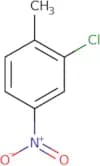
CAS:2-Chloro-4-nitrotoluene is a chemical compound that belongs to the class of nitro compounds. It is used in the manufacture of other chemicals and as an additive for gasoline. 2-Chloro-4-nitrotoluene has been shown to have toxic effects on human lung cells. It has also been shown to inhibit mitochondrial membrane potential, leading to cell death by apoptosis. 2-Chloro-4-nitrotoluene can be used in nanotubes as a detection method for hydrogen peroxide and other reactive oxygen species, with a sensitivity that is 10 times higher than that of conventional methods. 2CNTT has also been shown to enhance the electrochemical impedance spectroscopy properties of gold nanoparticles.Fórmula:C7H6ClNO2Pureza:Min. 95%Peso molecular:171.58 g/molTriisopropanolamine (mixture of isomers)
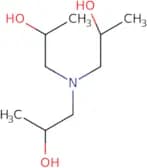
CAS:Triisopropanolamine (TIPA) is a chemical that can be used as a pesticide. TIPA is used to control the growth of bacteria, fungi, and other organisms by disrupting their cell membranes. It is also used in textile industries for its ability to react with anhydrous sodium and glycol ethers to form a polymer that can be applied to fabric for water repellency. TIPA has been shown to be chemically stable at temperatures up to 150-200°C, which makes it useful in applications such as cleaning agents and paper coatings. The use of triisopropanolamine has been shown to inhibit bacterial strains resistant mutant strains of E. coli and Salmonella enterica. TIPA is also known as a precursor for the production of the neurotransmitter Ryanodine. TIPA can be converted into ryanodine via reaction with an acid in the presence of an oxidant such as hydrogen peroxide or potassium permFórmula:C9H21NO3Pureza:Min. 95%Cor e Forma:PowderPeso molecular:191.27 g/molN-(4-Aminophenyl)acetamide
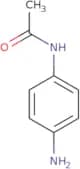
CAS:N-(4-Aminophenyl)acetamide is a solid dispersion that is soluble in ethylene diamine. The copper complex of this molecule is redox active, with a redox potential of +0.26 V. The lc-ms/ms method for the detection of this molecule has been optimized for use in urine samples and human serum. N-(4-Aminophenyl)acetamide has been shown to have surfactant properties and can be used as a solvent for glycols and other similar compounds. This molecule also exhibits intermolecular hydrogen bonding, which may be due to its diazonium salt structure.Fórmula:C8H10N2OPureza:Min. 95%Peso molecular:150.18 g/molN,N,N²,N²-Tetraethyldiethylenetriamine
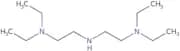
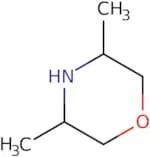
CAS:Tetraethyldiethylenetriamine is a labile amine that reacts as a nucleophile with nitro groups to form an acetonitrile derivative. The reaction rate of this compound is slow, taking on the order of days, and the nitrogen atoms are not involved in any other reactions. It has been shown that Tetraethyldiethylenetriamine binds to basic proteins such as albumin and alpha-chymotrypsin with high binding constants. When tetraethyldiethylenetriamine binds to these proteins, it can react with chloride ions to form an insoluble salt. This salt precipitates out of solution and can be used in the immobilization of enzymes.Fórmula:C12H29N3Pureza:Min. 95%Peso molecular:215.38 g/mol3,5-Dimethylmorpholine
CAS:3,5-Dimethylmorpholine is a chiral amide that has anticancer activity. It is a linker that can be used to form amide bonds between two molecules. 3,5-Dimethylmorpholine has been shown to have labile proton and cellular reactivity in vitro. The reaction selectivity of 3,5-dimethylmorpholine can be improved by using piperidine as the solvent. This compound exhibits anticancer activity against CDK4/6 (cyclin-dependent kinase 4/6) inhibitor-resistant cell lines. It also exhibits anticancerc activity in vitro against cells with high levels of cdk4/6 inhibition.
Fórmula:C6H13NOPureza:Min. 95%Peso molecular:115.17 g/molOctanenitrile
CAS:Octanenitrile is a colorless liquid with a boiling point of 29.8 °C. It is soluble in water, ether, and chloroform, but insoluble in hexane. Octanenitrile has been shown to have an effect on the phase transition temperature by using deuterium isotopes. This compound can also be used to study the deuterium isotope effect on autoimmune diseases and cancer. The amine group in octanenitrile can be used to synthesize methylamines, one of which is malonic acid. The ph optimum for octanenitrile is 7-8. Octanenitrile reacts with hydrochloric acid to produce hydrogen chloride gas and dipropyl ether (CH3-CH2-O-CH3). Octanenitrile also has intramolecular hydrogen bonding that stabilizes the molecule, reducing activation energies for subsequent reactions such as fatty acid synthesis or polyunsaturated fatty acid synthesis
Fórmula:C8H15NPureza:Min. 95%Peso molecular:125.21 g/molBis(2-ethoxyethyl)amine
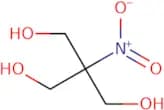
CAS:Bis(2-ethoxyethyl)amine is a molecule that contains an anion. It is used as a nitrate reductase inhibitor. Bis(2-ethoxyethyl)amine has been shown to be effective in the treatment of esophageal papillomas, and has also been shown to have anti-tumor activity in animals. Mechanistically, bis(2-ethoxyethyl)amine inhibits the formation of nitrosamines by acting as a ligand for the enzyme nitrosamine reductase (NAR). Bis(2-ethoxyethyl)amine binds to NAR, preventing it from binding with its cofactor NADPH and inhibiting the formation of carcinogenic nitrosamines.Fórmula:C8H19NO2Pureza:Min. 95%Peso molecular:161.25 g/mol2-(Hydroxymethyl)-2-nitro-1,3-propanediol
CAS:2-(Hydroxymethyl)-2-nitro-1,3-propanediol is a detergent composition that has been shown to inhibit the growth of microorganisms. It has been used in experimental studies as a potential antimicrobial agent and is classified as a biocide. 2-(Hydroxymethyl)-2-nitro-1,3-propanediol is active against gram positive bacteria such as Staphylococcus aureus and Streptococcus pyogenes. This compound also inhibits the growth of gram negative bacteria such as Pseudomonas aeruginosa, Salmonella typhimurium, Escherichia coli, and Klebsiella pneumoniae. 2-(Hydroxymethyl)-2-nitro-1,3-propanediol is highly toxic to yeast cells and does not have any effect on fungi cells or human erythrocytes.Fórmula:C4H9NO5Pureza:Min. 95%Peso molecular:151.12 g/mol1-Bromo-2,2-dimethoxypropane
CAS:1-Bromo-2,2-dimethoxypropane is a drug that is used in the synthesis of other compounds. It has been shown to have an inhibitory effect on the reuptake of serotonin, dopamine and norepinephrine by 5-HT1A receptors. This drug may also act as an agonist at β-adrenergic receptors. 1-Bromo-2,2-dimethoxypropane selectively binds to 5-HT1A receptors, leading to increased serotonin levels in the brain.
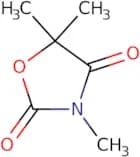
Fórmula:C5H11BrO2Pureza:Min. 95%Peso molecular:183.04 g/molTrimethadione
CAS:Trimethadione is an oral hypoglycemic agent. It has been shown to be effective in treating diabetes mellitus, although it has not been approved for that indication by the U.S. Food and Drug Administration (FDA). Trimethadione acts as a competitive inhibitor of the enzyme cytochrome P450 3A4 and other cytochrome P450 enzymes, which may lead to drug interactions. Trimethadione is metabolized by human liver microsomes into trimethadione-N-oxide, which is then converted to trimethadione-N-oxide glucuronide. This compound also inhibits the enzyme dihydropyrimidine dehydrogenase and stimulates glucose oxidation in muscle cells. Trimethadione has been shown to have anti-depressant effects in experimental models of depression, but its efficacy for this use remains unclear.Fórmula:C6H9NO3Pureza:Min. 95%Peso molecular:143.14 g/mol2-Phenyl-3-butyn-2-ol
CAS:2-Phenyl-3-butyn-2-ol (2PB2) is an organic compound that has been shown to inhibit the growth of cancer cells in vitro. It is a structural analogue of phenylacetate, which inhibits cell proliferation by inducing apoptosis. 2PB2 induces regression by altering the functional theory of population growth. It is also an isomeric compound and its structure activity relationship has been studied using logistic regression. 2PB2 is protonated at acidic pH, but not at physiological pH, which may be due to its carbinol group. This compound also has a lipase inhibitor effect and was found to interact with molecular descriptors that are involved in cancer cell proliferation.
Fórmula:C10H10OPureza:Min. 95%Peso molecular:146.19 g/mol2-[(8-Chloro-1-naphthyl)thio]acetic acid
CAS:Versatile small molecule scaffoldFórmula:C12H9ClO2SPureza:Min. 95%Peso molecular:252.72 g/mol2-(2-Chloroethyl)-3,4-dihydro-2H-1,3-benzoxazin-4-one
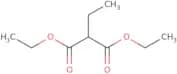
CAS:2-(2-Chloroethyl)-3,4-dihydro-2H-1,3-benzoxazin-4-one is a synthetic compound that has been shown to have cox-2 inhibitory activity. Cox-2 is an enzyme that participates in the inflammatory response and is upregulated in autoimmune diseases. 2-(2-Chloroethyl)-3,4-dihydro-2H-1,3-benzoxazin-4-one has been shown to be biocompatible with human cells and tissues in vitro. This agent also shows antiinflammatory activity and may be useful for treating a variety of conditions such as cancer or body mass index (BMI) associated with obesity. Studies have shown that 2-(2-Chloroethyl)-3,4-dihydro--2H--1,3--benzoxazin--4--one inhibits the production of proinflammatory cytokFórmula:C10H10ClNO2Pureza:Min. 95%Peso molecular:211.64 g/molDiethyl Ethylmalonate
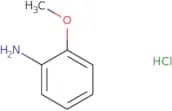
CAS:Diethyl ethylmalonate is a chemical compound that belongs to the group of polycarboxylic acids. It is primarily used as a solvent for coatings and adhesives, as well as a catalyst in the Friedel-Crafts reaction. Diethyl ethylmalonate has been shown to undergo a number of reactions, often in the presence of chlorine or another halogen atom. This compound reacts with malonic acid to form diethyl succinate, which can be hydrolyzed by water to form carbon dioxide and ethanol. Diethyl ethylmalonate also binds to receptors on cells, which may be related to its viscosity. The reactivity of this compound can be controlled by varying the particle size.Fórmula:C9H16O4Pureza:Min. 95%Peso molecular:188.22 g/molo-Anisidine Hydrochloride
CAS:O-Anisidine Hydrochloride is a sulfa drug that belongs to the group of sulfonamides. It inhibits bacterial growth by interfering with the synthesis of folic acid, which is necessary for cell growth. O-Anisidine Hydrochloride has been shown to have genotoxic effects in vitro and in vivo, as well as carcinogenic potential. Studies have also shown that it has synergistic effects when combined with other drugs. Chronic oral administration of o-anisidine hydrochloride can cause long-term toxicity and genotoxicity, including atp levels.
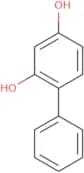
Fórmula:C7H9NO·HClPureza:Min. 95%Peso molecular:159.61 g/mol4-phenylbenzene-1,3-diol
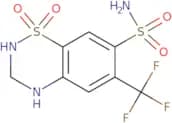
CAS:4-Phenylbenzene-1,3-diol is a hydroxy compound that is used as a precursor in the synthesis of polycarbonate. It can also be used to produce copolymers with dihydroxy compounds. 4-Phenylbenzene-1,3-diol is activated with carbonyl chloride and then reacted with a dihydroxy compound to form an ester linkage. The product can be purified by recrystallization or sublimation. 4-Phenylbenzene-1,3-diol is produced from phenol by chlorination followed by oxidation. It has been shown to have antimicrobial properties against Gram positive bacteria and fungi such as Candida albicans and Aspergillus niger. This chemical may also be used to produce polyimides, which are polymers that have high thermal stability and resistance to chemicals.Fórmula:C12H10O2Pureza:Min. 95%Peso molecular:186.2 g/molHydroflumethiazide
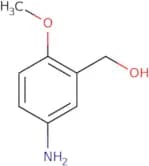
CAS:Hydroflumethiazide is a diuretic drug that is used to treat high blood pressure, heart failure, and edema. It decreases the production of aqueous humor by the eye, thereby decreasing intraocular pressure. Hydroflumethiazide also inhibits sodium reabsorption in the loop of Henle and helps to control hypertension. The drug increases renal excretion of water and electrolytes, which can lead to dehydration. Hydroflumethiazide has been shown to have an adverse effect on cardiovascular function due to its ability to inhibit ATP channels in cardiac cells and interfere with glomerular filtration rate (GFR). It has also been found to increase matrix metalloproteinases (MMP) activity in inflammatory bowel disease patients.Fórmula:C8H8F3N3O4S2Pureza:Min. 95%Peso molecular:331.29 g/mol(5-Amino-2-methoxyphenyl)methanol
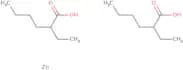
CAS:Versatile small molecule scaffoldFórmula:C8H11NO2Pureza:Min. 95%Peso molecular:153.18 g/molEthylhexanoic acid zinc
CAS:Ethylhexanoic acid zinc salt is a viscosity-increasing agent that is used in the production of high-viscosity polymers. It is a carboxylate salt of ethyl hexanoic acid and zinc. The reaction of ethylhexane with zirconium oxide produces a viscous liquid with a strong cationic polymerization activity. This product reacts with diphenyl ether and aromatic hydrocarbons to form solid products. The reaction with calcium stearate, an ester of glycerol, results in the formation of particles that are insoluble in water but soluble in organic solvents. Ethylhexane also reacts with ethylene diamine to form methyl myristate, which has kinetic data available for it.
Fórmula:C16H30O4ZnPureza:Min. 95%Peso molecular:351.8 g/mol2-Ethoxy-5-nitroaniline
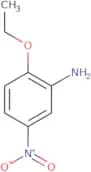
CAS:2-Ethoxy-5-nitroaniline is a surfactant and stabilizing additive that impregnates and stabilizes paper. It can be used in the production of water-based paints, and as an agent for the extraction of oils from seeds.
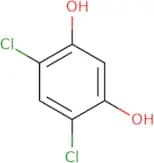
Fórmula:C8H10N2O3Pureza:Min. 95%Peso molecular:182.18 g/mol4,6-Dichlororesorcinol
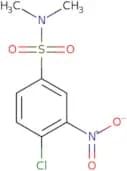
CAS:4,6-Dichlororesorcinol is a chlorinated aromatic compound that is produced by the oxidation of 4,6-dichlorophenol. It has been shown to be a promising agent for wastewater treatment because it can reduce chlorinated organic compounds in the water and form stable complexes with them. 4,6-Dichlororesorcinol has been found to have an oxidation potential of 0.87 V (vs. NHE at pH 7) and a redox potential of -0.09 V vs. ferrocene/ferricenium (at pH 7). It is soluble in neutral pH solutions, but not in acidic or basic solutions. 4,6-Dichlororesorcinol also shows optical properties that depend on its environment. When exposed to light with wavelength greater than 270 nm, it exhibits a yellow color; when exposed to light with wavelength less than 270 nm, it exhibits a green color. This property makes it useful for dFórmula:C6H4Cl2O2Pureza:Min. 95%Peso molecular:179 g/mol4-chloro-N,N-dimethyl-3-nitrobenzenesulfonamide
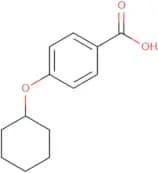
CAS:Versatile small molecule scaffoldFórmula:C8H9ClN2O4SPureza:Min. 95%Peso molecular:264.69 g/mol4-(Cyclohexyloxy)benzoic acid
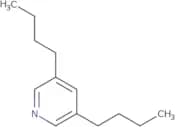
CAS:4-(Cyclohexyloxy)benzoic acid is a cyclic compound that has been shown to have anticancer and anti-inflammatory properties. It can be found in the leaves of plants such as Salix alba, or it can be synthesized from propanamide. The structural formula of 4-(cyclohexyloxy)benzoic acid is C10H14O4. 4-(Cyclohexyloxy)benzoic acid has been shown to possess pharmacological properties, including analgesia, anti-inflammatory activity, inhibition of tumor growth and metastasis, and inhibition of prostate cancer. These effects are attributed to its ability to inhibit the production of prostaglandins by inhibiting cyclooxygenase enzymes. This compound has also been shown to have a high affinity for bone tissue and may be useful in the treatment of osteoarthritis.Fórmula:C13H16O3Pureza:Min. 95%Peso molecular:220.26 g/mol3,5-Dibutylpyridine
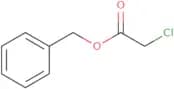
CAS:Versatile small molecule scaffoldFórmula:C13H21NPureza:Min. 95%Peso molecular:191.31 g/molBenzyl chloroacetate
CAS:Benzyl chloroacetate is a chemical compound that inhibits the activity of the enzyme acetylcholinesterase. It has been shown to be an effective inhibitor of this enzyme with a long duration of action in a model system. Benzyl chloroacetate is used as an antimicrobial agent and has been shown to inhibit microbial growth by inhibiting the synthesis of cell wall components, such as β-amino acids. It also inhibits heparin-induced thrombocytopenia by irreversibly inhibiting the enzyme acetylcholinesterase.Fórmula:C9H9ClO2Pureza:Min. 95%Peso molecular:184.62 g/molN-[(Thiophen-2-yl)methyl]pyridin-2-amine
CAS:Versatile small molecule scaffoldFórmula:C10H10N2SPureza:Min. 95%Peso molecular:190.27 g/molDihexylamine
CAS:Dihexylamine is a chemical compound that can be synthesized from hydrochloric acid and sodium salt. It is an aminotransferase inhibitor, which means it inhibits the enzyme that catalyzes the conversion of amino acids to amines. Dihexylamine is used as a cationic surfactant in products such as laundry detergents and dishwashing liquid because it has been shown to be effective at removing protein stains. It also has a water-repellent effect, which makes it useful for cleaning surfaces like glass and metal. Dihexylamine has been shown to have kinetic data and chemical stability in acidic solutions with an optimum pH level of 2-3.Fórmula:C12H27NPureza:Min. 95%Peso molecular:185.36 g/molTriethylene glycol monobutyl ether
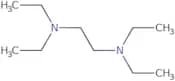
CAS:Triethylene glycol monobutyl ether is a glycol ether that is used as an additive in paint, plastics, and textile manufacturing. It reacts with sodium carbonate to form particles in the aqueous phase. The particle size and the hydroxyl group content can be modified by changing the reaction conditions such as pH or temperature. This product has been shown to have antimicrobial activity against infectious diseases and can be used as a preservative for vaccines. Triethylene glycol monobutyl ether reacts with water molecules to form hydrogen peroxide, which damages bacterial DNA and inhibits growth of microorganisms.Fórmula:C10H22O4Pureza:Min. 98 Area-%Cor e Forma:Clear LiquidPeso molecular:206.28 g/molN,N,N',N'-Tetraethylethylenediamine
CAS:N,N,N',N'-Tetraethylethylenediamine is a chemical compound that is used in the production of polyurethane. It can be synthesized from ethylenediamine by reaction with a trialkyl orthoformate and an acid catalyst. This chemical has a hydroxyl group and two asymmetric nitrogen atoms. The steric interactions between the hydrogen atom on the nitrogen atom and the three methyl groups on one carbon atom are responsible for its kinetic data. Tetraethylethylenediamine has been shown to react with copper complexes to form new palladium complexes. These reactions are catalyzed by serine proteases such as subtilisin and pepsin. N,N,N',N'-Tetraethylethylenediamine is also used as a cross-linking agent in polyurethanes. Cross-linked polyurethanes have improved mechanical properties and resistance to abrasion compared
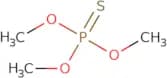
Fórmula:C10H24N2Pureza:Min. 95%Peso molecular:172.32 g/molTrimethyl thiophosphate
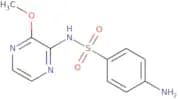
CAS:Trimethyl thiophosphate is a white solid that is soluble in organic solvents. It is used as an intermediate in the production of pesticides and other industrial chemicals, such as phosphites and thiophosphates. Trimethyl thiophosphate can be synthesized by reacting phosphorus pentasulfide with trimethylamine. The reaction products are trimethyl phosphate, dimethyl phosphite, and sulfuryl chloride. Trimethyl thiophosphate has been shown to cause kidney fibrosis in mice when it was injected into the kidney at a dose of 3 mg/kg body weight. This chemical also may have some protective effects against metal surface corrosion due to its ability to form a protective film on the metal surface.Fórmula:C3H9O3PSPureza:Min. 95%Peso molecular:156.14 g/molSulfalene (SMPZ)
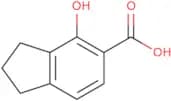
CAS:Sulfalene (SMPZ) is a sulfa drug that inhibits the ATP-binding cassette transporter, which is important for the absorption of glucose and amino acids. Sulfalene has been shown to cause acute toxicities in the liver, kidney, and gastrointestinal tract. It also inhibits microbial growth by binding to bacterial ribosomes and preventing protein synthesis. Sulfalene has been shown to have activity against certain bacteria, such as Escherichia coli, Klebsiella pneumoniae, Pseudomonas aeruginosa, and Enterobacter cloacae. Sulfalene's effects on human intestinal flora are unclear due to its toxicity. However, it has been shown to increase bifidobacteria levels in rats fed with a high-fat diet.Fórmula:C11H12N4O3SPureza:Min. 95%Peso molecular:280.3 g/mol4-Hydroxy-2,3-dihydro-1H-indene-5-carboxylic acid
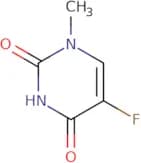
CAS:Versatile small molecule scaffoldFórmula:C10H10O3Pureza:Min. 95%Peso molecular:178.18 g/mol5-Fluoro-1-methyl-1,2,3,4-tetrahydropyrimidine-2,4-dione
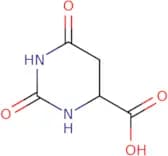
CAS:5-Fluoro-1-methyl-1,2,3,4-tetrahydropyrimidine-2,4-dione (5FTPD) is a palladium complex that is a member of Group P2. The 5FTPD molecule has a cavity which is able to bind to protons and other molecules. The protonated form of 5FTPD can be oxidized by the fluorine atom to give the corresponding fluoroquinolone compound. 5FTPD has been shown to interact with methyl derivatives such as trimethylsilyl chloride and trimethylchlorosilane. There are two tautomers found in the molecule: cis and trans. The cis form of 5FTPD has been shown to have biological function as it can inhibit DNA synthesis in bacteria and act as an antiinflammatory agent.Fórmula:C5H5FN2O2Pureza:Min. 95%Peso molecular:144.1 g/mol2,6-Dioxo-1,3-diazinane-4-carboxylic acid
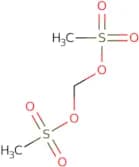
CAS:2,6-Dioxo-1,3-diazinane-4-carboxylic acid is a natural compound that has been shown to have clinical relevance in the treatment of autoimmune diseases, such as type I diabetes. This compound is an inhibitor of xanthine oxidase and dihydroorotate dehydrogenase and has been shown to inhibit the activity of these enzymes in vitro. 2,6-Dioxo-1,3-diazinane-4-carboxylic acid may be administered to patients with type I diabetes to improve their energy metabolism and reduce oxidative stress levels. The pharmacokinetic properties of this molecule are still being investigated.Fórmula:C5H6N2O4Pureza:Min. 95%Peso molecular:158.11 g/mol(Methanesulfonyloxy)methyl methanesulfonate
CAS:Methanesulfonyloxy)methyl methanesulfonate is a drug that inhibits the polymerase chain reaction. It has been shown to inhibit HIV infection in human macrophages, and has been used for the treatment of adrenocortical carcinoma and diabetic patients with high blood sugar levels. Methanesulfonyloxy)methyl methanesulfonate is a competitive inhibitor of DNA binding activity in the presence of an excess of dNTPs, and it binds to the 3'-terminal region on the template strand. This inhibition leads to arrest of RNA synthesis at this point. This drug also binds to toll-like receptors, which are present on many types of cells, and may have biological properties that could be beneficial in infectious diseases as well as atherosclerotic cardiovascular disease or solid tumours.Fórmula:C3H8O6S2Pureza:Min. 95%Peso molecular:204.2 g/mol1',2'-Dihydrospiro[cyclopropane-1,3'-indole]
CAS:Versatile small molecule scaffoldFórmula:C10H11NPureza:Min. 95%Peso molecular:145.2 g/mol1-Azaspiro[4.4]nonane
CAS:1-Azaspiro[4.4]nonane is a metalloproteinase inhibitor that has been shown to inhibit gelatinase activity in an enzymatic assay. It has a stereoselective, asymmetric synthesis and is structurally similar to the skeleton of cephalotaxus. This compound inhibits matrix metalloproteinases (MMPs) that are involved in tumor invasion and metastasis. The compound has also been shown to reduce SKOV3 cell proliferation rates by inhibiting MMP-9 activity. 1-Azaspiro[4.4]nonane yields have been found to be high with a good level of inhibition activity against MMPs.Fórmula:C8H15NPureza:Min. 95%Peso molecular:125.21 g/mol1,4-Dioxa-7-azaspiro[4.4]nonane
CAS:1,4-Dioxa-7-azaspiro[4.4]nonane is a replication inhibitor that has been shown to be active against hepatitis C virus (HCV) genotype 1b. It has potent antiviral activity and is selective for HCV RNA polymerase over host cell RNA polymerase. High doses of this drug are required for inhibition of HCV replication. The safety data from clinical trials on 1,4-dioxa-7-azaspiro[4.4]nonane have not been reported yet. This compound interacts with many other drugs and may affect their pharmacokinetics. The potency of this compound is high, but it also has low solubility in water and can only be administered intravenously or by inhalation.Fórmula:C6H11NO2Pureza:Min. 95%Peso molecular:129.16 g/mol8-Aza-spiro[4.5]decane
CAS:8-Aza-spiro[4.5]decane is an amide and organometallic compound that has been shown to have anti-inflammatory properties, as well as being useful in the treatment of inflammatory pain. It binds to the urothelium, which is the lining of the bladder and urinary tract, or to cells in the intestinal lumen, leading to a reduction in inflammation. 8-Aza-spiro[4.5]decane also has been shown to be effective in treating depression, due to its ability to bind with serotonin receptors. This drug has fluorine in its structure which can cause alzheimer's disease or other neurodegenerative disorders when combined with organic acids such as fatty acid.Fórmula:C9H17NPureza:Min. 95%Peso molecular:139.24 g/mol1-Azaspiro[4.5]decane
CAS:1-Azaspiro[4.5]decane is a compound that contains an azaspiro[4.5]decane skeleton with a formyloxy group at the 1 position and a hydroxyamine group at the 3 position. It has been shown to be an efficient method for the synthesis of peptidomimetics, which are compounds that have a peptide-like structure but are not peptides in the strict sense. The tricycle of 1-azaspiro[4.5]decane is formed through a hydrochloride salt, which is generated by hydrolysis of 1-azaspiro[4.5]decane with hydrochloric acid and then reduced with lithium aluminium hydride, or through reduction with hydrogen over palladium on charcoal in acetic acid. Hydroxyamination of 1-azaspiro[4.5]decane can be accomplished under basic conditions by treatment with ammonia and ethyl acetate, followed by hydroFórmula:C9H17NPureza:Min. 95%Peso molecular:139.24 g/mol1-Thia-4-azaspiro[4.5]decane
CAS:1-Thia-4-azaspiro[4.5]decane is a small molecule that inhibits the growth of cancer cells by blocking the synthesis of glycoproteins. It is a potent inhibitor of glycosylation in human liver and prostate cells, and has been shown to have anticancer activity against hepatocellular carcinoma, human colorectal cancer, and prostate adenocarcinoma cell lines. 1-Thia-4-azaspiro[4.5]decane acetylates proteins at lysine residues, which may lead to carcinogenic effects in humans.Fórmula:C8H15NSPureza:Min. 95%Peso molecular:157.28 g/mol6-Azaspiro[4.5]decane
CAS:6-Azaspiro[4.5]decane is a diastereomer that has been synthesized using ring-opening and alkylation reactions. It is a natural product that can be found in the plant Lactuca virosa and the fungus Claviceps purpurea. 6-Azaspiro[4.5]decane is also used as a monomer to produce polymers with high thermal stability, such as ethynylated polyesters and cyclobutanones. This compound was first discovered by Halichlorine, who synthesized it from fatty acids and monomers containing cyclobutanone.Fórmula:C9H17NPureza:Min. 95%Peso molecular:139.24 g/mol6,9-Diazaspiro[4.5]decane
CAS:Versatile small molecule scaffoldFórmula:C8H16N2Pureza:Min. 95%Peso molecular:140.23 g/mol2,8-Diazaspiro[5.5]undecane
CAS:Versatile small molecule scaffoldFórmula:C9H18N2Pureza:Min. 95%Peso molecular:154.25 g/mol1,4-Diazaspiro[5.5]undecane
CAS:Versatile small molecule scaffoldFórmula:C9H18N2Pureza:Min. 95%Peso molecular:154.25 g/mol4-Oxa-1-azaspiro[5.5]undecane
CAS:Versatile small molecule scaffoldFórmula:C9H17NOPureza:Min. 95%Peso molecular:155.24 g/mol7-Azaspiro[4.6]undecane
CAS:Versatile small molecule scaffoldFórmula:C10H19NPureza:Min. 95%Peso molecular:153.26 g/mol1-Oxaspiro[2.5]octane
CAS:1-Oxaspiro[2.5]octane is a cyclohexane ring that has been found to be a potent immunosuppressive agent. It has been shown to suppress the immune system by inhibiting the production of lymphocytes and neutrophils, which are necessary for fighting infection. 1-Oxaspiro[2.5]octane has also been shown to have anti-cancer properties and can be used as an adjuvant in cancer treatment. This drug can be used in microcapsules or as an ingredient in pharmaceutical preparations such as polyvalent vaccines, which stimulate active immunity against various infectious agents. The mechanism of action by which this drug exerts its immunosuppressive effects is not well understood but may be due to its ability to inhibit calcium metabolism in cells.Fórmula:C7H12OPureza:Min. 95%Peso molecular:112.17 g/mol1-Oxa-6-thiaspiro[2.5]octane
CAS:Versatile small molecule scaffoldFórmula:C6H10OSPureza:Min. 95%Peso molecular:130.21 g/molBenzo[h]quinoline
CAS:Benzo[h]quinoline is a type of aromatic compound that forms stable complexes with protonated nitrogen atoms. The hydrogen bond between the benzo[h]quinoline and protonated nitrogen atom is a significant factor in the stability of these complexes. Benzo[h]quinoline also has cytotoxic properties, as observed by its significant cytotoxicity to cancer cells in the WST-1 assay. It has been shown to bind to proteins, such as DNA polymerase β and topoisomerase II, through an intramolecular hydrogen bond. The macrocyclic structure of benzo[h]quinoline allows it to be highly soluble in organic solvents, such as trifluoroacetic acid. The kinetic energy required for this complexation is significantly less than that required for other types of compounds with similar structures.
Fórmula:C13H9NPureza:Min. 95%Peso molecular:179.22 g/mol1H-Imidazo[4,5-F]quinoline
CAS:1H-Imidazo[4,5-F]quinoline is an antimicrobial agent that inhibits the growth of cells by binding to the benzodiazepine site on the GABA receptor in mammalian cells. The drug binds to this site and prevents the influx of chloride ions into the cell, which results in a decrease in the membrane potential. This leads to cell death by apoptosis. 1H-Imidazo[4,5-F]quinoline has been shown to be active against many different types of bacteria, including candida glabrata, virus and anions. 1H-Imidazo[4,5-F]quinoline has been used as a fluorescent probe for detection methods such as spectroscopy and x-ray crystallography.Fórmula:C10H7N3Pureza:Min. 95%Peso molecular:169.18 g/mol1H-Imidazo[4,5-c]quinoline
CAS:1H-Imidazo[4,5-c]quinoline is a hydrogen bond acceptor that can be used as an amide in pharmaceutical preparations. It has shown clinical development in the treatment of an infant with leukodystrophy. 1H-Imidazo[4,5-c]quinoline is also the first known example of a quinoline derivative that is orally active and has been shown to have monoclonal antibody binding activity. 1H-Imidazo[4,5-c]quinoline binds to the centroid of the T cell receptor and may work by stimulating or inhibiting T cell activation. !-- END -->Fórmula:C10H7N3Pureza:Min. 95%Peso molecular:169.18 g/mol5H-Pyrido[3,2-b]indole
CAS:5H-Pyrido[3,2-b]indole is a synthetic compound that is used as a fluorescence probe. It has been shown to bind to the amine groups of proteins, such as those found in the adenosine receptor and protein kinase C. The protonation of 5H-pyrido[3,2-b]indole leads to an equilibrium between two tautomers, which have different resonance structures and different emission spectra. This means that 5H-pyrido[3,2-b]indole can be used to measure pH values because its fluorescence intensity increases with increasing acidity. Its fluorescence spectrum can also be transferred into other solvents by mixing with them.
Fórmula:C11H8N2Pureza:Min. 95%Peso molecular:168.2 g/mol7-Thia-2,4,5-triazatricyclo[6.4.0.0,2,6]dodeca-1(12),3,5,8,10-pentaene
CAS:7-Thia-2,4,5-triazatricyclo[6.4.0.0,2,6]dodeca-1(12),3,5,8,10-pentaene is a chlorinated aromatic hydrocarbon that inhibits the enzyme acetylcholinesterase in the central and peripheral nervous system by binding to the active site of this enzyme. It has been shown to be useful as an intermediate for producing other chemicals such as benzothiazoles or amides. 7-Thia-2,4,5-triazatricyclo[6.4.0.0,2,6]dodeca-1(12),3,5,8,10-pentaene is used in horticultural applications as a long acting herbicide because it binds tightly to soil particles and does not leach into groundwater or evaporate easily from foliage surfaces.Fórmula:C8H5N3SPureza:Min. 95%Peso molecular:175.21 g/molImidazo[2,1-b][1,3]thiazole
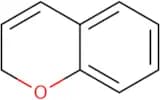
CAS:Imidazo[2,1-b][1,3]thiazole is an antimicrobial agent that inhibits the growth of bacteria and viruses. Imidazo[2,1-b][1,3]thiazole has been shown to inhibit Cox-2 in a human tumor cell line and has been used to treat cancer. This drug is a potent inhibitor of sofosbuvir and other drugs that are cox-2 inhibitors. Imidazo[2,1-b][1,3]thiazole also inhibits the mitochondrial membrane potential and has been shown to be a potent inhibitor of sorafenib in cells grown in culture. The molecular modeling study showed that this drug binds to the ATP binding site on the enzyme and blocks ATP from binding. This leads to disruption of cellular processes such as protein synthesis and DNA replication.Fórmula:C5H4N2SPureza:Min. 95%Peso molecular:124.17 g/mol2H-Chromene
CAS:2H-Chromene is a hydrogen tartrate with hydroxyl groups. It can be used as an anti-inflammatory agent and for the treatment of cancer or bowel disease. 2H-Chromene has been shown to inhibit the growth of some bacteria and fungi in vitro, but it is not active against Gram-negative bacteria. 2H-Chromene is also used as a pharmacological agent that can be administered orally or intravenously, to treat inflammatory bowel disease or congestive heart failure.
2H-Chromene is structurally similar to amines and alkanoic acids, which are known to have anti-inflammatory properties. The mechanism by which 2H-Chromene exhibits its therapeutic effects may be related to its ability to inhibit the production of proinflammatory cytokines such as TNFα, IL1β, IL6, and IL8.Fórmula:C9H8OPureza:Min. 95%Peso molecular:132.16 g/mol5H-chromeno[2,3-b]pyridine
CAS:5H-chromeno[2,3-b]pyridine is a substance that is used as a drug. It is an x-ray active compound and can be used in the production of pharmaceuticals. 5H-chromeno[2,3-b]pyridine has been shown to have anti-inflammatory properties, which may be due to its inhibition of prostaglandin synthesis. It also has the ability to regulate insulin resistance by decreasing the levels of glucose and aldehydes in blood plasma. The use of this compound for the treatment of inflammatory diseases is currently being investigated.Fórmula:C12H9NOPureza:Min. 95%Peso molecular:183.21 g/mol1H-Pyrazolo[3,4-b]quinoxaline
CAS:1H-Pyrazolo[3,4-b]quinoxaline is a molecule that contains a pyrazole ring. It is used as an anticancer agent that can inhibit the growth of cancer cells by inhibiting the production of DNA and RNA in cancer cells. 1H-Pyrazolo[3,4-b]quinoxaline has been shown to have high values in blood group O and A individuals. It has also been studied for its anticancer activity against leukemia and breast cancers. This molecule is synthesized through acetylation of 2-chloro-1H-pyrazole with acetic anhydride or acetyl chloride. The chloride ion is replaced by a hydroxyl group to form pyrazole derivatives such as imidazopyridine, which are used as antihistamines and antipyretics. Sugar residues are found on the surface of the molecule, making it more soluble in water than other molecules.Fórmula:C9H6N4Pureza:Min. 95%Peso molecular:170.17 g/mol7-Thieno[3,2-d]pyrimidine
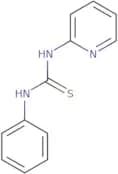
CAS:7-Thieno[3,2-d]pyrimidines are potent antitumor agents that inhibit the activity of protein kinases. The 7-thieno[3,2-d]pyrimidine derivatives (e.g., AZD1775) were developed as inhibitors of DPP-IV enzyme and have shown promising results in clinical trials for treatment of type 2 diabetes. They are also being investigated for the treatment of autoimmune diseases, such as rheumatoid arthritis and multiple sclerosis. 7-Thieno[3,2-d]pyrimidines bind to the ATP binding site of enzymes in a competitive manner and inhibit the function of these enzymes by preventing ATP from binding to the enzyme's active site. These compounds have been shown to have antimicrobial properties against Leishmania species and myeloma cell lines. The 7-thieno[3,2-d]pyrimidines target receptor activity at GPCFórmula:C6H4N2SPureza:Min. 95%Peso molecular:136.17 g/mol1-Phenyl-3-(2-pyridyl)-2-thiourea
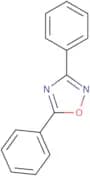
CAS:1-Phenyl-3-(2-pyridyl)-2-thiourea (PTU) is a thiourea molecule that acts as an inhibitor of the production of polyhedra in bacteria. PTU binds to the ligand and inhibits the adsorption mechanism, preventing bacteria from attaching to surfaces. It has been shown that PTU can be used as a sensor for chlorine concentrations because it has a linear response. Additionally, it is used as an electrochemical impedance spectroscopy probe because of its potentiodynamic polarization and functional groups.Fórmula:C12H11N3SPureza:Min. 95%Peso molecular:229.3 g/mol3,5-Diphenyl-1,2,4-oxadiazole
CAS:3,5-Diphenyl-1,2,4-oxadiazole is a synthetic compound that has the chemical formula C12H10N2O. It is an optical material with orthorhombic symmetry and a melting point of 164 °C. It can be synthesized using the Grignard reaction. 3,5-Diphenyl-1,2,4-oxadiazole is used as a radiolabel for positron emission tomography (PET) imaging in studies of β-amyloid plaques in Alzheimer's disease patients and brain imaging to study the uptake of drugs in cancer cells. 3,5-Diphenyl-1,2,4-oxadiazole has been modified to increase its affinity for β amyloid plaques and increase its diffraction efficiency. The pharmacophore model for this drug is based on aromatic rings with modified electron density at 1' position.
Fórmula:C14H10N2OPureza:Min. 95%Peso molecular:222.24 g/mol5-Amino-2-chloro-N-[2-(diethylamino)ethyl]benzamide
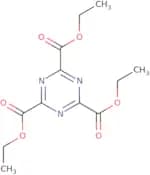
CAS:Versatile small molecule scaffoldFórmula:C13H20ClN3OPureza:Min. 95%Peso molecular:269.77 g/molTriethyl 1,3,5-triazine-2,4,6-tricarboxylate
CAS:Triethyl 1,3,5-triazine-2,4,6-tricarboxylate is a conformationally constrained triazine derivative that has been rationalized to have amide and amine moieties. Triethyl 1,3,5-triazine-2,4,6-tricarboxylate has been shown to be an acceptor for chloride modification in the gas phase. This compound may be an optimized molecule for the synthesis of triazines with carboxylic acid substituents by postulating its diffraction pattern. The presence of the azide group is thermally stable and prevents decomposition.
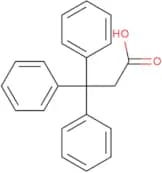
Fórmula:C12H15N3O6Pureza:Min. 95%Peso molecular:297.26 g/mol3,3,3-Triphenylpropionic Acid
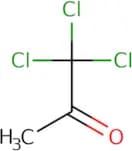
CAS:3,3,3-Triphenylpropionic acid is a molecule that has been found to have potent inhibition of cardiac enzymes. This compound is also able to inhibit the growth of V79 cells and the activity of human liver microsomes. The structure of 3,3,3-Triphenylpropionic acid is believed to be related to its activities in cardiac tissues and in the rat liver. 3,3,3-Triphenylpropionic acid has shown to act as an intramolecular hydrogen bond acceptor and donor. In rat liver microsomes, this compound was observed to bind with water molecules and form bonds with amino acids such as glutamic acid and lysine.Fórmula:C21H18O2Pureza:Min. 95%Peso molecular:302.37 g/mol1,1,1-Trichloroacetone
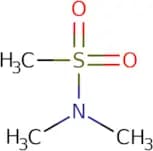
CAS:1,1,1-Trichloroacetone (1,1,1-TCA) is a chemical compound that is used as an industrial solvent. It is produced by the reaction of sodium carbonate and 2,4-dichlorobenzoic acid in the presence of hydrochloric acid. 1,1,1-Trichloroacetone reacts with benzalkonium chloride to form trichloroacetic acid. The rate of this reaction increases with increasing pH values. The formation of 1,1,1-trichloroacetone can be monitored by measuring the concentration of malonic acid over time. This analytical method can also be used to detect the presence of urea nitrogen in a sample.Fórmula:C3H3Cl3OPureza:Min. 95%Peso molecular:161.41 g/molN,N-Dimethylmethanesulfonamide
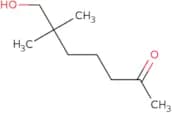
CAS:Covid-19 is a drug that inhibits the conductance of the human erythrocyte membrane. It is an organometallic compound with a molecular weight of 208. Covid-19 was developed as part of a program to develop drugs for treatment of pandemic influenza. Covid-19 is able to bind to the carbonyl group of polyatomic molecules such as hexane, which may be due to hydrogen bonding. The nature and solvents used in the synthesis have been shown to affect the final product's properties.Fórmula:C3H9NO2SPureza:Min. 95%Peso molecular:123.18 g/mol7-Hydroxy-6,6-dimethylheptan-2-one
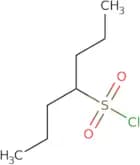
CAS:Versatile small molecule scaffoldFórmula:C9H18O2Pureza:Min. 95%Peso molecular:158.24 g/molHeptane-4-sulfonyl chloride
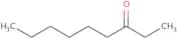
CAS:Versatile small molecule scaffoldFórmula:C7H15ClO2SPureza:Min. 95%Peso molecular:198.71 g/mol3-Nonanone
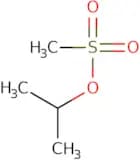
CAS:3-Nonanone is an organic compound that is used as a conditioning agent in hair care products. It can be found naturally in the essential oils of Zanthoxylum bungeanum, and has been identified as a major component of the volatile fraction of this plant. 3-Nonanone can be synthesized by the reaction between ethyl decanoate and glycol ether, but is usually produced synthetically, by reacting olefin with phosgene. The chemical composition of 3-nonanone includes carbon, hydrogen, and oxygen atoms. 3-Nonanone has a boiling point of 120 °C and a melting point of -78 °C. It also has a density at 20 °C of 0.907 g/mL and a refractive index at 20 °C of 1.4383Fórmula:C9H18OPureza:Min. 95%Peso molecular:142.24 g/molIsopropyl methanesulfonate
CAS:Isopropyl Methanesulfonate is a pharmaceutical drug that is used in the manufacturing of other drugs. It is used for the treatment of male infertility by inhibiting the synthesis of spermatozoa and as an analytical reagent in protein data. Isopropyl methanesulfonate has been shown to be genotoxic, with a high resistance to hydrolysis by hydrolases. It also has been shown to have linear calibration curves and a reaction mechanism that involves the formation of methanesulfonic acid from methanesulfonic acid chloride and sodium hydroxide. The drug is metabolized into isopropyl sulfate, which can be detected in vivo after administration.Fórmula:C4H10O3SPureza:Min. 95%Cor e Forma:Clear LiquidPeso molecular:138.18 g/mol2-Aminoethyl Sulfate
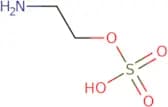
CAS:2-Aminoethyl sulfate is a chemical compound that is used as a detergent and surfactant in cleaning products. It can be synthesized by the reaction of ethanolamine with sulfuric acid. The titration method is used to measure the concentration of 2-aminoethanol sulfate in water, using methoxy groups to indicate the degree of hydration. 2-Aminoethyl sulfate has been shown to have a low energy level, and is soluble in both water and alcohols. This chemical has been found to be effective as an emulsifier for fatty acids and other lipids. 2-Aminoethyl sulfate also has gamma-aminobutyric acid (GABA) binding properties, which may contribute to its anti-inflammatory effects.Fórmula:C2H7NO4SPureza:Min. 95%Peso molecular:141.15 g/mol5-Chloropent-1-ene
CAS:Versatile small molecule scaffold
Fórmula:C5H9ClPureza:Min. 95%Peso molecular:104.58 g/mol4-Chloro-1-butanol
CAS:4-Chloro-1-butanol (4CB) is an organic compound that forms an acid when dissolved in water. It is produced by the reaction of 3-bromopropylamine hydrobromide with 2,4-dichlorobenzoic acid in the presence of hydrochloric acid. The analytical method for 4CB is chromatographic science, which utilizes a covid-19 pandemic to detect this organic compound. 4CB is tumorigenic and has been shown to increase population growth in cell cultures. This organic compound also denatures proteins and causes tryptophan fluorescence to decrease. As such, it can be used as a titration calorimetry indicator for protein denaturation.Fórmula:C4H9ClOPureza:Min. 95%Peso molecular:108.57 g/mol6-Oxohexanoic acid
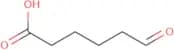
CAS:6-Oxohexanoic acid is a metabolite of the catabolism of amino acids. It is formed by the oxidation of the hydroxyl group in 6-hydroxyhexanoic acid and can be converted to levulinate or caprolactam. 6-Oxohexanoic acid has been shown to be associated with metabolic disorders such as oxidative dna damage and congestive heart failure, as well as 6-aminocaproic acid deficiency (6AC), which is characterized by a decreased ability to form 6-oxohexanoic acid from lysine. This product is used in sample preparation for microbial identification and plant physiology research, as well as feedstocks for animal feed, cosmetics, and pharmaceuticals.Fórmula:C6H10O3Pureza:Min. 95%Cor e Forma:PowderPeso molecular:130.14 g/molHex-4-yn-1-ol
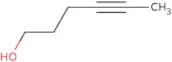
CAS:Hex-4-yn-1-ol is a medicinal compound that has shown promising anticancer properties. It has been studied extensively in Chinese and human cancer cell lines, where it induces apoptosis (programmed cell death) in tumor cells. Hex-4-yn-1-ol has also been found to inhibit the activity of several protein kinases, which are enzymes involved in regulating cell growth and division. Additionally, it has been shown to have chitinase inhibitory activity and may be useful as an inhibitor of heparin-induced thrombocytopenia. This compound holds great potential for the development of novel cancer therapies and other medicinal applications.Fórmula:C6H10OPureza:Min. 95%Peso molecular:98.14 g/mol4-(tert-Butylsulfanyl)butanoic acid
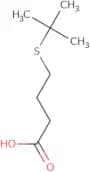
CAS:Versatile small molecule scaffoldFórmula:C8H16O2SPureza:Min. 95%Peso molecular:176.28 g/mol2,2-Dimethylcyclopropan-1-ol
CAS:Versatile small molecule scaffold
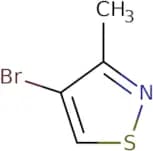
Fórmula:C5H10OPureza:Min. 95%Peso molecular:86.13 g/mol4-Bromo-3-methylisothiazole
CAS:4-Bromo-3-methylisothiazole is an industrial chemical that is used in the production of olefins. It reacts with other compounds to form alkyl derivatives, such as acetylenes and lithium 4-bromo-3-methylisothiazole. This compound is also a source for isothiazoles, which are unsubstituted pyridines. The reactivity of 4-bromo-3-methylisothiazole depends on the presence or absence of substituents.Fórmula:C4H4BrNSPureza:Min. 95%Peso molecular:178.05 g/mol3-Amino-4-iodo-5-methylisoxazole
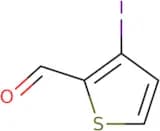
CAS:Versatile small molecule scaffoldFórmula:C4H5IN2OPureza:Min. 95%Peso molecular:224 g/mol3-Iodothiophene-2-carbaldehyde
CAS:3-Iodothiophene-2-carbaldehyde is a stable, n-oxide. 3-Iodothiophene-2-carbaldehyde has been shown to undergo thermolysis.
Fórmula:C5H3IOSPureza:Min. 95%Peso molecular:238.05 g/mol







![2-[(8-Chloro-1-naphthyl)thio]acetic acid](/_next/image/?url=https%3A%2Fstatic.cymitquimica.com%2Fproducts%2F3D%2Fthumb-webp%2FAAA12994.webp&w=3840&q=75)

![N-[(Thiophen-2-yl)methyl]pyridin-2-amine](/_next/image/?url=https%3A%2Fstatic.cymitquimica.com%2Fproducts%2F3D%2Fthumb-webp%2FAAA14019.webp&w=3840&q=75)


![1',2'-Dihydrospiro[cyclopropane-1,3'-indole]](/_next/image/?url=https%3A%2Fstatic.cymitquimica.com%2Fproducts%2F3D%2Fthumb-webp%2FAAA17466.webp&w=3840&q=75)
![1-Azaspiro[4.4]nonane](/_next/image/?url=https%3A%2Fstatic.cymitquimica.com%2Fproducts%2F3D%2Fthumb-webp%2FAAA17603.webp&w=3840&q=75)
![1,4-Dioxa-7-azaspiro[4.4]nonane](/_next/image/?url=https%3A%2Fstatic.cymitquimica.com%2Fproducts%2F3D%2Fthumb-webp%2FAAA17633.webp&w=3840&q=75)
![8-Aza-spiro[4.5]decane](/_next/image/?url=https%3A%2Fstatic.cymitquimica.com%2Fproducts%2F3D%2Fthumb-webp%2FAAA17664.webp&w=3840&q=75)
![1-Azaspiro[4.5]decane](/_next/image/?url=https%3A%2Fstatic.cymitquimica.com%2Fproducts%2F3D%2Fthumb-webp%2FAAA17680.webp&w=3840&q=75)
![1-Thia-4-azaspiro[4.5]decane](/_next/image/?url=https%3A%2Fstatic.cymitquimica.com%2Fproducts%2F3D%2Fthumb-webp%2FAAA17707.webp&w=3840&q=75)
![6-Azaspiro[4.5]decane](/_next/image/?url=https%3A%2Fstatic.cymitquimica.com%2Fproducts%2F3D%2Fthumb-webp%2FAAA17717.webp&w=3840&q=75)
![6,9-Diazaspiro[4.5]decane](/_next/image/?url=https%3A%2Fstatic.cymitquimica.com%2Fproducts%2F3D%2Fthumb-webp%2FAAA17719.webp&w=3840&q=75)
![2,8-Diazaspiro[5.5]undecane](/_next/image/?url=https%3A%2Fstatic.cymitquimica.com%2Fproducts%2F3D%2Fthumb-webp%2FAAA18050.webp&w=3840&q=75)
![1,4-Diazaspiro[5.5]undecane](/_next/image/?url=https%3A%2Fstatic.cymitquimica.com%2Fproducts%2F3D%2Fthumb-webp%2FAAA18076.webp&w=3840&q=75)
![4-Oxa-1-azaspiro[5.5]undecane](/_next/image/?url=https%3A%2Fstatic.cymitquimica.com%2Fproducts%2F3D%2Fthumb-webp%2FAAA18078.webp&w=3840&q=75)
![7-Azaspiro[4.6]undecane](/_next/image/?url=https%3A%2Fstatic.cymitquimica.com%2Fproducts%2F3D%2Fthumb-webp%2FAAA18413.webp&w=3840&q=75)
![1-Oxaspiro[2.5]octane](/_next/image/?url=https%3A%2Fstatic.cymitquimica.com%2Fproducts%2F3D%2Fthumb-webp%2FAAA18570.webp&w=3840&q=75)
![1-Oxa-6-thiaspiro[2.5]octane](/_next/image/?url=https%3A%2Fstatic.cymitquimica.com%2Fproducts%2F3D%2Fthumb-webp%2FAAA18573.webp&w=3840&q=75)
![Benzo[h]quinoline](/_next/image/?url=https%3A%2Fstatic.cymitquimica.com%2Fproducts%2F3D%2Fthumb-webp%2FAAA23027.webp&w=3840&q=75)
![1H-Imidazo[4,5-F]quinoline](/_next/image/?url=https%3A%2Fstatic.cymitquimica.com%2Fproducts%2F3D%2Fthumb-webp%2FAAA23355.webp&w=3840&q=75)
![1H-Imidazo[4,5-c]quinoline](/_next/image/?url=https%3A%2Fstatic.cymitquimica.com%2Fproducts%2F3D%2Fthumb-webp%2FAAA23356.webp&w=3840&q=75)
![5H-Pyrido[3,2-b]indole](/_next/image/?url=https%3A%2Fstatic.cymitquimica.com%2Fproducts%2F3D%2Fthumb-webp%2FAAA24508.webp&w=3840&q=75)
![7-Thia-2,4,5-triazatricyclo[6.4.0.0,2,6]dodeca-1(12),3,5,8,10-pentaene](/_next/image/?url=https%3A%2Fstatic.cymitquimica.com%2Fproducts%2F3D%2Fthumb-webp%2FAAA24792.webp&w=3840&q=75)
![Imidazo[2,1-b][1,3]thiazole](/_next/image/?url=https%3A%2Fstatic.cymitquimica.com%2Fproducts%2F3D%2Fthumb-webp%2FAAA25197.webp&w=3840&q=75)
![5H-chromeno[2,3-b]pyridine](/_next/image/?url=https%3A%2Fstatic.cymitquimica.com%2Fproducts%2F3D%2Fthumb-webp%2FAAA26127.webp&w=3840&q=75)
![1H-Pyrazolo[3,4-b]quinoxaline](/_next/image/?url=https%3A%2Fstatic.cymitquimica.com%2Fproducts%2F3D%2Fthumb-webp%2FAAA26975.webp&w=3840&q=75)
![7-Thieno[3,2-d]pyrimidine](/_next/image/?url=https%3A%2Fstatic.cymitquimica.com%2Fproducts%2F3D%2Fthumb-webp%2FAAA27268.webp&w=3840&q=75)
![5-Amino-2-chloro-N-[2-(diethylamino)ethyl]benzamide](/_next/image/?url=https%3A%2Fstatic.cymitquimica.com%2Fproducts%2F3D%2Fthumb-webp%2FAAA89058.webp&w=3840&q=75)