Building Blocks
Subcategorias de "Building Blocks"
- Ácidos Borónicos e Derivados de Ácido Borónico(5.780 produtos)
- Building Blocks Quirais(1.241 produtos)
- Building Blocks Hidrocarbonetos(6.100 produtos)
- Building Blocks orgânicos(61.023 produtos)
Foram encontrados 205289 produtos de "Building Blocks"
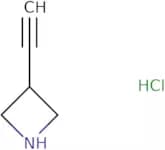
3-Ethynylazetidine hydrochloride
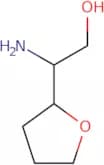
CAS:Versatile small molecule scaffoldFórmula:C5H8ClNPureza:Min. 95%Peso molecular:117.57 g/mol2-Amino-2-(oxolan-2-yl)ethan-1-ol
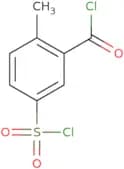
CAS:Versatile small molecule scaffoldFórmula:C6H13NO2Pureza:Min. 95%Peso molecular:131.17 g/mol5-(Chlorosulfonyl)-2-methylbenzoyl chloride
CAS:Versatile small molecule scaffoldFórmula:C8H6Cl2O3SPureza:Min. 95%Peso molecular:253.1 g/mol(4-{4-[4-(Trifluoromethoxy)phenyl]piperidin-1-yl}phenyl)methanamine
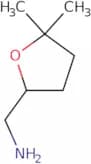
CAS:Versatile small molecule scaffoldFórmula:C19H21F3N2OPureza:Min. 95%Peso molecular:350.4 g/mol(5,5-Dimethyloxolan-2-yl)methanamine
CAS:Versatile small molecule scaffold
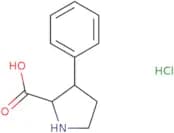
Fórmula:C7H15NOPureza:Min. 95%Peso molecular:129.2 g/mol3-Phenylpyrrolidine-2-carboxylic acid hydrochloride
CAS:Versatile small molecule scaffoldFórmula:C11H14ClNO2Pureza:Min. 95%Peso molecular:227.69 g/mol2-[2-(Trifluoromethyl)phenyl]cycloheptan-1-amine
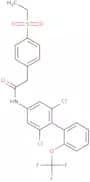
CAS:Versatile small molecule scaffoldFórmula:C14H18F3NPureza:Min. 95%Peso molecular:257.29 g/molGSK805
CAS:GSK805 is a recombinant protein that acts as an inhibitor of the integrin receptor. The protein blocks the binding of the integrin to its ligands, thereby preventing inflammatory and autoimmune diseases by reducing the activation of immune cells. GSK805 has been shown to be effective in animal models of bowel disease and skin cancer. It also inhibits the proliferation of colon cancer cells in vitro and reduces inflammation in bowel disease. GSK805 contains a number of fatty acids, which may have anti-cancer properties.
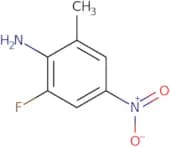
Fórmula:C23H18Cl2F3NO4SPureza:Min. 95%Peso molecular:532.36 g/mol2-Fluoro-6-methyl-4-nitroaniline
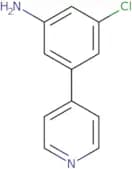
CAS:Versatile small molecule scaffoldFórmula:C7H7FN2O2Pureza:Min. 95%Peso molecular:170.14 g/mol3-Chloro-5-(pyridin-4-yl)aniline
CAS:Versatile small molecule scaffold
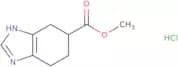
Fórmula:C11H9ClN2Pureza:Min. 95%Peso molecular:204.65 g/molMethyl 4,5,6,7-tetrahydro-1H-1,3-benzodiazole-5-carboxylate hydrochloride
CAS:Versatile small molecule scaffoldFórmula:C9H13ClN2O2Pureza:Min. 95%Peso molecular:216.66 g/mol(1R,8S,9s)-Bicyclo[6.1.0]non-4-yn-9-ylmethyl succinimidyl carbonate
CAS:(1R,8S,9s)-Bicyclo[6.1.0]non-4-yn-9-ylmethyl succinimidyl carbonate is a novel drug that is being researched for use as an anticancer agent. It is a nanocarrier that is able to encapsulate and deliver cancer drugs to the cells of the tumor. The cyclooctyne moiety has been shown to be an effective drug carrier for various drugs and it can be used in combination with other chemotherapeutic agents or radioisotopes. This compound has been shown to be effective against a number of cancer cell lines in vitro and in vivo, including breast, prostate, lung, colon, leukemia, and melanoma cells.
Fórmula:C15H17NO5Pureza:Min. 95%Cor e Forma:PowderPeso molecular:291.3 g/mol1-[4-(Trifluoromethyl)phenyl]-1H-pyrazole-4-carbaldehyde
CAS:Versatile small molecule scaffold
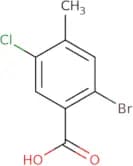
Fórmula:C11H7F3N2OPureza:Min. 95%Peso molecular:240.18 g/mol2-Bromo-5-chloro-4-methylbenzoic acid
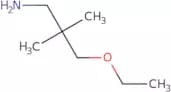
CAS:Versatile small molecule scaffoldFórmula:C8H6BrClO2Pureza:Min. 95%Peso molecular:249.49 g/mol3-Ethoxy-2,2-dimethylpropan-1-amine
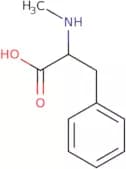
CAS:Versatile small molecule scaffoldFórmula:C7H17NOPureza:Min. 95%Peso molecular:131.22 g/mol2-(Methylamino)-3-phenylpropanoic acid
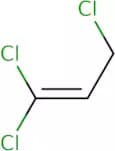
CAS:2-(Methylamino)-3-phenylpropanoic acid is a proton ionophore that inhibits the growth of bacteria by binding to amine groups in cell walls. 2-(Methylamino)-3-phenylpropanoic acid has been shown to inhibit the growth of tumor cells by preventing ATP production. It binds to lysine residues on the bacterial cell wall and blocks the proton channel, which prevents the accumulation of protons inside the cell and leads to a loss of energy production. This agent also inhibits protein synthesis in eukaryotic cells by inhibiting messenger RNA (mRNA) function. 2-(Methylamino)-3-phenylpropanoic acid has been used as a model system to study biochemical properties of amines and tetracycline resistance in corynebacterium glutamicum.Fórmula:C10H13NO2Pureza:Min. 95%Peso molecular:179.22 g/mol1,1,3-Trichloro-1-propene
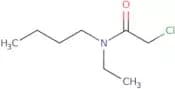
CAS:1,1,3-Trichloro-1-propene is a chlorinated hydrocarbon with a chemical formula of CCCH. It is used in the production of isomers of 1,2-dichloroethane and 1,1-dichloroethene. It has been shown to be genotoxic in vitro. The peroxides and hydrogen chloride produced from this compound are unstable and can lead to carcinogenic effects.Fórmula:C3H3Cl3Pureza:Min. 95%Peso molecular:145.41 g/molN-Butyl-2-chloro-N-ethylacetamide
CAS:Versatile small molecule scaffold
Fórmula:C8H16ClNOPureza:Min. 95%Peso molecular:177.67 g/mol2-Chloro-N-cyclohexyl-N-ethylacetamide
CAS:Versatile small molecule scaffold
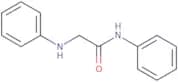
Fórmula:C10H18ClNOPureza:Min. 95%Peso molecular:203.71 g/molN-Phenyl-2-(phenylamino)acetamide
CAS:Versatile small molecule scaffold
Fórmula:C14H14N2OPureza:Min. 95%Peso molecular:226.27 g/mol2-Hydroxybicyclo[3.3.1]nonan-9-one
CAS:Versatile small molecule scaffold
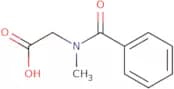
Fórmula:C9H14O2Pureza:Min. 95%Peso molecular:154.21 g/molN-Benzoyl-N-methylglycine
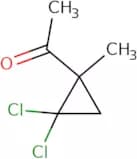
CAS:N-Benzoyl-N-methylglycine is a chemical compound that is used as an intermediate for the production of pharmaceuticals and skin care products. It can be synthesized from hippuric acid or benzoic acid, which are found in urine samples. N-Benzoyl-N-methylglycine has been shown to have a kinetic rate of cleavage of amides with a bond adjacent to the carbonyl group. This compound also has an intermolecular hydrogen bonding interaction with hippuric acid and a transfer reaction with chloride ions. The N-benzoyl derivatives of N-methylglycine can be separated by chromatography into two isomers, one being more reactive than the other. The perchlorates anions can replace the chloride ion in this compound, leading to different profiles and properties.Fórmula:C10H11NO3Pureza:Min. 95%Peso molecular:193.2 g/mol1-(2,2-Dichloro-1-methylcyclopropyl)ethan-1-one
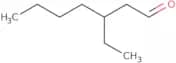
CAS:Versatile small molecule scaffoldFórmula:C6H8Cl2OPureza:Min. 95%Peso molecular:167.03 g/mol3-Ethylheptanal
CAS:Versatile small molecule scaffold
Fórmula:C9H18OPureza:Min. 95%Peso molecular:142.24 g/mol{bicyclo[2.2.2]octan-1-ylmethanol
CAS:Versatile small molecule scaffoldFórmula:C9H16OPureza:Min. 95%Peso molecular:140.23 g/mol(4-Nitrophenyl)-N-benzylformamide
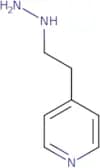
CAS:4-Nitrophenyl-N-benzylformamide is a heterocycle that is a reactive, biomolecular building block with reactive groups. It has been shown to react with primary alcohols and amines to form mesoporous silica materials. This compound reacts with chlorides in the presence of phosphine to form 4-nitrophenylchloroformate. The product is an acylating agent that can react with amides or thiocarbamates to form amide or thiocarbamic esters respectively.Fórmula:C14H12N2O3Pureza:Min. 95%Peso molecular:256.26 g/mol4-(2-Hydrazinylethyl)pyridine
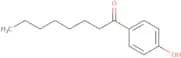
CAS:Versatile small molecule scaffoldFórmula:C7H11N3Pureza:Min. 95%Peso molecular:137.18 g/mol4-Octanoylphenol
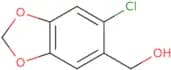
CAS:4-Octanoylphenol is a synthetic compound that binds to the beta subunit of protein kinase C. It is used as a research tool for cell biology, pharmacology, and protein interactions. 4-Octanoylphenol is an activator of ion channels and can be used in the study of ligand-receptor interactions. The antibody cross-reactivity with this product has been shown to be low.Fórmula:C14H20O2Pureza:Min. 95%Peso molecular:220.31 g/mol6-Chloropiperonyl alcohol
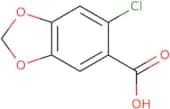
CAS:6-Chloropiperonyl alcohol is a metabolic byproduct of the insecticide 2,4-dimethylbenzyl alcohol and the acid ester of piperonylic acid. It can be found in urine. 6-Chloropiperonyl alcohol is a metabolite of a variety of drugs including acetaminophen, chloramphenicol, ethionamide, and nitrofurantoin. 6-Chloropiperonyl alcohol also has an insecticidal effect as it disrupts the insect's nervous system by inhibiting acetylcholinesterase in the insect's body.Fórmula:C8H7ClO3Pureza:Min. 95%Peso molecular:186.59 g/mol6-Chloro-1,3-dioxaindane-5-carboxylic acid
CAS:Versatile small molecule scaffold
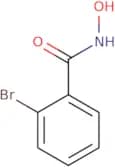
Fórmula:C8H5ClO4Pureza:Min. 95%Peso molecular:200.57 g/mol2-Bromo-N-hydroxybenzamide
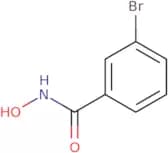
CAS:Versatile small molecule scaffoldFórmula:C7H6BrNO2Pureza:Min. 95%Peso molecular:216.03 g/mol3-Bromo-N-hydroxybenzamide
CAS:3-Bromo-N-hydroxybenzamide is an extractive that is used as a solvent. It has been shown to have a high absorptivity, which makes it useful for spectrophotometric measurements of toluene. 3-Bromo-N-hydroxybenzamide also chelates metals and can be used in the spectrophotometric determination of metal ions.
Fórmula:C7H6BrNO2Pureza:Min. 95%Peso molecular:216.03 g/molN-Hydroxy-4-iodobenzamide
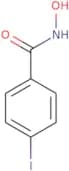
CAS:N-Hydroxy-4-iodobenzamide is a hydroxamic acid that is used in organic synthesis for the formation of alkenylations, carboxylates and amides. It reacts with formamide to yield formyl groups. The activated hydroxamic acid undergoes reductive elimination to produce an amine group. N-Hydroxy-4-iodobenzamide has been shown to react with biomolecules such as proteins and nucleic acids. Mechanistic studies have shown that this reaction proceeds through a formyl intermediate, which can be reduced by formaldehyde or sodium borohydride.
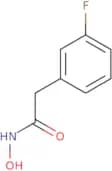
Fórmula:C7H6INO2Pureza:Min. 95%Peso molecular:263.03 g/mol2-(3-Fluorophenyl)-N-hydroxyacetamide
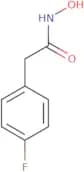
CAS:Versatile small molecule scaffoldFórmula:C8H8FNO2Pureza:Min. 95%Peso molecular:169.15 g/mol2-(4-Fluorophenyl)-N-hydroxyacetamide
CAS:Versatile small molecule scaffold
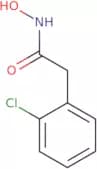
Fórmula:C8H8FNO2Pureza:Min. 95%Peso molecular:169.15 g/mol2-(2-Chlorophenyl)-N-hydroxyacetamide
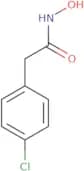
CAS:Versatile small molecule scaffoldFórmula:C8H8ClNO2Pureza:Min. 95%Peso molecular:185.61 g/mol2-(4-Chlorophenyl)-N-hydroxyacetamide
CAS:Versatile small molecule scaffold
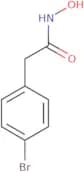
Fórmula:C8H8ClNO2Pureza:Min. 95%Peso molecular:185.61 g/mol2-(4-Bromophenyl)-N-hydroxyacetamide
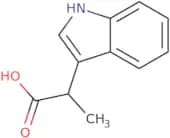
CAS:Versatile small molecule scaffoldFórmula:C8H8BrNO2Pureza:Min. 95%Peso molecular:230.06 g/mol2-(1H-Indol-3-yl)propanoic acid
CAS:2-(1H-Indol-3-yl)propanoic acid is a chemical that is a derivative of indole-3-acetic acid. It is used as an additive in cosmetics and hair products to impart color.
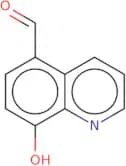
Fórmula:C11H11NO2Pureza:Min. 95%Peso molecular:189.21 g/mol8-hydroxy-quinoline-5-carbaldehyde
CAS:8-hydroxy-quinoline-5-carbaldehyde (8HQ) is a quinoline derivative that can bind to metal ions. It has antiviral properties and can be used to treat HIV, Hepatitis B and C, as well as influenza. 8HQ is synthesized by the reaction of sodium salts and 5-hydroxy-2,4-quinolinediol in aqueous solution at pH 11. The reactants are coordinated with the metal ion before the addition of trifluoroacetic acid. Computational methods have been employed to study this process.
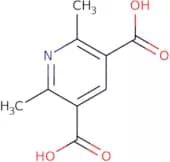
Fórmula:C10H7NO2Pureza:Min. 95%Peso molecular:173.17 g/mol2,6-Dimethylpyridine-3,5-dicarboxylic acid
CAS:2,6-Dimethylpyridine-3,5-dicarboxylic acid is a stabilizer that can be used to stabilize peptidomimetic molecules. It has been shown to be effective in the stabilization of peptides and proteins. The stability of 2,6-dimethylpyridine-3,5-dicarboxylic acid is due to its ability to form hydrogen bonds with neighboring molecules. This compound also has the ability to chelate metals such as copper and zinc. 2,6-Dimethylpyridine-3,5-dicarboxylic acid has been shown to inhibit syneresis in aqueous systems which may be due to its ability to form hydrogen bonds with water molecules. 2,6-Dimethylpyridine-3,5-dicarboxylic acid has also been found to have diffraction patterns that are similar to those of cellulose acetate butyl etherFórmula:C9H9NO4Pureza:Min. 95%Peso molecular:195.17 g/mol[(2-Fluorophenyl)sulfanyl]formonitrile
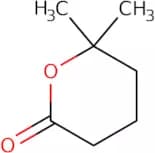
CAS:Versatile small molecule scaffoldFórmula:C7H4FNSPureza:Min. 95%Peso molecular:153.18 g/mol6,6-Dimethyloxan-2-one
CAS:6,6-Dimethyloxan-2-one is a chemical compound that has been shown to have anti-inflammatory properties. It does this by inhibiting the production of prostaglandins. This compound has also been shown to inhibit the growth of bacteria and fungi. Telomeres are protein structures located at the end of chromosomes that protect the chromosome from degradation. 6,6-Dimethyloxan-2-one is found in telomeres and may be involved in the protection of these structures. Telomeres are important for protecting cells and preventing them from becoming cancerous or dying prematurely. The mechanism by which 6,6-Dimethyloxan-2-one inhibits bacterial growth is not yet fully understood but it may involve its ability to bind to ligands and c–h bonds on bacterial cell membranes. It is also believed that this compound can bind to rotigotine, which is a dopamine receptor agonist used in Parkinson's disease treatment, and may have an
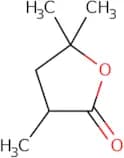
Fórmula:C7H12O2Pureza:Min. 95%Peso molecular:128.17 g/mol3,5,5-Trimethyloxolan-2-one
CAS:Versatile small molecule scaffoldFórmula:C7H12O2Pureza:Min. 95%Peso molecular:128.17 g/mol2-Benzylpropane-1,3-diol
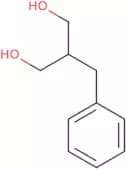
CAS:2-Benzylpropane-1,3-diol is an intermediate in the synthesis of desymmetrization. It can be used to synthesize β-amino acids by acetylation and chemoenzymatic methods. The binding constants for 2-benzylpropane-1,3-diol with porcine pancreatic lipase were determined using a kinetic study. A molecular modeling study was conducted to gain insight into the binding properties of 2-benzylpropane-1,3-diol with porcine pancreatic lipase. The molecular modeling study revealed that 2-benzylpropane-1,3-diol binds to the active site of porcine pancreatic lipase and stabilizes the enzyme's structure.Fórmula:C10H14O2Pureza:Min. 95%Peso molecular:166.22 g/mol4-Chloro-2,5-difluorophenylamine
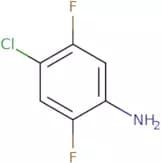
CAS:Versatile small molecule scaffold
Fórmula:C6H4ClF2NPureza:Min. 95%Peso molecular:163.55 g/molSorbic Chloride
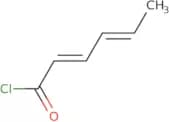
CAS:Sorbic acid is a fatty acid that is used as an antimicrobial agent in the food industry to inhibit mold and yeast growth. It also has the ability to absorb ultraviolet light, which can be used in coatings or polymers. Sorbic acid can be synthesized from hexanoic anhydride and chlorine. It reacts with glycol ethers, which are active substances that react with polyvinyl chloride and methyl ethyl acrylate to form coatings or polymers that have a high resistance to moisture and light. The hydroxyl group on sorbic acid reacts with unsaturated fatty acids to form esters, which are active substances that can be used as paint additives or plasticizers for coatings.
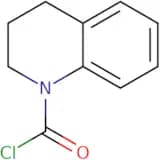
Fórmula:C6H7ClOPureza:Min. 95%Peso molecular:130.57 g/mol1,2,3,4-Tetrahydroquinoline-1-carbonyl chloride
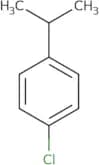
CAS:Versatile small molecule scaffoldFórmula:C10H10ClNOPureza:Min. 95%Peso molecular:195.64 g/mol1-Chloro-4-(propan-2-yl)benzene
CAS:1-Chloro-4-(propan-2-yl)benzene is a halogenated aromatic hydrocarbon that is used as a reactant in the production of benzoyl peroxide. It undergoes halogenation with chlorine gas to produce alkyl groups and then undergoes an oxidation reaction to form the final product. The use of 1-chloro-4-(propan-2-yl)benzene has been shown to preferentially produce the isomeric mixture, which contains more of the desired 3,5,6-trichlorobenzoyl peroxide than other products.Fórmula:C9H11ClPureza:Min. 95%Peso molecular:154.63 g/molEthyl 7-amino-2-methylpyrazolo[1,5-a]pyrimidine-6-carboxylate
CAS:Versatile small molecule scaffoldFórmula:C10H12N4O2Pureza:Min. 95%Peso molecular:220.23 g/mol2-Phenylpentanedioic acid
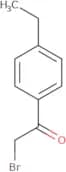
CAS:Versatile small molecule scaffoldFórmula:C11H12O4Pureza:Min. 95%Peso molecular:208.21 g/mol2-Bromo-1-(4-ethylphenyl)ethanone
CAS:Versatile small molecule scaffoldFórmula:C10H11BrOPureza:Min. 95%Peso molecular:227.1 g/mol2-Bromo-1-(3,4-dimethylphenyl)ethanone
CAS:2-Bromo-1-(3,4-dimethylphenyl)ethanone is a compound that belongs to the group of thiazole derivatives. It has been used as a reagent in potassium cyanide synthesis and as an intermediate in the production of 2-bromo-1-(3,4-dimethylphenyl)ethanol. The molecular weight was determined by elemental analysis, which showed the formula to be C9H10BrNO2. The substance is not soluble in water but is soluble in ethanol and ether. This compound has also been shown to react with elemental potassium to produce hydrogen bromide gas and potassium bromide crystals.Fórmula:C10H11BrOPureza:Min. 95%Peso molecular:227.1 g/mol4-Ethenylbenzene-1-sulfonyl chloride
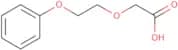
CAS:4-Ethenylbenzene-1-sulfonyl chloride is an organic compound that contains a sulfonyl chloride functional group. It is used as a polymerization initiator in the synthesis of polyvinyl chloride. 4-Ethenylbenzene-1-sulfonyl chloride reacts with sodium hydroxide solution to form sodium sulfonate, which can then be reacted with vinyl chloride to produce polyvinyl chloride. The structure of 4-ethenylbenzene-1-sulfonyl chloride has been determined by FTIR spectroscopy and NMR spectroscopy. This compound hydrolyzes in water to form hydrochloric acid and its conjugate base, which is the monosodium salt of the carboxylic acid. 4-Ethenylbenzene-1-sulfonyl chloride has high transport properties in water because it is a strong electrolyte and has high solubility in waterFórmula:C8H7ClO2SPureza:Min. 95%Peso molecular:202.66 g/mol2-(2-Phenoxyethoxy)acetic acid
CAS:Versatile small molecule scaffold
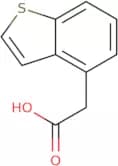
Fórmula:C10H12O4Pureza:Min. 95%Peso molecular:196.2 g/mol2-(1-Benzothiophen-4-yl)acetic acid
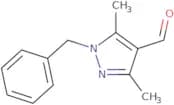
CAS:2-(1-Benzothiophen-4-yl)acetic acid (2BA) is a phenoxy compound that has been isolated from a variety of plants. It is also found in coal tar and oil shale. 2BA has a high activity against bacteria, fungi and viruses, but its toxicity to humans is not well understood. 2BA has shown to have antibacterial properties which may be due to the inhibitory effects on bacterial DNA gyrase and topoisomerase IV. It also inhibits the production of nitric oxide by inhibiting the activation of inducible nitric oxide synthase (iNOS). This compound is also used as an intermediate for the synthesis of other chemicals such as salicylic acid or cinnamic acid. The chemical structure of 2BA consists of a benzene ring with two hydroxyl groups, a carboxylic acid group, and an ester linkage. END>Fórmula:C10H8O2SPureza:Min. 95%Peso molecular:192.24 g/mol1-Benzyl-3,5-dimethyl-1H-pyrazole-4-carbaldehyde
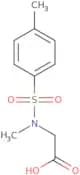
CAS:Versatile small molecule scaffoldFórmula:C13H14N2OPureza:Min. 95%Peso molecular:214.26 g/mol2-(N-Methyl4-methylbenzenesulfonamido)acetic acid
CAS:2-(N-Methy4-methylbenzenesulfonamido)acetic acid is a chiral amide that can be used to prepare enantiomerically enriched olefins. It is used in the asymmetric acylation of olefins and has been shown to form cyclobutanones with high stereoselectivity. 2-(N-Methyl4-methylbenzenesulfonamido)acetic acid can also be used for the preparation of vicinal adducts and hydrolysis products of this compound.Fórmula:C10H13NO4SPureza:Min. 95%Peso molecular:243.28 g/molPR-619
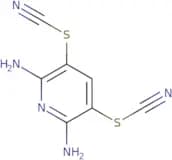
CAS:PR-619 is a small molecule that inhibits the ubiquitin ligases Nedd4 and HECTD1, leading to the activation of autophagy. PR-619 also inhibits protease activity in cancer cells. It has been shown to specifically target microbial infections such as tuberculosis and malaria. PR-619 has shown promise for treating urothelial carcinoma, heparin-induced thrombocytopenia, mesenchymal markers, and body formation.
Fórmula:C7H5N5S2Pureza:Min. 95%Peso molecular:223.28 g/mol3-Amino-1-(4-bromophenyl)urea
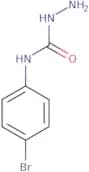
CAS:3-Amino-1-(4-bromophenyl)urea (3ABPU) is a phenylurea compound that has been shown to have broad-spectrum pharmacological properties. 3ABPU is a potent inhibitor of tetrazole, which is involved in the synthesis of DNA and RNA. This inhibition results in an increase in the number of cells with chromosomal aberrations. 3ABPU also inhibits isatin, which is involved in the synthesis of protein and nucleic acid. It has been shown to be effective against carbamazepine and phenobarbital, two drugs used for the treatment of epilepsy and seizures. 3ABPU has also been shown to have anticonvulsant effects when administered intraperitoneally or orally. 3ABPU has been shown to cause neurotoxicity when given intraperitoneally, but not orally. Pharmacokinetic studies have indicated that it can be detected in cerebrospinal fluid following intraperitoneFórmula:C7H8N3OBrPureza:Min. 95%Peso molecular:230.06 g/mol3-Ethoxy-4-methoxybenzoic acid
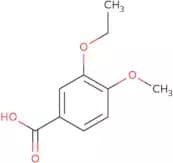
CAS:Versatile small molecule scaffoldFórmula:C10H12O4Pureza:Min. 95%Peso molecular:196.2 g/mol2-Chloro-N-methyl-N-(4-nitrophenyl)acetamide
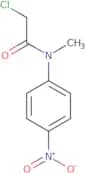
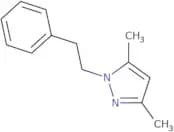
CAS:2-Chloro-N-methyl-N-(4-nitrophenyl)acetamide is used as a reagent in the synthesis of Nintedanib. It is a chlorinated compound that can be produced by chlorination in the presence of acylating agents. The target product of this reaction is acetamide, which is formed when the reagent reacts with an amine. This reaction can take place at room temperature and the condition for this reaction is a nonpolar solvent.Fórmula:C9H9ClN2O3Pureza:Min. 95%Peso molecular:228.63 g/mol3,5-Dimethyl-1-(2-phenylethyl)-1H-pyrazole
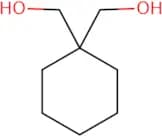
CAS:Produto ControladoVersatile small molecule scaffoldFórmula:C13H16N2Pureza:Min. 95%Peso molecular:200.28 g/mol1,1-Cyclohexanedimethanol
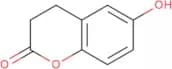
CAS:1,1-Cyclohexanedimethanol is a preservative that is used in polyurethane coatings. 1,1-Cyclohexanedimethanol is an antimicrobial agent and can be used as an additive to inhibit microbial growth. It also has the ability to react with epoxy resins to form a protective coating that resists corrosion. This chemical has been shown to be effective against many microbes including fungi and bacteria. The antimicrobial properties of 1,1-cyclohexanedimethanol are due to its acidic nature which inhibits microbial growth by disrupting microbial membranes.Fórmula:C8H16O2Pureza:Min. 95%Peso molecular:144.21 g/mol6-Hydroxy-3,4-dihydro-2H-1-benzopyran-2-one
CAS:Versatile small molecule scaffold
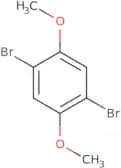
Fórmula:C9H8O3Pureza:Min. 95%Peso molecular:164.16 g/mol1,4-Dibromo-2,5-dimethoxybenzene
CAS:1,4-Dibromo-2,5-dimethoxybenzene is a gas sensor that has been shown to have high sensitivity for hydrogen peroxide and chlorine. It is also a good candidate for the detection of amines. The polymer film has been demonstrated to be sensitive to frequencies in the ultraviolet region. This compound was synthesized by the cross-coupling reaction between 1,4-dibromo-2,5-dimethoxybenzene and aniline using palladium catalyst. It can be used as a chiral building block for natural compounds and can be used in synthetic applications due to its morphology.Fórmula:C8H8Br2O2Pureza:Min. 95%Peso molecular:295.96 g/molChloroneb
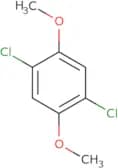
CAS:Chloroneb is a fungicide that belongs to the benzimidazole derivative class of chemical substances. Chloroneb is used to control diseases caused by fungi in animals, plants, and humans. Chloroneb has been shown to be effective against resistant mutants of the bacteria Ureaplasma urealyticum. The mechanism of action for chloroneb is not well understood but it may involve inhibition of mitochondrial cytochrome C oxidase. This drug also has an effect on wild-type strains of bacteria such as Staphylococcus aureus and Bacillus cereus. Chloroneb is rapidly excreted in urine samples and can be detected in blood plasma for up to 12 hours after administration.Fórmula:C8H8Cl2O2Pureza:Min. 95%Peso molecular:207.05 g/mol2-Benzoylfuran
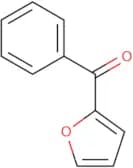
CAS:2-Benzoylfuran is a heterocycle with the formula C8H6O. It is an aromatic hydrocarbon that can be found in coal tar. 2-Benzoylfuran is used as a starting material for the synthesis of other compounds, including pharmaceuticals and pesticides. The molecule has been shown to have anti-apoptotic effects in cells, which may be due to its ability to inhibit reactive oxygen species (ROS) production or activation of caspases. 2-Benzoylfuran also has kinetic properties that are dependent on temperature and pH, which means it will react differently at different conditions. 2-Benzoylfuran is often used as an intermediate in cross-coupling reactions, which are chemical reaction where two nucleophiles are brought together by a metal catalyst to form new bonds.Fórmula:C11H8O2Pureza:Min. 95%Peso molecular:172.18 g/mol4-formyl-2-methoxy-3-nitrophenyl acetate
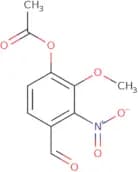
CAS:Versatile small molecule scaffoldFórmula:C10H9NO6Pureza:Min. 95%Peso molecular:239.18 g/mol3-Methoxycyclohexene
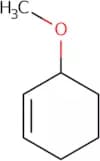
CAS:3-Methoxycyclohexene is a magnetic resonance spectroscopy probe that reacts with peroxides, hydrogen chloride, and hydrogen fluoride. It has been shown to react with nucleophilic groups such as amides and methoxy groups. 3-Methoxycyclohexene has been used as a reactive intermediate in the synthesis of polymers and other organic compounds. 3-Methoxycyclohexene also reacts with boron nitride to form the compound 3-methoxycyclohexenyl boron nitride. This reaction proceeds through an initial nucleophilic attack on the boron nitride molecule followed by a substitution reaction that leads to formation of the desired product.
3-Methoxycyclohexene is a colorless liquid with a boiling point of 98°C and a melting point of -78°C. The molecular formula is C8H12O2 and its molecular weight is 136.17 g/Fórmula:C7H12OPureza:Min. 95%Peso molecular:112.17 g/mol2-[(4-Nitrophenyl)methylene]malononitrile
CAS:2-[(4-Nitrophenyl)methylene]malononitrile (NPM) is an aldehyde that has been shown to be cytotoxic against hepg2 cells and induce apoptosis in these cells. NPM also inhibits the production of urea nitrogen and aldehydes by intestinal tissues. It has been shown to inhibit the growth of cisplatin-induced nephrotoxicity in rats, which may be due to its ability to reduce serum levels of hydrogen bond and inhibitory potency. NPM has also been found to have anti-cancer activity against different types of cancer cells in vitro. In particular, it inhibits the growth of ovarian cancer cells by inducing apoptosis and inhibiting the proliferation of these cells.Fórmula:C10H5N3O2Pureza:Min. 95%Peso molecular:199.17 g/mol6²-Methoxy-2²-propiononaphthone
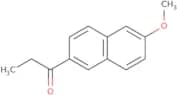
CAS:6²-Methoxy-2²-propiononaphthone is a drug that binds to the α1-acid glycoprotein, which is found in human serum and may be used as a cancer indicator. It has been shown to bind to copper chloride, which can be used as a reaction vessel. The synthetic process of 6²-Methoxy-2²-propiononaphthone involves the oxidation of naphthalene with copper chloride in the presence of an acid. This chemical reaction produces a number of products, including 6²-methoxy-2²-propiononaphthone. The drug has been shown to have an effect on cancer cells by binding to them and inhibiting their growth. In addition, 6²-methoxy-2²-propiononaphthone inhibits the production of diazepam in rats and may also be used for diagnosis of cancer or other diseases.Fórmula:CH3OC10H6COC2H5Pureza:Min. 95%Peso molecular:214.26 g/mol2-methyl-2-(trifluoroacetamido)propanoic Acid
CAS:Versatile small molecule scaffoldFórmula:C6H8NO3F3Pureza:Min. 95%Peso molecular:199.12 g/mol2-[3-(Trifluoromethyl)phenyl]cyclopropan-1-amine hydrochloride
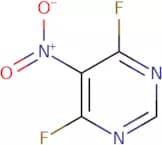
CAS:Versatile small molecule scaffoldFórmula:C10H11ClF3NPureza:Min. 95%Peso molecular:237.65 g/mol4,6-Difluoro-5-nitropyrimidine
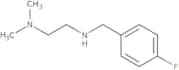
CAS:Versatile small molecule scaffoldFórmula:C4HF2N3O2Pureza:Min. 95%Peso molecular:161.07 g/molN'-(4-Fluoro-benzyl)-N,N-dimethyl-ethane-1,2-diamine
CAS:Versatile small molecule scaffoldFórmula:C11H17FN2Pureza:Min. 95%Peso molecular:196.27 g/mol9-Ethyladenine
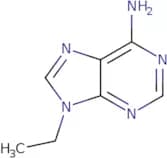
CAS:9-Ethyladenine is a molecule that belongs to the group of p2 type hydrogen bond. It has been shown to form intermolecular hydrogen bonds with other molecules, such as DNA and proteins. 9-Ethyladenine can also form intramolecular hydrogen bonds within its own structure. A number of crystal structures have been determined for 9-Ethyladenine and it has been shown to have an x-ray crystallographic symmetry. 9-Ethyladenine has shown that it is capable of repairing damaged DNA by interacting with the adenosine receptor, which may be due to its ability to bind with a specific region on the receptor.Fórmula:C7H9N5Pureza:Min. 95%Peso molecular:163.18 g/mol[Pentakis(hydroxymethyl)phenyl]methanol
CAS:Pentakis(hydroxymethyl)phenyl]methanol is a synthetic fatty acid with the formula CH(CHOH)(CHOH). It can be synthesized by reacting two molecules of formaldehyde with one molecule of sorbitol. Pentakis(hydroxymethyl)phenyl]methanol has been found to be an antioxidant compound that also has the ability to inhibit polyester formation. This compound can act as a radially symmetric trimer, which is a molecule that consists of three identical monomers that are bonded together at 120° intervals.Fórmula:C12H18O6Pureza:Min. 95%Peso molecular:258.27 g/molBicyclo[2.2.2]octan-2-one
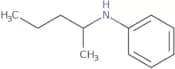
CAS:Bicyclo[2.2.2]octan-2-one is an enolate that can be synthesized by the acetylation of ketones or by the reaction of nitrite ion with aldehydes. This compound has been shown to undergo stereoselective reactions, including borohydride reduction and carbonyl group activation. The bicyclic skeleton of this molecule is asymmetric, which allows for the synthesis of two different enolates. Bicyclo[2.2.2]octan-2-one predominately exists in its keto form, but does exist as a diketone under certain conditions. When exposed to light, bicyclo[2.2.2]octan-2-one will undergo photoelectron transfer from the carbonyl groups to produce an intramolecular hydrogen bond between the carbonyl oxygen and the hydroxyl oxygen of neighboring molecules, making it predominately a dikFórmula:C8H12OPureza:Min. 95%Peso molecular:124.18 g/molN-(Pentan-2-yl)aniline
CAS:Versatile small molecule scaffold
Fórmula:C11H17NPureza:Min. 95%Peso molecular:163.26 g/mol{Imidazo[1,2-a]pyridin-3-ylmethyl}trimethylazanium iodide
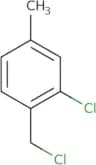
CAS:Versatile small molecule scaffoldFórmula:C11H16IN3Pureza:Min. 95%Peso molecular:317.17 g/mol2-Chloro-1-(chloromethyl)-4-methylbenzene
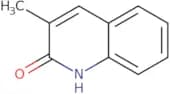
CAS:2-Chloro-1-(chloromethyl)-4-methylbenzene is an industrial chemical that belongs to the class of quaternary ammonium compounds. It is a monomer that can be used in the production of alkali-resistant polymers and synthetic fibers. 2-Chloro-1-(chloromethyl)-4-methylbenzene reacts with alkalis to form a quaternary ammonium salt, which catalyzes the elimination of water from other molecules. This reaction can be used to synthesize many organic compounds that are not readily available commercially.Fórmula:C8H8Cl2Pureza:Min. 95%Peso molecular:175.05 g/mol3-Methyl-1,2-dihydroquinolin-2-one
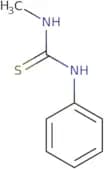
CAS:3-Methyl-1,2-dihydroquinolin-2-one is a synthetic molecule with a molecular weight of 198.3. This compound has not yet been researched to the extent that it has been patented and assigned a chemical name. It is a diazine derivative, containing two benzyl groups and two chlorine atoms, which are connected by an intramolecular bond. The compound is soluble in dimethylsulphoxide and insoluble in water. 3-Methyl-1,2-dihydroquinolin-2-one is used in the synthesis of benzodiazines and other compounds.Fórmula:C10H9NOPureza:Min. 95%Peso molecular:159.18 g/mol1-Methyl-3-phenyl thiourea
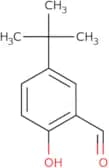
CAS:1-Methyl-3-phenyl thiourea is a homologous compound that has been shown to produce an increase in cerebral blood flow and a decrease in hematocrit. 1-Methyl-3-phenyl thiourea also has an empirically derived rat dose, which is 100 mg/kg. This drug has been shown to produce dihedral angles of approximately 180 degrees and unsymmetrical conformation. 1-Methyl-3-phenyl thiourea is a good example of a molecule with centrosymmetrical conformation.Fórmula:C8H10N2SPureza:Min. 95%Peso molecular:166.24 g/mol5-tert-Butyl-2-hydroxybenzaldehyde
CAS:5-tert-Butyl-2-hydroxybenzaldehyde is a synthetic compound that has been used in wastewater treatment. It is a hydrogen donor, which helps to remove organic matter and other contaminants from wastewater. The hydrogen bonding properties of 5-tert-Butyl-2-hydroxybenzaldehyde have been studied systematically using hydrogen chloride and hydrogen ions. This compound reacts with the acidic ph, removing hydrogen ions and forming chloride. The fluorescence lifetimes of this compound have been shown to vary with structural changes. Oxidation products of 5-tert-Butyl-2-hydroxybenzaldehyde have also been synthesized, studied crystallographically, and structurally characterized.
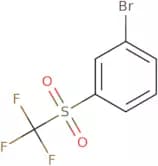
Fórmula:C11H14O2Pureza:Min. 95%Peso molecular:178.23 g/mol1-Bromo-3-((trifluoromethyl)sulfonyl)benzene
CAS:Versatile small molecule scaffold
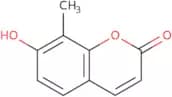
Fórmula:C7H4BrF3O2SPureza:Min. 95%Peso molecular:289.07 g/mol7-Hydroxy-8-methyl-2H-1-benzopyran-2-one
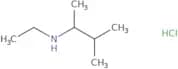
CAS:The 7-hydroxy-8-methyl-2H-1-benzopyran-2-one is a fluorescent probe that is used in the imaging of DNA and RNA. It has been shown to bind to nucleic acids with high affinity, and can be used to identify the location of specific sequences on DNA or RNA. The fluorescence of this probe can be detected using a microscope, which makes it useful for identifying specific regions of DNA or RNA.Fórmula:C10H8O3Pureza:Min. 95%Peso molecular:176.17 g/molEthyl(3-methylbutan-2-yl)amine hydrochloride
CAS:Versatile small molecule scaffold
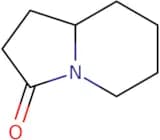
Fórmula:C7H18ClNPureza:Min. 95%Peso molecular:151.68 g/molOctaahydro-indolizin-3-one
CAS:Octahydro-indolizin-3-one is a peptidomimetic with a hypervalent structure. It has been shown to bind to the pancreatic enzyme cck-a with high affinity, and it can inhibit the production of proinflammatory cytokines. Octahydro-indolizin-3-one has also been shown to be selective for the receptor subtype that binds amido groups, which is important for its activity. This compound also shows stereoselectivity in binding to ornithine, which may be responsible for its biological activities.Fórmula:C8H13NOPureza:Min. 95%Peso molecular:139.19 g/mol2-Chlorophenyl Isothiocyanate
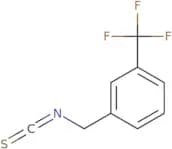
CAS:2-Chlorophenyl Isothiocyanate is a molecule that has been shown to have cytotoxic activity against cancer cells. It is believed to work by inducing apoptosis and modulating the expression of certain genes. 2-Chlorophenyl Isothiocyanate has also been shown to induce cell death in fibroblast cells, which may be due to its ability to polarize these cells and cause them to become more susceptible to oxidative stress. It also has the ability to react with DNA via a dihedral mechanism. The thermodynamic data for this compound are high, as it can form strong hydrogen bonds and hydrophilic interactions with water molecules. This molecule also contains functional groups such as carbonyl and thiocarbonyl, which are reactive in biological systems. 2-Chlorophenyl Isothiocyanate's reaction mechanism is believed to involve electron transfer from an electron rich site on the molecule (such as a carbonyl)Fórmula:C7H4ClNSPureza:Min. 95%Peso molecular:169.63 g/mol1-(Isothiocyanatomethyl)-3-(trifluoromethyl)benzene
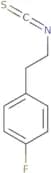
CAS:Versatile small molecule scaffoldFórmula:C9H6F3NSPureza:Min. 95%Peso molecular:217.21 g/mol1-Fluoro-4-(2-isothiocyanatoethyl)benzene
CAS:Versatile small molecule scaffold
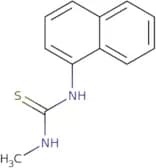
Fórmula:C9H8FNSPureza:Min. 95%Peso molecular:181.23 g/mol3-Methyl-1-(naphthalen-1-yl)thiourea
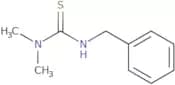
CAS:Versatile small molecule scaffoldFórmula:C12H12N2SPureza:Min. 95%Peso molecular:216.3 g/mol1-Benzyl-3,3-dimethylthiourea
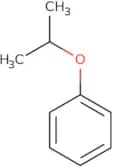
CAS:Versatile small molecule scaffoldFórmula:C10H14N2SPureza:Min. 95%Peso molecular:194.3 g/molIsopropoxybenzene
CAS:Isopropoxybenzene is an organic compound that belongs to the group of alkynylbenzenes. It is synthesized from ethyl diazoacetate and a terminal alkoxybenzene in the presence of a Friedel-Crafts catalyst. Isopropoxybenzene has been found to have potent anti-inflammatory effects and can be used for the treatment of bowel disease, such as ulcerative colitis. The biological properties of isopropoxybenzene are related to its ability to act as a potent antagonist of chloride channels. Isopropoxybenzene also has the potential to inhibit production of inflammatory factors by reducing oxidative stress in cells.Fórmula:C9H12OPureza:Min. 95%Peso molecular:136.19 g/mol2-(2-Amino-1-hydroxyethyl)furan
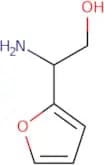
CAS:Versatile small molecule scaffoldFórmula:C6H9NO2Pureza:Min. 95%Peso molecular:127.14 g/mol2-Amino-2-(furan-2-yl)ethan-1-ol
CAS:Versatile small molecule scaffoldFórmula:C6H9NO2Pureza:Min. 95%Peso molecular:127.14 g/mol4-(Adamantan-1-ylmethyl)-1,3-thiazol-2-amine
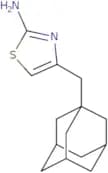
CAS:Versatile small molecule scaffold
Fórmula:C14H20N2SPureza:Min. 95%Peso molecular:248.39 g/mol4-(3-Chloro-adamantan-1-yl)-thiazol-2-ylamine
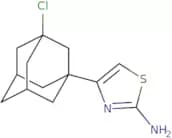
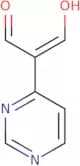
CAS:Versatile small molecule scaffoldFórmula:C13H17ClN2SPureza:Min. 95%Peso molecular:268.81 g/mol2-(4-Pyrimidyl)malondialdehyde
CAS:Versatile small molecule scaffoldFórmula:C7H6N2O2Pureza:Min. 95%Peso molecular:150.14 g/mol

![(4-{4-[4-(Trifluoromethoxy)phenyl]piperidin-1-yl}phenyl)methanamine](/_next/image/?url=https%3A%2Fstatic.cymitquimica.com%2Fproducts%2F3D%2Fthumb-webp%2FBHC52069.webp&w=3840&q=75)
![2-[2-(Trifluoromethyl)phenyl]cycloheptan-1-amine](/_next/image/?url=https%3A%2Fstatic.cymitquimica.com%2Fproducts%2F3D%2Fthumb-webp%2FBHC65441.webp&w=3840&q=75)
![(1R,8S,9s)-Bicyclo[6.1.0]non-4-yn-9-ylmethyl succinimidyl carbonate](/_next/image/?url=https%3A%2Fstatic.cymitquimica.com%2Fproducts%2F3D%2Fthumb-webp%2FBHC82779.webp&w=3840&q=75)
![1-[4-(Trifluoromethyl)phenyl]-1H-pyrazole-4-carbaldehyde](/_next/image/?url=https%3A%2Fstatic.cymitquimica.com%2Fproducts%2F3D%2Fthumb-webp%2FBHC83032.webp&w=3840&q=75)

![2-Hydroxybicyclo[3.3.1]nonan-9-one](/_next/image/?url=https%3A%2Fstatic.cymitquimica.com%2Fproducts%2F3D%2Fthumb-webp%2FCAA56821.webp&w=3840&q=75)
![{bicyclo[2.2.2]octan-1-ylmethanol](/_next/image/?url=https%3A%2Fstatic.cymitquimica.com%2Fproducts%2F3D%2Fthumb-webp%2FCAA57442.webp&w=3840&q=75)
![[(2-Fluorophenyl)sulfanyl]formonitrile](/_next/image/?url=https%3A%2Fstatic.cymitquimica.com%2Fproducts%2F3D%2Fthumb-webp%2FCAA60531.webp&w=3840&q=75)
![Ethyl 7-amino-2-methylpyrazolo[1,5-a]pyrimidine-6-carboxylate](/_next/image/?url=https%3A%2Fstatic.cymitquimica.com%2Fproducts%2F3D%2Fthumb-webp%2FCAA62758.webp&w=3840&q=75)


![2-[(4-Nitrophenyl)methylene]malononitrile](/_next/image/?url=https%3A%2Fstatic.cymitquimica.com%2Fproducts%2F3D%2Fthumb-webp%2FCAA70023.webp&w=3840&q=75)

![2-[3-(Trifluoromethyl)phenyl]cyclopropan-1-amine hydrochloride](/_next/image/?url=https%3A%2Fstatic.cymitquimica.com%2Fproducts%2F3D%2Fthumb-webp%2FCAA71156.webp&w=3840&q=75)
![[Pentakis(hydroxymethyl)phenyl]methanol](/_next/image/?url=https%3A%2Fstatic.cymitquimica.com%2Fproducts%2F3D%2Fthumb-webp%2FCAA71591.webp&w=3840&q=75)
![Bicyclo[2.2.2]octan-2-one](/_next/image/?url=https%3A%2Fstatic.cymitquimica.com%2Fproducts%2F3D%2Fthumb-webp%2FCAA71623.webp&w=3840&q=75)
![{Imidazo[1,2-a]pyridin-3-ylmethyl}trimethylazanium iodide](/_next/image/?url=https%3A%2Fstatic.cymitquimica.com%2Fproducts%2F3D%2Fthumb-webp%2FCAA71791.webp&w=3840&q=75)