Building Blocks
Esta seção contém produtos fundamentais para a síntese de compostos orgânicos e biológicos. Building blocks são os materiais de partida essenciais usados para construir moléculas complexas através de várias reações químicas. Eles desempenham um papel crítico na descoberta de medicamentos, ciência dos materiais e pesquisa química. Na CymitQuimica, oferecemos uma ampla gama de building blocks de alta qualidade para apoiar suas pesquisas inovadoras e projetos industriais, garantindo que você tenha os componentes essenciais para uma síntese bem-sucedida.
Subcategorias de "Building Blocks"
- Ácidos Borónicos e Derivados de Ácido Borónico(5.778 produtos)
- Building Blocks Quirais(1.243 produtos)
- Building Blocks Hidrocarbonetos(6.098 produtos)
- Building Blocks orgânicos(61.046 produtos)
Foram encontrados 203857 produtos de "Building Blocks"
Ordenar por
Pureza (%)
0
100
|
0
|
50
|
90
|
95
|
100
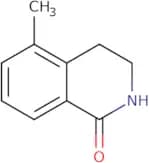
5-Methyl-3,4-dihydroisoquinolin-1(2H)-one
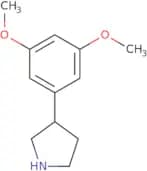
CAS:5-Methyl-3,4-dihydroisoquinolin-1(2H)-one is a detectable compound that is found in adventitia. It has been shown to have polymerase activity and can be used to inhibit restenosis following angioplasty. 5-Methyl-3,4-dihydroisoquinolin-1(2H)-one inhibits the proliferation of vascular smooth muscle cells by inhibiting the synthesis of phosphoenolpyruvate, which is an important substrate for cellular respiration. This drug also inhibits cellular proliferation and neointimal hyperplasia in a hepatoma cell line. The drug has been shown to be effective at reducing neointimal hyperplasia following angioplasty in a porcine model of vascular injury.Fórmula:C10H11NOPureza:Min. 95%Peso molecular:161.2 g/mol3-(3,5-Dimethoxyphenyl)pyrrolidine
CAS:<p>Versatile small molecule scaffold</p>Fórmula:C12H17NO2Pureza:Min. 95%Peso molecular:207.27 g/mol4-Benzyl-5-(pyridin-3-yl)-4H-1,2,4-triazole-3-thiol
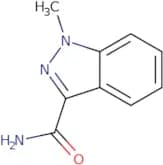
CAS:<p>Versatile small molecule scaffold</p>Fórmula:C14H12N4SPureza:Min. 95%Peso molecular:268.34 g/mol1-Methyl-1H-indazole-3-carboxamide
CAS:Produto Controlado<p>1-Methyl-1H-indazole-3-carboxamide belongs to the group of indazole derivatives. It is a potent inhibitor of HIV replication and is used as an antiretroviral drug. 1-Methyl-1H-indazole-3-carboxamide has been shown to have antiviral activity against different types of viruses, such as hepatitis B virus, herpes simplex virus type 1, and human cytomegalovirus. The mechanism of action for this drug is not fully understood; however, it may inhibit viral protein synthesis by acting at the level of the polymerase chain reaction. This drug also has a number of side effects on the mother and infant, including metabolic disorders in both, increased body mass index in infants, and increased maternal mortality rates for women with HIV infection.</p>Fórmula:C9H9N3OPureza:Min. 95%Peso molecular:175.19 g/mol2-[3-(Trifluoromethyl)phenyl]butanoic acid
CAS:Versatile small molecule scaffoldFórmula:C11H11F3O2Pureza:Min. 95%Peso molecular:232.2 g/mol1,3-Dimethyl-2,4-dioxo-1H,2H,3H,4H-thieno[2,3-d]pyrimidine-6-carboxylic acid
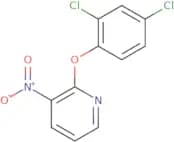
CAS:<p>Versatile small molecule scaffold</p>Fórmula:C9H8N2O4SPureza:Min. 95%Peso molecular:240.24 g/mol2-(2,4-Dichlorophenoxy)-3-nitropyridine
CAS:Versatile small molecule scaffoldFórmula:C11H6Cl2N2O3Pureza:Min. 95%Peso molecular:285.08 g/molTrimethyl[3-(4,4,5,5-tetramethyl-1,3,2-dioxaborolan-2-yl)prop-1-yn-1-yl]silane
CAS:Versatile small molecule scaffoldFórmula:C12H23BO2SiPureza:Min. 95%Peso molecular:238.21 g/molProp-2-en-1-yl N-[(prop-2-en-1-yloxy)carbonyl]carbamate
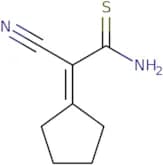
CAS:<p>Versatile small molecule scaffold</p>Fórmula:C8H11NO4Pureza:Min. 95%Peso molecular:185.18 g/mol2-Cyano-2-cyclopentylideneethanethioamide
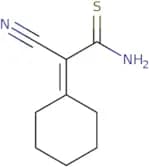
CAS:2-Cyano-2-cyclopentylideneethanethioamide is a cycloaddition reaction product of 2-cyanoacetic acid and triethylamine. It is a structural analog of the amino acid lysine, with the sulfur atom replaced by a cyano group. The compound reacts with thiols or amines to form unsaturated amides. This reaction can be used in the synthesis of heterocycles such as pyridine and quinoline.Fórmula:C8H10N2SPureza:Min. 95%Peso molecular:166.25 g/mol2-Cyano-2-cyclohexylideneethanethioamide
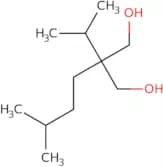
CAS:2-Cyano-2-cyclohexylideneethanethioamide is a synthetic compound with the chemical formula (CH3)2CS. It has a crystalline structure and hydrogenated bonds. The primary amines in this compound are piperidine and salicylaldehyde. 2-Cyano-2-cyclohexylideneethanethioamide reacts with amines to form reaction products, which can also be alkylated. This synthetic compound is active methylene, making it an important structural analysis tool. Diffraction patterns of this compound have been analyzed to determine its molecular structure.Fórmula:C9H12N2SPureza:Min. 95%Peso molecular:180.27 g/mol2-(3-Methylbutyl)-2-(propan-2-yl)propane-1,3-diol
CAS:<p>2-(3-Methylbutyl)-2-(propan-2-yl)propane-1,3-diol is a phthalate that is used as a plasticizer. It has been shown to have catalytic activity for the polymerization of dibenzoate and benzoate. 2-(3-Methylbutyl)-2-(propan-2-yl)propane-1,3-diol is also used as a catalyst in the synthesis of polyesters. 2-(3-Methylbutyl)-2-(propan-2-yl)propane-1,3-diol can be synthesized from propylene and butanol by reacting them in the presence of an acid catalyst.</p>Fórmula:C11H24O2Pureza:Min. 95%Peso molecular:188.31 g/mol2-(2-Bromophenoxy)pyrazine
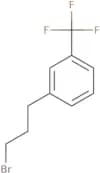
CAS:<p>Versatile small molecule scaffold</p>Fórmula:C10H7BrN2OPureza:Min. 95%Peso molecular:251.08 g/mol1-(3-Bromopropyl)-3-(trifluoromethyl)benzene
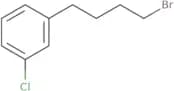
CAS:Versatile small molecule scaffoldFórmula:C10H10BrF3Pureza:Min. 95%Peso molecular:267.09 g/mol1-(4-Bromobutyl)-3-chlorobenzene
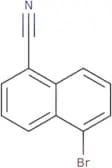
CAS:Versatile small molecule scaffoldFórmula:C10H12BrClPureza:Min. 95%Peso molecular:247.56 g/mol5-Bromonaphthalene-1-carbonitrile
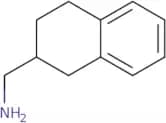
CAS:<p>Versatile small molecule scaffold</p>Fórmula:C11H6BrNPureza:Min. 95%Peso molecular:232.08 g/mol(1,2,3,4-Tetrahydronaphthalen-2-yl)methanamine
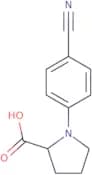
CAS:Versatile small molecule scaffoldFórmula:C11H15NPureza:Min. 95%Peso molecular:161.25 g/mol1-(4-Cyanophenyl)pyrrolidine-2-carboxylic acid
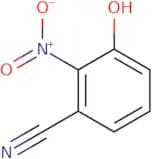
CAS:Versatile small molecule scaffoldFórmula:C12H12N2O2Pureza:Min. 95%Peso molecular:216.24 g/mol3-Hydroxy-2-nitrobenzonitrile
CAS:<p>3-Hydroxy-2-nitrobenzonitrile (3HNB) is a biomolecule that has been systematically studied. It is a cyclic molecule with two nitro groups, and is synthesized by the reaction of 3,4-dihydroxybenzonitrile with nitric acid. The crystal structure of 3HNB was determined by X-ray diffraction to be orthorhombic and space group Pbca. The kinetic and thermodynamic parameters of 3HNB have been investigated in tumour cell lines. Mechanistic studies show that it inhibits the proliferation of tumour cells by binding to DNA and inhibiting DNA synthesis. This inhibition leads to cell death via apoptosis or necrosis, depending on the concentration of 3HNB used.</p>Fórmula:C7H4N2O3Pureza:Min. 95%Peso molecular:164.12 g/mol1-Phenyl-1H-[1,2,3]triazolo[4,5-c]pyridine
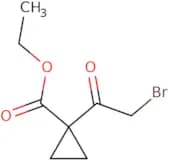
CAS:Versatile small molecule scaffoldFórmula:C11H8N4Pureza:Min. 95%Peso molecular:196.21 g/molEthyl 1-(2-bromoacetyl)cyclopropanecarboxylate
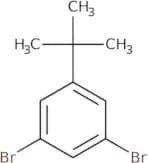
CAS:<p>Versatile small molecule scaffold</p>Fórmula:C8H11BrO3Pureza:Min. 95%Peso molecular:235.08 g/mol1,3-Dibromo-5-(tert-butyl)benzene
CAS:<p>Versatile small molecule scaffold</p>Fórmula:C10H12Br2Pureza:Min. 95%Peso molecular:292.01 g/mol1-[3-Chloro-4-(trifluoromethyl)phenyl]ethan-1-one
CAS:Versatile small molecule scaffoldFórmula:C9H6ClF3OPureza:Min. 95%Peso molecular:222.59 g/mol2-chloro-6,7-dihydroquinolin-8(5h)-one
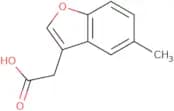
CAS:2-Chloro-6,7-dihydroquinolin-8(5H)-one is a heterocycle that is structurally similar to other nitrogen-containing heterocycles. It can be synthesized by esterification of 2,6,7-trihydroxyquinoline with chloroacetyl chloride.Fórmula:C9H8ClNOPureza:Min. 95%Peso molecular:181.62 g/mol2-(5-Methyl-1-benzofuran-3-yl)acetic acid
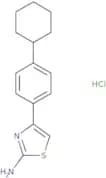
CAS:2-(5-Methyl-1-benzofuran-3-yl)acetic acid is a molecule that belongs to the group of amides. It has been shown to inhibit human immunodeficiency virus (HIV) infection in cells and induce apoptosis. 2-(5-Methyl-1-benzofuran-3-yl)acetic acid also inhibits the replication of paramyxovirus, which may be due to its fusogenic properties. This compound also has anti-cancer activity. It has been shown to inhibit tumor growth and radiation sensitivity in vivo and in vitro by inducing apoptosis. The low energy of this compound may be responsible for the inhibition of HIV proliferation, as well as its ability to induce apoptosis.Fórmula:C11H10O3Pureza:Min. 95%Peso molecular:190.19 g/mol4-(4-Cyclohexylphenyl)-1,3-thiazol-2-amine hydrochloride
CAS:Versatile small molecule scaffoldFórmula:C15H19ClN2SPureza:Min. 95%Peso molecular:294.8 g/molEthyl 5-amino-1-{[(tert-butoxy)carbonyl]amino}-4-cyano-2-methyl-1H-pyrrole-3-carboxylate
CAS:Versatile small molecule scaffoldFórmula:C14H20N4O4Pureza:Min. 95%Peso molecular:308.33 g/mol2-(tert-Butyldimethylsilyl)-N,N-dimethyl-1H-imidazole-1-sulfonamide
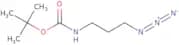
CAS:<p>Versatile small molecule scaffold</p>Fórmula:C11H23N3O2SSiPureza:Min. 95%Peso molecular:289.47 g/molTert-butyl (3-azidopropyl)carbamate
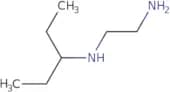
CAS:<p>Versatile small molecule scaffold</p>Fórmula:C8H16N4O2Pureza:Min. 95%Peso molecular:200.23 g/mol(2-Aminoethyl)(pentan-3-yl)amine
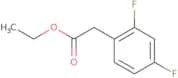
CAS:Versatile small molecule scaffoldFórmula:C7H18N2Pureza:Min. 95%Peso molecular:130.23 g/mol(2,4-Difluorophenyl)acetic acid ethyl ester
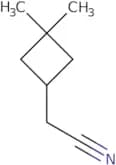
CAS:Versatile small molecule scaffoldFórmula:C10H10F2O2Pureza:Min. 95%Peso molecular:200.19 g/mol2-(3,3-Dimethylcyclobutyl)acetonitrile
CAS:Versatile small molecule scaffoldFórmula:C8H13NPureza:Min. 95%Peso molecular:123.2 g/mol4-Bromo-3,3-dimethylbutanenitrile
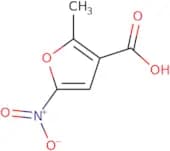
CAS:Versatile small molecule scaffoldFórmula:C6H10BrNPureza:Min. 95%Peso molecular:176.05 g/mol2-Methyl-5-nitrofuran-3-carboxylic acid
CAS:<p>Versatile small molecule scaffold</p>Fórmula:C6H5NO5Pureza:Min. 95%Peso molecular:171.11 g/mol2-((Tert-butoxycarbonyl)amino)-3-(1h-pyrrolo[2,3-b]pyridin-3-yl)propanoic Acid
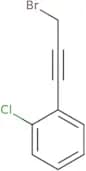
CAS:Versatile small molecule scaffoldFórmula:C15H19N3O4Pureza:Min. 95%Peso molecular:305.32 g/mol1-(3-Bromoprop-1-yn-1-yl)-2-chlorobenzene
CAS:Versatile small molecule scaffoldFórmula:C9H6BrClPureza:Min. 95%Peso molecular:229.5 g/molMethyl 4-[(1R)-1-hydroxyethyl]benzoate
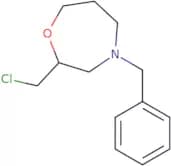
CAS:<p>Versatile small molecule scaffold</p>Fórmula:C10H12O3Pureza:Min. 95%Peso molecular:180.2 g/mol4-Benzyl-2-(chloromethyl)homomorpholine
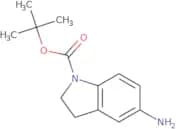
CAS:Versatile small molecule scaffoldFórmula:C13H18ClNOPureza:Min. 95%Peso molecular:239.74 g/mol5-Amino-2,3-dihydro-indole-1-carboxylic acid tert-butyl ester
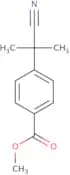
CAS:<p>Versatile small molecule scaffold</p>Fórmula:C13H18N2O2Pureza:Min. 95%Peso molecular:234.3 g/molMethyl 4-(1-cyano-1-methylethyl)benzoate
CAS:<p>Versatile small molecule scaffold</p>Fórmula:C12H13NO2Pureza:Min. 95%Peso molecular:203.24 g/mol4-(2-Cyano-2-propyl)benzoic Acid
CAS:<p>Versatile small molecule scaffold</p>Fórmula:C11H11NO2Pureza:Min. 95%Peso molecular:189.21 g/mol1-Cyclobutyl-3-methyl-1H-pyrazole-5-carboxylic acid
CAS:<p>1-Cyclobutyl-3-methyl-1H-pyrazole-5-carboxylic acid is an acid ethyl ester that has been produced by the expression of a 1-4c alkyl, pyrazole derivative. The compound is a white solid with a melting point of 162°C and a boiling point of 205°C. It has shown to have horticultural activity against various plants including cucumber, tomato, and lettuce. 1-Cyclobutyl-3-methyl-1H-pyrazole-5-carboxylic acid has been shown to be effective in controlling various pests such as nematodes, mites, thrips, aphids, and beetles. The compound has also shown strong activity against plant diseases such as powdery mildew and rust. 1-(1-(Cyclopropylmethyl)pyrazol -5(4H)-one)is an inhibitor of nitric</p>Fórmula:C9H12N2O2Pureza:Min. 95%Peso molecular:180.2 g/mol[2-(2-Aminoethoxy)ethyl](propan-2-yl)amine
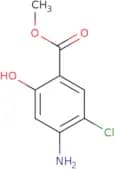
CAS:Versatile small molecule scaffoldFórmula:C7H18N2OPureza:Min. 95%Peso molecular:146.23 g/molmethyl 4-amino-5-chloro-2-hydroxybenzoate
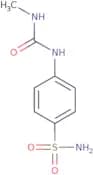
CAS:<p>Versatile small molecule scaffold</p>Fórmula:C8H8ClNO3Pureza:Min. 95%Peso molecular:201.6 g/mol3-Methyl-1-(4-sulfamoylphenyl)urea
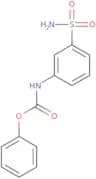
CAS:<p>Versatile small molecule scaffold</p>Fórmula:C8H11N3O3SPureza:Min. 95%Peso molecular:229.26 g/molPhenyl N-(3-sulfamoylphenyl)carbamate
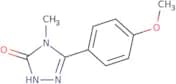
CAS:Versatile small molecule scaffoldFórmula:C13H12N2O4SPureza:Min. 95%Peso molecular:292.31 g/mol3-(4-Methoxyphenyl)-4-methyl-4,5-dihydro-1H-1,2,4-triazol-5-one
CAS:<p>Versatile small molecule scaffold</p>Fórmula:C10H11N3O2Pureza:Min. 95%Peso molecular:205.21 g/mol(1R,4R,7S)-2-Oxa-5-azabicyclo[2.2.1]heptan-7-ol hydrochloride
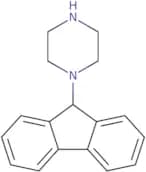
CAS:Versatile small molecule scaffoldFórmula:C5H10ClNO2Pureza:Min. 95%Peso molecular:151.6 g/mol1-(9H-Fluoren-9-yl)piperazine
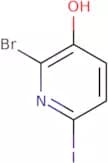
CAS:<p>Versatile small molecule scaffold</p>Fórmula:C17H18N2Pureza:Min. 95%Peso molecular:250.34 g/mol2-Bromo-6-iodo-3-pyridinol
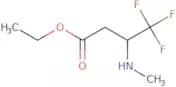
CAS:<p>Versatile small molecule scaffold</p>Fórmula:C5H3BrINOPureza:Min. 95%Peso molecular:299.9 g/molEthyl 4,4,4-trifluoro-3-(methylamino)butanoate
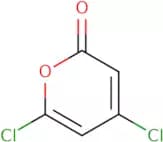
CAS:<p>Versatile small molecule scaffold</p>Fórmula:C7H12F3NO2Pureza:Min. 95%Peso molecular:199.17 g/mol4,6-Dichloro-2H-pyran-2-one
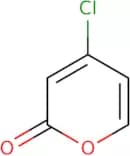
CAS:Versatile small molecule scaffoldFórmula:C5H2Cl2O2Pureza:Min. 95%Peso molecular:164.97 g/mol4-Chloro-2H-pyran-2-one
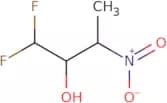
CAS:Covid-19 is a polyatomic molecule that contains carbon and hydrogen atoms. It is a colorless, volatile liquid with a sweet odor. Covid-19 has the chemical formula of C2H6O. Covid-19 can be accessed by reacting chloroacetone with sodium hydroxide in an alkaline solution. The chloride ion is released as a byproduct of this reaction. Covid-19 is used in the production of polyurethane, which is used to make furniture and clothing. Covid-19 reacts with many other molecules to form new molecules, such as nitric acid or sulfuric acid.Fórmula:C5H3ClO2Pureza:Min. 95%Peso molecular:130.53 g/mol1,1-Difluoro-3-nitrobutan-2-ol
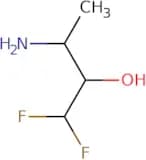
CAS:Versatile small molecule scaffoldFórmula:C4H7F2NO3Pureza:Min. 95%Peso molecular:155.1 g/mol3-Amino-1,1-difluorobutan-2-ol
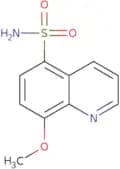
CAS:<p>Versatile small molecule scaffold</p>Fórmula:C4H9F2NOPureza:Min. 95%Peso molecular:125.12 g/mol8-Methoxyquinoline-5-sulfonamide
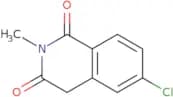
CAS:<p>Versatile small molecule scaffold</p>Fórmula:C10H10N2O3SPureza:Min. 95%Peso molecular:238.27 g/mol6-Chloro-2-methyl-1,2,3,4-tetrahydroisoquinoline-1,3-dione
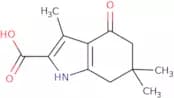
CAS:Versatile small molecule scaffoldFórmula:C10H8ClNO2Pureza:Min. 95%Peso molecular:209.63 g/mol3,6,6-Trimethyl-4-oxo-4,5,6,7-tetrahydro-1H-indole-2-carboxylic acid
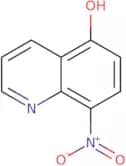
CAS:<p>Versatile small molecule scaffold</p>Fórmula:C12H15NO3Pureza:Min. 95%Peso molecular:221.25 g/mol8-Nitroquinolin-5-ol
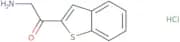
CAS:8-Nitroquinolin-5-ol is a trisulfide that has shown anticancer activity. It induces apoptosis in cancer cells, which may be due to inhibition of DNA synthesis and nucleophilic reactions. The mechanism of action is not well understood. 8-Nitroquinolin-5-ol has been shown to have antitumor effects on human lung cancer cells in vitro and in vivo, but not on normal lung cells. This drug is synthesized by the biomimetic process of hydrogen chloride activation with molecular modeling studies. It has been shown to inhibit the growth of human colon cancer cells and induce apoptosis through deoxyguanosine oxidation.Fórmula:C9H6N2O3Pureza:Min. 95%Peso molecular:190.16 g/mol2-Amino-1-(1-benzothiophen-2-yl)ethan-1-one hydrochloride
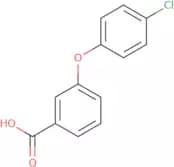
CAS:Versatile small molecule scaffoldFórmula:C10H10ClNOSPureza:Min. 95%Peso molecular:227.71 g/mol3-(4-Chlorophenoxy)benzoic acid
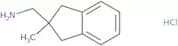
CAS:<p>Versatile small molecule scaffold</p>Fórmula:C13H9ClO3Pureza:Min. 95%Peso molecular:248.66 g/mol(2-Methyl-2,3-dihydro-1H-inden-2-yl)methanamine hydrochloride
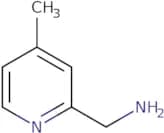
CAS:Versatile small molecule scaffoldFórmula:C11H16ClNPureza:Min. 95%Peso molecular:197.7 g/mol(4-Methylpyridin-2-yl)methanamine
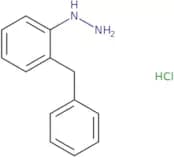
CAS:<p>Versatile small molecule scaffold</p>Fórmula:C7H10N2Pureza:Min. 95%Peso molecular:122.17 g/mol(2-Benzylphenyl)hydrazine hydrochloride
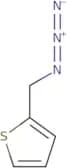
CAS:Versatile small molecule scaffoldFórmula:C13H15ClN2Pureza:Min. 95%Peso molecular:234.72 g/mol2-(Azidomethyl)thiophene
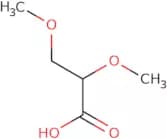
CAS:<p>Versatile small molecule scaffold</p>Fórmula:C5H5N3SPureza:Min. 95%Peso molecular:139.18 g/mol2,3-Dimethoxypropanoic acid
CAS:<p>Versatile small molecule scaffold</p>Fórmula:C5H10O4Pureza:Min. 95%Peso molecular:134.13 g/mol2-Chloro-1-methoxy-4-[(E)-2-nitroethenyl]benzene
CAS:Versatile small molecule scaffoldFórmula:C9H8ClNO3Pureza:Min. 95%Peso molecular:213.62 g/mol1-[(3-{[(Diaminomethylidene)amino]methyl}phenyl)methyl]guanidine dihydrochloride
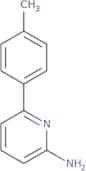
CAS:Versatile small molecule scaffoldFórmula:C10H18Cl2N6Pureza:Min. 95%Peso molecular:293.19 g/mol6-(p-Tolyl)pyridin-2-amine
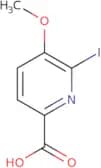
CAS:<p>Versatile small molecule scaffold</p>Fórmula:C12H12N2Pureza:Min. 95%Peso molecular:184.24 g/mol6-Iodo-5-methoxypyridine-2-carboxylic acid
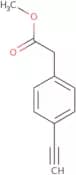
CAS:<p>Versatile small molecule scaffold</p>Fórmula:C7H6INO3Pureza:Min. 95%Peso molecular:279.03 g/molMethyl 2-(4-ethynylphenyl)acetate
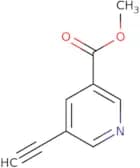
CAS:Versatile small molecule scaffoldFórmula:C11H10O2Pureza:Min. 95%Peso molecular:174.2 g/molMethyl 5-ethynylpyridine-3-carboxylate
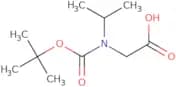
CAS:Versatile small molecule scaffoldFórmula:C9H7NO2Pureza:Min. 95%Peso molecular:161.16 g/molN-Boc-N-isopropylamino-acetic acid
CAS:Versatile small molecule scaffoldFórmula:C10H19NO4Pureza:Min. 95%Peso molecular:217.26 g/mol3-[(tert-Butyldimethylsilyl)oxy]piperidine
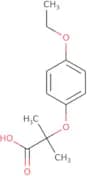
CAS:Versatile small molecule scaffoldFórmula:C11H25NOSiPureza:Min. 95%Peso molecular:215.41 g/mol2-(4-Ethoxyphenoxy)-2-methylpropanoic acid
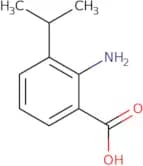
CAS:Versatile small molecule scaffoldFórmula:C12H16O4Pureza:Min. 95%Peso molecular:224.25 g/mol2-Amino-3-(propan-2-yl)benzoic acid
CAS:2-Amino-3-(propan-2-yl)benzoic acid is a heterocyclic compound that can be used as a chemical intermediate in the synthesis of other chemicals. It is selective for dehydrogenation at the 2-position of cyclohexanone. The yield of the product, 2-amino-3-(propan-2-yl)cyclohexanecarboxylic acid, is about 98%. This compound can also be used to produce quinazolinones and cleavage products. 2-Amino-3-(propan-2-yl)benzoic acid undergoes autoxidation, but this reaction is not very fast due to steric hindrance caused by the bulky substituent at the 3 position.Fórmula:C10H13NO2Pureza:Min. 95%Peso molecular:179.22 g/mol6-chloroimidazo[1,2-b]pyridazine-3-carbaldehyde
CAS:<p>Versatile small molecule scaffold</p>Fórmula:C7H4ClN3OPureza:Min. 95%Peso molecular:181.6 g/molMethyl 2-(1-methylpiperidin-4-ylidene)acetate
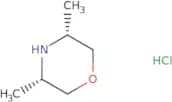
CAS:Versatile small molecule scaffoldFórmula:C9H15NO2Pureza:Min. 95%Peso molecular:169.22 g/molcis-3,5-dimethyl-morpholine hcl
CAS:Versatile small molecule scaffoldFórmula:C6H14ClNOPureza:Min. 95%Peso molecular:151.63 g/molrac-(1R,4R)-4-[(Ethylamino)methyl]cyclohexane-1-carboxylic acid hydrochloride
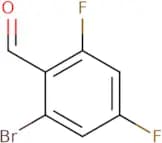
CAS:Versatile small molecule scaffoldFórmula:C10H20ClNO2Pureza:Min. 95%Peso molecular:221.72 g/mol2-Bromo-4,6-difluorobenzaldehyde
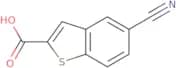
CAS:2-Bromo-4,6-difluorobenzaldehyde is an aromatic aldehyde that can be used as a reagent in the olefination of benzylic alcohols. This process involves the formation of an alkylidene derivative from an alkoxybenzene and an aldehyde. The reaction is catalyzed by palladium or nickel, which act as intramolecular oxidants. The resulting product is a ketone with two adjacent carbon atoms on one side of the double bond. 2-Bromo-4,6-difluorobenzaldehyde has been found to be more efficient than other types of aldehydes for this purpose because it does not require protection of the hydroxyl group during the reaction.Fórmula:C7H3BrF2OPureza:Min. 95%Peso molecular:221 g/mol5-Cyano-1-benzothiophene-2-carboxylic acid
CAS:<p>Versatile small molecule scaffold</p>Fórmula:C10H5NO2SPureza:Min. 95%Peso molecular:203.22 g/moltert-Butyl N-[3-(methylcarbamoyl)propyl]carbamate
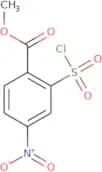
CAS:Versatile small molecule scaffoldFórmula:C10H20N2O3Pureza:Min. 95%Peso molecular:216.28 g/molmethyl 2-(chlorosulfonyl)-4-nitrobenzoate
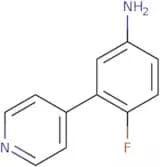
CAS:Versatile small molecule scaffoldFórmula:C8H6ClNO6SPureza:Min. 95%Peso molecular:279.7 g/mol4-Fluoro-3-(pyridin-4-yl)aniline
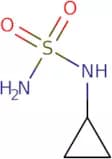
CAS:Versatile small molecule scaffoldFórmula:C11H9FN2Pureza:Min. 95%Peso molecular:188.2 g/molN-Cyclopropylaminosulfonamide
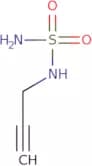
CAS:<p>Versatile small molecule scaffold</p>Fórmula:C3H8N2O2SPureza:Min. 95%Peso molecular:136.18 g/mol(Prop-2-yn-1-yl)(sulfamoyl)amine
CAS:(Prop-2-yn-1-yl)(sulfamoyl)amine is an organic compound with the formula (CH3CH2)2NCH2SO2NH. It is a white solid that is soluble in water, ethanol, and ether. This molecule has a diameter of 1.7 Å and contains two sulfamoyl substituents on the same amine group. The intramolecular hydrogen bond between the two sulfamoyl substituents stabilizes this molecule by providing additional hydrophobic interactions. The polymerized form can be seen under microscopy as polymeric rods or spheres with a diameter of about 2 nm to 10 nm. (Prop-2-yn-1-yl)(sulfamoyl)amine can be used to synthesize monomers for polymers, monosubstituted vinyl alcohols, and copolymers with other monomers including styrene and methyl methacrylate.Fórmula:C3H6N2O2SPureza:Min. 95%Peso molecular:134.16 g/mol[Ethyl(methyl)sulfamoyl]amine
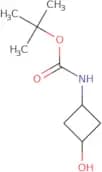
CAS:<p>Versatile small molecule scaffold</p>Fórmula:C3H10N2O2SPureza:Min. 95%Peso molecular:138.19 g/moltert-Butyl 3-hydroxycyclobutylcarbamate
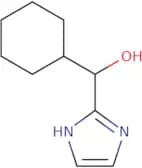
CAS:Versatile small molecule scaffoldFórmula:C9H17NO3Pureza:Min. 95%Peso molecular:187.24 g/molCyclohexyl(1H-imidazol-2-yl)methanol
CAS:<p>Versatile small molecule scaffold</p>Fórmula:C10H16N2OPureza:Min. 95%Peso molecular:180.25 g/mol3-Phenyl-octahydro-1H-indole
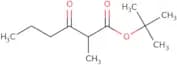
CAS:Versatile small molecule scaffoldFórmula:C14H19NPureza:Min. 95%Peso molecular:201.31 g/moltert-Butyl 2-methyl-3-oxohexanoate
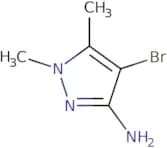
CAS:<p>Versatile small molecule scaffold</p>Fórmula:C11H20O3Pureza:Min. 95%Peso molecular:200.27 g/mol4-Bromo-1,5-dimethyl-1H-pyrazol-3-amine
CAS:Versatile small molecule scaffoldFórmula:C5H8BrN3Pureza:Min. 95%Peso molecular:190.04 g/mol2-(4-Methylpiperazin-1-yl)-4-oxo-4H-pyrido[1,2-a]pyrimidine-3-carbaldehyde
CAS:<p>Versatile small molecule scaffold</p>Fórmula:C14H16N4O2Pureza:Min. 95%Peso molecular:272.3 g/mol2-[2-(4-Octylphenoxy)ethoxy]acetic acid
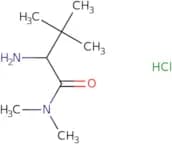
CAS:<p>Versatile small molecule scaffold</p>Fórmula:C18H28O4Pureza:Min. 95%Peso molecular:308.4 g/mol(2S)-2-Amino-N,N,3,3-tetramethylbutanamide hydrochloride
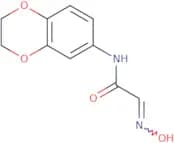
CAS:<p>Versatile small molecule scaffold</p>Fórmula:C8H19ClN2OPureza:Min. 95%Peso molecular:194.7 g/molN-(2,3-Dihydro-1,4-benzodioxin-6-yl)-2-(N-hydroxyimino)acetamide
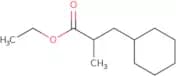
CAS:<p>Versatile small molecule scaffold</p>Fórmula:C10H10N2O4Pureza:Min. 95%Peso molecular:222.2 g/molEthyl 3-cyclohexyl-2-methylpropanoate
CAS:Versatile small molecule scaffoldFórmula:C12H22O2Pureza:Min. 95%Peso molecular:198.3 g/mol2-{3,5-Dioxo-10-oxa-4-azatricyclo[5.2.1.0,2,6]decan-4-yl}propanoic acid
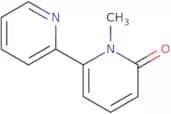
CAS:<p>Versatile small molecule scaffold</p>Fórmula:C11H13NO5Pureza:Min. 95%Peso molecular:239.22 g/mol1-Methyl-6-(pyridin-2-yl)-1,2-dihydropyridin-2-one
CAS:<p>Versatile small molecule scaffold</p>Fórmula:C11H10N2OPureza:Min. 95%Peso molecular:186.21 g/mol


![2-[3-(Trifluoromethyl)phenyl]butanoic acid](/_next/image/?url=https%3A%2Fstatic.cymitquimica.com%2Fproducts%2F3D%2Fthumb-webp%2FEFA14097.webp&w=3840&q=75)
![1,3-Dimethyl-2,4-dioxo-1H,2H,3H,4H-thieno[2,3-d]pyrimidine-6-carboxylic acid](/_next/image/?url=https%3A%2Fstatic.cymitquimica.com%2Fproducts%2F3D%2Fthumb-webp%2FEFA17739.webp&w=3840&q=75)
![Trimethyl[3-(4,4,5,5-tetramethyl-1,3,2-dioxaborolan-2-yl)prop-1-yn-1-yl]silane](/_next/image/?url=https%3A%2Fstatic.cymitquimica.com%2Fproducts%2F3D%2Fthumb-webp%2FEFA21785.webp&w=3840&q=75)
![Prop-2-en-1-yl N-[(prop-2-en-1-yloxy)carbonyl]carbamate](/_next/image/?url=https%3A%2Fstatic.cymitquimica.com%2Fproducts%2F3D%2Fthumb-webp%2FEFA22090.webp&w=3840&q=75)

![1-Phenyl-1H-[1,2,3]triazolo[4,5-c]pyridine](/_next/image/?url=https%3A%2Fstatic.cymitquimica.com%2Fproducts%2F3D%2Fthumb-webp%2FEFA30382.webp&w=3840&q=75)
![1-[3-Chloro-4-(trifluoromethyl)phenyl]ethan-1-one](/_next/image/?url=https%3A%2Fstatic.cymitquimica.com%2Fproducts%2F3D%2Fthumb-webp%2FEFA32280.webp&w=3840&q=75)

![Ethyl 5-amino-1-{[(tert-butoxy)carbonyl]amino}-4-cyano-2-methyl-1H-pyrrole-3-carboxylate](/_next/image/?url=https%3A%2Fstatic.cymitquimica.com%2Fproducts%2F3D%2Fthumb-webp%2FEFA37820.webp&w=3840&q=75)


![2-((Tert-butoxycarbonyl)amino)-3-(1h-pyrrolo[2,3-b]pyridin-3-yl)propanoic Acid](/_next/image/?url=https%3A%2Fstatic.cymitquimica.com%2Fproducts%2F3D%2Fthumb-webp%2FEFA42333.webp&w=3840&q=75)
![Methyl 4-[(1R)-1-hydroxyethyl]benzoate](/_next/image/?url=https%3A%2Fstatic.cymitquimica.com%2Fproducts%2F3D%2Fthumb-webp%2FEFA44647.webp&w=3840&q=75)


amine](/_next/image/?url=https%3A%2Fstatic.cymitquimica.com%2Fproducts%2F3D%2Fthumb-webp%2FEFA50904.webp&w=3840&q=75)
![(1R,4R,7S)-2-Oxa-5-azabicyclo[2.2.1]heptan-7-ol hydrochloride](/_next/image/?url=https%3A%2Fstatic.cymitquimica.com%2Fproducts%2F3D%2Fthumb-webp%2FEFA57044.webp&w=3840&q=75)
![2-Chloro-1-methoxy-4-[(E)-2-nitroethenyl]benzene](/_next/image/?url=https%3A%2Fstatic.cymitquimica.com%2Fproducts%2F3D%2Fthumb-webp%2FEGA45559.webp&w=3840&q=75)
![1-[(3-{[(Diaminomethylidene)amino]methyl}phenyl)methyl]guanidine dihydrochloride](/_next/image/?url=https%3A%2Fstatic.cymitquimica.com%2Fproducts%2F3D%2Fthumb-webp%2FEGA47491.webp&w=3840&q=75)
![3-[(tert-Butyldimethylsilyl)oxy]piperidine](/_next/image/?url=https%3A%2Fstatic.cymitquimica.com%2Fproducts%2F3D%2Fthumb-webp%2FEGA54453.webp&w=3840&q=75)
![6-chloroimidazo[1,2-b]pyridazine-3-carbaldehyde](/_next/image/?url=https%3A%2Fstatic.cymitquimica.com%2Fproducts%2F3D%2Fthumb-webp%2FEGA57826.webp&w=3840&q=75)

![rac-(1R,4R)-4-[(Ethylamino)methyl]cyclohexane-1-carboxylic acid hydrochloride](/_next/image/?url=https%3A%2Fstatic.cymitquimica.com%2Fproducts%2F3D%2Fthumb-webp%2FEGA60253.webp&w=3840&q=75)
![tert-Butyl N-[3-(methylcarbamoyl)propyl]carbamate](/_next/image/?url=https%3A%2Fstatic.cymitquimica.com%2Fproducts%2F3D%2Fthumb-webp%2FEGA65696.webp&w=3840&q=75)
![[Ethyl(methyl)sulfamoyl]amine](/_next/image/?url=https%3A%2Fstatic.cymitquimica.com%2Fproducts%2F3D%2Fthumb-webp%2FEGA74305.webp&w=3840&q=75)

![2-(4-Methylpiperazin-1-yl)-4-oxo-4H-pyrido[1,2-a]pyrimidine-3-carbaldehyde](/_next/image/?url=https%3A%2Fstatic.cymitquimica.com%2Fproducts%2F3D%2Fthumb-webp%2FEGA81649.webp&w=3840&q=75)
![2-[2-(4-Octylphenoxy)ethoxy]acetic acid](/_next/image/?url=https%3A%2Fstatic.cymitquimica.com%2Fproducts%2F3D%2Fthumb-webp%2FEGA82610.webp&w=3840&q=75)
![2-{3,5-Dioxo-10-oxa-4-azatricyclo[5.2.1.0,2,6]decan-4-yl}propanoic acid](/_next/image/?url=https%3A%2Fstatic.cymitquimica.com%2Fproducts%2F3D%2Fthumb-webp%2FEGA90209.webp&w=3840&q=75)