Building Blocks
Esta seção contém produtos fundamentais para a síntese de compostos orgânicos e biológicos. Building blocks são os materiais de partida essenciais usados para construir moléculas complexas através de várias reações químicas. Eles desempenham um papel crítico na descoberta de medicamentos, ciência dos materiais e pesquisa química. Na CymitQuimica, oferecemos uma ampla gama de building blocks de alta qualidade para apoiar suas pesquisas inovadoras e projetos industriais, garantindo que você tenha os componentes essenciais para uma síntese bem-sucedida.
Subcategorias de "Building Blocks"
- Ácidos Borónicos e Derivados de Ácido Borónico(5.778 produtos)
- Building Blocks Quirais(1.243 produtos)
- Building Blocks Hidrocarbonetos(6.097 produtos)
- Building Blocks orgânicos(61.052 produtos)
Foram encontrados 201390 produtos de "Building Blocks"
Ordenar por
Pureza (%)
0
100
|
0
|
50
|
90
|
95
|
100
Spiro[4.5]decan-1-one
CAS:<p>Spiro[4.5]decan-1-one is a synthetic drug that has been shown to have affinity for cardiac, neuropathic, and depression receptors. It also has moderate affinity for the acetylcholine receptor in the brain and acts as a stabilizer. Spiro[4.5]decan-1-one may be useful in treating Alzheimer's disease, Parkinson's disease, chronic pain, and psychosis because it can stabilize neuronal membranes and prevent cell damage caused by free radicals. This compound may also be used to treat cognitive disorders such as memory loss and attention deficit hyperactivity disorder (ADHD).<br>Spiro[4.5]decan-1-one is a nitrogenous compound that has been shown to have anticholinergic effects on cognition in rats. It is thought that its effects are mediated through its ability to block the action of acetylcholinesterase enzymes that break down acetylcholine at synapses in the brain.</p>Fórmula:C10H16OPureza:Min. 95%Peso molecular:152.23 g/mol3,5-Dimethylpicolinic Acid
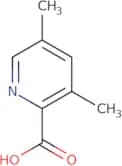
CAS:<p>3,5-Dimethylpicolinic Acid is a synthetic compound that has shown antiulcer activity. This compound has been shown to inhibit the production of sulfate and nitrite, which are involved in the synthesis of gastric acid. 3,5-Dimethylpicolinic Acid also inhibits the release of hydrogen peroxide from cells and increases the synthesis of cGMP by inhibiting phosphodiesterase type IV. It may be used as an alternative to sodium nitrite for meat preservation.</p>Fórmula:C8H9NO2Pureza:Min. 95%Peso molecular:151.16 g/mol5H,7H-Furo[3,4-b]pyridin-7-one
CAS:<p>5H,7H-Furo[3,4-b]pyridin-7-one is a compound that can be synthesized from anhydride and halogen. It can be prepared from cycloalkyl and chlorinating alkoxy by formulas. The high yield of this compd, which is hydrolyzed to the chloride, can be selectively chlorinated with dicarboxylic alkali. 5H,7H-Furo[3,4-b]pyridin-7-one is used as a precursor for synthesis of aralkyl.</p>Fórmula:C7H5NO2Pureza:Min. 95%Peso molecular:135.12 g/mol2,6-Dimethylpiperidin-4-ol
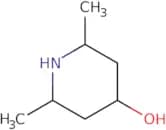
CAS:<p>Versatile small molecule scaffold</p>Fórmula:C7H15NOPureza:Min. 95%Peso molecular:129.2 g/mol4-Chloro-5-(1-pyrrolidinyl)-3(2H)-pyridazinone
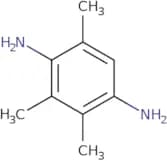
CAS:Versatile small molecule scaffoldFórmula:C8H10ClN3OPureza:Min. 95%Peso molecular:199.64 g/mol2,3,5-Trimethylbenzene-1,4-diamine
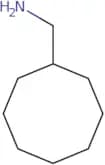
CAS:<p>Versatile small molecule scaffold</p>Fórmula:C9H14N2Pureza:Min. 95%Peso molecular:150.22 g/molCyclooctylmethanamine
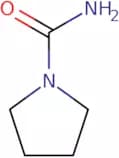
CAS:Cyclooctylmethanamine is a specific agonist of the kappa-opioid receptor. It is a pyrimidine compound that has been shown to inhibit phosphatases and hydroxylases. Cyclooctylmethanamine has also been shown to be an inhibitor of amine oxidase, which may contribute to its effects on autoimmune diseases. Cyclooctylmethanamine is used in pharmaceutical preparations, such as antimicrobial agents and pharmaceuticals, for preparative high-performance liquid chromatography (HPLC).Fórmula:C9H19NPureza:Min. 95%Peso molecular:141.25 g/molPyrrolidine-1-carboxamide
CAS:Pyrrolidine-1-carboxamide is a secondary metabolite that has been shown to have antimicrobial properties. This compound inhibits the growth of bacteria by binding to the 50S ribosomal subunit and prevents the formation of an antibiotic-inhibitor complex with the enzyme cell wall synthesis, inhibiting protein synthesis and cell division. Pyrrolidine-1-carboxamide has been shown to have antiinflammatory properties, which may be due to its inhibition of prostaglandin synthesis.Fórmula:C5H10N2OPureza:Min. 95%Peso molecular:114.15 g/molSpiro[cyclohexane-1,3'-indoline] hydrochloride
CAS:Versatile small molecule scaffoldFórmula:C13H18ClNPureza:Min. 95%Peso molecular:223.74 g/molfuro[3,4-c]pyridin-1(3H)-one
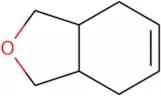
CAS:<p>The compound furo[3,4-c]pyridin-1(3H)-one is a nature-derived compound. It is an analgesic that has been shown to be biodegradable and non-toxic. The compound interacts with the benzodiazepine binding site of the GABA receptor and has a spectrum of activity that includes antibacterial, antifungal, antiviral, and antiprotozoal properties. This compound can also be synthesized in a number of ways that produce different isomers. These structural isomers are distinguished by their ability to bind to benzodiazepine receptors.</p>Fórmula:C7H5NO2Pureza:Min. 95%Peso molecular:135.12 g/mol1,3,3a,4,7,7a-Hexahydro-2-benzofuran
CAS:<p>Versatile small molecule scaffold</p>Fórmula:C8H12OPureza:Min. 95%Peso molecular:124.18 g/molPhthalide-3-acetic acid
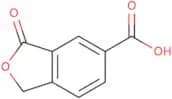
CAS:Phthalide-3-acetic acid is a microbial metabolite that is produced by the biotransformation of phthalides. It can be conjugated with glucuronide and excreted in urine. Phthalide-3-acetic acid is a product of the microbial metabolism of phthalides, which are compounds found in some plants and fungi. This compound has been shown to be metabolized through several pathways, including hydrolysis by esterases or glucuronidases, oxidation by cytochrome P450 enzymes, reduction by glutathione reductase, or conjugation with glucuronic acid. The compound has also been shown to inhibit the activity of human aldehyde dehydrogenase (ALDH) and formaldehyde dehydrogenase (FADH).Fórmula:C10H8O4Pureza:Min. 95%Peso molecular:192.17 g/mol3-Oxo-1,3-dihydroisobenzofuran-5-carboxylic acid
CAS:Versatile small molecule scaffoldFórmula:C9H6O4Pureza:Min. 95%Peso molecular:178.14 g/mol1,4-Dioxaspiro[4.4]nonan-2-ylmethanamine
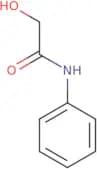
CAS:Versatile small molecule scaffoldFórmula:C8H15NO2Pureza:Min. 95%Peso molecular:157.21 g/mol2-Hydroxy-N-phenylacetamide
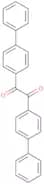
CAS:2-Hydroxy-N-phenylacetamide is a phosphoric acid that is an amide. It can be synthesized by reacting phenylacetic acid with 2-chloroethanol in the presence of sodium hydroxide and phosphoric acid. This chemical compound has electrocardiographic activity and is used as a synthon to create other drugs, such as inorganic acids, supramolecular complexes, and intermolecular hydrogen bonding compounds. 2-Hydroxy-N-phenylacetamide has been shown to lower blood pressure in clinical studies. It also prevents the formation of methemoglobin caused by exposure to nitrites or nitrates and has been shown to be effective against carboxylate ions such as potassium ion (K+).Fórmula:C8H9NO2Pureza:Min. 95%Peso molecular:151.16 g/molBis(4-phenylphenyl)ethane-1,2-dione
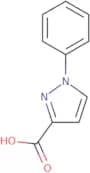
CAS:<p>Versatile small molecule scaffold</p>Fórmula:C26H18O2Pureza:Min. 95%Peso molecular:362.4 g/mol1-Phenyl-1H-pyrazole-3-carboxylic acid
CAS:1-Phenyl-1H-pyrazole-3-carboxylic acid is an organic compound that has a pyrazole ring. It can be synthesized by the reaction of phenylhydrazine and formamide. The amido group in the molecule is bound to the carbonyl carbon atom, which makes it a carboxylic acid. This compound is also known as a morpholine amido ester. One example of this type of compound is 1-(4-Methoxyphenyl)-1H-pyrazole-3-carboxylic acid. The analogous compound in this series is 2-(2,6-dimethylphenyl)-1H-pyrrole-3-carboxylic acid.Fórmula:C10H8N2O2Pureza:Min. 95%Peso molecular:188.18 g/mol2-(1H-Indol-2-yl)phenol
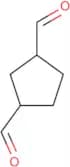
CAS:2-(1H-Indol-2-yl)phenol is a functional group that exhibits optical properties. It has a carbinol group and an acidic proton. In the excited state, it can transfer a proton to nucleophilic molecules and react with other compounds. 2-(1H-Indol-2-yl)phenol is also an important reaction product of indole synthesis. This compound has been shown to exhibit fluorescence and is a member of the phenols family.Fórmula:C14H11NOPureza:Min. 95%Peso molecular:209.24 g/molCyclopentane-1,3-dicarbaldehyde
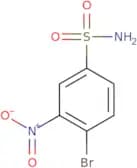
CAS:<p>Versatile small molecule scaffold</p>Fórmula:C7H10O2Pureza:Min. 95%Peso molecular:126.15 g/mol4-Bromo-3-nitrobenzenesulfonamide
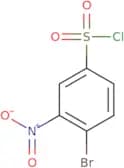
CAS:Versatile small molecule scaffoldFórmula:C6H5BrN2O4SPureza:Min. 95%Peso molecular:281.08 g/mol4-Bromo-3-nitrobenzene-1-sulfonyl chloride
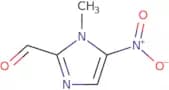
CAS:Versatile small molecule scaffoldFórmula:C6H3BrClNO4SPureza:Min. 95%Peso molecular:300.52 g/mol1-Methyl-5-nitro-1H-imidazole-2-carbaldehyde
CAS:1-Methyl-5-nitro-1H-imidazole-2-carbaldehyde (MNNCA) is a synthetic fatty acid that has been shown to have genotoxic potential. It is also used as a clinical drug and as a test compound. MNNCA has been found to inhibit the activity of the antioxidant system, which may lead to an increased risk of nitrosative stress and DNA damage. In vitro assays have demonstrated that MNNCA can cause genotoxic effects in cultured cells. Studies using diminazene, a crosslinking agent, have shown that MNNCA can be metabolized by cytochrome P450 enzymes and this metabolism may lead to pharmacokinetic properties such as protein binding or changes in protein expression.Fórmula:C5H5N3O3Pureza:Min. 95%Peso molecular:155.11 g/molN-[(4-Chlorophenyl)methyl]aniline
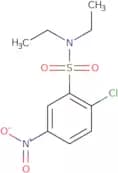
CAS:<p>Versatile small molecule scaffold</p>Fórmula:C13H12ClNPureza:Min. 95%Peso molecular:217.69 g/mol2-Chloro-N,N-diethyl-5-nitrobenzene-1-sulfonamide
CAS:Versatile small molecule scaffoldFórmula:C10H13ClN2O4SPureza:Min. 95%Peso molecular:292.74 g/mol4H,5H,6H,7H,8H-Thieno[3,2-c]azepin-4-one
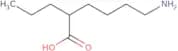
CAS:Versatile small molecule scaffoldFórmula:C8H9NOSPureza:Min. 95%Peso molecular:167.23 g/mol6-Amino-2-propylhexanoic acid
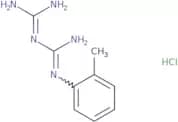
CAS:<p>Valproic acid is an organic compound with the formula (CHCO)COOH. It is a white crystalline solid that is insoluble in water and most organic solvents. Valproic acid has been used in medicine as an anticonvulsant, mood stabilizer, and bipolar disorder medication. Valproic acid is also used to treat hyperammonemia, although this use is limited by its side effects. To produce valproate semisodium, sodium carbonate and valproic acid are combined at high temperatures to form sodium valproate and carbon dioxide gas. The molecular weight of valproic acid ranges from 100-400 Da. The low molecular weight of this drug makes it suitable for oral absorption and rapid distribution throughout the body. This assay uses a chromatographic method for detection with fluorescence detection at excitation/emission wavelengths of 280/365 nm. The results show that 6-Amino-2-propylhexano</p>Fórmula:C9H19NO2Pureza:Min. 95%Peso molecular:173.25 g/molo-Tolylbiguanide hydrochloride
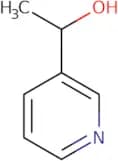
CAS:<p>o-Tolylbiguanide hydrochloride is a copper-containing antimicrobial agent that has been synthesised and used to treat Gram-negative bacteria. It is an anion, which means it can be reduced by agents such as formaldehyde and chloride. o-Tolylbiguanide hydrochloride binds to the anionic groups of the bacterial cell wall, which are found in proteins and lipids. This binding prevents the formation of a covalent bond between the copper ion and the bacterial cell wall, preventing further growth. The elimination of this compound in vivo is thought to be due to its organic ligands.</p>Fórmula:C9H14ClN5Pureza:Min. 95%Peso molecular:227.69 g/mol3-(1-Hydroxyethyl)pyridine
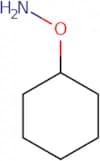
CAS:<p>3-(1-Hydroxyethyl)pyridine is a levorotatory, white solid. It is used in animal studies to study the effects on the brain and other body systems. 3-(1-Hydroxyethyl)pyridine is synthesized by a three-step process that involves converting 3-acetylpyridine into 3-(2-hydroxyethyl)pyridine, which is then converted to 3-(1-hydroxyethyl)pyridine. This compound has been shown to be an adrenergic receptor agonist and may have some potential as a drug for treating Parkinson's disease. It also has acidic properties and substructures that are enantiopure, meaning they are composed of molecules with the same chirality.</p>Fórmula:C7H9NOPureza:Min. 95%Peso molecular:123.2 g/molo-Cyclohexylhydroxylamine
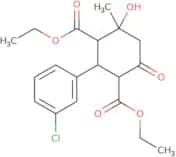
CAS:<p>Versatile small molecule scaffold</p>Fórmula:C6H13NOPureza:Min. 95%Peso molecular:115.17 g/mol1,3-Diethyl 2-(3-chlorophenyl)-4-hydroxy-4-methyl-6-oxocyclohexane-1,3-dicarboxylate
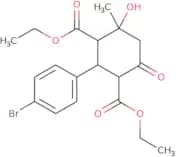
CAS:Versatile small molecule scaffoldFórmula:C19H23ClO6Pureza:Min. 95%Peso molecular:382.8 g/mol1,3-Diethyl 2-(4-bromophenyl)-4-hydroxy-4-methyl-6-oxocyclohexane-1,3-dicarboxylate
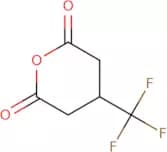
CAS:Versatile small molecule scaffoldFórmula:C19H23BrO6Pureza:Min. 95%Peso molecular:427.3 g/mol4-(Trifluoromethyl)oxane-2,6-dione
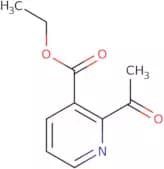
CAS:<p>Versatile small molecule scaffold</p>Fórmula:C6H5F3O3Pureza:Min. 95%Peso molecular:182.1 g/mol2-acetyl-nicotinic acid ethyl ester
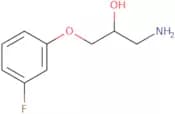
CAS:Versatile small molecule scaffoldFórmula:C10H11NO3Pureza:Min. 95%Peso molecular:193.2 g/mol1-Amino-3-(3-fluorophenoxy)propan-2-ol
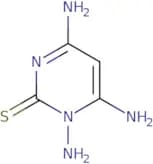
CAS:<p>Versatile small molecule scaffold</p>Fórmula:C9H12FNO2Pureza:Min. 95%Peso molecular:185.2 g/mol1,4,6-Triamino-1,2-dihydropyrimidine-2-thione
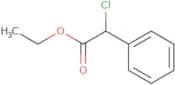
CAS:<p>1,4,6-Triamino-1,2-dihydropyrimidine-2-thione is a chemical compound that is soluble in water and methanol. It has been shown to cleave bonds by the use of sodium hydroxide solution.</p>Fórmula:C4H7N5SPureza:Min. 95%Peso molecular:157.2 g/molEthyl alpha-chlorophenylacetate
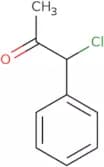
CAS:<p>Ethyl alpha-chlorophenylacetate (ECA) is a synthetic molecule that has been shown to have anti-inflammatory and neurodegenerative properties. It is a benzimidazole derivative with a hydroxyl group on the ethyl alpha-chlorophenylacetate moiety. ECA has been shown to inhibit inflammatory responses in mice by targeting transcription factors, such as NF-κB and AP-1, which are involved in the regulation of immune responses. It also has an anti-inflammatory effect on malonic acid induced colitis in mice.</p>Fórmula:C10H11ClO2Pureza:Min. 95%Peso molecular:198.65 g/mol1-Chloro-1-phenylpropan-2-one
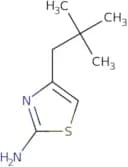
CAS:<p>1-Chloro-1-phenylpropan-2-one is an exploratory compound that has been deployed as a mechanistic probe to probe the radical mechanism of aldehydes. It has been shown that 1-chloro-1-phenylpropan-2-one can be used to generate fluorescent compounds and study the fluorescence, UV radiation, and radical mechanism of aldehydes. This molecule also has the ability to react with electron rich compounds such as aziridines to form chiral products. The substituent on this molecule will affect its biological activity.</p>Fórmula:C9H9ClOPureza:Min. 95%Peso molecular:168.62 g/mol4-(2,2-Dimethylpropyl)-1,3-thiazol-2-amine
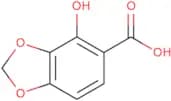
CAS:Versatile small molecule scaffoldFórmula:C8H14N2SPureza:Min. 95%Peso molecular:170.28 g/mol4-Hydroxy-1,3-dioxaindane-5-carboxylic acid
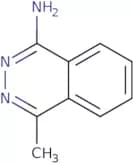
CAS:Versatile small molecule scaffoldFórmula:C8H6O5Pureza:Min. 95%Peso molecular:182.13 g/mol4-Methylphthalazin-1-amine
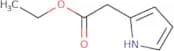
CAS:<p>4-Methylphthalazin-1-amine is a heteroaromatic compound that can be synthesized by cyclization of phenacyl bromides and bromoacetates. It has been found in Australian plants and may have a role in the development of schizophrenia. 4-Methylphthalazin-1-amine is not soluble in water, but it can be dissolved in solvents such as acetone or ethanol. It is also insoluble in most organic solvents.</p>Fórmula:C9H9N3Pureza:Min. 95%Peso molecular:159.19 g/molEthyl 2-(1H-pyrrol-2-yl)acetate
CAS:<p>Versatile small molecule scaffold</p>Fórmula:C8H11NO2Pureza:Min. 95%Peso molecular:153.18 g/mol1-Ethyl-1H-pyrrole-2-carboxylic acid
CAS:<p>1-Ethyl-1H-pyrrole-2-carboxylic acid is a chemical compound that is used as an organic solvent. It is also known as ethyl formate, which is a colorless liquid with a sweet odor. This ester is used to produce esters and other compounds for use in the synthesis of polymers or dyes. It can be halogenated and may be used as an acid ester or acid anhydride. 1-Ethyl-1H-pyrrole-2-carboxylic acid has shown to have some antiinflammatory properties, but it can also cause severe eye irritation and skin sensitization.</p>Fórmula:C7H9NO2Pureza:Min. 95%Peso molecular:139.15 g/mol3-Oxa-9-azaspiro[5.5]undecane-8,10-dione
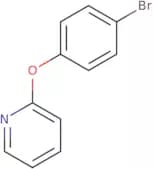
CAS:<p>Versatile small molecule scaffold</p>Fórmula:C9H13NO3Pureza:Min. 95%Peso molecular:183.2 g/mol2-(4-Bromophenoxy)pyridine
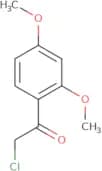
CAS:<p>Versatile small molecule scaffold</p>Fórmula:C11H8BrNOPureza:Min. 95%Peso molecular:250.09 g/mol2-Chloro-1-(2,4-dimethoxy-phenyl)-ethanone
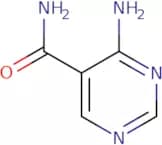
CAS:Versatile small molecule scaffoldFórmula:C10H11ClO3Pureza:Min. 95%Peso molecular:214.65 g/mol4-aminopyrimidine-5-carboxamide
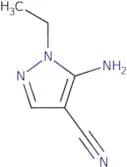
CAS:<p>4-Aminopyrimidine-5-carboxamide is an amide that is synthesized from the reaction of eosinophil and amine. This compound inhibits transcription in a dose-dependent manner, with a high potency for iminium and amines, but not primary amines. 4-Aminopyrimidine-5-carboxamide is orally bioavailable and has shown to be effective in animal models. The compound has been optimized for oral administration and has shown to produce good yields. 4-Aminopyrimidine-5-carboxamide also possesses transcription factor inhibitory activity against interleukin, which may provide therapeutic benefit for inflammatory disorders.</p>Fórmula:C5H6N4OPureza:Min. 95%Peso molecular:138.13 g/mol5-Amino-1-ethyl-1H-pyrazole-4-carbonitrile
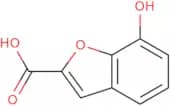
CAS:<p>Versatile small molecule scaffold</p>Fórmula:C6H8N4Pureza:Min. 95%Peso molecular:136.15 g/mol7-Hydroxy-1-benzofuran-2-carboxylic acid
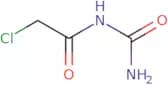
CAS:Versatile small molecule scaffoldFórmula:C9H6O4Pureza:Min. 95%Peso molecular:178.14 g/mol(2-Chloro-acetyl)-urea
CAS:2-Chloro-acetyl)-urea is a disinfectant that has been shown to be active against bacterial spores. It reacts with sodium taurocholate to form mercuric chloride and triazine, which are the reaction products of the 2-chloro-acetyl)-urea. The molecular modeling study of 2-chloro-acetyl)-urea showed that this molecule has a hydrophobic region and can bind with water molecules through hydrogen bonding. This property allows it to act as a detergent composition in cleaning products. 2-Chloro-acetyl)-urea also has an ethyl diazoacetate group, which is used in biocides for its ability to penetrate cell membranes. 2-Chloro-acetyl)-urea is also used in molecular modeling studies as a substrate for s-adenosylhomocysteine hydrolase (SAHH) enzymes, which are involved in the synthesis of adFórmula:C3H5ClN2O2Pureza:Min. 95%Peso molecular:136.54 g/mol3-(2-Chloroacetyl)-1-phenylurea
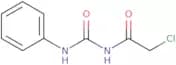
CAS:Versatile small molecule scaffoldFórmula:C9H9ClN2O2Pureza:Min. 95%Peso molecular:212.63 g/mol3-(2-Chloroacetyl)-1-ethylurea
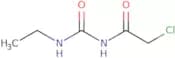
CAS:<p>Versatile small molecule scaffold</p>Fórmula:C5H9ClN2O2Pureza:Min. 95%Peso molecular:164.59 g/mol3-(2-Chloroacetyl)-1-propylurea
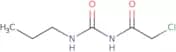
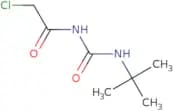
CAS:<p>Versatile small molecule scaffold</p>Fórmula:C6H11ClN2O2Pureza:Min. 95%Peso molecular:178.62 g/mol1-tert-Butyl-3-(2-chloroacetyl)urea
CAS:<p>Versatile small molecule scaffold</p>Fórmula:C7H13ClN2O2Pureza:Min. 95%Peso molecular:192.64 g/mol2-Ethyl-1-methylpiperazine
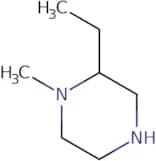
CAS:<p>Versatile small molecule scaffold</p>Fórmula:C7H16N2Pureza:Min. 95%Peso molecular:128.22 g/mol1,4-Dioxaspiro[4.6]undecan-8-one
CAS:<p>Versatile small molecule scaffold</p>Fórmula:C9H14O3Pureza:Min. 95%Peso molecular:170.21 g/mol5-(Benzyloxy)-7-methyl-1H-indole
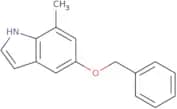
CAS:Versatile small molecule scaffoldFórmula:C16H15NOPureza:Min. 95%Peso molecular:237.3 g/molEthyl 2,4-dichloro-5-sulfamoylbenzoate
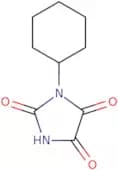
CAS:<p>Versatile small molecule scaffold</p>Fórmula:C9H9Cl2NO4SPureza:Min. 95%Peso molecular:298.14 g/mol1-Cyclohexylimidazolidine-2,4,5-trione
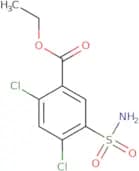
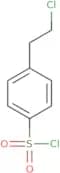
CAS:Versatile small molecule scaffoldFórmula:C9H12N2O3Pureza:Min. 95%Peso molecular:196.2 g/mol4-(2-Chloroethyl)benzene-1-sulfonyl chloride
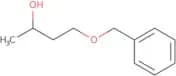
CAS:Versatile small molecule scaffoldFórmula:C8H8Cl2O2SPureza:Min. 95%Peso molecular:239.12 g/mol4-(Benzyloxy)butan-2-ol
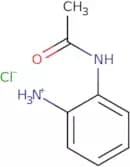
CAS:<p>4-Benzyloxybutan-2-ol is an immobilization linker that is used to connect a molecule to a solid surface, such as glass. The carboxylate group of 4-benzyloxybutan-2-ol reacts with the hydroxyl groups on the glass surface and forms a covalent bond by reacting with the amine groups of the molecule. This linker can be used for immobilizing biomolecules or synthetic molecules in order to study their kinetics or other properties. It is also used for solid phase synthesis. 4-Benzyloxybutan-2-ol has been shown to be biocatalyzed by lipase and has been shown to have high reactivity at temperatures below 40°C. Techniques such as IR spectroscopy, NMR spectroscopy, and mass spectrometry are commonly used to characterize this compound.</p>Fórmula:C11H16O2Pureza:Min. 95%Peso molecular:180.24 g/mol2-Amino-N-phenylacetamide hydrochloride
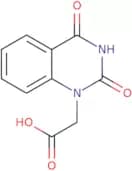
CAS:Versatile small molecule scaffoldFórmula:C8H11ClN2OPureza:Min. 95%Peso molecular:186.64 g/mol2-(2,4-Dioxo-1,2,3,4-tetrahydroquinazolin-1-yl)acetic acid
CAS:Versatile small molecule scaffoldFórmula:C10H8N2O4Pureza:Min. 95%Peso molecular:220.18 g/mol3-Bromo-2-methylimidazo[1,2-a]pyridine
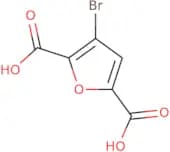
CAS:<p>Versatile small molecule scaffold</p>Fórmula:C8H7BrN2Pureza:Min. 95%Peso molecular:211.06 g/mol3-Bromofuran-2,5-dicarboxylic acid
CAS:Versatile small molecule scaffoldFórmula:C6H3BrO5Pureza:Min. 95%Peso molecular:234.99 g/mol3-Methylrhodanine
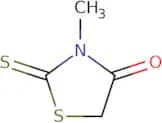
CAS:3-Methylrhodanine is a tetronic acid that has been shown to be an inhibitor of a number of enzyme systems. 3-Methylrhodanine has been demonstrated to have acute toxicities in animals and humans, and it is amide-sensitive. The biological properties of 3-methylrhodanine have been studied by examining the effects on enzymes involved in the metabolism of cholesterol, steroid hormones, and amino acids. 3-Methylrhodanine has also been used as a surface-enhanced raman probe for detecting hydrogen bonds in organic molecules. It has been shown to bind to carbonyl groups and form coordination complexes with metals such as copper and zinc. This compound also forms intramolecular hydrogen bonds between its two hydroxyl groups.Fórmula:C4H5NOS2Pureza:Min. 95%Peso molecular:147.22 g/mol2,6-Dimethyl-4-nitropyridine N-oxide
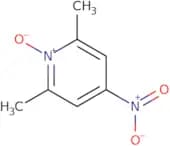
CAS:<p>2,6-Dimethyl-4-nitropyridine N-oxide (DMNPO) is a functional group that has been extensively studied in organic chemistry. DMNPO is the hydrochloride salt of DMNPO. It is a crystalline solid with a molecular weight of 138.08 g/mol and melting point of about 190 °C. The molecule has a planar structure with two nitro groups on the same side of the ring and an oxygen atom in between them. The nitro groups are electron withdrawing groups, which cause DMNPO to have a negative charge at physiological pH values. The chemical formula for DMNPO is C5H8NO2ClO2 and it can be synthesized by reacting 2,6-dimethylpyridine with nitric acid in acetic acid solvent at room temperature.</p>Fórmula:C7H8N2O3Pureza:Min. 95%Peso molecular:168.15 g/mol2-(Hexylamino)ethan-1-ol
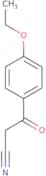
CAS:Miltefosine is a cell-toxic agent that is used to treat leishmaniasis. Miltefosine has been shown to be active against the promastigotes and intracellular amastigotes of Leishmania infantum. It also has antileishmanial activity against L. major, L. tropica, and L. mexicana, as well as against the human parasite Leishmania donovani. Miltefosine is an analog of 2-(hexyloxy)ethanol that can be conjugated with a variety of functional groups for use in drug delivery systems, such as liposomes and polymeric micelles. This agent exhibits hemolytic activity when introduced into erythrocytes in vitro, which may be due to its ability to inhibit protein synthesis at the ribosome level by binding to the 50S subunit of the ribosome's large subunit and inhibiting peptideFórmula:C8H19NOPureza:Min. 95%Peso molecular:145.24 g/mol3-(4-Ethoxyphenyl)-3-oxopropanenitrile
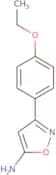
CAS:<p>Versatile small molecule scaffold</p>Fórmula:C11H11NO2Pureza:Min. 95%Peso molecular:189.21 g/mol3-(4-ethoxyphenyl)-1,2-oxazol-5-amine
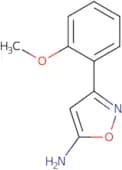
CAS:Versatile small molecule scaffoldFórmula:C11H12N2O2Pureza:Min. 95%Peso molecular:204.23 g/mol3-(2-Methoxyphenyl)-1,2-oxazol-5-amine
CAS:Versatile small molecule scaffoldFórmula:C10H10N2O2Pureza:Min. 95%Peso molecular:190.2 g/molEthyl 2-[(2-phenylethyl)amino]acetate
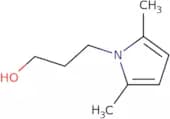
CAS:Ethyl 2-[(2-phenylethyl)amino]acetate is a prodrug of prostaglandin E2. It is used as an anti-inflammatory agent and has been shown to have both anti-inflammatory and analgesic effects. The drug binds to the prostaglandin E receptor, which in turn activates certain enzymes that cause the production of prostaglandin E2. Prostaglandin E2 is a hormone that plays an important role in inflammation, pain, and fever. It also causes blood vessels to open wider and stimulates the release of histamine from mast cells.Fórmula:C12H17NO2Pureza:Min. 95%Peso molecular:207.27 g/mol3-(2,5-Dimethyl-1H-pyrrol-1-yl)propan-1-ol
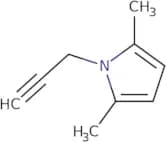
CAS:Versatile small molecule scaffoldFórmula:C9H15NOPureza:Min. 95%Peso molecular:153.22 g/mol2,5-dimethyl-1-(prop-2-yn-1-yl)-1H-pyrrole
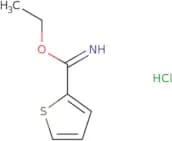
CAS:Versatile small molecule scaffoldFórmula:C9H11NPureza:Min. 95%Peso molecular:133.19 g/molEthyl thiophene-2-carboximidoate hydrochloride
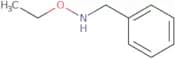
CAS:Versatile small molecule scaffoldFórmula:C7H10ClNOSPureza:Min. 95%Peso molecular:191.68 g/molBenzyl(ethoxy)amine
CAS:<p>Benzyl(ethoxy)amine is a pyrimidine compound that is used as a pharmaceutical preparation. Benzyl(ethoxy)amine has been shown to be beneficial in the treatment of tuberculosis, syncytial virus infection, and congestive heart failure. It is synthesized by reacting benzyl alcohol with ethylene diamine. The two functional groups of benzyl (ethoxy)amine are hydroxybenzoic acid and the amine group. The amine group is responsible for receptor agonism, cell apoptosis, and inhibition of viral replication. The hydroxybenzoic acid group has been shown to inhibit the growth of bacteria such as Streptococcus pneumoniae and Mycoplasma pneumoniae. This drug also inhibits HIV-1 reverse transcriptase activity.<br>END></p>Fórmula:C9H13NOPureza:Min. 95%Peso molecular:151.21 g/mol[(4-Chlorophenyl)methyl](methoxy)amine
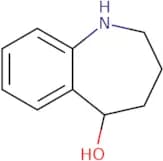
CAS:<p>Versatile small molecule scaffold</p>Fórmula:C8H10ClNOPureza:Min. 95%Peso molecular:171.62 g/mol2,3,4,5-Tetrahydro-1H-1-benzazepin-5-ol
CAS:Versatile small molecule scaffoldFórmula:C10H13NOPureza:Min. 95%Peso molecular:163.22 g/mol8-Amino-1,4-dioxaspiro[4.5]decane-8-carbonitrile
CAS:Versatile small molecule scaffoldFórmula:C9H14N2O2Pureza:Min. 95%Peso molecular:182.22 g/mol9,12-Dioxa-1,3-diazadispiro[4.2.4.2]tetradecane-2,4-dione
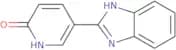
CAS:Versatile small molecule scaffoldFórmula:C10H14N2O4Pureza:Min. 95%Peso molecular:226.23 g/mol5-(1H-Benzimidazol-2-yl)pyridin-2-ol
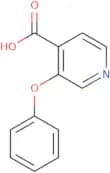
CAS:<p>5-(1H-Benzimidazol-2-yl)pyridin-2-ol is a proapoptotic agent that is synthesized from the reaction of benzimidazole with 2-chloroacetic acid. This compound was found to be cytotoxic and proapoptotic in ovarian cancer cells, as it inhibits DNA polymerase activity and induces apoptosis. 5-(1H-Benzimidazol-2-yl)pyridin-2-ol has been shown to activate caspase 3, which may lead to the activation of downstream events such as mitochondrial membrane permeabilization, cytochrome c release, and caspase 9 activation. The mechanism of action for this drug is still under investigation.</p>Fórmula:C12H9N3OPureza:Min. 95%Peso molecular:211.21 g/mol3-Phenoxypyridine-4-carboxylic acid
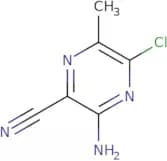
CAS:<p>Versatile small molecule scaffold</p>Fórmula:C12H9NO3Pureza:Min. 95%Peso molecular:215.2 g/mol3-Amino-5-chloro-6-methylpyrazine-2-carbonitrile
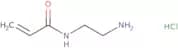
CAS:<p>Versatile small molecule scaffold</p>Fórmula:C6H5ClN4Pureza:Min. 95%Peso molecular:168.58 g/molN-(2-aminoethyl)prop-2-enamide hydrochloride
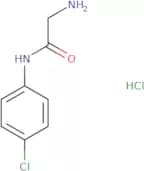
CAS:N-(2-aminoethyl)prop-2-enamide hydrochloride is a monomer that has a molecular weight of about 146.1 g/mol and a chemical formula of C5H14N3O3Cl. It is synthesized through an experimental process involving the reaction of propanoyl chloride with 2-aminoethylamine. The chemical structures of this monomer are shown in Figure 1, which also reveals its resonance, kinetic, and magnetic properties. N-(2-aminoethyl)prop-2-enamide hydrochloride has a viscosity of about 0.7 mPa·s at 25°C and is soluble in water, ethanol, chloroform, ether, and benzene.Fórmula:C5H11ClN2OPureza:Min. 95%Peso molecular:150.61 g/mol2-Amino-N-(4-chlorophenyl)acetamide hydrochloride
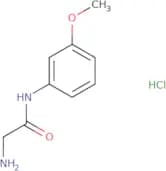
CAS:Versatile small molecule scaffoldFórmula:C8H10Cl2N2OPureza:Min. 95%Peso molecular:221.08 g/mol2-Amino-N-(3-methoxyphenyl)acetamide hydrochloride
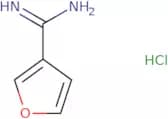
CAS:Versatile small molecule scaffoldFórmula:C9H13ClN2O2Pureza:Min. 95%Peso molecular:216.66 g/molFuran-3-carboxamidine hydrochloride
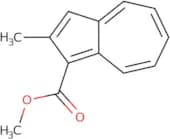
CAS:<p>Versatile small molecule scaffold</p>Fórmula:C5H6N2O·HClPureza:Min. 95%Peso molecular:146.58 g/molMethyl 2-methylazulene-1-carboxylate
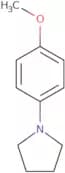
CAS:Methyl 2-methylazulene-1-carboxylate is a natural product that is found in the leaves of the "Mentha" species. It has shown anti-inflammatory, analgesic and antipyretic properties. Methyl 2-methylazulene-1-carboxylate is a cost effective analog of azulene and is used in medicinal preparations. It can be obtained by thermolysis of an ether or vinyl ether with a lactone. This compound has been shown to have optical (light) activity when cycloaddition reactions occur at the double bonds of the molecule. Tropolones are related compounds that also show this optical property.Fórmula:C13H12O2Pureza:Min. 95%Peso molecular:200.23 g/mol1-(4-Methoxyphenyl)pyrrolidine
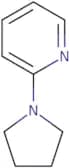
CAS:<p>1-(4-Methoxyphenyl)pyrrolidine is an amide that is structurally related to buspirone and diazepam. It has been shown to have a high affinity for serotonin receptors. 1-(4-Methoxyphenyl)pyrrolidine has been found to be an antagonist of diazepam in the brain, and it also inhibits the binding of lidocaine to the sodium channel. In addition, 1-(4-Methoxyphenyl)pyrrolidine has pharmacological properties similar to those of procaine and lidocaine, which are used as local anesthetics. This drug was found to be acutely toxic in rats, but not at levels that would be harmful for humans.</p>Fórmula:C11H15NOPureza:Min. 95%Peso molecular:177.24 g/mol2-(Pyrrolidin-1-yl)pyridine
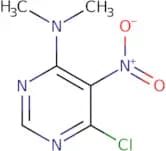
CAS:<p>2-(Pyrrolidin-1-yl)pyridine is a chiral compound that belongs to the group of nucleophilic compounds. It can be synthesized in two different configurations, as either the erythro or threo isomer. The synthesis of 2-(pyrrolidin-1-yl)pyridine requires an asymmetric synthesis and involves the reaction of an acyl chloride with 2,6-dichloropyrimidine. The erythro isomer has been shown to have receptor activity at cb2 receptors and has been shown to reduce inflammation in animal models. The threo isomer has been shown to have reduced activity at cb2 receptors and does not show anti-inflammatory properties.</p>Fórmula:C9H12N2Pureza:Min. 95%Peso molecular:148.2 g/mol6-Chloro-N,N-dimethyl-5-nitropyrimidin-4-amine
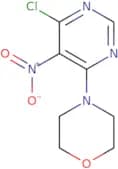
CAS:Versatile small molecule scaffoldFórmula:C6H7ClN4O2Pureza:Min. 95%Peso molecular:202.6 g/mol4-(6-Chloro-5-nitropyrimidin-4-yl)morpholine
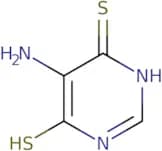
CAS:Versatile small molecule scaffoldFórmula:C8H9ClN4O3Pureza:Min. 95%Peso molecular:244.63 g/mol5-Aminopyrimidine-4,6-dithiol
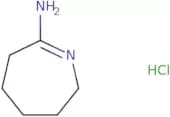
CAS:<p>Versatile small molecule scaffold</p>Fórmula:C4H5N3S2Pureza:Min. 95%Peso molecular:159.2 g/mol3,4,5,6-Tetrahydro-2H-azepin-7-amine hydrochloride
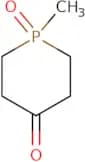
CAS:Versatile small molecule scaffoldFórmula:C6H13ClN2Pureza:Min. 95%Peso molecular:148.63 g/mol1-Methyl-4-phosphorinanone 1-oxide
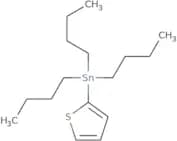
CAS:<p>Versatile small molecule scaffold</p>Fórmula:C6H11O2PPureza:Min. 95%Peso molecular:146.12 g/mol2-(Tributylstannyl)thiophene
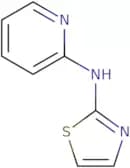
CAS:Produto Controlado<p>2-Tributylstannylthiophene is a molecule that is used in organic synthesis. It is synthesized by the cross-coupling of 2-bromothiophene and tributyltin chloride. This molecule has been shown to be thermochromic, meaning that it changes color with a change in temperature. The color changes from yellow at lower temperatures to red at higher temperatures. 2-Tributylstannylthiophene has been shown to have optical properties, such as fluorescence and absorption, which are dependent on its molecular structure. It also has chemical properties, such as acidity, which can be altered by substituents on the carbon atoms of the molecule. 2-Tributylstannylthiophene can be used as a monomer for an organic material with constant optical properties because it does not undergo any reactions when exposed to inorganic acids or bases.</p>Fórmula:C16H30SSnPureza:Min. 95%Peso molecular:373.18 g/molN-(1,3-Thiazol-2-yl)pyridin-2-amine
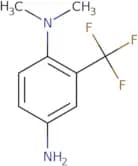
CAS:<p>N-(1,3-Thiazol-2-yl)pyridin-2-amine is a tyrosine kinase inhibitor that can be used to treat cancer. It was found to inhibit the growth of tumor cells by interfering with their ability to make new proteins. The drug also has a low molecular weight and a high solubility in water, which makes it suitable for intravenous administration. N-(1,3-Thiazol-2-yl)pyridin-2-amine inhibits protein kinases through competitive binding to the ATP binding site on the enzyme's active site. It has an analog profile that includes low molecular weight and high solubility in water, making it suitable for intravenous administration. Additionally, it has been shown that this drug is selective for receptor tyrosine kinases over other types of protein kinases (e.g., serine/threonine), while still exhibiting cross covalent coupling with piperazine</p>Fórmula:C8H7N3SPureza:Min. 95%Peso molecular:177.23 g/molN-1,N-1-Dimethyl-2-(trifluoromethyl)-1,4-benzenediamine
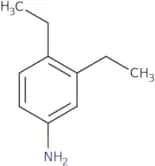
CAS:Versatile small molecule scaffoldFórmula:C9H11F3N2Pureza:Min. 95%Peso molecular:204.19 g/mol3,4-Diethylaniline
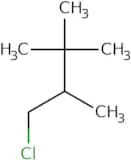
CAS:Versatile small molecule scaffoldFórmula:C10H15NPureza:Min. 95%Peso molecular:149.23 g/mol1-Chloro-2,3,3-trimethylbutane
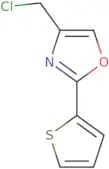
CAS:<p>Versatile small molecule scaffold</p>Fórmula:C7H15ClPureza:Min. 95%Peso molecular:134.65 g/mol4-(Chloromethyl)-2-(thiophen-2-yl)-1,3-oxazole
CAS:Versatile small molecule scaffoldFórmula:C8H6ClNOSPureza:Min. 95%Peso molecular:199.66 g/mol
![Spiro[4.5]decan-1-one](/_next/image/?url=https%3A%2Fstatic.cymitquimica.com%2Fproducts%2F3D%2Fthumb-webp%2FEAA72891.webp&w=3840&q=75)

![5H,7H-Furo[3,4-b]pyridin-7-one](/_next/image/?url=https%3A%2Fstatic.cymitquimica.com%2Fproducts%2F3D%2Fthumb-webp%2FEAA73369.webp&w=3840&q=75)

![Spiro[cyclohexane-1,3'-indoline] hydrochloride](/_next/image/?url=https%3A%2Fstatic.cymitquimica.com%2Fproducts%2F3D%2Fthumb-webp%2FEAA74063.webp&w=3840&q=75)
![furo[3,4-c]pyridin-1(3H)-one](/_next/image/?url=https%3A%2Fstatic.cymitquimica.com%2Fproducts%2F3D%2Fthumb-webp%2FEAA74142.webp&w=3840&q=75)
![1,4-Dioxaspiro[4.4]nonan-2-ylmethanamine](/_next/image/?url=https%3A%2Fstatic.cymitquimica.com%2Fproducts%2F3D%2Fthumb-webp%2FEAA74517.webp&w=3840&q=75)
![N-[(4-Chlorophenyl)methyl]aniline](/_next/image/?url=https%3A%2Fstatic.cymitquimica.com%2Fproducts%2F3D%2Fthumb-webp%2FEAA75061.webp&w=3840&q=75)
![4H,5H,6H,7H,8H-Thieno[3,2-c]azepin-4-one](/_next/image/?url=https%3A%2Fstatic.cymitquimica.com%2Fproducts%2F3D%2Fthumb-webp%2FEAA75159.webp&w=3840&q=75)
![3-Oxa-9-azaspiro[5.5]undecane-8,10-dione](/_next/image/?url=https%3A%2Fstatic.cymitquimica.com%2Fproducts%2F3D%2Fthumb-webp%2FEAA78013.webp&w=3840&q=75)
![1,4-Dioxaspiro[4.6]undecan-8-one](/_next/image/?url=https%3A%2Fstatic.cymitquimica.com%2Fproducts%2F3D%2Fthumb-webp%2FEAA79237.webp&w=3840&q=75)
![3-Bromo-2-methylimidazo[1,2-a]pyridine](/_next/image/?url=https%3A%2Fstatic.cymitquimica.com%2Fproducts%2F3D%2Fthumb-webp%2FEAA80570.webp&w=3840&q=75)

![Ethyl 2-[(2-phenylethyl)amino]acetate](/_next/image/?url=https%3A%2Fstatic.cymitquimica.com%2Fproducts%2F3D%2Fthumb-webp%2FECA60835.webp&w=3840&q=75)
amine](/_next/image/?url=https%3A%2Fstatic.cymitquimica.com%2Fproducts%2F3D%2Fthumb-webp%2FECA61516.webp&w=3840&q=75)
![8-Amino-1,4-dioxaspiro[4.5]decane-8-carbonitrile](/_next/image/?url=https%3A%2Fstatic.cymitquimica.com%2Fproducts%2F3D%2Fthumb-webp%2FECA62116.webp&w=3840&q=75)
![9,12-Dioxa-1,3-diazadispiro[4.2.4.2]tetradecane-2,4-dione](/_next/image/?url=https%3A%2Fstatic.cymitquimica.com%2Fproducts%2F3D%2Fthumb-webp%2FECA62117.webp&w=3840&q=75)