Building Blocks
Esta seção contém produtos fundamentais para a síntese de compostos orgânicos e biológicos. Building blocks são os materiais de partida essenciais usados para construir moléculas complexas através de várias reações químicas. Eles desempenham um papel crítico na descoberta de medicamentos, ciência dos materiais e pesquisa química. Na CymitQuimica, oferecemos uma ampla gama de building blocks de alta qualidade para apoiar suas pesquisas inovadoras e projetos industriais, garantindo que você tenha os componentes essenciais para uma síntese bem-sucedida.
Subcategorias de "Building Blocks"
- Ácidos Borónicos e Derivados de Ácido Borónico(5.756 produtos)
- Building Blocks Quirais(1.242 produtos)
- Building Blocks Hidrocarbonetos(6.095 produtos)
- Building Blocks orgânicos(61.037 produtos)
Foram encontrados 196139 produtos de "Building Blocks"
Ordenar por
Pureza (%)
0
100
|
0
|
50
|
90
|
95
|
100
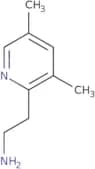
2-(3,5-Dimethylpyridin-2-yl)ethan-1-amine
CAS:<p>Versatile small molecule scaffold</p>Fórmula:C9H14N2Pureza:Min. 95%Peso molecular:150.22 g/mol4-Chloro-[1,3]oxazolo[4,5-c]pyridine
CAS:<p>Versatile small molecule scaffold</p>Fórmula:C6H3ClN2OPureza:Min. 95%Peso molecular:154.55 g/mol4-Bromo-1H-pyrazolo[4,3-c]pyridine
CAS:<p>Versatile small molecule scaffold</p>Fórmula:C6H4BrN3Pureza:Min. 95%Peso molecular:198.02 g/mol5-Bromopyrido[3,4-b]pyrazine
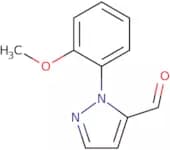
CAS:<p>Versatile small molecule scaffold</p>Fórmula:C7H4BrN3Pureza:Min. 95%Peso molecular:210.03 g/mol1-(2-Methoxyphenyl)-1H-pyrazole-5-carbaldehyde
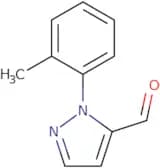
CAS:<p>Versatile small molecule scaffold</p>Fórmula:C11H10N2O2Pureza:Min. 95%Peso molecular:202.21 g/mol1-(2-Methylphenyl)-1H-pyrazole-5-carbaldehyde
CAS:<p>Versatile small molecule scaffold</p>Fórmula:C11H10N2OPureza:Min. 95%Peso molecular:186.21 g/mol8-Fluoroimidazo[1,5-a]pyridine-3-carboxylic acid
CAS:<p>Versatile small molecule scaffold</p>Fórmula:C8H5FN2O2Pureza:Min. 95%Peso molecular:180.14 g/mol7-Chloroimidazo[1,5-a]pyridine-3-carboxylic acid
CAS:<p>Versatile small molecule scaffold</p>Fórmula:C8H5ClN2O2Pureza:Min. 95%Peso molecular:196.59 g/mol8-Bromoimidazo[1,2-a]pyridine-3-carboxylic acid
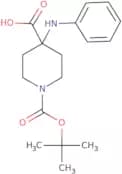
CAS:<p>Versatile small molecule scaffold</p>Fórmula:C8H5BrN2O2Pureza:Min. 95%Peso molecular:241.04 g/mol1-(tert-butoxycarbonyl)-4-(phenylamino)piperidine-4-carboxylic acid
CAS:<p>Versatile small molecule scaffold</p>Fórmula:C17H24N2O4Pureza:Min. 95%Peso molecular:320.38 g/mol1-[(tert-butoxy)carbonyl]-4-(1H-pyrazol-1-yl)piperidine-4-carboxylic acid
CAS:<p>Versatile small molecule scaffold</p>Fórmula:C14H21N3O4Pureza:Min. 95%Peso molecular:295.3 g/mol1-(Benzo[D]oxazol-2-yl)cyclopropanamine
CAS:<p>Versatile small molecule scaffold</p>Fórmula:C10H10N2OPureza:Min. 95%Peso molecular:174.2 g/mol2-(Methoxymethyl)-5H,6H,7H,8H-pyrido[4,3-d]pyrimidine
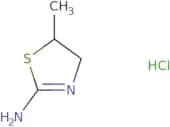
CAS:<p>Versatile small molecule scaffold</p>Fórmula:C9H13N3OPureza:Min. 95%Peso molecular:179.22 g/mol5-Methyl-4,5-dihydro-1,3-thiazol-2-amine hydrochloride
CAS:<p>Versatile small molecule scaffold</p>Fórmula:C4H9ClN2SPureza:Min. 95%Peso molecular:152.65 g/mol2-[(2-Aminoethanesulfinyl)sulfanyl]ethan-1-amine dihydrochloride
CAS:<p>Versatile small molecule scaffold</p>Fórmula:C4H14Cl2N2OS2Pureza:Min. 95%Peso molecular:241.2 g/mol2-[2-(Methylsulfanyl)phenyl]acetic acid
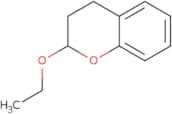
CAS:<p>Versatile small molecule scaffold</p>Fórmula:C9H10O2SPureza:Min. 95%Peso molecular:182.24 g/mol2-Ethoxy-3,4-dihydro-2H-1-benzopyran
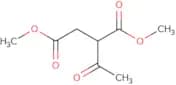
CAS:<p>2-Ethoxy-3,4-dihydro-2H-1-benzopyran is a reagent that can be used for the preparation of various compounds. It is often used as a source of hydride transfer in enzymatic assays. 2-Ethoxy-3,4-dihydro-2H-1-benzopyran reacts with alkyl halides and acetonitrile to form quaternary ammonium salts and vinyl ethers respectively. The reaction proceeds by hydration, amine addition, or irradiation. This compound can also be used to prepare reactive naphthalenes and amines through an alkylation reaction. The reaction can be carried out at temperatures ranging from -78°C to 100°C.</p>Fórmula:C11H14O2Pureza:Min. 95%Peso molecular:178.23 g/molDimethyl Acetylsuccinate
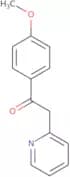
CAS:<p>Dimethyl Acetylsuccinate is a chemical compound that is used as an antiretroviral agent. It has been shown to be effective in the treatment of HIV-infected individuals with significant cytotoxicity and long-term efficacy. Dimethyl Acetylsuccinate is also used for the treatment of bowel diseases, such as ulcerative colitis and Crohn's disease, by reducing inflammation in the gut. This drug was found to be effective at removing reactive oxygen species from wastewater during its use as a coagulant in water treatment plants. Dimethyl Acetylsuccinate is not active against infectious diseases such as tuberculosis or malaria, but it does have some activity against influenza virus.</p>Fórmula:C8H12O5Pureza:Min. 95%Peso molecular:188.18 g/mol1-(4-Methoxyphenyl)-2-(pyridin-2-yl)ethan-1-one
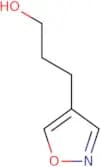
CAS:<p>Versatile small molecule scaffold</p>Fórmula:C14H13NO2Pureza:Min. 95%Peso molecular:227.26 g/mol3-Isoxazol-4-ylpropan-1-ol
CAS:<p>Versatile small molecule scaffold</p>Fórmula:C6H9NO2Pureza:Min. 95%Peso molecular:127.14 g/molN,N'-Diethyl-6-hydrazino-[1,3,5]triazine-2,4-diamine
CAS:<p>Versatile small molecule scaffold</p>Fórmula:C7H15N7Pureza:Min. 95%Peso molecular:197.24 g/mol3-Oxaspiro[5.5]undecane-9-carboxylic acid
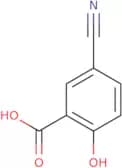
CAS:<p>Versatile small molecule scaffold</p>Fórmula:C11H18O3Pureza:Min. 95%Peso molecular:198.26 g/mol5-Cyano-2-hydroxybenzoic acid
CAS:<p>Versatile small molecule scaffold</p>Fórmula:C8H5NO3Pureza:Min. 95%Peso molecular:163.13 g/molMesulfamoyl chloride
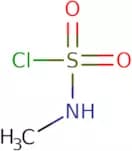
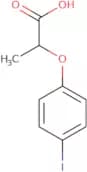
CAS:<p>Mesulfamoyl chloride is a sulphamic acid derivative that acts as an inhibitor of the enzyme sulphotransferase, which is involved in the conversion of sulphamates to sulphones. It has been used in clinical studies for the treatment of cancer and infectious diseases such as hepatitis. Mesulfamoyl chloride has been shown to be effective against oestrone sulphatase and serine proteases, which are enzymes that can lead to cell proliferation.</p>Fórmula:CH4ClNO2SPureza:Min. 95%Cor e Forma:Clear LiquidPeso molecular:129.57 g/mol(2S)-2-(4-Iodophenoxy)propanoic acid
CAS:<p>Versatile small molecule scaffold</p>Fórmula:C9H9IO3Pureza:Min. 95%Peso molecular:292.07 g/molMethyl[2-(piperidin-1-yl)ethyl]amine dihydrochloride
CAS:<p>Versatile small molecule scaffold</p>Fórmula:C8H20Cl2N2Pureza:Min. 95%Peso molecular:215.16 g/mol1H,4H,5H,6H-Cyclopenta[D]imidazole-2-thiol
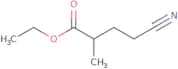
CAS:<p>Versatile small molecule scaffold</p>Fórmula:C6H8N2SPureza:Min. 95%Peso molecular:140.21 g/molEthyl 4-cyano-2-methylbutanoate
CAS:<p>Versatile small molecule scaffold</p>Fórmula:C8H13NO2Pureza:Min. 95%Peso molecular:155.19 g/mol5-[3-(Trifluoromethyl)phenyl]-1,3,4-thiadiazol-2-amine
CAS:<p>Versatile small molecule scaffold</p>Fórmula:C9H6F3N3SPureza:Min. 95%Peso molecular:245.23 g/mol5-[4-(Trifluoromethyl)phenyl]-1,3,4-thiadiazol-2-amine
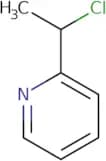
CAS:<p>Versatile small molecule scaffold</p>Fórmula:C9H6F3N3SPureza:Min. 95%Peso molecular:245.23 g/mol2-(1-Chloro-ethyl)-pyridine
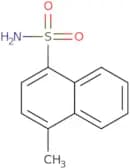
CAS:<p>2-(1-Chloro-ethyl)-pyridine is a triazole that is used as a chlorination catalyst. It has been shown to be an effective catalyst for the chlorination of ketones and acetylpyridine. 2-(1-Chloro-ethyl)-pyridine also catalyzes the transfer hydrogenation of pyridines, which can be useful in the synthesis of pharmaceuticals. Mechanistically, 2-(1-Chloro-ethyl)-pyridine is mononuclear with two active chlorine atoms and exhibits both nucleophilic and electrophilic properties.</p>Fórmula:C7H8ClNPureza:Min. 95%Peso molecular:141.6 g/mol4-Methylnaphthalene-1-sulfonamide
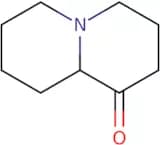
CAS:<p>Versatile small molecule scaffold</p>Fórmula:C11H11NO2SPureza:Min. 95%Peso molecular:221.28 g/molOctahydro-1H-quinolizin-1-one
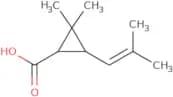
CAS:<p>Octahydro-1H-quinolizin-1-one is a drug that has been shown to be an effective treatment for inflammatory diseases, including inflammatory bowel disease and mucopolysaccharidosis. It binds to the M1 receptors in tissues, which leads to the inhibition of proinflammatory cytokines such as interleukin-1 (IL-1) and tumor necrosis factor (TNF). Octahydro-1H-quinolizin-1-one also has been shown to be an allosteric modulator for the IL-4 receptor. The drug also inhibits etoposide induced apoptosis in cancer cells, suggesting it may have therapeutic potential against cancer.</p>Fórmula:C9H15NOPureza:Min. 95%Peso molecular:153.22 g/molChrysanthemic acid
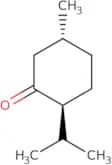
CAS:<p>Chrysanthemic acid is a chiral molecule that has been shown to have anti-inflammatory properties. The hydroxyl group in the molecule reacts with malonic acid, forming a chrysanthemic ester. Chrysanthemic acid is also known as an analytical method for determining the degree of unsaturation of fatty acids. Chrysanthemic acid is used in the synthesis of monoclonal antibodies, which can be applied for the treatment and prevention of diseases such as cancer, rheumatoid arthritis, Crohn's disease, and other autoimmune disorders. It can also be used to treat infections caused by bacteria that are resistant to antibiotics. The basic structure of chrysanthemic acid is an inorganic acid that contains a hydroxyl group and an asymmetric carbon atom.</p>Fórmula:C10H16O2Pureza:Min. 95%Peso molecular:168.23 g/molMenthone (Mixture of Diastereomers)
CAS:<p>Menthone is a terpene with a carbonyl group. It has been shown to have in vitro antifungal activity against some strains of bacteria and fungi. Menthone has been found to inhibit the enzyme DPP-IV, which is involved in the production of proinflammatory cytokines, such as IL-8. Menthone can be synthesized by reacting menthol with acetyl chloride. The structure of menthone can be confirmed using nuclear magnetic resonance spectroscopy (NMR). Isomenthone is another name for menthone that refers to one of its stereoisomers, or two molecules that are mirror images of each other. Isomenthone has also been shown to inhibit DPP-IV.</p>Fórmula:C10H18OPureza:Min. 95%Peso molecular:154.25 g/mol4-[(2,4-Dinitrophenyl)amino]butanoic acid
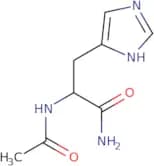
CAS:<p>4-[(2,4-Dinitrophenyl)amino]butanoic acid (4DNPA) is an acceptor for elongating ribosomes and is involved in the covalent binding of peptidyl tRNA to aminoacyl tRNA synthetase. 4DNPA has been shown to be reactive with the subunit of bacterial ribosomes and form covalent complexes. It also reacts with peptidyl-tRNA, forming a covalent adduct. This adduct blocks the peptidyl site on the ribosome and prevents protein synthesis.</p>Fórmula:C10H11N3O6Pureza:Min. 95%Peso molecular:269.21 g/mol2-Acetamido-3-(1H-imidazol-4-yl)propanamide
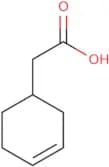
CAS:<p>Versatile small molecule scaffold</p>Fórmula:C8H12N4O2Pureza:Min. 95%Peso molecular:196.21 g/mol2-(Cyclohex-3-en-1-yl)acetic acid
CAS:<p>Versatile small molecule scaffold</p>Fórmula:C8H12O2Pureza:Min. 95%Peso molecular:140.18 g/molSpiro[3.4]octan-5-one
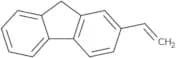
CAS:<p>Versatile small molecule scaffold</p>Fórmula:C8H12OPureza:Min. 95%Peso molecular:124.18 g/mol2-Ethenyl-9H-fluorene
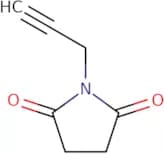
CAS:<p>2-Ethenyl-9H-fluorene (2EF) is a monomer that can be polymerized to form poly(2EF). The chemical properties of 2EF are similar to those of vinyl chloride, but the processability of 2EF is better. This monomer can be reacted with acrylates or methacrylates to produce polymers with good mechanical strength and water resistance. The polymerization reaction is catalyzed by an acrylate or methacrylate co-monomer and a cocatalyst such as ammonium peroxydisulfate. 2EF can also be used as a precursor for other compounds such as 9H-fluorenone, peroxides, ozonides, unsaturated alkyls, and chlorinated solvents.</p>Fórmula:C15H12Pureza:Min. 95%Peso molecular:192.25 g/molN-(2-Propynyl)succinimide
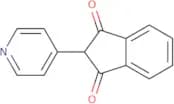
CAS:<p>N-(2-Propynyl)succinimide is a conjugate that inhibits the growth of bacteria by binding to the cell wall. It binds to the β-unsaturated ketones found in bacterial cell walls, which are normally involved in the synthesis of carbohydrates. N-(2-Propynyl)succinimide may also bind to nucleophiles such as cysteine residues and reversibly bind to cellular components. This drug has been shown to have antimycobacterial activity against Mycobacterium tuberculosis and Mycobacterium avium complex, but not against Mycobacterium leprae.</p>Fórmula:C7H7NO2Pureza:Min. 95%Peso molecular:137.14 g/mol2-(4-pyridyl)indane-1,3-dione
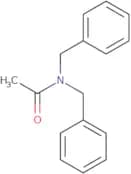
CAS:<p>2-(4-Pyridyl)indane-1,3-dione is a cytotoxic agent that inhibits the growth of cancer cells. It has been shown to be selective against colon and breast cancers in laboratory testing. 2-(4-Pyridyl)indane-1,3-dione blocks the progression of cancer by inhibiting the synthesis of DNA. This drug also has anti-inflammatory properties that may be due to its ability to inhibit prostaglandin synthesis. The cytotoxicity of 2-(4-pyridyl)indane-1,3-dione was tested on HT29 colon cancer cells and MDA-MB231 breast cancer cells in vitro. The drug showed an IC50 value of 0.21±0.03 μM for HT29 cells and 0.22±0.02 μM for MDA-MB231 cells, which is indicative of its potency as a cytotoxic agent against these cell lines</p>Pureza:Min. 95%Dibenzylaminemonoacetate
CAS:<p>Dibenzylaminemonoacetate is a hydroxy fatty acid that can be found in adipose tissue. It is an acylation reaction product of a fatty acid and aminoacetaldehyde, which is derived from the hydrolysis of the amino acid L-phenylalanine. Dibenzylaminemonoacetate has been shown to have anti-inflammatory effects in vitro and in vivo by activating PPARγ. When tested in mice, this compound was found to decrease levels of pro-inflammatory cytokines such as IL-1β, IL-6, and TNFα, while increasing levels of anti-inflammatory cytokines such as IL-10 and TGFβ. The mechanism behind these effects is not yet known but may be due to dibenzylaminemonoacetate’s ability to bind to amine groups on proteins or its ability to act as an antagonist for the α2A adrenergic receptor.</p>Fórmula:C16H17NOPureza:Min. 95%Peso molecular:239.32 g/molrac-(3aR,7aS)-Octahydro-1H-isoindol-1-one
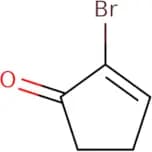
CAS:<p>Racemic octahydro-1H-isoindol-1-one is a compound that has been shown to have both inhibitory and stimulatory effects on the adrenergic receptors. It blocks the ATP-sensitive K+ channel, which causes an increase in intracellular calcium levels. This leads to the activation of phospholipase A2 and protein kinase C. Racemic octahydro-1H-isoindol-1-one also inhibits 5HT3 receptor antagonists, which are implicated in nausea and vomiting. Racemic octahydro-1H-isoindol-1-one also has been found to be a selective inhibitor of tyrosine kinases. The racemic mixture of octahydro isoindole 1, one isomer being more potent than the other. Racemic octahydro isoindole 1, one is a competitive inhibitor at serotonin transporter (SERT) and norepinephrine transporter (NET).</p>Fórmula:C8H13NOPureza:Min. 95%Peso molecular:139.19 g/mol2-Bromocyclopent-2-en-1-one
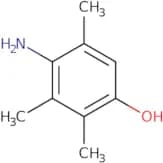
CAS:<p>2-Bromocyclopent-2-en-1-one is a synthetic bidentate ligand with the formula CHClBr. It has been used in organic synthesis as a nucleophilic reagent. 2-Bromocyclopent-2-en-1-one is also an active methylene group, which can undergo substitution reactions to form cationic intermediates. The chloride and hydroxy groups on the molecule are stereoselective, allowing for two different orientation of the substituents on the same carbon atom. This class of compounds encompasses many antimicrobial agents, such as chlorhexidine, hexachlorophene, and trichlorocarbanilide.</p>Fórmula:C5H5BrOPureza:Min. 95%Peso molecular:161 g/mol4-Amino-2,3,5-trimethylphenol
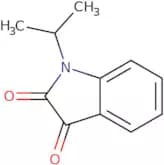
CAS:<p>Versatile small molecule scaffold</p>Fórmula:C9H13NOPureza:Min. 95%Peso molecular:151.21 g/mol1-Isopropyl-1H-indole-2,3-dione
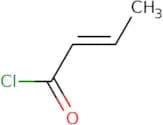
CAS:<p>Versatile small molecule scaffold</p>Fórmula:C11H11NO2Pureza:Min. 95%Peso molecular:189.21 g/molCrotonyl chloride
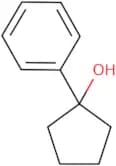
CAS:<p>Crotonyl chloride is a chemical compound that contains a hydroxyl group (-OH) and an amide (-CONH). It can be used in the synthesis of epidermal growth factor. Crotonyl chloride also has the ability to inhibit the growth of cancer cells by binding to surface receptors on the cell membrane, which leads to apoptosis. It is used as a polymerase chain reaction (PCR) substrate film for sodium carbonate and chloride yields. This chemical can be synthesized using an asymmetric synthesis with nitrogen atoms, amines, and sodium carbonate.</p>Fórmula:C4H5ClOPureza:Min. 95%Peso molecular:104.53 g/mol1-Phenylcyclopentan-1-ol
CAS:<p>1-Phenylcyclopentan-1-ol is an estrogenic compound that has been shown to be a potent contraceptive. It inhibits the production of estrogens, which are responsible for the development and maintenance of female reproductive tissues. 1-Phenylcyclopentan-1-ol also has anti-cancer activity, as it can inhibit the growth of cancer cells by inhibiting protein synthesis or cell division. This compound has been shown to have no effect on fertility in rats and rabbits. 1-Phenylcyclopentan-1-ol is also an alkoxy radical scavenger and can be used as a treatment for fatty acid peroxidation.</p>Fórmula:C11H14OPureza:Min. 95%Peso molecular:162.23 g/molEthyl 3-oxooctanoate
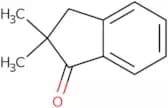
CAS:<p>Ethyl 3-oxooctanoate is a chiral, reactive, and stereoselective compound that is produced by the ring-opening of trifluoroacetic acid with octanal. It can be used in the synthesis of epoxides, propiolic acid, and agrichemicals. Ethyl 3-oxooctanoate has also been found to be a pheromone for male grasshoppers. This compound has been shown to react with acetaldehyde and form a carbonyl group, which is necessary for its reactivity. Ethyl 3-oxooctanoate has two different reactive groups: an electrophilic carbonyl group and a nucleophilic carboxylic acid group. These two reactive groups make it multidimensional in terms of reactivity.</p>Fórmula:C10H18O3Pureza:Min. 95%Peso molecular:186.25 g/mol2,2-Dimethyl-1-indanone
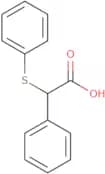
CAS:<p>2,2-Dimethyl-1-indanone is a carbonyl group with an aromatic hydrocarbon that has been shown to have anti-inflammatory properties. It has been found in the blood of patients with inflammatory bowel disease and also in Alzheimer's disease patients. This active methylene is a pyrimidine compound that has been shown to be useful in the synthesis of polymers used in copolymerization and condensation reactions. The compound can also be used as an intermediate for drugs against bowel diseases or Alzheimer's disease.</p>Fórmula:C11H12OPureza:Min. 95%Peso molecular:160.21 g/mol2-Phenyl-2-(phenylthio)acetic acid
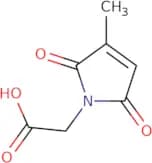
CAS:<p>Versatile small molecule scaffold</p>Fórmula:C14H12O2SPureza:Min. 95%Peso molecular:244.31 g/mol2-(3-Methyl-2,5-dioxo-2,5-dihydro-1H-pyrrol-1-yl)acetic acid
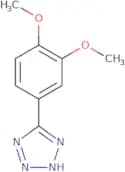
CAS:<p>Versatile small molecule scaffold</p>Fórmula:C7H7NO4Pureza:Min. 95%Peso molecular:169.13 g/mol5-(3,4-Dimethoxyphenyl)-1H-1,2,3,4-tetrazole
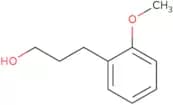
CAS:<p>Versatile small molecule scaffold</p>Fórmula:C9H10N4O2Pureza:Min. 95%Peso molecular:206.2 g/mol3-(2-methoxy-phenyl)-propan-1-ol
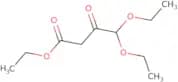
CAS:<p>3-(2-methoxy-phenyl)-propan-1-ol is a phenylpropanoid glycoside that has been shown to have diagnostic potential for the detection of a number of diseases. The reaction rate of 3-(2-methoxy-phenyl)-propan-1-ol can be determined by integrating the intensity of the signal from an electron spectrometer. This compound can also be used as a marker in the diagnosis of diseases such as melanogenesis, where it is found in higher concentrations than normal in the skin and other tissues. It is insoluble in water and emits fluorescence when exposed to ultraviolet light, which makes it useful for diagnostic purposes.</p>Fórmula:C10H14O2Pureza:Min. 95%Peso molecular:166.22 g/molEthyl 4,4-diethoxy-3-oxobutanoate
CAS:<p>Ethyl 4,4-diethoxy-3-oxobutanoate is a horticultural chemical that is used as a diagnostic agent for the detection of azides in human serum. It has been proposed to be used as an analog for ethyl 3,4,4-trimethoxybutanoate or methyl 3,4,4-trimethoxybutanoate. This chemical is reactive and can be damaging to cells and tissues. Studies have shown that it can also react with DNA bases such as thymine and cytosine to form crosslinks in the nucleic acid chain. Ethyl 4,4-diethoxy-3-oxobutanoate has been shown to be efficient in inducing positron emission from biomolecules like glucose and fatty acids.</p>Fórmula:C10H18O5Pureza:Min. 95%Peso molecular:218.25 g/mol2-(Methoxymethyl)butanoic acid
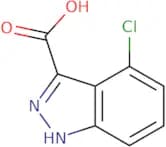
CAS:<p>Versatile small molecule scaffold</p>Fórmula:C6H12O3Pureza:Min. 95%Peso molecular:132.2 g/mol4-chloro-1h-indazole-3-carboxylic acid
CAS:<p>Versatile small molecule scaffold</p>Fórmula:C8H5ClN2O2Pureza:Min. 95%Peso molecular:196.59 g/mol2-Chloroethyl N-butyl ether
CAS:<p>Versatile small molecule scaffold</p>Fórmula:C6H13ClOPureza:Min. 95%Peso molecular:136.62 g/molN-[(4-Chlorophenyl)methyl]benzenesulfonamide
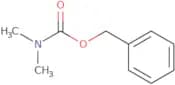
CAS:<p>Versatile small molecule scaffold</p>Fórmula:C13H12ClNO2SPureza:Min. 95%Peso molecular:281.76 g/molBenzyl N,N-dimethylcarbamate
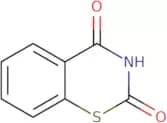
CAS:<p>Benzyl N,N-dimethylcarbamate is an organic compound that is synthesized from benzyl chloride and dimethylcarbamic chloride. It has two stereoisomers: the S-isomer and the R-isomer. The S-isomer is more stable than the R-isomer and has a higher melting point. Benzyl N,N-dimethylcarbamate can be synthesized in the lab by reacting benzyl chloride with dimethylcarbamic chloride. This compound is also known as a transient molecule that decomposes rapidly when heated or exposed to light. Benzyl N,N-dimethylcarbamate has been shown to act as a modulator of calothrixin, which is a protein that regulates plant growth.</p>Fórmula:C10H13NO2Pureza:Min. 95%Peso molecular:179.22 g/mol3,4-Dihydro-2H-1,3-benzothiazine-2,4-dione
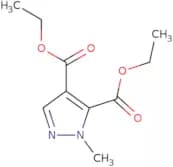
CAS:<p>Versatile small molecule scaffold</p>Fórmula:C8H5NO2SPureza:Min. 95%Peso molecular:179.2 g/mol4,5-Diethyl 1-methyl-1H-pyrazole-4,5-dicarboxylate
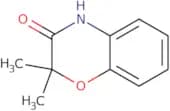
CAS:<p>Versatile small molecule scaffold</p>Fórmula:C10H14N2O4Pureza:Min. 95%Peso molecular:226.23 g/mol2,2-Dimethyl-3,4-dihydro-2H-1,4-benzoxazin-3-one
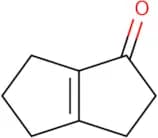
CAS:<p>2,2-Dimethyl-3,4-dihydro-2H-1,4-benzoxazin-3-one is a potential cancer drug that belongs to the family of bromodomain inhibitors. It inhibits the transcriptional activity of the androgen receptor by binding to its DNA binding domain. This binding prevents the formation of a transcriptionally active complex with other proteins that are required for gene expression. Bromodomain inhibition has been shown to be effective in vivo and in vitro against castration resistant prostate cancer cells. 2,2-Dimethyl-3,4-dihydro-2H-1,4-benzoxazin-3-one also has an oral bioavailability profile that is suitable for oral administration as a therapeutic agent. This drug also binds to the terminal domain of family members, which may lead to increased potency against these enzymes.</p>Fórmula:C10H11NO2Pureza:Min. 95%Peso molecular:177.2 g/mol1,2,3,4,5,6-Hexahydropentalen-1-one
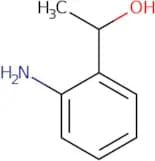
CAS:<p>Versatile small molecule scaffold</p>Fórmula:C8H10OPureza:Min. 95%Peso molecular:122.16 g/mol1-(2-Aminophenyl)ethanol
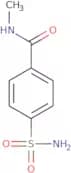
CAS:<p>1-(2-Aminophenyl)ethanol is a benzyl amine that is used in the production of nitrosobenzene, which can be used as an oxidant. It has been patented for use in ion-exchange reactions and it interacts with primary alcohols to form catalytic hydrogen peroxide. 1-(2-Aminophenyl)ethanol has an oxidizing effect on organic compounds, which is due to its ability to release hydrogen peroxide when heated. The reaction is more efficient at higher temperatures and pH levels.</p>Fórmula:C8H11NOPureza:Min. 95%Peso molecular:137.18 g/molN-Methyl-4-sulfamoylbenzamide
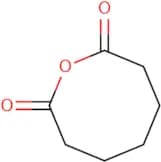
CAS:<p>Versatile small molecule scaffold</p>Fórmula:C8H10N2O3SPureza:Min. 95%Peso molecular:214.24 g/molOxocane-2,8-dione
CAS:<p>Oxocane-2,8-dione is a cytosolic protein that has been shown to be diagnostic for cancer. It may also be used as a radiation sensitizer and an anticancer agent. Oxocane-2,8-dione is reactive with polycarboxylic acids, fatty acids, inorganic acids, and reactive functional groups. These reactions produce a variety of products including hydroxyl groups and molecules containing carboxyl or alcohol functional groups. Oxocane-2,8-dione has been shown to function as a growth factor for cells in culture.</p>Fórmula:C7H10O3Pureza:Min. 95%Peso molecular:142.15 g/mol3-Methyldodecanal
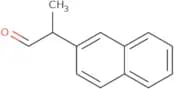
CAS:<p>3-Methyldodecanal is a volatile compound that has an aliphatic odor and can be found in globally sourced food. It is part of the furan family of compounds, which are chemically similar to aliphatic alcohols. 3-Methyldodecanal can be found in many types of food, including fish, but also coffee and dairy products. This compound has been shown to have organoleptic properties.</p>Fórmula:C13H26OPureza:Min. 95%Peso molecular:198.34 g/mol2-(Naphthalen-2-yl)propanal
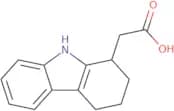
CAS:<p>2-(Naphthalen-2-yl)propanal is an organic compound with the formula C12H10O. It is a colorless liquid that reacts as an electrophile, forming nitriles and cyclic ethers. 2-(Naphthalen-2-yl)propanal can be prepared by reacting naphthalene with nitric acid at room temperature, followed by hydrolysis of the resulting diazonium salt with water. This compound can also be prepared from malonodinitrile and sulfuric acid in ethanol.</p>Fórmula:C13H12OPureza:Min. 95%Cor e Forma:PowderPeso molecular:184.23 g/mol2-(2,3,4,9-Tetrahydro-1H-carbazol-1-yl)acetic acid
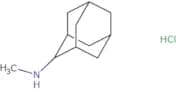
CAS:<p>Versatile small molecule scaffold</p>Fórmula:C14H15NO2Pureza:Min. 95%Peso molecular:229.27 g/molN-Methyladamantan-2-amine hydrochloride
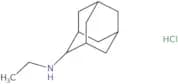
CAS:<p>Versatile small molecule scaffold</p>Fórmula:C11H20ClNPureza:Min. 95%Peso molecular:201.73 g/molN-Ethyladamantan-2-amine hydrochloride
CAS:<p>Versatile small molecule scaffold</p>Fórmula:C12H22ClNPureza:Min. 95%Peso molecular:215.76 g/mol1-Bromo-2-nitroethane
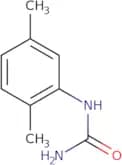
CAS:<p>1-Bromo-2-nitroethane is an organic solvent that has been found to be a useful chiral reagent for the synthesis of a variety of organic compounds. It can be used as a catalyst in asymmetric syntheses, and its high stereoselectivity makes it very useful in the construction of complex molecules. 1-Bromo-2-nitroethane is also used in the oxidation of cycloalkanes and carbonyls, which are oxidized by nitroalkanes to form nitro compounds. The catalytic efficiency of 1-bromo-2-nitroethane provides chemists with an excellent tool for synthesizing nitriles.</p>Fórmula:C2H4BrNO2Pureza:Min. 95%Peso molecular:153.96 g/mol(2,5-Dimethylphenyl)urea
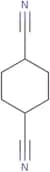
CAS:<p>Versatile small molecule scaffold</p>Fórmula:C9H12N2OPureza:Min. 95%Peso molecular:164.2 g/molCyclohexane-1,4-dicarbonitrile
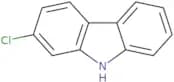
CAS:<p>Cyclohexane-1,4-dicarbonitrile is a solute that has been shown to have a dipole. It is an aromatic hydrocarbon with dichroic properties and can be oriented in the gas phase. The molecule is metastable and has an optimum pH of 6 or less. Cyclohexane-1,4-dicarbonitrile can be expressed as hydrogen chloride or chloride gas, depending on the acid catalyst used. The low energy of this compound makes it useful for hydrogenation reactions.</p>Fórmula:C8H10N2Pureza:Min. 95%Peso molecular:134.18 g/mol2-Chloro-9H-carbazole
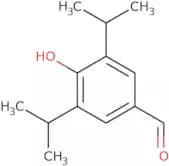
CAS:<p>2-Chloro-9H-carbazole (2CzC) is a heterocyclic compound that belongs to the group of carbazoles. It can be used as medicine and has been shown to be a good control experiment for other carbazoles. The nucleophilicity of 2CzC is affected by the functional groups present in the molecule, and it has been shown to react with anions such as Cl-, Br-, or I-. This heterocycle also has two resonance forms, which are generated by the electron delocalization in the ring system. The gas phase kinetics of 2CzC have been found to follow an Arrhenius relationship, with k = 3.6x10^3 M^-1 s^-1 at 298 K. Yields for this compound have been found to be high, with 90% yield when synthesized from chloroacetone and phenylmagnesium bromide.</p>Fórmula:C12H8ClNPureza:Min. 95%Peso molecular:201.65 g/mol4-Hydroxy-3,5-bis(isopropyl)benzaldehyde
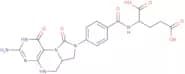
CAS:<p>4-Hydroxy-3,5-bis(isopropyl)benzaldehyde is a synthetic chemical that is insoluble in water. It has been used as a starting material for the synthesis of other compounds and it can be synthesized from chloroform, acetone and ethanolamine. This compound has been shown to inhibit tyrosine kinase activity and may be useful in the treatment of diseases associated with this enzyme, such as cancer. 4-Hydroxy-3,5-bis(isopropyl)benzaldehyde has also been used as an intermediate for the synthesis of morpholino oligomers.</p>Fórmula:C13H18O2Pureza:Min. 95%Peso molecular:206.28 g/molLY 345899
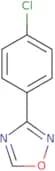
CAS:<p>LY 345899 is a methyltransferase inhibitor that blocks the synthesis of fatty acid in cells. LY 345899 is used as an experimental drug for cancer treatment and other diseases. The mechanism of action of LY 345899 is not well understood, but it may involve regulating transcriptional regulation and protein synthesis in the mitochondria. Clinical trials have shown that LY 345899 has a clinical relevance in the treatment of cancer and autoimmune diseases.</p>Fórmula:C20H21N7O7Pureza:Min. 95%Peso molecular:471.42 g/mol3-(4-Chlorophenyl)-1,2,4-oxadiazole
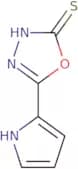
CAS:<p>Versatile small molecule scaffold</p>Fórmula:C8H5ClN2OPureza:Min. 95%Peso molecular:180.59 g/mol5-(1H-Pyrrol-2-yl)-1,3,4-oxadiazole-2-thiol
CAS:<p>Versatile small molecule scaffold</p>Fórmula:C6H5N3OSPureza:Min. 95%Peso molecular:167.19 g/molMethyl 2-[(propan-2-yl)amino]acetate
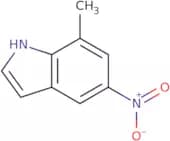
CAS:<p>Versatile small molecule scaffold</p>Fórmula:C6H13NO2Pureza:Min. 95%Peso molecular:131.17 g/mol7-Methyl-5-nitro-1H-indole
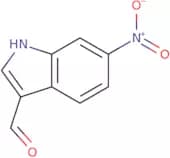
CAS:<p>Versatile small molecule scaffold</p>Fórmula:C9H8N2O2Pureza:Min. 95%Peso molecular:176.17 g/mol6-Nitro-1H-indole-3-carbaldehyde
CAS:<p>6-Nitro-1H-indole-3-carbaldehyde (6NICA) is a nitro compound that inhibits the enzyme in vitro. Carbonyl groups are an important class of compounds and 6NICA has been shown to be a potential intermediate in heterocyclic chemistry. 6NICA is also a potential inhibitor of the enzyme monophosphate dehydrogenase, which catalyzes the oxidation of ATP to ADP. The synthesis of 6NICA is challenging and requires many steps, but this compound has been shown to inhibit the enzyme in vitro.</p>Fórmula:C9H6N2O3Pureza:Min. 95%Peso molecular:190.16 g/mol2-(2,3-dihydro-1,4-benzodioxin-6-yl)ethan-1-amine
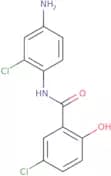
CAS:Produto Controlado<p>Versatile small molecule scaffold</p>Fórmula:C10H13NO2Pureza:Min. 95%Peso molecular:179.22 g/molN-(4-Amino-2-chlorophenyl)-5-chloro-2-hydroxybenzamide
CAS:<p>N-(4-Amino-2-chlorophenyl)-5-chloro-2-hydroxybenzamide (NAC) is an anthelmintic drug that inhibits the replication of a number of viruses. It was originally developed as an antihelminthic for use in humans, but its antiviral properties were discovered during development and it was modified to be used as a specific treatment for syncytial virus. NAC has also been shown to inhibit DNA replication in vitro at concentrations that are compatible with clinical use, and is cytotoxic to cells in vivo. The mechanism of action has been elucidated by studies on the effects on sodium nitrate and glucuronide conjugate formation. NAC has been found to be active against a wide range of viruses, including influenza A and B, adenovirus, herpes simplex virus type 1 and 2, human immunodeficiency virus type 1 (HIV-1), hepatitis C virus (</p>Fórmula:C13H10Cl2N2O2Pureza:Min. 95%Peso molecular:297.13 g/mol1-Methyl-4-oxo-1,4-dihydropyridine-3-carboxylic acid
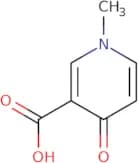
CAS:<p>Versatile small molecule scaffold</p>Fórmula:C7H7NO3Pureza:Min. 95%Peso molecular:153.14 g/molN,N'-Bis(3-aminopropyl)ethylenediamine
CAS:<p>N,N'-Bis(3-aminopropyl)ethylenediamine is a molecule that contains an amine and a nitro group. The nitro group is electron-rich and can be reduced to the corresponding amino function by reduction with metal ions. In addition, N,N'-Bis(3-aminopropyl)ethylenediamine can bind to chloride ions through their respective amines. This process is called ion pairing or salt bridge formation, which stabilizes the pH of the solution. N,N'-Bis(3-aminopropyl)ethylenediamine has been shown to be effective in titration calorimetry experiments as an indicator of drug binding.</p>Fórmula:C8H22N4Pureza:Min. 95%Peso molecular:174.29 g/mol4-(Furan-2-yl)-4-oxobutanoic acid
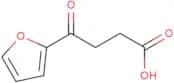
CAS:<p>Versatile small molecule scaffold</p>Fórmula:C8H8O4Pureza:Min. 95%Peso molecular:168.15 g/mol1,3-diethyl 2-(2-nitrophenyl)propanedioate
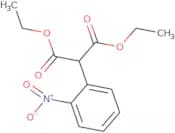
CAS:<p>Versatile small molecule scaffold</p>Fórmula:C13H15NO6Pureza:Min. 95%Peso molecular:281.26 g/molMethyl 3-carbamimidoylpropanoate hydrochloride
CAS:<p>Versatile small molecule scaffold</p>Fórmula:C5H11ClN2O2Pureza:Min. 95%Peso molecular:166.6 g/mol4-Ethyl-2,6-dimethylphenol
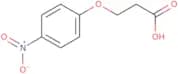
CAS:<p>Versatile small molecule scaffold</p>Fórmula:C10H14OPureza:Min. 95%Peso molecular:150.22 g/mol3-(4-Nitrophenoxy)propionic acid
CAS:<p>3-(4-Nitrophenoxy)propionic acid is a promiscuous compound that can be used to synthesize other compounds. It reacts with hydrochloric acid, nitro groups, and phosphorus pentoxide to produce nitro compounds. 3-(4-Nitrophenoxy)propionic acid reacts with benzoylamine in the presence of a cocatalyst to form alkoxycarbonyl products. The cocatalyst is typically a metal such as zinc or magnesium. 3-(4-Nitrophenoxy)propionic acid is also used as an agrochemical for controlling influenza virus and Influenzae bacteria.<br>!--</p>Fórmula:C9H9NO5Pureza:Min. 95%Peso molecular:211.17 g/mol4-(Ethylsulfanyl)-3-methylbut-1-yne
CAS:<p>Versatile small molecule scaffold</p>Fórmula:C7H12SPureza:Min. 95%Peso molecular:128.2 g/mol1H-Thieno[3,2-c]pyrazole
CAS:<p>1H-Thieno[3,2-c]pyrazole is a fatty acid analog that inhibits the production of epidermal growth factor (EGF) in cells. It has been shown to have high resistance and is used as an antimicrobial agent against a variety of bacteria, including Escherichia coli and Salmonella typhimurium. 1H-Thieno[3,2-c]pyrazole also blocks the activity of angiogenic factors such as vascular endothelial growth factor (VEGF) and basic fibroblast growth factor (bFGF), which are involved in the proliferation of cancer cells. In addition, 1H-thieno[3,2-c]pyrazole has been shown to inhibit the production of prostate cancer cells.</p>Fórmula:C5H4N2SPureza:Min. 95%Peso molecular:124.17 g/mol4-Methylquinoline-2-carbonitrile
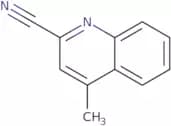
CAS:<p>4-Methylquinoline-2-carbonitrile is an organic compound that is used in the synthesis of natural products. It has been shown to be a highly efficient oxidant, with a singlet oxygen quantum yield of 0.5. This compound can be used in the catalytic oxidation of hydrazines and amines. 4-Methylquinoline-2-carbonitrile has also been shown to be sensitive to light, which makes it useful for photoinduced reactions.</p>Fórmula:C11H8N2Pureza:Min. 95%Peso molecular:168.19 g/mol6-Chloro-1H-1,3-benzodiazol-4-amine
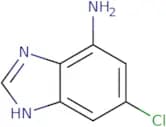
CAS:<p>Versatile small molecule scaffold</p>Fórmula:C7H6ClN3Pureza:Min. 95%Peso molecular:167.59 g/mol(3-Ethynylphenyl)methanol
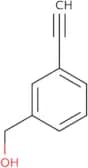
CAS:<p>(3-Ethynylphenyl)methanol is a colorless, volatile liquid with a chloroform-like odor. It is soluble in organic solvents and insoluble in water. It has a boiling point of 114°C and a melting point of -37°C. (3-Ethynylphenyl)methanol can be found as an impurity in polyester resins and polyurethane foams. This compound is also used to produce polymers such as polycondensation, polyesters, and dimethylformamide. (3-Ethynylphenyl)methanol is produced by the direct chlorination of phenol. The compound can be polymerized to form polymers that are resistant to uv light and heat, such as terephthaloyl chloride.</p>Fórmula:C9H8OPureza:Min. 95%Peso molecular:132.16 g/molTetrahydro-3-methylpyran-2-one
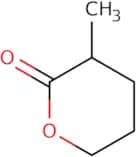
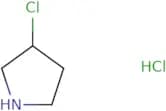
CAS:<p>Versatile small molecule scaffold</p>Fórmula:C6H10O2Pureza:Min. 95%Peso molecular:114.14 g/mol3-Chloropyrrolidine hydrochloride
CAS:<p>Versatile small molecule scaffold</p>Fórmula:C4H9Cl2NPureza:Min. 95%Peso molecular:142.02 g/mol

![4-Chloro-[1,3]oxazolo[4,5-c]pyridine](/_next/image/?url=https%3A%2Fstatic.cymitquimica.com%2Fproducts%2F3D%2Fthumb-webp%2FJWB82915.webp&w=3840&q=75)
![4-Bromo-1H-pyrazolo[4,3-c]pyridine](/_next/image/?url=https%3A%2Fstatic.cymitquimica.com%2Fproducts%2F3D%2Fthumb-webp%2FJWB82963.webp&w=3840&q=75)
![5-Bromopyrido[3,4-b]pyrazine](/_next/image/?url=https%3A%2Fstatic.cymitquimica.com%2Fproducts%2F3D%2Fthumb-webp%2FJWB82975.webp&w=3840&q=75)
![8-Fluoroimidazo[1,5-a]pyridine-3-carboxylic acid](/_next/image/?url=https%3A%2Fstatic.cymitquimica.com%2Fproducts%2F3D%2Fthumb-webp%2FJWB83084.webp&w=3840&q=75)
![7-Chloroimidazo[1,5-a]pyridine-3-carboxylic acid](/_next/image/?url=https%3A%2Fstatic.cymitquimica.com%2Fproducts%2F3D%2Fthumb-webp%2FJWB83091.webp&w=3840&q=75)
![8-Bromoimidazo[1,2-a]pyridine-3-carboxylic acid](/_next/image/?url=https%3A%2Fstatic.cymitquimica.com%2Fproducts%2F3D%2Fthumb-webp%2FJWB83104.webp&w=3840&q=75)
![1-[(tert-butoxy)carbonyl]-4-(1H-pyrazol-1-yl)piperidine-4-carboxylic acid](/_next/image/?url=https%3A%2Fstatic.cymitquimica.com%2Fproducts%2F3D%2Fthumb-webp%2FJWB83539.webp&w=3840&q=75)
![1-(Benzo[D]oxazol-2-yl)cyclopropanamine](/_next/image/?url=https%3A%2Fstatic.cymitquimica.com%2Fproducts%2F3D%2Fthumb-webp%2FJWB87836.webp&w=3840&q=75)
![2-(Methoxymethyl)-5H,6H,7H,8H-pyrido[4,3-d]pyrimidine](/_next/image/?url=https%3A%2Fstatic.cymitquimica.com%2Fproducts%2F3D%2Fthumb-webp%2FJWB88254.webp&w=3840&q=75)
![2-[(2-Aminoethanesulfinyl)sulfanyl]ethan-1-amine dihydrochloride](/_next/image/?url=https%3A%2Fstatic.cymitquimica.com%2Fproducts%2F3D%2Fthumb-webp%2FKAA41685.webp&w=3840&q=75)
![2-[2-(Methylsulfanyl)phenyl]acetic acid](/_next/image/?url=https%3A%2Fstatic.cymitquimica.com%2Fproducts%2F3D%2Fthumb-webp%2FKAA41934.webp&w=3840&q=75)
![N,N'-Diethyl-6-hydrazino-[1,3,5]triazine-2,4-diamine](/_next/image/?url=https%3A%2Fstatic.cymitquimica.com%2Fproducts%2F3D%2Fthumb-webp%2FKAA42198.webp&w=3840&q=75)
![3-Oxaspiro[5.5]undecane-9-carboxylic acid](/_next/image/?url=https%3A%2Fstatic.cymitquimica.com%2Fproducts%2F3D%2Fthumb-webp%2FKAA42885.webp&w=3840&q=75)
![Methyl[2-(piperidin-1-yl)ethyl]amine dihydrochloride](/_next/image/?url=https%3A%2Fstatic.cymitquimica.com%2Fproducts%2F3D%2Fthumb-webp%2FKAA44286.webp&w=3840&q=75)
![1H,4H,5H,6H-Cyclopenta[D]imidazole-2-thiol](/_next/image/?url=https%3A%2Fstatic.cymitquimica.com%2Fproducts%2F3D%2Fthumb-webp%2FKAA44299.webp&w=3840&q=75)
![5-[3-(Trifluoromethyl)phenyl]-1,3,4-thiadiazol-2-amine](/_next/image/?url=https%3A%2Fstatic.cymitquimica.com%2Fproducts%2F3D%2Fthumb-webp%2FKAA44502.webp&w=3840&q=75)
![5-[4-(Trifluoromethyl)phenyl]-1,3,4-thiadiazol-2-amine](/_next/image/?url=https%3A%2Fstatic.cymitquimica.com%2Fproducts%2F3D%2Fthumb-webp%2FKAA44504.webp&w=3840&q=75)
![4-[(2,4-Dinitrophenyl)amino]butanoic acid](/_next/image/?url=https%3A%2Fstatic.cymitquimica.com%2Fproducts%2F3D%2Fthumb-webp%2FKAA46675.webp&w=3840&q=75)
![Spiro[3.4]octan-5-one](/_next/image/?url=https%3A%2Fstatic.cymitquimica.com%2Fproducts%2F3D%2Fthumb-webp%2FKAA46836.webp&w=3840&q=75)



![N-[(4-Chlorophenyl)methyl]benzenesulfonamide](/_next/image/?url=https%3A%2Fstatic.cymitquimica.com%2Fproducts%2F3D%2Fthumb-webp%2FKAA50497.webp&w=3840&q=75)

![Methyl 2-[(propan-2-yl)amino]acetate](/_next/image/?url=https%3A%2Fstatic.cymitquimica.com%2Fproducts%2F3D%2Fthumb-webp%2FKAA55278.webp&w=3840&q=75)



![1H-Thieno[3,2-c]pyrazole](/_next/image/?url=https%3A%2Fstatic.cymitquimica.com%2Fproducts%2F3D%2Fthumb-webp%2FKAA58859.webp&w=3840&q=75)