Building Blocks
Subcategorias de "Building Blocks"
- Ácidos Borónicos e Derivados de Ácido Borónico(5.778 produtos)
- Building Blocks Quirais(1.243 produtos)
- Building Blocks Hidrocarbonetos(6.098 produtos)
- Building Blocks orgânicos(61.036 produtos)
Foram encontrados 205240 produtos de "Building Blocks"
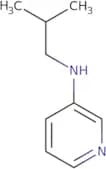
N-(2-Methylpropyl)pyridin-3-amine
CAS:Versatile small molecule scaffold
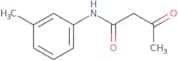
Fórmula:C9H14N2Pureza:Min. 95%Peso molecular:150.22 g/molN-(3-Methylphenyl)-3-oxobutanamide
CAS:Versatile small molecule scaffold
Fórmula:C11H13NO2Pureza:Min. 95%Peso molecular:191.23 g/mol1,3-Diazaspiro[4.4]nonane-2,4-dione
CAS:1,3-Diazaspiro[4.4]nonane-2,4-dione (1) is a new fungicide that was shown to have fungicidal activity in vitro against the grapevine pathogens Plasmopara viticola and Plasmopara obducens. This compound has been isolated from the plant Express erythroxylum coca (Erythroxylum coca). The compound belongs to the class of diaza spiro compounds and is a member of a family of diaza spiro compounds with antifungal activity. One possible mode of action for 1 is that it inhibits the synthesis of DNA by binding to bacterial DNA gyrase.
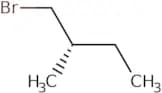
Fórmula:C7H10N2O2Pureza:Min. 95%Peso molecular:154.17 g/mol(S)-(+)-1-Bromo-2-methylbutane
CAS:(S)-(+)-1-Bromo-2-methylbutane is a chiral molecule with two stereoisomers, the cis and trans forms. The cis form has been observed to be the more stable of the two. It is a functional theory that these two forms are not mirror images of each other because they have different conformations. (S)-(+)-1-Bromo-2-methylbutane has been used in the synthesis of a number of important molecules. The stereoisomers can be distinguished by conformational analysis and optical microscopy. (S)-(+)-1-Bromo-2-methylbutane also has an application in biotechnology for use as a precursor for hydrazones, which are important in organic chemistry and molecular biology, such as DNA sequencing.
Fórmula:C5H11BrPureza:Min. 95%Peso molecular:151.04 g/mol2-(3-Amino-2-oxopiperidin-1-yl)acetic acid hydrochloride
CAS:Versatile small molecule scaffold
Fórmula:C7H13ClN2O3Pureza:Min. 95%Peso molecular:208.6 g/molRef: 3D-XXC41801
Produto descontinuado3-(Hydroxymethyl)-1,2,3,4-tetrahydroquinoxalin-2-one
CAS:Versatile small molecule scaffold
Fórmula:C9H10N2O2Pureza:Min. 95%Peso molecular:178.19 g/mol1-(1-Methylpiperidin-4-yl)-1H-pyrazol-4-amine hydrochloride
CAS:Versatile small molecule scaffold
Fórmula:C9H17ClN4Pureza:Min. 95%Peso molecular:216.71 g/molrac-[(2R,5S)-5-Phenyloxolan-2-yl]methanamine hydrochloride
CAS:Versatile small molecule scaffold
Fórmula:C11H16ClNOPureza:Min. 95%Peso molecular:213.7 g/molRef: 3D-HXC89108
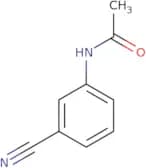
Produto descontinuadoN-(3-Cyanophenyl)acetamide
CAS:N-(3-Cyanophenyl)acetamide is a hydrogen-bonding molecule that has been detected in the gas phase. It has also been observed to interact with water, forming hydrogen bonding interactions and solvatochromism. The equilibrium of N-(3-cyanophenyl)acetamide can be shifted by changing the solvent conditions and pH. This molecule has three conformations when it is in the gaseous phase, including a planar conformation. In addition, N-(3-cyanophenyl)acetamide can be used as a probe for determining hydrogen bonding interactions and conformations due to its ability to form hydrogen bonds with other molecules.
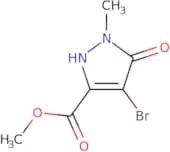
Fórmula:C9H8N2OPureza:Min. 95%Peso molecular:160.18 g/molMethyl 4-bromo-5-hydroxy-1-methyl-1H-pyrazole-3-carboxylate
CAS:Versatile small molecule scaffold
Fórmula:C6H7BrN2O3Pureza:Min. 95%Peso molecular:235.04 g/mol2-[2-(Furan-3-yl)-1,3-thiazol-4-yl]acetic acid
CAS:Versatile small molecule scaffold
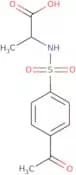
Fórmula:C9H7NO3SPureza:Min. 95%Peso molecular:209.22 g/mol2-(4-Acetylbenzenesulfonamido)propanoic acid
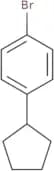
CAS:Versatile small molecule scaffoldFórmula:C11H13NO5SPureza:Min. 95%Peso molecular:271.29 g/mol1-Bromo-4-cyclopentylbenzene
CAS:1-Bromo-4-cyclopentylbenzene (1-BCPB) is a chlorinated aromatic compound that can be synthesized by reacting 1-bromo-4-chlorobenzene and cyclopentylmagnesium bromide. The reaction sequence begins with the addition of hydrochloric acid to the first reactant, followed by magnesium chloride and ether. The mixture is heated to produce a liquid solution of ethylhexyloxy pyridine, which reacts with the second reactant in a sequence that leads to the desired product. 1-BCPB is used as an intermediate in organic synthesis. It has been shown to have moderate interaction with paraldehyde and pyridinium salts at room temperature, but it does not react with cycloalkyls or pyridinium salts at elevated temperatures.
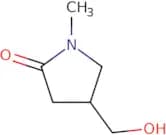
Fórmula:C11H13BrPureza:Min. 95%Peso molecular:225.13 g/mol4-(Hydroxymethyl)-1-methylpyrrolidin-2-one
CAS:Versatile small molecule scaffold
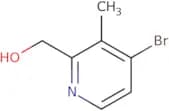
Fórmula:C6H11NO2Pureza:Min. 95%Peso molecular:129.16 g/mol(4-Bromo-3-methylpyridin-2-yl)methanol
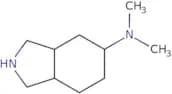
CAS:Versatile small molecule scaffoldFórmula:C7H8BrNOPureza:Min. 95%Peso molecular:202.05 g/molN,N-Dimethyl-octahydro-1H-isoindol-5-amine
CAS:Versatile small molecule scaffold
Fórmula:C10H20N2Pureza:Min. 95%Peso molecular:168.28 g/molRef: 3D-KCD26889
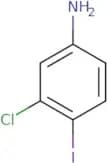
Produto descontinuado3-Chloro-4-iodoaniline
CAS:3-Chloro-4-iodoaniline is an activated, synthetic chemical that is used in the preparation of a variety of chemicals. 3-Chloro-4-iodoaniline can be prepared by the reaction of chloroacetic acid with nitrobenzene and hydrochloric acid. The compound may be purified by vacuum filtration and recrystallization from water. It is also a precursor to other chemicals that are used in the production of polyhalogenated aromatic compounds. 3-Chloro-4-iodoaniline has been found to react with amines and form the corresponding amides, which may be useful for chemical synthesis.
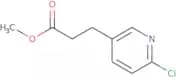
Fórmula:C6H5ClINPureza:Min. 95%Peso molecular:253.47 g/molMethyl 3-(6-chloropyridin-3-yl)propanoate
CAS:Versatile small molecule scaffold
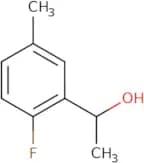
Fórmula:C9H10ClNO2Pureza:Min. 95%Peso molecular:199.63 g/mol1-(2-Fluoro-5-methylphenyl)ethan-1-ol
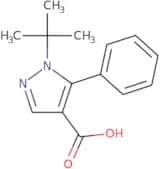
CAS:Versatile small molecule scaffoldFórmula:C9H11FOPureza:Min. 95%Peso molecular:154.18 g/mol1-tert-Butyl-5-phenyl-1H-pyrazole-4-carboxylic acid
CAS:Versatile small molecule scaffold
Fórmula:C14H16N2O2Pureza:Min. 95%Peso molecular:244.29 g/mol2-{3-Cyclopropyl-5-methyl-1H-pyrazolo[3,4-b]pyridin-1-yl}acetic acid
CAS:Versatile small molecule scaffoldFórmula:C12H13N3O2Pureza:Min. 95%Peso molecular:231.25 g/mol2-[6-(Furan-2-yl)-3-methyl-4-(trifluoromethyl)-1H-pyrazolo[3,4-b]pyridin-1-yl]acetic acid
CAS:Versatile small molecule scaffoldFórmula:C14H10F3N3O3Pureza:Min. 95%Peso molecular:325.24 g/mol4-[(2-Amino-1,3-thiazol-5-yl)methyl]-3-(trifluoromethyl)benzonitrile
CAS:Versatile small molecule scaffold
Fórmula:C12H8F3N3SPureza:Min. 95%Peso molecular:283.27 g/mol6-Ethyl-3-methyl-1-phenyl-1H-pyrazolo[3,4-b]pyridine-4-carboxylic acid
CAS:Versatile small molecule scaffold
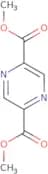
Fórmula:C16H15N3O2Pureza:Min. 95%Peso molecular:281.31 g/molDimethyl Pyrazine-2,5-dicarboxylate
CAS:Versatile small molecule scaffold
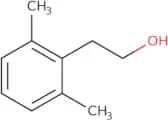
Fórmula:C8H8N2O4Pureza:Min. 95%Peso molecular:196.16 g/mol2-(2,6-Dimethylphenyl)ethan-1-ol
CAS:2-(2,6-Dimethylphenyl)ethan-1-ol is a racemic mixture of two compounds with the same molecular formula. The two enantiomers have different chemical properties and can be separated by specific techniques such as chromatography. 2-(2,6-Dimethylphenyl)ethan-1-ol is an ether that is made from methylmalonic acid and ethylene oxide. It is hydrolysed to release methylmalonyl chloride or demethylated to produce methyl ether acetate. This compound has been used in the synthesis of various esters and sesquiterpenoids.
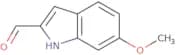
Fórmula:C10H14OPureza:Min. 95%Peso molecular:150.22 g/mol6-Methoxy-1H-indole-2-carbaldehyde
CAS:Versatile small molecule scaffold
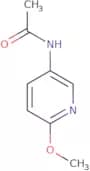
Fórmula:C10H9NO2Pureza:Min. 95%Peso molecular:175.18 g/molN-(6-Methoxypyridin-3-yl)acetamide
CAS:Versatile small molecule scaffold
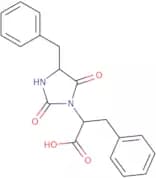
Fórmula:C8H10N2O2Pureza:Min. 95%Peso molecular:166.18 g/mol2-(4-Benzyl-2,5-dioxoimidazolidin-1-yl)-3-phenylpropanoic acid
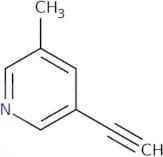
CAS:Versatile small molecule scaffoldFórmula:C19H18N2O4Pureza:Min. 95%Peso molecular:338.4 g/mol3-Ethynyl-5-methylpyridine
CAS:Versatile small molecule scaffold
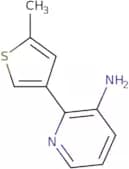
Fórmula:C8H7NPureza:Min. 95%Peso molecular:117.15 g/mol2-(5-Methylthiophen-3-yl)pyridin-3-amine
CAS:Versatile small molecule scaffold
Fórmula:C10H10N2SPureza:Min. 95%Peso molecular:190.27 g/mol(1R)-1-(1H-Imidazol-2-yl)ethan-1-amine dihydrochloride
CAS:Versatile small molecule scaffold
Fórmula:C5H11Cl2N3Pureza:Min. 95%Peso molecular:184.06 g/moltert-Butyl 4-methoxy-3,10-diazabicyclo[4.3.1]dec-3-ene-10-carboxylate
CAS:Versatile small molecule scaffoldFórmula:C14H24N2O3Pureza:Min. 95%Peso molecular:268.4 g/molRef: 3D-FSD25605
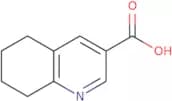
Produto descontinuado5,6,7,8-Tetrahydroquinoline-3-carboxylic acid
CAS:5,6,7,8-Tetrahydroquinoline-3-carboxylic acid is a quinoline derivative that has been shown to have bacteriostatic activity against Staphylococcus aureus. It binds to the hydroxyl groups of the bacterial cell membrane and inhibits the production of enzymes necessary for protein synthesis. The interaction between the 5,6,7,8-tetrahydroquinoline-3-carboxylic acid and the hydroxyl group is reversible. 5,6,7,8-Tetrahydroquinoline-3-carboxylic acid also has bacteriostatic activity against other bacteria such as Mycobacterium tuberculosis and Mycobacterium avium complex.Fórmula:C10H11NO2Pureza:Min. 95%Peso molecular:177.2 g/mol6-Methoxy-1,2-benzoxazol-3-amine
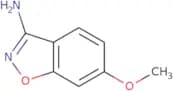
CAS:Versatile small molecule scaffold
Fórmula:C8H8N2O2Pureza:Min. 95%Peso molecular:164.16 g/mol2-Bromo-3,3,3-trifluoro-1-propene
CAS:Produto Controlado2-Bromo-3,3,3-trifluoro-1-propene is a chemical compound that has been synthesized in an asymmetric reaction. The reactant is bromopropane and the product is 2,2,2-trifluoropropene. The methylene group on the propene molecule is activated by the nucleophilic attack of a fluoride ion from hydrogen fluoride to form a cavity with a highly strained bond. The kinetic study of this reaction revealed that the activation energy for the reaction is 42 kJ/mol. Palladium-catalyzed coupling reactions are catalyzed by palladium and require nonpolar solvents such as toluene or dichloromethane. This type of reaction has been shown to be exothermic with an isolated yield of 1%.
Fórmula:C3H2BrF3Pureza:Min. 95%Cor e Forma:Colorless PowderPeso molecular:174.95 g/mol4-Chloro-2-hydroxy-6-methylphenylboronic acid
CAS:Versatile small molecule scaffoldFórmula:C7H8BClO3Pureza:Min. 95%Peso molecular:186.4 g/mol3-Hydroxy-5-methylpyridine
CAS:3-Hydroxy-5-methylpyridine (3HMP) is a chemical substance that has been classified as an amine. It is a product of the metabolism of purines, which are nitrogenous bases found in DNA and RNA. 3HMP is produced by aerogenic bacteria (such as Enterobacter), and can be used to estimate the number of these bacteria present in water samples. 3HMP has been shown to have antiviral properties against influenza virus, and can be used as a biomarker for the presence of other viruses in animals. 3HMP also has mineralization properties, which have been studied extensively, particularly with regards to pancreatic disease.
Fórmula:C6H7NOPureza:Min. 95%Cor e Forma:PowderPeso molecular:109.13 g/molRef: 3D-FH16174
Produto descontinuado4,5-Dihydroxy-2,3-Pentanedione
CAS:4,5-Dihydroxy-2,3-pentanedione is a carbonyl compound that is the product of the oxidation of ascorbic acid. It is used in wastewater treatment and has antimicrobial properties against infectious diseases. This compound has been shown to inhibit protein synthesis by binding to the ribosome and preventing the formation of peptide bonds between amino acids. 4,5-Dihydroxy-2,3-pentanedione has also been shown to bind to plasma proteins, which may be due to its acyl chain structure. 4,5-Dihydroxy-2,3-pentanedione can be synthesized in a catalytic mechanism that involves dehydroascorbic acid and molecular oxygen.
Fórmula:C5H8O4Pureza:Min. 95%Cor e Forma:PowderPeso molecular:132.11 g/molRef: 3D-FD180770
Produto descontinuadoPiperyline
CAS:Piperyline is an alkanoic acid that has shown to be effective against skin cancer. It also has antimicrobial properties, which may be due to its ability to bind metal ions and form polymeric compounds. Piperyline inhibits microbial growth by inhibiting the synthesis of proteins and nucleic acids. The antimicrobial activity is related to its cationic polymerization with hydroxyl groups, which forms a structure that can inhibit microbial enzymes and disrupt microbial cell membranes. This compound also interacts with the skin's natural lipids, making it difficult for microorganisms to attach and grow on the skin. Piperyline is synthesized in organic chemistry laboratories as an amide precursor of other pharmaceuticals such as penicillin.
Fórmula:C16H17NO3Pureza:Min. 95%Peso molecular:271.31 g/mol

![1,3-Diazaspiro[4.4]nonane-2,4-dione](/_next/image/?url=https%3A%2Fstatic.cymitquimica.com%2Fproducts%2F3D%2Fthumb-webp%2FAAA69951.webp&w=3840&q=75)
![rac-[(2R,5S)-5-Phenyloxolan-2-yl]methanamine hydrochloride](/_next/image/?url=https%3A%2Fstatic.cymitquimica.com%2Fproducts%2F3D%2Fthumb-webp%2FHXC89108.webp&w=3840&q=75)
![2-[2-(Furan-3-yl)-1,3-thiazol-4-yl]acetic acid](/_next/image/?url=https%3A%2Fstatic.cymitquimica.com%2Fproducts%2F3D%2Fthumb-webp%2FIDC97860.webp&w=3840&q=75)
![2-{3-Cyclopropyl-5-methyl-1H-pyrazolo[3,4-b]pyridin-1-yl}acetic acid](/_next/image/?url=https%3A%2Fstatic.cymitquimica.com%2Fproducts%2F3D%2Fthumb-webp%2FMMB60570.webp&w=3840&q=75)
![2-[6-(Furan-2-yl)-3-methyl-4-(trifluoromethyl)-1H-pyrazolo[3,4-b]pyridin-1-yl]acetic acid](/_next/image/?url=https%3A%2Fstatic.cymitquimica.com%2Fproducts%2F3D%2Fthumb-webp%2FMMB60578.webp&w=3840&q=75)
![4-[(2-Amino-1,3-thiazol-5-yl)methyl]-3-(trifluoromethyl)benzonitrile](/_next/image/?url=https%3A%2Fstatic.cymitquimica.com%2Fproducts%2F3D%2Fthumb-webp%2FMMB62900.webp&w=3840&q=75)
![6-Ethyl-3-methyl-1-phenyl-1H-pyrazolo[3,4-b]pyridine-4-carboxylic acid](/_next/image/?url=https%3A%2Fstatic.cymitquimica.com%2Fproducts%2F3D%2Fthumb-webp%2FMMB69138.webp&w=3840&q=75)

![tert-Butyl 4-methoxy-3,10-diazabicyclo[4.3.1]dec-3-ene-10-carboxylate](/_next/image/?url=https%3A%2Fstatic.cymitquimica.com%2Fproducts%2F3D%2Fthumb-webp%2FFSD25605.webp&w=3840&q=75)