Building Blocks
Subcategorias de "Building Blocks"
- Ácidos Borónicos e Derivados de Ácido Borónico(5.778 produtos)
- Building Blocks Quirais(1.243 produtos)
- Building Blocks Hidrocarbonetos(6.098 produtos)
- Building Blocks orgânicos(61.036 produtos)
Foram encontrados 205240 produtos de "Building Blocks"
3'-Methyl-[1,1'-biphenyl]-2-carboxylic acid
CAS:Versatile small molecule scaffold
Fórmula:C14H12O2Pureza:Min. 95%Peso molecular:212.24 g/mol4-[(4-Methoxyphenyl)methyl]azetidin-2-one
CAS:Versatile small molecule scaffoldFórmula:C11H13NO2Pureza:Min. 95%Peso molecular:191.23 g/mol4H-pyrrolo[2,3-D]thiazole-5-carboxylic acid
CAS:Versatile small molecule scaffold
Fórmula:C6H4N2O2SPureza:Min. 95%Peso molecular:168.17 g/mol[1-(1-Ethyl-3-methyl-1H-pyrazol-4-yl)propyl]amine
CAS:Versatile small molecule scaffold
Fórmula:C9H17N3Pureza:Min. 95%Peso molecular:167.25 g/molAzacycloundecane
CAS:Azacycloundecane is a cycloalkane that is used as a solvent. The use of this compound in vivo models has been demonstrated to be useful in the study of drug uptake and distribution, as well as having clinical applications. Azacycloundecane is often used in detergent compositions due to its ability to solubilize fatty acids and inhibit their oxidation. This chemical has also been shown to have low energy, which makes it a suitable candidate for use in osmosis experiments. Azacycloundecane does not react with hydrogen chloride or carbonyl groups. It can be found naturally in fatty acids, amines, benzofuran derivatives, and aliphatic hydrocarbons.
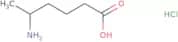
Fórmula:C10H21NPureza:Min. 95%Peso molecular:155.28 g/mol5-Aminohexanoic acid hydrochloride
CAS:Versatile small molecule scaffold
Fórmula:C6H14ClNO2Pureza:Min. 95%Peso molecular:167.63 g/molRef: 3D-FJB91365
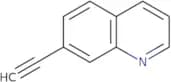
Produto descontinuado7-Ethynylquinoline
CAS:Versatile small molecule scaffold
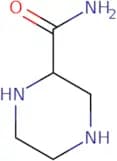
Fórmula:C11H7NPureza:Min. 95%Peso molecular:153.18 g/molPiperazine-2-carboxamide
CAS:Piperazine-2-carboxamide is a synthetic drug that is used to treat tuberculosis. It binds to the mycolic acid of the bacterial cell wall, preventing it from forming an outer layer and disrupting its function. Piperazine-2-carboxamide also inhibits the synthesis of fatty acids and amines in bacteria, which are necessary for their survival. This drug can be synthesized by reacting piperazine with formaldehyde and acetamide.
Fórmula:C5H11N3OPureza:Min. 95%Peso molecular:129.16 g/mol3-(4-Ethylphenyl)butanoic acid
CAS:Versatile small molecule scaffold
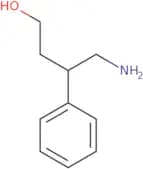
Fórmula:C12H16O2Pureza:Min. 95%Peso molecular:192.25 g/mol4-Amino-3-phenylbutan-1-ol
CAS:Versatile small molecule scaffold
Fórmula:C10H15NOPureza:Min. 95%Peso molecular:165.23 g/mol5-Methyl-2-sulfanyl-4H,7H-[1,2,4]triazolo[1,5-a]pyrimidin-7-one
CAS:Versatile small molecule scaffold
Fórmula:C6H6N4OSPureza:Min. 95%Peso molecular:182.2 g/mol1',2'-Dihydrospiro[cyclopentane-1,3'-indole]-2'-one
CAS:1',2'-Dihydrospiro[cyclopentane-1,3'-indole]-2'-one is a bromodomain inhibitor that inhibits the function of the bromodomain and prevents it from binding to acetylated lysine residues in the N-terminal domain of histones. This drug has been shown to inhibit the growth and proliferation of cancer cells in vitro. 1',2'-Dihydrospiro[cyclopentane-1,3'-indole]-2'-one is used as an excipient or diluent in pharmaceutical formulations. The drug is also used therapeutically as bromodomain inhibitors for cancers including breast, prostate, and colorectal cancers.Fórmula:C12H13NOPureza:Min. 95%Peso molecular:187.24 g/mol2-(Oxan-4-yl)propane-1,3-diol
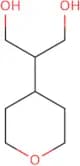
CAS:Versatile small molecule scaffold
Fórmula:C8H16O3Pureza:Min. 95%Peso molecular:160.21 g/molRef: 3D-RAD15754
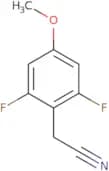
Produto descontinuado2,6-Difluoro-4-methoxyphenylacetonitrile
CAS:Versatile small molecule scaffold
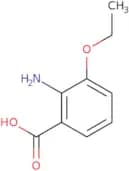
Fórmula:C9H7F2NOPureza:Min. 95%Peso molecular:183.16 g/mol2-Amino-3-ethoxybenzoic acid
CAS:Versatile small molecule scaffold
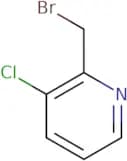
Fórmula:C9H11NO3Pureza:Min. 95%Peso molecular:181.19 g/mol2-(bromomethyl)-3-chloropyridine
CAS:Versatile small molecule scaffold
Fórmula:C6H5BrClNPureza:Min. 95%Peso molecular:206.47 g/mol5-(3H-Pyrazol-3-ylidene)-1,2,4-triazolidine-3-thione
CAS:Versatile small molecule scaffold
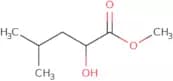
Fórmula:C5H5N5SPureza:Min. 95%Peso molecular:167.19 g/molMethyl 2-hydroxy-4-methylvalerate
CAS:Methyl 2-hydroxy-4-methylvalerate is an organic compound that belongs to the class of fatty acids. It is a colorless liquid with a fruity odor. Methyl 2-hydroxy-4-methylvalerate has been shown to inhibit the formation of reactive oxygen species and has antioxidant potential. It also inhibits bone resorption, which may be due to its ability to reduce levels of isobutyric acid in rats and humans. Methyl 2-hydroxy-4-methylvalerate has been found in tropical fruits such as mangoes, durians, and papayas.
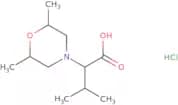
Fórmula:C7H14O3Pureza:Min. 95%Peso molecular:146.18 g/mol2-(2,6-Dimethylmorpholin-4-yl)-3-methylbutanoic acid hydrochloride
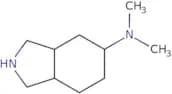
CAS:Versatile small molecule scaffoldFórmula:C11H22ClNO3Pureza:Min. 95%Peso molecular:251.75 g/molN,N-Dimethyl-octahydro-1H-isoindol-5-amine
CAS:Versatile small molecule scaffold
Fórmula:C10H20N2Pureza:Min. 95%Peso molecular:168.28 g/molRef: 3D-KCD26889
Produto descontinuado2-Bromo-5-fluoro-4-methoxybenzoic acid
CAS:Versatile small molecule scaffold
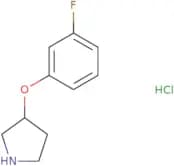
Fórmula:C8H6BrFO3Pureza:Min. 95%Peso molecular:249.03 g/mol3-(3-Fluorophenoxy)pyrrolidine hydrochloride
CAS:Versatile small molecule scaffold
Fórmula:C10H13ClFNOPureza:Min. 95%Peso molecular:217.67 g/molPyrrolo[1,2-b]pyridazin-4(1H)-one
CAS:Versatile small molecule scaffold
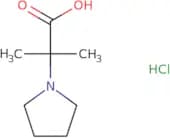
Fórmula:C7H6N2OPureza:Min. 95%Peso molecular:134.14 g/mol2-Methyl-2-(pyrrolidin-1-yl)propanoic acid hydrochloride
CAS:Versatile small molecule scaffold
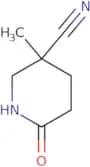
Fórmula:C8H16ClNO2Pureza:Min. 95%Peso molecular:193.67 g/mol3-Methyl-6-oxopiperidine-3-carbonitrile
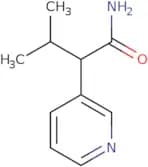
CAS:Versatile small molecule scaffoldFórmula:C7H10N2OPureza:Min. 95%Peso molecular:138.17 g/mol3-Methyl-2-(pyridin-3-yl)butanamide
CAS:Versatile small molecule scaffold
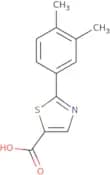
Fórmula:C10H14N2OPureza:Min. 95%Peso molecular:178.23 g/mol2-(3,4-Dimethylphenyl)-1,3-thiazole-5-carboxylic acid
CAS:Versatile small molecule scaffold
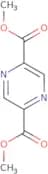
Fórmula:C12H11NO2SPureza:Min. 95%Peso molecular:233.29 g/molDimethyl Pyrazine-2,5-dicarboxylate
CAS:Versatile small molecule scaffold
Fórmula:C8H8N2O4Pureza:Min. 95%Peso molecular:196.16 g/mol6-Ethyl-3-methyl-1-phenyl-1H-pyrazolo[3,4-b]pyridine-4-carboxylic acid
CAS:Versatile small molecule scaffold
Fórmula:C16H15N3O2Pureza:Min. 95%Peso molecular:281.31 g/mol4-[(2-Amino-1,3-thiazol-5-yl)methyl]-3-(trifluoromethyl)benzonitrile
CAS:Versatile small molecule scaffold
Fórmula:C12H8F3N3SPureza:Min. 95%Peso molecular:283.27 g/mol2-[6-(Furan-2-yl)-3-methyl-4-(trifluoromethyl)-1H-pyrazolo[3,4-b]pyridin-1-yl]acetic acid
CAS:Versatile small molecule scaffoldFórmula:C14H10F3N3O3Pureza:Min. 95%Peso molecular:325.24 g/mol2-{3-Cyclopropyl-5-methyl-1H-pyrazolo[3,4-b]pyridin-1-yl}acetic acid
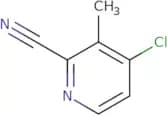
CAS:Versatile small molecule scaffoldFórmula:C12H13N3O2Pureza:Min. 95%Peso molecular:231.25 g/mol4-chloro-3-methylpyridine-2-carbonitrile
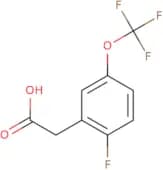
CAS:Rabeprazole is a proton pump inhibitor with antacid and anti-ulcer properties. It works by reducing the amount of acid produced in the stomach. Rabeprazole is used to treat conditions that cause excess stomach acid, such as Zollinger-Ellison syndrome and gastroesophageal reflux disease (GERD). Rabeprazole sodium is an alternative formulation of rabeprazole that has been modified to make it easier to dissolve in water.Fórmula:C7H5ClN2Pureza:Min. 95%Peso molecular:152.58 g/mol2-Fluoro-5-(trifluoromethoxy)phenylacetic acid
CAS:Versatile small molecule scaffoldFórmula:C9H6F4O3Pureza:Min. 95%Peso molecular:238.14 g/mol3-(Aminomethyl)-2,2-difluoropentane hydrochloride
CAS:Versatile small molecule scaffoldFórmula:C6H14ClF2NPureza:Min. 95%Peso molecular:173.6 g/mol3-Hydroxy-5-methylpyridine
CAS:3-Hydroxy-5-methylpyridine (3HMP) is a chemical substance that has been classified as an amine. It is a product of the metabolism of purines, which are nitrogenous bases found in DNA and RNA. 3HMP is produced by aerogenic bacteria (such as Enterobacter), and can be used to estimate the number of these bacteria present in water samples. 3HMP has been shown to have antiviral properties against influenza virus, and can be used as a biomarker for the presence of other viruses in animals. 3HMP also has mineralization properties, which have been studied extensively, particularly with regards to pancreatic disease.
Fórmula:C6H7NOPureza:Min. 95%Cor e Forma:PowderPeso molecular:109.13 g/molRef: 3D-FH16174
Produto descontinuado4-Chloro-2-hydroxy-6-methylphenylboronic acid
CAS:Versatile small molecule scaffoldFórmula:C7H8BClO3Pureza:Min. 95%Peso molecular:186.4 g/mol2-Bromo-3,3,3-trifluoro-1-propene
CAS:Produto Controlado2-Bromo-3,3,3-trifluoro-1-propene is a chemical compound that has been synthesized in an asymmetric reaction. The reactant is bromopropane and the product is 2,2,2-trifluoropropene. The methylene group on the propene molecule is activated by the nucleophilic attack of a fluoride ion from hydrogen fluoride to form a cavity with a highly strained bond. The kinetic study of this reaction revealed that the activation energy for the reaction is 42 kJ/mol. Palladium-catalyzed coupling reactions are catalyzed by palladium and require nonpolar solvents such as toluene or dichloromethane. This type of reaction has been shown to be exothermic with an isolated yield of 1%.
Fórmula:C3H2BrF3Pureza:Min. 95%Cor e Forma:Colorless PowderPeso molecular:174.95 g/mol4,5-Dihydroxy-2,3-Pentanedione
CAS:4,5-Dihydroxy-2,3-pentanedione is a carbonyl compound that is the product of the oxidation of ascorbic acid. It is used in wastewater treatment and has antimicrobial properties against infectious diseases. This compound has been shown to inhibit protein synthesis by binding to the ribosome and preventing the formation of peptide bonds between amino acids. 4,5-Dihydroxy-2,3-pentanedione has also been shown to bind to plasma proteins, which may be due to its acyl chain structure. 4,5-Dihydroxy-2,3-pentanedione can be synthesized in a catalytic mechanism that involves dehydroascorbic acid and molecular oxygen.
Fórmula:C5H8O4Pureza:Min. 95%Cor e Forma:PowderPeso molecular:132.11 g/molRef: 3D-FD180770
Produto descontinuadoPiperyline
CAS:Piperyline is an alkanoic acid that has shown to be effective against skin cancer. It also has antimicrobial properties, which may be due to its ability to bind metal ions and form polymeric compounds. Piperyline inhibits microbial growth by inhibiting the synthesis of proteins and nucleic acids. The antimicrobial activity is related to its cationic polymerization with hydroxyl groups, which forms a structure that can inhibit microbial enzymes and disrupt microbial cell membranes. This compound also interacts with the skin's natural lipids, making it difficult for microorganisms to attach and grow on the skin. Piperyline is synthesized in organic chemistry laboratories as an amide precursor of other pharmaceuticals such as penicillin.
Fórmula:C16H17NO3Pureza:Min. 95%Peso molecular:271.31 g/mol
![3'-Methyl-[1,1'-biphenyl]-2-carboxylic acid](/_next/image/?url=https%3A%2Fstatic.cymitquimica.com%2Fproducts%2F3D%2Fthumb-webp%2FHEA41271.webp&w=3840&q=75)

![4-[(4-Methoxyphenyl)methyl]azetidin-2-one](/_next/image/?url=https%3A%2Fstatic.cymitquimica.com%2Fproducts%2F3D%2Fthumb-webp%2FEFC81230.webp&w=3840&q=75)
![4H-pyrrolo[2,3-D]thiazole-5-carboxylic acid](/_next/image/?url=https%3A%2Fstatic.cymitquimica.com%2Fproducts%2F3D%2Fthumb-webp%2FHQB38672.webp&w=3840&q=75)
![[1-(1-Ethyl-3-methyl-1H-pyrazol-4-yl)propyl]amine](/_next/image/?url=https%3A%2Fstatic.cymitquimica.com%2Fproducts%2F3D%2Fthumb-webp%2FHQB46021.webp&w=3840&q=75)


![5-Methyl-2-sulfanyl-4H,7H-[1,2,4]triazolo[1,5-a]pyrimidin-7-one](/_next/image/?url=https%3A%2Fstatic.cymitquimica.com%2Fproducts%2F3D%2Fthumb-webp%2FRBA12281.webp&w=3840&q=75)
![1',2'-Dihydrospiro[cyclopentane-1,3'-indole]-2'-one](/_next/image/?url=https%3A%2Fstatic.cymitquimica.com%2Fproducts%2F3D%2Fthumb-webp%2FRBA05867.webp&w=3840&q=75)


![Pyrrolo[1,2-b]pyridazin-4(1H)-one](/_next/image/?url=https%3A%2Fstatic.cymitquimica.com%2Fproducts%2F3D%2Fthumb-webp%2FNKB72026.webp&w=3840&q=75)
![6-Ethyl-3-methyl-1-phenyl-1H-pyrazolo[3,4-b]pyridine-4-carboxylic acid](/_next/image/?url=https%3A%2Fstatic.cymitquimica.com%2Fproducts%2F3D%2Fthumb-webp%2FMMB69138.webp&w=3840&q=75)
![4-[(2-Amino-1,3-thiazol-5-yl)methyl]-3-(trifluoromethyl)benzonitrile](/_next/image/?url=https%3A%2Fstatic.cymitquimica.com%2Fproducts%2F3D%2Fthumb-webp%2FMMB62900.webp&w=3840&q=75)
![2-[6-(Furan-2-yl)-3-methyl-4-(trifluoromethyl)-1H-pyrazolo[3,4-b]pyridin-1-yl]acetic acid](/_next/image/?url=https%3A%2Fstatic.cymitquimica.com%2Fproducts%2F3D%2Fthumb-webp%2FMMB60578.webp&w=3840&q=75)
![2-{3-Cyclopropyl-5-methyl-1H-pyrazolo[3,4-b]pyridin-1-yl}acetic acid](/_next/image/?url=https%3A%2Fstatic.cymitquimica.com%2Fproducts%2F3D%2Fthumb-webp%2FMMB60570.webp&w=3840&q=75)