Building Blocks
Esta seção contém produtos fundamentais para a síntese de compostos orgânicos e biológicos. Building blocks são os materiais de partida essenciais usados para construir moléculas complexas através de várias reações químicas. Eles desempenham um papel crítico na descoberta de medicamentos, ciência dos materiais e pesquisa química. Na CymitQuimica, oferecemos uma ampla gama de building blocks de alta qualidade para apoiar suas pesquisas inovadoras e projetos industriais, garantindo que você tenha os componentes essenciais para uma síntese bem-sucedida.
Subcategorias de "Building Blocks"
- Ácidos Borónicos e Derivados de Ácido Borónico(5.778 produtos)
- Building Blocks Quirais(1.242 produtos)
- Building Blocks Hidrocarbonetos(6.098 produtos)
- Building Blocks orgânicos(61.034 produtos)
Foram encontrados 199601 produtos de "Building Blocks"
Ordenar por
Pureza (%)
0
100
|
0
|
50
|
90
|
95
|
100
4-(1H-benzo[d]imidazol-2-yl)-N,N-dimethylaniline
CAS:<p>4-(1H-benzo[d]imidazol-2-yl)-N,N-dimethylaniline is a molecule with the chemical formula C8H6N2. It has an optimised vibrational profile that can be used to identify it. The functional theory of molecular orbitals predicts that 4-(1H-benzo[d]imidazol-2-yl)-N,N-dimethylaniline will have a molecular electrostatic potential (MEP) of -0.13 kcal/mol and a shift of 0.04 cm(-1). The MEP and shift are calculated by using a single crystal x-ray diffraction experiment. This molecule has conformational parameters that can be calculated by using optimised atomic orbital parameters, which will give the conformational probability for each conformation as well as the total energy for each conformation. The conformations are then plotted on a graph in order to find the most probable con</p>Fórmula:C15H15N3Pureza:Min. 95%Peso molecular:237.31 g/mol2-(Naphthalen-1-yl)-1H-1,3-benzodiazole
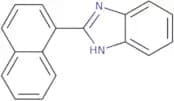
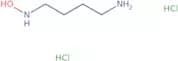
CAS:<p>Versatile small molecule scaffold</p>Fórmula:C17H12N2Pureza:Min. 95%Peso molecular:244.29 g/molN-(4-Aminobutyl)hydroxylamine dihydrochloride
CAS:<p>Versatile small molecule scaffold</p>Fórmula:C4H14Cl2N2OPureza:Min. 95%Peso molecular:177.07 g/molN-Butylacrylamide
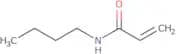
CAS:<p>N-Butylacrylamide is a monomer that is used in the production of polymers. It is a colorless, oily liquid that is soluble in organic solvents but not water. N-Butylacrylamide has been shown to inhibit microbial growth by binding to phosphonates and organic solvents, which are found on the surface of bacteria. These interactions lead to cell death by preventing the uptake of nutrients and causing leakage of cellular contents. The phase transition temperature for N-butyl acrylamide is below room temperature, making it an ideal candidate for use as an anti-infective agent.</p>Fórmula:C7H13NOPureza:Min. 95%Peso molecular:127.18 g/mol4,5,6,7-Tetrahydro-1,3-benzoxazol-2-amine
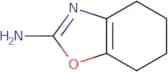
CAS:<p>Versatile small molecule scaffold</p>Fórmula:C7H10N2OPureza:Min. 95%Peso molecular:138.17 g/mol2-[(2-Methoxyphenyl)amino]ethan-1-ol
CAS:<p>Versatile small molecule scaffold</p>Fórmula:C9H13NO2Pureza:Min. 95%Peso molecular:167.2 g/molalpha-(1-Naphthyl)benzylamine
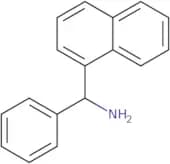
CAS:<p>Versatile small molecule scaffold</p>Fórmula:C17H15NPureza:Min. 95%Peso molecular:233.31 g/mol[(2-Aminoethyl)sulfanyl]sulfonic acid
CAS:<p>[(2-Aminoethyl)sulfanyl]sulfonic acid is an inorganic compound and a corrosion inhibitor. It is the ammonium salt of sulfonic acid, with a pK of 3.75. The molecule has two nitrogen atoms and one sulfur atom, which are unreactive with other compounds and do not form bonds. It is soluble in water, alcohols, ethers, chloroform, and carbon tetrachloride. [(2-Aminoethyl)sulfanyl]sulfonic acid can be used as a corrosion inhibitor for metals such as iron or copper because it does not corrode the metal like some other substances containing sulfur or nitrogen would. This compound also has an acidic nature because it can act as a proton donor to cleave bonds that are second-order rate constants. [(2-Aminoethyl)sulfanyl]sulfonic acid also reacts with aziridine in simulated gas phase reactions to form sulf</p>Fórmula:C2H7NO3S2Pureza:Min. 95%Peso molecular:157.22 g/mol3-Methyl-5-phenylpentanoic acid
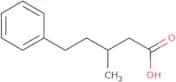
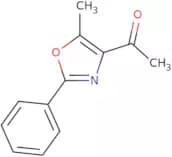
CAS:<p>Versatile small molecule scaffold</p>Fórmula:C12H16O2Pureza:Min. 95%Peso molecular:192.25 g/mol1-(5-Methyl-2-phenyl-1,3-oxazol-4-yl)ethan-1-one
CAS:Versatile small molecule scaffoldFórmula:C12H11NO2Pureza:Min. 95%Peso molecular:201.22 g/mol2-(4-Chlorophenyl)-5-methyl-1,3-oxazole-4-carboxylic acid
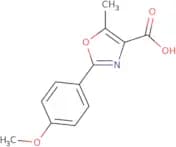
CAS:Versatile small molecule scaffoldFórmula:C11H8ClNO3Pureza:Min. 95%Peso molecular:237.64 g/mol2-(4-Methoxyphenyl)-5-methyl-1,3-oxazole-4-carboxylic acid
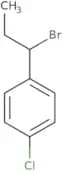
CAS:<p>Versatile small molecule scaffold</p>Fórmula:C12H11NO4Pureza:Min. 95%Peso molecular:233.22 g/mol1-(1-Bromopropyl)-4-chlorobenzene
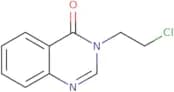
CAS:<p>Versatile small molecule scaffold</p>Fórmula:C9H10BrClPureza:Min. 95%Peso molecular:233.53 g/mol3-(2-Chloroethyl)-3,4-dihydroquinazolin-4-one
CAS:<p>Versatile small molecule scaffold</p>Fórmula:C10H9ClN2OPureza:Min. 95%Peso molecular:208.64 g/mol2-Methyl-5-nitrobenzo[d]thiazole
CAS:<p>Versatile small molecule scaffold</p>Fórmula:C8H6N2O2SPureza:Min. 95%Peso molecular:194.21 g/mol5-Methoxy-1,3-benzothiazole
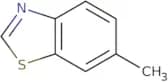
CAS:<p>5-Methoxy-1,3-benzothiazole is a cyclic heterocycle that has an optical yield of 2.5%. It is soluble in nonpolar solvents and has a reactive nature. The compound can be used to create benzothiazoles, styryl dyes, and other heterocycles. 5-Methoxy-1,3-benzothiazole is also used as a reagent to make quinazolinones and nonionic surfactants. The compound's optical properties are affected by the methylene group, which can be substituted with other groups to alter the properties of the molecule.</p>Fórmula:C8H7NOSPureza:Min. 95%Peso molecular:165.21 g/mol6-Methyl-1,3-benzothiazole
CAS:<p>6-Methyl-1,3-benzothiazole is a chemical compound that belongs to the class of sulfur. It has been patented for use in the treatment of hepatitis C. 6-Methyl-1,3-benzothiazole is a substituent that can be found in pharmaceutical chemicals. The chemical formula for this compound is C6H4S.</p>Fórmula:C8H7NSPureza:Min. 95%Peso molecular:149.21 g/mol2-Chloro-7-methyl-1,3-benzothiazole
CAS:<p>Versatile small molecule scaffold</p>Fórmula:C8H6ClNSPureza:Min. 95%Peso molecular:183.66 g/mol1-Methyl-1H,2H,3H-pyrazolo[3,4-b]pyridin-3-one
CAS:Versatile small molecule scaffoldFórmula:C7H7N3OPureza:Min. 95%Peso molecular:149.15 g/mol4H-Pyrazolo[3,4-d]pyrimidin-4-one, 1,5-dihydro-3-methyl-
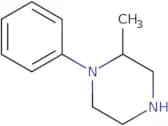
CAS:<p>Versatile small molecule scaffold</p>Fórmula:C6H6N4OPureza:Min. 95%Peso molecular:150.14 g/mol2-Methyl-1-phenylpiperazine
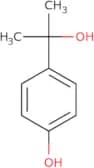
CAS:<p>Versatile small molecule scaffold</p>Fórmula:C11H16N2Pureza:Min. 95%Peso molecular:176.26 g/mol4-(2-Hydroxypropan-2-yl)phenol
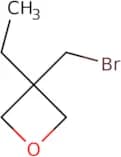
CAS:<p>4-(2-Hydroxypropan-2-yl)phenol is a petrochemical that is obtained from the hydrolysis of phenol. It can be used as a stabilizer for polymers and has been shown to selectively stabilize polystyrene and polypropylene. 4-(2-Hydroxypropan-2-yl)phenol also helps in the crystallization of intermediates, such as 2,4,6-trihydroxyphenylacetic acid, which are used in organic synthesis. The high yield of this chemical makes it an efficient and cost-effective process. 4-(2-Hydroxypropan-2-yl)phenol is also useful in the conversion of phenols into adducts with polymers, which can be used in plastics manufacturing.</p>Fórmula:C9H12O2Pureza:Min. 95%Peso molecular:152.19 g/mol3-(Bromomethyl)-3-ethyloxetane
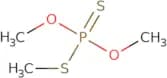
CAS:<p>3-(Bromomethyl)-3-ethyloxetane is a monomer that can be used to make copolymers. It has been shown to have good thermal stability and the ability to be polymerized with other oxetanes. 3-(Bromomethyl)-3-ethyloxetane has also been shown to form copolymers when mixed with other oxetanes. The type of copolymer formed depends on the combination of other oxetanes and their ratios. 3-(Bromomethyl)-3-ethyloxetane can be used for x-ray diffraction analysis, which can help determine the structure of the polymer and its properties.</p>Fórmula:C6H11BrOPureza:Min. 95%Peso molecular:179.05 g/molDimethyl (methylsulfanyl)(sulfanylidene)phosphonite
CAS:Dimethyl (methylsulfanyl)(sulfanylidene)phosphonite is an organophosphorus insecticide. It inhibits the cytochrome P-450 enzymes, which are involved in the synthesis of various compounds. Dimethyl (methylsulfanyl)(sulfanylidene)phosphonite is a toxicant for animals and can cause lung toxicity. The toxicity of dimethyl (methylsulfanyl)(sulfanylidene)phosphonite depends on its impurities, such as 7-ethoxycoumarin. The metabolism of dimethyl (methylsulfanyl)(sulfanylidene)phosphonite in humans has been studied using liver microsomes from different species and tissues. One study found that cytochrome P-450 isoenzymes CYP2B1 and CYP2C11 were involved in the detoxification of this compound. Another study found that phosalone was an intermediate metabolite that was formed byFórmula:C3H9O2PS2Pureza:Min. 95%Peso molecular:172.2 g/mol2-Amino-4-chloro-N-ethylbenzamide
CAS:<p>Versatile small molecule scaffold</p>Fórmula:C9H11ClN2OPureza:Min. 95%Peso molecular:198.65 g/molBicyclo[3.1.0]hexane-1,5-dicarboxylic acid
CAS:<p>Versatile small molecule scaffold</p>Fórmula:C8H10O4Pureza:Min. 95%Peso molecular:170.2 g/mol3-Oxatricyclo[3.3.1.0,1,5]nonane-2,4-dione
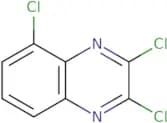
CAS:<p>Versatile small molecule scaffold</p>Fórmula:C8H8O3Pureza:Min. 95%Peso molecular:152.15 g/mol2,3,5-Trichloroquinoxaline
CAS:<p>Versatile small molecule scaffold</p>Fórmula:C8H3Cl3N2Pureza:Min. 95%Peso molecular:233.5 g/mol2-Phenylglutaric anhydride
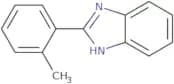
CAS:<p>2-Phenylglutaric anhydride is a chemical compound that is used in organic chemistry as a phase-transfer reagent, because of its ability to exchange between the organic and aqueous phases. It has been shown to be a useful modifier for preparative high performance liquid chromatography (prep HPLC) due to its low solubility in water and non-volatility. 2-Phenylglutaric anhydride can be used as a sample preparation technique for the separation of carboxylic acid derivatives by preparative HPLC. The use of this chemical has allowed for advances in the field of preparative chromatography, including the development of new strategies and techniques.<br>2-Phenylglutaric anhydride is also known to have thermodynamic properties that are favorable for column chromatography. This compound has been shown to be stable at higher temperatures, which allows for optimization of column packing materials with supercritical fluids.</p>Fórmula:C11H10O3Pureza:Min. 95%Peso molecular:190.19 g/mol2-(2-Methylphenyl)-1H-1,3-benzodiazole
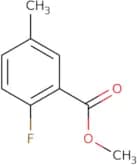
CAS:<p>Versatile small molecule scaffold</p>Fórmula:C14H12N2Pureza:Min. 95%Peso molecular:208.26 g/molMethyl 2-Fluoro-5-methylbenzoate
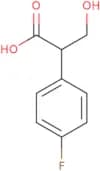
CAS:<p>Versatile small molecule scaffold</p>Fórmula:C9H9FO2Pureza:Min. 95%Peso molecular:168.17 g/mol2-(4-Fluorophenyl)-3-hydroxypropanoic acid
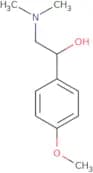
CAS:<p>Versatile small molecule scaffold</p>Fórmula:C9H9FO3Pureza:Min. 95%Peso molecular:184.16 g/mol2-(Dimethylamino)-1-(4-methoxyphenyl)ethanol
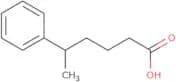
CAS:<p>Versatile small molecule scaffold</p>Fórmula:C11H17NO2Pureza:Min. 95%Peso molecular:195.26 g/mol5-Phenylhexanoic acid
CAS:<p>5-Phenylhexanoic acid is an organic compound that belongs to the group of alcohols. It can be synthesised by a two-step process, which involves oxidation of benzylic alcohols and fission of the resulting aldehydes. The kinetic analysis of this reaction has shown that it proceeds with a rate law that follows first order kinetics. The analyses have also shown that 5-phenylhexanoic acid is oxidised in the presence of cobaltic perchlorate, which leads to the formation of cyanide as well as alkyl bromides and hydrocarbons.</p>Fórmula:C12H16O2Pureza:Min. 95%Peso molecular:192.25 g/mol2,2-Dimethyl-3,4-dihydronaphthalen-1-one
CAS:<p>Versatile small molecule scaffold</p>Fórmula:C12H14OPureza:Min. 95%Peso molecular:174.24 g/mol2,2-Dimethylpent-4-enenitrile
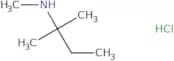
CAS:<p>2,2-Dimethylpent-4-enenitrile is an organic compound that can be synthesized by the reaction of bromomethyl cyclopropane with a Grignard reagent. It is a useful synthetic intermediate for the synthesis of imines and carbonitriles. Grignard reagents are nucleophilic and react with alkenes to form addition products called imines. 2,2-Dimethylpent-4-enenitrile is a cyclic molecule that reacts with nucleophiles such as Grignard reagents in a nucleophilic substitution reaction. The addition product formed is known as an imine.</p>Fórmula:C7H11NPureza:Min. 95%Peso molecular:109.17 g/molMethyl(2-methylbutan-2-yl)amine hydrochloride
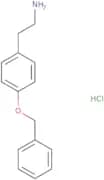
CAS:<p>Versatile small molecule scaffold</p>Fórmula:C6H16ClNPureza:Min. 95%Peso molecular:137.65 g/mol4-Benzyloxy-Phenethylamine hydrochloride
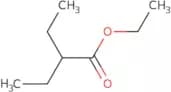
CAS:<p>Versatile small molecule scaffold</p>Fórmula:C15H18ClNOPureza:Min. 95%Peso molecular:263.77 g/molEthyl 2-Ethylbutyrate
CAS:<p>Ethyl 2-ethylbutyrate is a fatty acid ester that is synthesized from butyric acid and ethanol. It has been shown to have anti-inflammatory properties, which may be due to its ability to suppress pro-inflammatory cytokines such as IL-6 and TNF-α. This compound also suppresses the production of IL-10, an anti-inflammatory cytokine. The activity index of this product is 1.5.</p>Fórmula:C8H16O2Pureza:Min. 95%Peso molecular:144.21 g/mol2-(Ethoxycarbonyl)butanoic acid
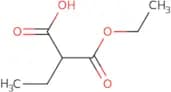
CAS:<p>2-(Ethoxycarbonyl)butanoic acid is a solvate of ethoxycarbonyl butanoic acid. It is a weak antibiotic that inhibits bacterial growth by binding to the 50S ribosomal subunit. This active form is metabolized through a number of metabolic transformations, including hydrolysis by esterases or glucuronidases, oxidation by cytochrome P450 enzymes, reduction by glutathione reductase, or conjugation with glucuronic acid. 2-(Ethoxycarbonyl)butanoic acid has been shown to be effective in the treatment of tuberculosis and other mycobacterial infections. It is also used as an antifungal agent against Candida albicans and Cryptococcus neoformans. 2-(Ethoxycarbonyl)butanoic acid binds to DNA-dependent RNA polymerase and prevents transcription and replication, which leads to cell death in susceptible bacteria.</p>Fórmula:C7H12O4Pureza:Min. 95%Peso molecular:160.17 g/mol3-(Cyclopropylmethoxy)propan-1-amine
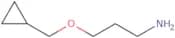
CAS:<p>Versatile small molecule scaffold</p>Fórmula:C7H15NOPureza:Min. 95%Peso molecular:129.2 g/mol(6-Aminohexyl)(methyl)amine
CAS:<p>Versatile small molecule scaffold</p>Fórmula:C7H18N2Pureza:Min. 95%Peso molecular:130.23 g/mol(2S)-2-Amino-3-methyl-3-(methylsulfanyl)butan-1-ol
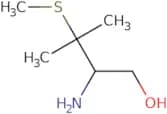
CAS:Versatile small molecule scaffoldFórmula:C6H15NOSPureza:Min. 95%Peso molecular:149.3 g/mol2-(4-Chloro-3-fluorophenyl)-4,4,5,5-tetramethyl-1,3,2-dioxaborolane
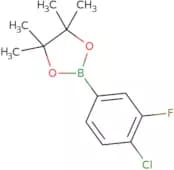
CAS:<p>Versatile small molecule scaffold</p>Fórmula:C12H15BClFO2Pureza:Min. 95%Peso molecular:256.51 g/mol3-(Trifluoromethyl)-5-fluorophenylboronic acid pinacol ester
CAS:<p>Versatile small molecule scaffold</p>Fórmula:C13H15BF4O2Pureza:Min. 95%Peso molecular:290.06 g/mol2-[3-(Difluoromethyl)phenyl]-4,4,5,5-tetramethyl-1,3,2-dioxaborolane
CAS:Versatile small molecule scaffoldFórmula:C13H17BF2O2Pureza:Min. 95%Peso molecular:254.08 g/mol2-[3-(Difluoromethyl)-5-fluorophenyl]-4,4,5,5-tetramethyl-1,3,2-dioxaborolane
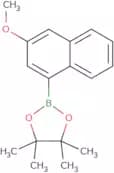
CAS:Versatile small molecule scaffoldFórmula:C13H16BF3O2Pureza:Min. 95%Peso molecular:272.07 g/mol2-(3-Methoxynaphthalen-1-yl)-4,4,5,5-tetramethyl-1,3,2-dioxaborolane
CAS:<p>Versatile small molecule scaffold</p>Fórmula:C17H21BO3Pureza:Min. 95%Peso molecular:284.2 g/mol2-[2-Fluoro-3-(trifluoromethyl)phenyl]-4,4,5,5-tetramethyl-1,3,2-dioxaborolane
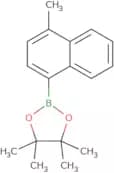
CAS:<p>Versatile small molecule scaffold</p>Fórmula:C13H15BF4O2Pureza:Min. 95%Peso molecular:290.06 g/mol4-Methylnaphthalene-1-boronic acid pinacol ester
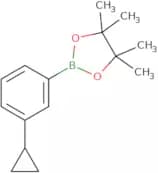
CAS:<p>Versatile small molecule scaffold</p>Fórmula:C17H21BO2Pureza:Min. 95%Peso molecular:268.16 g/mol2-(3-Cyclopropylphenyl)-4,4,5,5-tetramethyl-1,3,2-dioxaborolane
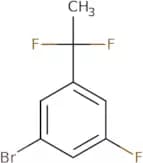
CAS:<p>Versatile small molecule scaffold</p>Fórmula:C15H21BO2Pureza:Min. 95%Peso molecular:244.14 g/mol1-Bromo-3-(1,1-difluoroethyl)-5-fluorobenzene
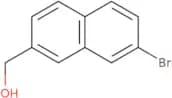
CAS:<p>Versatile small molecule scaffold</p>Fórmula:C8H6BrF3Pureza:Min. 95%Peso molecular:239.03 g/mol(7-Bromonaphthalen-2-yl)methanol
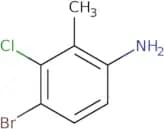
CAS:<p>Versatile small molecule scaffold</p>Fórmula:C11H9BrOPureza:Min. 95%Peso molecular:237.09 g/mol4-Bromo-3-chloro-2-methylaniline
CAS:<p>4-Bromo-3-chloro-2-methylaniline is a heterocyclic compound that is used in organic synthesis. It is a precursor in the preparation of saccharin, indoxyls and other heterocycles, as well as glycosylations. 4-Bromo-3-chloro-2-methylaniline can be prepared by the transfer of chlorine from chlorosulfonic acid to an alkene with bromine. The reaction yields a mixture of products, including glycosylations. This process can be monitored using thin layer chromatography or by enzymatic hydrolysis. The yield of this reaction is low, so it may need to be scaled up for industrial applications. 4-Bromo-3-chloro-2-methylaniline can also be prepared from indoxyls using halides. This process is mediated by sodium methoxide and potassium tetrach</p>Fórmula:C7H7BrClNPureza:Min. 95%Peso molecular:220.49 g/mol6-Aminoquinoline-2-carbonitrile
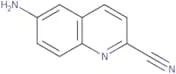
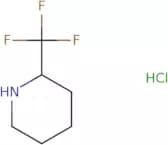
CAS:<p>Versatile small molecule scaffold</p>Fórmula:C10H7N3Pureza:Min. 95%Peso molecular:169.18 g/mol2-(Trifluoromethyl)piperidine hydrochloride
CAS:<p>Versatile small molecule scaffold</p>Fórmula:C6H10F3N·HClPureza:Min. 95%Peso molecular:189.61 g/mol5-[(3-Fluorophenyl)methyl]-1H-1,2,4-triazol-3-amine
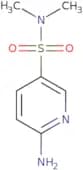
CAS:<p>Versatile small molecule scaffold</p>Fórmula:C9H9FN4Pureza:Min. 95%Peso molecular:192.19 g/mol6-Amino-N,N-dimethylpyridine-3-sulfonamide
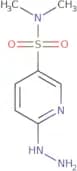
CAS:<p>Versatile small molecule scaffold</p>Fórmula:C7H11N3O2SPureza:Min. 95%Peso molecular:201.25 g/mol6-Hydrazinyl-N,N-dimethylpyridine-3-sulfonamide
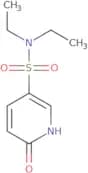
CAS:<p>Versatile small molecule scaffold</p>Fórmula:C7H12N4O2SPureza:Min. 95%Peso molecular:216.26 g/molN,N-Diethyl-6-oxo-1,6-dihydropyridine-3-sulfonamide
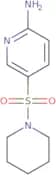
CAS:Versatile small molecule scaffoldFórmula:C9H14N2O3SPureza:Min. 95%Peso molecular:230.29 g/mol5-(Piperidine-1-sulfonyl)pyridin-2-amine
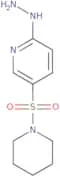
CAS:<p>Versatile small molecule scaffold</p>Fórmula:C10H15N3O2SPureza:Min. 95%Peso molecular:241.31 g/mol2-Hydrazinyl-5-(piperidine-1-sulfonyl)pyridine
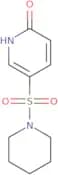
CAS:Versatile small molecule scaffoldFórmula:C10H16N4O2SPureza:Min. 95%Peso molecular:256.33 g/mol5-(Piperidine-1-sulfonyl)-1,2-dihydropyridin-2-one
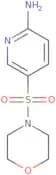
CAS:<p>Versatile small molecule scaffold</p>Fórmula:C10H14N2O3SPureza:Min. 95%Peso molecular:242.3 g/mol5-(Morpholine-4-sulfonyl)pyridin-2-amine
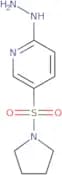
CAS:Versatile small molecule scaffoldFórmula:C9H13N3O3SPureza:Min. 95%Peso molecular:243.29 g/mol2-Hydrazinyl-5-(pyrrolidine-1-sulfonyl)pyridine
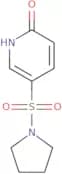
CAS:<p>Versatile small molecule scaffold</p>Fórmula:C9H14N4O2SPureza:Min. 95%Peso molecular:242.3 g/mol5-(Pyrrolidine-1-sulfonyl)-1,2-dihydropyridin-2-one
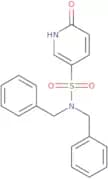
CAS:<p>Versatile small molecule scaffold</p>Fórmula:C9H12N2O3SPureza:Min. 95%Peso molecular:228.27 g/molN,N-Dibenzyl-6-oxo-1,6-dihydropyridine-3-sulfonamide
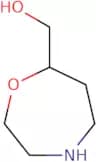
CAS:<p>Versatile small molecule scaffold</p>Fórmula:C19H18N2O3SPureza:Min. 95%Peso molecular:354.4 g/mol1,4-Oxazepan-7-ylmethanol
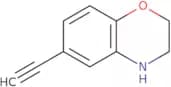
CAS:<p>Versatile small molecule scaffold</p>Fórmula:C6H13NO2Pureza:Min. 95%Peso molecular:131.17 g/mol6-Ethynyl-3,4-dihydro-2H-1,4-benzoxazine
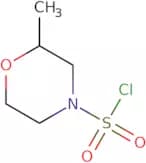
CAS:<p>Versatile small molecule scaffold</p>Fórmula:C10H9NOPureza:Min. 95%Peso molecular:159.18 g/mol2-Methylmorpholine-4-sulfonyl chloride
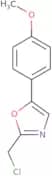
CAS:<p>Versatile small molecule scaffold</p>Fórmula:C5H10ClNO3SPureza:Min. 95%Peso molecular:199.66 g/mol2-(Chloromethyl)-5-(4-methoxyphenyl)-1,3-oxazole
CAS:<p>Versatile small molecule scaffold</p>Fórmula:C11H10ClNO2Pureza:Min. 95%Peso molecular:223.65 g/mol2-[(2-Methoxyethyl)sulfanyl]acetic acid
CAS:<p>Versatile small molecule scaffold</p>Fórmula:C5H10O3SPureza:Min. 95%Peso molecular:150.2 g/mol4-[4-(Benzyloxy)phenyl]pyridine
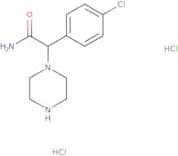
CAS:<p>Versatile small molecule scaffold</p>Fórmula:C18H15NOPureza:Min. 95%Peso molecular:261.3 g/mol2-(4-Chlorophenyl)-2-(piperazin-1-yl)acetamide dihydrochloride
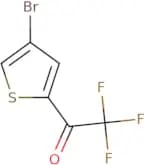
CAS:<p>Versatile small molecule scaffold</p>Fórmula:C12H18Cl3N3OPureza:Min. 95%Peso molecular:326.6 g/mol1-(4-Bromo-thiophen-2-yl)-2,2,2-trifluoro-ethanone
CAS:<p>Versatile small molecule scaffold</p>Fórmula:C6H2BrF3OSPureza:Min. 95%Peso molecular:259.05 g/molAcetic acid, benzyl(1-cyclopropylethyl)amine
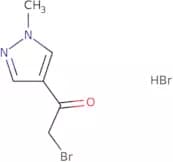
CAS:Produto Controlado<p>Acetic acid, benzyl(1-cyclopropylethyl)amine (ABE) is a new drug candidate for the treatment of type II diabetes. ABE has been shown to inhibit the growth of Candida glabrata at a concentration of 0.5 mM and to be effective against c. albicans at a concentration of 1 mM. ABE also exhibits an optimum concentration in the range of 0.25-0.5 M, which can be achieved by diluting it with 50% ethanol or water for injection and then filtering the solution before administration, as well as through pretreatment with cerevisiae or Saccharomyces cerevisiae (a yeast). ABE has been shown to have hypoglycemic effects in both yeast and mouse models of type II diabetes, although it has not yet been tested on humans.</p>Fórmula:C14H21NO2Pureza:Min. 95%Peso molecular:235.3 g/mol2-Bromo-1-(1-methyl-1H-pyrazol-4-yl)ethan-1-one hydrobromide
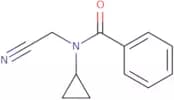
CAS:<p>Versatile small molecule scaffold</p>Fórmula:C6H8Br2N2OPureza:Min. 95%Peso molecular:283.95 g/molN-(Cyanomethyl)-N-cyclopropylbenzamide
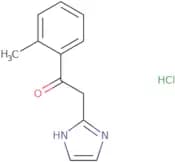
CAS:<p>Versatile small molecule scaffold</p>Fórmula:C12H12N2OPureza:Min. 95%Peso molecular:200.24 g/mol2-(1H-Imidazol-2-yl)-1-(2-methylphenyl)ethan-1-one hydrochloride
CAS:Versatile small molecule scaffoldFórmula:C12H13ClN2OPureza:Min. 95%Peso molecular:236.7 g/molBenzyl N-({[(cyclopropylcarbamoyl)methyl](methyl)carbamoyl}methyl)carbamate
CAS:<p>Versatile small molecule scaffold</p>Fórmula:C16H21N3O4Pureza:Min. 95%Peso molecular:319.36 g/moltert-Butyl N-[2-(4-phenylbutanamido)ethyl]carbamate
CAS:Versatile small molecule scaffoldFórmula:C17H26N2O3Pureza:Min. 95%Peso molecular:306.4 g/mol[(2-Methylphenyl)methyl](pyridin-2-ylmethyl)amine dihydrochloride
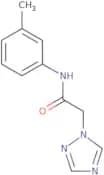
CAS:<p>Versatile small molecule scaffold</p>Fórmula:C14H18Cl2N2Pureza:Min. 95%Peso molecular:285.2 g/molN-(3-Methylphenyl)-2-(1H-1,2,4-triazol-1-yl)acetamide
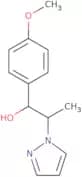
CAS:<p>Versatile small molecule scaffold</p>Fórmula:C11H12N4OPureza:Min. 95%Peso molecular:216.24 g/mol1-(4-Methoxyphenyl)-2-(1H-pyrazol-1-yl)propan-1-ol
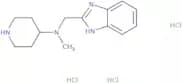
CAS:Produto ControladoVersatile small molecule scaffoldFórmula:C13H16N2O2Pureza:Min. 95%Peso molecular:232.28 g/molN-(1H-1,3-Benzodiazol-2-ylmethyl)-N-methylpiperidin-4-amine trihydrochloride
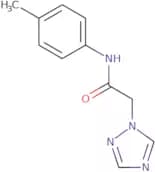
CAS:<p>Versatile small molecule scaffold</p>Fórmula:C14H23Cl3N4Pureza:Min. 95%Peso molecular:353.7 g/molN-(4-Methylphenyl)-2-(1H-1,2,4-triazol-1-yl)acetamide
CAS:<p>Versatile small molecule scaffold</p>Fórmula:C11H12N4OPureza:Min. 95%Peso molecular:216.24 g/mol[(3-Methylphenyl)methyl](pyridin-2-ylmethyl)amine dihydrochloride
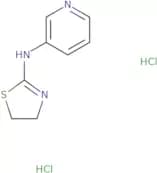
CAS:<p>Versatile small molecule scaffold</p>Fórmula:C14H18Cl2N2Pureza:Min. 95%Peso molecular:285.2 g/molN-(4,5-Dihydro-1,3-thiazol-2-yl)pyridin-3-amine dihydrochloride
CAS:Versatile small molecule scaffoldFórmula:C8H11Cl2N3SPureza:Min. 95%Peso molecular:252.16 g/molN-[(4-Cyanophenyl)methanesulfonyl]-2-methyl-2-phenylpropanamide
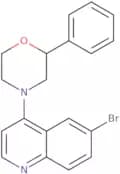
CAS:Versatile small molecule scaffoldFórmula:C18H18N2O3SPureza:Min. 95%Peso molecular:342.4 g/mol6-Bromo-4-(2-phenylmorpholin-4-yl)quinoline
CAS:<p>Versatile small molecule scaffold</p>Fórmula:C19H17BrN2OPureza:Min. 95%Peso molecular:369.3 g/mol[(3-Methylphenyl)methyl][(thiophen-2-yl)methyl]amine hydrochloride
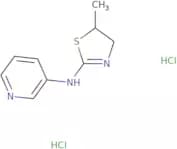
CAS:<p>Versatile small molecule scaffold</p>Fórmula:C13H16ClNSPureza:Min. 95%Peso molecular:253.79 g/molN-(5-Methyl-1,3-thiazolidin-2-ylidene)pyridin-3-amine dihydrochloride
CAS:Versatile small molecule scaffoldFórmula:C9H13Cl2N3SPureza:Min. 95%Peso molecular:266.19 g/mol8-Methyl-1H,2H,3H-pyrido[2,3-b][1,4]oxazine
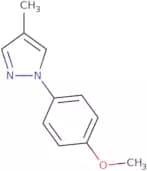
CAS:<p>Versatile small molecule scaffold</p>Fórmula:C8H10N2OPureza:Min. 95%Peso molecular:150.18 g/mol1-(4-Methoxyphenyl)-4-methyl-1H-pyrazole
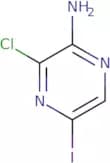
CAS:Versatile small molecule scaffoldFórmula:C11H12N2OPureza:Min. 95%Peso molecular:188.23 g/mol3-chloro-5-iodopyrazin-2-amine
CAS:<p>Versatile small molecule scaffold</p>Fórmula:C4H3ClIN3Pureza:Min. 95%Peso molecular:255.4 g/moltert-Butyl 2-[(4-fluorophenyl)amino]propanoate
CAS:Versatile small molecule scaffoldFórmula:C13H18FNO2Pureza:Min. 95%Peso molecular:239.29 g/mol1-{1,4-Dioxaspiro[4.5]decan-8-yl}-1H-imidazole
CAS:<p>Versatile small molecule scaffold</p>Fórmula:C11H16N2O2Pureza:Min. 95%Peso molecular:208.26 g/mol(2S,4R)-1-[(tert-Butoxy)carbonyl]-4-methanesulfonylpyrrolidine-2-carboxylic acid
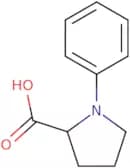
CAS:Versatile small molecule scaffoldFórmula:C11H19NO6SPureza:Min. 95%Peso molecular:293.34 g/mol1-Phenylpyrrolidine-2-carboxylic acid
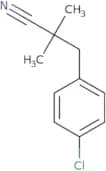
CAS:<p>1-Phenylpyrrolidine-2-carboxylic acid is a neutral compound that is soluble in water. It has been shown to inhibit the growth of bacteria by binding to the DNA, RNA, and proteins. 1-Phenylpyrrolidine-2-carboxylic acid has also been shown to be effective in inhibiting bacterial infections caused by methicillin resistant Staphylococcus aureus (MRSA), which are resistant to many other antibiotics. The drug has shown clinical development potential as an antibiotic and may have therapeutic benefits for diseases such as tuberculosis or malaria.</p>Fórmula:C11H13NO2Pureza:Min. 95%Peso molecular:191.23 g/mol3-(4-Chlorophenyl)-2,2-dimethylpropanenitrile
CAS:<p>Versatile small molecule scaffold</p>Fórmula:C11H12ClNPureza:Min. 95%Peso molecular:193.67 g/mol
![4-(1H-benzo[d]imidazol-2-yl)-N,N-dimethylaniline](/_next/image/?url=https%3A%2Fstatic.cymitquimica.com%2Fproducts%2F3D%2Fthumb-webp%2FCAA56271.webp&w=3840&q=75)

![2-[(2-Methoxyphenyl)amino]ethan-1-ol](/_next/image/?url=https%3A%2Fstatic.cymitquimica.com%2Fproducts%2F3D%2Fthumb-webp%2FCAA93375.webp&w=3840&q=75)
![[(2-Aminoethyl)sulfanyl]sulfonic acid](/_next/image/?url=https%3A%2Fstatic.cymitquimica.com%2Fproducts%2F3D%2Fthumb-webp%2FCAA93753.webp&w=3840&q=75)
![2-Methyl-5-nitrobenzo[d]thiazole](/_next/image/?url=https%3A%2Fstatic.cymitquimica.com%2Fproducts%2F3D%2Fthumb-webp%2FCAA94166.webp&w=3840&q=75)


![1-Methyl-1H,2H,3H-pyrazolo[3,4-b]pyridin-3-one](/_next/image/?url=https%3A%2Fstatic.cymitquimica.com%2Fproducts%2F3D%2Fthumb-webp%2FCAA94245.webp&w=3840&q=75)
![4H-Pyrazolo[3,4-d]pyrimidin-4-one, 1,5-dihydro-3-methyl-](/_next/image/?url=https%3A%2Fstatic.cymitquimica.com%2Fproducts%2F3D%2Fthumb-webp%2FCAA94247.webp&w=3840&q=75)

![Bicyclo[3.1.0]hexane-1,5-dicarboxylic acid](/_next/image/?url=https%3A%2Fstatic.cymitquimica.com%2Fproducts%2F3D%2Fthumb-webp%2FCAA95866.webp&w=3840&q=75)
![3-Oxatricyclo[3.3.1.0,1,5]nonane-2,4-dione](/_next/image/?url=https%3A%2Fstatic.cymitquimica.com%2Fproducts%2F3D%2Fthumb-webp%2FCAA95867.webp&w=3840&q=75)



![2-[3-(Difluoromethyl)phenyl]-4,4,5,5-tetramethyl-1,3,2-dioxaborolane](/_next/image/?url=https%3A%2Fstatic.cymitquimica.com%2Fproducts%2F3D%2Fthumb-webp%2FCAB52589.webp&w=3840&q=75)
![2-[3-(Difluoromethyl)-5-fluorophenyl]-4,4,5,5-tetramethyl-1,3,2-dioxaborolane](/_next/image/?url=https%3A%2Fstatic.cymitquimica.com%2Fproducts%2F3D%2Fthumb-webp%2FCAB52604.webp&w=3840&q=75)
![2-[2-Fluoro-3-(trifluoromethyl)phenyl]-4,4,5,5-tetramethyl-1,3,2-dioxaborolane](/_next/image/?url=https%3A%2Fstatic.cymitquimica.com%2Fproducts%2F3D%2Fthumb-webp%2FCAB52648.webp&w=3840&q=75)
![5-[(3-Fluorophenyl)methyl]-1H-1,2,4-triazol-3-amine](/_next/image/?url=https%3A%2Fstatic.cymitquimica.com%2Fproducts%2F3D%2Fthumb-webp%2FCAB54497.webp&w=3840&q=75)
![2-[(2-Methoxyethyl)sulfanyl]acetic acid](/_next/image/?url=https%3A%2Fstatic.cymitquimica.com%2Fproducts%2F3D%2Fthumb-webp%2FCAB90236.webp&w=3840&q=75)
![4-[4-(Benzyloxy)phenyl]pyridine](/_next/image/?url=https%3A%2Fstatic.cymitquimica.com%2Fproducts%2F3D%2Fthumb-webp%2FCAB90666.webp&w=3840&q=75)
carbamoyl}methyl)carbamate](/_next/image/?url=https%3A%2Fstatic.cymitquimica.com%2Fproducts%2F3D%2Fthumb-webp%2FCAC27280.webp&w=3840&q=75)
![tert-Butyl N-[2-(4-phenylbutanamido)ethyl]carbamate](/_next/image/?url=https%3A%2Fstatic.cymitquimica.com%2Fproducts%2F3D%2Fthumb-webp%2FCAC27668.webp&w=3840&q=75)
amine dihydrochloride](/_next/image/?url=https%3A%2Fstatic.cymitquimica.com%2Fproducts%2F3D%2Fthumb-webp%2FCAC33411.webp&w=3840&q=75)
amine dihydrochloride](/_next/image/?url=https%3A%2Fstatic.cymitquimica.com%2Fproducts%2F3D%2Fthumb-webp%2FCAC44199.webp&w=3840&q=75)
![N-[(4-Cyanophenyl)methanesulfonyl]-2-methyl-2-phenylpropanamide](/_next/image/?url=https%3A%2Fstatic.cymitquimica.com%2Fproducts%2F3D%2Fthumb-webp%2FCAC49044.webp&w=3840&q=75)
![[(3-Methylphenyl)methyl][(thiophen-2-yl)methyl]amine hydrochloride](/_next/image/?url=https%3A%2Fstatic.cymitquimica.com%2Fproducts%2F3D%2Fthumb-webp%2FCAC54892.webp&w=3840&q=75)
![8-Methyl-1H,2H,3H-pyrido[2,3-b][1,4]oxazine](/_next/image/?url=https%3A%2Fstatic.cymitquimica.com%2Fproducts%2F3D%2Fthumb-webp%2FCAC57206.webp&w=3840&q=75)
![tert-Butyl 2-[(4-fluorophenyl)amino]propanoate](/_next/image/?url=https%3A%2Fstatic.cymitquimica.com%2Fproducts%2F3D%2Fthumb-webp%2FCAC60034.webp&w=3840&q=75)
![1-{1,4-Dioxaspiro[4.5]decan-8-yl}-1H-imidazole](/_next/image/?url=https%3A%2Fstatic.cymitquimica.com%2Fproducts%2F3D%2Fthumb-webp%2FCAC60749.webp&w=3840&q=75)
![(2S,4R)-1-[(tert-Butoxy)carbonyl]-4-methanesulfonylpyrrolidine-2-carboxylic acid](/_next/image/?url=https%3A%2Fstatic.cymitquimica.com%2Fproducts%2F3D%2Fthumb-webp%2FCAC64076.webp&w=3840&q=75)