Building Blocks
Subcategorias de "Building Blocks"
- Ácidos Borónicos e Derivados de Ácido Borónico(5.778 produtos)
- Building Blocks Quirais(1.243 produtos)
- Building Blocks Hidrocarbonetos(6.098 produtos)
- Building Blocks orgânicos(61.042 produtos)
Foram encontrados 204339 produtos de "Building Blocks"
1-[2-(Propan-2-yloxy)ethyl]cyclopropan-1-amine hydrochloride
CAS:Versatile small molecule scaffoldFórmula:C8H18ClNOPureza:Min. 95%Peso molecular:179.69 g/molRef: 3D-PZC01648
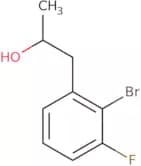
Produto descontinuado1-(2-Bromo-3-fluorophenyl)propan-2-ol
CAS:Versatile small molecule scaffoldFórmula:C9H10BrFOPureza:Min. 95%Peso molecular:233.08 g/molRef: 3D-UFC04202
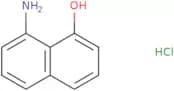
Produto descontinuado8-Aminonaphthalen-1-ol hydrochloride
CAS:Versatile small molecule scaffold
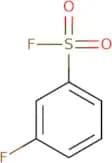
Fórmula:C10H10ClNOPureza:Min. 95%Peso molecular:195.64 g/mol3-Fluorobenzene-1-sulfonyl fluoride
CAS:3-Fluorobenzene-1-sulfonyl fluoride is a chemical compound that can be used as a catalyst to synthesize organic compounds. It is a colorless liquid, which is soluble in water and organic solvents. This catalyst has been shown to be more efficient than the traditional catalysts, such as tetraphenylphosphonium chloride, potassium fluoride or sodium borohydride. 3-Fluorobenzene-1-sulfonyl fluoride also reacts with nitro groups to produce dinitro compounds, which are valuable synthetic intermediates for the production of dyes and pharmaceuticals. The synthesis of this compound can be carried out in high yields with stoichiometric amounts of reactants.
Fórmula:C6H4F2O2SPureza:Min. 95%Peso molecular:178.16 g/mol3,6-Dimethyl-1-{[(propan-2-yl)carbamoyl]methyl}-1H-pyrazolo[3,4-b]pyridine-4-carboxylic acid
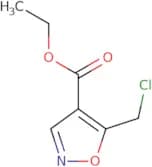
CAS:Versatile small molecule scaffoldFórmula:C14H18N4O3Pureza:Min. 95%Peso molecular:290.32 g/molEthyl 5-(chloromethyl)-1,2-oxazole-4-carboxylate
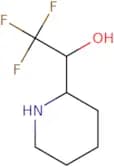
CAS:Versatile small molecule scaffoldFórmula:C7H8ClNO3Pureza:Min. 95%Peso molecular:189.59 g/mol2,2,2-Trifluoro-1-(piperidin-2-yl)ethan-1-ol
CAS:Versatile small molecule scaffoldFórmula:C7H12F3NOPureza:Min. 95%Peso molecular:183.17 g/molOpn4 Antagonist
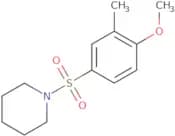
CAS:The Opn4 antagonist is a chemical that blocks the activity of the protein melanopsin, which is involved in regulating circadian rhythms. It has been shown to inhibit melatonin synthesis and muscle fiber contraction when applied intravitreally. These effects may be mediated by membrane channels that are activated by chloride ions. The effect of the Opn4 antagonist on photoreceptor cells is not yet known.
Fórmula:C13H19NO3SPureza:Min. 95%Peso molecular:269.36 g/mol4-Chloro-5H,6H,7H-pyrimido[4,5-b][1,4]oxazin-6-one
CAS:Versatile small molecule scaffoldFórmula:C6H4ClN3O2Pureza:Min. 95%Peso molecular:185.57 g/molRef: 3D-LYB52467
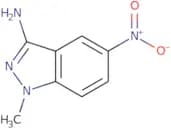
Produto descontinuado1-Methyl-5-nitro-1H-indazol-3-amine
CAS:Versatile small molecule scaffold
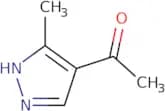
Fórmula:C8H8N4O2Pureza:Min. 95%Peso molecular:192.18 g/mol1-(5-Methyl-1H-Pyrazol-4-Yl)Ethanone
CAS:Phenylhydrazine is a white crystalline solid with a molecular weight of 150.25, and the molecular formula C6H5NHN. It is soluble in water, alcohol, ether and chloroform. Phenylhydrazine can react with an acid chloride to form a hydrazone; this reaction is used in the synthesis of some pharmaceuticals. The most common use of phenylhydrazine is as a precursor to various pharmaceuticals, such as antipyretics and anti-inflammatory agents. Phenylhydrazine reacts with zinc chloride to form 1-(5-methyl-1H-pyrazol-4-yl)ethanone.
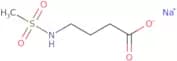
Fórmula:C6H8N2OPureza:Min. 95%Peso molecular:124.14 g/molSodium 4-methanesulfonamidobutanoate
CAS:Versatile small molecule scaffold
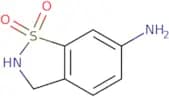
Fórmula:C5H10NNaO4SPureza:Min. 95%Peso molecular:203.19 g/mol1,1-Dioxo-2,3-dihydro-1,2-benzothiazol-6-amine
CAS:Versatile small molecule scaffold
Fórmula:C7H8N2O2SPureza:Min. 95%Peso molecular:184.22 g/moltert-Butyl N-[1-(4-aminophenyl)ethyl]carbamate
CAS:Versatile small molecule scaffold
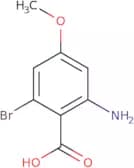
Fórmula:C13H20N2O2Pureza:Min. 95%Peso molecular:236.31 g/mol2-Amino-6-bromo-4-methoxybenzoic acid
CAS:Versatile small molecule scaffold
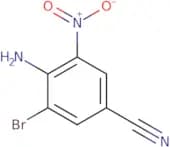
Fórmula:C8H8BrNO3Pureza:Min. 95%Peso molecular:246.06 g/mol4-Amino-3-bromo-5-nitrobenzonitrile
CAS:Versatile small molecule scaffold
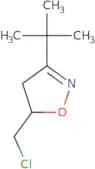
Fórmula:C7H4BrN3O2Pureza:Min. 95%Peso molecular:242.03 g/mol3-tert-Butyl-5-(chloromethyl)-4,5-dihydro-1,2-oxazole
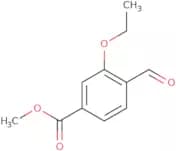
CAS:Versatile small molecule scaffoldFórmula:C8H14ClNOPureza:Min. 95%Peso molecular:175.65 g/mol3-ethoxy-4-formyl-benzoic acid methyl ester
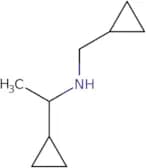
CAS:Versatile small molecule scaffoldFórmula:C11H12O4Pureza:Min. 95%Peso molecular:208.21 g/mol(1-Cyclopropylethyl)(cyclopropylmethyl)amine
CAS:Versatile small molecule scaffold
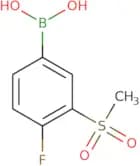
Fórmula:C9H17NPureza:Min. 95%Peso molecular:139.24 g/mol4-Fluoro-3-(methanesulfonyl)phenylboronic acid
CAS:Versatile small molecule scaffold
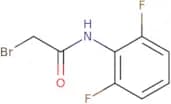
Fórmula:C7H8BFO4SPureza:Min. 95%Peso molecular:218.02 g/mol2-Bromo-N-(2,6-difluorophenyl)acetamide
CAS:Versatile small molecule scaffold
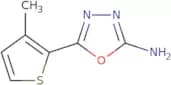
Fórmula:C8H6BrF2NOPureza:Min. 95%Peso molecular:250.04 g/mol5-(3-Methylthiophen-2-yl)-1,3,4-oxadiazol-2-amine
CAS:5-(3-Methylthiophen-2-yl)-1,3,4-oxadiazol-2-amine is a ligand that binds to the ion channels in cells and activates them. It is used as a research tool in pharmacology and protein interactions. 5-(3-Methylthiophen-2-yl)-1,3,4-oxadiazol-2-amine has been shown to activate potassium channels by interacting with the receptor site. This ligand was also shown to inhibit cell growth by binding to the antibody site of the receptor. 5-(3-Methylthiophen-2-yl)-1,3,4--oxadiazol-2--amine has been shown to have a high purity of 99%.
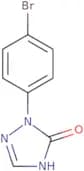
Fórmula:C7H7N3OSPureza:Min. 95%Peso molecular:181.22 g/mol1-(4-Bromophenyl)-4,5-dihydro-1H-1,2,4-triazol-5-one
CAS:Versatile small molecule scaffoldFórmula:C8H6BrN3OPureza:Min. 95%Peso molecular:240.06 g/mol3-Azabicyclo[3.2.1]octan-6-ol hydrochlorides
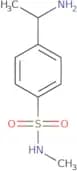
CAS:Versatile small molecule scaffoldFórmula:C7H14ClNOPureza:Min. 95%Peso molecular:163.6 g/mol4-(1-Aminoethyl)-N-methylbenzene-1-sulfonamide
CAS:Versatile small molecule scaffold
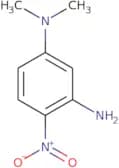
Fórmula:C9H14N2O2SPureza:Min. 95%Peso molecular:214.29 g/mol3-Amino-N,N-dimethyl-4-nitroaniline
CAS:Versatile small molecule scaffold
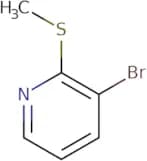
Fórmula:C8H11N3O2Pureza:Min. 95%Peso molecular:181.19 g/mol3-Bromo-2-(methylthio)pyridine
CAS:Versatile small molecule scaffold
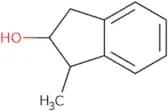
Fórmula:C6H6BrNSPureza:Min. 95%Peso molecular:204.09 g/mol1-Methyl-2,3-dihydro-1H-inden-2-ol
CAS:Versatile small molecule scaffold
Fórmula:C10H12OPureza:Min. 95%Peso molecular:148.2 g/molRef: 3D-ACA82313
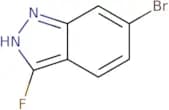
Produto descontinuado6-Bromo-3-fluoro-1H-indazole
CAS:Versatile small molecule scaffold
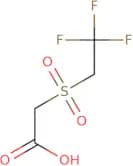
Fórmula:C7H4BrFN2Pureza:Min. 95%Peso molecular:215.02 g/mol2-(2,2,2-Trifluoroethanesulfonyl)acetic acid
CAS:Trifloxacin is a broad-spectrum antibacterial drug that belongs to the class of formyloxy compounds and the cephalosporin family. It has been shown to be active against both Gram-positive and Gram-negative bacteria, with activity against strains resistant to penicillin, ampicillin, erythromycin, and chloramphenicol. Trifloxacin binds to the bacterial ribosome by displacement of a pyridyl group in the ribosomal RNA, inhibiting protein synthesis. This binding inhibits cell growth by preventing the production of proteins that are vital for cell division.
br>
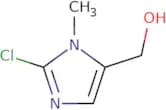
Trifloxacin has also been found to inhibit DNA gyrase and topoisomerase IV in vitro. Trifloxacin's mechanism of action is similar to that of other quinolones such as norfloxacin and ciprofloxacin.Fórmula:C4H5F3O4SPureza:Min. 95%Peso molecular:206.14 g/mol(2-Chloro-1-methyl-1H-imidazol-5-yl)methanol
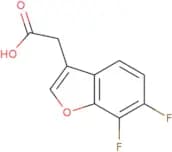
CAS:Versatile small molecule scaffoldFórmula:C5H7ClN2OPureza:Min. 95%Peso molecular:146.57 g/mol2-(6,7-Difluoro-1-benzofuran-3-yl)acetic acid
CAS:Versatile small molecule scaffold
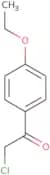
Fórmula:C10H6F2O3Pureza:Min. 95%Peso molecular:212.15 g/mol2-Chloro-1-(4-ethoxyphenyl)ethan-1-one
CAS:2-Chloro-1-(4-ethoxyphenyl)ethan-1-one is a hydrocarbon radical that is used as a vitamin and in the synthesis of other molecules. This molecule has a covalent bond between the two chlorine atoms and one carbon atom. The hydrocarbon radical is also present in many hydrocarbons.
Fórmula:C10H11ClO2Pureza:Min. 95%Peso molecular:198.64 g/mol3-(4-Aminopiperidin-1-yl)propanoic acid dihydrochloride
CAS:Versatile small molecule scaffold
Fórmula:C8H18Cl2N2O2Pureza:Min. 95%Peso molecular:245.14 g/molRef: 3D-LIC70652
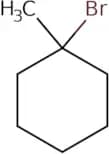
Produto descontinuado1-Bromo-1-methylcyclohexane
CAS:1-Bromo-1-methylcyclohexane is a monomolecular gas that is used as an intermediate in organic synthesis. It reacts with halides to form cyclopentyl derivatives. This reaction has been shown to be faster than the corresponding reaction of 1-bromocyclohexane with chlorides or bromides. The rate of this reaction may be due to the polarizability and conformational changes of the molecule upon substitution by a methyl group. 1-Bromo-1-methylcyclohexane is also an ionizing reagent, which means it can cause electrophilic reactions to occur on other molecules. It has been found that the solvent effect on this product can affect its reactivity, with solvents such as water having more of an effect than solvents such as benzene. 1-Bromo-1-methylcyclohexane has been shown to interact with other compounds in both transfer and complex
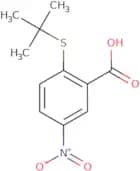
Fórmula:C7H13BrPureza:Min. 95%Peso molecular:177.08 g/mol2-(tert-Butylsulfanyl)-5-nitrobenzoic acid
CAS:Versatile small molecule scaffold
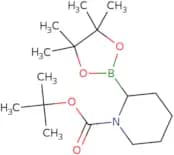
Fórmula:C11H13NO4SPureza:Min. 95%Peso molecular:255.29 g/mol1-Boc-piperidine-2-boronic Acid Pinacol Ester
CAS:Versatile small molecule scaffoldFórmula:C16H30BNO4Pureza:Min. 95%Peso molecular:311.23 g/mol2-Bromo-3,3,3-trifluoro-1-propene
CAS:Produto Controlado2-Bromo-3,3,3-trifluoro-1-propene is a chemical compound that has been synthesized in an asymmetric reaction. The reactant is bromopropane and the product is 2,2,2-trifluoropropene. The methylene group on the propene molecule is activated by the nucleophilic attack of a fluoride ion from hydrogen fluoride to form a cavity with a highly strained bond. The kinetic study of this reaction revealed that the activation energy for the reaction is 42 kJ/mol. Palladium-catalyzed coupling reactions are catalyzed by palladium and require nonpolar solvents such as toluene or dichloromethane. This type of reaction has been shown to be exothermic with an isolated yield of 1%.
Fórmula:C3H2BrF3Pureza:Min. 95%Cor e Forma:Colorless PowderPeso molecular:174.95 g/molPiperyline
CAS:Piperyline is an alkanoic acid that has shown to be effective against skin cancer. It also has antimicrobial properties, which may be due to its ability to bind metal ions and form polymeric compounds. Piperyline inhibits microbial growth by inhibiting the synthesis of proteins and nucleic acids. The antimicrobial activity is related to its cationic polymerization with hydroxyl groups, which forms a structure that can inhibit microbial enzymes and disrupt microbial cell membranes. This compound also interacts with the skin's natural lipids, making it difficult for microorganisms to attach and grow on the skin. Piperyline is synthesized in organic chemistry laboratories as an amide precursor of other pharmaceuticals such as penicillin.
Fórmula:C16H17NO3Pureza:Min. 95%Peso molecular:271.31 g/mol
![1-[2-(Propan-2-yloxy)ethyl]cyclopropan-1-amine hydrochloride](/_next/image/?url=https%3A%2Fstatic.cymitquimica.com%2Fproducts%2F3D%2Fthumb-webp%2FPZC01648.webp&w=3840&q=75)

![3,6-Dimethyl-1-{[(propan-2-yl)carbamoyl]methyl}-1H-pyrazolo[3,4-b]pyridine-4-carboxylic acid](/_next/image/?url=https%3A%2Fstatic.cymitquimica.com%2Fproducts%2F3D%2Fthumb-webp%2FLQB40013.webp&w=3840&q=75)
![4-Chloro-5H,6H,7H-pyrimido[4,5-b][1,4]oxazin-6-one](/_next/image/?url=https%3A%2Fstatic.cymitquimica.com%2Fproducts%2F3D%2Fthumb-webp%2FLYB52467.webp&w=3840&q=75)
![tert-Butyl N-[1-(4-aminophenyl)ethyl]carbamate](/_next/image/?url=https%3A%2Fstatic.cymitquimica.com%2Fproducts%2F3D%2Fthumb-webp%2FTAB08668.webp&w=3840&q=75)
![3-Azabicyclo[3.2.1]octan-6-ol hydrochlorides](/_next/image/?url=https%3A%2Fstatic.cymitquimica.com%2Fproducts%2F3D%2Fthumb-webp%2FFSD25297.webp&w=3840&q=75)