Building Blocks
Subcategorias de "Building Blocks"
- Ácidos Borónicos e Derivados de Ácido Borónico(5.778 produtos)
- Building Blocks Quirais(1.243 produtos)
- Building Blocks Hidrocarbonetos(6.098 produtos)
- Building Blocks orgânicos(61.036 produtos)
Foram encontrados 205240 produtos de "Building Blocks"
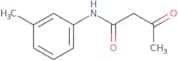
N-(3-Methylphenyl)-3-oxobutanamide
CAS:Versatile small molecule scaffold
Fórmula:C11H13NO2Pureza:Min. 95%Peso molecular:191.23 g/mol1,3-Diazaspiro[4.4]nonane-2,4-dione
CAS:1,3-Diazaspiro[4.4]nonane-2,4-dione (1) is a new fungicide that was shown to have fungicidal activity in vitro against the grapevine pathogens Plasmopara viticola and Plasmopara obducens. This compound has been isolated from the plant Express erythroxylum coca (Erythroxylum coca). The compound belongs to the class of diaza spiro compounds and is a member of a family of diaza spiro compounds with antifungal activity. One possible mode of action for 1 is that it inhibits the synthesis of DNA by binding to bacterial DNA gyrase.
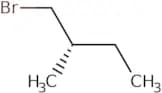
Fórmula:C7H10N2O2Pureza:Min. 95%Peso molecular:154.17 g/mol(S)-(+)-1-Bromo-2-methylbutane
CAS:(S)-(+)-1-Bromo-2-methylbutane is a chiral molecule with two stereoisomers, the cis and trans forms. The cis form has been observed to be the more stable of the two. It is a functional theory that these two forms are not mirror images of each other because they have different conformations. (S)-(+)-1-Bromo-2-methylbutane has been used in the synthesis of a number of important molecules. The stereoisomers can be distinguished by conformational analysis and optical microscopy. (S)-(+)-1-Bromo-2-methylbutane also has an application in biotechnology for use as a precursor for hydrazones, which are important in organic chemistry and molecular biology, such as DNA sequencing.
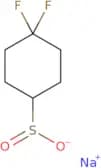
Fórmula:C5H11BrPureza:Min. 95%Peso molecular:151.04 g/molSodium 4,4-difluorocyclohexane-1-sulfinate
CAS:Versatile small molecule scaffold
Fórmula:C6H9F2NaO2SPureza:Min. 95%Peso molecular:206.19 g/mol3-([(tert-Butoxy)carbonyl]amino)-2-(cyclopentylmethyl)propanoic acid
CAS:Versatile small molecule scaffold
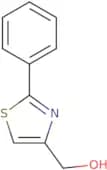
Fórmula:C14H25NO4Pureza:Min. 95%Peso molecular:271.35 g/mol4-(Hydroxymethyl)-2-phenyl-1,3-thiazole
CAS:4-(Hydroxymethyl)-2-phenyl-1,3-thiazole is a versatile compound that has various applications in research and chemical synthesis. It is commonly used as a building block for the synthesis of organic compounds, including antibodies and research chemicals. This compound has been found to exhibit potent antiangiogenic properties, making it valuable in the field of cancer research. Additionally, 4-(Hydroxymethyl)-2-phenyl-1,3-thiazole can be used as a precursor in the synthesis of important pharmaceuticals such as cephalosporins and taxol. Its unique structure allows for diverse chemical reactions, making it an essential tool for chemists and researchers alike. Whether you're working on developing new drugs or exploring novel chemical reactions, 4-(Hydroxymethyl)-2-phenyl-1,3-thiazole is an indispensable compound that will help drive your scientific endeavors forward.
Fórmula:C10H9NOSPureza:Min. 95%Peso molecular:191.25 g/mol4-Acetyl-5-methyl-3-(propan-2-yl)-1H-pyrrole-2-carboxylic acid
CAS:Versatile small molecule scaffold
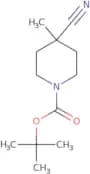
Fórmula:C11H15NO3Pureza:Min. 95%Peso molecular:209.24 g/moltert-Butyl 4-cyano-4-methylpiperidine-1-carboxylate
CAS:Versatile small molecule scaffold
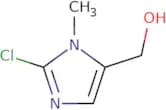
Fórmula:C12H20N2O2Pureza:Min. 95%Peso molecular:224.3 g/mol(2-Chloro-1-methyl-1H-imidazol-5-yl)methanol
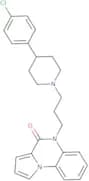
CAS:Versatile small molecule scaffoldFórmula:C5H7ClN2OPureza:Min. 95%Peso molecular:146.57 g/molJMS-17-2
CAS:JMS-17-2 is a small molecule that was shown to have a potent and selective inhibitory effect on the production of chemokines in cancer cells. It blocks the interaction between CXCL12 and its receptor, CXCR4. This interaction is important for normal bone tissue development and function, as well as for chemotaxis and metastasis of cancer cells. JMS-17-2 has been shown to prevent tumor growth in animal models by inhibiting angiogenesis, or the formation of new blood vessels to supply nutrients to tumors. The drug also inhibits tumor growth by decreasing the number of primary tumors, reducing bone lesions, and inhibiting the progression of pancreatic cancer. Clinical trials are currently being conducted to assess the efficacy of JMS-17-2 in humans with advanced solid tumors.
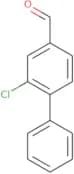
Fórmula:C25H26ClN3OPureza:Min. 95%Peso molecular:419.95 g/mol3-Chloro-4-phenylbenzaldehyde
CAS:Versatile small molecule scaffold
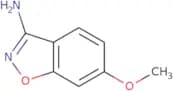
Fórmula:C13H9ClOPureza:Min. 95%Peso molecular:216.66 g/mol6-Methoxy-1,2-benzoxazol-3-amine
CAS:Versatile small molecule scaffold
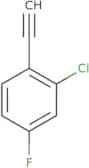
Fórmula:C8H8N2O2Pureza:Min. 95%Peso molecular:164.16 g/mol2-Chloro-1-ethynyl-4-fluorobenzene
CAS:Versatile small molecule scaffoldFórmula:C8H4ClFPureza:Min. 95%Peso molecular:154.57 g/molRef: 3D-HSB67002
Produto descontinuado2-[(2-Methoxyethyl)amino]propanamide hydrochloride
CAS:Versatile small molecule scaffold
Fórmula:C6H15ClN2O2Pureza:Min. 95%Peso molecular:182.65 g/mol2-Chloropyridine-4-sulfonamide
CAS:Versatile small molecule scaffold
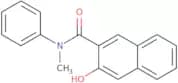
Fórmula:C5H5ClN2O2SPureza:Min. 95%Peso molecular:192.62 g/mol3-Hydroxy-N-methyl-N-phenylnaphthalene-2-carboxamide
CAS:Versatile small molecule scaffold
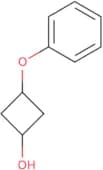
Fórmula:C18H15NO2Pureza:Min. 95%Peso molecular:277.3 g/mol(1R,3R)-3-Phenoxycyclobutan-1-ol
CAS:Versatile small molecule scaffold
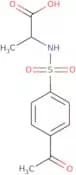
Fórmula:C10H12O2Pureza:Min. 95%Peso molecular:164.2 g/mol2-(4-Acetylbenzenesulfonamido)propanoic acid
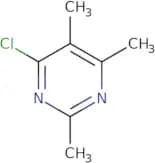
CAS:Versatile small molecule scaffoldFórmula:C11H13NO5SPureza:Min. 95%Peso molecular:271.29 g/mol4-Chloro-2,5,6-trimethylpyrimidine
CAS:Versatile small molecule scaffold
Fórmula:C7H9ClN2Pureza:Min. 95%Peso molecular:156.61 g/mol5-Methyl-7-oxa-5-azaspiro[3.4]octane-6,8-dione
CAS:Versatile small molecule scaffold
Fórmula:C7H9NO3Pureza:Min. 95%Peso molecular:155.15 g/molrac-(3R,4R)-3-Hydroxy-4-[(2-phenylethyl)amino]-1lambda6-thiolane-1,1-dione
CAS:Versatile small molecule scaffold
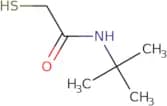
Fórmula:C12H17NO3SPureza:Min. 95%Peso molecular:255.34 g/molN-tert-Butyl-2-sulfanylacetamide
CAS:Versatile small molecule scaffold
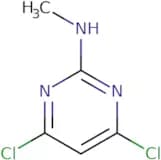
Fórmula:C6H13NOSPureza:Min. 95%Peso molecular:147.2 g/mol4,6-Dichloro-N-methylpyrimidin-2-amine
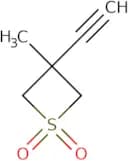
CAS:4,6-Dichloro-N-methylpyrimidin-2-amine is an analog of pyrimidine that has been used in the synthesis of a number of drugs. The compound was first synthesized by condensation of 2,4,6-trichloropyrimidine with formaldehyde and sodium hydroxide. 4,6-Dichloro-N-methylpyrimidin-2-amine can be converted to the corresponding hydrochloride salt by treatment with hydrochloric acid. The compound reacts with methanol to produce methylamine. It also undergoes acid hydrolysis to produce methyl chloride and formaldehyde.Fórmula:C5H5Cl2N3Pureza:Min. 95%Peso molecular:178.02 g/mol3-Ethynyl-3-methylthietane 1,1-dioxide
CAS:Versatile small molecule scaffold
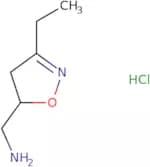
Fórmula:C6H8O2SPureza:Min. 95%Peso molecular:144.2 g/mol(3-Ethyl-4,5-dihydro-1,2-oxazol-5-yl)methanamine hydrochloride
CAS:Versatile small molecule scaffold
Fórmula:C6H13ClN2OPureza:Min. 95%Peso molecular:164.63 g/mol3-[(4-Bromo-1H-pyrazol-1-yl)methyl]aniline hydrochloride
CAS:Versatile small molecule scaffold
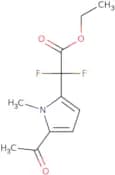
Fórmula:C10H11BrClN3Pureza:Min. 95%Peso molecular:288.57 g/molEthyl 2-(5-acetyl-1-methyl-1H-pyrrol-2-yl)-2,2-difluoroacetate
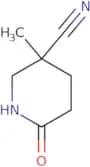
CAS:Versatile small molecule scaffoldFórmula:C11H13F2NO3Pureza:Min. 95%Peso molecular:245.22 g/mol3-Methyl-6-oxopiperidine-3-carbonitrile
CAS:Versatile small molecule scaffoldFórmula:C7H10N2OPureza:Min. 95%Peso molecular:138.17 g/mol({2-[(5-Methylisoxazol-3-yl)amino]-2-oxoethyl}thio)acetic acid
CAS:The peptide is a research tool that can be used to activate certain antibodies and ion channels. It has also been shown to inhibit protein interactions. The peptide is soluble in DMSO, ethanol, and acetonitrile. It has a molecular weight of 438.4 g/mol and an empirical formula of C14H20N2O3S. The CAS number for the peptide is 436091-57-5. The chemical name of the peptide is ({2-[(5-methylisoxazol-3-yl)amino]-2-oxoethyl}thio)acetic acid.
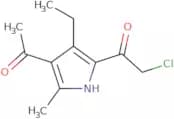
Fórmula:C8H10N2O4SPureza:Min. 95%Peso molecular:230.24 g/mol1-(4-Acetyl-3-ethyl-5-methyl-1H-pyrrol-2-yl)-2-chloroethan-1-one
CAS:Versatile small molecule scaffold
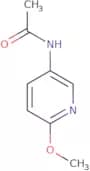
Fórmula:C11H14ClNO2Pureza:Min. 95%Peso molecular:227.69 g/molN-(6-Methoxypyridin-3-yl)acetamide
CAS:Versatile small molecule scaffold
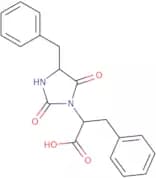
Fórmula:C8H10N2O2Pureza:Min. 95%Peso molecular:166.18 g/mol2-(4-Benzyl-2,5-dioxoimidazolidin-1-yl)-3-phenylpropanoic acid
CAS:Versatile small molecule scaffoldFórmula:C19H18N2O4Pureza:Min. 95%Peso molecular:338.4 g/mol3-(3-Amino-1H-pyrazol-1-yl)pyrrolidin-2-one
CAS:Versatile small molecule scaffold
Fórmula:C7H10N4OPureza:Min. 95%Peso molecular:166.18 g/molRef: 3D-NKD27328
Produto descontinuado2-(1-Methylazetidin-3-yl)ethan-1-amine dihydrochloride
CAS:Versatile small molecule scaffold
Fórmula:C6H16Cl2N2Pureza:Min. 95%Peso molecular:187.11 g/moltert-Butyl 3-amino-2-(oxan-4-yl)propanoate
CAS:Versatile small molecule scaffoldFórmula:C12H23NO3Pureza:Min. 95%Peso molecular:229.3 g/mol3-Hydroxy-5-methylpyridine
CAS:3-Hydroxy-5-methylpyridine (3HMP) is a chemical substance that has been classified as an amine. It is a product of the metabolism of purines, which are nitrogenous bases found in DNA and RNA. 3HMP is produced by aerogenic bacteria (such as Enterobacter), and can be used to estimate the number of these bacteria present in water samples. 3HMP has been shown to have antiviral properties against influenza virus, and can be used as a biomarker for the presence of other viruses in animals. 3HMP also has mineralization properties, which have been studied extensively, particularly with regards to pancreatic disease.
Fórmula:C6H7NOPureza:Min. 95%Cor e Forma:PowderPeso molecular:109.13 g/molRef: 3D-FH16174
Produto descontinuado4-Chloro-2-hydroxy-6-methylphenylboronic acid
CAS:Versatile small molecule scaffoldFórmula:C7H8BClO3Pureza:Min. 95%Peso molecular:186.4 g/mol2-Bromo-3,3,3-trifluoro-1-propene
CAS:Produto Controlado2-Bromo-3,3,3-trifluoro-1-propene is a chemical compound that has been synthesized in an asymmetric reaction. The reactant is bromopropane and the product is 2,2,2-trifluoropropene. The methylene group on the propene molecule is activated by the nucleophilic attack of a fluoride ion from hydrogen fluoride to form a cavity with a highly strained bond. The kinetic study of this reaction revealed that the activation energy for the reaction is 42 kJ/mol. Palladium-catalyzed coupling reactions are catalyzed by palladium and require nonpolar solvents such as toluene or dichloromethane. This type of reaction has been shown to be exothermic with an isolated yield of 1%.
Fórmula:C3H2BrF3Pureza:Min. 95%Cor e Forma:Colorless PowderPeso molecular:174.95 g/mol4,5-Dihydroxy-2,3-Pentanedione
CAS:4,5-Dihydroxy-2,3-pentanedione is a carbonyl compound that is the product of the oxidation of ascorbic acid. It is used in wastewater treatment and has antimicrobial properties against infectious diseases. This compound has been shown to inhibit protein synthesis by binding to the ribosome and preventing the formation of peptide bonds between amino acids. 4,5-Dihydroxy-2,3-pentanedione has also been shown to bind to plasma proteins, which may be due to its acyl chain structure. 4,5-Dihydroxy-2,3-pentanedione can be synthesized in a catalytic mechanism that involves dehydroascorbic acid and molecular oxygen.
Fórmula:C5H8O4Pureza:Min. 95%Cor e Forma:PowderPeso molecular:132.11 g/molRef: 3D-FD180770
Produto descontinuadoPiperyline
CAS:Piperyline is an alkanoic acid that has shown to be effective against skin cancer. It also has antimicrobial properties, which may be due to its ability to bind metal ions and form polymeric compounds. Piperyline inhibits microbial growth by inhibiting the synthesis of proteins and nucleic acids. The antimicrobial activity is related to its cationic polymerization with hydroxyl groups, which forms a structure that can inhibit microbial enzymes and disrupt microbial cell membranes. This compound also interacts with the skin's natural lipids, making it difficult for microorganisms to attach and grow on the skin. Piperyline is synthesized in organic chemistry laboratories as an amide precursor of other pharmaceuticals such as penicillin.
Fórmula:C16H17NO3Pureza:Min. 95%Peso molecular:271.31 g/mol

![1,3-Diazaspiro[4.4]nonane-2,4-dione](/_next/image/?url=https%3A%2Fstatic.cymitquimica.com%2Fproducts%2F3D%2Fthumb-webp%2FAAA69951.webp&w=3840&q=75)
![3-([(tert-Butoxy)carbonyl]amino)-2-(cyclopentylmethyl)propanoic acid](/_next/image/?url=https%3A%2Fstatic.cymitquimica.com%2Fproducts%2F3D%2Fthumb-webp%2FXXC61525.webp&w=3840&q=75)

![2-[(2-Methoxyethyl)amino]propanamide hydrochloride](/_next/image/?url=https%3A%2Fstatic.cymitquimica.com%2Fproducts%2F3D%2Fthumb-webp%2FIAC63932.webp&w=3840&q=75)

![5-Methyl-7-oxa-5-azaspiro[3.4]octane-6,8-dione](/_next/image/?url=https%3A%2Fstatic.cymitquimica.com%2Fproducts%2F3D%2Fthumb-webp%2FJBD32590.webp&w=3840&q=75)
![rac-(3R,4R)-3-Hydroxy-4-[(2-phenylethyl)amino]-1lambda6-thiolane-1,1-dione](/_next/image/?url=https%3A%2Fstatic.cymitquimica.com%2Fproducts%2F3D%2Fthumb-webp%2FJHD90934.webp&w=3840&q=75)
![3-[(4-Bromo-1H-pyrazol-1-yl)methyl]aniline hydrochloride](/_next/image/?url=https%3A%2Fstatic.cymitquimica.com%2Fproducts%2F3D%2Fthumb-webp%2FKXB48392.webp&w=3840&q=75)
![({2-[(5-Methylisoxazol-3-yl)amino]-2-oxoethyl}thio)acetic acid](/_next/image/?url=https%3A%2Fstatic.cymitquimica.com%2Fproducts%2F3D%2Fthumb-webp%2FLSA09157.webp&w=3840&q=75)