Building Blocks
Subcategorias de "Building Blocks"
- Ácidos Borónicos e Derivados de Ácido Borónico(5.780 produtos)
- Building Blocks Quirais(1.239 produtos)
- Building Blocks Hidrocarbonetos(6.100 produtos)
- Building Blocks orgânicos(61.005 produtos)
Foram encontrados 205234 produtos de "Building Blocks"
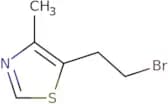
5-(2-Bromoethyl)-4-methyl-1,3-thiazole
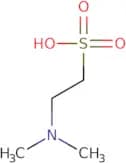
CAS:Versatile small molecule scaffoldFórmula:C6H8BrNSPureza:Min. 95%Peso molecular:206.11 g/mol2-(Dimethylamino)ethane-1-sulfonic acid
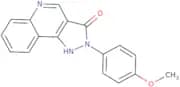
CAS:2-(Dimethylamino)ethane-1-sulfonic acid (DMAES) is a sulfonamide drug that binds to basic proteins and has been used in the treatment of microbial infections. DMAES has been shown to bind to human serum albumin, which may be due to its ability to form a covalent bond with the sulfur on the protein. The binding constant for DMAES with human serum albumin is about 5x10 M. The clinical response in patients treated with DMAES was found to depend on the binding constant between DMAES and human serum albumin. The binding constants for DMAES with other proteins have also been studied. These include erythrocyte membrane protein, myelin basic protein, and ganglioside GM1. In addition, it has been found that DMAES can bind to ganglia cells of rat brain tissue by forming a covalent bond with amino acids such as lysine residuesFórmula:C4H11NO3SPureza:Min. 95%Cor e Forma:PowderPeso molecular:153.2 g/molCGS 9895
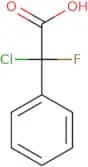
CAS:CGS 9895 is a benzodiazepine ligand that binds to the α1 subunit of the GABA receptor. It has been shown to be an effective dose for treating nervous system diseases such as anxiety, panic disorders, and insomnia. CGS 9895 is a competitive antagonist of benzodiazepines, which bind to the same site on the GABA receptor. It also blocks chloride channels in neurons by acting as an uptake inhibitor and allosteric modulator of GABA receptors. This agent may have potential uses in the treatment of epilepsy, Parkinson's disease, and other central nervous system disorders.Fórmula:C17H13N3O2Pureza:Min. 95%Cor e Forma:PowderPeso molecular:291.3 g/mol2-Chloro-2-fluoro-2-phenylacetic acid
CAS:Versatile small molecule scaffoldFórmula:C8H6ClFO2Pureza:90%MinCor e Forma:PowderPeso molecular:188.58 g/molKisspeptin-234 trifluoroacetate
CAS:Please enquire for more information about Kisspeptin-234 trifluoroacetate including the price, delivery time and more detailed product information at the technical inquiry form on this page
Fórmula:C63H78N18O13•(C2HF3O2)xPureza:Min. 95 Area-%Peso molecular:1,295.41 g/mol2-Hydroxyisophthalic acid
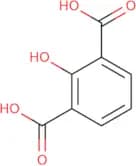
CAS:2-Hydroxyisophthalic acid is a hydroxylated derivative of p-hydroxybenzoic acid. It is used in the manufacture of esters such as 2-ethoxyethanol and 2-ethoxyethyl acetate. It has also been shown to have a number of enzyme activities, including esterases, glycosidases, and lipases. The macrocyclic structure of 2-hydroxyisophthalic acid is responsible for its ability to interact with other molecules through hydrogen bonding and coordination chemistry. The carboxylate group on 2-hydroxyisophthalic acid interacts with the hydroxy group on the fatty acids found in soap, which leads to its use as an emulsifying agent. The carbonyl oxygens on 2-hydroxyisophthalic acid are responsible for its anti-inflammatory properties as they inhibit prostaglandin synthesis when they bind to the cyclooxygenase enzymes that catalyze
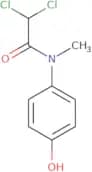
Fórmula:C8H6O5Pureza:Min. 95 Area-%Cor e Forma:PowderPeso molecular:182.13 g/mol2,2-Dichloro-N-(4-hydroxyphenyl)-N-methylacetamide
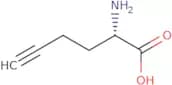
CAS:2,2-Dichloro-N-(4-hydroxyphenyl)-N-methylacetamide (FUROATE) is a synthetic antimicrobial agent that is structurally related to the furoate class of antibiotics. FUROATE has been shown to be effective against urothelial carcinoma cells and minimal toxic in animals. It binds to the fatty acid component of bacterial cell membranes and causes rapid lysis. FUROATE is used as an analytical reagent for the determination of hydroxyl groups in organic solutes. The detection limit of this test is 0.1 ppm. Monoclonal antibodies can be generated against FUROATE for use as diagnostic or therapeutic agents for infectious diseases, such as HIV infection.Fórmula:C9H9Cl2NO2Pureza:Min. 95%Cor e Forma:PowderPeso molecular:234.08 g/molL-Homopropargylglycine
CAS:L-Homopropargylglycine is a small molecule that inhibits the activity of enzymes involved in fatty acid synthesis. It has been shown to inhibit the activity of enzymes involved in mitochondrial membrane potential and reactive oxygen species production, as well as collagen degradation. L-Homopropargylglycine is used to study the molecular mechanisms of lipid metabolism and mitochondrial function, as well as for wastewater treatment. L-Homopropargylglycine has also been studied as a potential drug for the treatment of metabolic syndrome, diabetes, and cancer.Fórmula:C6H9NO2Pureza:Min. 95%Cor e Forma:PowderPeso molecular:127.14 g/mol3-Hydroxy-4-iodobenzaldehyde
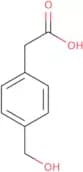
CAS:3-Hydroxy-4-iodobenzaldehyde is a fluorophore that is used in the synthesis of amide compounds, as well as in the production of other synthetic molecules. 3-Hydroxy-4-iodobenzaldehyde has been shown to have pharmacokinetic properties that are similar to those of fluorescein, and can be used to study the distribution and metabolism of this compound. This compound also has an oxidation potential that is higher than that of fluorescein, which makes it more useful for studying drug metabolism. The labile nature of 3-hydroxy-4-iodobenzaldehyde means it will not remain intact for long periods of time.Fórmula:C7H5IO2Pureza:Min. 95%Cor e Forma:PowderPeso molecular:248.02 g/mol4-(Hydroxymethyl)phenylacetic acid
CAS:4-(Hydroxymethyl)phenylacetic acid is an intermediate in the biosynthetic pathway of phenylpropanoids. It is a metabolite of several flavonoids and is found in plants, animals, and humans. 4-(Hydroxymethyl)phenylacetic acid has been shown to have a high concentration in human serum and plasma with low toxicity. This metabolite has been shown to be stable when complexed with collagen or other proteins, which may be due to its insolubility. 4-(Hydroxymethyl)phenylacetic acid can also be biotransformed by microflora into other metabolites such as 4-hydroxybenzoic acid, which is a precursor of salicylic acid.
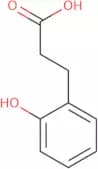
Fórmula:C9H10O3Pureza:Min. 95%Cor e Forma:White PowderPeso molecular:166.17 g/mol3-(2-Hydroxyphenyl)propionic acid
CAS:3-(2-Hydroxyphenyl)propionic acid (HPPA) is an inorganic acid that is found in microbial metabolism. HPPA has been shown to inhibit the growth of bacteria by reacting with the hydroxyl group on the enzyme's active site, thus irreversibly inhibiting enzymatic activity. HPPA can be used as an alternative to other inorganic acids such as p-hydroxybenzoic acid and malonic acid due to its ability to scavenge anion radicals. This inhibition of enzyme activity can be used in wastewater treatment to remove organic compounds from industrial waste streams. It also has been shown to have anti-cancer properties against human breast cancer cells, which may be due to its ability to induce cell death through apoptosis and/or necrosis.Fórmula:C9H10O3Pureza:Min. 95%Cor e Forma:White PowderPeso molecular:166.17 g/mol4-Hydroxybenzamide
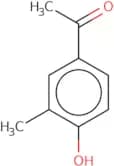
CAS:4-Hydroxybenzamide is a fatty acid with the hydroxyl group at the 4 position. It has been shown to inhibit the activity of human protein by interfering with hydrogen bonding and amide formation. The chemical structures of 4-hydroxybenzamide have been studied by electrochemical impedance spectroscopy (EIS) and found to be a competitive inhibitor of 1-hydroxy-2-naphthoic acid, an adenosine receptor antagonist, and p-hydroxybenzoic acid. This compound has also been shown to be acutely toxic in rats at high doses.Fórmula:C7H7NO2Pureza:90%Cor e Forma:PowderPeso molecular:137.14 g/mol4'-Hydroxy-3'-methylacetophenone
CAS:4'-Hydroxy-3'-methylacetophenone is a chemical that has been shown to have antimycobacterial activity. This substance is an aldehyde with two hydroxyl groups and one methyl group. It has been shown to inhibit the growth of Mycobacterium tuberculosis in vitro by binding to κ-opioid receptors, which are proteins found on the outside of cells. 4'-Hydroxy-3'-methylacetophenone also inhibits mycobacteria through hydroxide solutions, chemical ionization, and vibrational spectroscopy.
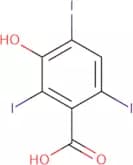
Fórmula:C9H10O2Pureza:Min. 95%Cor e Forma:White PowderPeso molecular:150.17 g/mol3-Hydroxy-2,4,6-triiodobenzoic acid
CAS:3-Hydroxy-2,4,6-triiodobenzoic acid (3HITBA) is a molecule that is found in the urine of patients with chronic kidney disease. It is present in group P2 of the periodic table. 3HITBA has been demonstrated to have anti-inflammatory properties and may be useful for the treatment of inflammatory diseases. 3HITBA has been shown to inhibit cancer cell growth by inhibiting DNA synthesis and protein synthesis. This molecule also has fluorescence properties and can be used to detect biological fluids such as blood or urine. The structural analysis of this molecule reveals that it contains intramolecular hydrogen bonds, which are important for its stability and activity.
Fórmula:C7H3O3I3Cor e Forma:PowderPeso molecular:515.81 g/mol4-Hydroxybenzoic acid sodium salt
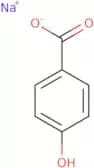
CAS:4-Hydroxybenzoic acid sodium salt (4HBA) is a drug that is used in the treatment of bowel disease. It is an antimicrobial agent that has been shown to have activity against Gram-positive and Gram-negative bacteria, including Pseudomonas aeruginosa. 4HBA has also been shown to be effective in the treatment of ulcerative colitis and Crohn's disease by reducing the production of inflammatory cytokines. The mechanism of action for 4HBA is not fully understood, but it may be due to its ability to interfere with protein synthesis in bacteria, as well as inhibit antibody responses in humans. The structural biology studies on this compound have revealed that the α subunit can bind to the β subunit, which could affect its activity.Fórmula:C7H5O3NaPureza:Min. 98 Area-%Cor e Forma:White PowderPeso molecular:160.1 g/molcis-4-Hydroxy-L-proline
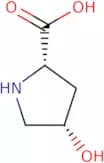
CAS:Cis-4-Hydroxy-L-proline is a bound form of proline that is formed by the condensation of two molecules of glyoxylate. It is a basic structure and an intermediate in the synthesis of collagen, which is a protein found in connective tissue. Cis-4-Hydoxy-L-proline has been shown to be an active form of proline for the treatment of primary sclerosing cholangitis, as it can decrease bile acid levels. This compound has also been used as an analytical method for determining collagen content in biological samples. The polymerase chain reaction technique uses cis-4-Hydroxy-L-proline as a matrix effect to amplify DNA sequences. Cis-4-Hydroxy-L-proline has also been shown to have optimum concentrations at 3mM and 0.5mM in model systems.br>Fórmula:C5H9NO3Pureza:Min. 95%Cor e Forma:White PowderPeso molecular:131.13 g/mol8-Hydroxyquinoline sulfate
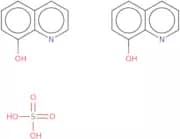
CAS:8-Hydroxyquinoline sulfate is a drug that has been used to study the cancer tissue response to various drugs. The 8-hydroxyl group in the molecule interacts with metals and forms chelate complexes, which may be the reason for its cytotoxic effect. 8-Hydroxyquinoline sulfate also inhibits mitochondrial membrane potential and blocks the receptor activity of some cell types. It has been shown to be significantly cytotoxic to HL-60 cells, as well as other cell lines.Fórmula:C18H14N2O2·H2SO4Pureza:Min. 95%Cor e Forma:Yellow PowderPeso molecular:388.4 g/mol1,1,1,3,3,3-Hexafluoro-2-propanol
CAS:Hexafluoroisopropanol is a chemical compound that is used in the laboratory to study biological properties. It reacts with hydrogen fluoride, forming hydrogen hexafluoride gas and a fluorescent derivative. This reaction solution can be titrated using calorimetric techniques, which involves measuring the heat released by the reaction. Fluorescence probe studies can also be done to determine the conformational properties of hexafluoroisopropanol. Studying this molecule under different conditions can yield important thermodynamic data for its use in structural biology and fluorescence probe experiments.Fórmula:C3H2F6OPureza:Min. 98.5%Cor e Forma:Clear LiquidPeso molecular:168.04 g/mol4-Hydroxy-3-nitrobenzaldehyde
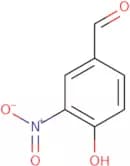
CAS:4-Hydroxy-3-nitrobenzaldehyde (4NBA) is a chemical compound that belongs to the class of aromatic compounds. It is an intermediate in the synthesis of various pharmaceuticals, including benzocaine and nitroglycerin, and has been researched for its potential use in cancer diagnosis. 4NBA has shown optical properties that allow it to be used as a model system for studying the interactions between water and benzyl groups. It also possesses anti-inflammatory properties due to its ability to inhibit the production of inflammatory cytokines such as IL-1β, IL-6, and TNFα.Fórmula:C7H5NO4Pureza:Min. 95%Cor e Forma:PowderPeso molecular:167.12 g/mol2-Hydroxy-4-nitrobenzaldehyde
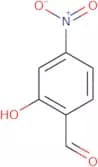
CAS:2-Hydroxy-4-nitrobenzaldehyde is a molecule that reacts with kinase receptors in cancer cells and causes oxidative carbonylation. It has been shown to react with chloride, salicylaldehyde and dobutamine to form a fluorescent compound, which can be used as a probe for fluorescence studies. The fluorescence properties of 2-hydroxy-4-nitrobenzaldehyde have also been exploited for the development of pyrazoles as potential anti-cancer agents.Fórmula:C7H5NO4Pureza:Min. 98 Area-%Cor e Forma:PowderPeso molecular:167.12 g/mol