Building Blocks
Subcategorias de "Building Blocks"
- Ácidos Borónicos e Derivados de Ácido Borónico(5.780 produtos)
- Building Blocks Quirais(1.241 produtos)
- Building Blocks Hidrocarbonetos(6.100 produtos)
- Building Blocks orgânicos(61.023 produtos)
Foram encontrados 205289 produtos de "Building Blocks"
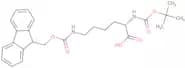
N-α-Boc-N-ε-Fmoc-L-lysine
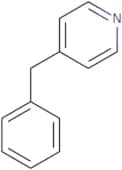
CAS:N-alpha-Boc-N-epsilon-Fmoc-L-lysine is a cyclic peptide that has antimicrobial properties. The peptide is synthesized from the amino acid lysine and contains a sequence of lysine residues. N-alpha-Boc-N-epsilon-Fmoc-L-lysine can be used to treat herpes simplex virus infections and influenza virus infections. It also has the potential to neutralize glycopeptide antibiotics, such as vancomycin, by binding to their cell wall targets and interfering with the function of these molecules. In addition, this peptide can be used to manufacture insulin analogues with improved pharmacokinetic properties and increased stability in blood plasma.Fórmula:C26H32N2O6Pureza:Min. 95%Cor e Forma:White To Off-White SolidPeso molecular:468.54 g/mol4-Benzylpyridine
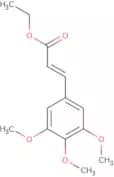
CAS:4-Benzylpyridine is an organic compound with a molecular formula of C8H6N2. It has two chlorine atoms, two nitrogen atoms, and a methyl group. The chemical structure of 4-benzylpyridine is heterocyclic and it has a molecular weight of 150.4 g/mol. 4-Benzylpyridine is soluble in organic solvents, but insoluble in water. The reactivity of this compound can be explained by the presence of the C=C double bond and one or more electron withdrawing groups (-NH2, -Cl). 4-Benzylpyridine is used as an inhibitor for many reactions such as hydrogen bonding or carboxylate reactions. The x-ray crystal structures show that the molecule's shape resembles that of 1,3-benzodioxole-5-carboxylic acid (BDC) but with a benzene ring instead on a 1,3 benzo groupFórmula:C12H11NPureza:Min. 98 Area-%Cor e Forma:Colorless Clear LiquidPeso molecular:169.22 g/molEthyl 3,4,5-trimethoxycinnamate
CAS:Ethyl 3,4,5-trimethoxycinnamate is a cinnamic acid derivative that has significant cytotoxicity and anticancer activity. It inhibits the growth of Leishmania parasites by inhibiting the production of gamma-aminobutyric acid, which is essential for cell division and survival. Ethyl 3,4,5-trimethoxycinnamate has been shown to inhibit the growth of cancer cells in vitro by binding to DNA at dipole sites and disrupting the integrity of the molecule. This compound also has optical properties that may be due to its ability to absorb light in the blue region of the spectrum. The anti-cancer effects of ethyl 3,4,5-trimethoxycinnamate may be related to its ability to inhibit cell growth.Fórmula:C14H18O5Pureza:Min. 95%Cor e Forma:SolidPeso molecular:266.29 g/mol2,5-Dihydroxyacetophenone
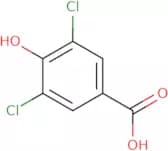
CAS:2,5-Dihydroxyacetophenone (2,5-DA) is a natural phenolic compound that is found in many plants. It has been shown to have anti-inflammatory properties through its ability to inhibit the production of pro-inflammatory cytokines, such as tumor necrosis factor alpha and interleukin 1 beta. 2,5-DA inhibits the formation of reactive oxygen species and nitric oxide in rat neutrophils. 2,5-DA also has the ability to reduce oxidative stress by scavenging free radicals and inhibiting lipid peroxidation. The underlying mechanism for these effects is not fully understood but may be due to its ability to act as a substrate for matrix-assisted laser desorption ionization (MALDI). This means that it can react with protocatechuic acid molecules that are present in the sample preparation chamber, leading to polymerase chain reaction (PCR) amplification. MALDI uses lasers to ablate or vaporize samplesFórmula:C8H8O3Pureza:Min. 95%Cor e Forma:Yellow PowderPeso molecular:152.15 g/mol3,5-Dichloro-4-hydroxybenzoic acid
CAS:3,5-Dichloro-4-hydroxybenzoic acid is a phenolic acid that can be found in aromatic hydrocarbons. It has been shown to have antiallergic properties and has been used as an extract to treat acute toxicities. 3,5-Dichloro-4-hydroxybenzoic acid has also been shown to inhibit the production of p-hydroxybenzoic acid by rat liver microsomes. This compound may be useful in treating high blood pressure and vascular disease. It may also be used as a natural remedy for arthritis, as it has shown antiinflammatory effects. In addition, this compound can inhibit the growth of cancer cells and stimulate the immune system by binding to monoclonal antibodies that are specific for acidic pH.Fórmula:C7H4Cl2O3Pureza:Min. 95%Cor e Forma:PowderPeso molecular:207.01 g/molEthyl 4-ethoxybenzoate
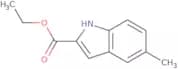
CAS:Ethyl 4-ethoxybenzoate is an antimicrobial agent that inhibits bacterial growth by interfering with the synthesis of DNA. It also has a genotoxic potential and can induce mutations in cells. Ethyl 4-ethoxybenzoate is used as an impurity in pharmaceutical drug production, such as solanum tuberosum extract, to prevent microbial contamination. It also has been shown to inhibit the growth of bacteria in cell cultures by binding to DNA and inhibiting DNA replication. Ethyl 4-ethoxybenzoate is used as a control agent for the detection of antibiotics in natural products, such as ethanol extracts from plants.Fórmula:C11H14O3Pureza:Min. 97.5 Area-%Cor e Forma:Colorless Clear LiquidPeso molecular:194.23 g/molEthyl 5-methylindole-2-carboxylate
CAS:Ethyl 5-methylindole-2-carboxylate is an antioxidant that is used as a reagent in the synthesis of other compounds. It has been shown to inhibit cancer cell growth in vitro via its ability to inhibit the metabolic activity of human hepatoma cells. Ethyl 5-methylindole-2-carboxylate has also been shown to have cytotoxic activity against human hepatoma cells in vitro, and may be a potential anticancer drug candidate.Fórmula:C12H13NO2Pureza:Min. 95%Cor e Forma:PowderPeso molecular:203.24 g/molBocNH-PEG4-CH2COOH
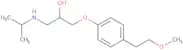
CAS:BocNH-PEG4-CH2COOH is a PEG compound with two different functional groups (also known as heterobifunctional). Unlike homobifunctional PEG compounds (same functional group on both ends), this type of compounds are more versatile as have two different anchor points. BocNH-PEG4-CH2COOH is used as a linker and spacer to add a PEG moiety, via pegylation (a bioconjugation technique) to proteins, peptides, oligonucleotides, small molecules and nanoparticles.Fórmula:C15H29NO8Pureza:Min. 95%Cor e Forma:Clear LiquidPeso molecular:351.39 g/molMetoprolol
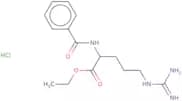
CAS:Produto ControladoMetoprolol is a drug that belongs to the group of beta-adrenergic blockers. It is used in the treatment of hypertension, angina pectoris, and heart attack. Metoprolol has been shown to be effective in treating congestive heart failure, high blood pressure and angina pectoris. Metoprolol slows down the heart rate by blocking beta-adrenergic receptors and also decreases the force with which the heart contracts. Metoprolol is not recommended for use in people with liver impairment or severe renal impairment because it can result in hypotension. This drug should not be taken by people who have asthma or suffer from chronic obstructive pulmonary disease (COPD) or who are allergic to metoprolol succinate.Fórmula:C15H25NO3Pureza:Min. 95%Peso molecular:267.36 g/molN-alpha-Benzoyl-L-arginine ethyl ester hydrochloride
CAS:Benzoyl-L-arginine ethyl ester hydrochloride is a white or beige crystalline solid with a melting point of 85°C. It is soluble in water and ethanol. It has been used as a reagent, speciality chemical, and reaction component for the synthesis of complex compounds. Benzoyl-L-arginine ethyl ester hydrochloride is used as a building block in the synthesis of an intermediate, which is then used to create scaffold drugs.Fórmula:C15H23ClN4O3Pureza:Min. 98 Area-%Cor e Forma:White PowderPeso molecular:342.82 g/mol2,3-Butanedione monoxime
CAS:2,3-Butanedione monoxime (BDM) is a metabolite of the glycol ether, 2,3-butanedione. It has been shown to have a beneficial effect on metabolic disorders in rats by modulating several enzyme activities. The optimum concentration of BDM is 2 mmol/L. This compound has also been shown to inhibit the oxidation of xanthine oxidase and the formation of hydroxyl radicals in vitro. BDM has also been found to have synchronous fluorescence with papillary muscles from guinea pigs and cytosolic ca2+ levels in rat liver cells. The structure analysis revealed that BDM binds to the active site of the x-ray crystal structures for mitochondrial cytochrome C oxidase and cardiac ATP synthase with an affinity similar to that of CoQ10. The Langmuir adsorption isotherm for BDM was calculated as 0.913 +/- 0.034 cm/g at 20 degrees Celsius,
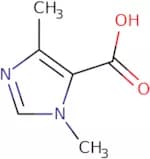
Fórmula:C4H7O2NPureza:(%) Min. 99%Cor e Forma:White PowderPeso molecular:101.1 g/mol1,4-Dimethyl-1H-imidazole-5-carboxylic acid
CAS:Versatile small molecule scaffoldFórmula:C6H8N2O2Pureza:Min. 90%Peso molecular:140.14 g/moltert-Butyl isocyanoacetate
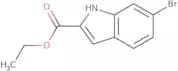
CAS:tert-Butyl isocyanoacetate is an organic compound that belongs to the diacid class of organic compounds. It reacts with water to produce the amide and squaramide. Tert-butyl isocyanoacetate has a high affinity for nitrogen atoms, and can be used in uv absorption spectroscopy. It also has a stepwise mechanism and can react with other chemicals to produce new substances. The compound has fluorescence properties and is used in optical devices such as lasers. Tert-butyl isocyanoacetate also has an ester hydrochloride form which is low potency but active methylene catalysed.Fórmula:C7H11NO2Pureza:Min. 95%Cor e Forma:Brown Clear LiquidPeso molecular:141.17 g/molEthyl 6-Bromoindole-2-carboxylate
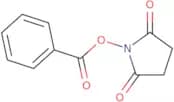
CAS:Please enquire for more information about Ethyl 6-Bromoindole-2-carboxylate including the price, delivery time and more detailed product information at the technical inquiry form on this pageFórmula:C11H10BrNO2Pureza:Min. 95%Peso molecular:268.11 g/molBenzoic acid N-hydroxysuccinimide ester
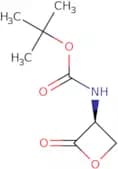
CAS:Benzoic acid N-hydroxysuccinimide ester is a chemical compound that is used for the diagnosis of cancer. It is used as a reagent in chromatographic methods and as a sample preparation agent in amine extraction techniques. The benzoate group reacts with amines to form an aminobenzoate ester, which can be detected by ionization techniques. This reaction mechanism has been studied extensively with spinorphin and epidermal growth factor.Fórmula:C11H9NO4Pureza:Min. 95%Cor e Forma:White PowderPeso molecular:219.19 g/molBoc-L-serine-b-lactone
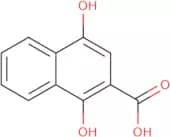
CAS:Boc-L-serine-b-lactone is a chemical compound that can be used as a reagent and reaction component. It can also be used to produce other compounds, such as pharmaceuticals, pesticides, or coatings. Boc-L-serine-b-lactone can be produced in high quality through our advanced manufacturing processes. This chemical is useful for research purposes and has many applications in the production of speciality chemicals. Boc-L-serine-b-lactone is a versatile building block that can also be used as an intermediate or building block to create complex compounds. This chemical is fine and should only be handled by professionals with experience in handling chemicals.Fórmula:C8H13NO4Pureza:Min. 95%Cor e Forma:White PowderPeso molecular:187.19 g/mol1,4-Dihydroxy-2-naphthoic acid
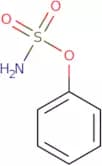
CAS:1,4-Dihydroxy-2-naphthoic acid is a glycol ether that is used as a reagent in vitro for the study of inflammatory bowel disease. It has been shown to have inhibitory effects on polymerase chain reactions and human immunoglobulin synthesis in vitro. This compound also inhibits the activity of enzymes involved in inflammatory bowel disease, such as erythrocyte glutathione reductase, cytochrome p450, and myeloperoxidase. 1,4-Dihydroxy-2-naphthoic acid is an inhibitor molecule with a natural compound structure that binds to enzymes involved in inflammatory bowel disease to inhibit their function.Fórmula:C11H8O4Pureza:Min. 95%Cor e Forma:PowderPeso molecular:204.18 g/molPhenyl sulfamate
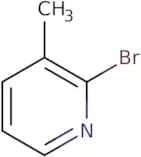
CAS:Phenyl sulfamate is a monosodium salt that has been shown to inhibit the growth of cancer cells in vitro. It has been used as an antimicrobial agent to treat chronic arthritis and atherosclerotic lesions. Phenyl sulfamate inhibits the activity of enzymes that are involved in the synthesis of proteins, such as collagenase, elastase, and proteases. The irreversible inhibition by phenyl sulfamate is due to its ability to react with sulfamoyl chloride (SOC). This reaction leads to the formation of a covalent bond between the enzyme and phenyl sulfamate, which cannot be reversed by any known chemical or enzymatic process.Fórmula:C6H7NO3SPureza:Min. 95%Cor e Forma:PowderPeso molecular:173.19 g/mol2-Bromo-3-methylpyridine
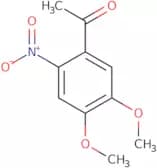
CAS:2-Bromo-3-methylpyridine is a diazido compound with a hydrogen bond. It reacts rapidly with copper chloride to form the coordination complex Cu(diazido)(Cl)2 and an organic product. 2-Bromo-3-methylpyridine can be synthesized from 2,4-dibromopyridine by a cross coupling reaction with copper chloride and calcium carbonate in the presence of sodium potassium bicarbonate. The coordination geometry of the molecule is tetrahedral, with two bromine atoms on opposite sides of the central nitrogen atom and one bromine atom on each side of the pyridine ring. Reaction products are formed as a result of substitution reactions involving halides, such as methyl chloride or ethyl chloride, which act as electrophiles to react with the diazido group. Potential mechanisms include metathesis reactions or cryogenic processes.Fórmula:C6H6BrNPureza:Min. 95%Cor e Forma:Colorless Clear LiquidPeso molecular:172.02 g/mol3',4'-Dimethoxy-6'-nitroacetophenone
CAS:3',4'-Dimethoxy-6'-nitroacetophenone is a high detection compound that has been used for the detection of p2y12. This molecule has also been shown to be an inhibitor of survivin and inorganic uptake. 3',4'-Dimethoxy-6'-nitroacetophenone has been shown to have anti-cancer properties, specifically against bladder cancer. It is important to note that this compound is not cytotoxic, which means it does not kill or harm cells. The modifications made to the molecule are what make it an effective anti-cancer agent.Fórmula:C10H11NO5Pureza:Min. 95%Cor e Forma:SolidPeso molecular:225.2 g/mol