


Building Blocks
Subcategorias de "Building Blocks"
- Ácidos Borónicos e Derivados de Ácido Borónico(5.784 produtos)
- Building Blocks Quirais(1.242 produtos)
- Building Blocks Hidrocarbonetos(6.105 produtos)
- Building Blocks orgânicos(61.061 produtos)
Foram encontrados 205399 produtos de "Building Blocks"
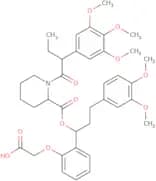
AP1867-2-(carboxymethoxy)
CAS:AP1867-2-(carboxymethoxy) is a high purity research tool for the study of receptor and ligand interactions. It has been shown to be an activator of ion channels and a ligand of G protein-coupled receptors. AP1867-2-(carboxymethoxy) is also used in the study of protein interactions, antibody production, and cell biology.
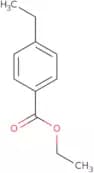
Fórmula:C38H47NO11Pureza:Min. 95%Cor e Forma:PowderPeso molecular:693.8 g/molMethyl 4-ethylbenzoate
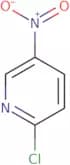
CAS:Methyl 4-ethylbenzoate is a molecule that has been shown to have synergistic effects with magnesium oxide, polyvinylpyrrolidone, and glycerin. It also has the ability to be used as a template molecule for the synthesis of hydrotalcite. Methyl 4-ethylbenzoate can be synthesized from ethyl benzoate and methyl iodide. It is an ingredient in some cosmetics and personal care products, such as skin lotions, hair conditioners, and fragrances. Methyl 4-ethylbenzoate has antioxidant properties due to its ability to scavenge free radicals. This compound is also used as a solvent for paints and lacquers.Fórmula:C11H14O2Pureza:Min. 95%Cor e Forma:Clear LiquidPeso molecular:178.23 g/mol2-Chloro-5-nitropyridine
CAS:2-Chloro-5-nitropyridine is a chemical compound with the molecular formula CHClNO. It is a white solid that is soluble in water and has a melting point of 132.2 °C. The molecule consists of two chlorine atoms bonded to an oxygen atom, with two nitro groups bonded to carbon atoms. 2-Chloro-5-nitropyridine was synthesized by reacting sodium carbonate with hydrochloric acid and then adding trifluoroacetic acid to the solution. This reaction produces 2-chloro-5-nitropyridine, hydrogen chloride gas, and sodium chloride crystals as byproducts. The product can be purified using column chromatography or recrystallization methods.
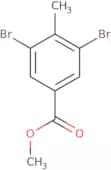
Fórmula:C5H3ClN2O2Pureza:Min. 95%Cor e Forma:White PowderPeso molecular:158.54 g/molMethyl 3,5-dibromo-4-methylbenzoate
CAS:Methyl 3,5-dibromo-4-methylbenzoate is a versatile building block that can be used as a reagent or a speciality chemical. It is a high quality compound with many applications in research and synthesis. Methyl 3,5-dibromo-4-methylbenzoate is an intermediate in the manufacturing of polymers and pharmaceuticals. It is also a reaction component for the preparation of complex compounds, such as methyl 3,5-dimethoxybenzoate. Methyl 3,5-dibromo-4-methylbenzoate has been shown to be useful as a scaffold for the synthesis of novel compounds.
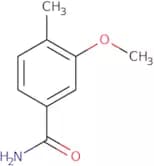
Fórmula:C9H8Br2O2Pureza:Min. 95%Cor e Forma:Off-White PowderPeso molecular:307.97 g/mol3-Methoxy-4-methylbenzamide
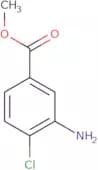
CAS:3-Methoxy-4-methylbenzamide is a chemical compound that is used as a building block in the synthesis of other compounds. It has shown to be useful in the preparation of a variety of complex compounds and has been used as a reagent in organic synthesis. 3-Methoxy-4-methylbenzamide is soluble in water, ethanol, and acetone. This compound has not been tested for toxicity or carcinogenicity.Fórmula:C9H11NO2Pureza:Min. 95%Peso molecular:165.19 g/molMethyl 3-amino-4-chlorobenzoate
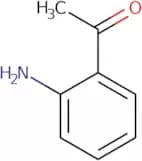
CAS:Methyl 3-amino-4-chlorobenzoate is an analog of 3-amino-4-chlorobenzoic acid. It is a multidrug that can cross the blood brain barrier and has been shown to have cytotoxic activity in vitro. Methyl 3-amino-4-chlorobenzoate has been postulated as a possible organometallic compound and may be synthesized through a chemical diversity approach. The chloride ion, which is present in methyl 3-amino-4-chlorobenzoate, has been shown to decrease the toxicity of nitrobenzoic acid, making this compound resistant to nitrosation reactions.Fórmula:C8H8ClNO2Pureza:Min. 95%Cor e Forma:PowderPeso molecular:185.61 g/mol2'-Aminoacetophenone
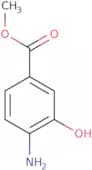
CAS:2'-Aminoacetophenone is a chemical compound that belongs to the class of anthranilate. It is a water-soluble, white solid. 2'-Aminoacetophenone has been shown to have antimicrobial properties against bacteria and fungi. The mechanism of action of this compound is not known, but it may be due to its ability to disrupt mitochondrial function and affect the membrane potential. The stability of 2'-Aminoacetophenone in the presence of water vapor is greater than that observed for other anthranilates.Fórmula:C8H9NOPureza:Min. 95%Cor e Forma:PowderPeso molecular:135.16 g/molMethyl 4-amino-3-hydroxybenzoate
CAS:Methyl 4-amino-3-hydroxybenzoate is a synthetic compound that has been shown to inhibit the neuraminidase enzyme in the influenza virus. It is a ligand for the influenza virus and inhibits the release of progeny virions from infected cells. Methyl 4-amino-3-hydroxybenzoate has been shown to have antiviral effects against influenza A and B viruses in vivo and in vitro. The mechanism of action is thought to be due to its interaction with metal ion, which can reduce the availability of free water needed for viral replication.Fórmula:C8H9NO3Pureza:Min. 95%Cor e Forma:Off-White PowderPeso molecular:167.16 g/mol1-Azaspiro[3.5]nonane
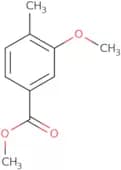
CAS:1-Azaspiro[3.5]nonane is a versatile building block with many uses in research and industrial chemistry. It can be used as a reagent for the synthesis of various organic compounds, or as an intermediate to synthesize more complex molecules. 1-Azaspiro[3.5]nonane is a high quality compound that is sold at a competitive price. The versatility of this compound makes it useful in many different reactions, and it can be used as a scaffold for the construction of more complex structures.Fórmula:C8H15NPureza:Min. 95%Cor e Forma:Clear LiquidPeso molecular:125.21 g/mol3-Methoxy-4-methylbenzoic acid methyl ester
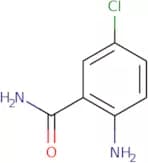
CAS:3-Methoxy-4-methylbenzoic acid methyl ester is a potent inhibitor of the neurotoxic effects of β-amyloid peptide (Aβ) on cultured human neurons. 3-Methoxy-4-methylbenzoic acid methyl ester inhibits fibrillation in vitro and fluorescence assay, suggesting that it may be a promising therapeutic agent for Alzheimer's disease. The fluorescence assay is based on the inhibition of fluorescence by 3-methoxy-4-methylbenzoic acid methyl ester, which competes with Aβ for binding to an acceptor molecule. This inhibition can be used as a marker to measure the amount of Aβ present in vivo.Fórmula:C10H12O3Pureza:Min. 95%Cor e Forma:White PowderPeso molecular:180.2 g/mol2-Amino-5-chlorobenzamide
CAS:2-Amino-5-chlorobenzamide is a fluorescence probe that has been shown to react with anthranilic acid, which is a structural component of many active substances. It is used in organic solvents as an indicator for the presence of active oxygen. 2-Amino-5-chlorobenzamide can be used as a linker to connect different molecules and can be activated by dehydrating agents, such as sodium sulfite. This compound has been demonstrated to have a linear response over a wide range of concentrations. The molecular target of 2-amino-5-chlorobenzamide is unknown at this time, but it has been suggested that it may interact with amino acids or proteins. The structural formula for 2-amino-5-chlorobenzamide is C6H4ClN2O2.Fórmula:C7H7ClN2OPureza:Min. 95%Cor e Forma:PowderPeso molecular:170.6 g/mol1-[(2R)-2-(Hydroxymethyl)pyrrolidin-1-yl]ethan-1-one
CAS:Versatile small molecule scaffold
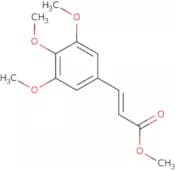
Fórmula:C7H13NO2Pureza:Min. 95%Peso molecular:143.18 g/molMethyl 3,4,5-trimethoxycinnamate
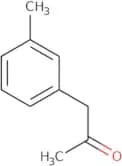
CAS:Methyl 3,4,5-trimethoxycinnamate (MTMC) is a compound that has been used as the active ingredient in traditional Chinese medicine for the treatment of cardiac disease. It has been shown to have an inhibitory effect on ventricular myocytes and to induce apoptosis in rat heart cells. MTMC also inhibits neutrophil recruitment and reduces the expression of pro-apoptotic proteins. It has also been shown to be effective in treating congestive heart failure by blocking cardiac hypertrophy and myocardial apoptosis. Methyl 3,4,5-trimethoxycinnamate has not been tested on humans or animals for safety or efficacy in treating depression.Fórmula:C13H16O5Pureza:Min. 95%Cor e Forma:White PowderPeso molecular:252.26 g/mol3-Methylphenylacetone
CAS:3-Methylphenylacetone is a dioxane with functional groups, which can be synthesized by coupling of acetoacetate and nitrobenzene. 3-Methylphenylacetone is a versatile precursor for the synthesis of various esters, such as phenylethyl acetate. This compound can also be deacylated to form 3-methylphenol, which is used in the synthesis of nitrophenols. In addition, 3-methylphenylacetone can be used in the production of acetophenones, ketones, and other aromatic compounds by using catalysts such as iodine or phosphoric acid. Nitro groups on 3-methylphenylacetone react with chloro-, bromo-, or methoxy-substituted substrates to form nitrosated derivatives. The tert-butyl group is eliminated spontaneously to form an amine.Fórmula:C10H12OPureza:Min. 95%Cor e Forma:Clear LiquidPeso molecular:148.2 g/moltert-Butyl N-(1-methylpiperidin-4-yl)carbamate
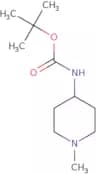
CAS:Versatile small molecule scaffoldFórmula:C11H22N2O2Pureza:Min. 95%Cor e Forma:PowderPeso molecular:214.3 g/mol2-[4-(Trifluoromethyl)-1H-imidazol-1-yl]acetic acid
CAS:Versatile small molecule scaffoldFórmula:C6H5F3N2O2Pureza:Min. 95%Cor e Forma:PowderPeso molecular:194.11 g/mol2-Acetyl-5-bromothiophene
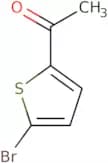
CAS:2-Acetyl-5-bromothiophene is an organosulfur compound that is a reactive intermediate in the Suzuki coupling reaction. It has been used as a substrate for biological studies of toxicity and cancer, and to generate unsymmetrical compounds with multi-walled carbon light emission. 2-Acetyl-5-bromothiophene also has the ability to inhibit glutamate dehydrogenase and hydroxide solution, which are enzymes necessary for the production of energy in cells. 2-Acetyl-5-bromothiophene is toxic to animals and humans because it can cause cancer and other health problems such as neurotoxicity, liver dysfunction, and kidney damage. 2-Acetyl-5-bromothiophene has been shown to cause DNA strand breaks in human breast cancer cells.Fórmula:C6H5BrOSPureza:Min. 98.5 Area-%Cor e Forma:PowderPeso molecular:205.07 g/mol4-Azidopiperidine hydrochloride
CAS:4-Azidopiperidine hydrochloride is a chemical compound that is used as a versatile building block in the synthesis of complex chemical compounds. It is also used as a reagent or speciality chemical, and has many applications in research, such as being an intermediate for the synthesis of other chemicals. 4-Azidopiperidine hydrochloride can be used to make useful building blocks, reaction components, and scaffolds for chemical reactions.Fórmula:C5H11ClN4Pureza:Min. 95%Cor e Forma:PowderPeso molecular:162.62 g/mol[4-Amino-3-(hydroxymethyl)phenyl]methanol
CAS:4-Amino-3-(hydroxymethyl)phenyl]methanol is a molecule that is used to diagnose cancer. It binds to monomers of 4-nitroaniline, which are present in the cell nucleus and can be detected by positron emission tomography (PET) or magnetic resonance imaging (MRI). The molecular structure of this molecule includes a nitro group, an optical property, an inhibitory potency, and a methoxy group. The molecule reacts with azides to form a new chemical structure with a carbonyl group that has been shown to be useful in molecular imaging for diagnosis. This compound is also found endogenously in the body and has been shown to react with hydrogen bonds as well as other reaction intermediates.Fórmula:C8H11NO2Pureza:Min. 95%Cor e Forma:PowderPeso molecular:153.18 g/mol2-Methyl-6-(phenylethynyl)pyridine HCl
CAS:2-Methyl-6-(phenylethynyl)pyridine (MPEP) is a drug that is used in the treatment of Parkinson's disease. This drug inhibits the synthesis of proteins, including glutamate and dopamine, which are involved in Parkinson's disease. MPEP has been shown to be effective against Parkinson's disease by blocking protein synthesis in the caudate putamen and other brain regions. It also lowers locomotor activity and improves motor skills in rats. MPEP binds to response element-binding protein (RBP), which is involved in the regulation of gene expression. The binding of MPEP to RBP leads to an increase in levels of endogenous adenosine, which blocks the effects of dopamine and serotonin on postsynaptic neurons.Fórmula:C14H11N·HClPureza:Min. 98 Area-%Cor e Forma:White PowderPeso molecular:229.7 g/mol

![1-Azaspiro[3.5]nonane](/_next/image/?url=https%3A%2Fstatic.cymitquimica.com%2Fproducts%2F3D%2Fthumb-webp%2FNAA37455.webp&w=3840&q=75)
![1-[(2R)-2-(Hydroxymethyl)pyrrolidin-1-yl]ethan-1-one](/_next/image/?url=https%3A%2Fstatic.cymitquimica.com%2Fproducts%2F3D%2Fthumb-webp%2FYEA95887.webp&w=3840&q=75)
![2-[4-(Trifluoromethyl)-1H-imidazol-1-yl]acetic acid](/_next/image/?url=https%3A%2Fstatic.cymitquimica.com%2Fproducts%2F3D%2Fthumb-webp%2FRXB25564.webp&w=3840&q=75)

![[4-Amino-3-(hydroxymethyl)phenyl]methanol](/_next/image/?url=https%3A%2Fstatic.cymitquimica.com%2Fproducts%2F3D%2Fthumb-webp%2FJQB31488.webp&w=3840&q=75)
