Building Blocks
Subcategorias de "Building Blocks"
- Ácidos Borónicos e Derivados de Ácido Borónico(5.786 produtos)
- Building Blocks Quirais(1.246 produtos)
- Building Blocks Hidrocarbonetos(6.107 produtos)
- Building Blocks orgânicos(61.079 produtos)
Foram encontrados 205461 produtos de "Building Blocks"
5-(Hydroxymethyl)-2-methylpyrimidin-4(1H)-one
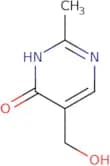
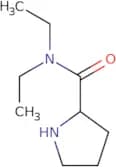
CAS:5-(Hydroxymethyl)-2-methylpyrimidin-4(1H)-one is a pyrimidine compound that is used as an intermediate in the synthesis of other compounds. 5-(Hydroxymethyl)-2-methylpyrimidin-4(1H)-one is converted to 2,5-dihydro-5-[(hydroxymethyl)amino]pyrimidine-4,6-dione by the enzyme glutamic decarboxylase and may be metabolized to form 2,5-dihydro-5-[(hydroxymethyl)amino]-4,6,-dimethylpyrimidine by microorganisms. It can also be converted to 5-(hydroxymethyl)amino-2,6-dimethylpyrimidine by the enzyme carboxypeptidase B. This compound is used in biochemical analyses and has shown to damage the cellular structure of microorganisms. ItFórmula:C6H8N2O2Pureza:Min. 95%Cor e Forma:PowderPeso molecular:140.14 g/molN,N-Diethylpyrrolidine-2-carboxamide
CAS:Versatile small molecule scaffoldFórmula:C9H18N2OPureza:Min. 90%Cor e Forma:PowderPeso molecular:170.25 g/molTricyclo[2.2.1.0,2,6]heptane-1-carboxylic acid
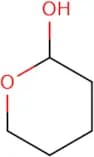
CAS:Versatile small molecule scaffoldFórmula:C8H10O2Pureza:Min. 95%Peso molecular:138.16 g/molTetrahydro-2H-pyran-2-ol
CAS:Tetrahydro-2H-pyran-2-ol is a chemical compound that belongs to the class of organic compounds called alcohols. It has been shown to have a taste and smell similar to ethyl alcohol, but can be distinguished by its higher boiling point. Tetrahydro-2H-pyran-2-ol is also used as a biological sample in assays for metabolic disorders and as a reactant in cell lysis reactions. This alcohol binds with proteins, which may be due to hydrogen bonding interactions between the hydroxyl group on the alcohol and the amide group on the proteins. The conformational properties of tetrahydro-2H-pyran-2-ol are dependent on its intramolecular hydrogen bonds, which can be broken by x-ray diffraction data.
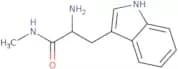
Fórmula:C20H21N3O2Pureza:Min. 95%Peso molecular:335.4 g/mol(2S)-2-Amino-3-(1H-indol-3-yl)-N-methylpropanamide
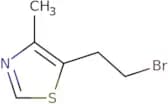
CAS:Acetaminophen is a non-opioid analgesic and antipyretic drug. It is a common medication used to treat pain, fever, and inflammation. Acetaminophen inhibits matrix metalloproteinase (MMPs) by binding to the active site of the enzyme, thus preventing it from breaking down collagen in the extracellular matrix. This inhibition has been shown to be effective against cancer cells. Acetaminophen also has an antioxidative activity that may be due to its ability to inhibit lipid peroxidation, which is important for cell membrane integrity. Acetaminophen has been shown to reduce ulceration in animal models.Fórmula:C12H15N3OPureza:Min. 95%Cor e Forma:PowderPeso molecular:217.27 g/mol5-(2-Bromoethyl)-4-methyl-1,3-thiazole
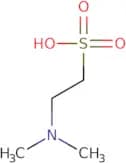
CAS:Versatile small molecule scaffoldFórmula:C6H8BrNSPureza:Min. 95%Peso molecular:206.11 g/mol2-(Dimethylamino)ethane-1-sulfonic acid
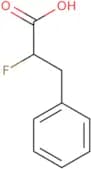
CAS:2-(Dimethylamino)ethane-1-sulfonic acid (DMAES) is a sulfonamide drug that binds to basic proteins and has been used in the treatment of microbial infections. DMAES has been shown to bind to human serum albumin, which may be due to its ability to form a covalent bond with the sulfur on the protein. The binding constant for DMAES with human serum albumin is about 5x10 M. The clinical response in patients treated with DMAES was found to depend on the binding constant between DMAES and human serum albumin. The binding constants for DMAES with other proteins have also been studied. These include erythrocyte membrane protein, myelin basic protein, and ganglioside GM1. In addition, it has been found that DMAES can bind to ganglia cells of rat brain tissue by forming a covalent bond with amino acids such as lysine residuesFórmula:C4H11NO3SPureza:Min. 95%Cor e Forma:PowderPeso molecular:153.2 g/mol2-Fluoro-3-phenylpropanoic acid
CAS:Versatile small molecule scaffold
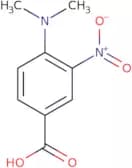
Fórmula:C9H9FO2Pureza:Min. 95%Cor e Forma:PowderPeso molecular:168.16 g/mol4-(Dimethylamino)-3-nitrobenzoic acid
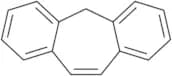
CAS:4-(Dimethylamino)-3-nitrobenzoic acid is a chemical compound with CAS No. 28096-56-2. It is a high quality chemical reagent, useful as an intermediate for the synthesis of complex compounds and fine chemicals. It is also a useful building block for the synthesis of versatile building blocks, and can be used in reactions to form new chemical compounds. 4-(Dimethylamino)-3-nitrobenzoic acid is also a versatile building block that can be used in many reactions to form new chemical compounds, and can be used as a research chemical or speciality chemical.Fórmula:C9H10N2O4Pureza:Min. 95%Peso molecular:210.19 g/molCyproheptadine Related Compound A
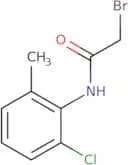
CAS:Cyproheptadine Related Compound A is a molecule that binds to the histamine H2 receptor and can be used for the treatment of inflammatory bowel disease, chronic bronchitis, and diabetic neuropathy. It is metabolized by hydrolysis of the ester group by hydroxylases or oxidases in the liver. Cyproheptadine Related Compound A has been shown to have anti-inflammatory effects due to its ability to inhibit prostaglandin synthesis.Fórmula:C15H12Pureza:Min. 95%Peso molecular:192.26 g/mol2-Bromo-N-(2-chloro-6-methylphenyl)acetamide
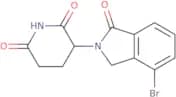
CAS:2-Bromo-N-(2-chloro-6-methylphenyl)acetamide is a fine chemical that can be used as a versatile building block for research and as a reaction component for the synthesis of complex compounds. This compound is also useful for the production of speciality chemicals and other high quality reagents.Fórmula:C9H9BrClNOPureza:Min. 95%Cor e Forma:PowderPeso molecular:262.53 g/mol3-(4-Bromo-1-oxoisoindolin-2-yl)piperidine-2,6-dione
CAS:Lenalidomide is a small molecule that binds to the CD38 receptor on the surface of cells. This binding leads to a cascade of cellular events that result in inhibition of tumor growth, increased apoptosis and decreased proliferation. The linker is used to attach the ligand to a degradable polymer that can be placed inside cells. Lenalidomide-Br has shown anticancer activity in clinical trials and may be useful as an adjuvant therapy for patients with leukemia.Fórmula:C13H11BrN2O3Pureza:Min. 95%Cor e Forma:PowderPeso molecular:323.14 g/mol2-[3-(Dimethylphosphoryl)phenyl]-4,4,5,5-tetramethyl-1,3,2-dioxaborolane
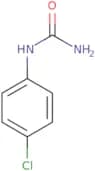
CAS:Versatile small molecule scaffoldFórmula:C14H22BO3PPureza:Min. 95%Cor e Forma:PowderPeso molecular:280.11 g/mol4-Chlorophenylurea
CAS:4-Chlorophenylurea is an urea derivative that has been shown to inhibit the activity of a number of enzymes. It has been used as a chemical intermediate and in the synthesis of other compounds. 4-Chlorophenylurea is stable in dry environments and does not react with air. The enzyme hydrolysis can be inhibited by adding piperonyl butoxide, which prevents the cleavage of the urea ring. The enzyme's activity can also be suppressed by adding acidic compounds such as hydrochloric acid, which increases its activation energy. The chemical structure of 4-Chlorophenylurea contains a carbonyl group and two chloro groups that are responsible for its inhibitory effect on tumour cells. This compound can also be analysed using liquid chromatography methods, which provide structural data about the product being tested.Fórmula:C7H7ClN2OPureza:Min. 95%Cor e Forma:PowderPeso molecular:170.6 g/mol2-Acetamido-3-(6-fluoro-1H-indol-3-yl)propanoic acid
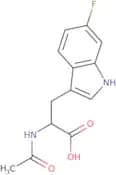
CAS:2-Acetamido-3-(6-fluoro-1H-indol-3-yl)propanoic acid is a fine chemical that can be used as a versatile building block in the synthesis of a wide range of compounds. It is also an intermediate in research and industrial processes, and is used as a reaction component for complex compound synthesis. 2-Acetamido-3-(6-fluoro-1H-indol-3-yl)propanoic acid has been shown to be useful as a building block in high quality synthesis.Fórmula:C13H13FN2O3Pureza:Min. 95%Peso molecular:264.25 g/mol1,2,4,5-Tetrachloro-3-nitrobenzene
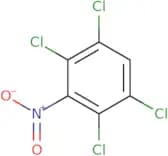
CAS:1,2,4,5-Tetrachloro-3-nitrobenzene is a heterocyclic compound that has the chemical formula C6H2Cl4NO2. It is a yellow crystalline solid that is soluble in organic solvents. It has applications as a standard for quantitative analysis by nuclear magnetic resonance.Fórmula:HC6Cl4NO2Pureza:Min. 95%Cor e Forma:PowderPeso molecular:260.89 g/mol5-Amino-2-nitrobenzoic acid
CAS:5-Amino-2-nitrobenzoic acid is a versatile compound that can be used as a reagent, a reaction component, or as a useful scaffold in research. It reacts with alcohols to produce esters and amides. The high quality of this chemical makes it suitable for use in many different reactions. CAS No. 13280-60-9Fórmula:C7H6N2O4Peso molecular:182.14 g/molRef: 3D-A-6803
-Unit-ggA consultar1kgA consultar100gA consultar250gA consultar500gA consultar2500gA consultar5-Amino-2-nitrobenzoic acid
CAS:5-Amino-2-nitrobenzoic acid is an organic compound that belongs to the class of versatile building block. It is a white solid that has been used as a research chemical, reagent, and specialty chemical for the synthesis of complex compounds and pharmaceuticals. 5-Amino-2-nitrobenzoic acid is also known as 2-amino-5-chlorobenzoic acid (ACBA). It is soluble in water, but insoluble in ethanol. The CAS number for this chemical is 13280-60-9.
Fórmula:C7H6N2O4Peso molecular:182.14 g/molRef: 3D-A-6802
-Unit-ggA consultar1kgA consultar100gA consultar250gA consultar500gA consultar2500gA consultar5-Amino-2-nitrobenzoic acid
CAS:5-Amino-2-nitrobenzoic acid is a useful chemical building block that is used in the synthesis of complex compounds and useful scaffolds.
Fórmula:C7H6N2O4Peso molecular:182.13 g/molRef: 3D-A-6800
-Unit-ggA consultar25gA consultar50gA consultar100gA consultar250gA consultar500gA consultar2-Amino-5-iodobenzoic acid
CAS:Please enquire for more information about 2-Amino-5-iodobenzoic acid including the price, delivery time and more detailed product information at the technical inquiry form on this page
Fórmula:C7H6INO2Peso molecular:263.04 g/mol

![Tricyclo[2.2.1.0,2,6]heptane-1-carboxylic acid](/_next/image/?url=https%3A%2Fstatic.cymitquimica.com%2Fproducts%2F3D%2Fthumb-webp%2FAAA69725.webp&w=3840&q=75)
![2-[3-(Dimethylphosphoryl)phenyl]-4,4,5,5-tetramethyl-1,3,2-dioxaborolane](/_next/image/?url=https%3A%2Fstatic.cymitquimica.com%2Fproducts%2F3D%2Fthumb-webp%2FTID11021.webp&w=3840&q=75)