Building Blocks
Subcategorias de "Building Blocks"
- Ácidos Borónicos e Derivados de Ácido Borónico(5.783 produtos)
- Building Blocks Quirais(1.242 produtos)
- Building Blocks Hidrocarbonetos(6.105 produtos)
- Building Blocks orgânicos(61.055 produtos)
Foram encontrados 205383 produtos de "Building Blocks"
2-Ethoxy-4-nitrobenzoic acid
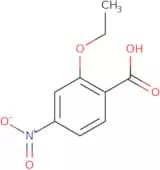
CAS:2-Ethoxy-4-nitrobenzoic acid is a nitrobenzoyl compound that is used as an anticoccidial drug. It has shown to be effective against coccidiosis in poultry. 2-Ethoxy-4-nitrobenzoic acid binds to the aminobenzoate moiety of the enzyme glutamic acid decarboxylase, thereby inhibiting its activity. This inhibits the production of lactic acid and leads to cell death by lack of energy. Amprolium is a coccidiostat that inhibits the synthesis of beta-alanine in cells, which leads to inhibition of protein synthesis and cell death.
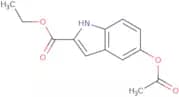
Fórmula:C9H9NO5Pureza:Min. 95%Cor e Forma:PowderPeso molecular:211.17 g/molEthyl 5-acetoxyindole-2-carboxylate
CAS:Please enquire for more information about Ethyl 5-acetoxyindole-2-carboxylate including the price, delivery time and more detailed product information at the technical inquiry form on this page
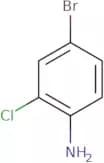
Fórmula:C13H13NO4Pureza:Min. 95%Peso molecular:247.25 g/mol4-Bromo-2-chloroaniline
CAS:4-Bromo-2-chloroaniline (4BCA) is an exciplex that forms in the presence of hydrogen peroxide and chloride ions. It is unreactive with fluconazole and other related molecules, but is able to photoreduce hydrogen peroxide. The molecular mechanism of 4BCA is a result of its ability to form a covalent bond with DNA containing pyrimidine bases. This reaction results in the formation of pyrimidine dimers, which can lead to cell death through the inhibition of DNA synthesis and repair. 4BCA has been shown to be effective against cancer cells at high concentrations, but does not affect healthy cells. The effectiveness against cancer cells may be due to the fact that this exciplex reacts with uv irradiation and irradiation, which leads to a higher concentration of reactive oxygen species (ROS).
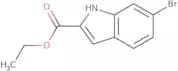
Fórmula:C6H5BrClNPureza:Min. 95%Cor e Forma:PowderPeso molecular:206.47 g/molEthyl 6-Bromoindole-2-carboxylate
CAS:Please enquire for more information about Ethyl 6-Bromoindole-2-carboxylate including the price, delivery time and more detailed product information at the technical inquiry form on this pageFórmula:C11H10BrNO2Pureza:Min. 95%Peso molecular:268.11 g/molPPACK hydrochloride
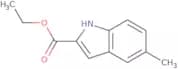
CAS:Please enquire for more information about PPACK hydrochloride including the price, delivery time and more detailed product information at the technical inquiry form on this pageFórmula:C21H31ClN6O3•xHClPureza:Min. 95%Cor e Forma:PowderPeso molecular:487.42 g/molEthyl 5-methylindole-2-carboxylate
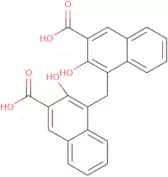
CAS:Ethyl 5-methylindole-2-carboxylate is an antioxidant that is used as a reagent in the synthesis of other compounds. It has been shown to inhibit cancer cell growth in vitro via its ability to inhibit the metabolic activity of human hepatoma cells. Ethyl 5-methylindole-2-carboxylate has also been shown to have cytotoxic activity against human hepatoma cells in vitro, and may be a potential anticancer drug candidate.Fórmula:C12H13NO2Pureza:Min. 95%Cor e Forma:PowderPeso molecular:203.24 g/molPamoic acid
CAS:Pamoic acid is a natural compound that has been found to exhibit antimicrobial activity against a variety of microorganisms. Pamoic acid is also used in the treatment of infectious diseases, such as leprosy, tuberculosis, and AIDS. The biological properties of pamoic acid are due to its ability to bind with peptide hormones and act as a pharmacological agent. Pamoic acid is able to inhibit the synthesis of peptide hormones by binding to their receptors on the cell surface. This inhibition can lead to immunosuppression (e.g., autoimmune diseases) and mitochondrial membrane depolarization. Pamoic acid is also able to bind with benzalkonium chloride, which may account for some of its antimicrobial activity.
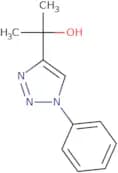
Pamoic acid is synthesized from pantothenic acid (vitamin B5) and caproic acid by means of an enzymatic process called transamination.Fórmula:C23H16O6Pureza:Min. 95%Cor e Forma:Yellow PowderPeso molecular:388.37 g/mol2-(1-Phenyl-1H-1,2,3-triazol-4-yl)propan-2-ol
CAS:2-(1-Phenyl-1H-1,2,3-triazol-4-yl)propan-2-ol is a fine chemical that is used as a research chemical and can also be used as a reaction component for the synthesis of other compounds. 2-(1-Phenyl-1H-1,2,3-triazol-4-yl)propan-2-ol has been shown to be an effective building block for the preparation of complex compounds. It has been found to have high quality and is a versatile building block with many uses in research and development.Fórmula:C11H13N3OPureza:Min. 95%Cor e Forma:PowderPeso molecular:203.24 g/molEthyl 4-ethoxybenzoate
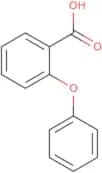
CAS:Ethyl 4-ethoxybenzoate is an antimicrobial agent that inhibits bacterial growth by interfering with the synthesis of DNA. It also has a genotoxic potential and can induce mutations in cells. Ethyl 4-ethoxybenzoate is used as an impurity in pharmaceutical drug production, such as solanum tuberosum extract, to prevent microbial contamination. It also has been shown to inhibit the growth of bacteria in cell cultures by binding to DNA and inhibiting DNA replication. Ethyl 4-ethoxybenzoate is used as a control agent for the detection of antibiotics in natural products, such as ethanol extracts from plants.Fórmula:C11H14O3Pureza:Min. 97.5 Area-%Cor e Forma:Colorless Clear LiquidPeso molecular:194.23 g/mol2-Phenoxybenzoic acid
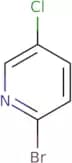
CAS:2-Phenoxybenzoic acid is a hydrochloride salt that is used as a reagent in analytical chemistry. It reacts with the carboxylate group of amino acids, proteins, and peptides to form a stable, water-soluble complex. The reaction is typically monitored by measuring the change in optical density at 260 nm. 2-Phenoxybenzoic acid reacts with bcr-abl kinase and colloidal gold to form an insoluble precipitate that can be detected with electron microscopy. This compound also has biological properties such as inhibiting carbonic anhydrase activity and changing the pH of the solution. 2-Phenoxybenzoic acid was originally synthesized from diphenyl ether and phenol (C6H5OH). 2-Phenoxybenzoic acid can be converted into 2-(4-nitrophenoxy) benzoic acid by reacting it with sodium nitrite followed by hydrochloric acidFórmula:C13H10O3Pureza:Min. 95%Cor e Forma:PowderPeso molecular:214.22 g/mol2-Bromo-5-chloropyridine
CAS:2-Bromo-5-chloropyridine is a synthetic compound that acts as an inhibitor of tyrosine kinase. It binds to the active site of the enzyme and blocks its activity. This inhibits protein phosphorylation, which is essential for cell signaling. The mechanism of this inhibition is similar to that of piperidine and diethanolamine, which are competitive inhibitors of the enzyme. 2-Bromo-5-chloropyridine also reacts with chloride ion to give bipyridines, which have been shown to inhibit cholesterol ester transfer protein (CETP) by binding covalently to the enzyme's active site. 2-Bromo-5-chloropyridine has been shown to be effective in inhibiting tumor growth in mice when given orally at doses ranging from 10 mg/kg to 30 mg/kg daily. 2-Bromo-5-chloropyridine can also be used as a starting material forFórmula:C5H3BrClNPureza:Min. 98 Area-%Cor e Forma:White PowderPeso molecular:192.44 g/mol4,6-Pyrimidinedicarboxylic acid
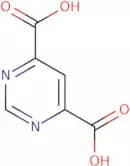
CAS:4,6-pyrimidinedicarboxylic acid is a synthetic compound that is used as a pharmaceutical preparation. It has been shown to have minimal inhibitory concentrations against many bacterial species, including Enterobacteriaceae, Pseudomonas aeruginosa, and Staphylococcus aureus. 4,6-pyrimidinedicarboxylic acid has shown antibacterial activity in the presence of a halogeno or hydroxyl groups. This compound also has matrix metalloproteinase inhibiting activity and can be used to treat degenerative diseases such as cancer or Alzheimer's disease. 4,6-pyrimidinedicarboxylic acid has been studied for its light emitting properties and protein–protein interactions. The light emission properties are due to the intramolecular hydrogen transfer between two hydroxyl groups on the molecule.
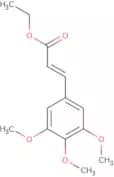
Fórmula:C6H4N2O4Pureza:Min. 95 Area-%Cor e Forma:White Off-White PowderPeso molecular:168.11 g/molEthyl 3,4,5-trimethoxycinnamate
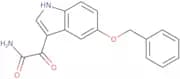
CAS:Ethyl 3,4,5-trimethoxycinnamate is a cinnamic acid derivative that has significant cytotoxicity and anticancer activity. It inhibits the growth of Leishmania parasites by inhibiting the production of gamma-aminobutyric acid, which is essential for cell division and survival. Ethyl 3,4,5-trimethoxycinnamate has been shown to inhibit the growth of cancer cells in vitro by binding to DNA at dipole sites and disrupting the integrity of the molecule. This compound also has optical properties that may be due to its ability to absorb light in the blue region of the spectrum. The anti-cancer effects of ethyl 3,4,5-trimethoxycinnamate may be related to its ability to inhibit cell growth.Fórmula:C14H18O5Pureza:Min. 95%Cor e Forma:SolidPeso molecular:266.29 g/mol5-Benzyloxyindole-3-glyoxylamide
CAS:5-Benzyloxyindole-3-glyoxylamide is a versatile building block that can be used in the synthesis of complex compounds. It has been shown to have a high quality and is useful as a reagent for research purposes. 5-Benzyloxyindole-3-glyoxylamide can be used as a reaction component and is useful as an intermediate in organic synthesis. 5BIGA has CAS number 22424-62-0 and is also known as 3-(benzyloxy)-5-(2,2,2-trifluoroethoxy)indole glyoxamide.Fórmula:C17H14N2O3Pureza:Min. 95%Peso molecular:294.3 g/mol4-{2-[2-(2-Methoxyethoxy)ethoxy]ethoxy}aniline
CAS:Versatile small molecule scaffoldFórmula:C13H21NO4Pureza:Min. 95%Cor e Forma:Clear LiquidPeso molecular:255.31 g/molAP1867-2-(carboxymethoxy)
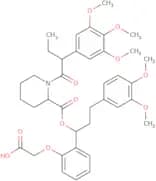
CAS:AP1867-2-(carboxymethoxy) is a high purity research tool for the study of receptor and ligand interactions. It has been shown to be an activator of ion channels and a ligand of G protein-coupled receptors. AP1867-2-(carboxymethoxy) is also used in the study of protein interactions, antibody production, and cell biology.
Fórmula:C38H47NO11Pureza:Min. 95%Cor e Forma:PowderPeso molecular:693.8 g/molSalicylic acid
CAS:Salicylic acid is a weak organic acid that is used as a plant hormone. It has been shown to have enzyme activities that may be involved in the regulation of glycol ether metabolism, photosynthetic activity, p-hydroxybenzoic acid biosynthesis and nutrient solution. Salicylic acid also inhibits nitrite ion production by reacting with acetylsalicylic, which is an inhibitor of the enzyme nitric oxide synthase. Salicylic acid may inhibit transcriptional regulation by steric interactions with DNA or by binding to regulatory proteins. The structural analysis of salicylic acid shows an intramolecular hydrogen bond between the hydroxyl group and carbonyl group which could lead to enzyme inhibition.Fórmula:C7H6O3Pureza:Min. 95%Cor e Forma:White Off-White PowderPeso molecular:138.12 g/mol4-Ethylbenzonitrile
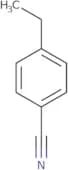
CAS:4-Ethylbenzonitrile is a chemical that is found in human lung. It is a terminal alkene, which undergoes aerobic photooxidation to form reactive oxygen species such as superoxide radical anion and hydrogen peroxide. 4-Ethylbenzonitrile is also converted to triazine, which has been shown to have tumorigenic properties in the lungs of rats and mice. The functional groups on 4-ethylbenzonitrile are amines, hydroxyls, carbonyls, and nitriles. This compound has an inhibitory effect on lung fibroblasts due to its ability to interfere with the function of β-unsaturated ketones. 4-Ethylbenzonitrile's basic structure contains three carbon atoms, two double bonds, and one triple bond.Fórmula:C9H9NPureza:Min. 95%Cor e Forma:Clear LiquidPeso molecular:131.17 g/molEthyl 2-nitrobenzoate
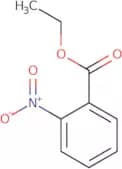
CAS:Ethyl 2-nitrobenzoate is a cyclic organic compound that contains a nitro group, which is an organic radical with the formula -NO2. It belongs to the class of amides and has two carbonyl groups. The molecule consists of a bicyclic heterocycle consisting of one ring with five carbon atoms and one ring with six carbon atoms. Ethyl 2-nitrobenzoate can be used in the treatment of muscle diseases, metabolic disorders, growth factor deficiencies, autoimmune diseases, and neural system disorders due to its ability to act as an antihypertensive agent and as an inhibitor of angiotensin converting enzyme (ACE). This molecule's hydroxyl group can also react with epidermal growth factor (EGF) to form N-hydroxyethyl EGF (NHE). This product has been shown to have antiviral properties against HIV-1 protease inhibitors by interfering with viral protein synthesis.Fórmula:C9H9NO4Pureza:Min. 95%Cor e Forma:White PowderPeso molecular:195.17 g/molSodium pyruvate
CAS:Pyruvate is an intermediary organic acid metabolite in glycolysis and the first of the Embden Meyerhoff pathways that can pass readily in or out of the cell. Thus, the addition of sodium pyruvate to tissue culture medium provides both an energy source and a carbon skeleton for anabolic processes. Furthermore, it assists with maintaining certain specialized cells, is useful when cloning, and may be necessary when the serum concentration is reduced in the medium.Fórmula:C3H3O3NaPureza:Min. 95%Cor e Forma:Crystalline PowderPeso molecular:110.04 g/mol


![4-{2-[2-(2-Methoxyethoxy)ethoxy]ethoxy}aniline](/_next/image/?url=https%3A%2Fstatic.cymitquimica.com%2Fproducts%2F3D%2Fthumb-webp%2FFPA11694.webp&w=3840&q=75)