Building Blocks
Esta seção contém produtos fundamentais para a síntese de compostos orgânicos e biológicos. Building blocks são os materiais de partida essenciais usados para construir moléculas complexas através de várias reações químicas. Eles desempenham um papel crítico na descoberta de medicamentos, ciência dos materiais e pesquisa química. Na CymitQuimica, oferecemos uma ampla gama de building blocks de alta qualidade para apoiar suas pesquisas inovadoras e projetos industriais, garantindo que você tenha os componentes essenciais para uma síntese bem-sucedida.
Subcategorias de "Building Blocks"
- Ácidos Borónicos e Derivados de Ácido Borónico(5.778 produtos)
- Building Blocks Quirais(1.242 produtos)
- Building Blocks Hidrocarbonetos(6.098 produtos)
- Building Blocks orgânicos(61.034 produtos)
Foram encontrados 199601 produtos de "Building Blocks"
Ordenar por
Pureza (%)
0
100
|
0
|
50
|
90
|
95
|
100
Methyl 3-[3-(3-methoxy-3-oxopropyl)phenyl]propanoate
CAS:<p>Versatile small molecule scaffold</p>Fórmula:C14H18O4Pureza:Min. 95%Peso molecular:250.29 g/molBicyclo[3.3.1]nonane-3-carboxylic acid
CAS:<p>Versatile small molecule scaffold</p>Fórmula:C10H16O2Pureza:Min. 95%Peso molecular:168.23 g/molBicyclo[3.2.1]octane-3-carboxylic acid
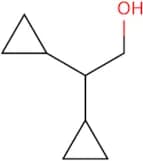
CAS:<p>Versatile small molecule scaffold</p>Fórmula:C9H14O2Pureza:Min. 95%Peso molecular:154.21 g/mol2,2-Dicyclopropylethan-1-ol
CAS:<p>Versatile small molecule scaffold</p>Fórmula:C8H14OPureza:Min. 95%Peso molecular:126.2 g/molBicyclo[4.1.0]heptan-7-ylmethanol
CAS:<p>Bicyclo[4.1.0]heptan-7-ylmethanol is a hydride inhibitor of lactate dehydrogenase, which is an enzyme that catalyzes the conversion of pyruvate to lactate in the liver. Bicyclo[4.1.0]heptan-7-ylmethanol has inhibitory properties against aldehyde dehydrogenase and alcohol dehydrogenase, which are enzymes involved in the metabolism of aldehydes and alcohols respectively. This substance also inhibits mitochondrial monoamine oxidase (MAO), which is an enzyme that breaks down neurotransmitters such as dopamine, norepinephrine, and serotonin. Bicyclo[4.1.0]heptan-7-ylmethanol can be used to inhibit the function of MAO in order to increase levels of these neurotransmitters in the brain, which may be helpful for conditions like depression or Parkinson</p>Fórmula:C8H14OPureza:Min. 95%Peso molecular:126.2 g/mol1-Azabicyclo[2.2.2]octane-3-carboxylic acid hydrochloride
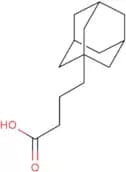
CAS:<p>Versatile small molecule scaffold</p>Fórmula:C8H14ClNO2Pureza:Min. 95%Peso molecular:191.65 g/mol4-(Adamantan-1-yl)butanoic acid
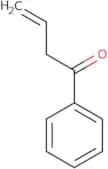
CAS:<p>Versatile small molecule scaffold</p>Fórmula:C14H22O2Pureza:Min. 95%Peso molecular:222.3 g/mol1-Phenylbut-3-en-1-one
CAS:<p>1-Phenylbut-3-en-1-one is an alkylthio group that is a polymer film with a diameter of 2.5 μm and has been shown to be effective as a choroidal neovascularization inhibitor. It can inhibit the development of new blood vessels in the eye by cross-linking the collagen fibers and inhibiting their growth. 1-Phenylbut-3-en-1-one has also been shown to have an inhibitory effect on inflammatory diseases, such as arthritis, and can be used for treatment of these conditions. The hydroxy group and alkynyl groups in this molecule are responsible for its antiinflammatory properties.</p>Fórmula:C10H10OPureza:Min. 95%Peso molecular:146.19 g/molSpiro[imidazolidine-4,1'-indane]-2,5-dione
CAS:<p>Versatile small molecule scaffold</p>Fórmula:C11H10N2O2Pureza:Min. 95%Peso molecular:202.21 g/mol10-Oxa-4-azatricyclo[5.2.1.0,2,6]dec-8-ene-3,5-dione
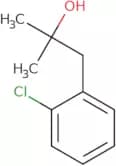
CAS:<p>Versatile small molecule scaffold</p>Fórmula:C8H7NO3Pureza:Min. 95%Peso molecular:165.15 g/mol1-(2-Chlorophenyl)-2-methylpropan-2-ol
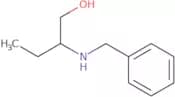
CAS:<p>Versatile small molecule scaffold</p>Fórmula:C10H13ClOPureza:Min. 95%Peso molecular:184.66 g/mol(2R)-2-(Benzylamino)butan-1-ol
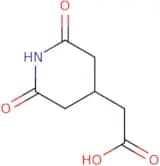
CAS:<p>Versatile small molecule scaffold</p>Fórmula:C11H17NOPureza:Min. 95%Peso molecular:179.26 g/mol(2,6-Dioxo-piperidin-4-yl)-acetic acid
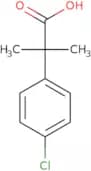
CAS:<p>Versatile small molecule scaffold</p>Fórmula:C7H9NO4Pureza:Min. 95%Peso molecular:171.15 g/mol4-Chloro-alpha,alpha-dimethylphenylacetic acid
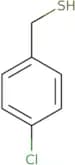
CAS:<p>Versatile small molecule scaffold</p>Fórmula:C10H11ClO2Pureza:Min. 95%Peso molecular:198.64 g/mol4-Chlorobenzyl Mercaptan
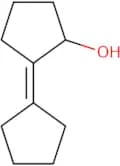
CAS:<p>4-Chlorobenzyl Mercaptan is a metastable, reactive chemical that is used in the synthesis of β-unsaturated ketones. It is also an intermediate for the synthesis of carbofuran, an acylation reaction product, and has been shown to be reactive with chloride ions. 4-Chlorobenzyl Mercaptan can be used in the treatment of infectious diseases, such as malaria and African trypanosomiasis (sleeping sickness). This compound has been shown to have anti-malarial activity in animals and has been found to inhibit the growth of HIV. 4-Chlorobenzyl Mercaptan reacts with fatty acids at high temperatures to form β-unsaturated ketones.</p>Fórmula:C7H7ClSPureza:Min. 95%Peso molecular:158.64 g/mol2-Cyclopentylidenecyclopentan-1-ol
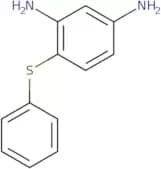
CAS:<p>2-Cyclopentylidenecyclopentan-1-ol is a cyclic ether with the chemical formula of C10H14O. It is a reactive, exploratory molecule that contains a hydrogenated, hydrochloric acid, and photolyzed dipole. This compound is a hydroxyl group with an epoxide that yields centrosymmetric molecules. 2-Cyclopentylidenecyclopentan-1-ol has been shown to have yields of 54%.</p>Fórmula:C10H16OPureza:Min. 95%Peso molecular:152.23 g/mol4-(Phenylsulfanyl)benzene-1,3-diamine
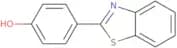
CAS:<p>Versatile small molecule scaffold</p>Fórmula:C12H12N2SPureza:Min. 95%Peso molecular:216.3 g/mol4-(1,3-Benzothiazol-2-yl)phenol
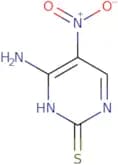
CAS:<p>4-(1,3-Benzothiazol-2-yl)phenol is an antibacterial agent that contains a methoxy group. It has been shown to have potent cytotoxicity against cancer cells and may be used for the treatment of cancer. 4-(1,3-Benzothiazol-2-yl)phenol is an oxidant that is able to form covalent bonds with proteins and other molecules through hydrogen bonding. The oxidation products of 4-(1,3-Benzothiazol-2-yl)phenol are also potent cytotoxins and inhibitors of bacterial growth. The molecular modeling studies on this compound indicate that it binds to DNA by intermolecular hydrogen bonding. This drug targets the enzyme thymidylate synthase, which catalyzes the conversion of dUMP to dTMP in the de novo pathway of DNA synthesis. 4-(1,3-Benzothiazol-2-yl)phenol has been</p>Fórmula:C13H9NOSPureza:Min. 95%Peso molecular:227.29 g/mol4-Amino-5-nitropyrimidine-2-thiol
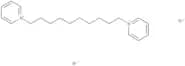
CAS:<p>Versatile small molecule scaffold</p>Fórmula:C4H4N4O2SPureza:Min. 95%Peso molecular:172.17 g/molDecamethylenebispyridinium dibromide
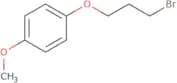
CAS:<p>Versatile small molecule scaffold</p>Fórmula:C20H30Br2N2Pureza:Min. 95%Peso molecular:458.3 g/mol1-(3-Bromo-propoxy)-4-methoxy-benzene
CAS:<p>Versatile small molecule scaffold</p>Fórmula:C10H13BrO2Pureza:Min. 95%Peso molecular:245.12 g/mol2-[(Methoxycarbonyl)amino]benzoic acid
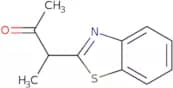
CAS:<p>Versatile small molecule scaffold</p>Fórmula:C9H9NO4Pureza:Min. 95%Peso molecular:195.17 g/mol3-(1,3-Benzothiazol-2-yl)butan-2-one
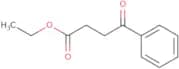
CAS:<p>Versatile small molecule scaffold</p>Fórmula:C11H11NOSPureza:Min. 95%Peso molecular:205.28 g/molEthyl 4-oxo-4-phenylbutyrate
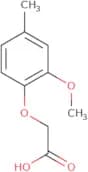
CAS:<p>Ethyl 4-oxo-4-phenylbutyrate is a butyrophenone that is used as an intermediate in organic synthesis. It is produced by the reaction of ethyl diazoacetate with peroxide, followed by the addition of propiophenone and regiospecific solvents. This reaction can be carried out using organocatalysts or without them. The optimised conditions for this type of reaction are: a temperature of 20 °C, an alkylation time of 1 hour, and a molecular weight range from 200 to 600 g/mol. Ethyl 4-oxo-4-phenylbutyrate has been shown to react with carbenes and stereospecific solvents in order to produce levulinate.</p>Fórmula:C12H14O3Pureza:Min. 95%Peso molecular:206.24 g/mol(2-Methoxy-4-methyl-phenoxy)-acetic acid
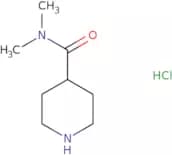
CAS:<p>Versatile small molecule scaffold</p>Fórmula:C10H12O4Pureza:Min. 95%Peso molecular:196.2 g/molPiperidine-4-carboxylic acid dimethylamide HCl
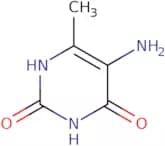
CAS:<p>Versatile small molecule scaffold</p>Fórmula:C8H16N2O·HClPureza:Min. 95%Peso molecular:192.69 g/mol5-Amino-6-methyl-pyrimidine-2,4-diol
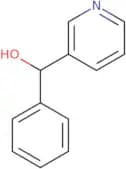
CAS:<p>5-Amino-6-methyl-pyrimidine-2,4-diol is a tautomer of 5-Aminouracil. It is an antiradical agent that has been shown to have hydroxyl radical scavenging activity in the presence of peroxide. The mechanism of the reaction involves the formation of a hydrated form of 5-amino-6-methylpyrimidine 2,4-diol, which reacts with the peroxide to form a stable product. The hydration step is required for this reaction to occur and may be rate limiting. The measurements obtained from nmr spectra are consistent with this mechanism. 5 aminouracil has been shown to inhibit growth and DNA synthesis in tumor cells in vitro.</p>Fórmula:C5H7N3O2Pureza:Min. 95%Peso molecular:141.13 g/molPhenyl(pyridin-3-yl)methanol
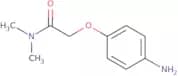
CAS:<p>Phenyl(pyridin-3-yl)methanol is an organic compound that can be used as a chemical reagent. It reacts with alcohols to form phenols and has been shown to selectively react with heteroarenes and amino groups. Phenyl(pyridin-3-yl)methanol is able to oxidize cyclic, aromatic, and diamino compounds using oxidants such as hydrogen peroxide or sodium hypochlorite. It has also been shown to be catalyzed by palladium in the oxidation of amines.</p>Fórmula:C12H11NOPureza:Min. 95%Peso molecular:185.23 g/mol2-(4-Aminophenoxy)-N,N-dimethylacetamide
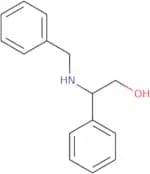
CAS:<p>Versatile small molecule scaffold</p>Fórmula:C10H14N2O2Pureza:Min. 95%Peso molecular:194.23 g/mol2-(Benzylamino)-2-phenylethanol
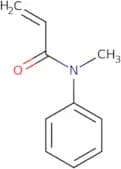
CAS:<p>Versatile small molecule scaffold</p>Fórmula:C15H17NOPureza:Min. 95%Peso molecular:227.3 g/molN-Methyl-N-phenylprop-2-enamide
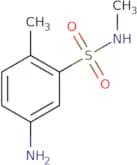
CAS:<p>N-Methyl-N-phenylprop-2-enamide is a perfluorinated compound with acrylate functional groups. It is a monomer that can react with other compounds to form polymers. It has been shown to be useful in the production of polyacrylates, which are used in industrial and medical applications. NMPEA has a bond cleavage reaction when it reacts with triphosgene, which can lead to the formation of acrylonitrile and chlorobenzene. This type of reaction also exhibits hydrogen bonding interactions and can be activated by an amide or an alcohol.</p>Fórmula:C10H11NOPureza:Min. 95%Peso molecular:161.2 g/mol5-Amino-N,2-dimethylbenzenesulfonamide
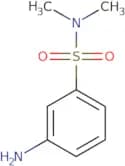
CAS:<p>Versatile small molecule scaffold</p>Fórmula:C8H12N2O2SPureza:Min. 95%Peso molecular:200.26 g/mol3-Amino-N,N-dimethyl-benzenesulfonamide
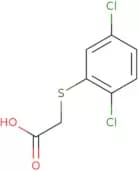
CAS:<p>Versatile small molecule scaffold</p>Fórmula:C8H12N2O2SPureza:Min. 95%Peso molecular:200.26 g/mol2,5-Dichlorophenylthioglycolic Acid
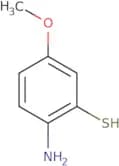
CAS:<p>2,5-Dichlorophenylthioglycolic Acid is an organic compound that is used as a reagent for the synthesis of thiourea. This product can be used in the production of high yield of monochloroacetic acid and sulfuric acid. 2,5-Dichlorophenylthioglycolic Acid is used in the synthesis of sodium salt. It has been shown to be an environmental pollutant and is toxic to aquatic life. The main route of exposure to this compound is through inhalation or ingestion. 2,5-Dichlorophenylthioglycolic Acid may also cause irritation on skin contact and eye contact.</p>Fórmula:C8H6Cl2O2SPureza:Min. 95%Peso molecular:237.09 g/mol2-Amino-5-methoxythiophenol
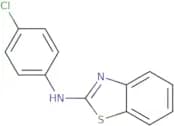
CAS:<p>2-Amino-5-methoxythiophenol is an organic compound that is used as a fluorescent probe for the measurement of mitochondrial membrane potential. The optimal reaction conditions are 3:1 methanol to water, with a reaction time of 10 minutes at room temperature. The demethylation of 2-amino-5-methoxythiophenol yields 3-mercaptopropionic acid, which can be used as a synthetic intermediate in other organic synthesis reactions. It has been found that the ring opening of 2-amino-5-methoxythiophenol occurs through oxidation and the formation of radicals. This reaction mechanism is supported by the photophysical properties observed in its fluorescence spectrum.</p>Fórmula:C7H9NOSPureza:Min. 95%Peso molecular:155.22 g/molN-(4-Chlorophenyl)-1,3-benzothiazol-2-amine
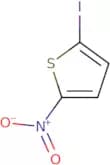
CAS:<p>Versatile small molecule scaffold</p>Fórmula:C13H9ClN2SPureza:Min. 95%Peso molecular:260.74 g/mol2-Iodo-5-nitrothiophene
CAS:<p>2-Iodo-5-nitrothiophene is a chloride that is used in the synthesis of other compounds. It reacts with phosphorus pentachloride to form 2-chloro-5-nitrothiophene, which can be converted to 2-iodo-5-nitrothiophene by treatment with hydrochloric acid and nitrobenzene. The molecule has a proton on one end and a nitro group on the other. This compound is soluble in dimethylformamide and hydrogen bond to itself. 2-Iodo-5-nitrothiophene can be synthesized using palladium catalysis, which is an advanced technique for coupling organic molecules. The optical properties of this compound have been studied through transient absorption spectroscopy and photocleavage techniques.</p>Fórmula:C4H2INO2SPureza:Min. 95%Peso molecular:255.04 g/mol2-[2-(Naphthalen-1-yl)acetamido]acetic acid
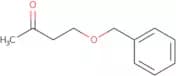
CAS:<p>Versatile small molecule scaffold</p>Fórmula:C14H13NO3Pureza:Min. 95%Peso molecular:243.26 g/mol4-(Benzyloxy)-2-butanone
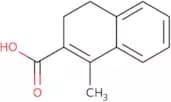
CAS:<p>4-(Benzyloxy)-2-butanone is a solvent that is used in the laboratory environment. It has been used as an extraction solvent for microextraction and has been used in various reactions such as alkylation and tetrahydrofuran synthesis. 4-(Benzyloxy)-2-butanone is also often used in analytical chemistry to analyse solids and liquids. In addition, it can be used as a catalyst for lipase activity, which leads to the hydrolysis of fats. This chemical has also been shown to have anti-coleoptera properties.</p>Fórmula:C11H14O2Pureza:Min. 95%Peso molecular:178.23 g/mol1-Methyl-3,4-dihydronaphthalene-2-carboxylic acid
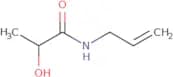
CAS:<p>Versatile small molecule scaffold</p>Fórmula:C12H12O2Pureza:Min. 95%Peso molecular:188.22 g/mol2-Hydroxy-N-(prop-2-en-1-yl)propanamide
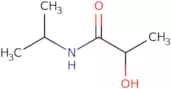
CAS:<p>Versatile small molecule scaffold</p>Fórmula:C6H11NO2Pureza:Min. 95%Peso molecular:129.16 g/mol2-Hydroxy-N-(propan-2-yl)propanamide
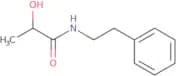
CAS:<p>Versatile small molecule scaffold</p>Fórmula:C6H13NO2Pureza:Min. 95%Peso molecular:131.17 g/mol2-Hydroxy-N-(2-phenylethyl)propanamide
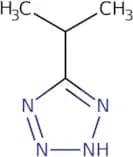
CAS:<p>Versatile small molecule scaffold</p>Fórmula:C11H15NO2Pureza:Min. 95%Peso molecular:193.24 g/mol5-Isopropyl-1H-tetrazole
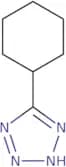
CAS:<p>Versatile small molecule scaffold</p>Fórmula:C4H8N4Pureza:Min. 95%Peso molecular:112.13 g/mol5-Cyclohexyl-1H-1,2,3,4-tetrazole
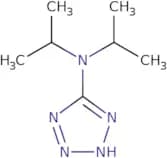
CAS:<p>Versatile small molecule scaffold</p>Fórmula:C7H12N4Pureza:Min. 95%Peso molecular:152.2 g/molN,N-Bis(propan-2-yl)-2H-1,2,3,4-tetrazol-5-amine
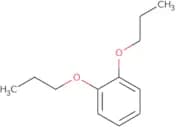
CAS:<p>Versatile small molecule scaffold</p>Fórmula:C7H15N5Pureza:Min. 95%Peso molecular:169.23 g/mol1,2-Dipropoxybenzene
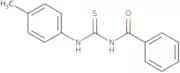
CAS:<p>1,2-Dipropoxybenzene is a colorless liquid with a pleasant odor. It is soluble in water and insoluble in alcohol. The compound has been shown to inhibit the growth of bacteria such as Bacillus subtilis and Escherichia coli at low concentrations. This compound also has strong interactions with other compounds, such as its reaction with 1,4-dichlorobenzene to form 2,4-dichlorobenzophenone. 1,2-Dipropoxybenzene is biodegradable and has been shown to have a low toxicity for both aquatic organisms and mammals. This compound crystallizes from hot water or ethanol solution at room temperature.br>br><br>The structure of this molecule includes an aromatic ring that contains two benzene rings fused together with one oxygen atom between them. The three hydrogens on the benzene ring are not involved in any hydrogen bonding interactions; instead they are passively protonated by</p>Fórmula:C12H18O2Pureza:Min. 95%Peso molecular:194.27 g/mol3-Benzoyl-1-(4-methylphenyl)thiourea
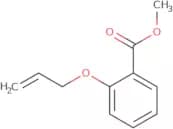
CAS:<p>Versatile small molecule scaffold</p>Fórmula:C15H14N2OSPureza:Min. 95%Peso molecular:270.4 g/molMethyl 2-(prop-2-en-1-yloxy)benzoate
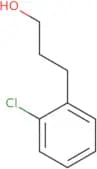
CAS:<p>Methyl 2-(prop-2-en-1-yloxy)benzoate is a magnesium ion recycler that is used to cleave bonds in organometallic compounds. It has been shown to catalyze bond cleavage of allyl ethers with magnesium ions and electrochemically generate propylene oxide from propylene. Methyl 2-(prop-2-en-1-yloxy)benzoate can be used as an alternative to the traditional ferrocene/triethylamine system for electrogenerated chemoselective reactions.</p>Fórmula:C11H12O3Pureza:Min. 95%Peso molecular:192.21 g/mol3-(2-Chlorophenyl)propan-1-ol
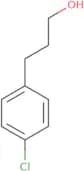
CAS:Versatile small molecule scaffoldFórmula:C9H11ClOPureza:Min. 95%Peso molecular:170.64 g/mol3-(4'-Chlorophenyl)propanol
CAS:<p>3-(4'-Chlorophenyl)propanol is a synthetic chemical that is used as a raw material for the production of hydrobromic acid, hydrobromic, and sulfuric acid. This chemical is also used in the fields of agrochemicals, pharmaceuticals, and high yield. 3-(4'-Chlorophenyl)propanol is synthesized by reacting phenol with chloroacetic acid in the presence of sulfuric acid. The reaction starts with an electrophilic aromatic substitution at the para position. The product is then hydrogenated to give the desired product.</p>Fórmula:C9H11ClOPureza:Min. 95%Peso molecular:170.64 g/mol2-(3-Bromo-2-oxopropyl)isoindoline-1,3-dione
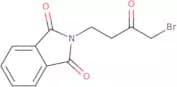
CAS:<p>2-(3-Bromo-2-oxopropyl)isoindoline-1,3-dione is a methyl ester of 2-(3-bromo-2-oxopropyl)isoindoline. It is also known as 2-(2,6-dibromohexyl)-isoindoline. This compound has been used for the bromination of 1,4 dioxane and the synthesis of methyl 4-nitrobenzoate. The acid hydrochloride form has been used in the synthesis of 2-(3,5-dibromophenyl)isoindoline.</p>Fórmula:C11H8BrNO3Pureza:Min. 95%Peso molecular:282.09 g/molN-Methyl-1H-pyrazolo[3,4-d]pyrimidin-4-amine
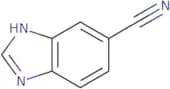
CAS:<p>Versatile small molecule scaffold</p>Fórmula:C6H7N5Pureza:Min. 95%Peso molecular:149.15 g/mol1H-Benzimidazole-5-carbonitrile
CAS:<p>1H-Benzimidazole-5-carbonitrile is a product that belongs to the group of aminopyridine derivatives and has potent activity in vitro. It can be orally administered and has been shown to have pharmacological properties. 1H-Benzimidazole-5-carbonitrile has been shown to inhibit the biosynthesis of prostaglandin E2 by blocking the conversion of arachidonic acid into PGH2 by inhibiting cyclooxygenase, which is an enzyme necessary for the synthesis of prostaglandins. This drug also inhibits platelet aggregation, which is caused by the release of thromboxane A2 from platelets. 1H-Benzimidazole-5-carbonitrile binds to imidazole rings in proteins and prevents them from forming hydrogen bonds with other amino acids, which disrupts protein folding. X-ray crystallographic studies have been used to optimize this drug for oral administration and</p>Fórmula:C8H5N3Pureza:Min. 95%Peso molecular:143.15 g/molMethyl 11-Bromoundecanoate
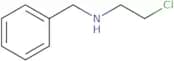
CAS:<p>Methyl 11-Bromoundecanoate is a dodecyl n-oxide with a zwitterionic character. It has been shown to be an inhibitor of corrosion in some organic solvents, such as acetone and methylene chloride. The inhibitory concentration values are low, but the inhibitory activities are high. Methyl 11-Bromoundecanoate is soluble in water and has an amine functional group. This compound is also an amide and has a fatty acid chain of 12 carbon atoms. It can be used as a corrosion inhibitor for metals that are sensitive to water or organic solvents, such as aluminum, copper, and zinc.</p>Fórmula:C12H23BrO2Pureza:Min. 95%Peso molecular:279.22 g/molN-Benzyl-N-(2-chloroethyl)amine hydrochloride
CAS:<p>N-Benzyl-N-(2-chloroethyl)amine hydrochloride is an aniline derivative that is catalytically converted to an isocyanate. It has been used as a chiral building block for the synthesis of analogues and can be used in high yield as a regiospecific sulfone formation. The chlorosulfonyl chloride is generated in situ from triethylamine and chlorosulfonyl isocyanate, which leads to cyclic sulfones.</p>Fórmula:C9H13Cl2NPureza:Min. 95%Peso molecular:206.11 g/mol6-Chloro-1-phenyl-1H,4H,5H-pyrazolo[3,4-d]pyrimidin-4-one
CAS:<p>Versatile small molecule scaffold</p>Fórmula:C11H7ClN4OPureza:Min. 95%Peso molecular:246.65 g/mol1-(Methylamino)cyclohexanecarbonitrile
CAS:<p>Versatile small molecule scaffold</p>Fórmula:C8H14N2Pureza:Min. 95%Peso molecular:138.21 g/mol4-Morpholin-4-yl-phenol
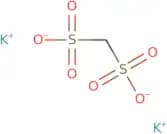
CAS:<p>4-Morpholin-4-yl-phenol is a molecule that belongs to the class of organic compounds called morpholines. It is an intermediate in the formation of 4-morpholinoaniline. In this reaction, a nucleophilic oxygen atom (OH) reacts with an electrophilic nitrogen atom (N) and forms a tetrahedral intermediate. This intermediate then undergoes dimerization, which results in the loss of water molecules and produces a double bond between carbon atoms 3 and 4. The product of this reaction is 4-morpholin-4-yl phenol. <br>The kinetics of this reaction are first order with respect to both reactants. The rate constant for this reaction is 0.0029 mol/L/s at 25°C and can be calculated from the equation:<br>k = A[R]*[S]/(R*S)<br>where A is the concentration of R and S is the concentration of S</p>Fórmula:C10H13NO2Pureza:Min. 95%Peso molecular:179.22 g/molMethanedisulfonic acid dipotassium salt
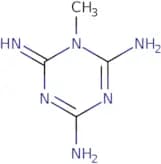
CAS:<p>Methanedisulfonic acid dipotassium salt (MSAD) is a metal chelator that is used for the treatment of Wilson's disease. It binds to copper ions in the body and prevents them from being absorbed by the body. MSAD can be used as a diagnostic agent to measure copper levels in patients with Wilson's disease. It has been shown to be effective in stabilizing motoneurons, preventing neuronal death due to insufficient oxygen supply. MSAD also has an anti-inflammatory effect, which may be due to its ability to inhibit prostaglandin synthesis. This compound is also used as a precursor for carbamidine, which is an activating agent for amines and thiols.</p>Fórmula:CH2K2O6S2Pureza:Min. 95%Peso molecular:252.35 g/mol6-Imino-1-methyl-1,6-dihydro-1,3,5-triazine-2,4-diamine
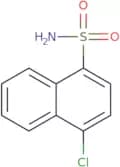
CAS:<p>Versatile small molecule scaffold</p>Fórmula:C4H8N6Pureza:Min. 95%Peso molecular:140.15 g/mol4-Chloronaphthalene-1-sulfonamide
CAS:<p>Versatile small molecule scaffold</p>Fórmula:C10H8ClNO2SPureza:Min. 95%Peso molecular:241.69 g/mol3-{[2-(Hydrazinecarbonyl)ethyl]sulfanyl}propanehydrazide
CAS:<p>Versatile small molecule scaffold</p>Fórmula:C6H14N4O2SPureza:Min. 95%Peso molecular:206.27 g/mol3-[(2-Hydroxyphenyl)formamido]propanoic acid
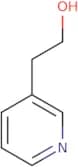
CAS:<p>Versatile small molecule scaffold</p>Fórmula:C10H11NO4Pureza:Min. 95%Peso molecular:209.2 g/mol3-(2-hydroxyethyl)pyridine
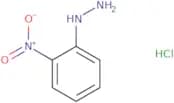
CAS:<p>3-(2-Hydroxyethyl)pyridine is a pyridine derivative that has been shown to have anti-inflammatory properties. It inhibits the production of prostaglandins, which are important mediators of inflammation. 3-(2-Hydroxyethyl)pyridine also has antitumor and antileukemic activity, as well as being toxic.</p>Fórmula:C7H9NOPureza:Min. 95%Peso molecular:123.15 g/mol2-Nitrophenylhydrazine Hydrochloride
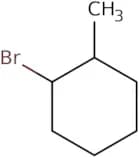
CAS:<p>2-Nitrophenylhydrazine hydrochloride is a low-dose group of nonsteroidal anti-inflammatory drugs (NSAIDs) that is used as a pharmaceutical preparation for the treatment of pain and inflammation. This drug may be used in conjunction with other NSAIDs such as ibuprofen, naproxen, or diclofenac to treat more severe pain. NSAIDs inhibit the cyclooxygenase enzyme that produces prostaglandins, which are mediators of pain and inflammation. NSAIDs can also inhibit the production of certain types of cells found in the stomach lining, which can lead to ulcers. 2-Nitrophenylhydrazine hydrochloride has been shown to inhibit the formation of acid when combined with hydrochloric acid and sodium salts. It also exhibits hydrogen bonding properties.</p>Fórmula:C6H7N3O2·HClPureza:Min. 95%Peso molecular:189.6 g/mol1-Bromo-2-methylcyclohexane
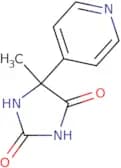
CAS:<p>Versatile small molecule scaffold</p>Fórmula:C7H13BrPureza:Min. 95%Peso molecular:177.08 g/mol5-Methyl-5-(pyridin-4-yl)imidazolidine-2,4-dione
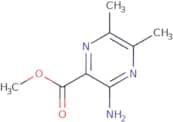
CAS:<p>5-Methyl-5-(pyridin-4-yl)imidazolidine-2,4-dione is a compound that is structurally related to cisplatin. It has antibacterial activity and has been found to inhibit the growth of Escherichia coli. 5-Methyl-5-(pyridin-4-yl)imidazolidine-2,4-dione has been shown to be effective against gram positive bacteria such as Staphylococcus aureus and Streptococcus pneumoniae, but not against gram negative bacteria such as Pseudomonas aeruginosa. The molecule is an inhibitor with a broad spectrum of action. It binds to the active site of bacterial DNA gyrase, which is an enzyme that maintains the integrity of bacterial DNA by preventing supercoiling. This binding prevents the formation of an antibiotic resistant complex with the enzyme cell wall synthesis that is required for cell wall biosynthesis</p>Fórmula:C9H9N3O2Pureza:Min. 95%Peso molecular:191.19 g/molMethyl 3-amino-5,6-dimethylpyrazine-2-carboxylate
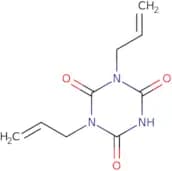
CAS:<p>Versatile small molecule scaffold</p>Fórmula:C8H11N3O2Pureza:Min. 95%Peso molecular:181.19 g/molDiallyl Isocyanurate
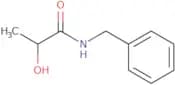
CAS:<p>Diallyl Isocyanurate is an aliphatic hydrocarbon and a cross-linking agent. It reacts with amines to form amides, which are the backbone of many polymers and plastics. This chemical has strong hydrogen bonding properties, making it suitable for use as a sealant. Diallyl Isocyanurate also has hydroxyl groups that can react with other compounds to form adducts or polyclonal antibodies. It is chemically stable and has a high boiling point, making it useful in radiation as a sealant.</p>Fórmula:C9H11N3O3Pureza:Min. 95%Peso molecular:209.21 g/molN-Benzyl-2-hydroxypropanamide
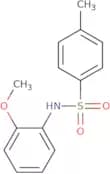
CAS:<p>N-Benzyl-2-hydroxypropanamide is an amide that is a carboxylic acid and an unsaturated compound. It has a chiral center, which can be either erythro or threo depending on the configuration of the substituents. N-Benzyl-2-hydroxypropanamide is a diastereomer of 2-(benzyloxy)propanoic acid and can be obtained by alkylation of 2-(benzyloxy)ethanol with chloroacetic acid followed by hydrolysis. This compound can exist in mixtures of enantiomers due to its stereochemistry.</p>Fórmula:C10H13NO2Pureza:Min. 95%Peso molecular:179.22 g/molN-(2-Methoxyphenyl)-4-methylbenzene-1-sulfonamide
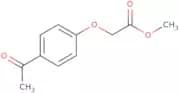
CAS:<p>N-(2-Methoxyphenyl)-4-methylbenzene-1-sulfonamide is a drug that has been shown to be effective in treating nerve injury. It binds to extracellular nicotinic acetylcholine receptors and blocks the neurotransmitter acetylcholine from binding to its receptor, preventing it from stimulating the postsynaptic neuron. N-(2-Methoxyphenyl)-4-methylbenzene-1-sulfonamide also prevents the release of nitric oxide, which is a neurotransmitter that stimulates the postsynaptic neuron. The dihedral angles of this compound are close to those found in natural products such as nicotine, which possess similar effects on nerve injury. This drug has been shown to be successful in treating cerebral injuries, but not peripheral ones.END></p>Fórmula:C14H15NO3SPureza:Min. 95%Peso molecular:277.34 g/molMethyl 2-(4-acetylphenoxy)acetate
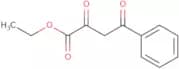
CAS:<p>Versatile small molecule scaffold</p>Fórmula:C11H12O4Pureza:Min. 95%Peso molecular:208.21 g/molEthyl 4-phenyl-2,4-dioxobutanoate
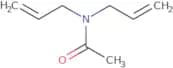
CAS:<p>Ethyl 4-phenyl-2,4-dioxobutanoate is a hydrogenated derivative of the pyrazole. It has been shown to have antimicrobial activity against bacteria and fungi. Ethyl 4-phenyl-2,4-dioxobutanoate has an active methylene group that is susceptible to nucleophilic attack by amines. This chemical also has fluorescence properties that may be used in pharmaceutical preparations. The carbonyl group on the ethyl 4-phenyl-2,4-dioxobutanoate molecule can undergo reactions with nucleophiles such as malonic acid or hydroxy groups found on other molecules.</p>Fórmula:C12H12O4Pureza:Min. 95%Peso molecular:220.22 g/molN,N-Bis(prop-2-en-1-yl)acetamide
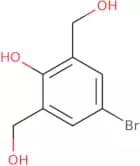
CAS:<p>N,N-Bis(prop-2-en-1-yl)acetamide is a water-soluble polymer that can be used in the production of polymers. It reacts with oxazoline to form a salt that can be crystallized. This polymer also interacts with hydrochloric acid to form a precipitate and is soluble in water. N,N-Bis(prop-2-en-1-yl)acetamide has been shown to be reactive with sodium as well as water soluble polymers such as tetrachloride.</p>Fórmula:C8H13NOPureza:Min. 95%Peso molecular:139.19 g/mol4-Bromo-2,6-bis-hydroxymethyl-phenol
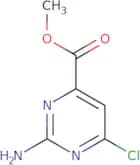
CAS:4-Bromo-2,6-bis-hydroxymethylphenol is a molecule with an exothermic reaction. This compound has been used to measure the concentration of fluoride ions in water. The anion is colorless and has a constant pH level of 7. It reacts with phenolic compounds to form a yellow or red solution that can be measured using a colorimetric method. 4-Bromo-2,6-bis-hydroxymethylphenol is fluorescent and will emit light when exposed to electromagnetic radiation with wavelengths between 300 and 400 nanometers.Fórmula:C8H9BrO3Pureza:Min. 95%Peso molecular:233.06 g/molMethyl 2-amino-6-chloropyrimidine-4-carboxylate
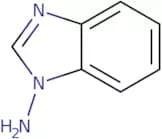
CAS:<p>Versatile small molecule scaffold</p>Fórmula:C6H6ClN3O2Pureza:Min. 95%Peso molecular:187.58 g/mol1H-Benzimidazol-1-amine
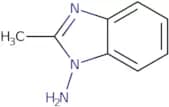
CAS:<p>1H-Benzimidazol-1-amine is a chemical compound that is found in the alkaloid family. It has been shown to have a number of different polymorphic forms and can be found as an anion, protonated form or as a neutral molecule. 1H-Benzimidazol-1-amine has been shown to be an intermediate in the synthesis of piperazine and morpholine. 1H-Benzimidazol-1-amine is also used as an intermediate for the production of picrate, pyrrole, and chloride.</p>Fórmula:C7H7N3Pureza:Min. 95%Peso molecular:133.15 g/mol2-Methyl-1H-1,3-benzodiazol-1-amine
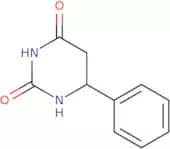
CAS:<p>Versatile small molecule scaffold</p>Fórmula:C8H9N3Pureza:Min. 95%Peso molecular:147.18 g/mol6-Phenyl-1,3-diazinane-2,4-dione
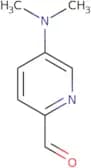
CAS:<p>6-Phenyl-1,3-diazinane-2,4-dione is a compound that belongs to the class of diazo compounds. It has an axial conformation as well as a methyl ester group. This compound is a β-amino acid with an electronegativity of 1.2 and a catalysis rate constant of 2×10 M/s. 6-Phenyl-1,3-diazinane-2,4-dione is also an inhibitor of carboxy reductase and dihydroorotic dehydrogenase.</p>Fórmula:C10H10N2O2Pureza:Min. 95%Peso molecular:190.2 g/mol5-(Dimethylamino)pyridine-2-carbaldehyde
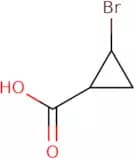
CAS:<p>Versatile small molecule scaffold</p>Fórmula:C8H10N2OPureza:Min. 95%Peso molecular:150.18 g/molrac-(1R,2R)-2-Bromocyclopropane-1-carboxylic acid
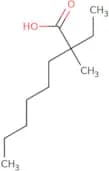
CAS:Versatile small molecule scaffoldFórmula:C4H5BrO2Pureza:Min. 95%Peso molecular:164.99 g/mol2-Ethyl-2-methyloctanoic acid
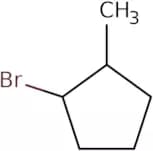
CAS:<p>Versatile small molecule scaffold</p>Fórmula:C11H22O2Pureza:Min. 95%Peso molecular:186.29 g/mol1-Bromo-2-methylcyclopentane
CAS:<p>Versatile small molecule scaffold</p>Fórmula:C6H11BrPureza:Min. 95%Cor e Forma:Clear LiquidPeso molecular:163.06 g/mol(2R)-2-{[(tert-Butoxy)carbonyl]amino}-3-{[(tert-butoxy)carbonyl]sulfanyl}propanoic acid
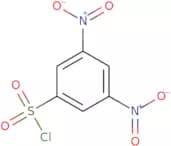
CAS:Versatile small molecule scaffoldFórmula:C13H23NO6SPureza:Min. 95%Peso molecular:321.39 g/mol3,5-Dinitrobenzene-1-sulfonyl chloride
CAS:3,5-Dinitrobenzenesulfonyl chloride is a sulfonyl chloride that is used as a precursor in the synthesis of dendrimers. 3,5-Dinitrobenzene-1-sulfonyl chloride has been used to synthesize dendrimers with sulfonate groups on their surface. The sulfonate groups can be used to attach other molecules to the dendrimer and provide functionality. This compound can also be used to form tetranitrochloride by reacting it with sodium chlorite in aqueous solution.Fórmula:C6H3ClN2O6SPureza:Min. 95%Peso molecular:266.62 g/mol5-Chloro-1,3-dimethyl-1,2,3,4-tetrahydropyrimidine-2,4-dione
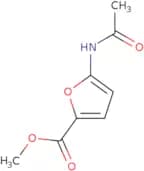
CAS:<p>5-Chloro-1,3-dimethyl-1,2,3,4-tetrahydropyrimidine-2,4-dione is a dipole that has a geometry of an equilateral triangle with a dihedral angle of 120°. It has two hydrogen bonds and one intermolecular hydrogen bond. The molecule is photodimerized in low concentration and can form dimers by stacking interactions at low concentrations. This compound also interacts with uracils and has been shown to be stable when exposed to light. 5-Chloro-1,3-dimethylpyrimidine-2,4-dione has been shown to have interactions with the ftir spectra of other compounds.</p>Fórmula:C6H7ClN2O2Pureza:Min. 95%Peso molecular:174.58 g/molMethyl 5-acetamidofuran-2-carboxylate
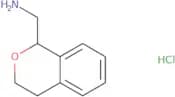
CAS:Versatile small molecule scaffoldFórmula:C8H9NO4Pureza:Min. 95%Peso molecular:183.16 g/mol(3,4-Dihydro-1H-2-benzopyran-1-yl)methanamine hydrochloride
CAS:<p>Versatile small molecule scaffold</p>Fórmula:C10H14ClNOPureza:Min. 95%Peso molecular:199.68 g/mol[(3,4-Dihydro-1H-2-benzopyran-1-yl)methyl](methyl)amine hydrochloride
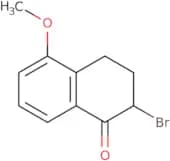
CAS:<p>Versatile small molecule scaffold</p>Fórmula:C11H16ClNOPureza:Min. 95%Peso molecular:213.7 g/mol2-Bromo-5-methoxy-3,4-dihydronaphthalen-1(2H)-one
CAS:<p>Versatile small molecule scaffold</p>Fórmula:C11H11BrO2Pureza:Min. 95%Peso molecular:255.11 g/mol(1-tert-Butylazetidin-2-yl)methanol
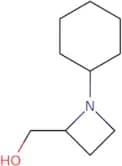
CAS:<p>Versatile small molecule scaffold</p>Fórmula:C8H17NOPureza:Min. 95%Peso molecular:143.23 g/mol(1-Cyclohexylazetidin-2-yl)methanol
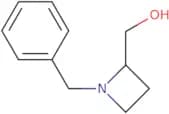
CAS:<p>Versatile small molecule scaffold</p>Fórmula:C10H19NOPureza:Min. 95%Peso molecular:169.26 g/mol(1-Benzylazetidin-2-yl)methanol
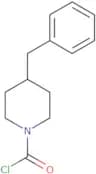
CAS:<p>Versatile small molecule scaffold</p>Fórmula:C11H15NOPureza:Min. 95%Peso molecular:177.24 g/mol4-Benzylpiperidine-1-carbonyl chloride
CAS:Versatile small molecule scaffoldFórmula:C13H16ClNOPureza:Min. 95%Peso molecular:237.72 g/mol3-Methyl-2-oxo-2,3-dihydro-1,3-benzothiazole-6-sulfonamide
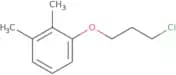
CAS:Versatile small molecule scaffoldFórmula:C8H8N2O3S2Pureza:Min. 95%Peso molecular:244.3 g/mol1-(3-Chloropropoxy)-2,3-dimethylbenzene
CAS:<p>Versatile small molecule scaffold</p>Fórmula:C11H15ClOPureza:Min. 95%Peso molecular:198.69 g/mol2',3'-Dihydro-1'H-spiro[cyclopropane-1,4'-isoquinoline]-1',3'-dione
CAS:<p>Versatile small molecule scaffold</p>Fórmula:C11H9NO2Pureza:Min. 95%Peso molecular:187.19 g/mol4-Chloro-2-methylfuro[3,2-c]pyridine
CAS:<p>Versatile small molecule scaffold</p>Fórmula:C8H6ClNOPureza:Min. 95%Peso molecular:167.59 g/mol3-Ethyl-1-methyl-4,5-dihydro-1H-pyrazol-5-one
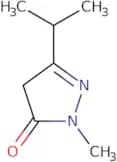
CAS:Versatile small molecule scaffoldFórmula:C6H10N2OPureza:Min. 95%Peso molecular:126.16 g/mol1-Methyl-3-(propan-2-yl)-4,5-dihydro-1H-pyrazol-5-one
CAS:Versatile small molecule scaffoldFórmula:C7H12N2OPureza:Min. 95%Peso molecular:140.18 g/mol5-Chloro-1-ethyl-3-methyl-1H-pyrazole
CAS:Versatile small molecule scaffoldFórmula:C6H9ClN2Pureza:Min. 95%Peso molecular:144.6 g/mol1-(chloromethyl)pyrrolidin-2-one
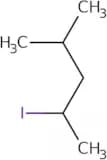
CAS:<p>1-(Chloromethyl)pyrrolidin-2-one is a synthetic molecule that is used as an ion exchanger. It has been shown to be effective for the removal of chlorides, phosphates, and sulfates from solutions. This compound can also be used as a reagent in organic synthesis and can be used to prepare other compounds with higher molecular weights. 1-(Chloromethyl)pyrrolidin-2-one has been shown to interact with silicon and form a number of stable complexes. This molecule is labile and undergoes ring opening under acidic conditions to release chloride ions. X-ray diffraction studies have shown that 1-(chloromethyl)pyrrolidin-2-one adopts a planar conformation in the solid state.</p>Fórmula:C5H8ClNOPureza:Min. 95%Peso molecular:133.58 g/mol2-Iodo-4-methylpentane
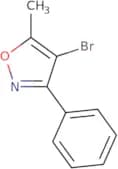
CAS:<p>Versatile small molecule scaffold</p>Fórmula:C6H13IPureza:Min. 95%Peso molecular:212.07 g/mol4-Bromo-5-methyl-3-phenyl-1,2-oxazole
CAS:<p>Versatile small molecule scaffold</p>Fórmula:C10H8BrNOPureza:Min. 95%Peso molecular:238.08 g/molSpiro[4.4]non-3-en-2-one
CAS:<p>Versatile small molecule scaffold</p>Fórmula:C9H12OPureza:Min. 95%Peso molecular:136.19 g/mol2-[(Dimethylamino)(methylsulfanyl)methylidene]propanedinitrile
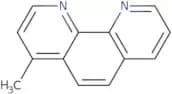
CAS:<p>Versatile small molecule scaffold</p>Fórmula:C7H9N3SPureza:Min. 95%Peso molecular:167.23 g/mol4-Methyl-1,10-phenanthroline
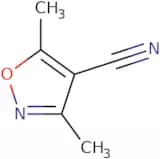
CAS:<p>4-Methyl-1,10-phenanthroline (4MP) is a functional molecule that has been extensively studied for its use as an anticancer agent. 4MP is a racemic mixture of 4-methyl and 1,10-phenanthroline enantiomers. It has shown anticancer activity in the L1210 murine leukemia model and cisplatin-resistant human ovarian cancer cells. The binding constants of 4MP to DNA depend on the orientation of the molecule with respect to the DNA helix. The cis configuration binds more tightly than the trans configuration, which may be due to steric hindrance. 4MP inhibits luminescence by interacting with micelles and forming aggregates in water.</p>Fórmula:C13H10N2Pureza:Min. 95%Peso molecular:194.23 g/mol3,5-Dimethylisoxazole-4-carbonitrile
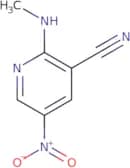
CAS:<p>Versatile small molecule scaffold</p>Fórmula:C6H6N2OPureza:Min. 95%Peso molecular:122.12 g/mol2-(Methylamino)-5-nitropyridine-3-carbonitrile
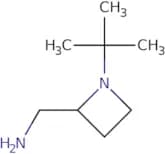
CAS:<p>Versatile small molecule scaffold</p>Fórmula:C7H6N4O2Pureza:Min. 95%Peso molecular:178.15 g/mol(1-tert-Butylazetidin-2-yl)methanamine
CAS:<p>Versatile small molecule scaffold</p>Fórmula:C8H18N2Pureza:Min. 95%Peso molecular:142.24 g/mol4-Bromo-N-(pyridin-2-ylmethyl)aniline
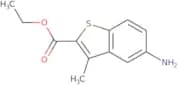
CAS:<p>Versatile small molecule scaffold</p>Fórmula:C12H11BrN2Pureza:Min. 95%Peso molecular:263.13 g/molEthyl 5-amino-3-methyl-1-benzothiophene-2-carboxylate
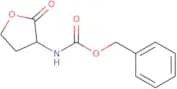
CAS:<p>Ethyl 5-amino-3-methyl-1-benzothiophene-2-carboxylate is a drug that inhibits the activity of 2,4-dichlorobenzoic acid, an enzyme involved in energy metabolism. It has been shown to bind to and inhibit a number of other enzymes, including carboxylase, decarboxylase, and transferase. This drug is used as an antimicrobial agent against pandemic influenza and other respiratory infections. The drug binds to the carboxylate group of the enzyme's active site and coordinates with the metal ion via its benzoate moiety. The coumarin derivative may be responsible for the observed inhibition by binding to a different site on the enzyme or by interacting with a second molecule of ethyl 5-amino-3-methyl-1-benzothiophene-2-carboxylate.</p>Fórmula:C12H13NO2SPureza:Min. 95%Peso molecular:235.3 g/molBenzyl N-(2-oxooxolan-3-yl)carbamate
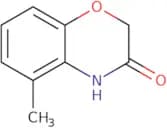
CAS:<p>Versatile small molecule scaffold</p>Fórmula:C12H13NO4Pureza:Min. 95%Peso molecular:235.24 g/mol5-Methyl-2H-1,4-benzoxazin-3(4H)-one
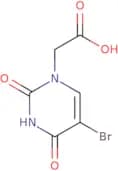
CAS:<p>Versatile small molecule scaffold</p>Fórmula:C9H9NO2Pureza:Min. 95%Peso molecular:163.18 g/mol2-(5-Bromo-2,4-dioxo-1,2,3,4-tetrahydropyrimidin-1-yl)acetic acid
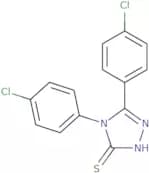
CAS:<p>Versatile small molecule scaffold</p>Fórmula:C6H5BrN2O4Pureza:Min. 95%Peso molecular:249.02 g/molBis(4-chlorophenyl)-4H-1,2,4-triazole-3-thiol
CAS:<p>Versatile small molecule scaffold</p>Fórmula:C14H9Cl2N3SPureza:Min. 95%Peso molecular:322.2 g/mol1-(2,6-Dimethoxy-4-methylphenyl)ethan-1-one
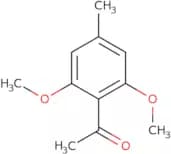
CAS:<p>Versatile small molecule scaffold</p>Fórmula:C11H14O3Pureza:Min. 95%Peso molecular:194.23 g/mol2-Amino-3-cyano-4-phenyl-6-chloroquinoline
CAS:<p>Versatile small molecule scaffold</p>Fórmula:C16H10ClN3Pureza:Min. 95%Peso molecular:279.72 g/mol2-Aminoquinoline-3-carboxylic acid
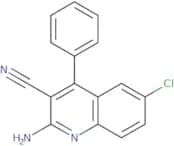
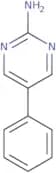
CAS:<p>2-Aminoquinoline-3-carboxylic acid is a heterocyclic compound that contains a carboxylic group and a cyano group. It is used in research as a trackable cation. 2-Aminoquinoline-3-carboxylic acid has been shown to inhibit the binding of chloride ions to the cytoplasmic membrane, which decreases the permeability of the membrane to chloride ions, thus inhibiting its transport into cells. This compound also inhibits nitric oxide synthase and exhibits anti-inflammatory effects by suppressing cytokine release from macrophages. 2-Aminoquinoline-3-carboxylic acid may be synthesized from 2 amino quinolines and chlorides.</p>Fórmula:C10H8N2O2Pureza:Min. 95%Peso molecular:188.18 g/mol5-Phenylpyrimidin-2-amine
CAS:<p>5-Phenylpyrimidin-2-amine is a synthetic chemical that is an intermediate in the production of other chemicals. It can be used to produce sulfate, nucleophilic amines, or active methylene compounds. 5-Phenylpyrimidin-2-amine can also be used as a starting material for the production of triethyloxonium chloride and 13C NMR spectroscopy reagents. 5-Phenylpyrimidin-2-amine has a nucleophilic nature and is capable of reacting with a variety of functional groups. This chemical can undergo demethylation reactions with sulfate, chlorides, and cyanamide, which are all reactive with the methyl group on this chemical. 5-Phenylpyrimidin-2-amine is an isomeric compound that exists in two forms: one with substituents at positions 2 and 6 (syn) and one with substituents at positions 3</p>Fórmula:C10H9N3Pureza:Min. 95%Peso molecular:171.2 g/mol1-Amino-4-phenylbutan-2-one hydrochloride
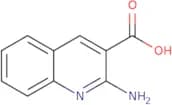
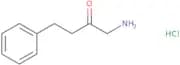
CAS:<p>Versatile small molecule scaffold</p>Fórmula:C10H14ClNOPureza:Min. 95%Peso molecular:199.68 g/molrac-(1R,2S)-2-(methoxycarbonyl)cyclobutane-1-carboxylic acid, cis
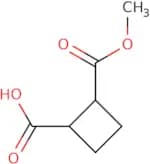
CAS:<p>Versatile small molecule scaffold</p>Fórmula:C7H10O4Pureza:Min. 95%Peso molecular:158.2 g/molrac-(1R,2R)-2-(Methoxycarbonyl)cyclobutane-1-carboxylic acid
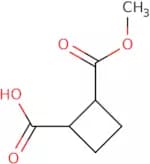
CAS:<p>Versatile small molecule scaffold</p>Fórmula:C7H10O4Pureza:Min. 95%Peso molecular:158.15 g/molTrans-1,2-cyclopropane-dicarboxylic acid mono ethyl ester
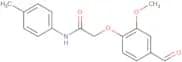
CAS:<p>Versatile small molecule scaffold</p>Fórmula:C7H10O4Pureza:Min. 95%Peso molecular:158.2 g/mol2-(4-Formyl-2-methoxyphenoxy)-N-(4-methylphenyl)acetamide
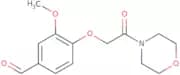
CAS:<p>Versatile small molecule scaffold</p>Fórmula:C17H17NO4Pureza:Min. 95%Peso molecular:299.32 g/mol3-Methoxy-4-(2-morpholin-4-yl-2-oxoethoxy)benzaldehyde
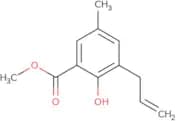
CAS:<p>Versatile small molecule scaffold</p>Fórmula:C14H17NO5Pureza:Min. 95%Peso molecular:279.29 g/molMethyl 2-hydroxy-5-methyl-3-(prop-2-en-1-yl)benzoate
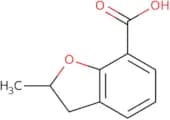
CAS:<p>Versatile small molecule scaffold</p>Fórmula:C12H14O3Pureza:Min. 95%Peso molecular:206.24 g/mol2-Methyl-2,3-dihydro-1-benzofuran-7-carboxylic acid
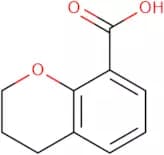
CAS:<p>Versatile small molecule scaffold</p>Fórmula:C10H10O3Pureza:Min. 95%Peso molecular:178.18 g/molChroman-8-carboxylic acid
CAS:<p>Chroman-8-carboxylic acid is a phenolic compound that has biological activity. It is found in many plants, including crop plants like sugarcane and rice. Chroman-8-carboxylic acid can be isolated from the tannins of these plants, as well as from the bark of trees such as oak and chestnut. Chroman-8-carboxylic acid has been shown to have significant antibacterial activity against Gram positive bacteria such as Staphylococcus aureus. This compound also shows low activity against Gram negative bacteria such as Escherichia coli. The potential use for this compound is in fungal control because it is found in many types of fungi and has been shown to inhibit the growth of some species.</p>Fórmula:C10H10O3Pureza:Min. 95%Peso molecular:178.19 g/mol5-Methoxy-N-methylpyrimidin-2-amine
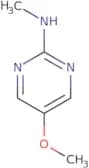
CAS:<p>Versatile small molecule scaffold</p>Fórmula:C6H9N3OPureza:Min. 95%Peso molecular:139.16 g/mol2-Phenyl-2-(pyrrolidin-1-yl)ethanamine
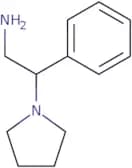
CAS:<p>Versatile small molecule scaffold</p>Fórmula:C12H18N2Pureza:Min. 95%Peso molecular:190.28 g/mol2-(4-Methoxy-phenyl)-2-piperidin-1-yl-ethylamine
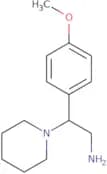
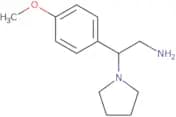
CAS:<p>Versatile small molecule scaffold</p>Fórmula:C14H22N2OPureza:Min. 95%Peso molecular:234.34 g/mol2-(4-Methoxy-phenyl)-2-pyrrolidin-1-yl-ethylamine
CAS:<p>Versatile small molecule scaffold</p>Fórmula:C13H20N2OPureza:Min. 95%Peso molecular:220.31 g/molrac-(1R,2R,4R)-5-Oxobicyclo[2.2.1]heptane-2-carboxylic acid
CAS:<p>Versatile small molecule scaffold</p>Fórmula:C8H10O3Pureza:Min. 95%Peso molecular:154.2 g/mol1,3-Diethyl-1,3-dimethylurea
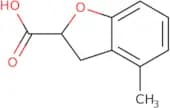
CAS:<p>Versatile small molecule scaffold</p>Fórmula:C7H16N2OPureza:Min. 95%Peso molecular:144.21 g/mol4-Methyl-2,3-dihydro-1-benzofuran-2-carboxylic acid
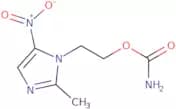
CAS:<p>Versatile small molecule scaffold</p>Fórmula:C10H10O3Pureza:Min. 95%Peso molecular:178.18 g/mol2-(2-Methyl-5-nitro-1H-imidazol-1-yl)ethyl carbamate
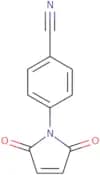
CAS:<p>2-(2-Methyl-5-nitro-1H-imidazol-1-yl)ethyl carbamate is a diluent that can be used to reconstitute fatty acids at high concentrations. It is also used in pharmaceutical preparations and conjugates. It has been shown to have an antiviral effect against chlamydia and has been used as a pharmaceutical dosage for the diagnosis of radiation exposure. The diluent can also be used in pharmaceutical preparations and conjugates, but it is not active against viruses or bacteria.</p>Fórmula:C7H10N4O4Pureza:Min. 95%Peso molecular:214.18 g/mol4-(2,5-Dioxo-2,5-dihydro-1H-pyrrol-1-yl)benzonitrile
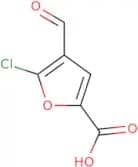
CAS:<p>4-(2,5-Dioxo-2,5-dihydro-1H-pyrrol-1-yl)benzonitrile is a versatile research chemical with various applications. It contains fluorine and is commonly used in the synthesis of copolymers, phenolic acids, and hydrocarbons. This compound also finds application in the field of medicine, where it has been studied for its potential as an antioxidant and for its activity on dopamine receptors. Additionally, 4-(2,5-Dioxo-2,5-dihydro-1H-pyrrol-1-yl)benzonitrile has been found to exhibit surface energy properties and can be used in interfacial processes or as an electrolyte. Its wide range of characteristics makes it a valuable compound for researchers across different fields.</p>Fórmula:C11H6N2O2Pureza:Min. 95%Peso molecular:198.18 g/mol5-Chloro-4-formylfuran-2-carboxylic acid
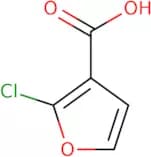
CAS:<p>Versatile small molecule scaffold</p>Fórmula:C6H3ClO4Pureza:Min. 95%Peso molecular:174.54 g/mol2-chlorofuran-3-carboxylic acid
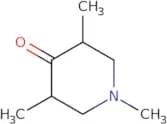
CAS:<p>2-Chloro-3-carboxylic acid is a broad spectrum inhibitor of human herpesvirus 1 (HSV-1) and human herpesvirus 2 (HSV-2). It is a non-nucleoside inhibitor of DNA polymerases. The compound binds to the active site of the enzyme, preventing the formation of an active complex with the template strand. 2-Chloro-3-carboxylic acid inhibits both DNA polymerases and RNA polymerases. This antiviral drug has been shown to inhibit HSV replication in culture by 95%. 2C3CA has been shown to have high specificity for HSV type 1 and type 2, as well as for all other human DNA viruses, including adenoviruses and cytomegalovirus.<br>2C3CA is not active against other animal DNA viruses or bacterial DNA viruses.</p>Fórmula:C5H3ClO3Pureza:Min. 95%Peso molecular:146.53 g/molrac-(3R,5R)-1,3,5-Trimethylpiperidin-4-one
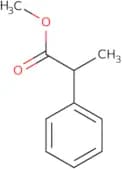
CAS:<p>Versatile small molecule scaffold</p>Fórmula:C8H15NOPureza:Min. 95%Peso molecular:141.2 g/molMethyl 2-phenylpropanoate
CAS:<p>Methyl 2-phenylpropanoate is the product of a lipase-catalyzed reaction between methanol and phenylacetic acid. The hydrolysis of the ester bond releases methanol, which can then react with another molecule of phenylacetic acid to form methyl 2-phenylpropanoate. Methyl 2-phenylpropanoate is a key intermediate in the synthesis of beta blockers, such as propranolol. It can also be used as an alternative to cyclopentane for synthesizing stereoisomers of cyclohexane. The reaction mechanism involves an activation energy that is kinetically favorable and has an asymmetric synthesis. The stereoselectivity of this reaction is due to the use of an acid catalyst and a chiral ligand.</p>Fórmula:C10H12O2Pureza:Min. 95%Peso molecular:164.2 g/mol5,6-Dihydro-4h-pyran-2-carboxylic acid
CAS:<p>5,6-Dihydro-4H-pyran-2-carboxylic acid is a diluent that is used in the manufacture of dry powders. It is also used as a diluting agent for influenza vaccines. 5,6-Dihydro-4H-pyran-2-carboxylic acid is one of the most commonly used diluents for vaccines and other biological products. This compound has been approved by the FDA for use in both injectable and nasal flu vaccine preparations. The particle size of this compound ranges from microns to millimeters. 5,6-Dihydro-4H-pyran-2-carboxylic acid can be mixed with water or saline to produce a solution with a pH between 3 and 8.</p>Fórmula:C6H8O3Pureza:Min. 95%Peso molecular:128.13 g/mol(S)-3-Methyl-2-butylamine Hydrochloride ee
CAS:<p>Versatile small molecule scaffold</p>Fórmula:C5H14ClNPureza:Min. 95%Peso molecular:123.62 g/mol(2R)-3,3-Dimethylbutan-2-amine HCl
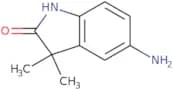
CAS:<p>Versatile small molecule scaffold</p>Fórmula:C6H16ClNPureza:Min. 95%Peso molecular:137.65 g/mol5-Amino-3,3-dimethyl-indolin-2-one
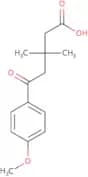
CAS:<p>Versatile small molecule scaffold</p>Fórmula:C10H12N2OPureza:Min. 95%Peso molecular:176.21 g/mol5-(4-Methoxyphenyl)-3,3-dimethyl-5-oxopentanoic acid
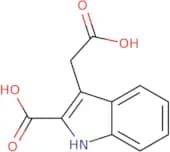
CAS:<p>Versatile small molecule scaffold</p>Fórmula:C14H18O4Pureza:Min. 95%Peso molecular:250.29 g/mol3-(Carboxymethyl)-1H-indole-2-carboxylic acid
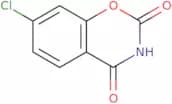
CAS:<p>3-(Carboxymethyl)-1H-indole-2-carboxylic acid is an intramolecular cyclization reaction that involves the amination of a propanoic acid and a ring system. This reaction is analogous to the synthesis of 2,5-diaminopentane, which is also a cyclization of an amine to form a five-membered ring. The nmda receptor complex has been shown to be efficient in binding 3-(carboxymethyl)-1H-indole-2-carboxylic acid and other analogues of this compound. In addition, 3-(carboxymethyl)-1H-indole-2-carboxylic acid has shown affinity for the glycine site on the nmda receptor complex. The chemistry behind this drug is not well understood due to its complexity.</p>Fórmula:C11H9NO4Pureza:Min. 95%Peso molecular:219.19 g/mol7-Chloro-3,4-dihydro-2H-1,3-benzoxazine-2,4-dione
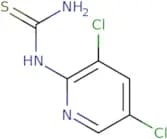
CAS:<p>Versatile small molecule scaffold</p>Fórmula:C8H4ClNO3Pureza:Min. 95%Peso molecular:197.57 g/mol(3,5-Dichloro-pyridin-2-yl)-thiourea
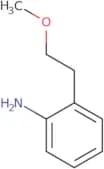
CAS:<p>Versatile small molecule scaffold</p>Fórmula:C6H5Cl2N3SPureza:Min. 95%Peso molecular:222.1 g/mol2-(2-Methoxyethyl)aniline
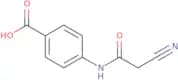
CAS:<p>2-(2-Methoxyethyl)aniline is a chemical compound with the chemical formula CH3OCH2NHCH2CH2SCl. It is a colorless, water-soluble liquid and has a pungent odor. 2-(2-Methoxyethyl)aniline reacts with trimethylamine to form trimethylammonium chloride. It also reacts with dimethyl sulfate to form dimethyl sulfate and methylamine. The reaction with hydrazine yields anilinohydrazide and methylated aniline, which can then be converted into borohydride or chlorotrimethylsilane by reacting it with lithium borohydride or chlorotrimethylsilane respectively.<br> 2-(2-Methoxyethyl)aniline is used in the synthesis of various organic compounds such as pharmaceuticals, dyes, pesticides, and perfumes.</p>Fórmula:C9H13NOPureza:Min. 95%Peso molecular:151.21 g/mol4-(2-Cyanoacetamido)benzoic acid
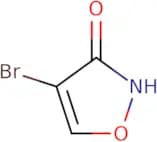
CAS:<p>Versatile small molecule scaffold</p>Fórmula:C10H8N2O3Pureza:Min. 95%Peso molecular:204.18 g/mol4-Bromo-1,2-oxazol-3-ol
CAS:<p>Versatile small molecule scaffold</p>Fórmula:C3H2BrNO2Pureza:Min. 95%Peso molecular:163.96 g/mol2-Benzylthiomorpholin-3-one
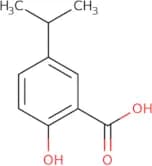
CAS:<p>Versatile small molecule scaffold</p>Fórmula:C11H13NOSPureza:Min. 95%Peso molecular:207.29 g/mol2-Hydroxy-5-(propan-2-yl)benzoic acid
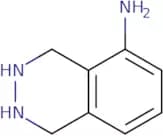
CAS:<p>Versatile small molecule scaffold</p>Fórmula:C10H12O3Pureza:Min. 95%Peso molecular:180.2 g/mol1,2,3,4-Tetrahydrophthalazin-5-amine
CAS:<p>Versatile small molecule scaffold</p>Fórmula:C8H11N3Pureza:Min. 95%Peso molecular:149.19 g/mol2-Oxo-2,3-dihydro-1,3-benzoxazole-5-sulfonamide
CAS:<p>Versatile small molecule scaffold</p>Fórmula:C7H6N2O4SPureza:Min. 95%Peso molecular:214.2 g/mol1H,7H-[1,2,4]Triazolo[1,5-a]pyrimidin-7-one
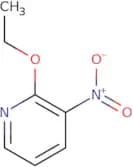
CAS:<p>Fluconazole is an oral antifungal drug that is used to treat a variety of fungal infections such as candida, cryptococcus, and histoplasmosis. It binds to the 14-alpha-demethylase enzyme in the fungal cell membrane and inhibits the synthesis of ergosterol, which is an essential component of the cell membrane. This prevents the formation of ergosterol crystals that are necessary for maintaining cell shape and function. Fluconazole has been shown to be effective against influenza virus and other viruses that use subunits similar to those found in fluconazole. Fluconazole also has antibacterial properties against bacteria such as Staphylococcus aureus and Streptococcus pneumonia. The pharmacokinetic properties of fluconazole have been studied using ethyl bromoacetate and carboxylate derivatives. Fluconazole has also been shown to inhibit methicillin-resistant Staphylococcus</p>Fórmula:C5H4N4OPureza:Min. 95%Peso molecular:136.11 g/mol2-Ethoxy-3-nitropyridine
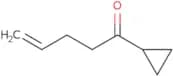
CAS:<p>2-Ethoxy-3-nitropyridine is an intermediate in the synthesis of other organic chemicals. It is a colorless, water soluble solid that is stable under normal conditions. 2-Ethoxy-3-nitropyridine is used as a precursor to other chemicals, including lithium and aldehydes. This compound can be efficiently synthesized from a variety of aldehydes using LiAlH4 or NaBH4. It has been shown to have developmental toxicity in rats and should not be handled by pregnant workers.</p>Fórmula:C7H8N2O3Pureza:Min. 95%Peso molecular:168.15 g/mol1-Cyclopropylpent-4-en-1-one
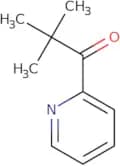
CAS:<p>Versatile small molecule scaffold</p>Fórmula:C8H12OPureza:Min. 95%Peso molecular:124.18 g/mol2,2-Dimethyl-1-(pyridin-2-yl)propan-1-one
CAS:<p>2,2-Dimethyl-1-(pyridin-2-yl)propan-1-one is a n-oxide that can be synthesized by the intramolecular reaction of pyridine with ethyl acetoacetate. The carbonium ion formed in this process is ionic and can react with water to form an anhydride and rearrange to form the desired product. This reaction is reversible and has been reinvestigated to allow for the production of other n-oxides.</p>Fórmula:C10H13NOPureza:Min. 95%Peso molecular:163.22 g/mol3-Iodo-o-xylene
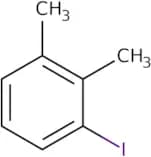
CAS:<p>3-Iodo-o-xylene is a dehydrating agent that can be used in the manufacture of amines and sulfoxides. It can also be used for the production of halides and water vapor. 3-Iodo-o-xylene reacts with palladium compounds to form complexes that are stable at high temperatures. This compound has been shown to have both bifunctional and dehydration properties, as it can react with amines or sulfides to form an amine or sulfoxide respectively, or react with water vapor to form a hydroxyl group. 3-Iodo-o-xylene is also thermal sensitive, so it should be handled carefully when exposed to heat.</p>Fórmula:C8H9IPureza:Min. 95%Peso molecular:232.06 g/molMethyl 4-(benzyloxy)butanoate
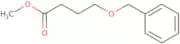
CAS:Produto Controlado<p>Versatile small molecule scaffold</p>Fórmula:C12H16O3Pureza:Min. 95%Peso molecular:208.25 g/mol4-(Propan-2-yloxy)butan-1-ol
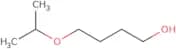
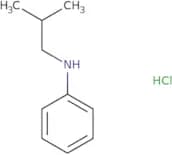
CAS:Produto Controlado<p>4-(Propan-2-yloxy)butan-1-ol (4POB) is a potent inhibitor of virus, bacteria, and cancer cells. 4POB has been shown to inhibit the growth of viruses in human serum and immobilize them. It has also been shown to be an effective inhibitor of bacterial dna gyrase and dna topoisomerase I. 4POB is a potential anti-cancer agent as it can inhibit cancer cell proliferation by interfering with DNA synthesis and protein synthesis.</p>Fórmula:C7H16O2Pureza:Min. 95%Peso molecular:132.2 g/molN-(2-Methylpropyl)aniline hydrochloride
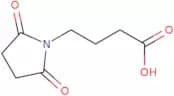
CAS:<p>Versatile small molecule scaffold</p>Fórmula:C10H16ClNPureza:Min. 95%Peso molecular:185.69 g/mol4-(2,5-Dioxopyrrolidin-1-yl)butanoic acid
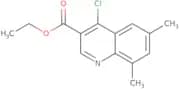
CAS:<p>Versatile small molecule scaffold</p>Fórmula:C8H11NO4Pureza:Min. 95%Peso molecular:185.18 g/molEthyl 4-chloro-6,8-dimethylquinoline-3-carboxylate
CAS:<p>Versatile small molecule scaffold</p>Fórmula:C14H14ClNO2Pureza:Min. 95%Peso molecular:263.72 g/mol1-(1H-1,2,3,4-Tetrazol-5-yl)propan-1-amine
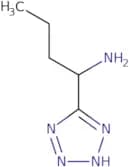
CAS:<p>Versatile small molecule scaffold</p>Fórmula:C4H9N5Pureza:Min. 95%Peso molecular:127.15 g/mol1-(1H-1,2,3,4-Tetrazol-5-yl)butan-1-amine
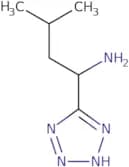
CAS:<p>Versatile small molecule scaffold</p>Fórmula:C5H11N5Pureza:Min. 95%Peso molecular:141.18 g/mol3-Methyl-1-(1H-1,2,3,4-tetrazol-5-yl)butan-1-amine
CAS:<p>Versatile small molecule scaffold</p>Fórmula:C6H13N5Pureza:Min. 95%Peso molecular:155.2 g/molMethyl N,N-bis(propan-2-yl)carbamate
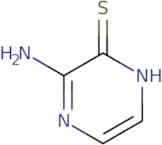
CAS:<p>Methyl N,N-bis(propan-2-yl)carbamate is a drug that can be used to treat reperfusion injury. It has been shown to protect the heart from reperfusion injury. Methyl N,N-bis(propan-2-yl)carbamate is an anticancer compound with physicochemical properties that make it suitable for intravenous administration. It inhibits the activity of formyl and other reactive oxygen species and attenuates the release of mitochondrial DNA into the cytosol. It also induces mitochondrial biogenesis by inhibiting the expression of p53 and caspase 9, which are apoptotic proteins in mitochondria.<br>Methyl N,N-bis(propan-2-yl)carbamate can be used as a drug candidate for treating reperfusion injury due to its pharmacokinetic properties and ability to attenuate infarct size following reperfusion.</p>Fórmula:C8H17NO2Pureza:Min. 95%Peso molecular:159.23 g/mol3-Aminopyrazine-2-thiol
CAS:<p>3-Aminopyrazine-2-thiol (3APT) is a chemical compound that has been isolated from Australian soil. It was found to be an ethyl xanthate amplifier and the potassium salt of 3APT is used in preparation of the antibiotic phleomycin. The reactions of this substance with orthoesters lead to the formation of a number of interesting compounds, such as 3-(2-aminoethyl)isoxazolidines, which have been shown to be useful for the synthesis of various heterocycles.</p>Fórmula:C4H5N3SPureza:Min. 95%Peso molecular:127.17 g/mol8-Nonenoic Acid
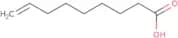
CAS:<p>8-Nonenoic acid is a fatty acid that has been shown to be an attractant for pheromones. 8-Nonenoic acid is found in the leaves of Solanum tuberosum, which are considered to be the main source of natural potato flavor. The fatty acid can also be synthesized from linoleic acid and cyclopentanol by a dehydration reaction. 8-Nonenoic acid has a ph optimum of 4.5 and is soluble in organic solvents such as chloroform, dichloromethane, ether, or acetone. This fatty acid can be used in preparative hplc methods to separate neutral compounds and esters. 8-Nonenoic acid has also been used as a stationary phase for solid phase microextraction with some success. The molecular formula for this compound is C10H18O2 and the molecular weight is 176.240 g/mol.</p>Fórmula:C9H16O2Pureza:Min. 95%Peso molecular:156.22 g/mol3-Amino-4-piperidin-1-yl-benzamide
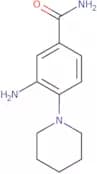
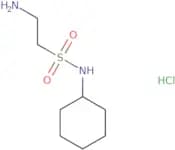
CAS:<p>Versatile small molecule scaffold</p>Fórmula:C12H17N3OPureza:Min. 95%Peso molecular:219.3 g/mol2-Amino-N-cyclohexylethane-1-sulfonamide hydrochloride
CAS:<p>Versatile small molecule scaffold</p>Fórmula:C8H19ClN2O2SPureza:Min. 95%Peso molecular:242.77 g/molBenzyl piperidin-3-ylcarbamate hydrochloride
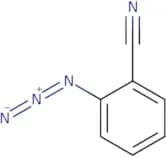
CAS:Versatile small molecule scaffoldFórmula:C13H18N2O2·ClHPureza:Min. 95%Peso molecular:270.76 g/mol2-Azidobenzonitrile
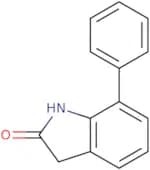
CAS:Versatile small molecule scaffoldFórmula:C7H4N4Pureza:Min. 95%Peso molecular:144.13 g/mol7-Phenyl-2,3-dihydro-1H-indol-2-one
CAS:<p>Versatile small molecule scaffold</p>Fórmula:C14H11NOPureza:Min. 95%Peso molecular:209.24 g/mol5-Phenylpyridin-3-ol
CAS:<p>5-Phenylpyridin-3-ol is an organic compound with the formula C8H6O. It is a white solid that is stable in air. 5-Phenylpyridin-3-ol reacts with bromoacetate to give formate, the reaction being catalyzed by base. The synthetic method involves the use of ethyl bromoacetate and ammonium formate in aqueous solution at room temperature.</p>Fórmula:C11H9NOPureza:Min. 95%Peso molecular:171.19 g/mol1-{Bicyclo[2.2.1]heptan-2-yl}propan-2-one
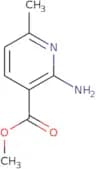
CAS:<p>Versatile small molecule scaffold</p>Fórmula:C10H16OPureza:Min. 95%Peso molecular:152.23 g/molmethyl 2-amino-6-methylpyridine-3-carboxylate
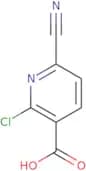
CAS:<p>Versatile small molecule scaffold</p>Fórmula:C8H10N2O2Pureza:Min. 95%Peso molecular:166.2 g/mol2-Chloro-6-cyanopyridine-3-carboxylic acid
CAS:<p>Versatile small molecule scaffold</p>Fórmula:C7H3ClN2O2Pureza:Min. 95%Peso molecular:182.56 g/mol4,4,5,5-Tetramethyl-2-(3-trifluoromethanesulfonylphenyl)-1,3,2-dioxaborolane
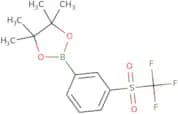
CAS:<p>Versatile small molecule scaffold</p>Fórmula:C13H16BF3O4SPureza:Min. 95%Peso molecular:336.1 g/mol2-Chloro-6-fluoro-4-(4,4,5,5-tetramethyl-1,3,2-dioxaborolan-2-yl)phenol
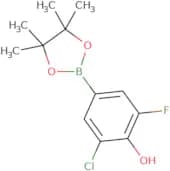
CAS:<p>Versatile small molecule scaffold</p>Fórmula:C12H15BClFO3Pureza:Min. 95%Peso molecular:272.51 g/molrac-(1R,4R)-4-[(Dimethylamino)methyl]cyclohexan-1-amine dihydrochloride
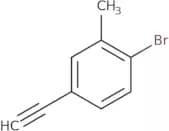
CAS:<p>Versatile small molecule scaffold</p>Fórmula:C9H22Cl2N2Pureza:Min. 95%Peso molecular:229.19 g/mol1-Bromo-4-ethynyl-2-methylbenzene
CAS:<p>Versatile small molecule scaffold</p>Fórmula:C9H7BrPureza:Min. 95%Peso molecular:195.06 g/mol4-{[(Isoquinolin-5-yl)methyl]amino}butan-1-ol
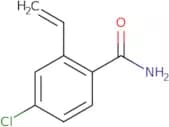
CAS:Versatile small molecule scaffoldFórmula:C14H18N2OPureza:Min. 95%Peso molecular:230.31 g/mol4-Chloro-2-ethenylbenzamide
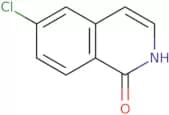
CAS:Versatile small molecule scaffoldFórmula:C9H8ClNOPureza:Min. 95%Peso molecular:181.62 g/mol6-Chloroisoquinolin-1-ol
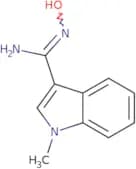
CAS:<p>Versatile small molecule scaffold</p>Fórmula:C9H6ClNOPureza:Min. 95%Peso molecular:179.61 g/molN'-Hydroxy-1-methyl-1H-indole-3-carboximidamide
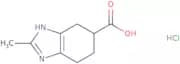
CAS:<p>Versatile small molecule scaffold</p>Fórmula:C10H11N3OPureza:Min. 95%Peso molecular:189.21 g/mol2-Methyl-4,5,6,7-tetrahydro-1H-1,3-benzodiazole-5-carboxylic acid hydrochloride
CAS:<p>Versatile small molecule scaffold</p>Fórmula:C9H13ClN2O2Pureza:Min. 95%Peso molecular:216.66 g/molMethyl 1-methyl-1H-benzo[d]imidazole-6-carboxylate
CAS:<p>Versatile small molecule scaffold</p>Fórmula:C10H10N2O2Pureza:Min. 95%Peso molecular:190.2 g/mol2-(Methyldisulfanyl)ethan-1-amine hydrochloride
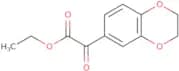
CAS:<p>Methylenedioxymethamphetamine (MDMA) is a compound that belongs to the group of substituted amphetamines. It is a substituted analog of methamphetamine and amphetamine. The drug is known for its stimulant effects and can be used as a recreational drug. MDMA has been shown to be immunogenic, which means it can produce antibodies in the body's immune system. Antibodies are proteins produced by the immune system that bind to antigens and remove them from the body. The production of antibodies against MDMA may lead to immunosuppression, which could result in an increased risk for infection, such as HIV or hepatitis B/C. Methylenedioxyamphetamine (MDA) is structurally similar to MDMA and also produces antibodies, but not at the same rate as MDMA does.</p>Fórmula:C3H10ClNS2Pureza:Min. 95%Peso molecular:159.7 g/molEthyl 3,4-ethylenedioxybenzoylformate
CAS:<p>Versatile small molecule scaffold</p>Fórmula:C12H12O5Pureza:Min. 95%Peso molecular:236.22 g/molMethyl 3-[(4-aminophenyl)sulfanyl]propanoate
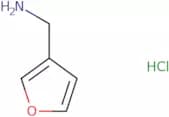
CAS:<p>Versatile small molecule scaffold</p>Fórmula:C10H13NO2SPureza:Min. 95%Peso molecular:211.28 g/mol1-(3-Furyl)methanamine hydrochloride
CAS:<p>1-(3-Furyl)methanamine hydrochloride is a halogen compound that causes severe contact dermatitis. It has been shown to cause ischemia injury in the rat heart by attacking selenides and chalcogenides. 1-(3-Furyl)methanamine hydrochloride also induces acute myocardial infarction in rats, which may be due to its ability to induce oxidative stress and inhibit the production of nitric oxide. This compound also increases the susceptibility of animals to heart attack induced by sulfide or halogen.</p>Fórmula:C5H7NO·HClPureza:Min. 95%Peso molecular:133.58 g/mol5-(Chloromethyl)thiazole hydrochloride
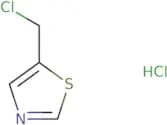
CAS:<p>5-(Chloromethyl)thiazole hydrochloride (5-CT) is a dopamine transporter inhibitor that is used in research of the dopamine system. This drug binds to the dopamine transporter, thereby blocking dopamine reuptake and prolonging the action of dopamine in synapses. 5-CT has been shown to increase motivation and impair cognitive function, which may be due to its ability to increase dopaminergic neurotransmission.<br>5-CT is also used as a probe for the study of other neurotransmitter systems such as serotonin, norepinephrine, and acetylcholine.</p>Fórmula:C4H5Cl2NSPureza:Min. 95%Peso molecular:170.06 g/mol8-(Azidomethyl)quinoline
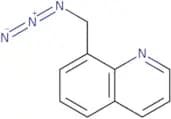
CAS:<p>Versatile small molecule scaffold</p>Fórmula:C10H8N4Pureza:Min. 95%Peso molecular:184.2 g/mol
![Methyl 3-[3-(3-methoxy-3-oxopropyl)phenyl]propanoate](/_next/image/?url=https%3A%2Fstatic.cymitquimica.com%2Fproducts%2F3D%2Fthumb-webp%2FGAA22161.webp&w=3840&q=75)

![Bicyclo[3.3.1]nonane-3-carboxylic acid](/_next/image/?url=https%3A%2Fstatic.cymitquimica.com%2Fproducts%2F3D%2Fthumb-webp%2FGAA22162.webp&w=3840&q=75)
![Bicyclo[3.2.1]octane-3-carboxylic acid](/_next/image/?url=https%3A%2Fstatic.cymitquimica.com%2Fproducts%2F3D%2Fthumb-webp%2FGAA22165.webp&w=3840&q=75)
![Bicyclo[4.1.0]heptan-7-ylmethanol](/_next/image/?url=https%3A%2Fstatic.cymitquimica.com%2Fproducts%2F3D%2Fthumb-webp%2FGAA22639.webp&w=3840&q=75)
![1-Azabicyclo[2.2.2]octane-3-carboxylic acid hydrochloride](/_next/image/?url=https%3A%2Fstatic.cymitquimica.com%2Fproducts%2F3D%2Fthumb-webp%2FGAA23834.webp&w=3840&q=75)
![Spiro[imidazolidine-4,1'-indane]-2,5-dione](/_next/image/?url=https%3A%2Fstatic.cymitquimica.com%2Fproducts%2F3D%2Fthumb-webp%2FGAA25298.webp&w=3840&q=75)
![10-Oxa-4-azatricyclo[5.2.1.0,2,6]dec-8-ene-3,5-dione](/_next/image/?url=https%3A%2Fstatic.cymitquimica.com%2Fproducts%2F3D%2Fthumb-webp%2FGAA25328.webp&w=3840&q=75)
![2-[(Methoxycarbonyl)amino]benzoic acid](/_next/image/?url=https%3A%2Fstatic.cymitquimica.com%2Fproducts%2F3D%2Fthumb-webp%2FGAA26838.webp&w=3840&q=75)
![2-[2-(Naphthalen-1-yl)acetamido]acetic acid](/_next/image/?url=https%3A%2Fstatic.cymitquimica.com%2Fproducts%2F3D%2Fthumb-webp%2FGAA27760.webp&w=3840&q=75)
![N-Methyl-1H-pyrazolo[3,4-d]pyrimidin-4-amine](/_next/image/?url=https%3A%2Fstatic.cymitquimica.com%2Fproducts%2F3D%2Fthumb-webp%2FGAA28474.webp&w=3840&q=75)

![6-Chloro-1-phenyl-1H,4H,5H-pyrazolo[3,4-d]pyrimidin-4-one](/_next/image/?url=https%3A%2Fstatic.cymitquimica.com%2Fproducts%2F3D%2Fthumb-webp%2FGAA28899.webp&w=3840&q=75)
![3-{[2-(Hydrazinecarbonyl)ethyl]sulfanyl}propanehydrazide](/_next/image/?url=https%3A%2Fstatic.cymitquimica.com%2Fproducts%2F3D%2Fthumb-webp%2FGAA29268.webp&w=3840&q=75)
![3-[(2-Hydroxyphenyl)formamido]propanoic acid](/_next/image/?url=https%3A%2Fstatic.cymitquimica.com%2Fproducts%2F3D%2Fthumb-webp%2FGAA29294.webp&w=3840&q=75)
![(2R)-2-{[(tert-Butoxy)carbonyl]amino}-3-{[(tert-butoxy)carbonyl]sulfanyl}propanoic acid](/_next/image/?url=https%3A%2Fstatic.cymitquimica.com%2Fproducts%2F3D%2Fthumb-webp%2FGBA20258.webp&w=3840&q=75)

amine hydrochloride](/_next/image/?url=https%3A%2Fstatic.cymitquimica.com%2Fproducts%2F3D%2Fthumb-webp%2FGBA23158.webp&w=3840&q=75)


![2',3'-Dihydro-1'H-spiro[cyclopropane-1,4'-isoquinoline]-1',3'-dione](/_next/image/?url=https%3A%2Fstatic.cymitquimica.com%2Fproducts%2F3D%2Fthumb-webp%2FGBA26707.webp&w=3840&q=75)
![4-Chloro-2-methylfuro[3,2-c]pyridine](/_next/image/?url=https%3A%2Fstatic.cymitquimica.com%2Fproducts%2F3D%2Fthumb-webp%2FGBA27081.webp&w=3840&q=75)



![Spiro[4.4]non-3-en-2-one](/_next/image/?url=https%3A%2Fstatic.cymitquimica.com%2Fproducts%2F3D%2Fthumb-webp%2FGBA29751.webp&w=3840&q=75)
![2-[(Dimethylamino)(methylsulfanyl)methylidene]propanedinitrile](/_next/image/?url=https%3A%2Fstatic.cymitquimica.com%2Fproducts%2F3D%2Fthumb-webp%2FGBA29760.webp&w=3840&q=75)


![rac-(1R,2R,4R)-5-Oxobicyclo[2.2.1]heptane-2-carboxylic acid](/_next/image/?url=https%3A%2Fstatic.cymitquimica.com%2Fproducts%2F3D%2Fthumb-webp%2FGBA46753.webp&w=3840&q=75)

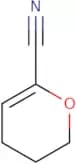
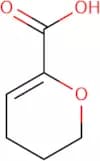
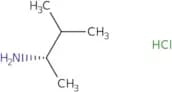
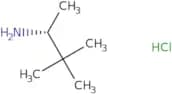


![1H,7H-[1,2,4]Triazolo[1,5-a]pyrimidin-7-one](/_next/image/?url=https%3A%2Fstatic.cymitquimica.com%2Fproducts%2F3D%2Fthumb-webp%2FGBA59208.webp&w=3840&q=75)




![1-{Bicyclo[2.2.1]heptan-2-yl}propan-2-one](/_next/image/?url=https%3A%2Fstatic.cymitquimica.com%2Fproducts%2F3D%2Fthumb-webp%2FGBA68373.webp&w=3840&q=75)
![rac-(1R,4R)-4-[(Dimethylamino)methyl]cyclohexan-1-amine dihydrochloride](/_next/image/?url=https%3A%2Fstatic.cymitquimica.com%2Fproducts%2F3D%2Fthumb-webp%2FGEC95401.webp&w=3840&q=75)
![4-{[(Isoquinolin-5-yl)methyl]amino}butan-1-ol](/_next/image/?url=https%3A%2Fstatic.cymitquimica.com%2Fproducts%2F3D%2Fthumb-webp%2FGED88822.webp&w=3840&q=75)
![Methyl 1-methyl-1H-benzo[d]imidazole-6-carboxylate](/_next/image/?url=https%3A%2Fstatic.cymitquimica.com%2Fproducts%2F3D%2Fthumb-webp%2FGFA02050.webp&w=3840&q=75)

![Methyl 3-[(4-aminophenyl)sulfanyl]propanoate](/_next/image/?url=https%3A%2Fstatic.cymitquimica.com%2Fproducts%2F3D%2Fthumb-webp%2FGFA04240.webp&w=3840&q=75)