Building Blocks
Esta seção contém produtos fundamentais para a síntese de compostos orgânicos e biológicos. Building blocks são os materiais de partida essenciais usados para construir moléculas complexas através de várias reações químicas. Eles desempenham um papel crítico na descoberta de medicamentos, ciência dos materiais e pesquisa química. Na CymitQuimica, oferecemos uma ampla gama de building blocks de alta qualidade para apoiar suas pesquisas inovadoras e projetos industriais, garantindo que você tenha os componentes essenciais para uma síntese bem-sucedida.
Subcategorias de "Building Blocks"
- Ácidos Borónicos e Derivados de Ácido Borónico(5.778 produtos)
- Building Blocks Quirais(1.243 produtos)
- Building Blocks Hidrocarbonetos(6.098 produtos)
- Building Blocks orgânicos(61.057 produtos)
Foram encontrados 200716 produtos de "Building Blocks"
Ordenar por
Pureza (%)
0
100
|
0
|
50
|
90
|
95
|
100
Potassium (cyclopropylmethyl)trifluoroborate
CAS:<p>Versatile small molecule scaffold</p>Fórmula:C4H7BF3KPureza:Min. 95%Peso molecular:162 g/mol3,3-Diethoxypropan-1-amine
CAS:<p>3,3-Diethoxypropan-1-amine is a synthetic drug that reversibly inhibits the growth of bacteria. It has been shown to be effective against methicillin resistant strains of Staphylococcus aureus and Clostridium perfringens, with no detectable activity against acid-fast bacteria such as Mycobacterium tuberculosis or Mycobacterium avium complex. 3,3-Diethoxypropan-1-amine is a heterobifunctional compound that binds to epidermal growth factor with high affinity. 3,3-Diethoxypropan-1-amine can also bind to collagen and liposomal formulations, which may be useful for the treatment of wounds. This drug has been shown to inhibit δ opioid receptors in mice and rats, which is thought to contribute to its analgesic effects.</p>Fórmula:C7H17NO2Pureza:Min. 95%Peso molecular:147.22 g/moltert-Butyl 4-[(piperazin-1-yl)methyl]piperidine-1-carboxylate
CAS:Versatile small molecule scaffoldFórmula:C15H29N3O2Pureza:Min. 95%Peso molecular:283.41 g/moltert-Butyl 3,9-diazaspiro[5.5]undecane-3-carboxylate hydrochloride
CAS:<p>Versatile small molecule scaffold</p>Fórmula:C14H27ClN2O2Pureza:Min. 95%Peso molecular:290.83 g/moltert-Butyl 3-(trifluoromethyl)piperazine-1-carboxylate
CAS:<p>Versatile small molecule scaffold</p>Fórmula:C10H17F3N2O2Pureza:Min. 95%Peso molecular:254.25 g/molTert-Butyl 2-(Trifluoromethyl)Piperazine-1-Carboxylate
CAS:Versatile small molecule scaffoldFórmula:C10H17N2O2F3Pureza:Min. 95%Peso molecular:254.24 g/molMethyl 2-amino-5-pyridin-3-yl-1,3-thiazole-4-carboxylate
CAS:<p>Versatile small molecule scaffold</p>Fórmula:C10H9N3O2SPureza:Min. 95%Peso molecular:235.26 g/mol5-Chloroquinoline-2-carboxylic acid
CAS:Versatile small molecule scaffoldFórmula:C10H6ClNO2Pureza:Min. 95%Peso molecular:207.61 g/molN-(4-Aminophenyl)-N-methyl-2-(4-methylpiperazin-1-yl)acetamide
CAS:N-(4-Aminophenyl)-N-methyl-2-(4-methylpiperazin-1-yl)acetamide is an environmental and industrial chemical that is used as a formate, benzoate, and methyl benzoate intermediate. It reacts with nitric acid to form N-(4-aminophenyl)-N-methyl-2-(4-nitrophenoxy)acetamide (NPA). NPA has been shown to have antiangiogenic properties. NPA inhibits the proliferation of endothelial cells by interfering with the cell cycle and inducing apoptosis.Fórmula:C14H22N4OPureza:Min. 95%Peso molecular:262.35 g/mol1-(4-Chloro-3-fluorophenyl)ethan-1-amine HCl
CAS:Versatile small molecule scaffoldFórmula:C8H10Cl2FNPureza:Min. 95%Peso molecular:210.08 g/mol2,5-Diethoxyterephthalohydrazide
CAS:<p>2,5-Diethoxyterephthalohydrazide is an organic compound that has been used for the synthesis of linkers with various functional groups. It is a reactive intermediate in the synthesis of amines and compounds containing amine functional groups. 2,5-Diethoxyterephthalohydrazide has been shown to be stable under environmental conditions and can be used as a linker in organic solvents such as amines, alcohols or esters. This compound has also been shown to exhibit photocatalytic activity when irradiated by UV light. Techniques such as analytical chemistry and techniques can be used to characterize this compound's reactivity and stability.</p>Fórmula:C12H18N4O4Pureza:Min. 95%Peso molecular:282.3 g/mol2-Bromo-6-fluoro-3-methylpyridine
CAS:<p>Versatile small molecule scaffold</p>Fórmula:C6H5BrFNPureza:Min. 95%Peso molecular:190.02 g/mol4-(Oxazol-2-yl)aniline
CAS:<p>Versatile small molecule scaffold</p>Fórmula:C9H8N2OPureza:Min. 95%Peso molecular:160.17 g/mol2,2-Difluorobenzo[d][1,3]dioxol-5-ol
CAS:<p>Versatile small molecule scaffold</p>Fórmula:C7H4F2O3Pureza:Min. 95%Peso molecular:174.1 g/mol3-Bromo-2-hydroxy-5-iodopyridine
CAS:<p>Versatile small molecule scaffold</p>Fórmula:C5H3BrINOPureza:Min. 95%Peso molecular:299.89 g/molSpiro[3.3]heptane-2,6-dicarboxylic acid, 2,6-dimethyl ester
CAS:Versatile small molecule scaffoldFórmula:C11H16O4Pureza:Min. 95%Peso molecular:212.25 g/mol8-Bromo-6-chloroisoquinoline
CAS:<p>Versatile small molecule scaffold</p>Fórmula:C9H5BrClNPureza:Min. 95%Peso molecular:242.5 g/mol3-Pyridineboronic acid
CAS:3-Pyridineboronic acid is an antimicrobial agent that is used to treat bacterial and fungal infections. 3-Pyridineboronic acid is a prodrug that is metabolized to its active form, pyridinium boronate. This drug has been shown to be effective in the treatment of hypoxic tumors in mice, which are resistant to other anticancer drugs. 3-Pyridineboronic acid also has acidic properties and can be used as an antiseptic for the treatment of skin and eye infections. It can also be used as a hydrogen bonding partner when combined with halides, such as chloride or bromide ions. The drug binds to human serum proteins and forms an acidic complex that prevents bacterial growth by inhibiting protein synthesis. 3-Pyridineboronic acid also inhibits prostate cancer cells by competitively inhibiting the enzyme 4-pyridinylboronic acid reductase (4PBAR).Fórmula:C5H6BNO2Pureza:Min. 95%Peso molecular:122.92 g/molThiophen-3-ylmethanamine hydrochloride
CAS:<p>Versatile small molecule scaffold</p>Fórmula:C5H8ClNSPureza:Min. 95%Peso molecular:149.64 g/molPyrrole-2-carboxylic acid
CAS:<p>Pyrrole-2-carboxylic acid is a polycyclic aromatic compound that can be found in coal tar. It has been shown to have anti-inflammatory, antiallergic, and antifungal properties. Pyrrole-2-carboxylic acid is produced by the human body as an intermediate in the metabolism of tryptophan. This compound can also be synthesized and used to treat chronic bronchitis, which is caused by excessive mucus production and inflammation of the airways. The reaction mechanism for pyrrole-2-carboxylic acid is similar to that of other drugs that are used in respiratory therapy, such as aminophylline or acetylcysteine.</p>Fórmula:C5H5NO2Pureza:Min. 95%Peso molecular:111.1 g/mol2,4,6-Trichloropyrimidine
CAS:<p>2,4,6-Trichloropyrimidine is an antimicrobial agent that belongs to the chemical class of pyrimidine compounds. It inhibits bacterial growth by cross-linking with amino acids and nucleic acids in the cell wall, thereby inhibiting protein synthesis. 2,4,6-Trichloropyrimidine is also a cross-linking agent for polymers such as polyurethane and vinyl chloride. This compound has been shown to be effective against P. aeruginosa and other bacteria that are resistant to antibiotics. 2,4,6-Trichloropyrimidine reacts with water vapor or oxygen nucleophiles to form hydrogen chloride and amine groups. These reactions can be used for identification of this compound in the laboratory.</p>Fórmula:C4HCl3N2Pureza:Min. 95%Cor e Forma:PowderPeso molecular:183.42 g/molL-Tyrosine ethyl ester hydrochloride
CAS:<p>L-Tyrosine ethyl ester hydrochloride is a non-protein amino acid that inhibits the activity of metalloproteases, which are enzymes that break down proteins. It has been shown to be effective against bowel disease and cancer by inhibiting the release of inflammatory cytokines. L-Tyrosine ethyl ester hydrochloride also has anti-inflammatory properties and can be used in the treatment of depression and liver cirrhosis. This drug is an inhibitor of hydroxylase, which is an enzyme involved in the synthesis of melanin. It is a structural analogue to L-DOPA, which is used for Parkinson's disease. L-Tyrosine ethyl ester hydrochloride has been shown to have antihypertensive effects and can be used as a diuretic agent.</p>Fórmula:C11H15NO3·HClPureza:Min. 95%Cor e Forma:PowderPeso molecular:245.7 g/mol2-Fluoro-4-methyl-5-nitrobenzene-1-sulfonyl chloride
CAS:Versatile small molecule scaffoldFórmula:C7H5ClFNO4SPureza:Min. 95%Cor e Forma:PowderPeso molecular:253.64 g/mol2,6-Dimethoxyisonicotinic acid
CAS:<p>2,6-Dimethoxyisonicotinic acid is a cytotoxic agent that is structurally related to colchicine and combretastatin A-4. It has been shown to induce apoptosis in cancer cells by inhibiting the polymerization of tubulin. This drug also inhibits the proliferation of cancer cells by binding to DNA and disrupting the synthesis of proteins necessary for cell division. The inhibitory effect on protein synthesis may be due to its ability to inhibit the activity of RNA polymerase II and III, which are essential for transcription. 2,6-Dimethoxyisonicotinic acid also induces an anticancer effect through its ability to bind to phenolic moieties and inhibit the growth of cancer cells.</p>Fórmula:C8H9NO4Pureza:Min. 95%Peso molecular:183.16 g/mol2-Ethynyl-3-methoxypyridine
CAS:2-Ethynyl-3-methoxypyridine is a chiral, alkynyl compound that can be synthesized from the reaction of acetone and ethyne. This compound is axially chiral and has two rotational isomers, which are optically active. The synthesis of this compound was first reported in 1952 by cyclizing 2-ethynylpyridine with methoxyacetophenone in the presence of acetic acid. The photochemical reactions of this compound have been studied extensively and it has shown to be a useful substrate for pyridines.Fórmula:C8H7NOPureza:Min. 95%Peso molecular:133.14 g/molMethyl 3-chloro-5-hydroxypyridine-2-carboxylate
CAS:Versatile small molecule scaffoldFórmula:C7H6NO3ClPureza:Min. 95%Peso molecular:187.58 g/molN-Carbethoxy-4-hydroxypiperidine
CAS:<p>N-Carbethoxy-4-hydroxypiperidine is a drug substance that is a h1 receptor antagonist. It is used as an antihistamine to treat the symptoms of hay fever and other allergic reactions. N-Carbethoxy-4-hydroxypiperidine is available in two enantiomers, or mirror images, which are labelled S and R. The R enantiomer is more potent than the S enantiomer for inhibiting histamine h1 receptors. This drug has been shown to inhibit the growth of tuberculosis bacteria in cell culture and animal models, but not against Mycobacterium avium complex. N-Carbethoxy-4-hydroxypiperidine has also been shown to have significant antibacterial activity against Clostridium perfringens with minimal toxicity in mice.</p>Fórmula:C8H15NO3Pureza:Min. 95%Peso molecular:173.21 g/molDSP-4 hydrochloride
CAS:DSP-4 hydrochloride is a neurotoxin that inhibits the synthesis of norepinephrine. It binds to neurons and prevents the uptake of dopamine, which can lead to neuronal death. DSP-4 hydrochloride affects brain functions by decreasing the concentration of serotonin in the cortex and increasing the concentrations of norepinephrine in the coeruleus. DSP-4 hydrochloride also has estrogenic effects by binding to estrogen receptors and increasing estradiol benzoate concentrations.Fórmula:C11H16BrCl2NPureza:Min. 95%Peso molecular:313.06 g/molN-(4-Bromophenyl)-N-phenylacrylamide
CAS:<p>Versatile small molecule scaffold</p>Fórmula:C15H12BrNOPureza:Min. 95%Cor e Forma:PowderPeso molecular:302.16 g/mol2-(2,4-dimethoxyphenyl)ethan-1-amine
CAS:Produto Controlado<p>Versatile small molecule scaffold</p>Fórmula:C10H15NO2Pureza:Min. 95%Peso molecular:181.24 g/mol5-Chloro-2-ethoxy-phenylamine
CAS:5-Chloro-2-ethoxy-phenylamine is an enzyme inhibitor that binds to the active site of glucocerebrosidase, the enzyme that catalyzes the hydrolysis of glucocerebroside to glucose and ceramide. This compound has been shown to be a selective inhibitor against this enzyme and not affect other hydrolases or chaperones. It was also found that 5-chloro-2-ethoxy-phenylamine can act as a chemical chaperone by stabilizing protein folding in vitro. 5-Chloro-2-ethoxy phenylamine is a new analogue of 3-(3,4,-dichlorophenyl)-1-[(1R,2S)-2-(5,6,-dichloropyridin-3 yl)ethenyl]-1H-pyrazole. It is an inhibitor of Gaucher disease caused by gluFórmula:C8H10ClNOPureza:Min. 95%Peso molecular:171.63 g/mol7H,8H-Pyrido[2,3-d]pyridazin-8-one
CAS:Versatile small molecule scaffoldFórmula:C7H5N3OPureza:Min. 95%Cor e Forma:PowderPeso molecular:147.13 g/mol(2-Methyl-4-pyrimidinyl)methanol
CAS:Versatile small molecule scaffoldFórmula:C6H8N2OPureza:Min. 95%Peso molecular:124.14 g/mol1-Methanesulfonyl-1H-pyrazol-4-amine
CAS:<p>Versatile small molecule scaffold</p>Fórmula:C4H7N3O2SPureza:Min. 95%Peso molecular:161.19 g/mol1-(4-(4,4,5,5-Tetramethyl-1,3,2-dioxaborolan-2-yl)phenyl)cyclopropanecarbonitrile
CAS:Versatile small molecule scaffoldFórmula:C16H20BNO2Pureza:Min. 95%Peso molecular:269.15 g/molMethyl 2-(2-methoxypyridin-4-yl)acetate
CAS:<p>Versatile small molecule scaffold</p>Fórmula:C9H11NO3Pureza:Min. 95%Peso molecular:181.19 g/mol2-(2-Bromophenyl)-2-hydroxyacetic acid
CAS:<p>2-Bromophenyl-2-hydroxyacetic acid is a ligand that binds to the ethylene receptor in plants and can be used as a monomer for the polymerization of polyethylene. It has been shown that 2-bromophenyl-2-hydroxyacetic acid can also be used as an initiator for the polymerization of β-cyclodextrin. This compound has also been shown to be an analyte in gas chromatography, which is used to separate compounds based on their chemical properties. The use of this compound as a tethering agent has also been investigated with copolymerization reactions in order to create more stable polymers. 2-Bromophenyl-2-hydroxyacetic acid has been found to inhibit nonsteroidal antiinflammatory drugs and may have potential applications for chiral synthesis, such as mandelic acid production.</p>Fórmula:C8H7BrO3Pureza:Min. 95%Peso molecular:231.04 g/molMethyl 4-fluorothiophene-2-carboxylate
CAS:Methyl 4-fluorothiophene-2-carboxylate is a fluorinated organic compound that is used as a model compound in polymer chemistry. It has been used to synthesize polymers with stepwise fluorination and diketopyrrolopyrrole moieties. This molecule also has optoelectronic properties and can be converted to a conjugated, monofluorinated, or difluorinated form by the addition of electron-withdrawing groups such as nitro or cyano groups. Methyl 4-fluorothiophene-2-carboxylate is an acceptor for electron transfer reactions.Fórmula:C6H5FO2SPureza:Min. 95%Peso molecular:160.16 g/mol(S)-2-Bromobutyric acid
CAS:(S)-2-Bromobutyric acid is a chiral compound. It is an enantiomer of the biologically inactive (R)-2-bromobutyric acid. The (S)-enantiomer has been shown to exhibit biological activity, with a kinetic and detectable activity that are similar to those of the parent molecule. This compound can be used as a precursor for pharmaceuticals, such as antibiotics, which would be useful in cases where bacteria have developed resistance to existing antibiotics. The dehalogenase enzyme catalyzes the hydrolysis of halogenated aromatic compounds in a way that produces an alcohol and hydrogen bromide. This reaction can be detected by changes in the chemical properties of the environment or by detecting changes in the optical rotation or fluorescence of the product.Fórmula:C4H7BrO2Pureza:Min. 95%Peso molecular:167 g/mol2-Chloro-2-(chlorodifluoromethoxy)-1,1,1-trifluoroethane
CAS:<p>2-Chloro-2-(chlorodifluoromethoxy)-1,1,1-trifluoroethane (HFC-152a) is a chemical compound that belongs to the group of chlorofluorocarbons. It has been used as a refrigerant and aerosol propellant. HFC-152a is an azeotrope with methyl ethyl ketone and ethyl ketone. It has also been reported to have properties as an ether, acetone, and difluoromethyl.</p>Fórmula:C3HCl2F5OPureza:Min. 95%Peso molecular:218.94 g/mol1,4-Cubanedicarboxylic acid
CAS:<p>1,4-Cubanedicarboxylic acid is an organic compound that is a diacid. It has been shown to be an inhibitor of chloride secretion in the intestine, and can also decrease the rate at which hydrogen ions are released into the intestinal lumen. 1,4-Cubanedicarboxylic acid is also a cross-linking agent that can be used in organic solvents for large-scale synthesis. The optical properties of 1,4-cubanedicarboxylic acid have been studied using FTIR spectroscopy. This agent has been found to react with intramolecular hydrogen to form a six membered ring.</p>Fórmula:C10H8O4Pureza:Min. 95%Peso molecular:192.17 g/moltert-Butyl (3S,5S)-3-amino-5-fluoropiperidine-1-carboxylate
CAS:Versatile small molecule scaffoldFórmula:C10H19FN2O2Pureza:Min. 95%Peso molecular:218.27 g/molDi(1-adamantyl)chlorophosphine
CAS:<p>Di(1-adamantyl)chlorophosphine is a bifunctional ligand that can be used for the palladium-catalyzed coupling of aryl chlorides and amines. Di(1-adamantyl)chlorophosphine is synthesized from adamantane, phosphorous pentachloride, and anhydrous ammonia in the presence of catalytic amounts of palladium. Di(1-adamantyl)chlorophosphine is immobilized on silica gel to prevent hydrolysis. This ligand reacts with primary amines to form iminophosphoranes, which can then be reacted with aryl chlorides to form aryl chloroamines.</p>Fórmula:C20H30ClPPureza:Min. 95%Peso molecular:336.88 g/mol6,7-dihydro-5h-pyrrolo[3,4-d]pyrimidin-2-amine 2hcl
CAS:<p>Versatile small molecule scaffold</p>Fórmula:C6H10Cl2N4Pureza:Min. 95%Peso molecular:209.07 g/mol(1R)-2-Chloro-1-(2,4-dichlorophenyl)ethan-1-ol
CAS:<p>(1R)-2-Chloro-1-(2,4-dichlorophenyl)ethan-1-ol is a substrate for acetylation that is used in the synthesis of enantiopure alcohols. It has been shown to be an inhibitor of alcohol dehydrogenases and hydrophobic alcohols. (1R)-2-Chloro-1-(2,4-dichlorophenyl)ethan-1-ol has also been found to be active against fungi such as Penicillium chrysogenum and Cryptococcus neoformans. This compound is stereoselective when used as an antifungal agent, which means it will only inhibit one enantiomer of a molecule.</p>Fórmula:C8H7OCl3Pureza:Min. 95%Peso molecular:225.49 g/molIR-780 iodide
CAS:IR-780 iodide is a water-soluble drug that has been shown to have significant cytotoxicity against prostate cancer cells. It binds to the mitochondrial membrane potential, which is involved in energy production and the regulation of the cell cycle. IR-780 iodide is taken up by tumor cells, where it inhibits adriamycin uptake and induces apoptosis. In vitro assays have shown that IR-780 iodide can be used as a diagnostic tool for detecting bladder cancer by binding to the mitochondria of cells from patients with bladder cancer. In vivo studies have been done in mice to determine the effectiveness of IR-780 iodide in treating cervical cancer. These studies showed that IR-780 iodide was not significantly effective in vivo, due to its low bioavailability and lack of specificity for cervical cancer cells. Histological analysis showed that IR-780 iodide did not inhibit tumor growth or induce apoptosis in vivo.Fórmula:C36H44ClIN2Pureza:Min. 95%Peso molecular:667.11 g/moltert-butyl 3-(aminomethyl)-3-hydroxypyrrolidine-1-carboxylate
CAS:Versatile small molecule scaffoldFórmula:C10H20N2O3Pureza:Min. 95%Peso molecular:216.3 g/mol2,6-Dichloro-4-fluorobenzoic acid
CAS:<p>Versatile small molecule scaffold</p>Fórmula:C7H3Cl2FO2Pureza:Min. 95%Peso molecular:209 g/mol(S)-3-Aminohexanoic acid hydrochloride ee
CAS:<p>Versatile small molecule scaffold</p>Fórmula:C6H14ClNO2Pureza:Min. 95%Peso molecular:167.63 g/mol4-Chloro-N-methoxy-N-methylbutanamide
CAS:<p>Versatile small molecule scaffold</p>Fórmula:C6H12ClNO2Pureza:Min. 95%Peso molecular:165.62 g/mol2-(4-Methoxyphenyl)ethyl bromide
CAS:2-(4-Methoxyphenyl)ethyl bromide is an adenosine receptor antagonist that can be used in cancer treatment. It has been shown to inhibit the growth of cancer cells by blocking the binding of adenosine to its receptors and inhibiting phosphodiesterase, which is an enzyme that breaks down the key cellular messenger, cyclic AMP (cAMP). 2-(4-Methoxyphenyl)ethyl bromide also inhibits the production of aphanorphine, a morphine analogue that has been shown to stimulate endoplasmic reticulum stress and apoptosis in cancer cells. This compound has been synthesised and tested on animal models with promising results.Fórmula:C9H11BrOPureza:Min. 95%Peso molecular:215.09 g/molMethyl 6-oxospiro[3.3]heptane-2-carboxylate
CAS:Versatile small molecule scaffoldFórmula:C9H12O3Pureza:Min. 95%Peso molecular:168.19 g/mol2,3,6-Trimethylpyridin-4(1H)-One
CAS:Versatile small molecule scaffoldFórmula:C8H11NOPureza:Min. 95%Peso molecular:137.18 g/mol3-Bromo-2-nitrobenzaldehyde
CAS:<p>3-Bromo-2-nitrobenzaldehyde is an organic chemical compound used in the synthesis of other chemical compounds. It is a colorless liquid that can be easily synthesized using potassium permanganate, tetrahydrofuran, acetone and hydrochloric acid. The chemical reaction is carried out by reacting potassium permanganate with hydrochloric acid to form potassium chloride and manganese dioxide. The manganese dioxide then reacts with acetone to produce 3-bromo-2-nitrobenzaldehyde. This synthetic method for producing 3-bromo-2-nitrobenzaldehyde uses less hazardous chemicals than the traditional method.</p>Fórmula:C7H4BrNO3Pureza:Min. 95%Peso molecular:230.02 g/mol(3R,5S)-5-Methylpyrrolidin-3-ol HCl
CAS:Versatile small molecule scaffoldFórmula:C5H12ClNOPureza:Min. 95%Peso molecular:137.61 g/mol(2S,3S)-2-Methylpyrrolidin-3-ol hydrochloride
CAS:<p>Versatile small molecule scaffold</p>Fórmula:C5H12ClNOPureza:Min. 95%Peso molecular:137.61 g/mol4-Amino-3-isothiazolidinone 1,1-dioxide hydrochloride
CAS:Versatile small molecule scaffoldFórmula:C3H7ClN2O3SPureza:Min. 95%Peso molecular:186.62 g/mol7-Fluoroisoquinolin-1-amine
CAS:Versatile small molecule scaffoldFórmula:C9H7FN2Pureza:Min. 95%Peso molecular:162.16 g/molBenzyl N,N,N',N'-Tetraisopropylphosphorodiamidite
CAS:Benzyl N,N,N',N'-tetraisopropylphosphorodiamidite is a reagent that reacts with hydroxybenzyl amine to form an ester. This product is used for the synthesis of phosphoramidites and benzyl esters. It is also used as a catalyst for the synthesis of diesters.Fórmula:C19H35N2OPPureza:Min. 95%Peso molecular:338.48 g/molp-Isobutylstyrene-d7
CAS:<p>p-Isobutylstyrene-d7 is a solid catalyst that can be used in the synthesis of organic compounds. It has been shown to have good activity for the transfer of acid chloride groups to aromatic ring systems and for the synthesis of thiadiazoles. p-Isobutylstyrene-d7 has been shown to be an excellent catalyst for the conversion of hydrochloric acid into hydrogen chloride, which can then be recycled. The toxicity studies on this compound have shown that it is not toxic to bacterial strains, which may make it a good candidate for use as a catalyst in bioremediation or a growth substrate. This catalyst has also been shown to have photocatalytic activity and may be used in the purification of water contaminated with heavy metals.</p>Fórmula:C12H9D7Pureza:Min. 95%Peso molecular:167.3 g/moltrans-3-(Benzyloxy)cyclobutanol
CAS:<p>Trans-3-(Benzyloxy)cyclobutanol is a radiolabeled compound that is used as a model system for understanding the metabolism of drugs in humans. It has been shown to be metabolized by the liver to produce metabolites that are excreted in urine. Trans-3-(Benzyloxy)cyclobutanol has also been shown to have tumor cell line stability, which may be due to its ability to inhibit DNA synthesis and protein synthesis in vitro and reduce tumor cells in vivo. Trans-3-(Benzyloxy)cyclobutanol has been shown to have no effect on normal rat plasma and lung carcinoma cells, but does affect prosthetic group activity.</p>Fórmula:C11H14O2Pureza:Min. 95%Peso molecular:178.23 g/molmethyl 4-bromo-3-formylbenzoate
CAS:Versatile small molecule scaffoldFórmula:C9H7BrO3Pureza:Min. 95%Peso molecular:243.1 g/mol1-Boc 3-(2-bromoethyl)pyrrolidine
CAS:<p>Versatile small molecule scaffold</p>Fórmula:C11H20BrNO2Pureza:Min. 95%Peso molecular:278.19 g/mol1,2,3,4-Tetrahydro-1,7-naphthyridine
CAS:Versatile small molecule scaffoldFórmula:C8H10N2Pureza:Min. 95%Cor e Forma:Clear LiquidPeso molecular:134.18 g/mol3-[5-(Aminomethyl)-1-oxo-2,3-dihydro-1H-isoindol-2-yl]piperidine-2,6-dione hydrochloride
CAS:Versatile small molecule scaffoldFórmula:C14H16ClN3O3Pureza:Min. 95%Peso molecular:309.75 g/mol8-chloro-3H,4H-pyrido[3,4-d]pyrimidin-4-one
CAS:<p>Versatile small molecule scaffold</p>Fórmula:C7H4N3OClPureza:Min. 95%Peso molecular:181.57 g/molBMS-986165
CAS:Produto ControladoBMS-986165 is a P-glycoprotein (P-gp) inhibitor that has been shown to reduce the absorption of ciclosporin, tacrolimus, and everolimus in vitro. BMS-986165 has an activity index of 100% and inhibits the inflammatory response by inhibiting the production of cytokines. It has been found to be effective for treating bowel diseases, such as ulcerative colitis and Crohn's disease. The drug also may be used for the treatment of autoimmune diseases, such as psoriasis or rheumatoid arthritis. BMS-986165 is administered orally and is rapidly absorbed. It is metabolized by CYP3A4 and excreted in urine as metabolites. END>> END>>Fórmula:C20H19D3N8O3Pureza:Min. 95%Peso molecular:425.46 g/molN1,N2-Bis(4-hydroxy-2,6-dimethylphenyl)ethanediamide
CAS:Versatile small molecule scaffoldFórmula:C18H20N2O4Pureza:Min. 95%Peso molecular:328.4 g/mol1-Methylpyrrolidin-3-amine dihydrochloride
CAS:<p>Versatile small molecule scaffold</p>Fórmula:C5H12N2·2HClPureza:Min. 95%Peso molecular:173.09 g/mol4-Bromo-5-chloropyridin-2-amine
CAS:<p>Versatile small molecule scaffold</p>Fórmula:C5H4BrClN2Pureza:Min. 95%Peso molecular:207.46 g/mol4-Bromo-2-fluoropyrimidine
CAS:<p>Versatile small molecule scaffold</p>Fórmula:C4H2BrFN2Pureza:Min. 95%Peso molecular:176.97 g/molSodium 2,3-dihydroxypropane-1-sulfonate
CAS:<p>Sodium 2,3-dihydroxypropane-1-sulfonate is a granular detergent that can be used in the production of heavy duty liquid and solid granules. It is an anionic surfactant with a sulfonate group that has a granular consistency. This detergent is often used as a wetting agent in detergents and as a dispersing agent in paints, dyes, and pharmaceuticals. Sodium 2,3-dihydroxypropane-1-sulfonate has been shown to be effective at removing particulate matter from water and can also be used as a stabilizer for other surfactants during manufacturing.</p>Fórmula:C3H7NaO5SPureza:Min. 95%Peso molecular:178.14 g/mol3,5-Bis(trifluoromethyl)-1H-pyrazole-4-carboxylic acid
CAS:<p>3,5-Bis(trifluoromethyl)-1H-pyrazole-4-carboxylic acid is a chiral compound that has been shown to be an active building block for coordination frameworks. It is prepared from the reaction of 3,5-bis(trifluoromethyl)-1H-pyrazole with a carboxylic acid and can be used in the synthesis of metalloporphyrins. 3,5-Bis(trifluoromethyl)-1H-pyrazole-4-carboxylic acid has been shown to form stable coordination complexes with ligands such as bidentate or tridentate phosphoramidites and dimethylammonium chloride. This compound undergoes thermal treatment during the preparation process and reacts with various solvents and reagents.</p>Fórmula:C6H2F6N2O2Pureza:Min. 95%Peso molecular:248.08 g/moltert-butyl 4-(4,4,5,5-tetramethyl-1,3,2-dioxaborolan-2-yl)phenethylcarbamate
CAS:<p>Versatile small molecule scaffold</p>Fórmula:C19H30BNO4Pureza:Min. 95%Peso molecular:347.26 g/molMethyl 4-(2-Bromoethyl)benzoate
CAS:<p>Methyl 4-(2-bromoethyl)benzoate is a potent HDAC6 inhibitor. It has been shown to inhibit cancer cell growth and induce apoptosis in vitro and in vivo. Methyl 4-(2-Bromoethyl)benzoate is also an anti-cancer agent that inhibits the histone deacetylase enzyme, which then prevents the transcription of genes involved in cancer development. In addition, this agent inhibits the production of prostaglandin E2, which may contribute to its anti-cancer activity. The most common side effects are nausea and vomiting.</p>Fórmula:C10H11BrO2Pureza:Min. 95%Peso molecular:243.1 g/mol2-Cyano-5-fluorophenol
CAS:<p>2-Cyano-5-fluorophenol is an organic compound that is used as a precursor to medicines and other chemicals. It reacts with calcium hydroxide in water to form 2-cyano-5-hydroxyfluorobenzene, which can be hydrolyzed to form 2-cyano-5-chlorofluorobenzene. This compound can also react with sodium hydroxide to produce sodium cyanate, which can be hydrolyzed to form sodium chloride and hydrogen cyanide gas. The alkali metal ions are needed for this reaction, which is why the product should not be exposed to water or moisture. 2-Cyano-5-fluorophenol has been shown to have liquid crystal properties and is used in the production of certain types of polymers. 2Cyano-5Fluorophenol crystals are also used in some medicines such as acetaminophen (paracetamol).</p>Fórmula:C7H4FNOPureza:Min. 95%Peso molecular:137.11 g/molMethyl 4-chloropyrimidine-2-carboxylate
CAS:Versatile small molecule scaffoldFórmula:C6H5ClN2O2Pureza:Min. 95%Peso molecular:172.57 g/molDiethyl Acetylphosphonate
CAS:<p>Diethyl Acetylphosphonate is a synthetic chemical that is used in the production of ethyl esters, which are used as intermediates for the production of epoxides. It has shown to be a bidentate ligand and reacts with primary amines. Diethyl Acetylphosphonate can be made by reacting phosphorus pentachloride with ethyl acetate and hydrochloric acid. The reaction mechanism is similar to that of other organophosphorus compounds, in which a phosphine oxide intermediate reacts with an organic halide. Diethyl Acetylphosphonate has shown to be effective in detergent compositions and triethyl orthoformate, as well as alkanoic acid.</p>Fórmula:C6H13O4PPureza:Min. 95%Peso molecular:180.14 g/molPyridazin-4-ylmethanol
CAS:<p>Versatile small molecule scaffold</p>Fórmula:C5H6N2OPureza:Min. 95%Peso molecular:110.11 g/molMethyl 4-(hydroxymethyl)norbornane-1-carboxylate
CAS:Versatile small molecule scaffoldFórmula:C10H16O3Pureza:Min. 95%Peso molecular:184.23 g/mol2-(tert-Butyl)-5-chloroisothiazol-3(2H)-one
CAS:Versatile small molecule scaffoldFórmula:C7H10ClNOSPureza:Min. 95%Peso molecular:191.68 g/mol2-{[(3αR,4S,6R,6αS)-6-Amino-2,2-dimethyltetrahydro-3αH-cyclopenta[d][1,3]-dioxol-4-yl] oxy}-1-ethol
CAS:Versatile small molecule scaffoldFórmula:C10H19NO4Pureza:Min. 95%Cor e Forma:PowderPeso molecular:217.26 g/mol2-[[(3aS,4R,6S,6aa)-4-[7-[[(1R,2S)-2-(3 ,4-Difluorophenyl)cyclopropyl]amino]-5-(propylthio)-3H-[1,2,3]triazolo[4 ,5-d]pyrimidin-3-yl]-2,2-dimethyl-tetrahydro-3aH-cyclopenta[d][1 ,3]dioxol-6-yl]oxy]ethanol
CAS:2-[[(3aS,4R,6S,6aa)-4-[7-[[(1R,2S)-2-(3,4-Difluorophenyl)cyclopropyl]amino]-5-(propylthio)-3H-[1,2,3]triazolo[4,5-d]pyrimidin-3-yl]- 2,2-dimethyl-tetrahydro-3aH-cyclopenta[d][1,3]dioxol-6-yl]oxy]ethanol-d7 is a compound with brominated sparfloxacin. It has various applications in the field of biochemistry and research chemicals. This compound has been found to have interactions with adipocytes and adipose tissues. Additionally, it has shown potential effects on glycan metabolism and potassium ion channels. Furthermore, this compound has been studied for its potential as an herbicide and its interaction with other substances such asFórmula:C26H32F2N6O4SPureza:Min. 95%Peso molecular:562.63 g/molMethyl 3-amino-4-(tetramethyl-1,3,2-dioxaborolan-2-yl)benzoate
CAS:<p>Versatile small molecule scaffold</p>Fórmula:C14H20BNO4Pureza:Min. 95%Peso molecular:277.13 g/molCASIN
CAS:<p>CASIN is a lysine-derived antimicrobial agent that inhibits the growth of bacteria by binding to the peptide chains of collagen, which are found in skin and mucous membranes. CASIN has been shown to inhibit the growth of many bacterial species, including those that are resistant to other antibiotics. CASIN can be used for the treatment of infectious diseases caused by bacteria, such as bacterial vaginosis or chlamydia. CASIN has also been shown to reduce body mass index in animal models. The mechanism of action is not known but may involve interference with an enzyme that controls the biosynthesis of fatty acids. The use of CASIN in humans is limited due to its toxicity on human cells and potential safety concerns.</p>Fórmula:C20H22N2OPureza:Min. 95%Peso molecular:306.4 g/mol2-Amino-5-bromo-3-fluorobenzoic acid
CAS:Versatile small molecule scaffoldFórmula:C7H5BrFNO2Pureza:Min. 95%Peso molecular:234.03 g/molMethyl 3-chloro-4-iodobenzoate
CAS:Versatile small molecule scaffoldFórmula:C8H6ClIO2Pureza:Min. 95%Peso molecular:296.49 g/mol(1R,4R)-2-Oxa-5-azabicyclo[2.2.1]heptane hydrochloride
CAS:<p>Versatile small molecule scaffold</p>Fórmula:C5H9NO·HClPureza:Min. 95%Peso molecular:135.59 g/mol6-Bromo-1-methyl-2,3-dihydro-1H-indazol-3-one
CAS:<p>Versatile small molecule scaffold</p>Fórmula:C8H7BrN2OPureza:Min. 95%Peso molecular:227.06 g/mol4-Methoxy-3-(methoxymethyl)butan-1-ol
CAS:Versatile small molecule scaffoldFórmula:C7H16O3Pureza:Min. 95%Peso molecular:148.2 g/mol2,2-Dipropylpentanoic acid
CAS:2,2-Dipropylpentanoic acid is a white crystalline solid with a melting point of -51°C. It has a hydroxyl group and an ester linkage. The chemical formula is CH3(CH2)3COOC3H7. It has a molecular weight of 182.27 g/mol and a density of 1.071 g/cm3. It is soluble in organic solvents such as chloroform, ether, benzene, acetone, and carbon tetrachloride but insoluble in water. 2,2-Dipropylpentanoic acid can be used as a catalyst for the synthesis of polymers from monocarboxylic acids and chloride or magnesium halides. This compound also has antidepressant activity by inhibiting the reuptake of serotonin from the synapse into the presynaptic neuron.Fórmula:C11H22O2Pureza:Min. 95%Peso molecular:186.29 g/mol6-(tert-butoxy)-6-oxohexanoic acid
CAS:<p>Versatile small molecule scaffold</p>Fórmula:C10H18O4Pureza:Min. 95%Peso molecular:202.2 g/mol7-Chloroisoquinolin-1-ol
CAS:Versatile small molecule scaffoldFórmula:C9H6ClNOPureza:Min. 95%Peso molecular:179.6 g/mol5-bromo-3-iodopyrazolo[1,5-a]pyridine
CAS:Versatile small molecule scaffoldFórmula:C7H4BrIN2Pureza:Min. 95%Peso molecular:322.9 g/mol2-chloro-5-(trifluoromethyl)pyrimidin-4-amine
CAS:Versatile small molecule scaffoldFórmula:C5H3ClF3N3Pureza:Min. 95%Peso molecular:197.55 g/molEthyl 3-amino-5-bromo-1H-pyrazole-4-carboxylate
CAS:Versatile small molecule scaffoldFórmula:C6H8BrN3O2Pureza:Min. 95%Peso molecular:234.05 g/molEthyl 4,6-dihydroxypyridazine-3-carboxylate
CAS:<p>Versatile small molecule scaffold</p>Fórmula:C7H8N2O4Pureza:Min. 95%Peso molecular:184.15 g/mol5-bromo-6-methoxy-1h-indole
CAS:<p>5-bromo-6-methoxy-1H-indole is a synthetic, nonsteroidal compound that is structurally related to prednisolone. It has been shown to induce the synthesis of collagen by stimulating fibroblasts in culture. This drug also has anti-inflammatory and modulating effects on s1p receptors, which may be due to its ability to inhibit the production of proinflammatory cytokines such as tumor necrosis factor alpha (TNFα). 5-bromo-6-methoxy-1H-indole is a potent inhibitor of acid methyl esters, which are involved in inflammation and tissue destruction. 5-bromo-6-methoxy-1H--indole also has an effect on dermal cells, which may be due to its ability to inhibit the production of matrix metalloproteinase enzymes. This drug can also cause atrophy in granuloma cells and prevent the development of inflammatory</p>Fórmula:C9H8BrNOPureza:Min. 95%Peso molecular:226.07 g/molMethyl 2-(chloromethyl)nicotinate
CAS:<p>Methyl 2-(chloromethyl)nicotinate is an organic compound that belongs to the class of esters. It is a reaction product of methyl 3-hydroxybenzoate and nitrous acid. This compound has antimicrobial activity and can be used to treat bacterial infections. Methyl 2-(chloromethyl)nicotinate has been shown to inhibit the growth of various bacteria, including methicillin-resistant Staphylococcus aureus (MRSA), Escherichia coli, Klebsiella pneumoniae, Pseudomonas aeruginosa, Salmonella typhi, and Salmonella typhimurium. The cyano group in this molecule may be responsible for its antibacterial activity. <br>The efficiency of methyl 2-(chloromethyl)nicotinate varies with different types of bacteria. For example, it was more effective against MRSA than against Escherichia coli or Klebsiella pneumoniae</p>Fórmula:C8H8ClNO2Pureza:Min. 95%Peso molecular:185.61 g/molMethyl 5-amino-1,3,4-thiadiazole-2-carboxylate
CAS:<p>Versatile small molecule scaffold</p>Fórmula:C4H5N3O2SPureza:Min. 95%Peso molecular:159.17 g/mol4-Bromo-2,3-difluoropyridine
CAS:<p>Versatile small molecule scaffold</p>Fórmula:C5H2BrF2NPureza:Min. 95%Peso molecular:193.98 g/mol2,2-Dimethyl-1,3-dioxan-5-ol
CAS:<p>2,2-Dimethyl-1,3-dioxan-5-ol is a chemical compound that has been shown to have catalytic properties. It has also been used as an additive in organic synthesis reactions to activate carboxylic acids. 2,2-Dimethyl-1,3-dioxan-5-ol is an oxygenated compound that can be synthesized by the reaction of pyridine and formaldehyde. This substance can be used in acidic conditions and must be activated by solketal or dioxane before use. The physical properties of this chemical are shown using FTIR spectroscopy on corncob samples and physicochemical parameters were determined using standard techniques.</p>Fórmula:C6H12O3Pureza:Min. 95%Peso molecular:132.16 g/mol1,9-Nonanediol
CAS:<p>1,9-Nonanediol is a chemical substance that has been synthesized with the use of a constant pressure process. It is an asymmetric synthesis with light exposure. The molecule has been characterized by chromatographic methods and has the molecular formula CH3(CH2)9O. 1,9-Nonanediol is a dodecanedioic acid and an aliphatic hydrocarbon. It exists in two forms: one hydroxyl group and one hydrogen bond, which are both involved in the dehydration process. This substance does not have any chloride or magnetic resonance spectroscopy properties because it does not contain any chlorine atoms or hydrogen atoms.</p>Fórmula:C9H20O2Pureza:Min. 95%Peso molecular:160.25 g/mol3,6-Dichlorobenzene-1,2-diol
CAS:<p>3,6-Dichlorobenzene-1,2-diol is a conjugate acid of benzene. It has two dimensions in the plane of the molecule and three dimensions in space. The molecule is composed of six carbon atoms, six hydrogen atoms, and one chlorine atom. 3,6-Dichlorobenzene-1,2-diol has a centroid at the center of the molecule that is surrounded by a ring of four hydrogen atoms. The hydrogen-bonded molecules stack on top of each other to form a hexagonal shape. 3,6-Dichlorobenzene-1,2-diol forms hydrogen bonds with other molecules through its lone pairs of electrons on both oxygen atoms as well as through its pi electron system.</p>Fórmula:C6H4Cl2O2Pureza:Min. 95%Peso molecular:179 g/mol2-(Oxan-4-yloxy)ethan-1-ol
CAS:<p>Versatile small molecule scaffold</p>Fórmula:C7H14O3Pureza:Min. 95%Peso molecular:146.18 g/mol5-bromo-3,3-dimethyl-2,3-dihydro-1H-indole
CAS:<p>5-bromo-3,3-dimethyl-2,3-dihydro-1H-indole is an activator that is used in palladium catalyzed reactions to form a phosphine ligand. 5-bromo-3,3-dimethyl-2,3-dihydro-1H-indole is also used as a vasotropic agent and reagent for organic synthesis. It is used to synthesize ethylesters and salts of 5-(5'-bromo)-2,2'-dihydroquinoline carboxylic acid. This compound can be hydrolyzed with alkaline solution to produce the corresponding amine.</p>Fórmula:C10H12BrNPureza:Min. 95%Peso molecular:226.1 g/molethyl cyclopropaneacetate
CAS:<p>Ethyl cyclopropaneacetate is an organic compound that belongs to the class of aminophenyl ethyl esters. It has been shown to inhibit neutrophil migration and angiotensin II-induced vasoconstriction in cerebral arteries, suggesting that it may have a role in the treatment of chronic bronchitis. Ethyl cyclopropaneacetate has also been shown to have antimycotic activity against Candida albicans and Aspergillus niger, as well as cancer-fighting effects. This compound is synthesized by reacting triethyl orthoformate with adenosine under mild conditions. The reaction system is high yielding and can be used for the synthesis of other drugs.</p>Fórmula:C7H12O2Pureza:Min. 95%Peso molecular:128.17 g/mol2-(4-Amino-1h-pyrazol-1-yl)ethanol
CAS:<p>Versatile small molecule scaffold</p>Fórmula:C5H9N3OPureza:Min. 95%Peso molecular:127.15 g/mol3-(iodomethyl)oxetane
CAS:<p>Versatile small molecule scaffold</p>Fórmula:C4H7IOPureza:Min. 95%Peso molecular:198 g/mol2-Bromo-5-methylpyridin-3-ol
CAS:Versatile small molecule scaffoldFórmula:C6H6BrNOPureza:Min. 95%Peso molecular:188.02 g/mol6-Bromo-1-methylpyridin-2(1H)-one
CAS:<p>Versatile small molecule scaffold</p>Fórmula:C6H6BrNOPureza:Min. 95%Peso molecular:188.02 g/mol6,6-Difluorospiro[3.3]heptan-2-amine Hydrochloride
CAS:Versatile small molecule scaffoldFórmula:C7H11F2N·HClPureza:Min. 95%Peso molecular:147.17 g/molMethyl 5-bromo-2-fluoro-4-methylbenzoate
CAS:Versatile small molecule scaffoldFórmula:C9H8BrFO2Pureza:Min. 95%Peso molecular:247.06 g/mol6-Amino-2-propylhexanoic acid hydrochloride
CAS:Versatile small molecule scaffoldFórmula:C9H19NO2•HClPureza:Min. 95%Peso molecular:209.71 g/mol4,7-dibromo-1H-benzo[d]imidazole
CAS:Versatile small molecule scaffoldFórmula:C7H4Br2N2Pureza:Min. 95%Peso molecular:275.93 g/mol1-Methyl-3-(3-sulfopropyl)-1H-imidazol-3-ium
CAS:<p>Versatile small molecule scaffold</p>Fórmula:C7H12N2O3SPureza:Min. 95%Cor e Forma:PowderPeso molecular:204.25 g/mol4-(2,6-Difluorophenyl)piperidin-4-ol hydrochloride
CAS:<p>Versatile small molecule scaffold</p>Fórmula:C11H14ClF2NOPureza:Min. 95%Peso molecular:249.68 g/moltert-Butyl 3-amino-5-methyl-1H-pyrazole-1-carboxylate
CAS:Versatile small molecule scaffoldFórmula:C9H15N3O2Pureza:Min. 95%Peso molecular:197.23 g/molMethyl 1-methylnaphthalene-2-carboxylate
CAS:<p>Versatile small molecule scaffold</p>Fórmula:C13H12O2Pureza:Min. 95%Peso molecular:200.23 g/mol3,4,5-Trimethoxybenzoyl chloride
CAS:<p>3,4,5-Trimethoxybenzoyl Chloride is a reactive, active chemical that is used in the synthesis of cytotoxic amides. It is prepared by reacting 3,4,5-trimethoxybenzoic acid with an amine or ammonia in the presence of a base. The reaction yields an amide substituted at the 3- and 4-positions with trimethoxyphenyl groups.</p>Fórmula:C10H11ClO4Pureza:Min. 95%Peso molecular:230.64 g/mol4-Benzyloxy-1-butanol
CAS:Produto Controlado<p>Versatile small molecule scaffold</p>Fórmula:C11H16O2Pureza:Min. 95%Peso molecular:180.24 g/moltert-Butyl (2S)-2-formylmorpholine-4-carboxylate
CAS:Versatile small molecule scaffoldFórmula:C10H17NO4Pureza:Min. 95%Peso molecular:215.25 g/mol(3-Aminobenzyl)carbamic acid tert-butyl ester
CAS:<p>Versatile small molecule scaffold</p>Fórmula:C12H18N2O2Pureza:Min. 95%Peso molecular:222.28 g/mol2-Amino-6-(trifluoromethyl)phenol
CAS:Versatile small molecule scaffoldFórmula:C7H6F3NOPureza:Min. 95%Peso molecular:177.12 g/mol3-Bromo-6,7-dihydro-4H-pyrazolo[1,5-a]pyrazine-5-carboxylic acid tert-butyl ester
CAS:<p>Versatile small molecule scaffold</p>Fórmula:C11H16BrN3O2Pureza:Min. 95%Peso molecular:302.17 g/mol4-Bromo-2,6-dimethoxybenzaldehyde
CAS:<p>Versatile small molecule scaffold</p>Fórmula:C9H9BrO3Pureza:Min. 95%Peso molecular:245.07 g/molBromo-PEG3-azide
CAS:Bromo-PEG3-azide is a PEG compound with two different functional groups (also known as heterobifunctional). Unlike homobifunctional PEG compounds (same functional group on both ends), this type of compounds are more versatile as have two different anchor points. Bromo-PEG3-azide is used as a linker and spacer to add a PEG moiety, via pegylation (a bioconjugation technique) to proteins, peptides, oligonucleotides, small molecules and nanoparticles.Fórmula:C8H16BrN3O3Pureza:Min. 95%Cor e Forma:Clear LiquidPeso molecular:282.14 g/mol2-Bromo-3-hydroxy-benzaldehyde
CAS:<p>2-Bromo-3-hydroxy-benzaldehyde is a nitrate that has been shown to have anti-cancer properties. It inhibits the growth of cancer cells by binding to bromodomains in their DNA, thereby preventing transcription and replication. 2-Bromo-3-hydroxy-benzaldehyde also inhibits the production of nitric oxide, which may lead to an inhibitory effect on tumour angiogenesis. The stereoisomers of this compound are used as precursors for the synthesis of ammonium nitrate, which is used as a fertilizer and explosive. 2-Bromo-3-hydroxy-benzaldehyde is also used in organic synthesis as a precursor for acetylation or halide reactions with palladium complexes or halides.</p>Fórmula:C7H5BrO2Pureza:Min. 95%Peso molecular:201.02 g/mol8-Bromo-6-methoxyisoquinoline
CAS:Versatile small molecule scaffoldFórmula:C10H8BrNOPureza:Min. 95%Peso molecular:238.08 g/molJMJD2 Inhibitor, 5-carboxy-8HQ
CAS:<p>JMJD2 is an enzyme that catalyzes the methylation of histone H3 at lysine 27. JMJD2 inhibitors are compounds that inhibit JMJD2 activity, which may be used to treat cancer. This class of drugs inhibits the activity of JMJD2 by binding to the active site and blocking the substrate from entering. The most potent compound in this class, 5-carboxy-8HQ, has been shown to have antibacterial efficacy in a squamous cell carcinoma model system and up-regulated expression in wild-type cells. Additionally, this compound has been shown to significantly inhibit tumor growth in a mouse model of atherosclerotic lesion.</p>Fórmula:C10H7NO3Pureza:Min. 95%Peso molecular:189.17 g/mol2,3-Dihydro-1H-pyrrolo[3,2-c]pyridine hydrochloride
CAS:Versatile small molecule scaffoldFórmula:C7H8N2·HClPureza:Min. 95%Peso molecular:156.62 g/mol1-(Boc-L-tert-leucinyl)-(4R)-4-hydroxy-L-proline
CAS:Versatile small molecule scaffoldFórmula:C16H28N2O6Pureza:Min. 95%Peso molecular:344.4 g/mol1-[(tert-butoxy)carbonyl]-5,5-difluoropiperidine-3-carboxylic acid
CAS:<p>Versatile small molecule scaffold</p>Fórmula:C11H17F2NO4Pureza:Min. 95%Peso molecular:265.3 g/molN-Boc-3-Azetidinol
CAS:This linker is chemically stable and not cleavable under standard intracellular or extracellular conditions. N-Boc-3-Azetidinol is also a versatile organic intermediate used primarily in the pharmaceutical industry for synthesizing a wide range of drugs, including antibacterials, immunosuppressants, and cancer therapies.Fórmula:C8H15NO3Pureza:Min. 95%Peso molecular:173.21 g/mol4-Bromopyridine hydrochloride
CAS:<p>4-Bromopyridine HCl is a chemical compound with the molecular formula C6H5BrN. It is an aromatic heterocycle and is used in organic synthesis as a coupling partner in cross-coupling reactions. The bromine atom of 4-bromopyridine is replaced by chloride, resulting in 4-chloropyridine. The chlorination reaction can be conducted using either hydrochloric acid or thionyl chloride. This process can be done on an industrial scale and the chlorinated product has been used in the manufacture of pharmaceuticals, dyes, and pesticides. The reaction mechanism for this substitution reaction involves a nucleophilic attack by chlorine on the pyridine ring at carbon atom 2 followed by displacement of hydrogen from the adjacent position on nitrogen atom 3. Acylation reactions are oxidation processes that involve conversion of carboxylic acids to acyl halides or acyl chlorides through treatment with acidified halogenating agents such</p>Fórmula:C5H4BrN•HClPureza:Min. 95%Cor e Forma:White PowderPeso molecular:194.46 g/mol5-Bromo-2-iodopyridine
CAS:<p>5-Bromo-2-iodopyridine is an antibiotic that is used to treat bacterial infections. It has been shown to inhibit the growth of bacteria by binding to the 50S ribosomal subunit. This drug also has a toxic effect on respiratory system cells, which may be due to its ability to induce apoptosis. 5-Bromo-2-iodopyridine interacts with DNA in a triazine ring and inhibits bacterial growth by inhibiting protein synthesis. The drug binds to the 50S ribosomal subunit at a site that is different from that of rifampin and other antibiotics. The reaction is catalyzed by palladium at high temperatures and takes place in organic solvents such as chloroform or benzene. This synthetic process can be made more efficient by using inexpensive starting materials, such as bromine, iodine, and acetone, rather than expensive starting materials like platinum or gold salts.</p>Fórmula:C5H3BrINPureza:Min. 95%Cor e Forma:Slightly Yellow PowderPeso molecular:283.89 g/mol5-Bromo-2-dimethylaminopyridine
CAS:Produto ControladoPlease enquire for more information about 5-Bromo-2-dimethylaminopyridine including the price, delivery time and more detailed product information at the technical inquiry form on this pageFórmula:C7H9BrN2Pureza:Min. 95%Peso molecular:201.01 g/mol3-Bromo-2-fluoro-6-methylpyridine
CAS:<p>Please enquire for more information about 3-Bromo-2-fluoro-6-methylpyridine including the price, delivery time and more detailed product information at the technical inquiry form on this page</p>Fórmula:C6H5BrFNPureza:Min. 95%Peso molecular:190.01 g/mol(1R)-1-(3-Fluoro-4-methylphenyl)ethan-1-amine hydrochloride
CAS:Versatile small molecule scaffoldFórmula:C9H13ClFNPureza:Min. 95%Peso molecular:189.66 g/molPiperidine-3-sulfonamide hydrochloride
CAS:Versatile small molecule scaffoldFórmula:C5H13ClN2O2SPureza:Min. 95%Peso molecular:200.69 g/mol5-Bromo-2-fluoro-1,3-dimethylbenzene
CAS:Please enquire for more information about 5-Bromo-2-fluoro-1,3-dimethylbenzene including the price, delivery time and more detailed product information at the technical inquiry form on this pageFórmula:C8H8BrFPureza:Min. 95%Cor e Forma:Clear Colourless To Yellow LiquidPeso molecular:203.05 g/molBenzophenone-4-carboxylic acid
CAS:<p>Organic intermediate</p>Fórmula:C14H10O3Pureza:Min. 98 Area-%Cor e Forma:White PowderPeso molecular:226.23 g/mol4-Bromobenzaldehyde
CAS:<p>4-Bromobenzaldehyde is a chemical compound that belongs to the group of aromatic compounds. It has been shown to have a potent stimulatory effect on locomotor activity in mice, which may be due to its ability to increase levels of epidermal growth factor and gamma-aminobutyric acid in the brain. 4-Bromobenzaldehyde can be synthesized from 2,4-dibromophenol and anhydrous copper chloride in the presence of sodium hydroxide. The reaction mechanism for this synthesis is believed to involve an intermediate enamine form of 4-bromobenzaldehyde, which can then undergo hydrolysis into 2,4-dibromophenol and benzaldehyde. This product is used as a reagent in organic synthesis because it can be used to form esters with trifluoroacetic acid or hydrochloric acid in high yield.</p>Fórmula:C7H5BrOPureza:Min. 90 Area-%Cor e Forma:White PowderPeso molecular:185.02 g/mol1-Benzofuran-5-carbaldehyde
CAS:1-Benzofuran-5-carbaldehyde is a synthetic compound that inhibits the enzyme ido1. It has been shown to have potent cytotoxicity, potent inhibition, and neurotrophic properties in a number of cell lines. 1-Benzofuran-5-carbaldehyde also exhibits inhibitory effects on the enzymes hydrolyzing dopamine, which is involved in the synthesis of norepinephrine and epinephrine. The chemical structure of 1-benzofuran-5-carbaldehyde closely resembles that of dopamine and its derivatives, and can be used for the treatment of neurodegenerative diseases such as Parkinson's disease.Fórmula:C9H6O2Pureza:Min. 95%Cor e Forma:Yellow To Brown SolidPeso molecular:146.14 g/mol3-Bromo-4-nitropyridine
CAS:3-Bromo-4-nitropyridine is a pyridine compound that has been identified as an environmental contaminant. It is used to synthesize other compounds, such as 4-(3-bromopyridin-2-yl)morpholine, which is used in the synthesis of acetonitrile. 3-Bromo-4-nitropyridine undergoes nucleophilic substitution reactions with amines, leading to homoconjugation and bond cleavage. This reaction may be followed by nitration to give 3-(3'-nitro)pyridine. 3-Bromo-4-nitropyridine can be converted into its n-oxide form or into the ionic form by treatment with acetonitrile.Fórmula:C5H3BrN2O2Pureza:Min. 95%Cor e Forma:Yellow PowderPeso molecular:202.99 g/molMethyl 3-formyl-4-methoxybenzoate
CAS:<p>Versatile small molecule scaffold</p>Fórmula:C10H10O4Pureza:Min. 95%Peso molecular:194.19 g/mol3-Bromo-4-chloroaniline
CAS:<p>3-Bromo-4-chloroaniline is a chloroaniline compound. It is synthesized by reacting hexamethylenetetramine with chlorine gas in the presence of formaldehyde and paraformaldehyde. 3-Bromo-4-chloroaniline has been used to produce other compounds, such as trimethylchlorosilane, which is used in the production of silicone rubber. Chloroanilines are toxic chemicals that can be found in the environment and react with formaldehyde to produce carcinogenic substances called halofuginones.</p>Fórmula:C6H5BrClNPureza:Min. 95%Peso molecular:206.47 g/mol2-Methylthiazole-4-carboxaldehyde
CAS:2-Methylthiazole-4-carboxaldehyde is an aldehyde that is the product of the condensation of 2,4-dibenzoylacetone and acetone in the presence of diazomethane. It has been used as a precursor to other compounds such as benzoyl chloride, glyoxal, and aldehydes. 2-Methylthiazole-4-carboxaldehyde can be synthesized using acetylation or nitration of thiols or with glyoxal or aldehyde. The reactivity of this compound is high and can be carried out in high yield.Fórmula:C5H5NOSPureza:Min. 95%Peso molecular:127.16 g/mol(R)-tert-Butyl 2-methylpiperazine-1-carboxylate
CAS:<p>(R)-tert-Butyl 2-methylpiperazine-1-carboxylate is a versatile building block that can be used for the synthesis of complex compounds. The compound is a reagent, speciality chemical, and useful building block in research. It can be used as a reaction component or scaffold in synthesis. (R)-tert-Butyl 2-methylpiperazine-1-carboxylate has been shown to react with nucleophiles such as amines and alcohols to form stable products. This product has high quality and is useful for chemical reactions involving carbonyl groups.</p>Fórmula:C10H20N2O2Pureza:Min. 95%Cor e Forma:White PowderPeso molecular:200.28 g/molMethyltetrazine-NHS ester
CAS:<p>Versatile small molecule scaffold</p>Fórmula:C15H13N5O4Pureza:Min. 95%Peso molecular:327.29 g/mol4-Chloro-1H-pyrazolo[3,4-b]pyridine-3-carboxylic acid
CAS:Versatile small molecule scaffoldFórmula:C7H4ClN3O2Pureza:Min. 95%Peso molecular:197.58 g/mol2-Bromobenzo[d]thiazol-6-amine
CAS:Please enquire for more information about 2-Bromobenzo[d]thiazol-6-amine including the price, delivery time and more detailed product information at the technical inquiry form on this pageFórmula:C7H5BrN2SPureza:Min. 95%Peso molecular:229.1 g/mol(R)-4-N-Boc-2-hydroxymethyl-piperazine
CAS:<p>Please enquire for more information about (R)-4-N-Boc-2-hydroxymethyl-piperazine including the price, delivery time and more detailed product information at the technical inquiry form on this page</p>Fórmula:C10H20N2O3Pureza:Min. 95%Peso molecular:216.28 g/mol4-(Benzyloxy)piperidine HCl
CAS:4-(Benzyloxy)piperidine HCl is a versatile building block that is used in the synthesis of complex compounds such as research chemicals, reagents and speciality chemicals. 4-(Benzyloxy)piperidine HCl is also a useful intermediate in organic synthesis and can be used as a reaction component. 4-(Benzyloxy)piperidine HCl has CAS number 81151-68-0 and is a useful scaffold for chemical syntheses.Fórmula:C12H17NOHClPureza:Min. 95%Cor e Forma:White PowderPeso molecular:227.73 g/mol2-Bromo-5-hydroxypyridine
CAS:2-Bromo-5-hydroxypyridine is an aromatic compound that is used in the synthesis of a variety of pharmaceuticals and other organic compounds. It can be synthesized by the Suzuki coupling reaction from 2-bromobenzaldehyde and 5-aminopyridine. 2-Bromo-5-hydroxypyridine has been shown to be a hepatotoxin in humans, with possible carcinogenic activity. It also has cholinergic properties, as well as being able to cause fluorescence when exposed to halogens. The carbon next to the hydroxyl group is a stereocenter, so there are two different configurations for this molecule. The configuration shown above (R) is the more stable form of this molecule due to its electron withdrawing power on the neighboring oxygen atom.Fórmula:C5H4BrNOPureza:Min. 95%Cor e Forma:White PowderPeso molecular:174 g/mol2,4,6-Trichloronicotinic acid
CAS:<p>Versatile small molecule scaffold</p>Fórmula:C6H2Cl3NO2Pureza:Min. 95%Peso molecular:226.44 g/moltrans-1-Bromo-1-propene - stablised with Copper
CAS:Trans-1-bromo-1-propene is a compound that has been stabilized by copper. It is used in the synthesis of quinoline derivatives and alkanoic acids. Trans-1-bromo-1-propene is an antimicrobial agent, which kills bacteria by interfering with the fatty acid synthesis. This substance also has antioxidant properties.Fórmula:C3H5BrPureza:95%NmrCor e Forma:Clear LiquidPeso molecular:120.98 g/molBisaboloxide A
CAS:<p>Please enquire for more information about Bisaboloxide A including the price, delivery time and more detailed product information at the technical inquiry form on this page</p>Fórmula:C15H26O2Pureza:Min. 95%Peso molecular:238.37 g/mol6-Bromo-4-hydroxypyrazolo[1,5-a]pyridine-3-carbonitrile
CAS:<p>Please enquire for more information about 6-Bromo-4-hydroxypyrazolo[1,5-a]pyridine-3-carbonitrile including the price, delivery time and more detailed product information at the technical inquiry form on this page</p>Fórmula:C8H4BrN3OPureza:Min. 95%Peso molecular:238.04 g/mol4-Bromo-3-(trifluoromethoxy)pyridine hydrobromide
CAS:<p>Please enquire for more information about 4-Bromo-3-(trifluoromethoxy)pyridine hydrobromide including the price, delivery time and more detailed product information at the technical inquiry form on this page</p>Fórmula:C6H3BrF3NO•BrHPureza:Min. 95%Peso molecular:322.91 g/mol4-Bromo-1-methyl-1H-pyrazolo[4,3-c]pyridine-6-carboxylic acid
CAS:Please enquire for more information about 4-Bromo-1-methyl-1H-pyrazolo[4,3-c]pyridine-6-carboxylic acid including the price, delivery time and more detailed product information at the technical inquiry form on this pageFórmula:C8H6BrN3O2Pureza:Min. 95%Peso molecular:256.06 g/molN-[5-(4-Bromophenyl)-6-(2-hydroxyethoxy)-4-pyrimidinyl]-N′-propylsulfamide
CAS:<p>Please enquire for more information about N-[5-(4-Bromophenyl)-6-(2-hydroxyethoxy)-4-pyrimidinyl]-N′-propylsulfamide including the price, delivery time and more detailed product information at the technical inquiry form on this page</p>Fórmula:C15H19BrN4O4SPureza:Min. 95%Peso molecular:431.31 g/mol3-Bromo-5-cyanobenzaldehyde
CAS:Versatile small molecule scaffoldFórmula:C8H4BrNOPureza:Min. 95%Peso molecular:210.04 g/molN-Boc-glycine
CAS:<p>N-Boc-glycine is a chemical compound used in the synthesis of cyclic peptides. N-Boc-glycine is synthesized by the reaction of glycine with methanol and hydrochloric acid in the presence of an activated form of carbon monoxide. The pharmacokinetic properties of N-Boc-glycine are similar to those for human immunoglobulin, and it can be used as a reference compound for preparative high performance liquid chromatography (HPLC). It has been shown that the nitrogen atoms in N-Boc-glycine are chemically stable, which makes it suitable for asymmetric synthesis. N-Boc-glycine also has potent antagonist effects on biochemical properties such as calcium channel blockade, inhibition of platelet aggregation, and inhibition of neutrophil chemotaxis.</p>Fórmula:C7H13NO4Pureza:Min. 95%Cor e Forma:White PowderPeso molecular:175.18 g/mol3-Bromobenzaldehyde
CAS:<p>3-Bromobenzaldehyde is an organic compound with the formula CHBrCHO. It is a colorless liquid that is soluble in many organic solvents. 3-Bromobenzaldehyde can be synthesized by the reaction of ethyl acetoacetate and anhydrous sodium in methanol, and can be purified by distillation or recrystallization from ethanol. This compound has been used as a solvent for analytical methods, such as GC-MS analysis, due to its high boiling point and low volatility. 3-Bromobenzaldehyde also reacts with hydrogen chloride to form benzoyl chloride, which can then be reacted with alcohols to produce esters. 3-Bromobenzaldehyde has been shown to react with chalcones to form optical active compounds, such as curcumin analogues. These reactions are typically carried out in solution using acetic acid or sulfuric acid as a catalyst.br>br></p>Fórmula:C7H5BrOPureza:Min. 95%Peso molecular:185.02 g/mol8-Boc-3,8-diaza-bicyclo[3.2.1]octane
CAS:8-Boc-3,8-diaza-bicyclo[3.2.1]octane is a functional group that can be used in the preparation of pharmaceutical preparations. It is insoluble in water and soluble in organic solvents. This compound has been shown to be effective in the treatment of neurodegenerative diseases such as Alzheimer's disease and Parkinson's disease. 8-Boc-3,8-diaza-bicyclo[3.2.1]octane has also been shown to have protective effects against sae-cd induced cytotoxicity by upregulating the expression of antiapoptotic proteins Bcl2 and Bclxl, which are important for neuronal cell survival.Fórmula:C11H20N2O2Pureza:Min. 95%Peso molecular:212.29 g/mol2-Amino-3-methoxypropanoic acid hydrochloride
CAS:<p>2-Amino-3-methoxypropanoic acid hydrochloride is a mitochondrial enzyme inhibitor that is used as a research tool to study protein synthesis. It binds to the cytochrome b2 subunit of the mitochondrial respiratory chain, inhibiting the oxidation of pyruvate and affecting the production of ATP. 2-Amino-3-methoxypropanoic acid hydrochloride has been shown to induce apoptosis in human liver cells by triggering caspase 3, which is an important enzyme in the apoptotic pathway. 2-Amino-3-methoxypropanoic acid hydrochloride also has a number of chemical properties that make it useful for analytical chemistry. For example, 2-amino-3-methoxypropanoic acid hydrochloride can be used to measure carboxylic acids, acetylation reactions, hydrogen bonds and hydroxyl groups. It can also be used as a nucle</p>Fórmula:C4H10ClNO3Pureza:Min. 95%Peso molecular:155.58 g/mol(S)-1-Boc-3-methylpiperazine
CAS:<p>(S)-1-Boc-3-methylpiperazine is a hydrophobic compound that is structurally modified from the tetracyclic family of drugs. It has been shown to inhibit tumor cell growth by binding to the oncogene, KRASG12C, and downregulating its expression. (S)-1-Boc-3-methylpiperazine also inhibits cancer cell growth through the inhibition of the PI3K/AKT signaling pathway. The pharmacological effects of (S)-1-Boc-3-methylpiperazine are dependent on its ability to bind with high affinity to KRASG12C and inhibit its activity.</p>Fórmula:C10H20N2O2Pureza:Min. 95%Cor e Forma:White PowderPeso molecular:200.28 g/mol1,3-Bis(diphenylphosphino)propane
CAS:1,3-Bis(diphenylphosphino)propane is a chelate ligand that forms complexes with a wide range of transition metal ions. It has been shown to be an effective catalyst for the conversion of aryl halides to acid derivatives. The compound has been found to have an excellent stability in aqueous solutions and does not hydrolyze readily in human serum or water. 1,3-Bis(diphenylphosphino)propane is also used as an additive in many industrial processes, such as the production of nylon and polyester fibers.Fórmula:C27H26P2Pureza:Min 96.0%Cor e Forma:White Off-White PowderPeso molecular:412.44 g/mol5'-Bromo-2'-hydroxyacetophenone
CAS:5'-Bromo-2'-hydroxyacetophenone is a chemical that is used as a substrate in the preparation of other chemicals. The reaction solution contains 5'-bromo-2'-hydroxyacetophenone, nitrogen atoms, and a biological sample. This substrate reacts with trifluoroacetic acid to form an intramolecular hydrogen bond. The magnetic resonance spectrum of this product reveals the presence of two carbon atoms, three hydrogen atoms, and one oxygen atom. The resulting chemical structure is that of 2-Aminobenzamide.Fórmula:C8H7BrO2Pureza:Min. 95%Cor e Forma:White PowderPeso molecular:215.04 g/mol4-Bromo-1-fluoro-2-nitrobenzene
CAS:4-Bromo-1-fluoro-2-nitrobenzene is a boron trifluoride compound that reacts with sulfuric acid to form the target product, 4-bromo-2-fluorobenzenesulfonic acid. It is used in the production of dyes and pharmaceuticals. The reaction is conducted at a temperature of 60°C in a reaction time of 8 hours. The repeatability of this process was found to be high, with a relative standard deviation (RSD) of 2.5% and an RSD for peak area of 3%. Experiments have been conducted to optimize the reaction conditions and determine the optimum reaction time and target product yield. A sulfuric acid concentration of 1M has been found to produce the highest yield, while maintaining the lowest RSD values.Fórmula:C6H3BrFNO2Pureza:Min. 98%Peso molecular:220 g/molBoc-Tyr(tBu)-OH
CAS:Boc-Tyr(tBu)-OH is a chemical compound that is part of the class of lactams. It has been shown to have antitumor activity in vitro and in vivo, but it has not yet been tested for its cytotoxicity. This compound is synthesized by solid-phase synthesis and contains a disulfide bond, which may contribute to its cytotoxicity. Boc-Tyr(tBu)-OH has also been shown to have high affinity for the alpha 2A adrenergic receptor subtype and other receptors with an isosteric carbonyl group.Fórmula:C18H27NO5Pureza:Min. 95%Cor e Forma:PowderPeso molecular:337.41 g/molBenzophenone hydrazone
CAS:Benzophenone hydrazone is a benzophenone derivative that belongs to the group of pharmaceutical preparations. It is a hydrazone compound that contains one nitrogen atom and one phosphorus pentoxide group. The reaction mechanism of this molecule involves oxidation catalyzed by a radiation or light source. The diphenylmethanone, which acts as an electron donor, reacts with the benzophenone compound to produce the benzophenone hydrazone product. This reaction has been shown in solution and in solid form by reacting with potassium dichromate and hydrogen peroxide in the presence of hydrochloric acid.Pureza:Min. 95%1-Bromo-4-iodobenzene
CAS:<p>1-Bromo-4-iodobenzene is an aryl halide that can be synthesized by the cross coupling of ethyl formate and hydrochloric acid. This compound is useful in analytical applications, such as chromatographic methods, due to its high solubility in organic solvents. It is also used in synthetic procedures for the preparation of other aryl halides. 1-Bromo-4-iodobenzene has been used to synthesize calcium carbonate via the Suzuki coupling reaction with sodium salts, which are nucleophiles. The carbonyl group on this molecule reacts with the nucleophile, forming an alkyl group and a metal salt. Transfer reactions involving these salts can produce other products with different functional groups.</p>Fórmula:C6H4BrIPureza:Min. 95%Cor e Forma:PowderPeso molecular:282.9 g/mol2-Benzyloxyethanol
CAS:<p>Please enquire for more information about 2-Benzyloxyethanol including the price, delivery time and more detailed product information at the technical inquiry form on this page</p>Fórmula:C9H12O2Pureza:Min. 95%Cor e Forma:Colorless Clear LiquidPeso molecular:152.19 g/molBoc-His(Trt)-OH
CAS:<p>Boc-His(Trt)-OH is a chemical compound that has been used in the laboratory to study uptake and binding of compounds. It is stable in complex with albumin, which has led to its use as a model system for studying hepatic steatosis. This chemical can be synthesized by solid-phase synthesis with trifluoroacetic acid and polypeptide synthesis. FT-IR spectroscopy has been used to characterize Boc-His(Trt)-OH, revealing its chemical diversity.</p>Fórmula:C30H31N3O4Pureza:Min. 95%Cor e Forma:PowderPeso molecular:497.58 g/mol(1S,4S)-tert-Butyl 2,5-diazabicyclo[2.2.1]heptane-2-carboxylate
CAS:Please enquire for more information about (1S,4S)-tert-Butyl 2,5-diazabicyclo[2.2.1]heptane-2-carboxylate including the price, delivery time and more detailed product information at the technical inquiry form on this pagePureza:Min. 95%tert-Butyl trans-4-(hydroxymethyl)cyclohexylcarbamate
CAS:Please enquire for more information about tert-Butyl trans-4-(hydroxymethyl)cyclohexylcarbamate including the price, delivery time and more detailed product information at the technical inquiry form on this pageFórmula:C12H23NO3Pureza:Min. 95%Peso molecular:229.32 g/molN,N-bis(Hydroxyethyl)-2-aminoethanesulfonic acid sodium salt
CAS:<p>N,N-bis(Hydroxyethyl)-2-aminoethanesulfonic acid sodium salt is a cross-linking agent for polymers. It has been shown to react with dimethylol propionic acid to form a hydroxyl group and a carboxylate. This reaction yields the product of bis(hydroxyethyl) aminosulfonic acid sodium salt. N,N-bis(Hydroxyethyl)-2-aminoethanesulfonic acid sodium salt can be used as a cross-linking agent in the manufacture of biodegradable polymers that are environmentally friendly and biocompatible. The viscosity of the reaction solution increases with an increase in temperature, which is due to the hydrophobic interaction between molecules.</p>Fórmula:C6H14NO5SNaPureza:Min. 95%Cor e Forma:PowderPeso molecular:235.23 g/molBoc-Phe-Phe-OH
CAS:<p>Boc-Phe-Phe-OH is a linker that is used to create homologues. It has been shown to be able to form supramolecular structures and encapsulate biomolecules, such as amino acids. The ester linkage of Boc-Phe-Phe-OH can be modified by the addition of a carboxylic acid, which can lead to changes in its fluorescence and magnetic properties. Boc-Phe-Phe-OH is primarily used as an intermediate for fluorescent probes or other molecules.</p>Fórmula:C23H28N2O5Pureza:Min. 95%Peso molecular:412.48 g/mol6-Bromohexanoic acid methyl ester
CAS:<p>6-Bromohexanoic acid methyl ester is a linker that can be used in the synthesis of amides. This compound is synthesized by reaction between 2-bromobutyric acid and malonic acid, followed by hydrolysis with sodium hydroxide. 6-Bromohexanoic acid methyl ester is an efficient method for the preparation of amides. It is biologically active and has been shown to have anti-inflammatory properties in biological studies.</p>Fórmula:C7H13BrO2Pureza:Min. 95%Cor e Forma:Clear LiquidPeso molecular:209.08 g/mol2-(Boc-aminomethyl)benzoic acid
CAS:<p>2-(Boc-aminomethyl)benzoic acid is a versatile building block with a wide range of applications in the field of organic chemistry. It has been shown to be useful as a reagent in the synthesis of complex compounds and fine chemicals, as well as a reaction component for the preparation of pharmaceuticals. 2-(Boc-aminomethyl)benzoic acid can also be used as an intermediate in the synthesis of speciality chemicals such as herbicides, pesticides, and fungicides.</p>Fórmula:C13H17NO4Pureza:Min. 95%Cor e Forma:PowderPeso molecular:251.28 g/mol1,4-Benzenedicarboxylic acid, monoethyl ester
CAS:<p>1,4-Benzenedicarboxylic acid, monoethyl ester (1,4-BDE) is a monomer that is used in the manufacture of polycarbonates and other plastics. 1,4-BDE is also used as a solvent for xylene and butanol. It has been shown to be useful in the production of polyester fibers. The monomer can be synthesized by reacting ethylene with terephthalic acid or dimethyl terephthalate (DMT). This reaction produces 1,4-BDE and methanol as byproducts. The process is carried out at temperatures of 250 °C to 300 °C and under atmospheric pressure. The purified product can be isolated using distillation or extraction with organic solvents such as benzene or butanol. The reaction can be carried out in the presence of ruthenium, which acts as a catalyst.</p>Fórmula:C10H10O4Pureza:Min. 95%Cor e Forma:White PowderPeso molecular:194.18 g/mol1,2-Bis(chlorodimethylsilyl)ethane
CAS:<p>1,2-Bis(chlorodimethylsilyl)ethane is a reactive chemical that is synthesized from hydroxychloroformates and hydrogen chloride. It reacts with silicon to form chlorosilanes, which are then used in the polymerization of siloxanes. 1,2-Bis(chlorodimethylsilyl)ethane has been shown to be an effective initiator for the polymerization of methyl methacrylate and ethylene glycol dimethacrylate. 1,2-Bis(chlorodimethylsilyl)ethane is also used as a hydroxyl group donor in organic reactions.</p>Fórmula:C6H16Cl2Si2Pureza:Min. 95 Area-%Cor e Forma:PowderPeso molecular:215.27 g/molBenzophenone-4,4'-dicarboxylic acid
CAS:Benzophenone-4,4'-dicarboxylic acid is a reactive compound that can form ethylene. It has been shown to be an ultrafast encapsulation material for organic molecules and metal ions. Benzophenone-4,4'-dicarboxylic acid can be used in simulations to study the molecule's surface properties and densities. The linker also plays an important role in determining the diffraction of the molecule. This compound is susceptible to delamination when exposed to silicon surfaces.Fórmula:C15H10O5Pureza:Min. 95%Cor e Forma:White PowderPeso molecular:270.24 g/mol4-(Boc-amino)pyridine
CAS:<p>4-(Boc-amino)pyridine is a pyridine derivative that exhibits magnetic properties. It can be used to study the luminescence properties of pyridine rings. 4-(Boc-amino)pyridine inhibits cell proliferation and growth by binding to the kinase receptor in the cytoplasm, which blocks phosphorylation of proteins in the cell. This compound inhibits hCT-116 cells, which are human colorectal carcinoma cells, and has shown promising results in xenograft studies. 4-(Boc-amino)pyridine is an anionic molecule that can be used as a starting material for synthesis of other compounds. It was first synthesized by reacting 2-aminopyridine with boron trichloride in acetonitrile.</p>Fórmula:C10H14N2O2Pureza:Min. 95%Cor e Forma:White/Off-White SolidPeso molecular:194.23 g/mol4-tert-Butoxybenzaldehyde
CAS:4-tert-Butoxybenzaldehyde is a colorless liquid that has a viscosity of 0.3 mm2/s at 25 °C. It can be synthesized by reacting pyridine with hydrochloric acid in the presence of a Grignard reagent. 4-tert-Butoxybenzaldehyde reacts with phenolic antioxidants to form an ester, which can be used as an industrial solvent. The crystal x-ray diffraction pattern of 4-tert-Butoxybenzaldehyde exhibits peaks at 2θ = 8.0, 11.5, and 18.5° corresponding to the (100), (200), and (220) planes, respectively. This chemical can also undergo reactions that lead to termination or transfer reactions, including diethyl ketomalonate formation with diethyl malonate in the presence of water as a solvent and potassium hydroxide as a catalyst for transfer reactions.END>Fórmula:C11H14O2Pureza:Min. 95%Cor e Forma:PowderPeso molecular:178.23 g/mol(R)-4-Boc-2-methylpiperazine
CAS:<p>(R)-4-Boc-2-methylpiperazine is a picolinamide dehydrogenase inhibitor that is used to treat type 2 diabetes. It has been shown to reduce blood glucose levels in animal models and human subjects with type 2 diabetes mellitus. The mechanism of action is thought to be via inhibition of the 11β-hydroxysteroid dehydrogenase, which increases insulin sensitivity. This drug also has good oral bioavailability, does not cause weight gain, and has an acceptable safety profile.</p>Fórmula:C10H20N2O2Pureza:Min. 95%Cor e Forma:White PowderPeso molecular:200.28 g/molCyclobutanesulfonyl chloride
CAS:Cyclobutanesulfonyl chloride is a reagent that is used for the synthesis of 1-6-alkylcyclobutanes. It can be used to synthesize heterocyclic compounds, including those with high optical purity. Cyclobutanesulfonyl chloride has been shown to have antiviral and antiproliferative properties. It has also been shown to exhibit anticancer activity in vitro and in vivo. The mechanism of action for this compound is unclear, but it may inhibit protein synthesis by attacking the amino acid methionine in proteins or by inhibiting DNA replication.Fórmula:C4H7ClO2SPureza:Min. 95%Cor e Forma:Clear LiquidPeso molecular:154.62 g/mol2-Bromo-1-(4-chloro-3-fluorophenyl)ethanone
CAS:<p>Please enquire for more information about 2-Bromo-1-(4-chloro-3-fluorophenyl)ethanone including the price, delivery time and more detailed product information at the technical inquiry form on this page</p>Fórmula:C8H5BrCIFOPureza:Min. 95%Peso molecular:354.94 g/molCyclopent-2-en-1-ol
CAS:Cyclopent-2-en-1-ol is a reactive monomer that can react with chloride and hydroxyl groups. It can also undergo reaction with sodium carbonate to form a cyclic ester. Cyclopent-2-en-1-ol can be converted to an epoxide by the use of acid catalyst. This compound also has the ability to polymerize, forming polymers that are used in rayon production.Fórmula:C5H8OPureza:Min. 95%Cor e Forma:Clear LiquidPeso molecular:84.12 g/molCucurbit[7]uril
CAS:<p>Cucurbit[7]uril is a chemical compound that can be used as a fluorescent probe for protein target. It has been shown to produce significant cytotoxicity against cancer cell lines in vitro. Cucurbit[7]uril also exhibits hydrophobic effects, which bind to the cell nuclei of cancer cells and inhibits DNA replication. The photophysical properties of cucurbit[7]uril are stable under physiological conditions and it can be used in vivo as a styryl dye. This chemical compound is also able to form stable complexes with carbonyl oxygens, making it an interesting candidate for anti-cancer drug development.</p>Fórmula:C42H42N28O14Pureza:Min. 95%Cor e Forma:White To Yellow SolidPeso molecular:1,162.96 g/mol4-Chloro-8-quinolinol
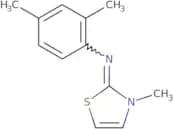
CAS:<p>4-Chloro-8-quinolinol is a quinoline derivative that has been shown to have pharmacological effects. It is used in the synthesis of other compounds, such as 5-chloro-8-hydroxyquinoline, which is used in the treatment of cancer. 4-Chloro-8-quinolinol can also be prepared by oxidizing 5,6,7,8 tetrachloroquinoline with chlorine and ammonia. The photophysical properties of this compound are analogous to those of benzothiazole derivatives. The fluorescence emission spectrum ranges from 360 nm to 450 nm with a maximum at 390 nm and emission intensity at 350 nm. This compound exhibits fungitoxicity against Penicillium notatum and Aspergillus fumigatus.</p>Fórmula:C9H6ClNOPureza:Min. 95%Peso molecular:179.6 g/molCymiazole
CAS:<p>Veterinary drug, ectoparasiticide</p>Fórmula:C12H14N2SPureza:Min. 95%Cor e Forma:Brown Clear LiquidPeso molecular:218.32 g/mol2-Chlorobenzonitrile
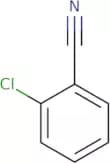
CAS:2-Chlorobenzonitrile is a white solid that is soluble in organic solvents. It is an aryl halide and has a chemical structure of C6ClCN. 2-Chlorobenzonitrile is used as a raw material for the production of dyes and pharmaceuticals. This compound reacts with hydrochloric acid to form 4-chlorobenzonitrile, which can be used in the synthesis of other chemicals. 2-Chlorobenzonitrile can also react with n-dimethyl formamide in an optimal reaction solution to form 4-chlorobenzonitrile. The FTIR spectroscopy on this compound shows that it has a chloride group at 795 cm−1. The optimum reaction temperature for this compound is between 100 and 120 °C, but it will react with inorganic acids such as sulfuric acid or phosphoric acid at higher temperatures. Synthesis of this compound can be done by reactingFórmula:C7H4ClNPureza:Min. 95%Cor e Forma:White PowderPeso molecular:137.57 g/mol2-Chloro-3-(hydroxymethyl)pyridine
CAS:<p>2-Chloro-3-(hydroxymethyl)pyridine is an organic compound that is used as a building block for the synthesis of other heterocycles. This compound can be synthesized from 2-chloronicotinic acid, which is obtained by oxidation of nicotine with sodium hypochlorite in the presence of potassium ion. The reaction proceeds via a cleavage of the C-Cl bond and formation of a pyridine ring. The catalytic process can be performed at room temperature and at atmospheric pressure in a variety of solvents, including water.<br>2-Chloro-3-(hydroxymethyl)pyridine has been shown to have high yields for the preparation of compounds such as 2,4-dichloropyridine and 4,5-dichloropyrimidine. It also has been used in the preparation of pharmaceuticals such as atrial natriuretic factor (ANF).</p>Fórmula:C6H6ClNOPureza:Min. 98 Area-%Cor e Forma:PowderPeso molecular:143.57 g/mol6-Hydroxy-1-naphthoic acid
CAS:<p>6-Hydroxy-1-naphthoic acid is a synthetic carboxylate compound with an analog structure that has been shown to be cytotoxic to cancer cells. It inhibits the activity of protein kinases by binding to ATP, which blocks the phosphorylation of tyrosine residues on proteins. 6-Hydroxy-1-naphthoic acid has been shown to inhibit growth factor receptors and induce apoptosis in tumor cells. The mechanism of action for this drug is believed to be through ring opening and hydrolysis of the naphthalene ring, followed by reaction with p-hydroxybenzoic acid. This results in inhibition of histone deacetylase activity, leading to decreased expression of genes involved in cell proliferation.</p>Fórmula:C11H8O3Pureza:Min. 95%Cor e Forma:PowderPeso molecular:188.18 g/mol4-Hydroxybenzenesulfonic acid, 65% aqueous solution
CAS:4-Hydroxybenzenesulfonic acid is a chemical compound that is used as an antimicrobial agent in industrial applications. It is commonly used as a corrosion inhibitor, a chelating agent, and an additive for detergents and other cleaning products. 4-Hydroxybenzenesulfonic acid has been shown to inhibit the growth of bacteria by binding to fatty acids in the cell membrane and preventing them from being incorporated into the cell wall. This process causes the cell wall to weaken and eventually rupture. The reaction mechanism of 4-hydroxybenzenesulfonic acid is similar to that of p-hydroxybenzoic acid, which also inhibits bacterial growth by attacking fatty acids in the cell membrane. 4-Hydroxybenzenesulfonic acid may be preferable because it can be produced from renewable sources rather than from petroleum or natural gas.Fórmula:C6H6O4SPureza:65%MinCor e Forma:Red PowderPeso molecular:174.18 g/molPotassium (1-(tert-butoxycarbonyl)piperidin-4-yl)trifluoroborate
CAS:<p>Versatile small molecule scaffold</p>Fórmula:C10H18BF3KNO2Pureza:Min. 95%Peso molecular:291.16 g/mol2-Iodobenzoic acid methyl ester
CAS:<p>2-Iodobenzoic acid methyl ester is a palladium complex that can be used as a catalyst for the hydrolysis of ketoesters, imines, and halides. The reaction mechanism involves the coordination of the metal center to the carboxylate or amine group on the substrate, followed by a nucleophilic attack at the benzoate or chloride group. The resulting product is an alkyl halide. 2-Iodobenzoic acid methyl ester has been shown to catalyze the cross-coupling of diphenyl ethers with various amines in water and in organic solvents.</p>Fórmula:C8H7IO2Pureza:Min. 95%Cor e Forma:Clear LiquidPeso molecular:262.04 g/mol


![tert-Butyl 4-[(piperazin-1-yl)methyl]piperidine-1-carboxylate](/_next/image/?url=https%3A%2Fstatic.cymitquimica.com%2Fproducts%2F3D%2Fthumb-webp%2FGQA72248.webp&w=3840&q=75)
![tert-Butyl 3,9-diazaspiro[5.5]undecane-3-carboxylate hydrochloride](/_next/image/?url=https%3A%2Fstatic.cymitquimica.com%2Fproducts%2F3D%2Fthumb-webp%2FLJA40647.webp&w=3840&q=75)


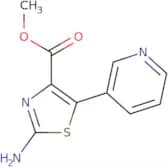
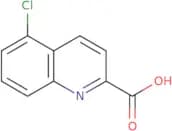


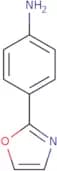
![2,2-Difluorobenzo[d][1,3]dioxol-5-ol](/_next/image/?url=https%3A%2Fstatic.cymitquimica.com%2Fproducts%2F3D%2Fthumb-webp%2FLYB53982.webp&w=3840&q=75)

![Spiro[3.3]heptane-2,6-dicarboxylic acid, 2,6-dimethyl ester](/_next/image/?url=https%3A%2Fstatic.cymitquimica.com%2Fproducts%2F3D%2Fthumb-webp%2FMBA94279.webp&w=3840&q=75)


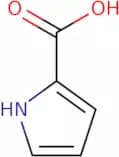
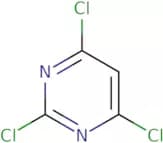
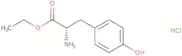
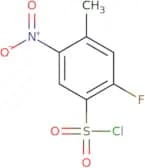
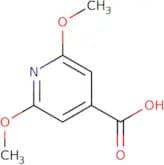
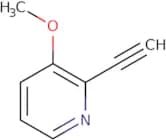
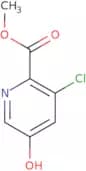


![7H,8H-Pyrido[2,3-d]pyridazin-8-one](/_next/image/?url=https%3A%2Fstatic.cymitquimica.com%2Fproducts%2F3D%2Fthumb-webp%2FQAA37579.webp&w=3840&q=75)
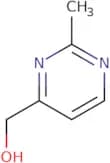


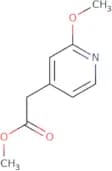
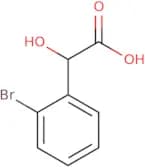
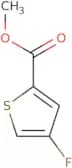
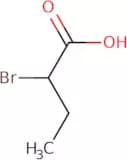
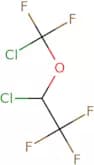
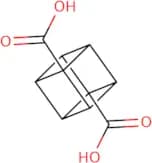
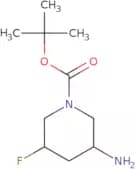
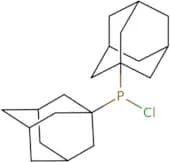
![6,7-dihydro-5h-pyrrolo[3,4-d]pyrimidin-2-amine 2hcl](/_next/image/?url=https%3A%2Fstatic.cymitquimica.com%2Fproducts%2F3D%2Fthumb-webp%2FHGA32752.webp&w=3840&q=75)


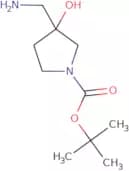

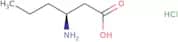
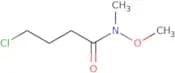

![Methyl 6-oxospiro[3.3]heptane-2-carboxylate](/_next/image/?url=https%3A%2Fstatic.cymitquimica.com%2Fproducts%2F3D%2Fthumb-webp%2FNVB48098.webp&w=3840&q=75)
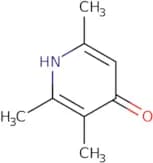
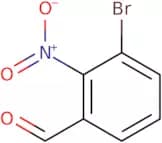
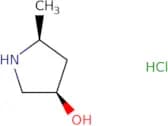

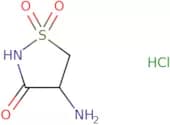
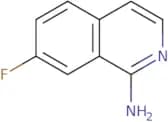

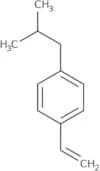
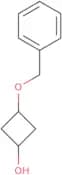


![3-[5-(Aminomethyl)-1-oxo-2,3-dihydro-1H-isoindol-2-yl]piperidine-2,6-dione hydrochloride](/_next/image/?url=https%3A%2Fstatic.cymitquimica.com%2Fproducts%2F3D%2Fthumb-webp%2FIWB26469.webp&w=3840&q=75)
![8-chloro-3H,4H-pyrido[3,4-d]pyrimidin-4-one](/_next/image/?url=https%3A%2Fstatic.cymitquimica.com%2Fproducts%2F3D%2Fthumb-webp%2FJDA34113.webp&w=3840&q=75)

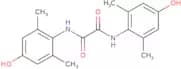
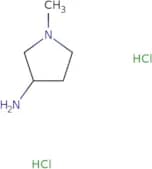
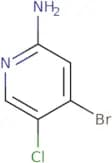

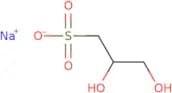
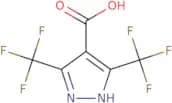
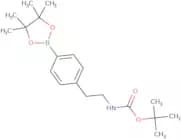


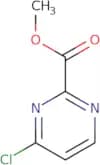


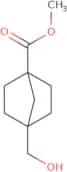

![2-{[(3αR,4S,6R,6αS)-6-Amino-2,2-dimethyltetrahydro-3αH-cyclopenta[d][1,3]-dioxol-4-yl] oxy}-1-ethol](/_next/image/?url=https%3A%2Fstatic.cymitquimica.com%2Fproducts%2F3D%2Fthumb-webp%2FZKA69355.webp&w=3840&q=75)
![2-[[(3aS,4R,6S,6aa)-4-[7-[[(1R,2S)-2-(3 ,4-Difluorophenyl)cyclopropyl]amino]-5-(propylthio)-3H-[1,…](/_next/image/?url=https%3A%2Fstatic.cymitquimica.com%2Fproducts%2F3D%2Fthumb-webp%2FZKA69326.webp&w=3840&q=75)
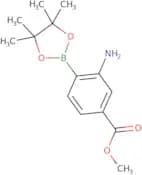
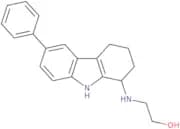


![(1R,4R)-2-Oxa-5-azabicyclo[2.2.1]heptane hydrochloride](/_next/image/?url=https%3A%2Fstatic.cymitquimica.com%2Fproducts%2F3D%2Fthumb-webp%2FBZA51579.webp&w=3840&q=75)


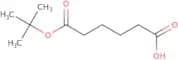

![5-bromo-3-iodopyrazolo[1,5-a]pyridine](/_next/image/?url=https%3A%2Fstatic.cymitquimica.com%2Fproducts%2F3D%2Fthumb-webp%2FCEC88182.webp&w=3840&q=75)


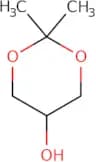

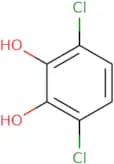
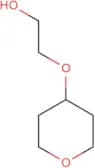
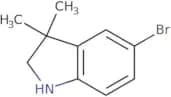
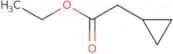


![6,6-Difluorospiro[3.3]heptan-2-amine Hydrochloride](/_next/image/?url=https%3A%2Fstatic.cymitquimica.com%2Fproducts%2F3D%2Fthumb-webp%2FYGC03271.webp&w=3840&q=75)
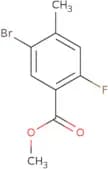

![4,7-dibromo-1H-benzo[d]imidazole](/_next/image/?url=https%3A%2Fstatic.cymitquimica.com%2Fproducts%2F3D%2Fthumb-webp%2FYFA18566.webp&w=3840&q=75)


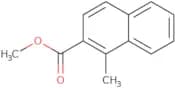


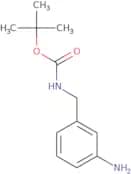
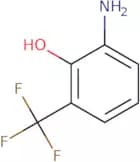
![3-Bromo-6,7-dihydro-4H-pyrazolo[1,5-a]pyrazine-5-carboxylic acid tert-butyl ester](/_next/image/?url=https%3A%2Fstatic.cymitquimica.com%2Fproducts%2F3D%2Fthumb-webp%2FWXB15425.webp&w=3840&q=75)


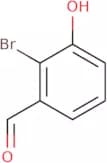

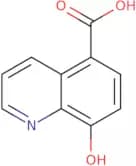
![2,3-Dihydro-1H-pyrrolo[3,2-c]pyridine hydrochloride](/_next/image/?url=https%3A%2Fstatic.cymitquimica.com%2Fproducts%2F3D%2Fthumb-webp%2FFAA91219.webp&w=3840&q=75)
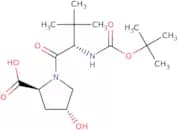
![1-[(tert-butoxy)carbonyl]-5,5-difluoropiperidine-3-carboxylic acid](/_next/image/?url=https%3A%2Fstatic.cymitquimica.com%2Fproducts%2F3D%2Fthumb-webp%2FFAC66686.webp&w=3840&q=75)
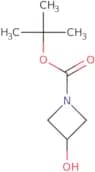

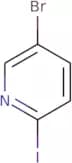


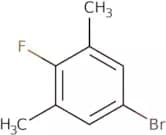


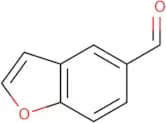
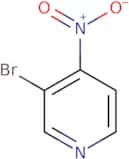


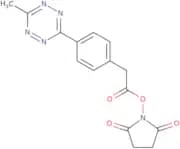
![4-Chloro-1H-pyrazolo[3,4-b]pyridine-3-carboxylic acid](/_next/image/?url=https%3A%2Fstatic.cymitquimica.com%2Fproducts%2F3D%2Fthumb-webp%2FULD13261.webp&w=3840&q=75)
![2-Bromobenzo[d]thiazol-6-amine](/_next/image/?url=https%3A%2Fstatic.cymitquimica.com%2Fproducts%2F3D%2Fthumb-webp%2FFB144124.webp&w=3840&q=75)
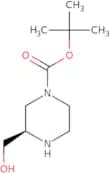
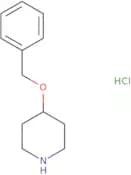


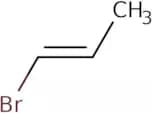

![6-Bromo-4-hydroxypyrazolo[1,5-a]pyridine-3-carbonitrile](/_next/image/?url=https%3A%2Fstatic.cymitquimica.com%2Fproducts%2F3D%2Fthumb-webp%2FFB182798.webp&w=3840&q=75)
![4-Bromo-1-methyl-1H-pyrazolo[4,3-c]pyridine-6-carboxylic acid](/_next/image/?url=https%3A%2Fstatic.cymitquimica.com%2Fproducts%2F3D%2Fthumb-webp%2FFB183353.webp&w=3840&q=75)
![N-[5-(4-Bromophenyl)-6-(2-hydroxyethoxy)-4-pyrimidinyl]-N′-propylsulfamide](/_next/image/?url=https%3A%2Fstatic.cymitquimica.com%2Fproducts%2F3D%2Fthumb-webp%2FFB183879.webp&w=3840&q=75)


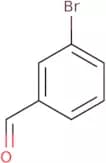
![8-Boc-3,8-diaza-bicyclo[3.2.1]octane](/_next/image/?url=https%3A%2Fstatic.cymitquimica.com%2Fproducts%2F3D%2Fthumb-webp%2FFB29382.webp&w=3840&q=75)
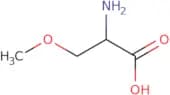
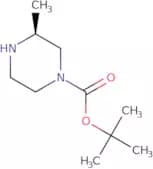

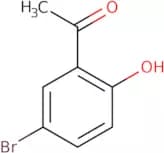
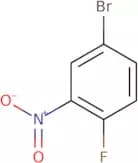

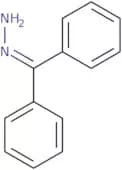

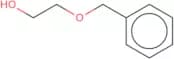
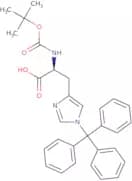
![(1S,4S)-tert-Butyl 2,5-diazabicyclo[2.2.1]heptane-2-carboxylate](/_next/image/?url=https%3A%2Fstatic.cymitquimica.com%2Fproducts%2F3D%2Fthumb-webp%2FFB45380.webp&w=3840&q=75)
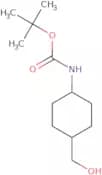

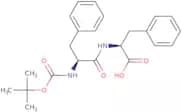
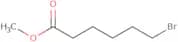
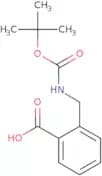
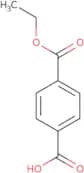

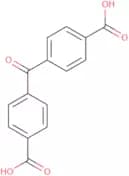
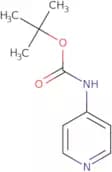

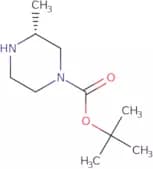


![Cucurbit[7]uril](/_next/image/?url=https%3A%2Fstatic.cymitquimica.com%2Fproducts%2F3D%2Fthumb-webp%2FFC171865.webp&w=3840&q=75)