Building Blocks
Esta seção contém produtos fundamentais para a síntese de compostos orgânicos e biológicos. Building blocks são os materiais de partida essenciais usados para construir moléculas complexas através de várias reações químicas. Eles desempenham um papel crítico na descoberta de medicamentos, ciência dos materiais e pesquisa química. Na CymitQuimica, oferecemos uma ampla gama de building blocks de alta qualidade para apoiar suas pesquisas inovadoras e projetos industriais, garantindo que você tenha os componentes essenciais para uma síntese bem-sucedida.
Subcategorias de "Building Blocks"
- Ácidos Borónicos e Derivados de Ácido Borónico(5.756 produtos)
- Building Blocks Quirais(1.242 produtos)
- Building Blocks Hidrocarbonetos(6.093 produtos)
- Building Blocks orgânicos(60.532 produtos)
Foram encontrados 195533 produtos de "Building Blocks"
Ordenar por
Pureza (%)
0
100
|
0
|
50
|
90
|
95
|
100
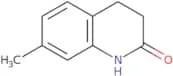
7-Methyl-1,2,3,4-tetrahydroquinolin-2-one
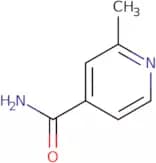
CAS:<p>Versatile small molecule scaffold</p>Fórmula:C10H11NOPureza:Min. 95%Peso molecular:161.2 g/mol2-Methylisonicotinamide
CAS:<p>2-Methylisonicotinamide is a scalable, functional group with a wide range of oxidative reactions. It has been shown to be selective for the oxidation of heteroarenes. It efficiently oxidizes in a one-pot process, and can be used as an efficient and economical oxidant. 2-Methylisonicotinamide is used in biomolecular chemistry for coupling reactions, including the oxidation of heterocyclic compounds. The compound is also employed as an oxidant in organic synthesis.</p>Fórmula:C7H8N2OPureza:Min. 95%Peso molecular:136.15 g/mol2-[(Pyridin-2-yl)carbamoyl]benzoic acid
CAS:<p>2-[(Pyridin-2-yl)carbamoyl]benzoic acid is an organic compound that contains a benzamide and amide functional group. It is paramagnetic, which means that it has the ability to be attracted by a magnetic field. It also has intramolecular nucleophilic attack properties. 2-[(Pyridin-2-yl)carbamoyl]benzoic acid can be used in elemental analyses and as a catalyst for chemical reactions, such as the conversion of thiocyanate to cyanide. 2-[(Pyridin-2-yl)carbamoyl]benzoic acid is used in the production of dyes and pharmaceuticals, including antihistamines and analgesics.</p>Fórmula:C13H10N2O3Pureza:Min. 95%Peso molecular:242.23 g/mol2,2-Dichloro-N-(4-chlorophenyl)-3-oxo-3-phenylpropanamide
CAS:<p>Versatile small molecule scaffold</p>Fórmula:C15H10Cl3NO2Pureza:Min. 95%Peso molecular:342.6 g/mol2-[Hydroxy(phenyl)methyl]prop-2-enenitrile
CAS:<p>2-[Hydroxy(phenyl)methyl]prop-2-enenitrile (2HMPE) is a crystalline compound that has been shown to inhibit the growth of Botrytis cinerea. It does so by binding in an antibonding fashion to the hydrogen atoms on the phenyl ring. This interaction results in a stereoselective interaction with the hydrogen and hydroxyl groups, which leads to a decrease in the rate of dna synthesis. 2HMPE has also been shown to have an antibonding interaction with the C4-C5 double bond of the fluoroquinolone nucleus, which is responsible for its potent antibacterial activity against Mycobacterium tuberculosis. 2HMPE has also been shown to be useful as a fingerprinting reagent. The compound can be used as a standard for x-ray crystallography and molecular orbital theory, because it is soluble and non-toxic.</p>Fórmula:C10H9NOPureza:Min. 95%Peso molecular:159.18 g/mol3-Iodo-pyrazolo[1,5-a]pyridine
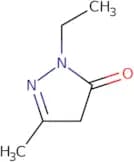
CAS:<p>3-Iodo-pyrazolo[1,5-a]pyridine is a boronic acid that has been optimized for medicinal use. It is chemically synthesized by coupling with a boronic ester. 3-Iodo-pyrazolo[1,5-a]pyridine has shown potent anti-inflammatory properties in mice models.</p>Fórmula:C7H5IN2Pureza:Min. 95%Peso molecular:244.03 g/mol1-Ethyl-3-methyl-4,5-dihydro-1H-pyrazol-5-one
CAS:<p>Versatile small molecule scaffold</p>Fórmula:C6H10N2OPureza:Min. 95%Peso molecular:126.16 g/mol3-{[4-(Trifluoromethyl)phenyl]sulfanyl}propanoic acid
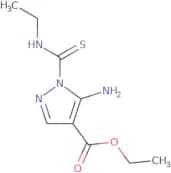
CAS:<p>Versatile small molecule scaffold</p>Fórmula:C10H9F3O2SPureza:Min. 95%Peso molecular:250.24 g/molEthyl 5-amino-1-(ethylcarbamothioyl)-1H-pyrazole-4-carboxylate
CAS:<p>Versatile small molecule scaffold</p>Fórmula:C9H14N4O2SPureza:Min. 95%Peso molecular:242.3 g/mol3-(2-Aminoethyl)-1,3-thiazolidine-2,4-dione hydrochloride
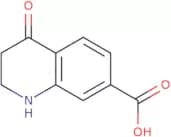
CAS:<p>Versatile small molecule scaffold</p>Fórmula:C5H9ClN2O2SPureza:Min. 95%Peso molecular:196.66 g/mol4-Oxo-1,2,3,4-tetrahydroquinoline-7-carboxylic acid
CAS:<p>4-Oxo-1,2,3,4-tetrahydroquinoline-7-carboxylic acid is a synthetic compound. It was first synthesized in 1965 and has been used as an analog of quinoline to study the electron transfer mechanism of aromatic aldehyde dehydrogenase. This analog is also used in the condensation reaction of aldehydes.</p>Fórmula:C10H9NO3Pureza:Min. 95%Peso molecular:191.18 g/mol3,4-Dimethyl-6H,7H-[1,2]oxazolo[5,4-b]pyridin-6-one
CAS:<p>Versatile small molecule scaffold</p>Fórmula:C8H8N2O2Pureza:Min. 95%Peso molecular:164.16 g/mol3,6-Dimethyl-[1,2]oxazolo[5,4-b]pyridin-4-ol
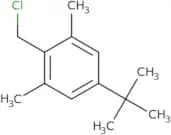
CAS:<p>Versatile small molecule scaffold</p>Fórmula:C8H8N2O2Pureza:Min. 95%Peso molecular:164.16 g/mol4-Tert-butyl-2,6-dimethylbenzylchloroide
CAS:<p>Versatile small molecule scaffold</p>Fórmula:C13H19ClPureza:Min. 95%Peso molecular:210.74 g/molBicyclo[3.3.1]nonan-3-amine hydrochloride
CAS:<p>Versatile small molecule scaffold</p>Fórmula:C9H18ClNPureza:Min. 95%Peso molecular:175.7 g/molBicyclo[3.3.1]nonan-9-amine hydrochloride
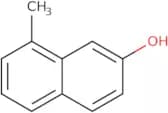
CAS:<p>Versatile small molecule scaffold</p>Fórmula:C9H18ClNPureza:Min. 95%Peso molecular:175.7 g/mol8-Methylnaphthalen-2-ol
CAS:<p>8-Methylnaphthalen-2-ol is a hydrocarbon with the molecular formula CH3. It is a colorless liquid with an almond odor. It is used in the synthesis of aromatic compounds, including amines and pharmaceuticals. 8-Methylnaphthalen-2-ol is found in marine bacteria and has been shown to be a substrate for bioconversion to benzyl alcohol or benzaldehyde. Recombinant E. coli cells have been used to produce high yields of 8-methylnaphthalen-2-ol from inexpensive starting materials such as glycerol, formaldehyde, and ammonia.</p>Fórmula:C11H10OPureza:Min. 95%Peso molecular:158.2 g/molCedrelopsin
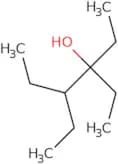
CAS:<p>Cedrelopsin is a coumarin derivative that is used as a pesticide. It inhibits the growth of cancer cells by binding to the cell membrane, which prevents the entry of many substances into the cell. Cedrelopsin also has an inhibitory effect on mammalian monoamine oxidase (MAO) enzymes, which are important for neurotransmitter metabolism. This compound is active in a variety of different types of cancer cells, including breast cancer and prostate cancer cells. Cedrelopsin shows pesticidal activity against many insects and mites, although it has no effect on mammals. Cedrelopsin has been shown to have a significant effect on blood pressure and heart rate in rats, with moderate hypotensive effects in humans. This compound is not considered toxic to humans or animals, because it does not bind to proteins in high concentrations and does not accumulate in tissues.</p>Fórmula:C15H16O4Pureza:Min. 95%Peso molecular:260.28 g/mol3,4-Diethyl-3-hexanol
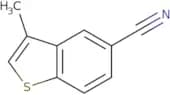
CAS:<p>3,4-Diethyl-3-hexanol is a chemical compound that is used as an ophthalmic agent. It is a colorless or white solid. 3,4-Diethyl-3-hexanol has been shown to be an antiviral agent that blocks the virus from entering the cells of the body. It also prevents the virus from replicating its genetic material and spreading throughout the body. This drug can be used in infants, pregnant women, and adults. 3,4-Diethyl-3-hexanol binds to plasma proteins and may interfere with levothyroxine metabolism in some cases. It has been shown to have no adverse effects on dihedral angles or boceprevir activity and has low toxicity levels in rats.</p>Fórmula:C10H22OPureza:Min. 95%Peso molecular:158.28 g/mol3-Methyl-1-benzothiophene-5-carbonitrile
CAS:<p>Versatile small molecule scaffold</p>Fórmula:C10H7NSPureza:Min. 95%Peso molecular:173.24 g/molMethyl 2-oxotetrahydrofuran-3-carboxylate
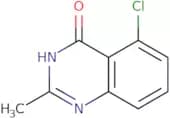
CAS:<p>Methyl 2-oxotetrahydrofuran-3-carboxylate is a synthetic compound that activates the PI3K pathway, which is a lipid kinase. It has been shown to be potent antiproliferative in cancer cell lines and xenografts. Methyl 2-oxotetrahydrofuran-3-carboxylate has been shown to inhibit the production of phosphatidylinositol, an important intermediate in the PI3K pathway. This inhibition leads to tumor cell apoptosis by inhibiting cyclic AMP synthesis, leading to decreased protein synthesis and DNA replication. In addition, this compound may also have antitumor activity by targeting the skeleton or structure of tumor cells.</p>Fórmula:C6H8O4Pureza:Min. 95%Peso molecular:144.13 g/mol5-Chloro-2-methylquinazolin-4(3H)-one
CAS:<p>Versatile small molecule scaffold</p>Fórmula:C9H7ClN2OPureza:Min. 95%Peso molecular:194.62 g/mol3-Chloronaphthalene-2-carboxylic acid
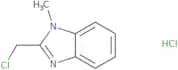
CAS:<p>3-Chloronaphthalene-2-carboxylic acid is a fluorescent compound that can be used as a fluorophore. It has been used in solid phase peptide synthesis, fluorescence resonance energy transfer, and fluorescence quantum yield experiments. 3-Chloronaphthalene-2-carboxylic acid has a high quantum yield of 0.21, which means that it emits light at a wavelength of 405 nm when it is excited with light at 350 nm. The excitation spectrum of this compound shows a single peak at 350 nm and two peaks at 395 nm and 410 nm. The emission spectrum has two peaks at 425 nm and 470 nm. This compound also has photochemical properties due to its ability to undergo oxidation by ozone or hydrogen peroxide.</p>Fórmula:C11H7ClO2Pureza:Min. 95%Peso molecular:206.62 g/mol2-(Chloromethyl)-1-methyl-1H-1,3-benzodiazole hydrochloride
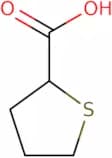
CAS:Produto Controlado<p>Versatile small molecule scaffold</p>Fórmula:C9H10Cl2N2Pureza:Min. 95%Peso molecular:217.09 g/molTetrahydrothiophene-2-carboxylic acid
CAS:<p>Tetrahydrothiophene-2-carboxylic acid is a metabolite of tetrahydrothiophene-2-acetic acid. It has been found to be a demethylation product of the protein genes in testicular tissues. Tetrahydrothiophene-2-carboxylic acid has been shown to inhibit the production of human telomerase and consequently, cell proliferation. This compound also inhibits the growth factor activity of bovine erythropoietin, which may be due to its chloride anion. The optical imaging technique has been used to study the effect of tetrahydrothiophene-2-carboxylic acid on cultured cells, revealing that this metabolite may induce apoptosis by increasing oxidative stress and inhibiting the synthesis of proteins essential for cell division.</p>Fórmula:C5H8O2SPureza:Min. 95%Peso molecular:132.2 g/mol2-(2-Ethylphenyl)acetic acid
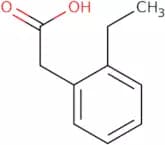
CAS:<p>2-(2-Ethylphenyl)acetic acid is a compound that is used to synthesize antihistamines. It has been shown to have potent antihistaminic activity in both the ileum and the stomach, which is stereoselective for the S(+) enantiomer. The 2-ethylphenyl group of this compound can be susceptible to alkylation by organometallic reagents such as piperidine, which can lead to side reactions with other groups on the molecule or other molecules in the reaction mixture. The 2-ethylphenyl group is also chiral, meaning that it has two different forms, or configurations.</p>Fórmula:C10H12O2Pureza:Min. 95%Peso molecular:164.2 g/mol2-[2-(Propan-2-yl)phenyl]acetic acid
CAS:<p>Versatile small molecule scaffold</p>Fórmula:C11H14O2Pureza:Min. 95%Peso molecular:178.23 g/mol3-Bromocinnolin-4-ol
CAS:<p>3-Bromocinnolin-4-ol is a nitrogenous and reactive chemical that can form dimers and triazines. It is a heteroaromatic with perfluoroalkyl substituents. 3-Bromocinnolin-4-ol has been shown to undergo photolysis, polymerization, and pyrolysis. The chemical has the ability to fluorinate other compounds by electron transfer. 3-Bromocinnolin-4-ol can also react with heteroaromatics to form polymers. This chemical is used as a reagent in organic synthesis due to its reactive nature.</p>Fórmula:C8H5BrN2OPureza:Min. 95%Peso molecular:225.05 g/mol2-Chloro-5-(4-chlorophenyl)-1,3,4-thiadiazole
CAS:<p>Versatile small molecule scaffold</p>Fórmula:C8H4Cl2N2SPureza:Min. 95%Peso molecular:231.1 g/mol2-Bromo-4-isopropylphenol
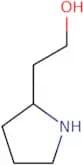
CAS:<p>Versatile small molecule scaffold</p>Fórmula:C9H11BrOPureza:Min. 95%Peso molecular:215.1 g/mol2-Pyrrolidin-2-yl-ethanol HCl
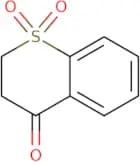
CAS:<p>2-Pyrrolidin-2-yl-ethanol HCl (2PE) is a chiral, homochiral molecule that can be used to synthesize enantiomers of other chiral molecules. It is a potent catalyst for the hydrogenation of carboxylic acids and can be used for the asymmetric synthesis of 1,4-dioxa-8-azaspiro[4.5]decane derivatives. 2PE is also an excellent inducible system for the production of trifluoromethyl carbanions which are useful in organic synthesis. The detection methods most commonly used to identify 2PE are headspace analysis and gas chromatography with mass spectrometry (GC/MS).</p>Fórmula:C6H14ClNOPureza:Min. 95%Peso molecular:151.63 g/mol3,4-dihydro-2H-1-benzothiopyran-1,1,4-trione
CAS:<p>Versatile small molecule scaffold</p>Fórmula:C9H8O3SPureza:Min. 95%Peso molecular:196.22 g/mol1-(Ethylamino)-3-(dimethylamino)propane
CAS:<p>Versatile small molecule scaffold</p>Fórmula:C7H18N2Pureza:Min. 95%Peso molecular:130.23 g/mol{3-[(2-Aminoethyl)(methyl)amino]propyl}dimethylamine
CAS:<p>Versatile small molecule scaffold</p>Fórmula:C8H21N3Pureza:Min. 95%Peso molecular:159.27 g/mol7-Hydroxy-4-methyl-3,4-dihydro-2H-1-benzopyran-2-one
CAS:<p>Versatile small molecule scaffold</p>Fórmula:C10H10O3Pureza:Min. 95%Peso molecular:178.18 g/molrac-(1R,3R,5S)-Bicyclo[3.3.1]nonane-3-carboxylic acid, exo
CAS:<p>Versatile small molecule scaffold</p>Fórmula:C10H16O2Pureza:Min. 95%Peso molecular:168.23 g/molrac-(1R,3S,5S)-Bicyclo[3.3.1]nonane-3-carboxylic acid
CAS:<p>Racemic bicyclo[3.3.1]nonane-3-carboxylic acid (BCCA) is a synthetic carboxylic acid that contains a carbonyl group. It has been shown to be an excellent electrophilic substrate for hydrogenolysis and catalysis. The functional groups can be easily modified by reactions with nucleophiles, electrophiles, and oxidizing agents. Racemic BCCA is used as a precursor in the synthesis of (±)-trans-2,4-pentadienal and other carbonyl compounds.</p>Fórmula:C10H16O2Pureza:Min. 95%Peso molecular:168.23 g/mol5-Bromo-benzo[b]thiophene 1,1-dioxide
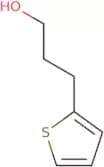
CAS:<p>Versatile small molecule scaffold</p>Fórmula:C8H5BrO2SPureza:Min. 95%Peso molecular:245.09 g/mol3-(thiophen-2-yl)propan-1-ol
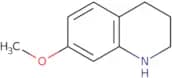
CAS:<p>3-(thiophen-2-yl)propan-1-ol is a chiral synthon. It is used as a building block in the synthesis of organic compounds, such as esters and amides. 3-(Thiophen-2-yl)propan-1-ol has been used to synthesize enantiomerically pure methylene compounds. This synthon can be prepared by the catalysis of vinyl acetate with thiophene, which forms a chain reaction that leads to the formation of 3-(thiophen-2-yl)propan-1-ol. The stereogenic center of this synthon is also chiral.</p>Fórmula:C7H10OSPureza:Min. 95%Peso molecular:142.22 g/mol7-Methoxy-1,2,3,4-tetrahydroquinoline
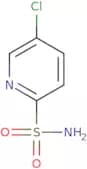
CAS:<p>Versatile small molecule scaffold</p>Fórmula:C10H13NOPureza:Min. 95%Peso molecular:163.22 g/mol5-Chloropyridine-2-sulfonamide
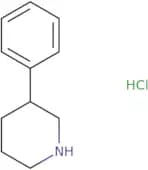
CAS:<p>Versatile small molecule scaffold</p>Fórmula:C5H5ClN2O2SPureza:Min. 95%Peso molecular:192.62 g/mol3-Phenylpiperidine hydrochloride
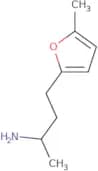
CAS:<p>3-Phenylpiperidine hydrochloride is a phenyl derivative that has been shown to have pharmacological effects. It binds to α2-adrenergic receptors and inhibits the binding of trifluoromethanesulfonic acid, which is a radioligand. 3-Phenylpiperidine hydrochloride also has affinity for benzene and hydroxyl groups, which are found in the structure of this drug. This compound has been shown to have conformational and conformational studies, as well as pharmacological tests. The methyl group on the 3-phenylpiperidine hydrochloride molecule is responsible for its pharmacological activity.</p>Fórmula:C11H16ClNPureza:Min. 95%Peso molecular:197.71 g/mol4-(5-Methylfuran-2-yl)butan-2-amine
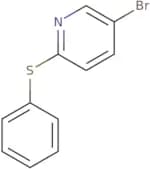
CAS:<p>Versatile small molecule scaffold</p>Fórmula:C9H15NOPureza:Min. 95%Peso molecular:153.22 g/mol5-Bromo-2-(phenylsulfanyl)pyridine
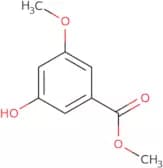
CAS:<p>Versatile small molecule scaffold</p>Fórmula:C11H8BrNSPureza:Min. 95%Peso molecular:266.16 g/molMethyl 3-hydroxy-5-methoxybenzoate
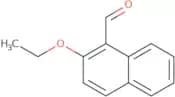
CAS:<p>Methyl 3-hydroxy-5-methoxybenzoate is a benzoylated meroterpenoid that is biosynthesized from geranyl and malonate. It has been shown to have bioactivities and medicinal properties in hepg2 cells, which are human hepatoblastoma cells. Methyl 3-hydroxy-5-methoxybenzoate has been shown to inhibit the enzyme hepg2 cell line, transcriptomic analysis, houben-hoesch reaction, geranyl, malonate, benzoylation, biosynthesis, pyridine, electrophilic, benzoylated (HMGCoA reductase), inhibiting cholesterol synthesis and increasing the production of bile acids. This compound also suppresses the growth of cancerous cells by inducing apoptosis.</p>Fórmula:C9H10O4Pureza:Min. 95%Peso molecular:182.17 g/mol2-Ethoxy-1-naphthaldehyde
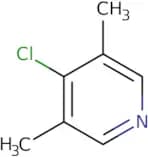
CAS:<p>2-Ethoxy-1-naphthaldehyde is a synthetic compound that is an intermediate in the synthesis of nafcillin sodium. It is also used as an intermediate for the production of acetonitrile, which can be used as a solvent. 2-Ethoxy-1-naphthaldehyde has been shown to have optical properties similar to those of anthracene and dihedral angles similar to those of peroxide. It undergoes dehydrating reactions with hydrogen peroxide, forming acetic acid, water, and hydrogen dioxide. This compound also has a strong tendency to form hydrogen bonds with other molecules.</p>Fórmula:C13H12O2Pureza:Min. 95%Peso molecular:200.23 g/mol4-Chloro-3,5-dimethyl-pyridine hydrochloride
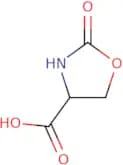
CAS:<p>4-Chloro-3,5-dimethyl-pyridine hydrochloride is an impurity that is generated during the manufacture of esomeprazole. It is a nucleophilic compound with a high reactivity and can be used as an insecticide or nematocide. 4-Chloro-3,5-dimethyl-pyridine hydrochloride can also be oxidized to form an n-oxide. This impurity has been shown to have a strong alkaline property.</p>Fórmula:C7H9Cl2NPureza:Min. 95%Peso molecular:178.06 g/mol(4S)-2-Oxo-1,3-oxazolidine-4-carboxylic acid
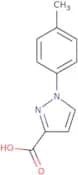
CAS:<p>Versatile small molecule scaffold</p>Fórmula:C4H5NO4Pureza:Min. 95%Peso molecular:131.09 g/mol1-(4-Methylphenyl)-1H-pyrazole-3-carboxylic acid
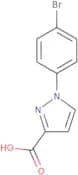
CAS:<p>Versatile small molecule scaffold</p>Fórmula:C11H10N2O2Pureza:Min. 95%Peso molecular:202.21 g/mol1-(4-Bromophenyl)-1H-pyrazole-3-carboxylic acid
CAS:<p>Versatile small molecule scaffold</p>Fórmula:C10H7BrN2O2Pureza:Min. 95%Peso molecular:267.08 g/mol

![2-[(Pyridin-2-yl)carbamoyl]benzoic acid](/_next/image/?url=https%3A%2Fstatic.cymitquimica.com%2Fproducts%2F3D%2Fthumb-webp%2FUAA35710.webp&w=3840&q=75)

![2-[Hydroxy(phenyl)methyl]prop-2-enenitrile](/_next/image/?url=https%3A%2Fstatic.cymitquimica.com%2Fproducts%2F3D%2Fthumb-webp%2FUAA36296.webp&w=3840&q=75)
![3-Iodo-pyrazolo[1,5-a]pyridine](/_next/image/?url=https%3A%2Fstatic.cymitquimica.com%2Fproducts%2F3D%2Fthumb-webp%2FUAA36399.webp&w=3840&q=75)
![3-{[4-(Trifluoromethyl)phenyl]sulfanyl}propanoic acid](/_next/image/?url=https%3A%2Fstatic.cymitquimica.com%2Fproducts%2F3D%2Fthumb-webp%2FUAA37288.webp&w=3840&q=75)
![3,4-Dimethyl-6H,7H-[1,2]oxazolo[5,4-b]pyridin-6-one](/_next/image/?url=https%3A%2Fstatic.cymitquimica.com%2Fproducts%2F3D%2Fthumb-webp%2FUAA38556.webp&w=3840&q=75)
![3,6-Dimethyl-[1,2]oxazolo[5,4-b]pyridin-4-ol](/_next/image/?url=https%3A%2Fstatic.cymitquimica.com%2Fproducts%2F3D%2Fthumb-webp%2FUAA38559.webp&w=3840&q=75)
![Bicyclo[3.3.1]nonan-3-amine hydrochloride](/_next/image/?url=https%3A%2Fstatic.cymitquimica.com%2Fproducts%2F3D%2Fthumb-webp%2FUAA38864.webp&w=3840&q=75)
![Bicyclo[3.3.1]nonan-9-amine hydrochloride](/_next/image/?url=https%3A%2Fstatic.cymitquimica.com%2Fproducts%2F3D%2Fthumb-webp%2FUAA38867.webp&w=3840&q=75)



![2-[2-(Propan-2-yl)phenyl]acetic acid](/_next/image/?url=https%3A%2Fstatic.cymitquimica.com%2Fproducts%2F3D%2Fthumb-webp%2FUAA41896.webp&w=3840&q=75)


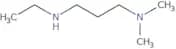
![{3-[(2-Aminoethyl)(methyl)amino]propyl}dimethylamine](/_next/image/?url=https%3A%2Fstatic.cymitquimica.com%2Fproducts%2F3D%2Fthumb-webp%2FUAA47531.webp&w=3840&q=75)
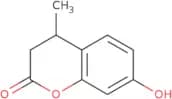
![rac-(1R,3R,5S)-Bicyclo[3.3.1]nonane-3-carboxylic acid, exo](/_next/image/?url=https%3A%2Fstatic.cymitquimica.com%2Fproducts%2F3D%2Fthumb-webp%2FUAA48916.webp&w=3840&q=75)
![rac-(1R,3S,5S)-Bicyclo[3.3.1]nonane-3-carboxylic acid](/_next/image/?url=https%3A%2Fstatic.cymitquimica.com%2Fproducts%2F3D%2Fthumb-webp%2FUAA48918.webp&w=3840&q=75)
![5-Bromo-benzo[b]thiophene 1,1-dioxide](/_next/image/?url=https%3A%2Fstatic.cymitquimica.com%2Fproducts%2F3D%2Fthumb-webp%2FUAA49287.webp&w=3840&q=75)