


Building Blocks
Subcategorias de "Building Blocks"
- Ácidos Borónicos e Derivados de Ácido Borónico(5.778 produtos)
- Building Blocks Quirais(1.243 produtos)
- Building Blocks Hidrocarbonetos(6.099 produtos)
- Building Blocks orgânicos(61.038 produtos)
Foram encontrados 205376 produtos de "Building Blocks"
4-[(Phenylamino)methyl]phenol hydrochloride
CAS:Versatile small molecule scaffoldFórmula:C13H14ClNOPureza:Min. 95%Peso molecular:235.71 g/mol1-[2-(2-Aminoethoxy)ethoxy]butane
CAS:Versatile small molecule scaffoldFórmula:C8H19NO2Pureza:Min. 95%Peso molecular:161.24 g/mol2-Hydroxy-4-(methoxymethyl)-6-methylpyridine-3-carbonitrile
CAS:This is a pyridine compound that is used in the nitration of aromatic compounds. It can be synthesized by reaction of 2-aminopyridine with nitric acid and sulfuric acid, followed by filtration and recrystallization. The experimental procedure for this compound is not currently available.
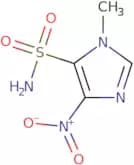
Fórmula:C9H10N2O2Pureza:Min. 95%Peso molecular:178.19 g/mol1-Methyl-4-nitro-1H-imidazole-5-sulfonamide
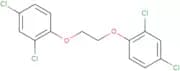
CAS:1-Methyl-4-nitro-1H-imidazole-5-sulfonamide is a cytotoxic agent that is used to treat cancer. This drug inhibits the growth of cancer cells and sensitizes them to radiation therapy by binding to DNA, which inhibits its ability to replicate. It has been shown to have an inhibitory effect on tumour growth in animal models. 1-Methyl-4-nitro-1H-imidazole-5-sulfonamide binds preferentially to tissues with high oxygen tension, such as the brain and bone marrow, and has been shown to be effective in treating leukemia cells. 1MM4NIAS is also radiosensitizing for cancer and can be used in combination with radiation therapy treatments for cancer patients.Fórmula:C4H6N4O4SPureza:Min. 95%Peso molecular:206.18 g/mol1,2-Bis(2,4-dichlorophenoxy)ethane
CAS:Versatile small molecule scaffoldFórmula:C14H10Cl4O2Pureza:Min. 95%Peso molecular:352 g/mol2-Hydroxy-2-(naphthalen-1-yl)propanoic acid
CAS:Versatile small molecule scaffold
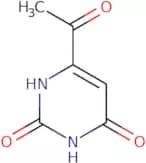
Fórmula:C13H12O3Pureza:Min. 95%Peso molecular:216.23 g/mol6-Acetyl-1,2,3,4-tetrahydropyrimidine-2,4-dione
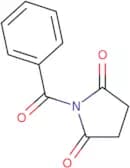
CAS:6-Acetyl-1,2,3,4-tetrahydropyrimidine-2,4-dione is a chemical compound that has two functions. One function is as a dianion that can be used to measure the hydrogen ion concentration in an aqueous solution with the pH range of 1 to 14. The second function is as an acid complex with constant K1 and K2 values. This compound is stable in the presence of acids and bases and can react with alcohols to form esters. 6-Acetyl-1,2,3,4-tetrahydropyrimidine-2,4-dione has been used in the synthesis of orotic acid from orotic acid esters.Fórmula:C6H6N2O3Pureza:Min. 95%Peso molecular:154.12 g/mol1-benzoylpyrrolidine-2,5-dione
CAS:1-Benzoylpyrrolidine-2,5-dione is a ketone that can be used as an industrial coupling agent. It is used in the synthesis of saccharin and arylketones. This reagent can be used to cleave amides and succinimide esters. 1-Benzoylpyrrolidine-2,5-dione reacts with arylsiloxanes to form functional groups on the silicon atom. In addition, this compound can be used as a substrate for organic synthesis.Fórmula:C11H9NO3Pureza:Min. 95%Peso molecular:203.2 g/mol2-[(Pyridin-3-yl)amino]acetic acid hydrochloride
CAS:Versatile small molecule scaffoldFórmula:C7H9ClN2O2Pureza:Min. 95%Peso molecular:188.61 g/mol2-[2-(Hydroxymethyl)phenyl]ethan-1-ol
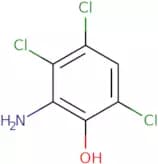
CAS:2-[2-(Hydroxymethyl)phenyl]ethan-1-ol is an antibacterial agent that belongs to the group of aryl alcohols. It is a bactericidal agent that inhibits the growth and reproduction of bacteria by binding to their DNA. 2-[2-(Hydroxymethyl)phenyl]ethan-1-ol has shown effectiveness against gram-positive and gram-negative bacteria, including Staphylococcus aureus, Streptococcus pneumoniae, Escherichia coli, Haemophilus influenzae and Bacillus subtilis. This compound has also been shown to be active against Mycobacterium tuberculosis, but not against Candida albicans or Aspergillus niger.Fórmula:C9H12O2Pureza:Min. 95%Peso molecular:152.19 g/mol2-Amino-3,4,6-trichlorophenol
CAS:2-Amino-3,4,6-trichlorophenol is a versatile compound that has various applications in different fields. It is commonly used in chromatographic analysis as a reference standard and as a reagent in organic synthesis. This compound is also found naturally in plants such as monoterpenoids, isoflavones, pyrazoles, alkaloids, and chalcones. Additionally, it has been identified as a component of certain research chemicals.
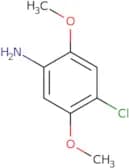
Fórmula:C6H4Cl3NOPureza:Min. 95%Peso molecular:212.5 g/mol4-Chloro-2,5-dimethoxyaniline
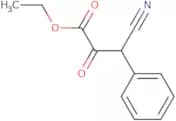
CAS:4-Chloro-2,5-dimethoxyaniline (4CMA) is a synthetic organic compound that can be used in the synthesis of dyes and pharmaceuticals. This compound is synthesized by reacting ammonium nitrate with 4-chloro-2,5-dimethoxybenzene in the presence of sodium formate. The reaction takes place in an organic solvent such as xylene or sulfoxide. The product is then reacted with methyl alcohol and alkylation agent such as hydrogen chloride to produce the desired product.Fórmula:C8H10ClNO2Pureza:Min. 95%Peso molecular:187.62 g/molEthyl 3-cyano-3-phenylpyruvate
CAS:Ethyl 3-cyano-3-phenylpyruvate is a chemical compound that is used as an antiviral agent. It has been shown in vitro to inhibit influenza virus and depression. Ethyl 3-cyano-3-phenylpyruvate is synthesized by the alkylation of furyl with phenyl group, followed by the reduction of the tetronic acid formed. The antiviral activity of ethyl 3-cyano-3-phenylpyruvate was analyzed by assessing the ability to inhibit viral replication and production of new viruses. The sodium salt form of this compound is used in foodstuff as a preservative.
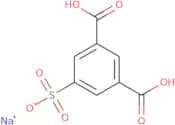
Fórmula:C12H11NO3Pureza:Min. 95%Peso molecular:217.22 g/molSodium 5-sulphoisophthalate
CAS:Sodium 5-sulphoisophthalate is a chemical compound that is the monosodium salt of sulfonated 5-sulphoisophthalic acid. It is an important raw material in the production of polycarboxylic acids, which are used as intermediates in the production of nylon and polyester. The reaction vessel for the production of sodium 5-sulfoisophthalate is usually a stainless steel pressure reactor. Sodium carbonate and sulfur trioxide react at high temperatures to produce sodium 5-sulfoisophthalate and hydrogen sulfide. The product can be purified by fractional distillation, or it can be reacted with ammonia to form ammonium sulfite, which can then be used as a fertilizer. Sodium 5-sulfoisophthalate has been shown to have fluorescence properties and can serve as a probe for hydrogen bonding between molecules.
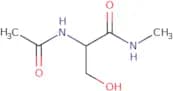
Fórmula:C8H5NaO7SPureza:Min. 95%Peso molecular:268.17 g/mol(2S)-2-Acetamido-3-hydroxy-N-methylpropanamide
CAS:(2S)-2-Acetamido-3-hydroxy-N-methylpropanamide is a compound that belongs to the class of phosphopeptides. It is synthesized by reacting an N-acetylcysteamine with methylamine in the presence of sodium bicarbonate. This compound has shown to have antihypertensive and vasodilatory effects, as well as the ability to inhibit platelet aggregation.
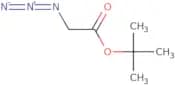
Fórmula:C6H12N2O3Pureza:Min. 95%Peso molecular:160.17 g/moltert-Butyl 2-azidoacetate
CAS:Tert-butyl 2-azidoacetate is a synthetic chemical that is used to synthesize azides. It reacts with ethyl diazoacetate to produce tert-butyl azide and tert-butanol. This reaction can be used to synthesize the azide functional group in a single step, which is more efficient than the traditional two-step process. Tert-butyl 2-azidoacetate has been shown to have antibacterial activity against hl-60 cells, an immortalized promyelocytic leukemia cell line. The antibacterial effect of tert-butyl 2-azidoacetate may be due to its ability to react with amino groups on proteins and phosphonates on DNA, which are important for bacterial growth and replication.
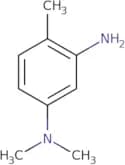
Fórmula:C6H11N3O2Pureza:Min. 95%Peso molecular:157.17 g/molN1,N1,4-Trimethylbenzene-1,3-diamine
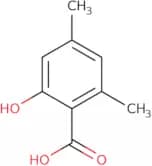
CAS:Versatile small molecule scaffoldFórmula:C9H14N2Pureza:Min. 95%Peso molecular:150.22 g/mol2-Hydroxy-4,6-dimethylbenzoic acid
CAS:2-Hydroxy-4,6-dimethylbenzoic acid (HMBA) is a tumor treatment drug that can be used in combination with other drugs. HMBA inhibits proton pumps and the synthesis of DNA, RNA, and protein. The proton pump inhibitors are used to treat acid reflux disease, ulcers, and gastroesophageal reflux disease. HMBA has been shown to significantly inhibit tumor growth in animal studies. This drug also has anti-inflammatory effects and may be useful for treating arthritis.
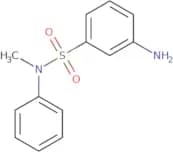
Fórmula:C9H10O3Pureza:Min. 95%Peso molecular:166.17 g/mol3-Amino-N-methyl-N-phenylbenzene-1-sulfonamide
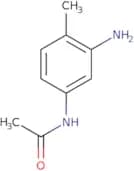
CAS:Versatile small molecule scaffoldFórmula:C13H14N2O2SPureza:Min. 95%Peso molecular:262.33 g/molN-(3-Amino-4-methylphenyl)acetamide
CAS:Acetaminophen, also known as paracetamol, is a widely used drug for pain relief and fever reduction. It is metabolized by the liver, mainly through the cytochrome P450 pathway. The cytochrome P450 pathway produces reactive intermediates that can cause oxidative stress and DNA damage. Acetaminophen has been shown to be toxic to rat primary hepatocytes in vitro at concentrations of 40-160 μM after 24 hours. Acetaminophen has also been shown to be mutagenic and carcinogenic in rats at doses of 5000 mg/kg/day, which is equivalent to a human dose of 160 mg/kg/day or higher. These effects are due to acetaminophen’s metabolic activation by reactive oxygen species (ROS) and its ability to induce cytotoxicity and oxidative stress in cells.
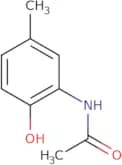
Fórmula:C9H12N2OPureza:Min. 95%Peso molecular:164.2 g/mol2'-Hydroxy-5'-methylacetanilide
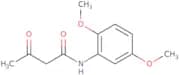
CAS:2'-Hydroxy-5'-methylacetanilide (HMA) is a methemoglobin-inducing agent that is used to study the uptake of acetylated compounds. HMA has been shown to have dose-dependent effects on methemoglobin production and can be used to study the interaction of active substances with hemoglobin. HMA is also used in preloaded doses as an antidote for exposure to nitrobenzene or phenacetin. This drug also induces monomers, which are small molecules that contain one or more acetyl groups, and suppresses the efflux of substances from cells. 2'-Hydroxy-5'-methylacetanilide is also known as acetoxybenzoic acid and has been shown to inhibit synaptic activity in rats.Fórmula:C9H11NO2Pureza:Min. 95%Peso molecular:165.19 g/mol2',5'-Dimethoxyacetoacetanilide
CAS:Versatile small molecule scaffoldFórmula:C12H15NO4Pureza:Min. 95%Peso molecular:237.26 g/mol2-[(4-Chloro-2-nitrophenyl)sulfanyl]acetic acid
CAS:Versatile small molecule scaffoldFórmula:C8H6ClNO4SPureza:Min. 95%Peso molecular:247.66 g/mol2-[(2-nitrophenyl)sulfanyl]acetic acid
CAS:Versatile small molecule scaffold
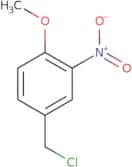
Fórmula:C8H7NO4SPureza:Min. 95%Peso molecular:213.2 g/mol4-(Chloromethyl)-1-methoxy-2-nitrobenzene
CAS:4-(Chloromethyl)-1-methoxy-2-nitrobenzene is a heterocyclic compound that belongs to the group of germicides. It is prepared by the reaction of potassium carbonate with methylamine and 4-chloro-1-methoxybenzene. The chloromethyl group in this compound can be replaced by other halogens, such as bromine or iodine, in order to produce other derivatives. This type of chemical has been used in the past as a fungicide, but is now mostly used as a precursor for dyes. 4-(Chloromethyl)-1-methoxy-2-nitrobenzene has an analogous reaction with amines, which are compounds containing nitrogen and hydrogen atoms that have one or more organic substituents. These reactions are useful for producing drugs such as amphetamines, barbiturates, and some types of antibiotics.
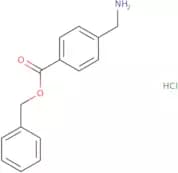
Fórmula:C8H8ClNO3Pureza:Min. 95%Peso molecular:201.61 g/molBenzyl 4-(aminomethyl)benzoate hydrochloride
CAS:Versatile small molecule scaffold
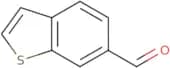
Fórmula:C15H16ClNO2Pureza:Min. 95%Peso molecular:277.74 g/mol1-Benzothiophene-6-carboxaldehyde
CAS:1-Benzothiophene-6-carboxaldehyde (BTA) is a heterocyclic compound that contains sulfur. It is a colorless liquid with a sweet odor. BTA is used in the manufacture of pesticides, pharmaceuticals, and other organic chemicals. It is also used as a building block in the synthesis of other compounds and has been shown to have anti-inflammatory properties.
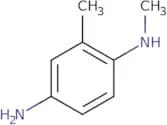
Fórmula:C9H6OSPureza:Min. 95%Peso molecular:162.21 g/mol1-N,2-Dimethylbenzene-1,4-diamine
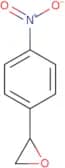
CAS:Versatile small molecule scaffoldFórmula:C8H12N2Pureza:Min. 95%Peso molecular:136.19 g/mol2-(4-Nitrophenyl)oxirane
CAS:2-(4-Nitrophenyl)oxirane is an organic compound that is used as a reactant in organic chemistry. It has been shown to be an effective anti-inflammatory agent in vitro. This compound reacts with the hydroxyl group of epoxyethane to form a stable oxirane, which can then be oxidized by hydrogen peroxide to form an epoxide. The enantiomeric purity of 2-(4-nitrophenyl)oxirane was determined using an asymmetric synthesis and found to be greater than 99%.Fórmula:C8H7NO3Pureza:Min. 95%Peso molecular:165.15 g/mol[4-(Prop-1-en-2-yl)phenyl]methanol
CAS:Versatile small molecule scaffoldFórmula:C10H12OPureza:Min. 95%Peso molecular:148.2 g/mol2-{[Bis(methylamino)methylidene]amino}acetic acid
CAS:Versatile small molecule scaffold
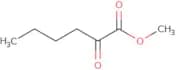
Fórmula:C5H11N3O2Pureza:Min. 95%Peso molecular:145.16 g/molMethyl 2-oxohexanoate
CAS:Methyl 2-oxohexanoate is a synthetic chemical that is used as a solvent in organic synthesis. It can be deuterated to produce a deuterated derivative, which has been shown to have improved stability in an organic environment. Methyl 2-oxohexanoate has been used as the starting material for the asymmetric synthesis of some medicinal drugs, including the anti-inflammatory drug piroxicam. This chemical also has been shown to have anticancer activity due to its ability to inhibit fatty acid synthase and nutrient uptake in pancreatic cancer cells.
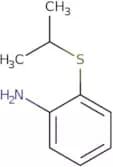
Fórmula:C7H12O3Pureza:Min. 95%Peso molecular:144.17 g/mol2-(Isopropylthio)aniline
CAS:2-(Isopropylthio)aniline is a synthetic chemical compound. It is a primary alkyl amine, with the chemical formula CH3CH2NHCH2CH2SCH3. It has two alkyl groups, one substituent and one trifluoroacetic acid group. 2-(Isopropylthio)aniline is synthesized in the laboratory by reacting benzene with an aminophenyl group and an alkyl group. The reaction proceeds via the following steps: 1) Addition of trifluoroacetic acid to benzene 2) Addition of aminophenyl group to benzene 3) Addition of an alkyl group to benzene 4) Reaction of the newly formed 2-chloro-benzoyl chloride with ammonia 5) Reaction of the newly formed 2-aminobenzamide with hydrogen sulfideFórmula:C9H13NSPureza:Min. 95%Peso molecular:167.28 g/molN-[2-(Benzylsulfanyl)phenyl]-2-chloroacetamide
CAS:Versatile small molecule scaffold
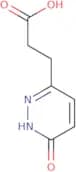
Fórmula:C15H14ClNOSPureza:Min. 95%Peso molecular:291.8 g/mol3-(6-oxo-1,6-dihydropyridazin-3-yl)propanoic acid
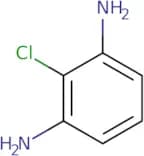
CAS:Versatile small molecule scaffoldFórmula:C7H8N2O3Pureza:Min. 95%Peso molecular:168.15 g/mol2-Chlorobenzene-1,3-diamine
CAS:Versatile small molecule scaffold
Fórmula:C6H7ClN2Pureza:Min. 95%Peso molecular:142.58 g/mol4-((Diethylamino)methyl)aniline
CAS:Produto ControladoVersatile small molecule scaffold
Fórmula:C11H18N2Pureza:Min. 95%Peso molecular:178.28 g/mol3-Methyl-benzo[b]thiophene 1,1-dioxide
CAS:Versatile small molecule scaffold
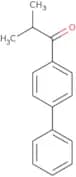
Fórmula:C9H8O2SPureza:Min. 95%Peso molecular:180.23 g/mol1-(Biphenyl-4-yl)-2-methyl propan-1-one
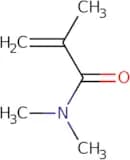
CAS:1-(Biphenyl-4-yl)-2-methyl propan-1-one is a phenolate that belongs to the class of symmetric top molecules. It has ionic and covalent bonds with hydrogen, halides, and other compounds. The 1-(biphenyl-4-yl)-2-methyl propan-1-one molecule has a constant boiling point of 177 degrees Celsius at atmospheric pressure. It can be used as a monomer in polymerization reactions. The compound reacts with electrophiles such as alkyl halides or amides to form various products. This reaction is commonly seen in nmr spectra and functional theory. The 1-(biphenyl-4-yl)-2-methyl propan-1-one molecule has an average molar mass of 210 grams per mole and a molecular formula of C10H8O3P.Fórmula:C16H16OPureza:Min. 95%Peso molecular:224.3 g/molN,N-Dimethylmethacrylamide
CAS:N,N-Dimethylmethacrylamide is a monomer that is used in the polymerization of polymers. It can be copolymerized with other monomers to form polymers with different properties. The chloride ion provides the reactivity needed for this polymerization and it can also be polymerized with an inorganic acid such as sulfuric acid or phosphoric acid. N,N-Dimethylmethacrylamide has been shown to have properties that are similar to those of an amide, which is a molecule made up of a nitrogen atom and two carbonyl groups. The bond cleavage reaction can be induced by the addition of an enolate, which is a negatively charged carbon atom that binds to the molecule's positive charge. This leads to the formation of a new bond between the broken bond and another molecule.
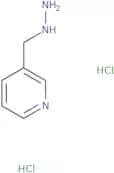
Fórmula:C6H11NOPureza:Min. 95%Peso molecular:113.16 g/mol3-(Hydrazinomethyl)pyridine dihydrochloride
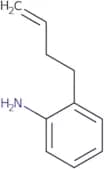
CAS:Versatile small molecule scaffoldFórmula:C6H11Cl2N3Pureza:Min. 95%Peso molecular:196.08 g/mol2-(But-3-en-1-yl)aniline
CAS:Versatile small molecule scaffold
Fórmula:C10H13NPureza:Min. 95%Peso molecular:147.22 g/mol2,6-Dimethyl-3-nitrophenol
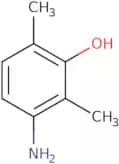
CAS:2,6-Dimethyl-3-nitrophenol is a chemical compound that is used in the nitration of aromatic compounds. It has a hydroxyl group and can be synthesized by reacting phenol with nitric acid and sulfuric acid at elevated temperatures. The reaction produces a mixture of 2,6- and 3,5-dimethylphenol. The 2,6-dimethylphenol can then be oxidized to produce 2,6-dinitrophenol.Fórmula:C8H9NO3Pureza:Min. 95%Peso molecular:167.16 g/mol3-Amino-2,6-dimethylphenol
CAS:3-Amino-2,6-dimethylphenol is a methylphenol that is used in the manufacture of cosmetics. It has been shown to increase the production of hydroxyindoles and oxidant enzymes. 3-Amino-2,6-dimethylphenol also acts as a treatment for various skin conditions such as psoriasis and eczema. It can be found in many products including soaps, shampoos and lotions. 3-Amino-2,6-dimethylphenol can also be used as an intermediate for other chemicals such as methoxymethyl or dihydroxynaphthalenes.Fórmula:C8H11NOPureza:Min. 95%Peso molecular:137.18 g/mol3-[(1-Ethyl-1H-1,3-benzodiazol-2-yl)amino]propan-1-ol
CAS:Versatile small molecule scaffold
Fórmula:C12H17N3OPureza:Min. 95%Peso molecular:219.28 g/mol2-{Imidazo[1,2-a]pyridin-2-ylmethoxy}benzaldehyde
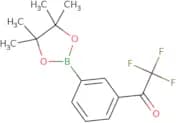
CAS:Versatile small molecule scaffoldFórmula:C15H12N2O2Pureza:Min. 95%Peso molecular:252.27 g/mol2,2,2-Trifluoro-1-(3-(4,4,5,5-tetramethyl-1,3,2-dioxaborolan-2-yl)phenyl)ethanone
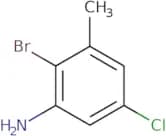
CAS:Versatile small molecule scaffoldFórmula:C14H16BF3O3Pureza:Min. 95%Peso molecular:300.08 g/mol2-Bromo-5-chloro-3-methylaniline
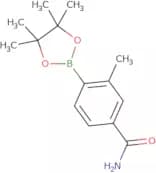
CAS:Versatile small molecule scaffoldFórmula:C7H7BrClNPureza:Min. 95%Peso molecular:220.49 g/mol(4-Carbamoyl-2-methylphenyl)boronic acid, pinacol ester
CAS:Versatile small molecule scaffold
Fórmula:C14H20BNO3Pureza:Min. 95%Peso molecular:261.12 g/molN-[(3,6-Dichloropyridazin-4-yl)methyl]benzamide
CAS:Versatile small molecule scaffoldFórmula:C12H9Cl2N3OPureza:Min. 95%Peso molecular:282.12 g/mol
![4-[(Phenylamino)methyl]phenol hydrochloride](/_next/image/?url=https%3A%2Fstatic.cymitquimica.com%2Fproducts%2F3D%2Fthumb-webp%2FGAA33784.webp&w=3840&q=75)

![1-[2-(2-Aminoethoxy)ethoxy]butane](/_next/image/?url=https%3A%2Fstatic.cymitquimica.com%2Fproducts%2F3D%2Fthumb-webp%2FGAA33853.webp&w=3840&q=75)
![2-[(Pyridin-3-yl)amino]acetic acid hydrochloride](/_next/image/?url=https%3A%2Fstatic.cymitquimica.com%2Fproducts%2F3D%2Fthumb-webp%2FGAA34528.webp&w=3840&q=75)
![2-[2-(Hydroxymethyl)phenyl]ethan-1-ol](/_next/image/?url=https%3A%2Fstatic.cymitquimica.com%2Fproducts%2F3D%2Fthumb-webp%2FGAA34600.webp&w=3840&q=75)
![2-[(4-Chloro-2-nitrophenyl)sulfanyl]acetic acid](/_next/image/?url=https%3A%2Fstatic.cymitquimica.com%2Fproducts%2F3D%2Fthumb-webp%2FGAA37561.webp&w=3840&q=75)
![2-[(2-nitrophenyl)sulfanyl]acetic acid](/_next/image/?url=https%3A%2Fstatic.cymitquimica.com%2Fproducts%2F3D%2Fthumb-webp%2FGAA37565.webp&w=3840&q=75)
![[4-(Prop-1-en-2-yl)phenyl]methanol](/_next/image/?url=https%3A%2Fstatic.cymitquimica.com%2Fproducts%2F3D%2Fthumb-webp%2FGAA39064.webp&w=3840&q=75)
![2-{[Bis(methylamino)methylidene]amino}acetic acid](/_next/image/?url=https%3A%2Fstatic.cymitquimica.com%2Fproducts%2F3D%2Fthumb-webp%2FGAA39271.webp&w=3840&q=75)
![N-[2-(Benzylsulfanyl)phenyl]-2-chloroacetamide](/_next/image/?url=https%3A%2Fstatic.cymitquimica.com%2Fproducts%2F3D%2Fthumb-webp%2FGAA39735.webp&w=3840&q=75)
![3-Methyl-benzo[b]thiophene 1,1-dioxide](/_next/image/?url=https%3A%2Fstatic.cymitquimica.com%2Fproducts%2F3D%2Fthumb-webp%2FGAA40691.webp&w=3840&q=75)
![3-[(1-Ethyl-1H-1,3-benzodiazol-2-yl)amino]propan-1-ol](/_next/image/?url=https%3A%2Fstatic.cymitquimica.com%2Fproducts%2F3D%2Fthumb-webp%2FGAB84369.webp&w=3840&q=75)
![2-{Imidazo[1,2-a]pyridin-2-ylmethoxy}benzaldehyde](/_next/image/?url=https%3A%2Fstatic.cymitquimica.com%2Fproducts%2F3D%2Fthumb-webp%2FGAB85840.webp&w=3840&q=75)
![N-[(3,6-Dichloropyridazin-4-yl)methyl]benzamide](/_next/image/?url=https%3A%2Fstatic.cymitquimica.com%2Fproducts%2F3D%2Fthumb-webp%2FGAB91468.webp&w=3840&q=75)