


Building Blocks
Subcategorias de "Building Blocks"
- Ácidos Borónicos e Derivados de Ácido Borónico(5.778 produtos)
- Building Blocks Quirais(1.243 produtos)
- Building Blocks Hidrocarbonetos(6.099 produtos)
- Building Blocks orgânicos(61.038 produtos)
Foram encontrados 205376 produtos de "Building Blocks"
3-Methoxy-1-phenylpropan-1-ol
CAS:3-Methoxy-1-phenylpropan-1-ol is a colorless liquid with a fruity odor. It is used in the synthesis of organic compounds and as an intermediate for other organic syntheses. 3-Methoxy-1-phenylpropan-1-ol is a precursor to methoxyphenols, which are used in the manufacture of pesticides, pharmaceuticals and dyes. Methoxyphenols are also precursors to phenolic resins, which are used as binders for paints and coatings. 3-Methoxypropane can be prepared by electrolysis of methanol or by carbonate hydrolysis of methyl acetate in the presence of sodium methoxide. The methanol reacts with sodium methoxide to form methyl acetate and methanolic hydrochloric acid.Fórmula:C10H14O2Pureza:Min. 95%Peso molecular:166.22 g/mol3-Thietanecarboxylicacid,1,1-dioxide
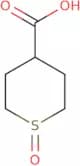
CAS:Versatile small molecule scaffold
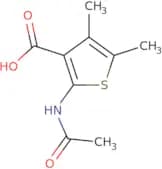
Fórmula:C4H6O4SPureza:Min. 95%Peso molecular:150.15 g/mol2-(Acetylamino)-4,5-dimethylthiophene-3-carboxylic acid
CAS:Versatile small molecule scaffoldFórmula:C9H11NO3SPureza:Min. 95%Peso molecular:213.25 g/mol5-Methyl-4-oxa-8-thia-6-azatricyclo[7.4.0.0,2,7]trideca-1(9),2(7),5-trien-3-one
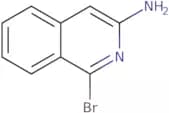
CAS:Versatile small molecule scaffoldFórmula:C11H11NO2SPureza:Min. 95%Peso molecular:221.28 g/mol1-Bromoisoquinolin-3-amine
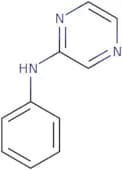
CAS:1-Bromoisoquinolin-3-amine is a naphthyridine that can be synthesized by the reaction of 1-chloroisonicotinic acid with sodium azide and bromine. This compound has the potential to be used for the synthesis of other compounds, such as thiazolopyrimidines and benzothiazoles. Irradiation of 1-Bromoisoquinolin-3-amine in a nitrogen atmosphere yields an isomer with a phosphite group at C2. The tricycle structure of this isomer makes it reactive towards nucleophilic substitution reactions, making it useful for synthetic purposes.Fórmula:C9H7BrN2Pureza:Min. 95%Peso molecular:223.07 g/molN-Phenylpyrazin-2-amine
CAS:N-Phenylpyrazin-2-amine is a tetrazole that has been shown to have an axial configuration. It is also a polymorph of the molecule, which means it can exist in different crystalline structures. N-Phenylpyrazin-2-amine has been shown to form hydrogen bonds with chlorine and hydrogen bonds with benzotriazole. The nitrogen atom in this compound is bonded to two phenyltetrazole rings and one carbon atom. This chain crystal structure was found to be monoclinic in nature.
Fórmula:C10H9N3Pureza:Min. 95%Peso molecular:171.2 g/molMethyl 3-hydroxybenzo[b]thiophene-2-carboxylate
CAS:Methyl 3-hydroxybenzo[b]thiophene-2-carboxylate is an intermediate in the synthesis of nitrobenzene. It is also a synthon for benzothiophene esters and functionalized derivatives.
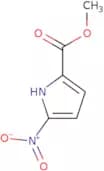
Fórmula:C10H8O3SPureza:Min. 95%Peso molecular:208.23 g/molMethyl 5-nitro-1H-pyrrole-2-carboxylate
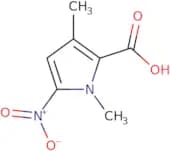
CAS:Versatile small molecule scaffoldFórmula:C6H6N2O4Pureza:Min. 95%Peso molecular:170.12 g/mol1H-pyrrole-2-carboxylic acid, 1-methyl-5-nitro-, methyl ester
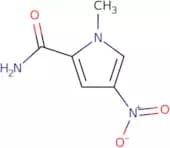
CAS:Versatile small molecule scaffoldFórmula:C7H8N2O4Pureza:Min. 95%Peso molecular:184.15 g/mol1-Methyl-4-nitro-1H-pyrrole-2-carboxamide
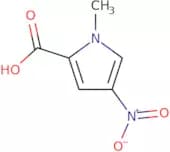
CAS:Versatile small molecule scaffoldFórmula:C6H7N3O3Pureza:Min. 95%Peso molecular:169.14 g/mol1-Methyl-4-nitro-1H-pyrrole-2-carboxylic acid
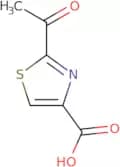
CAS:1-Methyl-4-nitro-1H-pyrrole-2-carboxylic acid is a molecule that has been shown to be cytotoxic to cancer cells. It interacts with the DNA at the sequences that are responsible for the production of amino acids and inhibits the synthesis of proteins. This drug also interacts with a chromophore, which is an organic molecule that absorbs light, and it can be conjugated to other molecules in order to increase its cytotoxicity. The anticancer activity of 1MNP was found to be bimodal, meaning it has different effects on different types of cancer cells.Fórmula:C6H6N2O4Pureza:Min. 95%Peso molecular:170.12 g/mol2-Acetyl-1,3-thiazole-4-carboxylic acid
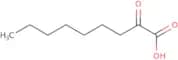
CAS:2-Acetyl-1,3-thiazole-4-carboxylic acid is a carbonyl compound that is structurally related to other algicides. It has been shown to be effective against marine bacteria and organisms, including algae, bacteria and fungi. The 2-acetyl derivative of 1,3-thiazole has been found to have the highest activity among the derivatives tested. The chemical structure of this compound is similar to that of methyl ester and can be easily hydrolyzed by alkaline solutions. 2-Acetyl-1,3-thiazole-4-carboxylic acid also reacts with oxygen in air to form an unstable oxide which decomposes into water and carbon dioxide. This characteristic makes it suitable for use as an algicide because it can be easily decomposed by sunlight or UV light.Fórmula:C6H5NO3SPureza:Min. 95%Peso molecular:171.18 g/mol2-Oxononanoic acid
CAS:2-Oxononanoic acid is a fatty acid that inhibits the binding of diagnostic agents to interleukin receptors. 2-Oxononanoic acid has been shown to inhibit the production of reactive oxygen species, which may be due to its acidic pH. This compound also inhibits the release of inflammatory mediators, such as cytokines and arachidonic acid metabolites. 2-Oxononanoic acid has been shown to have therapeutic potential in autoimmune diseases and infectious diseases, such as HIV/AIDS. 2-Oxononanoic acid is an affinity ligand for fatty acids and can be used in conjugates with antibodies or antigens for diagnostic purposes or therapy.
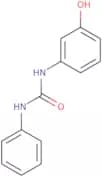
Fórmula:C9H16O3Pureza:Min. 95%Peso molecular:172.22 g/mol3-(3-Hydroxyphenyl)-1-phenylurea
CAS:Versatile small molecule scaffold
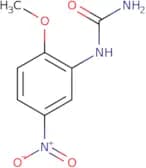
Fórmula:C13H12N2O2Pureza:Min. 95%Peso molecular:228.25 g/mol(2-Methoxy-5-nitrophenyl)urea
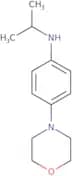
CAS:Versatile small molecule scaffoldFórmula:C8H9N3O4Pureza:Min. 95%Peso molecular:211.17 g/mol4-(Morpholin-4-yl)-N-(propan-2-yl)aniline
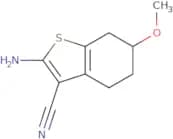
CAS:Versatile small molecule scaffoldFórmula:C13H20N2OPureza:Min. 95%Peso molecular:220.31 g/mol2-Amino-6-methoxy-4,5,6,7-tetrahydro-1-benzothiophene-3-carbonitrile
CAS:Versatile small molecule scaffoldFórmula:C10H12N2OSPureza:Min. 95%Peso molecular:208.28 g/mol2-Ethyl-[1,3,4]oxadiazole
CAS:Versatile small molecule scaffold
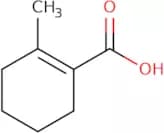
Fórmula:C4H6N2OPureza:Min. 95%Peso molecular:98.1 g/mol2-Methylcyclohex-1-ene-1-carboxylic acid
CAS:Versatile small molecule scaffoldFórmula:C8H12O2Pureza:Min. 95%Peso molecular:140.18 g/mol1-Methanesulfinyl-3-methylbenzene
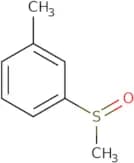
CAS:1-Methanesulfinyl-3-methylbenzene is a white crystalline solid that belongs to the class of aromatic compounds. It has a melting point of 134° C and a boiling point of 350° C. 1-Methanesulfinyl-3-methylbenzene has been shown to have an x-ray crystal structure with four asymmetric units. This compound has also been analyzed by elemental analyses, which showed it contains hydrogen (H), carbon (C), sulfur (S), and oxygen (O) elements. 1-Methanesulfinyl-3-methylbenzene is soluble in organic solvents such as ethyl acetate, but insoluble in water or alcohols. It can be recrystallized from solvents such as ethyl acetate or diethyl ether. 1-Methanesulfinyl-3-methylbenzene is used for the synthesis of other organic compounds and for research purposes.Fórmula:C8H10OSPureza:Min. 95%Peso molecular:154.23 g/mol1-Methanesulfinyl-3-methoxybenzene
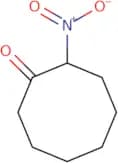
CAS:Versatile small molecule scaffoldFórmula:C8H10O2SPureza:Min. 95%Peso molecular:170.23 g/mol2-Nitrocyclooctan-1-one
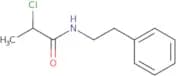
CAS:Versatile small molecule scaffoldFórmula:C8H13NO3Pureza:Min. 95%Peso molecular:171.2 g/mol2-Chloro-N-(2-phenylethyl)propanamide
CAS:2-Chloro-N-(2-phenylethyl)propanamide is an isoquinoline ring that has been synthesized and tested for its ability to inhibit the biosynthesis of ergosterol. It was found to be more effective than other known inhibitors, such as tetraethyl pyrophosphate, in inhibiting this compound. 2-Chloro-N-(2-phenylethyl)propanamide may be a potential drug candidate for the treatment of fungal diseases. The mechanism for inhibition is not yet known.
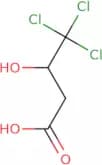
Fórmula:C11H14ClNOPureza:Min. 95%Peso molecular:211.69 g/mol4,4,4-Trichloro-3-hydroxybutanoic acid
CAS:4,4,4-Trichloro-3-hydroxybutanoic acid is a benzyl ester of the fatty acid 4,4,4-trichloro-3-hydroxybutanoic acid. The molecule has an optical isomer that can be synthesized from the corresponding symmetrical compound. The synthesis of 4,4,4-trichloro-3-hydroxybutanoic acid involves the reaction of benzyl alcohol with trichloromethyl chloride in the presence of an acid catalyst. This reaction yields two isomers: one of which has the same configuration as the starting material and one that is an optical isomer. The latter can be converted to its antipode by hydrogenation or by heating with sodium methoxide in methanol.Fórmula:C4H5Cl3O3Pureza:Min. 95%Peso molecular:207.43 g/mol2-{[(3-Chlorophenyl)amino]methyl}phenol
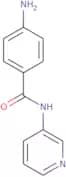
CAS:Versatile small molecule scaffoldFórmula:C13H12ClNOPureza:Min. 95%Peso molecular:233.69 g/mol4-Amino-N-pyridin-3-ylbenzamide
CAS:Versatile small molecule scaffold
Fórmula:C12H11N3OPureza:Min. 95%Peso molecular:213.24 g/mol2-Bromohexanamide
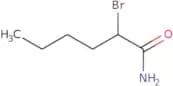
CAS:2-Bromohexanamide is a receptor binding molecule that binds to the 5-HT2A receptor. 2-Bromohexanamide has been shown to be effective in treating autoimmune diseases, including psoriasis and rheumatoid arthritis. It is also used for the treatment of cancer, specifically for the prevention of chemotherapy-induced nausea and vomiting. 2-Bromohexanamide has been shown to bind to the 5-HT7 receptor, which is involved in regulating mood and appetite. The drug has a hydroxyl group that reacts with nucleophilic attack at the amide bond to form an acid complex. This reaction mechanism results in a molecule that can bind to receptors and cause receptor activity.Fórmula:C6H12BrNOPureza:Min. 95%Peso molecular:194.07 g/mol7-Chloro-2,3-dihydro-3-phenyl-2-thioxo-1H-quinazolin-4-one
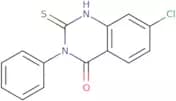
CAS:Versatile small molecule scaffoldFórmula:C14H9ClN2OSPureza:Min. 95%Peso molecular:288.75 g/mol2-Methoxybenzene-1-sulfinic acid
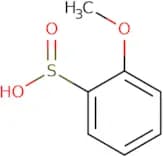
CAS:2-Methoxybenzene-1-sulfinic acid is a synthetic drug that has been used as an anti-schistosomiasis agent. It is structurally related to the natural substrate of the enzyme schistosomal beta-ketoacyl synthase, and has been shown to inhibit this enzyme in vivo with a potency similar to that of praziquantel.
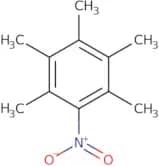
Fórmula:C7H8O3SPureza:Min. 95%Peso molecular:172.2 g/mol1,2,3,4,5-Pentamethyl-6-nitrobenzene
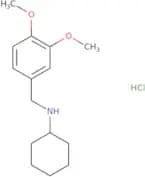
CAS:The chemical name for 1,2,3,4,5-Pentamethyl-6-nitrobenzene is 6-Nitroso-1,1′-(3,3′-dimethylpropyl)-1,2,3,-4,5-pentamethylbenzene. It is a colorless liquid that has a boiling point of 190 °C and density of 1.0 g/mL. 6NMN is soluble in acetone and ethanol but insoluble in water. This compound has been shown to be an effective antihypertensive agent with reversible vasodilator properties. Clinical development of 6NMN has been hindered by the lack of a suitable animal model for congestive heart failure (CHF). There are no known functional groups on this molecule; however it does have a phenolic group at the para position and hydroxyl group at the meta position on the benzene ring. The compound also has two nitro groups thatFórmula:C11H15NO2Pureza:Min. 95%Peso molecular:193.24 g/molBenzenemethanamine, N-cyclohexyl-3,4-dimethoxy-, hydrochloride
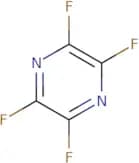
CAS:Versatile small molecule scaffoldFórmula:C15H24ClNO2Pureza:Min. 95%Peso molecular:285.81 g/molTetrafluoropyrazine
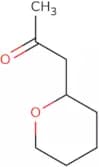
CAS:Tetrafluoropyrazine is a fluorinated electrophilic compound that serves as an oxygen nucleophile. It reacts with hydrochloric acid and chlorine to form hydrogen chloride and tetrafluoropyrazine hydrochloride, respectively. Tetrafluoropyrazine has been shown to bind to the 5-HT7 receptor in rat brains, which may be due to its chemical similarity to serotonin. Magnetic resonance spectroscopy revealed that tetrafluoropyrazine contains nitrogen atoms in its structure. The polymer film structure of this molecule was determined by X-ray crystallography. Tetrafluoropyrazine also has the ability to oxidize polyethylene glycols and polypropylene glycols, which may be due to its ability to act as an electron acceptor.Fórmula:C4F4N2Pureza:Min. 95%Peso molecular:152.05 g/mol1-(Oxan-2-yl)propan-2-one
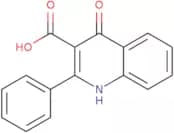
CAS:Versatile small molecule scaffoldFórmula:C8H14O2Pureza:Min. 95%Peso molecular:142.2 g/mol4-Oxo-2-phenyl-1,4-dihydroquinoline-3-carboxylic acid
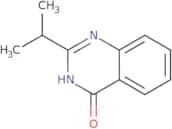
CAS:Versatile small molecule scaffoldFórmula:C16H11NO3Pureza:Min. 95%Peso molecular:265.26 g/mol4-Hydroxy-2-(iso-propyl)quinazoline
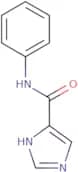
CAS:Versatile small molecule scaffoldFórmula:C11H12N2OPureza:Min. 95%Peso molecular:188.23 g/molN-Phenyl-1H-imidazole-5-carboxamide
CAS:Versatile small molecule scaffold
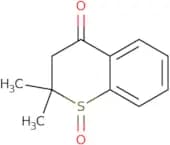
Fórmula:C10H9N3OPureza:Min. 95%Peso molecular:187.2 g/mol2,3-Ddihydro-2,2-dimethyl-4H-1-benzothiopyran-4-one 1-oxide
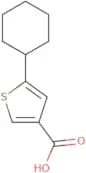
CAS:Versatile small molecule scaffoldFórmula:C11H12O2SPureza:Min. 95%Peso molecular:208.28 g/mol5-Cyclohexylthiophene-3-carboxylic acid
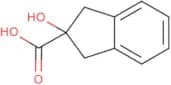
CAS:Versatile small molecule scaffoldFórmula:C11H14O2SPureza:Min. 95%Peso molecular:210.29 g/mol2-Hydroxy-2,3-dihydro-1H-indene-2-carboxylic acid
CAS:Versatile small molecule scaffold
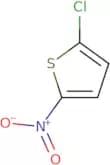
Fórmula:C10H10O3Pureza:Min. 95%Peso molecular:178.18 g/mol2-chloro-5-nitrothiophene
CAS:2-Chloro-5-nitrothiophene is a nucleophilic compound that reacts with acetonitrile, which is a nucleophile. The inhibitory concentration of 2-chloro-5-nitrothiophene has been shown to be lower than that of thiophenes in general, and the compound can be used as a tool for evaluating the biological activity of thiophenes. 2-Chloro-5-nitrothiophene has been shown to have good inhibitory effects on Escherichia coli and other organisms. This compound also induces a number of different reactions: heterocyclic ring formation, synthesis of acetonitrile, and biomolecule evaluation.
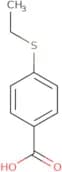
Fórmula:C4H2ClNO2SPureza:Min. 95%Peso molecular:163.58 g/mol4-(Ethylthio)benzoic acid
CAS:4-(Ethylthio)benzoic acid is a stabilizer and biotransformation product of salicylic acid. It is synthesized by the demethylation of 4-hydroxybenzoic acid, which is an intermediate in the synthesis of salicylic acid. 4-(Ethylthio)benzoic acid has been shown to be a potent inhibitor of bacterial cytochrome P450 enzymes and may be useful as an antibacterial agent against bacteria that are resistant to other antibiotics. The nature and mechanism of its action on bacterial cytochrome P450 enzymes is not well understood at this time.Fórmula:C9H10O2SPureza:Min. 95%Peso molecular:182.24 g/mol4-(Isopropylsulfanyl)benzoic acid
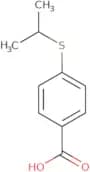
CAS:4-(Isopropylsulfanyl)benzoic acid is a disubstituted benzoic acid with a 4-isopropylsulfanyl substituent. The compound is an analog of 4-methoxybenzoic acid and has been shown to be complementary to the same target site. Analogously, it also has been shown to have similar regiochemistry and ortho substitution as 4-methoxybenzoic acid.Fórmula:C10H12O2SPureza:Min. 95%Peso molecular:196.27 g/mol2-Bromo-2-methylpropanal
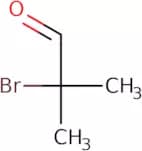
CAS:2-Bromo-2-methylpropionaldehyde is an organic compound that belongs to the class of propionates. It is a primary amine that can be synthesized from acetone and chloroform. 2-Bromo-2-methylpropionaldehyde has been used as a disinfectant for skin and mucous membranes. It also lowers blood pressure by dilating the veins, which can help to prevent strokes and heart attacks. 2-Bromo-2-methylpropionaldehyde is more labile than its parent compound, propionic acid, because it lacks the hydrogens on the methyl group. It is susceptible to oxidation by hypobromous acid or chloride ions, which can lead to the formation of phenacyl bromide. Phenacyl bromide has been shown to have antiseptic properties and can be used as an intermediate in organic synthesis. END>>Fórmula:C4H7OBrPureza:Min. 95%Peso molecular:151 g/mol3-(Hydroxyimino)-7-methyl-2,3-dihydro-1H-indol-2-one
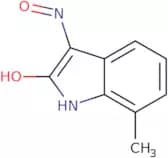
CAS:Versatile small molecule scaffold
Fórmula:C9H8N2O2Pureza:Min. 95%Peso molecular:176.17 g/mol3,3-Dimethylbicyclo[2.2.1]heptan-2-one
CAS:3,3-Dimethylbicyclo[2.2.1]heptan-2-one is a reactive compound that belongs to the group of psychostimulants. It has been shown to be effective against cancer cells and is used in the treatment of cancer patients. There are two possible reaction mechanisms: 1) the formation of an intermediate (a cation), which then reacts with water vapor, and 2) a direct reaction between 3,3-dimethylbicyclo[2.2.1]heptan-2-one and water vapor. The former mechanism is more probable because it requires less energy input than the latter one. The quantum theory states that 3,3-dimethylbicyclo[2.2.1]heptan-2-one has an activation energy of ˜120 kJ/mol (or ˜135 kJ/mol).Fórmula:C9H14OPureza:Min. 95%Peso molecular:138.21 g/mol1,4-Dihydrobenzo[d][1,3]oxazin-2-one
CAS:1,4-Dihydrobenzo[d][1,3]oxazin-2-one is an organic solvent that can be used in the synthesis of quinoline derivatives. It is a carbamate that has been used as an efficient method for preparing chloroformates. In addition, 1,4-Dihydrobenzo[d][1,3]oxazin-2-one has been shown to be a potent progesterone receptor modulator.Fórmula:C8H7NO2Pureza:Min. 95%Peso molecular:149.15 g/mol4-Phenylbutylamine
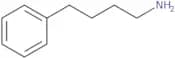
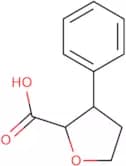
CAS:4-Phenylbutylamine is a chemical that is found in natural compounds. It is a monoclonal antibody that binds to insulin-stimulated glucose, which is a type of protein. This binding inhibits the activity of 4-hydroxycinnamic acid and other enzymes, thereby reducing the amount of kinetic energy generated by these reactions. The binding also reduces the number of amines present in the sample. 4-Phenylbutylamine can be used for kinetic studies because it has low molecular weight and high stability.Fórmula:C10H15NPureza:Min. 95%Peso molecular:149.24 g/molrac-(2R,3R)-3-Phenyloxolane-2-carboxylic acid
CAS:Versatile small molecule scaffold
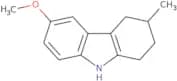
Fórmula:C11H12O3Pureza:Min. 95%Peso molecular:192.21 g/mol6-Methoxy-3-methyl-2,3,4,9-tetrahydro-1H-carbazole
CAS:Versatile small molecule scaffoldFórmula:C14H17NOPureza:Min. 95%Peso molecular:215.29 g/mol2-Bromo-5,7-dimethyl[1,2,4]triazolo[1,5-a]pyrimidine
CAS:Please enquire for more information about 2-Bromo-5,7-dimethyl[1,2,4]triazolo[1,5-a]pyrimidine including the price, delivery time and more detailed product information at the technical inquiry form on this pageFórmula:C7H7BrN4Pureza:Min. 95%Peso molecular:227.06 g/mol


![5-Methyl-4-oxa-8-thia-6-azatricyclo[7.4.0.0,2,7]trideca-1(9),2(7),5-trien-3-one](/_next/image/?url=https%3A%2Fstatic.cymitquimica.com%2Fproducts%2F3D%2Fthumb-webp%2FNAA13047.webp&w=3840&q=75)
![Methyl 3-hydroxybenzo[b]thiophene-2-carboxylate](/_next/image/?url=https%3A%2Fstatic.cymitquimica.com%2Fproducts%2F3D%2Fthumb-webp%2FNAA13476.webp&w=3840&q=75)
![2-Ethyl-[1,3,4]oxadiazole](/_next/image/?url=https%3A%2Fstatic.cymitquimica.com%2Fproducts%2F3D%2Fthumb-webp%2FNAA14861.webp&w=3840&q=75)
![2-{[(3-Chlorophenyl)amino]methyl}phenol](/_next/image/?url=https%3A%2Fstatic.cymitquimica.com%2Fproducts%2F3D%2Fthumb-webp%2FNAA16055.webp&w=3840&q=75)
![3,3-Dimethylbicyclo[2.2.1]heptan-2-one](/_next/image/?url=https%3A%2Fstatic.cymitquimica.com%2Fproducts%2F3D%2Fthumb-webp%2FNAA21115.webp&w=3840&q=75)
![1,4-Dihydrobenzo[d][1,3]oxazin-2-one](/_next/image/?url=https%3A%2Fstatic.cymitquimica.com%2Fproducts%2F3D%2Fthumb-webp%2FNAA21388.webp&w=3840&q=75)
![2-Bromo-5,7-dimethyl[1,2,4]triazolo[1,5-a]pyrimidine](/_next/image/?url=https%3A%2Fstatic.cymitquimica.com%2Fproducts%2F3D%2Fthumb-webp%2FNAA22338.webp&w=3840&q=75)