


Building Blocks
Subcategorias de "Building Blocks"
- Ácidos Borónicos e Derivados de Ácido Borónico(5.778 produtos)
- Building Blocks Quirais(1.243 produtos)
- Building Blocks Hidrocarbonetos(6.099 produtos)
- Building Blocks orgânicos(61.038 produtos)
Foram encontrados 205376 produtos de "Building Blocks"
3,3-Dimethylbutane-1,2,4-triol
CAS:3,3-Dimethylbutane-1,2,4-triol is a triol that is used as an intermediate in the synthesis of polyvinyl chloride. It is also a plasticizer and an intermediate for the production of neopentyl glycol. 3,3-Dimethylbutane-1,2,4-triol can be hydrogenated to form 1,2-dimethoxyethane at temperatures ranging from 40° C to 100° C and pressures ranging from atmospheric pressure to 100 psi. This compound can also be chlorinated to form 1,2-dichloroethane under catalytic conditions at temperatures ranging from 50° C to 120°C and pressures ranging from atmospheric pressure to 5 psi. 3,3-Dimethylbutane-1,2,4-triol can also be solvolyzed with solvents such as ethanol or diethylether under pressures up to 200 psi.Fórmula:C6H14O3Pureza:Min. 95%Peso molecular:134.17 g/mol2-(Dimethoxymethyl)cyclohexan-1-one
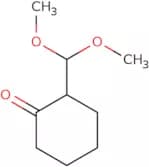
CAS:2-(Dimethoxymethyl)cyclohexan-1-one is a cyclohexanone derivative that has the axial geometry. It is an isomer of 2-(dimethoxy)methylcyclohexanone, which has the same chemical formula and molecular weight but a different geometry (planar). The two compounds have similar spectra, with the exception that 2-(dimethoxymethyl)cyclohexan-1-one has a single proton resonance at δ = 4.71 ppm, whereas 2-(dimethoxy)methylcyclohexanone has two proton resonances at δ = 4.71 ppm and δ = 3.07 ppm. The presence of this single resonance suggests that the molecule is in the axial conformation.Fórmula:C9H16O3Pureza:Min. 95%Peso molecular:172.22 g/mol2-(Dimethoxymethyl)cyclopentan-1-one
CAS:Versatile small molecule scaffold
Fórmula:C8H14O3Pureza:Min. 95%Peso molecular:158.19 g/molEthyl 2-(cyclopent-2-en-1-yl)acetate
CAS:Versatile small molecule scaffoldFórmula:C9H14O2Pureza:Min. 95%Peso molecular:154.21 g/mol3-[3-(4-Methoxyphenyl)oxirane-2-carbonyl]-1H-indole
CAS:Versatile small molecule scaffold
Fórmula:C18H15NO3Pureza:Min. 95%Peso molecular:293.3 g/mol4-(4-Propoxyphenyl)-1,3-thiazol-2-amine
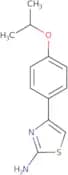
CAS:Versatile small molecule scaffoldFórmula:C12H14N2OSPureza:Min. 95%Peso molecular:234.32 g/mol4-(4-Isopropoxy-phenyl)-thiazol-2-ylamine
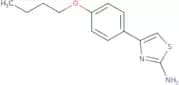
CAS:Versatile small molecule scaffoldFórmula:C12H14N2OSPureza:Min. 95%Peso molecular:234.32 g/mol4-(4-Butoxyphenyl)-1,3-thiazol-2-amine
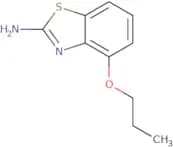
CAS:Versatile small molecule scaffoldFórmula:C13H16N2OSPureza:Min. 95%Peso molecular:248.35 g/mol4-Propoxy-1,3-benzothiazol-2-amine
CAS:Versatile small molecule scaffoldFórmula:C10H12N2OSPureza:Min. 95%Peso molecular:208.28 g/molBenzyl[2-(diethylamino)ethyl]amine
CAS:Versatile small molecule scaffold
Fórmula:C13H22N2Pureza:Min. 95%Peso molecular:206.33 g/mol3,4-dihydro-2H-1-benzothiopyran-4-amine hydrochloride
CAS:Versatile small molecule scaffold
Fórmula:C9H11NS·HClPureza:Min. 95%Peso molecular:201.71 g/mol5-Bromo-2,3-dihydro-1H-indole hydrochloride
CAS:5-Bromo-2,3-dihydro-1H-indole hydrochloride is an indoline that is used in the transformation of compounds. It is a precursor to other compounds such as 2,3-dichloroindole and 5-bromoindole.Fórmula:C8H9BrClNPureza:Min. 95%Peso molecular:234.52 g/molIndoline-6-carbonitrile hydrochloride
CAS:Versatile small molecule scaffold
Fórmula:C9H9ClN2Pureza:Min. 95%Peso molecular:180.63 g/mol2,3-Dihydro-1H-indole-7-carboxylic acid
CAS:Versatile small molecule scaffoldFórmula:C9H9NO2Pureza:Min. 95%Peso molecular:163.17 g/mol5-Amino-3-bromo-1-methyl-1,2-dihydropyridin-2-one
CAS:Versatile small molecule scaffold
Fórmula:C6H7BrN2OPureza:Min. 95%Peso molecular:203.04 g/mol1-Oxo-1H-isochromene-4-carboxylic acid
CAS:Versatile small molecule scaffoldFórmula:C10H6O4Pureza:Min. 95%Peso molecular:190.15 g/molN-(1,3-Thiazol-4-ylmethyl)aniline
CAS:Versatile small molecule scaffoldFórmula:C10H10N2SPureza:Min. 95%Peso molecular:190.27 g/mol7,7,9,9-Tetramethyl-1,3,8-triazaspiro[4.5]decane-2,4-dione
CAS:Versatile small molecule scaffoldFórmula:C11H19N3O2Pureza:Min. 95%Peso molecular:225.29 g/mol6-(Benzylamino)pyridine-3-carbonitrile
CAS:Versatile small molecule scaffoldFórmula:C13H11N3Pureza:Min. 95%Peso molecular:209.25 g/mol2-(2,4,6-Trimethoxyphenyl)ethan-1-amine
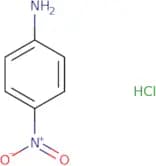
CAS:Produto ControladoVersatile small molecule scaffoldFórmula:C11H17NO3Pureza:Min. 95%Peso molecular:211.26 g/mol4-Nitroaniline Hydrochloride
CAS:4-Nitroaniline Hydrochloride is a synthetic substrate that has been shown to inhibit the serine protease activity of human neutrophils. It is a potent inhibitor of the inflammatory response in k562 cells and is also an inhibitor of hydrolysis reactions catalyzed by p-hydroxybenzoic acid. The inhibition of these enzymes may be due to a kinetic or chemical reaction with hydrogen chloride, which acts as a catalyst. 4-Nitroaniline Hydrochloride has not been tested in clinical trials, but it has been shown to have an inhibitory effect on inflammatory diseases in animal models.Fórmula:C6H6N2O2·HClPureza:Min. 95%Peso molecular:174.58 g/mol2-Hydroxy-3-methyl-2-phenylbutanoic acid
CAS:Versatile small molecule scaffold
Fórmula:C11H14O3Pureza:Min. 95%Peso molecular:194.23 g/mol5-(2-Methoxy-ethyl)-[1,3,4]thiadiazol-2-ylamine
CAS:Versatile small molecule scaffold
Fórmula:C5H9N3OSPureza:Min. 95%Peso molecular:159.21 g/mol1-Chloro-4-{[(chloromethyl)sulfanyl]methyl}benzene
CAS:Versatile small molecule scaffoldFórmula:C8H8Cl2SPureza:Min. 95%Peso molecular:207.12 g/molSodium 3-methylbenzene-1-sulfinate
CAS:Versatile small molecule scaffold
Fórmula:C7H7NaO2SPureza:Min. 95%Peso molecular:178.19 g/mol1-Bromo-5,5-dimethylhexane
CAS:Versatile small molecule scaffoldFórmula:C8H17BrPureza:Min. 95%Peso molecular:193.12 g/mol6,6-Dimethylheptanoic acid
CAS:6,6-Dimethylheptanoic acid is a polybasic fatty acid that is used as an antifungal agent. It has been shown to inhibit the growth of various yeast and fungi in laboratory studies. 6,6-Dimethylheptanoic acid has also been shown to have anticancer properties due to its ability to cause tumor cell apoptosis. This compound may be used for coatings or treatments on surfaces, such as skin or teeth, and can be used in the production of polymers with antimicrobial activities. 6,6-Dimethylheptanoic acid has been shown to have anti-inflammatory properties and may be useful for the treatment of nociceptive pain.Fórmula:C9H18O2Pureza:Min. 95%Peso molecular:158.24 g/mol2-Methyl-2-(propan-2-yl)cyclopropane-1-carboxylic acid
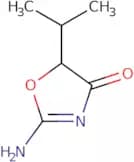
CAS:Versatile small molecule scaffoldFórmula:C8H14O2Pureza:Min. 95%Peso molecular:142.2 g/mol4(5H)-Oxazolone, 2-amino-5-(1-methylethyl)-
CAS:Versatile small molecule scaffold
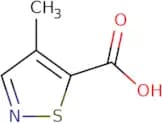
Fórmula:C6H10N2O2Pureza:Min. 95%Peso molecular:142.16 g/mol4-Methyl-isothiazole-5-carboxylic acid
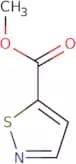
CAS:Versatile small molecule scaffoldFórmula:C5H5NO2SPureza:Min. 95%Peso molecular:143.16 g/molIsothiazole-5-carboxylic acid methyl ester
CAS:Versatile small molecule scaffold
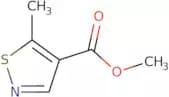
Fórmula:C5H5NO2SPureza:Min. 95%Peso molecular:143.16 g/molMethyl 5-methyl-1,2-thiazole-4-carboxylate
CAS:Versatile small molecule scaffoldFórmula:C6H7NO2SPureza:Min. 95%Peso molecular:157.19 g/mol3-Methylisothiazole-4-carboxylic acid
CAS:3-Methylisothiazole-4-carboxylic acid is an amino acid that has shown anti-tumor activity. It has been shown to inhibit the growth of leukemia cells in mice and to prevent the proliferation of human cancer cells in vitro. 3-Methylisothiazole-4-carboxylic acid is a competitive inhibitor of benzoylamino, which is a key enzyme involved in the synthesis of DNA. The compound inhibits DNA replication by binding to nucleic acids at the site where they are synthesized, blocking the formation of base pairs. This drug also has immunosuppressive properties and can be used as an adjuvant therapy for hypersensitivity reactions such as asthma and allergies.Fórmula:C5H5NO2SPureza:Min. 95%Peso molecular:143.16 g/mol3-(2,4-Dimethylphenoxy)propanoic acid
CAS:Versatile small molecule scaffold
Fórmula:C11H14O3Pureza:Min. 95%Peso molecular:194.23 g/mol3-Amino-2,2,4-trimethylpentan-1-ol
CAS:Versatile small molecule scaffold
Fórmula:C8H19NOPureza:Min. 95%Peso molecular:145.24 g/molN-Phenylcyclobutanecarboxamide
CAS:N-Phenylcyclobutanecarboxamide is a sulfone that is used as a chemotherapy agent. It has been shown to be effective in the treatment of peritoneal carcinomatosis and pancreatic cancer. This drug inhibits the growth of cancer cells by interfering with DNA synthesis and protein synthesis, which prevents cell division. N-Phenylcyclobutanecarboxamide also causes tumor cells to die by causing them to undergo apoptosis.Fórmula:C11H13NOPureza:Min. 95%Peso molecular:175.23 g/mol3-Amino-1H,4H,5H-pyrazolo[3,4-d]pyrimidin-4-one
CAS:Versatile small molecule scaffoldFórmula:C5H5N5OPureza:Min. 95%Peso molecular:151.1 g/mol3,4-Dimethyl-6H,7H-[1,2]oxazolo[3,4-d]pyridazin-7-one
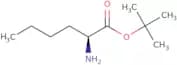
CAS:Versatile small molecule scaffoldFórmula:C7H7N3O2Pureza:Min. 95%Peso molecular:165.15 g/moltert-butyl (2S)-2-aminohexanoate
CAS:Tert-butyl (2S)-2-aminohexanoate is an intermediate that is used in the synthesis of glycine by the reaction of benzyl bromide and tert-butyl amine. The stereospecifically incorporated tert-butyl group has a high degree of enantioselectivity, which makes this intermediate useful in the synthesis of glycine. Tert-butyl (2S)-2-aminohexanoate can be synthesized using lithium diisopropylamide and a tertiary amine as an alkylating agent.
Fórmula:C10H21NO2Pureza:Min. 95%Peso molecular:187.3 g/moliso-Butyrylglycine
CAS:Iso-butyrlglycine is an intermediate in the metabolism of amino acids. It has been used as a diagnostic marker for the detection of dehydrogenase deficiency and other diseases. Iso-butyrlglycine is also used to assess the activity index of enzymes such as fatty acid synthase, which are involved in energy metabolism.
Fórmula:C6H11NO3Pureza:Min. 95%Peso molecular:145.16 g/mol2-Phenyl-1,3-oxazole-4,5-dicarboxylic acid
CAS:Versatile small molecule scaffold
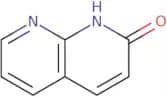
Fórmula:C11H7NO5Pureza:Min. 95%Peso molecular:233.18 g/mol1,8-Naphthyridine-2(1H)-one
CAS:1,8-Naphthyridine-2(1H)-one is a naphthyridone that inhibits the growth of gram-positive bacteria. This compound binds to the CB2 receptor site on the cell membrane and blocks the transfer of electrons from cytochrome c to molecular oxygen, which inhibits the production of reactive oxygen species. This inhibition causes an accumulation of hydrogen peroxide in the bacterial cell and leads to necrosis. 1,8-Naphthyridine-2(1H)-one has also been shown to inhibit HIV infection by inhibiting reverse transcriptase activity through metal chelate formation.Fórmula:C8H6N2OPureza:Min. 95%Peso molecular:146.15 g/mol2-Chloro-1,8-naphthyridine
CAS:2-Chloro-1,8-naphthyridine is a configurational isomer of 1,8-naphthyridine. It has two phenyl groups and a cyclic configuration. 2-Chloro-1,8-naphthyridine is synthesized from 2,6-dichloronaphthalene by oxidation with potassium permanganate and subsequent reduction with iron powder. The compound can reversibly form metal complexes with potassium. 2-Chloro-1,8-naphthyridine exhibits reversible changes in its conductance when subjected to cyclic voltammetry.
Fórmula:C8H5ClN2Pureza:Min. 95%Peso molecular:164.59 g/mol2-(3-Methylbut-2-en-1-yl)-2,3-dihydro-1H-isoindole-1,3-dione
CAS:Versatile small molecule scaffold
Fórmula:C13H13NO2Pureza:Min. 95%Peso molecular:215.25 g/mol5-Bromo-7-methyl-1H-indole-2-carboxylic acid
CAS:Versatile small molecule scaffoldFórmula:C10H8BrNO2Pureza:Min. 95%Peso molecular:254.08 g/mol5-Bromo-7-methyl-1H-indole
CAS:5-Bromo-7-methyl-1H-indole is a serotonin receptor antagonist that blocks the binding of serotonin to its receptors, which are located on nerve cells. This drug has been used in animal studies to study the role of serotonin in brain function. 5-Bromo-7-methyl-1H-indole has also been shown to be an effective antiserotonin agent for the treatment of depression and anxiety.
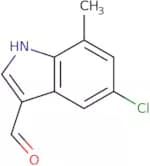
Fórmula:C9H8BrNPureza:Min. 95%Peso molecular:210.07 g/mol5-Chloro-7-methyl-1H-indole-3-carbaldehyde
CAS:Versatile small molecule scaffoldFórmula:C10H8ClNOPureza:Min. 95%Peso molecular:193.63 g/mol2-[(2-bromophenyl)sulfanyl]acetic acid
CAS:Versatile small molecule scaffold
Fórmula:C8H7BrO2SPureza:Min. 95%Peso molecular:247.1 g/mol4-Cyanobicyclo[2.2.2]octane-1-carboxylic acid
CAS:Versatile small molecule scaffoldFórmula:C10H13NO2Pureza:Min. 95%Peso molecular:179.22 g/mol3-Methyl-5-oxocyclohexane-1,2-dicarboxylic acid
CAS:Versatile small molecule scaffoldFórmula:C9H12O5Pureza:Min. 95%Peso molecular:200.19 g/mol




![3-[3-(4-Methoxyphenyl)oxirane-2-carbonyl]-1H-indole](/_next/image/?url=https%3A%2Fstatic.cymitquimica.com%2Fproducts%2F3D%2Fthumb-webp%2FQAA84958.webp&w=3840&q=75)

![Benzyl[2-(diethylamino)ethyl]amine](/_next/image/?url=https%3A%2Fstatic.cymitquimica.com%2Fproducts%2F3D%2Fthumb-webp%2FQAA85537.webp&w=3840&q=75)


![7,7,9,9-Tetramethyl-1,3,8-triazaspiro[4.5]decane-2,4-dione](/_next/image/?url=https%3A%2Fstatic.cymitquimica.com%2Fproducts%2F3D%2Fthumb-webp%2FQAA87154.webp&w=3840&q=75)



![5-(2-Methoxy-ethyl)-[1,3,4]thiadiazol-2-ylamine](/_next/image/?url=https%3A%2Fstatic.cymitquimica.com%2Fproducts%2F3D%2Fthumb-webp%2FQAA88490.webp&w=3840&q=75)
![1-Chloro-4-{[(chloromethyl)sulfanyl]methyl}benzene](/_next/image/?url=https%3A%2Fstatic.cymitquimica.com%2Fproducts%2F3D%2Fthumb-webp%2FQAA89425.webp&w=3840&q=75)




![3-Amino-1H,4H,5H-pyrazolo[3,4-d]pyrimidin-4-one](/_next/image/?url=https%3A%2Fstatic.cymitquimica.com%2Fproducts%2F3D%2Fthumb-webp%2FQAA90868.webp&w=3840&q=75)
![3,4-Dimethyl-6H,7H-[1,2]oxazolo[3,4-d]pyridazin-7-one](/_next/image/?url=https%3A%2Fstatic.cymitquimica.com%2Fproducts%2F3D%2Fthumb-webp%2FQAA91116.webp&w=3840&q=75)




![2-[(2-bromophenyl)sulfanyl]acetic acid](/_next/image/?url=https%3A%2Fstatic.cymitquimica.com%2Fproducts%2F3D%2Fthumb-webp%2FQAA93985.webp&w=3840&q=75)
![4-Cyanobicyclo[2.2.2]octane-1-carboxylic acid](/_next/image/?url=https%3A%2Fstatic.cymitquimica.com%2Fproducts%2F3D%2Fthumb-webp%2FQAA94109.webp&w=3840&q=75)
