


Building Blocks
Subcategorias de "Building Blocks"
- Ácidos Borónicos e Derivados de Ácido Borónico(5.784 produtos)
- Building Blocks Quirais(1.244 produtos)
- Building Blocks Hidrocarbonetos(6.105 produtos)
- Building Blocks orgânicos(61.076 produtos)
Foram encontrados 205454 produtos de "Building Blocks"
Ethyl 1-[2-(thiophen-2-yl)acetyl]piperidine-3-carboxylate
CAS:Versatile small molecule scaffold
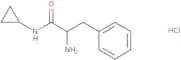
Fórmula:C14H19NO3SPureza:Min. 95%Peso molecular:281.37 g/mol2-Amino-N-cyclopropyl-3-phenylpropanamide hydrochloride
CAS:Versatile small molecule scaffold
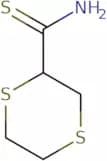
Fórmula:C12H17ClN2OPureza:Min. 95%Peso molecular:240.73 g/mol1,4-Dithiane-2-carbothioamide
CAS:Versatile small molecule scaffold
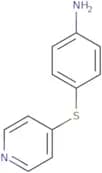
Fórmula:C5H9NS3Pureza:Min. 95%Peso molecular:179.3 g/mol4-(Pyridin-4-ylsulfanyl)aniline
CAS:Versatile small molecule scaffold
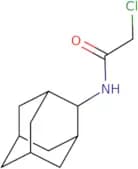
Fórmula:C11H10N2SPureza:Min. 95%Peso molecular:202.28 g/molN-(Adamantan-2-yl)-2-chloroacetamide
CAS:Versatile small molecule scaffold
Fórmula:C12H18ClNOPureza:Min. 95%Peso molecular:227.73 g/mol[4-(Pyrrolidin-1-yl)oxan-4-yl]methanamine
CAS:Versatile small molecule scaffold
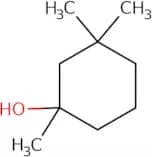
Fórmula:C10H20N2OPureza:Min. 95%Peso molecular:184.28 g/mol1,3,3-Trimethylcyclohexan-1-ol
CAS:Versatile small molecule scaffold
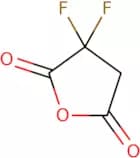
Fórmula:C9H18OPureza:Min. 95%Peso molecular:142.24 g/mol3,3-Difluorodihydrofuran-2,5-dione
CAS:3,3-Difluorodihydrofuran-2,5-dione is a chemical compound with the molecular formula C6H8F2O. It has a melting point of 149 °C and a boiling point of 260 °C. The chemical shifts in the 1H NMR spectrum are 8.59 ppm (s), 7.84 ppm (s), 7.34 ppm (m), 6.89 ppm (s) and 5.66 ppm (s). The coupling constants are J = 1 Hz, J = 2 Hz, J = 3 Hz and J = 4 Hz. The parameters optimized were the amide proton coupling constants and the amide proton chemical shift constants were determined to be A1 = 9 Hz, A2 = 12 Hz, A3 = 15 Hz and A4 = 18 Hz for this molecule. Analysis of solutions containing 3,3-difluorodihydrofuran-2,5-
Fórmula:C4H2F2O3Pureza:Min. 95%Peso molecular:136.05 g/molRef: 3D-EDA80273
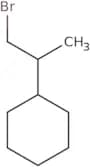
Produto descontinuado(1-Bromopropan-2-yl)cyclohexane
CAS:Versatile small molecule scaffold
Fórmula:C9H17BrPureza:Min. 95%Peso molecular:205.13 g/mol[4-(Pyridin-2-yl)-1,3-thiazol-2-yl]methanol
CAS:Versatile small molecule scaffold
Fórmula:C9H8N2OSPureza:Min. 95%Peso molecular:192.24 g/molrac-[(2R,5S)-5-Phenyloxolan-2-yl]methanamine hydrochloride
CAS:Versatile small molecule scaffold
Fórmula:C11H16ClNOPureza:Min. 95%Peso molecular:213.7 g/molRef: 3D-HXC89108
Produto descontinuado1-[1-(2,4-Difluorophenyl)cyclopropyl]methanamine
CAS:Versatile small molecule scaffoldFórmula:C10H11F2NPureza:Min. 95%Peso molecular:183.2 g/mol[1-(1-Benzofuran-2-yl)ethyl](ethyl)amine
CAS:Versatile small molecule scaffold
Fórmula:C12H15NOPureza:Min. 95%Peso molecular:189.25 g/mol[(4-Aminophenyl)imino]dimethyl-lambda6-sulfanone
CAS:Versatile small molecule scaffoldFórmula:C8H12N2OSPureza:Min. 95%Peso molecular:184.26 g/mol[5-(Trifluoromethyl)thiophen-2-yl]methanol
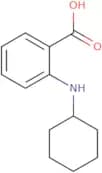
CAS:Versatile small molecule scaffoldFórmula:C6H5F3OSPureza:Min. 95%Peso molecular:182.17 g/mol2-(Cyclohexylamino)benzoic acid
CAS:2-(Cyclohexylamino)benzoic acid is a chemical compound that reacts with aryl halides to form cyclic amines. The reaction proceeds by the formation of an intermediate, which is then hydrolyzed and decarboxylated to form the product. This reaction can be used for the synthesis of amines from either aromatic or aliphatic aryl chlorides. This process is often used in screening experiments because it has been shown to be selective for aryl halides and yields high yields. The addition of cross-coupling reactions can also yield high yields and produce desired products with good chemo- and regioselectivity. 2-(Cyclohexylamino)benzoic acid is also useful for the synthesis of hyperpolarized molecules for imaging studies, as well as in ultrafast experiments where transfer rates are important.
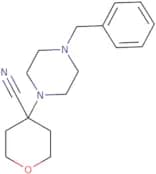
Fórmula:C13H17NO2Pureza:Min. 95%Peso molecular:219.28 g/mol4-(4-Benzylpiperazin-1-yl)oxane-4-carbonitrile
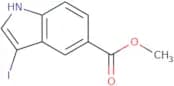
CAS:Versatile small molecule scaffoldFórmula:C17H23N3OPureza:Min. 95%Peso molecular:285.4 g/molMethyl 3-iodo-1H-indole-5-carboxylate
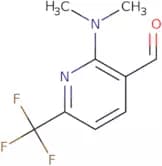
CAS:Versatile small molecule scaffoldFórmula:C10H8INO2Pureza:Min. 95%Peso molecular:301.08 g/mol2-(Dimethylamino)-6-(trifluoromethyl)pyridine-3-carbaldehyde
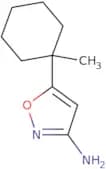
CAS:Versatile small molecule scaffoldFórmula:C9H9F3N2OPureza:Min. 95%Peso molecular:218.18 g/mol5-(1-Methylcyclohexyl)-1,2-oxazol-3-amine
CAS:Versatile small molecule scaffoldFórmula:C10H16N2OPureza:Min. 95%Peso molecular:180.2 g/molRef: 3D-VSC16818
Produto descontinuadoMethyl[2-(pyrazin-2-yl)ethyl]amine
CAS:Versatile small molecule scaffold
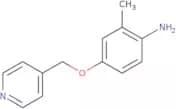
Fórmula:C7H11N3Pureza:Min. 95%Peso molecular:137.18 g/mol2-Methyl-4-(pyridin-4-ylmethoxy)aniline
CAS:Versatile small molecule scaffold
Fórmula:C13H14N2OPureza:Min. 95%Peso molecular:214.26 g/mol1-[2-(Trifluoromethyl)phenyl]propan-2-amine hydrochloride
CAS:Produto ControladoVersatile small molecule scaffold
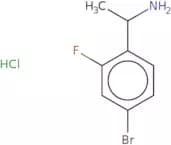
Fórmula:C10H13ClF3NPureza:Min. 95%Peso molecular:239.66 g/mol1-(4-bromo-2-fluorophenyl)ethan-1-amine hydrochloride
CAS:Versatile small molecule scaffoldFórmula:C8H10BrClFNPureza:Min. 95%Peso molecular:254.5 g/mol1,3-Diazaspiro[5.5]undecane-2,4-dione
CAS:Versatile small molecule scaffold
Fórmula:C9H14N2O2Pureza:Min. 95%Peso molecular:182.22 g/mol[1-(3-Chlorophenyl)cyclopentyl]methanamine
CAS:Versatile small molecule scaffold
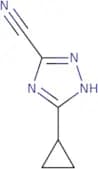
Fórmula:C12H16ClNPureza:Min. 95%Peso molecular:209.71 g/mol5-Cyclopropyl-4H-1,2,4-triazole-3-carbonitrile
CAS:Versatile small molecule scaffold
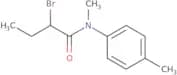
Fórmula:C6H6N4Pureza:Min. 95%Peso molecular:134.14 g/mol2-Bromo-N-methyl-N-(4-methylphenyl)butanamide
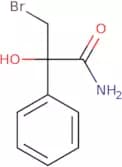
CAS:Versatile small molecule scaffoldFórmula:C12H16BrNOPureza:Min. 95%Peso molecular:270.17 g/mol3-Bromo-2-hydroxy-2-phenylpropanamide
CAS:Versatile small molecule scaffold
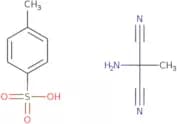
Fórmula:C9H10BrNO2Pureza:Min. 95%Peso molecular:244.08 g/mol2-Amino-2-methylpropanedinitrile, 4-methylbenzene-1-sulfonic acid
CAS:2-Amino-2-methylpropanedinitrile (MMPD) is a precursor for the synthesis of perovskite. It is used as a reagent in organic synthesis to introduce nitrogen atoms into molecules. MMPD reacts with 4-methylbenzenesulfonic acid to produce the corresponding sulfonyl chloride and an aldehyde, which can be oxidized to produce a carboxylic acid. This reaction has been shown to be efficient and selective. The optimal reaction time is 2 hours at room temperature in order to yield the desired product with minimal amounts of byproducts. MMPD has been used in biological studies and chemical structures analysis, including an analytical method that can detect hydrogen bonds between MMPD and chloride ions.Fórmula:C11H13N3O3SPureza:Min. 95%Peso molecular:267.31 g/molRef: 3D-EDA68098
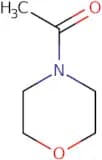
Produto descontinuado4-Acetylmorpholine
CAS:4-Acetylmorpholine is a recycled amide that is synthesized from an alkanolamine and an acylation reaction. It has been used in the dehydrating of organic compounds, such as reaction solution, and for the preparation of acrylamide. 4-Acetylmorpholine is also used as a viscosity control agent in the extraction of aromatic hydrocarbons. Its chemical structure consists of a carbonyl group and an aromatic hydrocarbon. 4-Acetylmorpholine can be synthesized by reacting acetaldehyde with ammonia or thiourea with methyl chloride or ethylene oxide.
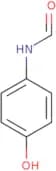
Fórmula:C6H3D8NO2Pureza:Min. 95%Peso molecular:137.21 g/molN-(4-Hydroxyphenyl)formamide
CAS:Versatile small molecule scaffold
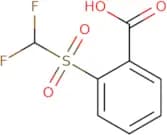
Fórmula:C7H7NO2Pureza:Min. 95%Peso molecular:137.14 g/mol2-Difluoromethanesulfonylbenzoic acid
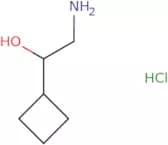
CAS:Versatile small molecule scaffoldFórmula:C8H6F2O4SPureza:Min. 95%Peso molecular:236.19 g/mol2-Amino-1-cyclobutylethan-1-ol hydrochloride
CAS:Versatile small molecule scaffold
Fórmula:C6H14ClNOPureza:Min. 95%Peso molecular:151.63 g/molRef: 3D-JBD31969
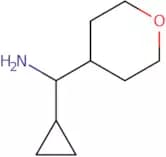
Produto descontinuadoCyclopropyl(oxan-4-yl)methanamine
CAS:Versatile small molecule scaffold
Fórmula:C9H17NOPureza:Min. 95%Peso molecular:155.24 g/molRef: 3D-QDC46557
Produto descontinuadoN-[(4-Bromophenyl)methyl]acetamide
CAS:N-[(4-Bromophenyl)methyl]acetamide is a chemical synthesis of lipase. The synthesis was done in a vessel, and the synthetic pathways were highlighted. The molecule was synthesized using chemistry and biomimetic methods. It was amidated to form its final product. The reaction vessel is palladium-based, which makes it an efficient catalyst for the amidation reaction.
Fórmula:C9H10BrNOPureza:Min. 95%Peso molecular:228.09 g/mol10-Hydroxydecanoic acid
CAS:10-Hydroxydecanoic acid is a nonsteroidal anti-inflammatory drug that has the ability to inhibit prostaglandin synthesis. 10-Hydroxydecanoic acid has been shown to be effective in treating inflammatory diseases such as arthritis and psoriasis. It is also used to treat lacrimal gland inflammation, and caco-2 cells have been shown to have a maximal response to this drug. 10-Hydroxydecanoic acid is synthesized from trans-10-hydroxy-2-decenoic acid by an acylation reaction with silver ions in a nonpolar solvent, followed by heating. This compound can be separated from other fatty acids using an analytical technique called thin layer chromatography (TLC).
Fórmula:C10H20O3Pureza:Min. 95%Peso molecular:188.26 g/mol3-Ethoxy-1,2-benzothiazole
CAS:Versatile small molecule scaffold
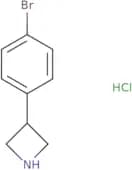
Fórmula:C9H9NOSPureza:Min. 95%Peso molecular:179.24 g/mol3-(4-Bromophenyl)azetidine HCl
CAS:Versatile small molecule scaffold
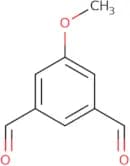
Fórmula:C9H11BrClNPureza:Min. 95%Peso molecular:248.55 g/mol5-Methoxybenzene-1,3-dicarbaldehyde
CAS:5-Methoxybenzene-1,3-dicarbaldehyde is a supramolecular compound that features a square planar structure. It is soluble in solvents such as benzene and alkoxys, which are chemically like it. The ligand may be synthesized by reacting the dicarbaldehyde with dimethyl sulfate or thiocyanogen. The functional groups of 5-Methoxybenzene-1,3-dicarbaldehyde are its methoxy group, which has two hydrogens bonded to it, and its carbonyl group, which is a carbon double bonded to an oxygen atom. X-ray analysis shows that the molecule has two points where fluorine atoms can attach to it. This allows for the production of multidentate ligands that may bind to other molecules through many points on the ligand. 5-Methoxybenzene-1,3-dicarbaldehyde exhibits excellent solub
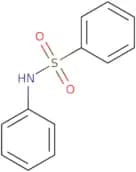
Fórmula:C9H8O3Pureza:Min. 95%Peso molecular:164.16 g/molBenzenesulfonanilide
CAS:Benzenesulfonanilide is a compound that is soluble in water. It has potent antagonists against the chemokine receptor CXCR2 and the chemokine CCL5. The molecular weight of benzenesulfonanilide is 212.2 g/mol, and it has a fluorine atom at the 2-position on the benzene ring, a carbonyl group (-C=O) at the 2-position on the benzene ring, and a nitro group (-NO2) at the 3-position on the benzene ring. The structural formula for benzenesulfonanilide is shown below:
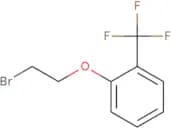
Fórmula:C12H11NO2SPureza:Min. 95%Peso molecular:233.29 g/mol1-(2-bromoethoxy)-2-(trifluoromethyl)benzene
CAS:Versatile small molecule scaffoldFórmula:C9H8OF3BrPureza:Min. 95%Peso molecular:269.06 g/mol5-[3-(Dimethylamino)phenyl]-4H-1,2,4-triazol-3-amine
CAS:Versatile small molecule scaffold
Fórmula:C10H13N5Pureza:Min. 95%Peso molecular:203.24 g/mol1-(4-Bromo-2-fluorophenyl)propan-2-amine
CAS:Produto ControladoVersatile small molecule scaffold
Fórmula:C9H11BrFNPureza:Min. 95%Peso molecular:232.09 g/mol1H-Indole-6-carboxamide
CAS:1H-Indole-6-carboxamide is a pharmaceutical compound that has been shown to bind to serotonin receptors. It has been studied for its potential use in the treatment of cancer, bowel disease, depression, and inflammatory bowel disease. 1H-Indole-6-carboxamide is a polymorphic chemical compound that exists as an equilibrium mixture of two isomers. The bound form of the drug is more potent than the free form and it binds with high affinity to serotonin receptors. 1H-Indole-6-carboxamide hydrochloride salts are more soluble in water than the free form, making them more efficient for use in humans.
Fórmula:C9H8N2OPureza:Min. 95%Peso molecular:160.17 g/mol2-(1-Chloroethyl)pyrimidin-4-amine
CAS:Versatile small molecule scaffold
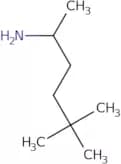
Fórmula:C6H8ClN3Pureza:Min. 95%Peso molecular:157.6 g/mol5,5-Dimethylhexan-2-amine
CAS:Versatile small molecule scaffold
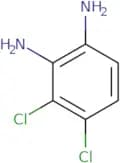
Fórmula:C8H19NPureza:Min. 95%Peso molecular:129.24 g/mol3,4-dichlorobenzene-1,2-diamine
CAS:3,4-dichlorobenzene-1,2-diamine is a high salt compound that binds to sulfatide and has a molecular weight of 3.2 kilodaltons. It is an agonist for the galactose receptor in muscle cells, which causes stimulation of biochemical properties in the cell. The compound has been shown to be synthetic and expressed in E. coli. 3,4-Dichlorobenzene-1,2-diamine is also used as an immunofluorescent probe for studying the function of galactose receptors in muscle cells. This compound can also be immobilized on polyacrylamide gels to study its interactions with sulfatide.
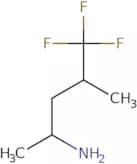
Fórmula:C6H6Cl2N2Pureza:Min. 95%Peso molecular:177.03 g/mol5,5,5-Trifluoro-4-methylpentan-2-amine
CAS:Versatile small molecule scaffold
Fórmula:C6H12F3NPureza:Min. 95%Peso molecular:155.16 g/mol4-[2-(Diethylamino)ethyl]aniline
CAS:Versatile small molecule scaffold
Fórmula:C12H20N2Pureza:Min. 95%Peso molecular:192.3 g/mol
![Ethyl 1-[2-(thiophen-2-yl)acetyl]piperidine-3-carboxylate](/_next/image/?url=https%3A%2Fstatic.cymitquimica.com%2Fproducts%2F3D%2Fthumb-webp%2FKMA45457.webp&w=3840&q=75)

![[4-(Pyrrolidin-1-yl)oxan-4-yl]methanamine](/_next/image/?url=https%3A%2Fstatic.cymitquimica.com%2Fproducts%2F3D%2Fthumb-webp%2FIMB75224.webp&w=3840&q=75)
![[4-(Pyridin-2-yl)-1,3-thiazol-2-yl]methanol](/_next/image/?url=https%3A%2Fstatic.cymitquimica.com%2Fproducts%2F3D%2Fthumb-webp%2FQDC57452.webp&w=3840&q=75)
![rac-[(2R,5S)-5-Phenyloxolan-2-yl]methanamine hydrochloride](/_next/image/?url=https%3A%2Fstatic.cymitquimica.com%2Fproducts%2F3D%2Fthumb-webp%2FHXC89108.webp&w=3840&q=75)
![1-[1-(2,4-Difluorophenyl)cyclopropyl]methanamine](/_next/image/?url=https%3A%2Fstatic.cymitquimica.com%2Fproducts%2F3D%2Fthumb-webp%2FQDC55061.webp&w=3840&q=75)
amine](/_next/image/?url=https%3A%2Fstatic.cymitquimica.com%2Fproducts%2F3D%2Fthumb-webp%2FFEA34056.webp&w=3840&q=75)
![[(4-Aminophenyl)imino]dimethyl-lambda6-sulfanone](/_next/image/?url=https%3A%2Fstatic.cymitquimica.com%2Fproducts%2F3D%2Fthumb-webp%2FKLB78061.webp&w=3840&q=75)
![[5-(Trifluoromethyl)thiophen-2-yl]methanol](/_next/image/?url=https%3A%2Fstatic.cymitquimica.com%2Fproducts%2F3D%2Fthumb-webp%2FKAC67071.webp&w=3840&q=75)
![Methyl[2-(pyrazin-2-yl)ethyl]amine](/_next/image/?url=https%3A%2Fstatic.cymitquimica.com%2Fproducts%2F3D%2Fthumb-webp%2FQDC49841.webp&w=3840&q=75)
![1-[2-(Trifluoromethyl)phenyl]propan-2-amine hydrochloride](/_next/image/?url=https%3A%2Fstatic.cymitquimica.com%2Fproducts%2F3D%2Fthumb-webp%2FAAA67003.webp&w=3840&q=75)
![1,3-Diazaspiro[5.5]undecane-2,4-dione](/_next/image/?url=https%3A%2Fstatic.cymitquimica.com%2Fproducts%2F3D%2Fthumb-webp%2FQDC49222.webp&w=3840&q=75)
![[1-(3-Chlorophenyl)cyclopentyl]methanamine](/_next/image/?url=https%3A%2Fstatic.cymitquimica.com%2Fproducts%2F3D%2Fthumb-webp%2FIMB75265.webp&w=3840&q=75)
![N-[(4-Bromophenyl)methyl]acetamide](/_next/image/?url=https%3A%2Fstatic.cymitquimica.com%2Fproducts%2F3D%2Fthumb-webp%2FQDA56176.webp&w=3840&q=75)


![5-[3-(Dimethylamino)phenyl]-4H-1,2,4-triazol-3-amine](/_next/image/?url=https%3A%2Fstatic.cymitquimica.com%2Fproducts%2F3D%2Fthumb-webp%2FKLB44359.webp&w=3840&q=75)


![4-[2-(Diethylamino)ethyl]aniline](/_next/image/?url=https%3A%2Fstatic.cymitquimica.com%2Fproducts%2F3D%2Fthumb-webp%2FBAA66560.webp&w=3840&q=75)