Building Blocks
Subcategorias de "Building Blocks"
- Ácidos Borónicos e Derivados de Ácido Borónico(5.780 produtos)
- Building Blocks Quirais(1.239 produtos)
- Building Blocks Hidrocarbonetos(6.100 produtos)
- Building Blocks orgânicos(61.005 produtos)
Foram encontrados 205234 produtos de "Building Blocks"
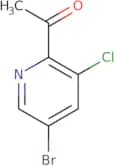
1-(5-Bromo-3-chloropyridin-2-yl)ethanone
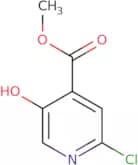
CAS:Versatile small molecule scaffoldFórmula:C7H5NOClBrPureza:Min. 95%Peso molecular:234.47 g/molMethyl 2-chloro-5-hydroxypyridine-4-carboxylate
CAS:Versatile small molecule scaffold
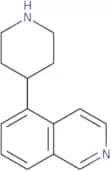
Fórmula:C7H6ClNO3Pureza:Min. 95%Peso molecular:187.58 g/mol5-(Piperidin-4-yl)isoquinoline
CAS:Versatile small molecule scaffold
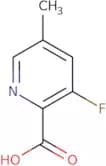
Fórmula:C14H16N2Pureza:Min. 95%Peso molecular:212.29 g/mol3-Fluoro-5-methylpyridine-2-carboxylic acid
CAS:Versatile small molecule scaffold
Fórmula:C7H6FNO2Pureza:Min. 95%Peso molecular:155.13 g/mol{2H,3H,4H-Pyrido[3,2-b][1,4]oxazin-6-yl}methanol
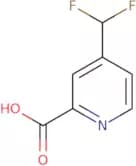
CAS:Versatile small molecule scaffoldFórmula:C8H10N2O2Pureza:Min. 95%Peso molecular:166.18 g/mol4-(Difluoromethyl)picolinic acid
CAS:Versatile small molecule scaffold
Fórmula:C7H5F2NO2Pureza:Min. 95%Peso molecular:173.12 g/mol3-Methyl-benzo[b]thiophene 1,1-dioxide
CAS:Versatile small molecule scaffold
Fórmula:C9H8O2SPureza:Min. 95%Peso molecular:180.23 g/mol4-((Diethylamino)methyl)aniline
CAS:Produto ControladoVersatile small molecule scaffold
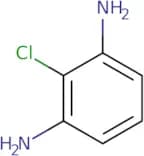
Fórmula:C11H18N2Pureza:Min. 95%Peso molecular:178.28 g/mol2-Chlorobenzene-1,3-diamine
CAS:Versatile small molecule scaffold
Fórmula:C6H7ClN2Pureza:Min. 95%Peso molecular:142.58 g/molRef: 3D-GAA40014
Produto descontinuadoN-[2-(Benzylsulfanyl)phenyl]-2-chloroacetamide
CAS:Versatile small molecule scaffold
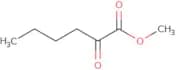
Fórmula:C15H14ClNOSPureza:Min. 95%Peso molecular:291.8 g/molMethyl 2-oxohexanoate
CAS:Methyl 2-oxohexanoate is a synthetic chemical that is used as a solvent in organic synthesis. It can be deuterated to produce a deuterated derivative, which has been shown to have improved stability in an organic environment. Methyl 2-oxohexanoate has been used as the starting material for the asymmetric synthesis of some medicinal drugs, including the anti-inflammatory drug piroxicam. This chemical also has been shown to have anticancer activity due to its ability to inhibit fatty acid synthase and nutrient uptake in pancreatic cancer cells.
Fórmula:C7H12O3Pureza:Min. 95%Peso molecular:144.17 g/mol2-{[Bis(methylamino)methylidene]amino}acetic acid
CAS:Versatile small molecule scaffold
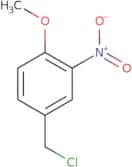
Fórmula:C5H11N3O2Pureza:Min. 95%Peso molecular:145.16 g/mol4-(Chloromethyl)-1-methoxy-2-nitrobenzene
CAS:4-(Chloromethyl)-1-methoxy-2-nitrobenzene is a heterocyclic compound that belongs to the group of germicides. It is prepared by the reaction of potassium carbonate with methylamine and 4-chloro-1-methoxybenzene. The chloromethyl group in this compound can be replaced by other halogens, such as bromine or iodine, in order to produce other derivatives. This type of chemical has been used in the past as a fungicide, but is now mostly used as a precursor for dyes. 4-(Chloromethyl)-1-methoxy-2-nitrobenzene has an analogous reaction with amines, which are compounds containing nitrogen and hydrogen atoms that have one or more organic substituents. These reactions are useful for producing drugs such as amphetamines, barbiturates, and some types of antibiotics.
Fórmula:C8H8ClNO3Pureza:Min. 95%Peso molecular:201.61 g/mol2-[(2-nitrophenyl)sulfanyl]acetic acid
CAS:Versatile small molecule scaffold
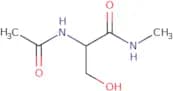
Fórmula:C8H7NO4SPureza:Min. 95%Peso molecular:213.2 g/mol(2S)-2-Acetamido-3-hydroxy-N-methylpropanamide
CAS:(2S)-2-Acetamido-3-hydroxy-N-methylpropanamide is a compound that belongs to the class of phosphopeptides. It is synthesized by reacting an N-acetylcysteamine with methylamine in the presence of sodium bicarbonate. This compound has shown to have antihypertensive and vasodilatory effects, as well as the ability to inhibit platelet aggregation.
Fórmula:C6H12N2O3Pureza:Min. 95%Peso molecular:160.17 g/molRef: 3D-GAA36712
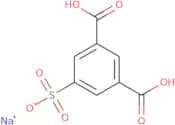
Produto descontinuadoSodium 5-sulphoisophthalate
CAS:Sodium 5-sulphoisophthalate is a chemical compound that is the monosodium salt of sulfonated 5-sulphoisophthalic acid. It is an important raw material in the production of polycarboxylic acids, which are used as intermediates in the production of nylon and polyester. The reaction vessel for the production of sodium 5-sulfoisophthalate is usually a stainless steel pressure reactor. Sodium carbonate and sulfur trioxide react at high temperatures to produce sodium 5-sulfoisophthalate and hydrogen sulfide. The product can be purified by fractional distillation, or it can be reacted with ammonia to form ammonium sulfite, which can then be used as a fertilizer. Sodium 5-sulfoisophthalate has been shown to have fluorescence properties and can serve as a probe for hydrogen bonding between molecules.
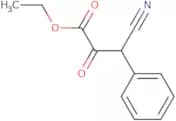
Fórmula:C8H5NaO7SPureza:Min. 95%Peso molecular:268.17 g/molEthyl 3-cyano-3-phenylpyruvate
CAS:Ethyl 3-cyano-3-phenylpyruvate is a chemical compound that is used as an antiviral agent. It has been shown in vitro to inhibit influenza virus and depression. Ethyl 3-cyano-3-phenylpyruvate is synthesized by the alkylation of furyl with phenyl group, followed by the reduction of the tetronic acid formed. The antiviral activity of ethyl 3-cyano-3-phenylpyruvate was analyzed by assessing the ability to inhibit viral replication and production of new viruses. The sodium salt form of this compound is used in foodstuff as a preservative.
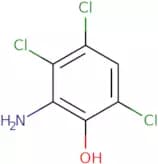
Fórmula:C12H11NO3Pureza:Min. 95%Peso molecular:217.22 g/mol2-Amino-3,4,6-trichlorophenol
CAS:2-Amino-3,4,6-trichlorophenol is a versatile compound that has various applications in different fields. It is commonly used in chromatographic analysis as a reference standard and as a reagent in organic synthesis. This compound is also found naturally in plants such as monoterpenoids, isoflavones, pyrazoles, alkaloids, and chalcones. Additionally, it has been identified as a component of certain research chemicals.
Fórmula:C6H4Cl3NOPureza:Min. 95%Peso molecular:212.5 g/mol2-Hydroxy-2-(naphthalen-1-yl)propanoic acid
CAS:Versatile small molecule scaffold
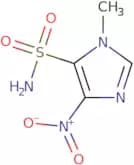
Fórmula:C13H12O3Pureza:Min. 95%Peso molecular:216.23 g/mol1-Methyl-4-nitro-1H-imidazole-5-sulfonamide
CAS:1-Methyl-4-nitro-1H-imidazole-5-sulfonamide is a cytotoxic agent that is used to treat cancer. This drug inhibits the growth of cancer cells and sensitizes them to radiation therapy by binding to DNA, which inhibits its ability to replicate. It has been shown to have an inhibitory effect on tumour growth in animal models. 1-Methyl-4-nitro-1H-imidazole-5-sulfonamide binds preferentially to tissues with high oxygen tension, such as the brain and bone marrow, and has been shown to be effective in treating leukemia cells. 1MM4NIAS is also radiosensitizing for cancer and can be used in combination with radiation therapy treatments for cancer patients.Fórmula:C4H6N4O4SPureza:Min. 95%Peso molecular:206.18 g/molRef: 3D-GAA33955
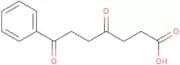
Produto descontinuado4,7-Dioxo-7-phenylheptanoic acid
CAS:Versatile small molecule scaffold
Fórmula:C13H14O4Pureza:Min. 95%Peso molecular:234.25 g/molBis(2-phenylethyl)amine hydrochloride
CAS:Bis(2-phenylethyl)amine hydrochloride (BPEA) is a compound that has been shown to have neuroprotective effects in animal models of Alzheimer's disease. This compound has been found to inhibit the formation of reactive oxygen species, which are responsible for neuronal cell death. BPEA also inhibits the enzyme amine oxidase, which is responsible for the breakdown of neurotransmitters and may be involved in the development of Alzheimer's disease and other neurodegenerative diseases. BPEA has been shown to be effective in preventing and treating symptoms of Alzheimer's disease in an experimental model. Dipropylamine (DPEA), a known inhibitor of amine oxidase, was tested with BPEA and found to have synergistic effects. DPBA was not able to prevent or treat symptoms when given alone.
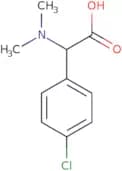
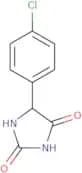
Fórmula:C16H20ClNPureza:Min. 95%Peso molecular:261.79 g/mol(4-Chloro-phenyl)-dimethylamino-acetic acid
CAS:Versatile small molecule scaffold
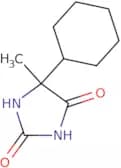
Fórmula:C10H12ClNO2Pureza:Min. 95%Peso molecular:213.67 g/mol5-Cyclohexyl-5-methylimidazolidine-2,4-dione
CAS:5-Cyclohexyl-5-methylimidazolidine-2,4-dione is a ligand that binds to the receptor and activates it. It is used in research as a tool for studying ion channels, peptides, and protein interactions. 5-Cyclohexyl-5-methylimidazolidine-2,4-dione has been shown to inhibit the binding of an antibody to its antigen.
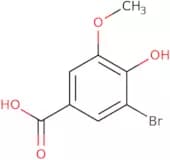
Fórmula:C10H16N2O2Pureza:Min. 95%Peso molecular:196.25 g/mol3-Bromo-4-hydroxy-5-methoxybenzoic acid
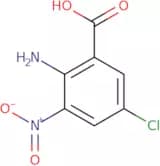
CAS:3-Bromo-4-hydroxy-5-methoxybenzoic acid is an organic compound that is a chlorinated derivative of benzoic acid. It can be synthesized by the reaction between benzene and sodium hypochlorite in the presence of a nuclear reactor. The reaction produces 3-bromo-4,5-dihydroxyphenylacetic acid which reacts with chlorine to produce 3,4,5-trichlorobenzoic acid. This compound can then be oxidized to form 3-bromo-4,5-dihydroxybenzoic acid or chlorinated to form 3,4,5,6 -tetrachlorobenzoic acid. The latter compound has been used as a precursor for herbicides such as Benlate and Clorox.Fórmula:C8H7BrO4Pureza:Min. 95%Peso molecular:247.04 g/mol2-Amino-5-chloro-3-nitrobenzoic acid
CAS:2-Amino-5-chloro-3-nitrobenzoic acid is a synthetic compound that has been shown to have topoisomerase activity. It binds to the DNA of cancer cells and inhibits the expression of certain genes, which inhibits cell proliferation. 2-Amino-5-chloro-3-nitrobenzoic acid also interacts with the drug transport protein p-glycoprotein, inhibiting its function and leading to multidrug resistance in cancer cells. This drug has been shown to be cytotoxic for lung carcinoma cells.
Fórmula:C7H5ClN2O4Pureza:Min. 95%Peso molecular:216.58 g/mol2-(Hydroxymethyl)-5-methoxy-4(1H)-pyridinone
CAS:Versatile small molecule scaffold
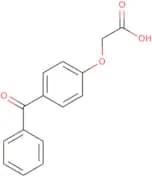
Fórmula:C7H9NO3Pureza:Min. 95%Peso molecular:155.15 g/mol2-(4-Benzoylphenoxy)acetic acid
CAS:2-(4-Benzoylphenoxy)acetic acid is a phenoxy compound that can be used as an antinociceptive agent. It has been shown to inhibit the pain response in mice by binding to the peripheral cannabinoid receptor CB2 and blocking intracellular calcium channels, thereby inhibiting the release of pro-inflammatory molecules. 2-(4-Benzoylphenoxy)acetic acid also inhibits the activity of two enzymes involved in carbonic acid production and glucose metabolism, which may provide protection against metabolic disorders. Computational methods have been used to model the molecular structure of 2-(4-benzoylphenoxy)acetic acid, which are then compared with experimental data on hydrogen bonding interactions between dihedral angles and intramolecular hydrogen bonds.
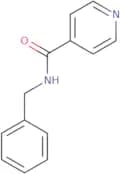
Fórmula:C15H12O4Pureza:Min. 95%Peso molecular:256.25 g/molN-Benzylpyridine-4-carboxamide
CAS:N-Benzylpyridine-4-carboxamide is a synthetic compound that has been shown to have anticancer, anti-inflammatory, and neuropathic properties. This compound is an innovative drug candidate for the treatment of inflammatory diseases and cancer. N-Benzylpyridine-4-carboxamide inhibits the production of chemokines, which are cytokines that are involved in the recruitment of cells to sites of inflammation and infection. The mechanism involves the ring opening of the amide bond between the nitro group and the carboxylic acid group. The pharmacophore is derived from this ring opening reaction. This compound also blocks receptor subtypes such as 5HT3A or NMDA receptors, which may lead to neuropathic effects.
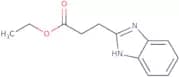
Fórmula:C13H12N2OPureza:Min. 95%Peso molecular:212.25 g/molEthyl 3-(1H-benzimidazol-2-yl)propanoate
CAS:Versatile small molecule scaffold
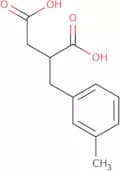
Fórmula:C12H14N2O2Pureza:Min. 95%Peso molecular:218.25 g/mol2-(3-Methylbenzyl)succinic acid
CAS:2-(3-Methylbenzyl)succinic acid is a sulfate metabolite that has been shown to regulate the activity of sulfate-reducing bacteria. It was first identified as a major metabolite in incubations with benzylsuccinic acid and xylene. The isomers of 2-(3-methylbenzyl)succinic acid are benzoate and hydroxyphthalide. The geochemical significance of this compound is not yet known, but it may signify the presence of microbial metabolism in the environment. The compound can be found at nanomolar concentrations in natural environments and has been shown to inhibit microbial growth by mechanisms that remain unclear.
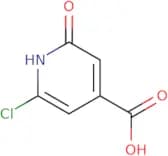
Fórmula:C12H14O4Pureza:Min. 95%Peso molecular:222.24 g/mol6-chloro-2-oxo-1,2-dihydropyridine-4-carboxylic acid
CAS:6-Chloro-2-oxo-1,2-dihydropyridine-4-carboxylic acid (6CODPC) is a carboxylic acid that is an active ingredient in some fungicides. It has been shown to inhibit the growth of certain plant pathogens such as viruses and bacteria. 6CODPC binds to the enzyme ribonucleotide reductase, which is involved in DNA synthesis and replication, leading to the inhibition of RNA synthesis and protein synthesis. This leads to cell death by apoptosis. 6CODPC also inhibits the production of proteins in plants that are necessary for photosynthesis.
Fórmula:C6H4ClNO3Pureza:Min. 95%Peso molecular:173.6 g/mol3-Methyl-3H-[1,2,3]triazolo[4,5-d]pyrimidin-7-amine
CAS:3-Methyl-3H-[1,2,3]triazolo[4,5-d]pyrimidin-7-amine is a purine ligand that can be protonated at the N7 nitrogen. It has been shown to have biological properties such as anion binding and also shows strong dichroism spectra. The structure of 3-methyl-3H-[1,2,3]triazolo[4,5-d]pyrimidin-7-amine has been determined by X-ray crystallography and magnetic resonance spectroscopy. This ligand is not easily protonated in aqueous solution due to its high basicity. The protonation state of this ligand is sensitive to pH changes in the environment.
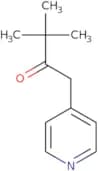
Fórmula:C5H6N6Pureza:Min. 95%Peso molecular:150.14 g/mol3,3-Dimethyl-1-(pyridin-4-yl)butan-2-one
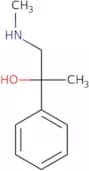
CAS:Versatile small molecule scaffoldFórmula:C11H15NOPureza:Min. 95%Peso molecular:177.24 g/mol1-(Methylamino)-2-phenylpropan-2-ol
CAS:Versatile small molecule scaffold
Fórmula:C10H15NOPureza:Min. 95%Peso molecular:165.23 g/mol4-chloropyridine-2,6-diamine
CAS:4-Chloropyridine-2,6-diamine is a compound that contains nitrogen and carbon. It has been synthesized experimentally and the crystal structure has been determined by X-ray crystallography. This substance belongs to the class of heterocycles and it is a hydrogen bond acceptor. The crystal structure of 4-chloropyridine-2,6-diamine has been rationalized using experimental data. The electron density maps show that there are six moles of naphthalene for every mole of 4-chloropyridine-2,6-diamine in the crystal lattice.
4-Chloropyridine-2,6-diamine is an enthalpy donor because it donates its electrons to other substances. It also accepts hydrogen bonds from other substances. This substance can form supramolecular frameworks with pyridine and benzene molecules, which stabilizes the molecule's structure through covalFórmula:C5H6N3ClPureza:Min. 95%Peso molecular:143.57 g/molRef: 3D-GAA30900
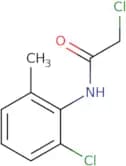
Produto descontinuado2-Chloro-N-(2-chloro-6-methylphenyl)acetamide
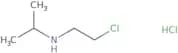
CAS:2-Chloro-N-(2-chloro-6-methylphenyl)acetamide is a fungicide that belongs to the group of racemic mixtures. It has been shown to be effective against phytopathogenic fungi, and also inhibits bacterial growth. 2-Chloro-N-(2-chloro-6-methylphenyl)acetamide is used in crop protection as a seed dressing or foliar spray. It is also effective against fungal infections such as ringworm and athlete's foot. This drug has been shown to have microbicidal properties, which are due to its ability to inhibit the growth of fungi by interfering with protein synthesis. 2CMA is systemic and can be absorbed through the skin or stomach lining, leading to an optically active effect on fungi cells.Fórmula:C9H9Cl2NOPureza:Min. 95%Peso molecular:218.08 g/molN-(2-Chloroethyl)propan-2-amine hydrochloride
CAS:Versatile small molecule scaffold
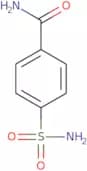
Fórmula:C5H13Cl2NPureza:Min. 95%Peso molecular:158.07 g/mol4-Sulfamoylbenzamide
CAS:4-Sulfamoylbenzamide is a sulfonamide that has been modified to improve its selectivity and potency. The modification of 4-sulfamoylbenzamide has been studied with anhydrase, which is an enzyme found in the eye that can cause glaucoma. The modifications allow this drug to selectively target the cytosolic isoforms of anhydrase. This drug also has anti-proliferative activity and can be used for the treatment of certain types of cancer, including breast, lung, prostate, and colon cancer. 4-Sulfamoylbenzamide was first synthesized in 1964 and was approved by the FDA in 1968 for use as an ophthalmic agent.
Fórmula:C7H8N2O3SPureza:Min. 95%Peso molecular:200.22 g/mol1,3-Diethyl 2-(cyclohex-2-en-1-yl)propanedioate
CAS:Versatile small molecule scaffoldFórmula:C13H20O4Pureza:Min. 95%Peso molecular:240.29 g/molBicyclo[2.2.2]octan-2-ylmethanamine hydrochloride
CAS:Versatile small molecule scaffold
Fórmula:C9H18ClNPureza:Min. 95%Peso molecular:175.7 g/mol4-Fluoro-6-methoxypyridin-3-amine
CAS:Versatile small molecule scaffold
Fórmula:C6H7FN2OPureza:Min. 95%Peso molecular:142.13 g/molRef: 3D-FXC93115
Produto descontinuado{3-Fluoro-4-[(trifluoromethyl)sulfanyl]phenyl}hydrazine
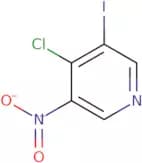
CAS:Versatile small molecule scaffoldFórmula:C7H6F4N2SPureza:Min. 95%Peso molecular:226.2 g/mol4-Chloro-3-iodo-5-nitropyridine
CAS:Versatile small molecule scaffold
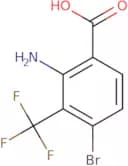
Fórmula:C5H2ClIN2O2Pureza:Min. 95%Peso molecular:284.44 g/mol2-Amino-4-bromo-3-(trifluoromethyl)benzoic acid
CAS:Versatile small molecule scaffold
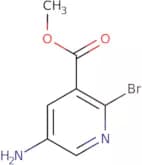
Fórmula:C8H5BrF3NO2Pureza:Min. 95%Peso molecular:284.03 g/molMethyl 5-amino-2-bromopyridine-3-carboxylate
CAS:Versatile small molecule scaffold
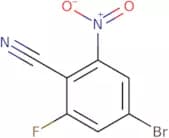
Fórmula:C7H7BrN2O2Pureza:Min. 95%Peso molecular:231.05 g/mol4-Bromo-2-fluoro-6-nitrobenzonitrile
CAS:Versatile small molecule scaffoldFórmula:C7H2BrFN2O2Pureza:Min. 95%Peso molecular:245.01 g/molRef: 3D-FXC59733
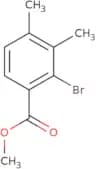
Produto descontinuadoMethyl 2-bromo-3,4-dimethylbenzoate
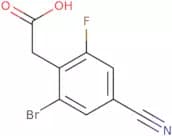
CAS:Versatile small molecule scaffoldFórmula:C10H11BrO2Pureza:Min. 95%Peso molecular:243.1 g/mol2-Bromo-4-cyano-6-fluorophenylacetic acid
CAS:Versatile small molecule scaffold
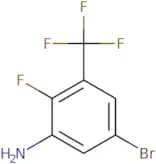
Fórmula:C9H5BrFNO2Pureza:Min. 95%Peso molecular:258.04 g/mol5-Bromo-2-fluoro-3-(trifluoromethyl)aniline
CAS:Versatile small molecule scaffoldFórmula:C7H4BrF4NPureza:Min. 95%Peso molecular:258.01 g/mol

![{2H,3H,4H-Pyrido[3,2-b][1,4]oxazin-6-yl}methanol](/_next/image/?url=https%3A%2Fstatic.cymitquimica.com%2Fproducts%2F3D%2Fthumb-webp%2FGAC80694.webp&w=3840&q=75)
![3-Methyl-benzo[b]thiophene 1,1-dioxide](/_next/image/?url=https%3A%2Fstatic.cymitquimica.com%2Fproducts%2F3D%2Fthumb-webp%2FGAA40691.webp&w=3840&q=75)
![N-[2-(Benzylsulfanyl)phenyl]-2-chloroacetamide](/_next/image/?url=https%3A%2Fstatic.cymitquimica.com%2Fproducts%2F3D%2Fthumb-webp%2FGAA39735.webp&w=3840&q=75)
![2-{[Bis(methylamino)methylidene]amino}acetic acid](/_next/image/?url=https%3A%2Fstatic.cymitquimica.com%2Fproducts%2F3D%2Fthumb-webp%2FGAA39271.webp&w=3840&q=75)
![2-[(2-nitrophenyl)sulfanyl]acetic acid](/_next/image/?url=https%3A%2Fstatic.cymitquimica.com%2Fproducts%2F3D%2Fthumb-webp%2FGAA37565.webp&w=3840&q=75)

![3-Methyl-3H-[1,2,3]triazolo[4,5-d]pyrimidin-7-amine](/_next/image/?url=https%3A%2Fstatic.cymitquimica.com%2Fproducts%2F3D%2Fthumb-webp%2FGAA31255.webp&w=3840&q=75)


![Bicyclo[2.2.2]octan-2-ylmethanamine hydrochloride](/_next/image/?url=https%3A%2Fstatic.cymitquimica.com%2Fproducts%2F3D%2Fthumb-webp%2FGAA30364.webp&w=3840&q=75)

![{3-Fluoro-4-[(trifluoromethyl)sulfanyl]phenyl}hydrazine](/_next/image/?url=https%3A%2Fstatic.cymitquimica.com%2Fproducts%2F3D%2Fthumb-webp%2FFXC90197.webp&w=3840&q=75)