Building Blocks
Esta seção contém produtos fundamentais para a síntese de compostos orgânicos e biológicos. Building blocks são os materiais de partida essenciais usados para construir moléculas complexas através de várias reações químicas. Eles desempenham um papel crítico na descoberta de medicamentos, ciência dos materiais e pesquisa química. Na CymitQuimica, oferecemos uma ampla gama de building blocks de alta qualidade para apoiar suas pesquisas inovadoras e projetos industriais, garantindo que você tenha os componentes essenciais para uma síntese bem-sucedida.
Subcategorias de "Building Blocks"
- Ácidos Borónicos e Derivados de Ácido Borónico(5.774 produtos)
- Building Blocks Quirais(1.237 produtos)
- Building Blocks Hidrocarbonetos(6.098 produtos)
- Building Blocks orgânicos(60.970 produtos)
Foram encontrados 205135 produtos de "Building Blocks"
Ordenar por
Pureza (%)
0
100
|
0
|
50
|
90
|
95
|
100
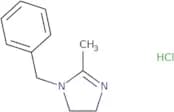
1-Benzyl-2-methyl-4,5-dihydro-1H-imidazole hydrochloride
CAS:Versatile small molecule scaffoldFórmula:C11H15ClN2Pureza:Min. 95%Peso molecular:210.7 g/mol1',4'-Dibromospiro[1,3-dioxolane-2,10'-tricyclo[5.2.1.0,2,6]decane]-3',8'-dien-5'-one
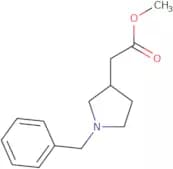
CAS:Versatile small molecule scaffoldFórmula:C12H10Br2O3Pureza:Min. 95%Peso molecular:362.01 g/molMethyl 2-(1-benzylpyrrolidin-3-yl)acetate
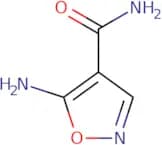
CAS:Versatile small molecule scaffoldFórmula:C14H19NO2Pureza:Min. 95%Peso molecular:233.31 g/mol5-Amino-1,2-oxazole-4-carboxamide
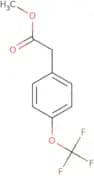
CAS:5-Amino-1,2-oxazole-4-carboxamide is a heterocyclic compound that is used in the synthesis of aminoisoxazoles. It is prepared by reacting 5-nitrobenzoic acid with hydroxylamine. 5-Amino-1,2-oxazole-4-carboxamide has been shown to be a useful reagent for the synthesis of polyfunctionalized heterocycles. This compound can also be used in the preparation of compounds that are not commercially available.Fórmula:C4H5N3O2Pureza:Min. 95%Peso molecular:127.1 g/molMethyl 2-(4-(trifluoromethoxy)phenyl)acetate
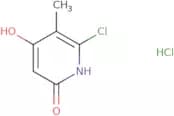
CAS:Versatile small molecule scaffoldFórmula:C10H9F3O3Pureza:Min. 95%Peso molecular:234.17 g/mol6-Chloro-4-hydroxy-5-methyl-1,2-dihydropyridin-2-one hydrochloride
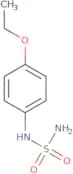
CAS:Versatile small molecule scaffoldFórmula:C6H7Cl2NO2Pureza:Min. 95%Peso molecular:196.03 g/molN-(4-Ethoxyphenyl)aminosulfonamide
CAS:Versatile small molecule scaffold
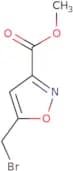
Fórmula:C8H12N2O3SPureza:Min. 95%Peso molecular:216.26 g/molmethyl 5-(bromomethyl)-1,2-oxazole-3-carboxylate
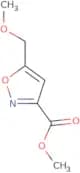
CAS:Versatile small molecule scaffoldFórmula:C6H6BrNO3Pureza:Min. 95%Peso molecular:220.02 g/molMethyl 5-(methoxymethyl)-1,2-oxazole-3-carboxylate
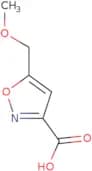
CAS:Versatile small molecule scaffoldFórmula:C7H9NO4Pureza:Min. 95%Peso molecular:171.15 g/mol5-(Methoxymethyl)-1,2-oxazole-3-carboxylic acid
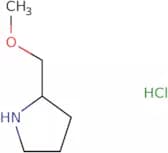
CAS:Versatile small molecule scaffoldFórmula:C6H7NO4Pureza:Min. 95%Peso molecular:157.12 g/mol(S)-2-Methoxymethyl-pyrrolidine hydrochloride
CAS:Versatile small molecule scaffoldFórmula:C6H14ClNOPureza:Min. 95%Peso molecular:151.63 g/molBenzo[b]furan-7-carboxaldehyde
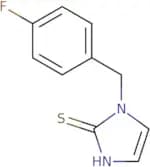
CAS:Benzo[b]furan-7-carboxaldehyde (BBA) is a mitochondrial uncoupler that can be used as an alternative to the toxic and expensive compound dinitrophenol. BBA induces mitochondrial dysfunction and cytosolic Ca2+ levels by inhibiting ATP synthesis and mitochondrial membrane potential. This leads to oxidative injury, which can be reversed with pharmacological treatments. BBA has been shown to have in vitro antifungal activity against Candida albicans and Saccharomyces cerevisiae, but it has not been tested on other fungi. It also has cardioprotective effects in vivo. In rats, intravenous administration of BBA raised the concentration of creatine kinase, indicating myocardial damage. Magnetic resonance spectroscopy revealed the induction of electrophysiological changes in rat cardiomyocytes after treatment with BBA. These changes were accompanied by actin filament depolymerization and disruption of sarcomere structure. MolecularFórmula:C9H6O2Pureza:Min. 95%Peso molecular:146.14 g/mol1-(4-Fluorobenzyl)-1H-imidazole-2-thiol
CAS:Versatile small molecule scaffoldFórmula:C10H9FN2SPureza:Min. 95%Peso molecular:208.26 g/mol3-(3,5-Dichlorophenyl)propionic acid
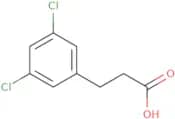
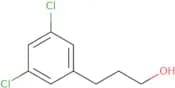
CAS:3-(3,5-Dichlorophenyl)propionic acid (3,5-DCP) is a tuberculostatic agent that inhibits the growth of bacteria by inhibiting protein synthesis. 3,5-DCP has been shown to have dermal and dermal toxicity in humans. It has been shown to be effective against human melanoma cells and mouse melanoma cells. 3,5-DCP is structurally related to other compounds with known antineoplastic activity including imidazole derivatives and methyl groups.Fórmula:C9H8Cl2O2Pureza:Min. 95%Peso molecular:219.06 g/mol3,5-Dichloro-benzenepropanol
CAS:Versatile small molecule scaffold
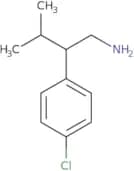
Fórmula:C9H10Cl2OPureza:Min. 95%Peso molecular:205.08 g/mol2-(4-Chlorophenyl)-3-methylbutan-1-amine
CAS:Produto ControladoVersatile small molecule scaffoldFórmula:C11H16ClNPureza:Min. 95%Peso molecular:197.7 g/mol1-Bromo-2-chloro-4-(chloromethyl)benzene
CAS:Versatile small molecule scaffoldFórmula:C7H5BrCl2Pureza:Min. 95%Peso molecular:239.92 g/molMethyl 2-[2-(chloromethyl)phenyl]acetate
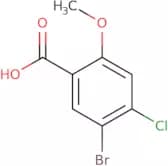
CAS:Versatile small molecule scaffoldFórmula:C10H11ClO2Pureza:Min. 95%Peso molecular:198.65 g/mol5-bromo-4-chloro-2-methoxybenzoic acid
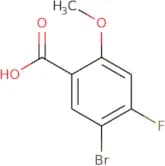
CAS:Sodium fluoride is a salt of sodium and fluoride ions, with the chemical formula NaF. It is an ionic compound, which is a crystalline solid that dissolves in water to give off the strong odor of hydrofluoric acid. This compound has been used for many years as an expectorant in cough medicines. Sodium fluoride is also used as a preservative in mouthwashes and toothpastes. It may be found in combination with other substances such as potassium iodide, sodium laureth sulfate, or sodium lauryl sulfate.Fórmula:C8H6BrClO3Pureza:Min. 95%Peso molecular:265.5 g/mol5-Bromo-4-fluoro-2-methoxybenzoic acid
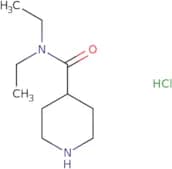
CAS:Versatile small molecule scaffoldFórmula:C8H6BrFO3Pureza:Min. 95%Peso molecular:249.03 g/molN,N-Diethyl-4-piperidinecarboxamide hydrochloride
CAS:Versatile small molecule scaffoldFórmula:C10H21ClN2OPureza:Min. 95%Peso molecular:220.74 g/mol2-Fluoro-2-phenylpropanenitrile
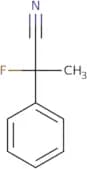
CAS:Versatile small molecule scaffold
Fórmula:C9H8FNPureza:Min. 95%Peso molecular:149.16 g/molMethyl 4-fluoro-3-oxobutanoate
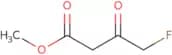
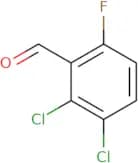
CAS:Methyl 4-fluoro-3-oxobutanoate is a reagent in organic chemistry that undergoes scission reactions. It is a colorless liquid with a pungent, irritating odor and a boiling point of 225°C. Methyl 4-fluoro-3-oxobutanoate can be used for the synthesis of various aromatic compounds. The mechanism of this reaction involves nucleophilic attack by pyridine or other basic solvents on the electrophilic carbon atom. This leads to the formation of an intermediate carbocation which then undergoes intramolecular fragmentation to yield the desired product.Fórmula:C5H7FO3Pureza:Min. 95%Peso molecular:134.11 g/mol2,3-Dichloro-6-fluorobenzaldehyde
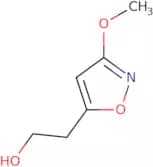
CAS:Versatile small molecule scaffoldFórmula:C7H3Cl2FOPureza:Min. 95%Peso molecular:193 g/mol2-(3-Methoxy-1,2-oxazol-5-yl)ethan-1-ol
CAS:Versatile small molecule scaffoldFórmula:C6H9NO3Pureza:Min. 95%Peso molecular:143.14 g/molTrifluoromethylphenyl sulfoximine
CAS:Versatile small molecule scaffold
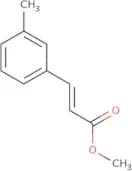
Fórmula:C7H6F3NOSPureza:Min. 95%Peso molecular:209.19 g/molMethyl (E)-3-(m-tolyl)prop-2-enoate
CAS:Versatile small molecule scaffold
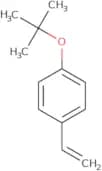
Fórmula:C11H12O2Pureza:Min. 95%Peso molecular:176.21 g/mol4-tert-Butoxystyrene
CAS:4-tert-Butoxystyrene is a monomer that is used in the polymerization of cationic polymers. It is soluble in water and hydrochloric acid. 4-tert-Butoxystyrene has a redox potential of -0.15 V, which allows it to be used as a catalyst for the synthesis of polymers with high molecular weight. 4-tert-Butoxystyrene can also be used as a solid catalyst for the formation of polymers with low molecular weight. This monomer has been shown to catalyze reactions that are not possible with other monomers, such as the production of poly(dimethylsiloxane) from chlorosilanes, or the polymerization of epichlorohydrin from chlorohydrins. The ability to form hydrogen bonds and chloride bridges gives 4-tert-Butoxystyrene chemical diversity, which increases its versatility and makes it an excellent choice for polymerization reactions.br>Fórmula:C12H16OPureza:Min. 95%Peso molecular:176.25 g/mol4-(Dimethylamino)-2-methoxybenzoic acid
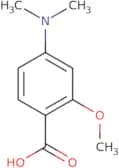
CAS:Versatile small molecule scaffoldFórmula:C10H13NO3Pureza:Min. 95%Peso molecular:195.21 g/mol2-Butoxy-4-methoxybenzoic acid
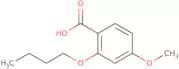
CAS:Versatile small molecule scaffoldFórmula:C12H16O4Pureza:Min. 95%Peso molecular:224.25 g/mol2-(2,3-Dimethoxyphenyl)-2-(1H-indol-3-yl)ethan-1-amine
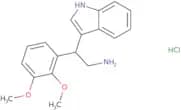
CAS:Versatile small molecule scaffoldFórmula:C18H21ClN2O2Pureza:Min. 95%Peso molecular:332.8 g/mol5-Bromo-4-methyl-1,3-thiazole-2-carbaldehyde
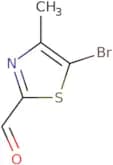
CAS:Versatile small molecule scaffoldFórmula:C5H4BrNOSPureza:Min. 95%Peso molecular:206.06 g/mol2,4-Dichloro-5-(diethylsulfamoyl)benzoic acid
CAS:Versatile small molecule scaffoldFórmula:C11H13Cl2NO4SPureza:Min. 95%Peso molecular:326.2 g/mol3-{[5-(2-Methylpropyl)-1,3,4-thiadiazol-2-yl]carbamoyl}propanoic acid
CAS:Versatile small molecule scaffold
Fórmula:C10H15N3O3SPureza:Min. 95%Peso molecular:257.31 g/mol1-[(4-Methoxyphenyl)methyl]-2,3-dihydro-1H-imidazole-2-thione
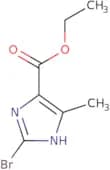
CAS:Versatile small molecule scaffoldFórmula:C11H12N2OSPureza:Min. 95%Peso molecular:220.29 g/molEthyl 2-Bromo-4-methyl-1H-imidazole-5-carboxylate
CAS:Versatile small molecule scaffoldFórmula:C7H9N2O2BrPureza:Min. 95%Peso molecular:233.06 g/molMethyl 2-[[(aminocarbonyl)amino]sulfonyl]benzoate
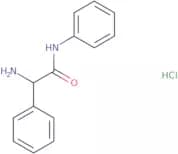
CAS:Versatile small molecule scaffoldFórmula:C9H10N2O5SPureza:Min. 95%Peso molecular:258.25 g/mol2-Amino-N,2-diphenylacetamide hydrochloride
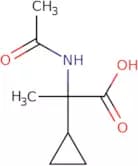
CAS:Versatile small molecule scaffoldFórmula:C14H15ClN2OPureza:Min. 95%Peso molecular:262.73 g/mol2-Cyclopropyl-2-acetamidopropanoic acid
CAS:Versatile small molecule scaffold
Fórmula:C8H13NO3Pureza:Min. 95%Peso molecular:171.19 g/mol6-Bromo-2,3-dimethyl-1,4-dihydroquinolin-4-one
CAS:Versatile small molecule scaffold
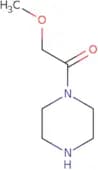
Fórmula:C11H10BrNOPureza:Min. 95%Peso molecular:252.11 g/mol2-Methoxy-1-(piperazin-1-yl)ethan-1-one
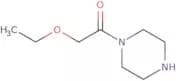
CAS:Versatile small molecule scaffoldFórmula:C7H14N2O2Pureza:Min. 95%Peso molecular:158.2 g/mol2-Ethoxy-1-(piperazin-1-yl)ethan-1-one
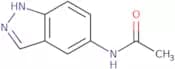
CAS:Versatile small molecule scaffoldFórmula:C8H16N2O2Pureza:Min. 95%Peso molecular:172.22 g/molN-(1H-Indazol-5-yl)acetamide
CAS:Versatile small molecule scaffold
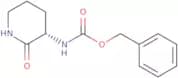
Fórmula:C9H9N3OPureza:Min. 95%Peso molecular:175.19 g/mol(S)-3-N-Cbz-Aminopiperidin-2-one
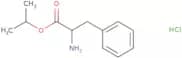
CAS:Versatile small molecule scaffoldFórmula:C13H16N2O3Pureza:Min. 95%Peso molecular:248.28 g/molPropan-2-yl (2S)-2-amino-3-phenylpropanoate hydrochloride
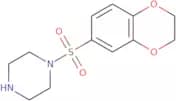
CAS:Versatile small molecule scaffoldFórmula:C12H18ClNO2Pureza:Min. 95%Peso molecular:243.73 g/mol1-(2,3-Dihydro-1,4-benzodioxine-6-sulfonyl)piperazine
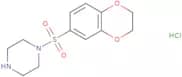
CAS:Versatile small molecule scaffoldFórmula:C12H16N2O4SPureza:Min. 95%Peso molecular:284.33 g/mol1-(2,3-Dihydro-1,4-benzodioxine-6-sulfonyl)piperazine hydrochloride
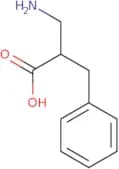
CAS:Produto Controlado1-(2,3-Dihydro-1,4-benzodioxine-6-sulfonyl)piperazine hydrochloride is an experimental drug that belongs to the group of pharmacological agents. It is a piperazine derivative with potent antagonistic effects against opioid receptors. It has been shown to have synergic effects when used with other drugs. Structural analysis revealed the presence of nitrogen atoms in the molecule and crystallinity was confirmed by x-ray diffraction data. The solubility of this compound in human serum is low. 1-(2,3-Dihydro-1,4-benzodioxine-6-sulfonyl)piperazine hydrochloride has been observed to inhibit the production of cytokines such as interleukin and tumor necrosis factor alpha (TNFα).Fórmula:C12H17ClN2O4SPureza:Min. 95%Peso molecular:320.79 g/mol2-Aminomethyl-3-phenylpropionic acid
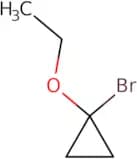
CAS:2-Aminomethyl-3-phenylpropionic acid is a chemical compound that is used as a catalyst in the hydrocyanation of alkyne to produce unsaturated compounds. It is also an amino acid that contains an α-amino group and a carboxylic acid. 2-Aminomethyl-3-phenylpropionic acid has been shown to be effective for producing yields of up to 99% in nickel-based catalysts for the hydrocyanation of alkyne. This compound is also inexpensive, nonhazardous, and stable at high temperatures.Fórmula:C10H13NO2Pureza:Min. 95%Peso molecular:179.22 g/mol1-Bromo-1-ethoxycyclopropane
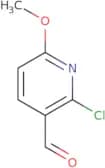
CAS:1-Bromo-1-ethoxycyclopropane is a structural modification of the cyclopropanone ring. It has been shown to be resistant to many bacteria, such as Pseudomonas aeruginosa and Escherichia coli, and also inhibits the growth of fungi. 1-Bromo-1-ethoxycyclopropane has been shown to act as an antibacterial agent by inhibiting the synthesis of proteins in bacteria and can work synergistically with aminoglycosides. 1-Bromo-1-ethoxycyclopropane may have a role in nature as it has been found to inhibit the growth of malonate oxidase from organisms such as Acinetobacter calcoaceticus.Fórmula:C5H9BrOPureza:Min. 95%Peso molecular:165.03 g/mol2-Chloro-6-methoxynicotinaldehyde
CAS:Versatile small molecule scaffoldFórmula:C7H6ClNO2Pureza:Min. 95%Peso molecular:171.58 g/mol

![1',4'-Dibromospiro[1,3-dioxolane-2,10'-tricyclo[5.2.1.0,2,6]decane]-3',8'-dien-5'-one](/_next/image/?url=https%3A%2Fstatic.cymitquimica.com%2Fproducts%2F3D%2Fthumb-webp%2FVDA27245.webp&w=3840&q=75)
![Benzo[b]furan-7-carboxaldehyde](/_next/image/?url=https%3A%2Fstatic.cymitquimica.com%2Fproducts%2F3D%2Fthumb-webp%2FVDA33314.webp&w=3840&q=75)

![Methyl 2-[2-(chloromethyl)phenyl]acetate](/_next/image/?url=https%3A%2Fstatic.cymitquimica.com%2Fproducts%2F3D%2Fthumb-webp%2FVDA36033.webp&w=3840&q=75)

![3-{[5-(2-Methylpropyl)-1,3,4-thiadiazol-2-yl]carbamoyl}propanoic acid](/_next/image/?url=https%3A%2Fstatic.cymitquimica.com%2Fproducts%2F3D%2Fthumb-webp%2FVDA45417.webp&w=3840&q=75)
![1-[(4-Methoxyphenyl)methyl]-2,3-dihydro-1H-imidazole-2-thione](/_next/image/?url=https%3A%2Fstatic.cymitquimica.com%2Fproducts%2F3D%2Fthumb-webp%2FVDA46009.webp&w=3840&q=75)
![Methyl 2-[[(aminocarbonyl)amino]sulfonyl]benzoate](/_next/image/?url=https%3A%2Fstatic.cymitquimica.com%2Fproducts%2F3D%2Fthumb-webp%2FVDA47330.webp&w=3840&q=75)