Building Blocks
Subcategorias de "Building Blocks"
- Ácidos Borónicos e Derivados de Ácido Borónico(5.774 produtos)
- Building Blocks Quirais(1.237 produtos)
- Building Blocks Hidrocarbonetos(6.098 produtos)
- Building Blocks orgânicos(60.980 produtos)
Foram encontrados 205158 produtos de "Building Blocks"
4-({[(tert-Butoxy)carbonyl]amino}methyl)-3-fluorobenzoic acid
CAS:Versatile small molecule scaffold
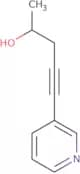
Fórmula:C13H16FNO4Pureza:Min. 95%Peso molecular:269.27 g/mol5-(Pyridin-3-yl)pent-4-yn-2-ol
CAS:Versatile small molecule scaffold
Fórmula:C10H11NOPureza:Min. 95%Peso molecular:161.2 g/molRef: 3D-UEA98103
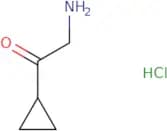
Produto descontinuado2-Amino-1-cyclopropylethan-1-one hydrochloride
CAS:Versatile small molecule scaffold
Fórmula:C5H10ClNOPureza:Min. 95%Peso molecular:135.59 g/molN-Methyl-4-(methylsulfonyl)aniline
CAS:Versatile small molecule scaffold
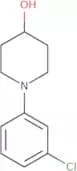
Fórmula:C8H11NO2SPureza:Min. 95%Peso molecular:185.24 g/mol1-(3-Chlorophenyl)piperidin-4-ol
CAS:Versatile small molecule scaffold
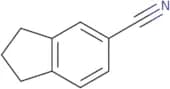
Fórmula:C11H14ClNOPureza:Min. 95%Peso molecular:211.69 g/mol2,3-Dihydro-1h-indene-5-carbonitrile
CAS:Versatile small molecule scaffold
Fórmula:C10H9NPureza:Min. 95%Peso molecular:143.19 g/mol3-[(Phenylsulfanyl)methyl]pyridine
CAS:Versatile small molecule scaffold
Fórmula:C12H11NSPureza:Min. 95%Peso molecular:201.29 g/mol3-[(Methylsulfanyl)methyl]pyridine
CAS:Versatile small molecule scaffold
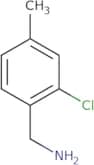
Fórmula:C7H9NSPureza:Min. 95%Peso molecular:139.22 g/mol(2-Chloro-4-methylphenyl)methanamine
CAS:Versatile small molecule scaffold
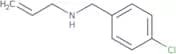
Fórmula:C8H10ClNPureza:Min. 95%Peso molecular:155.62 g/molN-(4-Chlorobenzyl)prop-2-en-1-amine
CAS:Versatile small molecule scaffold
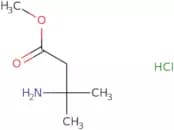
Fórmula:C10H12ClNPureza:Min. 95%Peso molecular:181.66 g/molMethyl 3-amino-3-methylbutanoate hydrochloride
CAS:Versatile small molecule scaffoldFórmula:C6H14ClNO2Pureza:Min. 95%Peso molecular:167.63 g/mol3-Methoxy-2,5-furandione
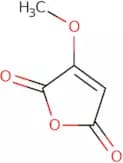
CAS:3-Methoxy-2,5-furandione is a reactive functional group that belongs to the group of β-carboline alkaloids. It is used as a crosslinker in polyvinyl and iontophoresis applications, as well as a cross-linking agent for coatings or natural compounds. 3-Methoxy-2,5-furandione reacts with benzyl groups to form crosslinked products that are stable in acidic environments. This product is also used as an intermediate for the synthesis of tetronic acid (a coating) or reaction products.
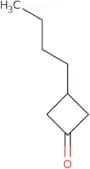
Fórmula:C5H4O4Pureza:Min. 95%Peso molecular:128.08 g/mol3-Butylcyclobutan-1-one
CAS:Versatile small molecule scaffold
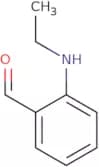
Fórmula:C8H14OPureza:Min. 95%Peso molecular:126.2 g/mol2-(Ethylamino)benzaldehyde
CAS:2-(Ethylamino)benzaldehyde (2-EABA) is a reactive, radiation-sensitive compound that can be used as a diagnostic agent. 2-EABA is the precursor of styryl dyes and coumarin derivatives. 2-EABA reacts with chloride to form an amide in the presence of hydroxyl groups. The amide reacts with aromatic hydrocarbons to produce cationic polymers. The reactive functional group of 2-EABA is an aldehyde group, which reacts with basic dyes to form diamines and diamides. In addition, it has been shown that 2-EABA can be used to detect chloride ions in water samples, owing to its high solubility in water.
Fórmula:C9H11NOPureza:Min. 95%Peso molecular:149.19 g/mol6-Hydrazinylpyridine-3-carboxamide
CAS:6-Hydrazinylpyridine-3-carboxamide is a coligand with high affinity for technetium, which is used in analytical chemistry. The compound has been shown to bind to the transcription-polymerase chain reaction (PCR) and monoclonal antibody binding sites of the human immunodeficiency virus type 1 (HIV-1). 6-Hydrazinylpyridine-3-carboxamide has also been shown to be an effective inhibitor of protein synthesis in animal cells and to inhibit tumor cell growth. Clinical trials have demonstrated that this compound can be used as an aneurysm sealant and as a cancer treatment.
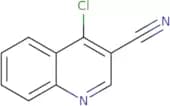
Fórmula:C6H8N4OPureza:Min. 95%Peso molecular:152.15 g/mol4-Chloroquinoline-3-carbonitrile
CAS:4-Chloroquinoline-3-carbonitrile is an intermediate in the synthesis of the tyrosine kinase inhibitor pelitinib and the process for its synthesis has been described. The synthetic process starts from acetonitrile, which reacts with nitrous acid to produce 4-chloroquinoline-3-carbonitrile. The next stage involves the reaction of 4-chloroquinoline-3-carbonitrile with ethyl acetate in the presence of a catalyst to produce 2-(4'-chlorophenyl)ethyl acetate. This compound can then be reacted with phenylethylamine to form (2E)-N-[2-(4'-chlorophenyl)ethyl]-N-(2,6-dimethoxyphenyl)acrylamide, which is a key intermediate in the synthesis of pelitinib.
Fórmula:C10H5ClN2Pureza:Min. 95%Peso molecular:188.61 g/mol2-Chloro-N-[4-(3-chlorophenoxy)phenyl]acetamide
CAS:Versatile small molecule scaffold
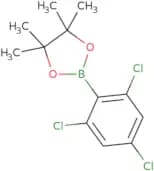
Fórmula:C14H11Cl2NO2Pureza:Min. 95%Peso molecular:296.1 g/mol4,4,5,5-Tetramethyl-2-(2,4,6-trichlorophenyl)-1,3,2-dioxaborolane
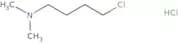
CAS:Versatile small molecule scaffoldFórmula:C12H14BCl3O2Pureza:Min. 95%Peso molecular:307.41 g/mol(4-chlorobutyl)dimethylamine hydrochloride
CAS:Versatile small molecule scaffold
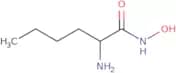
Fórmula:C6H15Cl2NPureza:Min. 95%Peso molecular:172.09 g/molN-Hydroxy2-aminohexanimidic acid
CAS:N-Hydroxy2-aminohexanimidic acid is a ligand that forms hydroxo complexes with hydrogen ions. It has been shown to be a potentiometric indicator for the presence of hydroxo ions in solutions. The formation constants for N-hydroxy2-aminohexanimidic acid are high and it can form polynuclear complexes with metal ions, such as iron, manganese, and zinc. This ligand also chelates transition metals and heavy metals, such as copper and arsenic. The protonation constant of N-hydroxy2-aminohexanimidic acid is 10^6. The bivalent complexes formed by this ligand have been shown to have strong absorption bands in the ultraviolet region of the electromagnetic spectrum.
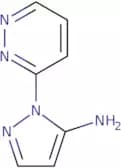
Fórmula:C6H14N2O2Pureza:Min. 95%Peso molecular:146.19 g/mol1-(Pyridazin-3-yl)-1H-pyrazol-5-amine
CAS:Versatile small molecule scaffold
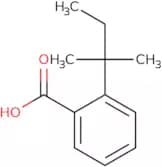
Fórmula:C7H7N5Pureza:Min. 95%Peso molecular:161.16 g/mol2-(2-Methylbutan-2-yl)benzoic acid
CAS:Versatile small molecule scaffold
Fórmula:C12H16O2Pureza:Min. 95%Peso molecular:192.25 g/molRef: 3D-UCA71344
Produto descontinuado5-Bromo-2,4-dimethylpyrimidine
CAS:Versatile small molecule scaffold
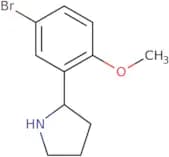
Fórmula:C6H7BrN2Pureza:Min. 95%Peso molecular:187.04 g/mol2-(5-Bromo-2-methoxyphenyl)pyrrolidine
CAS:Versatile small molecule scaffold
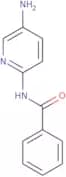
Fórmula:C11H14BrNOPureza:Min. 95%Peso molecular:256.14 g/molN-(5-Aminopyridin-2-yl)benzamide
CAS:Versatile small molecule scaffold
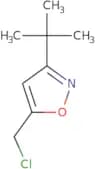
Fórmula:C12H11N3OPureza:Min. 95%Peso molecular:213.23 g/mol3-tert-Butyl-5-(chloromethyl)-1,2-oxazole
CAS:Versatile small molecule scaffold
Fórmula:C8H12ClNOPureza:Min. 95%Peso molecular:173.64 g/mol3,5-Diethyl-4-hydroxybenzaldehyde
CAS:Versatile small molecule scaffold
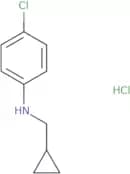
Fórmula:C11H14O2Pureza:Min. 95%Peso molecular:178.23 g/mol4-Chloro-N-(cyclopropylmethyl)aniline
CAS:Versatile small molecule scaffold
Fórmula:C10H12ClNPureza:Min. 95%Peso molecular:181.67 g/mol3-Formyl-4-methylbenzoic acid
CAS:Versatile small molecule scaffold
Fórmula:C9H8O3Pureza:Min. 95%Peso molecular:164.16 g/mol4-(Pyrimidin-5-yl)aniline
CAS:Versatile small molecule scaffold
Fórmula:C10H9N3Pureza:Min. 95%Peso molecular:171.2 g/mol4-(Pyrimidin-2-yl)aniline
CAS:Versatile small molecule scaffold
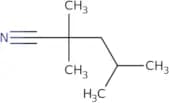
Fórmula:C10H9N3Pureza:Min. 95%Peso molecular:171.2 g/mol2,2,4-Trimethylpentanenitrile
CAS:Flecainide is an anti-arrhythmic drug that belongs to the class of drugs called Class IA or Class IC antiarrhythmics. It is used to treat arrhythmias in adults and children who are at least 6 months old. Flecainide is a long-acting medication, which means it remains active for a long time. This drug has been shown to have a low risk of causing neutropenia in women who take it during pregnancy. Flecainide has also been shown to cause an increase in serum levels of amide and trichloroethanol (TCE). The amide metabolite is responsible for most of the pharmacological effects of flecainide. The conformation and antipyrine metabolites are active against some bacteria and fungi, but not against other microorganisms such as Mycobacterium tuberculosis.
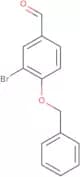
Fórmula:C8H15NPureza:Min. 95%Peso molecular:125.21 g/mol4-Benzyloxy-3-bromobenzaldehyde
CAS:4-Benzyloxy-3-bromobenzaldehyde (4BBA) is a natural product that has been found to have high affinity for the histone deacetylase (HDAC) enzyme. 4BBA shows low cytotoxicity in fibroblast cells, which are cells that synthesize collagen, and it may be used as a fluorescent probe for HDACs in marine sponges. 4BBA binds to the cytoplasmic side of the cell's nucleus and exhibits fluorescence when excited with light at 350 nm. This fluorogenic activity is due to the phenyl ring and should allow for visualization of HDACs on the surface of cells using microscopy techniques.
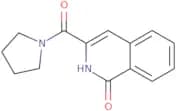
Fórmula:C14H11BrO2Pureza:Min. 95%Peso molecular:291.14 g/mol3-(Pyrrolidine-1-carbonyl)-1,2-dihydroisoquinolin-1-one
CAS:Versatile small molecule scaffoldFórmula:C14H14N2O2Pureza:Min. 95%Peso molecular:242.27 g/mol2-Hydroxy-4-methylbenzohydrazide
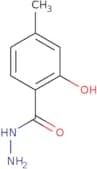
CAS:2-Hydroxy-4-methylbenzohydrazide (2HMBA) is a supramolecular ligand that can bind to the active site of PI3K and AKT, which are two signaling molecules. 2HMBA has been shown to suppress immunosuppressive activities in an assay that measures the suppression of T cell proliferation by human peripheral blood mononuclear cells. The ligand binds to the active site of the enzyme and prevents its interaction with ATP, thereby inhibiting PI3K/AKT signaling. It also has magnetic properties. 2HMBA is a macrocyclic compound with a chiral center at C-2, which is responsible for its activity.
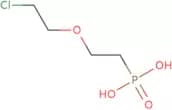
Fórmula:C8H10N2O2Pureza:Min. 95%Peso molecular:166.18 g/mol2-(2'-Chloroethoxy)ethylphosphonic acid
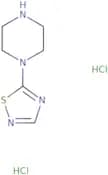
CAS:Versatile small molecule scaffoldFórmula:C4H10ClO4PPureza:Min. 95%Peso molecular:188.55 g/mol1-(1,2,4-Thiadiazol-5-yl)piperazine dihydrochloride
CAS:Versatile small molecule scaffold
Fórmula:C6H12Cl2N4SPureza:Min. 95%Peso molecular:243.16 g/molN,N'-Bis(2-hydroxyphenyl)ethanediamide
CAS:Versatile small molecule scaffold
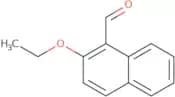
Fórmula:C14H12N2O4Pureza:Min. 95%Peso molecular:272.26 g/mol2-Ethoxy-1-naphthaldehyde
CAS:2-Ethoxy-1-naphthaldehyde is a synthetic compound that is an intermediate in the synthesis of nafcillin sodium. It is also used as an intermediate for the production of acetonitrile, which can be used as a solvent. 2-Ethoxy-1-naphthaldehyde has been shown to have optical properties similar to those of anthracene and dihedral angles similar to those of peroxide. It undergoes dehydrating reactions with hydrogen peroxide, forming acetic acid, water, and hydrogen dioxide. This compound also has a strong tendency to form hydrogen bonds with other molecules.
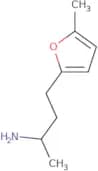
Fórmula:C13H12O2Pureza:Min. 95%Peso molecular:200.23 g/mol4-(5-Methylfuran-2-yl)butan-2-amine
CAS:Versatile small molecule scaffold
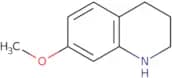
Fórmula:C9H15NOPureza:Min. 95%Peso molecular:153.22 g/mol7-Methoxy-1,2,3,4-tetrahydroquinoline
CAS:Versatile small molecule scaffold
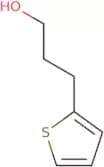
Fórmula:C10H13NOPureza:Min. 95%Peso molecular:163.22 g/mol3-(thiophen-2-yl)propan-1-ol
CAS:3-(thiophen-2-yl)propan-1-ol is a chiral synthon. It is used as a building block in the synthesis of organic compounds, such as esters and amides. 3-(Thiophen-2-yl)propan-1-ol has been used to synthesize enantiomerically pure methylene compounds. This synthon can be prepared by the catalysis of vinyl acetate with thiophene, which forms a chain reaction that leads to the formation of 3-(thiophen-2-yl)propan-1-ol. The stereogenic center of this synthon is also chiral.
Fórmula:C7H10OSPureza:Min. 95%Peso molecular:142.22 g/mol2-Bromo-4-isopropylphenol
CAS:Versatile small molecule scaffold
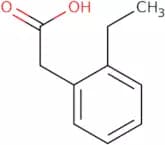
Fórmula:C9H11BrOPureza:Min. 95%Peso molecular:215.1 g/mol2-(2-Ethylphenyl)acetic acid
CAS:2-(2-Ethylphenyl)acetic acid is a compound that is used to synthesize antihistamines. It has been shown to have potent antihistaminic activity in both the ileum and the stomach, which is stereoselective for the S(+) enantiomer. The 2-ethylphenyl group of this compound can be susceptible to alkylation by organometallic reagents such as piperidine, which can lead to side reactions with other groups on the molecule or other molecules in the reaction mixture. The 2-ethylphenyl group is also chiral, meaning that it has two different forms, or configurations.
Fórmula:C10H12O2Pureza:Min. 95%Peso molecular:164.2 g/mol3-Iodo-pyrazolo[1,5-a]pyridine
CAS:3-Iodo-pyrazolo[1,5-a]pyridine is a boronic acid that has been optimized for medicinal use. It is chemically synthesized by coupling with a boronic ester. 3-Iodo-pyrazolo[1,5-a]pyridine has shown potent anti-inflammatory properties in mice models.
Fórmula:C7H5IN2Pureza:Min. 95%Peso molecular:244.03 g/mol2-[(Pyridin-2-yl)carbamoyl]benzoic acid
CAS:2-[(Pyridin-2-yl)carbamoyl]benzoic acid is an organic compound that contains a benzamide and amide functional group. It is paramagnetic, which means that it has the ability to be attracted by a magnetic field. It also has intramolecular nucleophilic attack properties. 2-[(Pyridin-2-yl)carbamoyl]benzoic acid can be used in elemental analyses and as a catalyst for chemical reactions, such as the conversion of thiocyanate to cyanide. 2-[(Pyridin-2-yl)carbamoyl]benzoic acid is used in the production of dyes and pharmaceuticals, including antihistamines and analgesics.
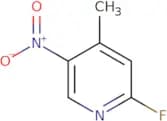
Fórmula:C13H10N2O3Pureza:Min. 95%Peso molecular:242.23 g/mol2-Fluoro-4-Methyl-5-Nitropyridine
CAS:Versatile small molecule scaffold
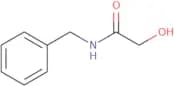
Fórmula:C6H5FN2O2Pureza:Min. 95%Peso molecular:156.11 g/molN-Benzyl-2-hydroxyacetamide
CAS:N-Benzyl-2-hydroxyacetamide is a synthetic molecule that is used in the synthesis of other molecules. It is synthesized by reacting benzaldehyde with 2-aminoethanol in the presence of hydrochloric acid and sodium hydroxide. The yields are typically high, as the reaction proceeds under relatively mild conditions with few side reactions. The mechanism of this reaction is nucleophilic addition of the amino group to the carbonyl carbon atom, followed by elimination of water. N-Benzyl-2-hydroxyacetamide can be converted to various other compounds through intramolecular reactions or substitutions on its molecular structure.
Fórmula:C9H11NO2Pureza:Min. 95%Peso molecular:165.19 g/molBenzo[b]thiophen-5-ol
CAS:Benzo[b]thiophen-5-ol is a chiral molecule that has been synthesized to be homochiral. It has an active site and selective epoxide hydration activity, which is the rate-limiting step of epoxide ring opening reactions. The mechanism of this reaction is the cleavage of a C–C bond in an epoxide substrate by an O–H or S–H bond in benzo[b]thiophen-5-ol. The nature of this mechanistic bond cleavage reaction is unknown, but it may be due to catalysis by a benzyl group.
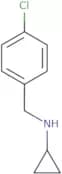
Fórmula:C8H6OSPureza:Min. 95%Peso molecular:150.2 g/molN-(4-Chlorobenzyl)-N-cyclopropylamine
CAS:Versatile small molecule scaffold
Fórmula:C10H12ClNPureza:Min. 95%Peso molecular:181.66 g/mol
![4-({[(tert-Butoxy)carbonyl]amino}methyl)-3-fluorobenzoic acid](/_next/image/?url=https%3A%2Fstatic.cymitquimica.com%2Fproducts%2F3D%2Fthumb-webp%2FUEB20037.webp&w=3840&q=75)

![3-[(Phenylsulfanyl)methyl]pyridine](/_next/image/?url=https%3A%2Fstatic.cymitquimica.com%2Fproducts%2F3D%2Fthumb-webp%2FUCA96647.webp&w=3840&q=75)
![3-[(Methylsulfanyl)methyl]pyridine](/_next/image/?url=https%3A%2Fstatic.cymitquimica.com%2Fproducts%2F3D%2Fthumb-webp%2FUCA96644.webp&w=3840&q=75)

![2-Chloro-N-[4-(3-chlorophenoxy)phenyl]acetamide](/_next/image/?url=https%3A%2Fstatic.cymitquimica.com%2Fproducts%2F3D%2Fthumb-webp%2FUCA83854.webp&w=3840&q=75)






![3-Iodo-pyrazolo[1,5-a]pyridine](/_next/image/?url=https%3A%2Fstatic.cymitquimica.com%2Fproducts%2F3D%2Fthumb-webp%2FUAA36399.webp&w=3840&q=75)
![2-[(Pyridin-2-yl)carbamoyl]benzoic acid](/_next/image/?url=https%3A%2Fstatic.cymitquimica.com%2Fproducts%2F3D%2Fthumb-webp%2FUAA35710.webp&w=3840&q=75)
![Benzo[b]thiophen-5-ol](/_next/image/?url=https%3A%2Fstatic.cymitquimica.com%2Fproducts%2F3D%2Fthumb-webp%2FUAA30135.webp&w=3840&q=75)