Building Blocks
Subcategorias de "Building Blocks"
- Ácidos Borónicos e Derivados de Ácido Borónico(5.780 produtos)
- Building Blocks Quirais(1.241 produtos)
- Building Blocks Hidrocarbonetos(6.100 produtos)
- Building Blocks orgânicos(61.017 produtos)
Foram encontrados 205265 produtos de "Building Blocks"
2-[(Dimethylamino)methyl]benzonitrile
CAS:Versatile small molecule scaffold
Fórmula:C10H12N2Pureza:Min. 95%Peso molecular:160.22 g/mol4-[(4-Methylphenyl)methoxy]aniline
CAS:Versatile small molecule scaffold
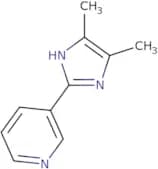
Fórmula:C14H15NOPureza:Min. 95%Peso molecular:213.27 g/mol3-(4,5-Dimethyl-1H-imidazol-2-yl)-pyridine
CAS:Versatile small molecule scaffold
Fórmula:C10H11N3Pureza:Min. 95%Peso molecular:173.21 g/mol4-(Dimethylphosphoryl)butan-2-one
CAS:Versatile small molecule scaffold
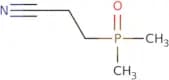
Fórmula:C6H13O2PPureza:Min. 95%Peso molecular:148.1 g/mol3-(Dimethylphosphoryl)propanenitrile
CAS:Versatile small molecule scaffold
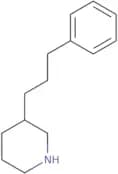
Fórmula:C5H10NOPPureza:Min. 95%Peso molecular:131.11 g/mol3-(3-Phenylpropyl)piperidine
CAS:Versatile small molecule scaffold
Fórmula:C14H21NPureza:Min. 95%Peso molecular:203.32 g/mol(1,1-Dioxo-tetrahydro-1lambda*6*-thiophen-3-yl)-methyl-amine hydrochloride
CAS:Versatile small molecule scaffold
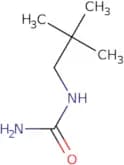
Fórmula:C5H12ClNO2SPureza:Min. 95%Peso molecular:185.67 g/mol(2,2-Dimethylpropyl)urea
CAS:Versatile small molecule scaffold
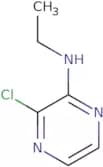
Fórmula:C6H14N2OPureza:Min. 95%Peso molecular:130.19 g/mol3-Chloro-N-ethylpyrazin-2-amine
CAS:Versatile small molecule scaffold
Fórmula:C6H8ClN3Pureza:Min. 95%Peso molecular:157.6 g/mol2-(4-Chlorobenzenesulfinyl)acetic acid
CAS:Versatile small molecule scaffold
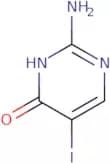
Fórmula:C8H7ClO3SPureza:Min. 95%Peso molecular:218.66 g/mol2-Amino-5-iodopyrimidin-4(1H)-one
CAS:Versatile small molecule scaffold
Fórmula:C4H4IN3OPureza:Min. 95%Peso molecular:237 g/molChroman-2-ylmethanamine
CAS:Chroman-2-ylmethanamine is an indole alkaloid that has been shown to have high affinity for the 5-HT1A receptor. It also has neuroprotective properties and prevents apoptotic cell death in a dose-dependent manner. This drug has also been shown to reduce extracellular glutamate levels in brain tissue and inhibit dopamine release. Chroman-2-ylmethanamine is an agonist at the 5-HT1A receptor, which causes it to inhibit extracellular acidification by hydrochloric acid. It also inhibits glutamate release by binding to the AMPA receptor, which leads to its anti-ischemic effects.
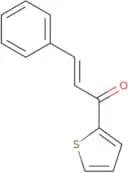
Fórmula:C10H13NOPureza:Min. 95%Peso molecular:163.22 g/mol2-Cinnamoylthiophene
CAS:2-Cinnamoylthiophene is a synthetic compound that has been shown to have an apoptotic effect on cancer cells in culture. It is produced by the reaction of 2-aminothiophenol with acetic anhydride and cinnamic acid. The molecular structure of 2-cinnamoylthiophene has been determined using nuclear magnetic resonance (NMR) spectroscopy and quantum chemical calculations. This molecule is oxidized by hydrogen peroxide to generate reactive intermediates, which then react with DNA bases to form DNA adducts. These adducts are detected by the tetrazolium dye MTT, which is used as a cell viability assay. 2-Cinnamoylthiophene also contains functional groups that can be used for further study.
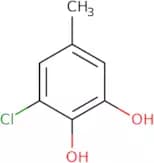
Fórmula:C13H10OSPureza:Min. 95%Peso molecular:214.28 g/mol3-Chloro-5-methylbenzene-1,2-diol
CAS:3-Chloro-5-methylbenzene-1,2-diol is an organic compound that is used as a substrate in assays to measure the activity of enzymes that oxidize it. This compound has been shown to be mineralized by a number of bacterial strains, and its formation rate has been shown to be dependent on the presence of oxygen. 3-Chloro-5-methylbenzene-1,2-diol can also be dechlorinated by a number of bacterial strains and its gene product (3CMB) has been identified in Bacillus subtilis. Magnetic resonance analysis revealed that 3CMB is produced from 3CMB by a dehydrogenase enzyme in the active site. The enzyme is homologous to the dehydrogenases found in Escherichia coli and Pseudomonas aeruginosa.
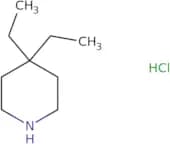
Fórmula:C7H7ClO2Pureza:Min. 95%Peso molecular:158.58 g/mol4,4-Diethylpiperidine hydrochloride
CAS:Versatile small molecule scaffold
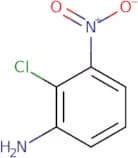
Fórmula:C9H20ClNPureza:Min. 95%Peso molecular:177.71 g/mol2-Chloro-3-nitroaniline
CAS:2-Chloro-3-nitroaniline is a trifluoroacetic acid derivative that has been synthesized from anilines. This chemical is used in the synthesis of quinoline derivatives and other synthetic intermediates. It can be used as a ligand to form metal complexes with metals such as copper, lead, or zinc. 2-Chloro-3-nitroaniline is also used as a chromatographic chiral stationary phase or to generate solutes with specific functional groups for use in chemical interactions.
Fórmula:C6H5ClN2O2Pureza:Min. 95%Peso molecular:172.57 g/mol1-Chloro-3-(chloromethoxy)propane
CAS:Versatile small molecule scaffold
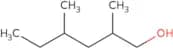
Fórmula:C4H8Cl2OPureza:Min. 95%Peso molecular:143.01 g/mol2,4-Dimethylhexan-1-ol
CAS:Versatile small molecule scaffold
Fórmula:C8H18OPureza:Min. 95%Peso molecular:130.23 g/molRef: 3D-DAA96559
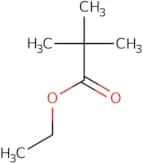
Produto descontinuadoEthyl trimethylacetate
CAS:Ethyl trimethylacetate is a solvent that is used in analytical chemistry. It has been shown to be a strong inhibitor of nerve cells, which may be due to its ability to form hydrogen bonds with the cell membrane or carbonyl groups that disrupt the cell membrane. Ethyl trimethylacetate also inhibits cancer cell growth by inhibiting the production of fatty acids and glycol ethers. The deuterium isotope effect is observed when ethyl trimethylacetate is used as a solvent for chemical structures that contain deuterium atoms.
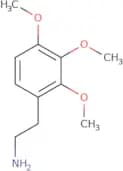
Fórmula:CH3Pureza:Min. 95%Peso molecular:130.18 g/mol2-(2,3,4-Trimethoxyphenyl)ethan-1-amine
CAS:Produto Controlado2-(2,3,4-Trimethoxyphenyl)ethan-1-amine is a drug with anti-diabetic properties that belongs to the class of drugs called aminoguanidine derivatives. It is an optically active compound and has an asymmetric carbon atom. The active enantiomer is 2-(2,3,4-trimethoxyphenyl)ethanamine and the inactive enantiomer is 2-(2,3,4-trimethoxyphenyl)ethylamine. This drug inhibits the activity of aldose reductase which converts glucose into sorbitol. Sorbitol accumulation then leads to diabetic complications such as cataracts and nerve damage. 2-(2,3,4-Trimethoxyphenyl)ethan-1-amine also inhibits platelet aggregation and thrombus formation by inhibiting the release of serotonin from platelets and preventing platelet adhesion to
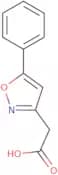
Fórmula:C11H17NO3Pureza:Min. 95%Peso molecular:211.26 g/mol2-(5-Phenyl-1,2-oxazol-3-yl)acetic acid
CAS:Versatile small molecule scaffold
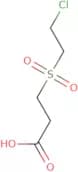
Fórmula:C11H9NO3Pureza:Min. 95%Peso molecular:203.19 g/mol3-(2-Chloroethanesulfonyl)propanoic acid
CAS:Versatile small molecule scaffold
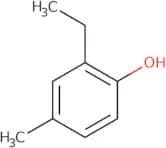
Fórmula:C5H9ClO4SPureza:Min. 95%Peso molecular:200.64 g/mol2-Ethyl-p-cresol
CAS:2-Ethyl-p-cresol is an ester compound that is soluble in water. It has a cycloalkyl group and aryl group and a pyrogallol, phloroglucinol, and resorcinol moiety. 2-Ethyl-p-cresol is resistant to heat and acidic conditions. It also has an ester function, which makes it soluble in water.
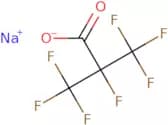
Fórmula:C9H12OPureza:Min. 95%Peso molecular:136.19 g/molSodium 2,3,3,3-tetrafluoro-2-(trifluoromethyl)propanoate
CAS:Versatile small molecule scaffold
Fórmula:C4F7NaO2Pureza:Min. 95%Peso molecular:236.02 g/mol6-Methylimidazo[2,1-b][1,3]thiazole
CAS:Versatile small molecule scaffold
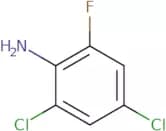
Fórmula:C6H6N2SPureza:Min. 95%Peso molecular:138.19 g/mol2,4-dichloro-6-fluoroaniline
CAS:Versatile small molecule scaffold
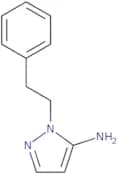
Fórmula:C6H4Cl2FNPureza:Min. 95%Peso molecular:180 g/mol1-(2-Phenylethyl)-1H-pyrazol-5-amine
CAS:Versatile small molecule scaffold
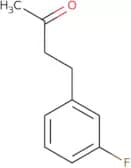
Fórmula:C11H13N3Pureza:Min. 95%Peso molecular:187.24 g/mol4-(3-Fluorophenyl)butan-2-one
CAS:Versatile small molecule scaffold
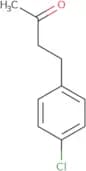
Fórmula:C10H11FOPureza:Min. 95%Peso molecular:166.19 g/mol4-(4-Chlorophenyl)butan-2-one
CAS:4-Chlorobenzenediazonium is a benzenediazonium salt that can be used to form arylating agents. It has been used in the synthesis of olefins and as a reagent for the synthesis of 4-chloro-3-(4-chlorophenyl)butan-2-one, which is an intermediate for the synthesis of dyes. 4-Chlorobenzenediazonium can also be used to synthesize cyano compounds from nitroarenes and chloroformates.
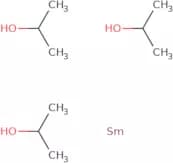
Fórmula:C10H11ClOPureza:Min. 95%Peso molecular:182.64 g/molSamarium(III) isopropoxide
CAS:Samarium(III) isopropoxide (Sm(0)IPO) is a metal ion that has a slow reaction rate with hydrochloric acid in the presence of nitrogen atoms. It can be used to form chiral compounds. Sm(0)IPO, which has fluorescence properties, is used as an analytical reagent in organic chemistry and biochemistry. The reactions of Sm(0)IPO are initiated by the protonation of the hydroxyl group on the metal ion followed by nucleophilic attack by the amino acid serine protease. This reaction results in the formation of an acyl halide.
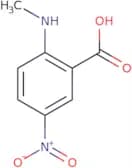
Fórmula:C9H21O3SmPureza:Min. 95%Peso molecular:327.62 g/mol2-(Methylamino)-5-nitrobenzoic acid
CAS:2-(Methylamino)-5-nitrobenzoic acid is a benzimidazole that contains a planar, aromatic ring and an amino group in the side chain. The compound is a hydrogen bond donor and acceptor. It undergoes oxidative cyclisations to form benzoic acids from anilines, which are generated through hydrogen atom abstraction. 2-(Methylamino)-5-nitrobenzoic acid also reacts with other aromatic compounds to form dimers or benzoic acids.
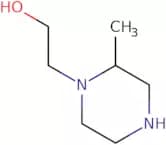
Fórmula:C8H8N2O4Pureza:Min. 95%Peso molecular:196.16 g/mol2-(2-Methylpiperazin-1-yl)ethan-1-ol
CAS:Versatile small molecule scaffold
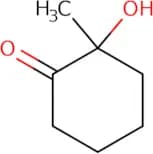
Fórmula:C7H16N2OPureza:Min. 95%Peso molecular:144.21 g/mol2-Hydroxy-2-methylcyclohexan-1-one
CAS:2-Hydroxy-2-methylcyclohexan-1-one is a tetroxide that is a ligand for osmium. It can be used as an oxidant to produce epoxides, which are important chemical intermediates. This substance has been used in the synthesis of cyclic epoxides and osmium complexes. The yields of this reaction depend on the ligand and the metal catalyst that is used. Epoxidation is catalyzed by metal ions such as vanadium, manganese, or iron, with ruthenium being one of the most effective. 2-Hydroxy-2-methylcyclohexan-1-one also forms epoxides with oxygenated substrates due to its ability to act as an oxidant.
Epoxidation reactions can be performed using 2-hydroxy-2-methylcyclohexan-1-one as a catalyst or ligand, or it may function solely as an oxidFórmula:C7H12O2Pureza:Min. 95%Peso molecular:128.17 g/molRef: 3D-DAA47678
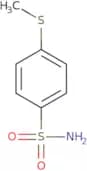
Produto descontinuado4-(Methylsulfanyl)benzene-1-sulfonamide
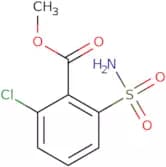
CAS:Versatile small molecule scaffoldFórmula:C7H9NO2S2Pureza:Min. 95%Peso molecular:203.3 g/molMethyl 2-chloro-6-sulfamoylbenzoate
CAS:Versatile small molecule scaffold
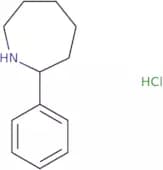
Fórmula:C8H8ClNO4SPureza:Min. 95%Peso molecular:249.67 g/mol2-Phenylazepane hydrochloride
CAS:Versatile small molecule scaffold
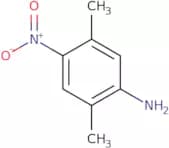
Fórmula:C12H18ClNPureza:Min. 95%Peso molecular:211.73 g/mol2,5-Dimethyl-4-nitroaniline
CAS:2,5-Dimethyl-4-nitroaniline is an isomer of 2,5-dimethylaniline. The molecular electrostatic potential map reveals that the molecule has a high electron density at the 4 position of the aniline ring, which is characteristic of an aromatic system. This molecule displays a conformational change when it interacts with chloride ions, which can be seen in its vibrational spectrum. The nature of this molecule is interannular between aromatic and nonaromatic.
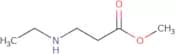
2,5-Dimethyl-4-nitroaniline's crystal system is orthorhombic. Its interactions with other molecules are determined by the electrostatic forces present on the surface of the crystal.Fórmula:C8H10N2O2Pureza:Min. 95%Cor e Forma:PowderPeso molecular:166.18 g/molmethyl 3-(ethylamino)propanoate
CAS:Versatile small molecule scaffold
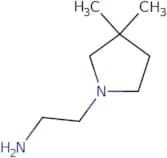
Fórmula:C6H13NO2Pureza:Min. 95%Peso molecular:131.2 g/mol2-(3,3-Dimethylpyrrolidin-1-yl)ethan-1-amine
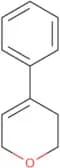
CAS:Versatile small molecule scaffoldFórmula:C8H18N2Pureza:Min. 95%Peso molecular:142.24 g/mol4-Phenyl-5,6-dihydro-2H-pyran
CAS:Versatile small molecule scaffold
Fórmula:C11H12OPureza:Min. 95%Peso molecular:160.21 g/mol2-Cyclopropylbenzoic acid
CAS:Versatile small molecule scaffold
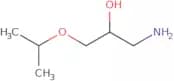
Fórmula:C10H10O2Pureza:Min. 95%Peso molecular:162.19 g/mol1-Amino-3-(propan-2-yloxy)propan-2-ol
CAS:Versatile small molecule scaffold
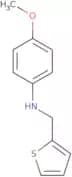
Fórmula:C6H15NO2Pureza:Min. 95%Peso molecular:133.19 g/mol4-Methoxy-N-(thiophen-2-ylmethyl)aniline
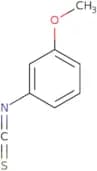
CAS:Versatile small molecule scaffoldFórmula:C12H13NOSPureza:Min. 95%Peso molecular:219.3 g/mol3-Methoxyphenyl isothiocyanate
CAS:3-Methoxyphenyl isothiocyanate is a molecule that can be synthesized in the laboratory. It has been shown to have tuberculostatic activity and inhibits the growth of Mycobacterium tuberculosis by inhibiting protein synthesis. This compound also decreases the production of reactive oxygen species, which are implicated in many diseases, including cancer. 3-Methoxyphenyl isothiocyanate has been shown to inhibit the oxidation of thione compounds and also show antioxidant activity.
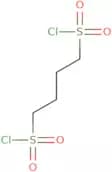
Fórmula:C8H7NOSPureza:Min. 95%Peso molecular:165.21 g/molButane-1,4-disulfonyl dichloride
CAS:Butane-1,4-disulfonyl dichloride is a positron-emitting radiopharmaceutical that can be used as a marker for positron emission tomography. It is a diamagnetic molecule with an effective nuclear magnetic resonance (NMR) chemical shift of 2.2 ppm and has a diameter of about 0.5 nm. Butane-1,4-disulfonyl dichloride can be synthesized by reacting pyridine with peroxide in the presence of divalent metal ions such as Cu(II), Ni(II), or Zn(II). This compound is used to label radiotracers such as 3H, 14C, 11C, 15O, 13N, 18F, and 76Br for imaging biological tissues. The radiolabeled compound binds to methyl groups on proteins and lipids within the tissue to form positron emitting molecules that permit detection by PET scan. Butane-1,4-dis
Fórmula:C4H8Cl2O4S2Pureza:Min. 95%Peso molecular:255.1 g/mol1-Methanesulfinyloctane
CAS:Versatile small molecule scaffold
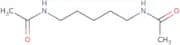
Fórmula:C9H20OSPureza:Min. 95%Peso molecular:176.3 g/molN-(5-Acetamidopentyl)acetamide
CAS:5-Acetamidopentylacetamide (5AA) is a molecule that is used in the treatment of cancer. It inhibits the growth of tumor cells by causing cell death in the cytoplasm. 5AA has been shown to inhibit the production of tumor necrosis factor alpha, as well as protein kinase C and phospholipase A2, which are involved in tumor cell proliferation. This molecule also induces apoptosis and inhibits viral replication by preventing viral RNA transcription. 5AA is a potent inducer of gene expression in diploid lymphoblastoid cells, which may be due to its ability to stimulate uptake and metabolism of the drug. It has been shown that 5AA can be taken up by fibroblast cells in culture through passive diffusion or an active transport mechanism. This agent is metabolized into an organic solvent and excreted via trichloroacetic acid (TCA) or salivary routes. The use of 5AA has
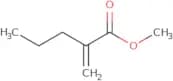
Fórmula:C9H18N2O2Pureza:Min. 95%Peso molecular:186.25 g/molMethyl 2-methylidenepentanoate
CAS:Versatile small molecule scaffold
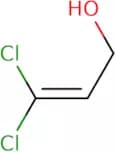
Fórmula:C7H12O2Pureza:Min. 95%Peso molecular:128.17 g/mol3,3-Dichloroprop-2-en-1-ol
CAS:Versatile small molecule scaffold
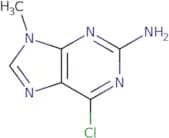
Fórmula:C3H4Cl2OPureza:Min. 95%Peso molecular:126.97 g/mol6-chloro-9-methyl-9H-purin-2-amine
CAS:6-chloro-9-methyl-9H-purin-2-amine is a cytostatic agent that is used in the synthesis of other compounds. It is prepared by the quaternization of 6-chloropurine with methylmagnesium chloride followed by amination with methyl iodide. Purinium chloride is then obtained by reacting chloroform with potassium hydrogen fluoride and hydrochloric acid. This product can be used as an intermediate in the synthesis of purines, x-rays, and iodides. 6-Chloro-9-[methyl(3,5,6 -trimethylphenyl)amino]purin-2 amine has been shown to have cytostatic activity against human lymphocytes in vitro.
Fórmula:C6H6ClN5Pureza:Min. 95%Peso molecular:183.6 g/mol
![2-[(Dimethylamino)methyl]benzonitrile](/_next/image/?url=https%3A%2Fstatic.cymitquimica.com%2Fproducts%2F3D%2Fthumb-webp%2FDCA36976.webp&w=3840&q=75)

![4-[(4-Methylphenyl)methoxy]aniline](/_next/image/?url=https%3A%2Fstatic.cymitquimica.com%2Fproducts%2F3D%2Fthumb-webp%2FDCA32408.webp&w=3840&q=75)




![6-Methylimidazo[2,1-b][1,3]thiazole](/_next/image/?url=https%3A%2Fstatic.cymitquimica.com%2Fproducts%2F3D%2Fthumb-webp%2FDAA83541.webp&w=3840&q=75)