


Building Blocks
Subcategorias de "Building Blocks"
- Ácidos Borónicos e Derivados de Ácido Borónico(5.780 produtos)
- Building Blocks Quirais(1.239 produtos)
- Building Blocks Hidrocarbonetos(6.100 produtos)
- Building Blocks orgânicos(61.005 produtos)
Foram encontrados 205234 produtos de "Building Blocks"
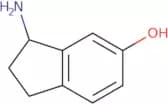
3-Amino-2,3-dihydro-1H-inden-5-ol
CAS:3-Amino-2,3-dihydro-1H-inden-5-ol is an optical, chiral compound that is used in the industrial production of 2,3-dihydroindanedione. It can be synthesized from 3-(2-methylpropyl)indole and sodium hydroxide using a lipase. The transesterification reaction occurs at a high efficiency with the use of a diastereomer. This process is followed by introducing the product into an autoclave for pollution control. The 3D structure of this molecule is similar to that of indane but it has different properties because it contains a hydroxyl group on the third carbon atom.
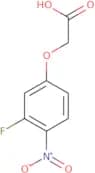
Fórmula:C9H11NOPureza:Min. 95%Peso molecular:149.19 g/mol2-(3-Fluoro-4-nitrophenoxy)acetic acid
CAS:Versatile small molecule scaffold
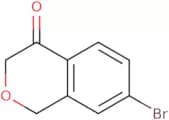
Fórmula:C8H6FNO5Pureza:Min. 95%Peso molecular:215.13 g/mol7-Bromoisochroman-4-one
CAS:Versatile small molecule scaffold
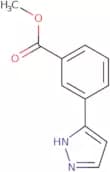
Fórmula:C9H7BrO2Pureza:Min. 95%Peso molecular:227.06 g/molMethyl 3-(1H-pyrazol-3-yl)benzoate
CAS:Versatile small molecule scaffold
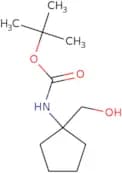
Fórmula:C11H10N2O2Pureza:Min. 95%Peso molecular:202.21 g/molN-Boc-1-amino-1-cyclopentanemethanol
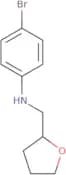
CAS:Versatile small molecule scaffoldFórmula:C11H21NO3Pureza:Min. 95%Peso molecular:215.29 g/mol4-Bromo-N-(oxolan-2-ylmethyl)aniline
CAS:Versatile small molecule scaffold
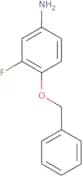
Fórmula:C11H14BrNOPureza:Min. 95%Peso molecular:256.14 g/mol4-(benzyloxy)-3-fluoroaniline
CAS:4-(Benzyloxy)-3-fluoroaniline is a substance that is used as an intermediate in organic synthesis. It can be synthesized by reacting 2-chloro-4-nitrobenzaldehyde with 3-fluoroaniline in the presence of hydrazine and a catalyst. The reaction time is typically between 1 hour and 24 hours. The product has been shown to have antimicrobial activity against a wide range of bacteria, including methicillin resistant Staphylococcus aureus (MRSA). Cadazolid is an antibiotic that belongs to the oxazolidinone class and exhibits potent antibacterial activity against Gram-positive bacteria, such as methicillin resistant Staphylococcus aureus (MRSA), by inhibiting cell wall biosynthesis. Cadazolid is a hexahydrate salt, which means it dissolves in water to form a crystalline solid with 6 molecules of water for each molecule of cadazolid
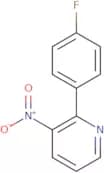
Fórmula:C13H12FNOPureza:Min. 95%Peso molecular:217.24 g/mol2-(4-Fluorophenyl)-3-nitropyridine
CAS:Versatile small molecule scaffold
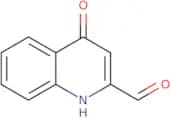
Fórmula:C11H7FN2O2Pureza:Min. 95%Peso molecular:218.18 g/mol4-Hydroxyquinoline-2-carbaldehyde
CAS:Versatile small molecule scaffold
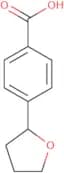
Fórmula:C10H7NO2Pureza:Min. 95%Peso molecular:173.17 g/mol4-(Oxolan-2-yl)benzoic acid
CAS:Versatile small molecule scaffold
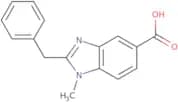
Fórmula:C11H12O3Pureza:Min. 95%Peso molecular:192.21 g/mol2-Benzyl-1-methyl-1H-1,3-benzodiazole-5-carboxylic acid
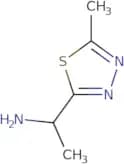
CAS:Versatile small molecule scaffoldFórmula:C16H14N2O2Pureza:Min. 95%Peso molecular:266.3 g/mol1-(5-Methyl-1,3,4-thiadiazol-2-yl)ethan-1-amine
CAS:Versatile small molecule scaffold
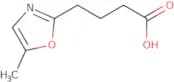
Fórmula:C5H9N3SPureza:Min. 95%Peso molecular:143.21 g/mol4-(5-Methyl-1,3-oxazol-2-yl)butanoic acid
CAS:Versatile small molecule scaffold
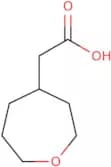
Fórmula:C8H11NO3Pureza:Min. 95%Peso molecular:169.18 g/mol2-(Oxepan-4-yl)acetic acid
CAS:Versatile small molecule scaffold
Fórmula:C8H14O3Pureza:Min. 95%Peso molecular:158.19 g/molRef: 3D-TEC35650
Produto descontinuado3-Methylimidazo[4,3-b][1,3]thiazole-2-carboxylic acid
CAS:Versatile small molecule scaffoldFórmula:C7H6N2O2SPureza:Min. 95%Peso molecular:182.2 g/mol2-Methyl-2,4,6,7-tetrahydrothiopyrano[4,3-c]pyrazole-3-carboxylic acid 5,5-dioxide
CAS:Versatile small molecule scaffold
Fórmula:C8H10N2O4SPureza:Min. 95%Peso molecular:230.24 g/mol5-Oxaspiro[3.5]nonan-8-ol
CAS:Versatile small molecule scaffold
Fórmula:C8H14O2Pureza:Min. 95%Peso molecular:142.2 g/mol1-Oxa-9-thia-4-azaspiro[5.5]undecane
CAS:Versatile small molecule scaffold
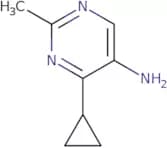
Fórmula:C8H15NOSPureza:Min. 95%Peso molecular:173.28 g/mol4-Cyclopropyl-2-methylpyrimidin-5-amine
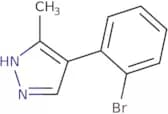
CAS:Versatile small molecule scaffoldFórmula:C8H11N3Pureza:Min. 95%Peso molecular:149.19 g/mol4-(2-Bromophenyl)-3-methyl-1H-pyrazole
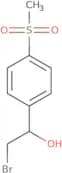
CAS:Versatile small molecule scaffoldFórmula:C10H9BrN2Pureza:Min. 95%Peso molecular:237.1 g/mol2-Bromo-1-(4-methanesulfonylphenyl)ethan-1-ol
CAS:Versatile small molecule scaffold
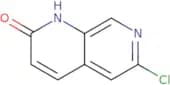
Fórmula:C9H11BrO3SPureza:Min. 95%Peso molecular:279.15 g/mol6-Chloro-1,2-dihydro-1,7-naphthyridin-2-one
CAS:Versatile small molecule scaffold
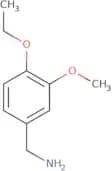
Fórmula:C8H5ClN2OPureza:Min. 95%Peso molecular:180.59 g/mol(4-Ethoxy-3-methoxybenzyl)amine
CAS:Research has shown that (4-Ethoxy-3-methoxybenzyl)amine (EMBA) is a potent inhibitor of bacterial growth. The alkylation of EMBA with methylamine and benzene leads to the formation of aureus, which is an antibiotic that can be used to treat staphylococcus infections. In addition, EMBA can also be methylated with hydroxylamine to form benzylamine, a compound that inhibits the synthesis of the cell wall in bacteria. These properties make EMBA an effective antimicrobial agent.
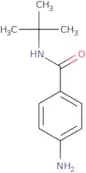
Fórmula:C10H15NO2Pureza:Min. 95%Peso molecular:181.23 g/mol4-Amino-N-(tert-butyl)benzamide
CAS:4-Amino-N-(tert-butyl)benzamide is a chemical intermediate that can be used in the preparation of certain pharmaceuticals. This compound is synthesized through the reaction of 4-aminobenzoyl chloride and tert-butanol, which forms an amide bond. The condensation reaction can be catalyzed by either heat or acid. The product of this reaction is hydrogenated to form 4-amino-N-(tert-butyl)-N'-(chloromethyl)benzamide. This compound can also be prepared by refluxing a mixture of 4-aminobenzaldehyde and hydrazine with chloroform and hydrochloric acid.
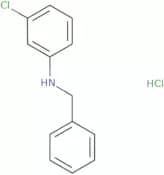
Fórmula:C11H16N2OPureza:Min. 95%Peso molecular:192.26 g/molN-Benzyl-3-chloroaniline hydrochloride
CAS:Versatile small molecule scaffold
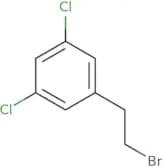
Fórmula:C13H13Cl2NPureza:Min. 95%Peso molecular:254.15 g/mol1-(2-Bromoethyl)-3,5-dichlorobenzene
CAS:Versatile small molecule scaffold
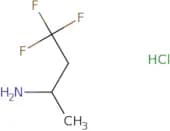
Fórmula:C8H7BrCl2Pureza:Min. 95%Peso molecular:253.95 g/mol4,4,4-Trifluorobutan-2-amine hydrochloride
CAS:Versatile small molecule scaffoldFórmula:C4H9ClF3NPureza:Min. 95%Peso molecular:163.57 g/mol2,2-Dimethyl-3,4-dihydro-2H-benzo[b][1,4]thiazine
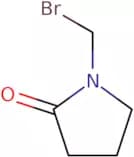
CAS:Versatile small molecule scaffoldFórmula:C10H13NSPureza:Min. 95%Peso molecular:179.28 g/mol1-(Bromomethyl)pyrrolidin-2-one
CAS:Versatile small molecule scaffold
Fórmula:C5H8BrNOPureza:Min. 95%Peso molecular:178.03 g/mol3-[(2-Methoxy-2-oxoethyl)sulfanyl]propanoic acid
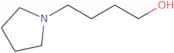
CAS:Versatile small molecule scaffoldFórmula:C6H10O4SPureza:Min. 95%Peso molecular:178.21 g/mol4-(1-Pyrrolidinyl)-1-butanol
CAS:Versatile small molecule scaffold
Fórmula:C8H17NOPureza:Min. 95%Peso molecular:143.23 g/mol2-(Bromomethyl)-1-iodo-3-nitrobenzene
CAS:Versatile small molecule scaffold
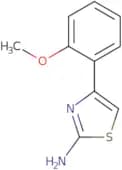
Fórmula:C7H5BrINO2Pureza:Min. 95%Peso molecular:341.93 g/mol4-(2-Methoxy-phenyl)-thiazol-2-ylamine
CAS:4-(2-Methoxy-phenyl)-thiazol-2-ylamine is a flavonoid that is synthesized by the condensation of luteolin with salicylaldehyde. It has been shown to have antibacterial activity against strains of P. aeruginosa and S. aureus, with MIC values of 12.5 µg/mL and 25 µg/mL, respectively. The MIC value for 4-(2-Methoxy-phenyl)-thiazol-2-ylamine against E. coli was found to be 100 µg/mL. 4-(2-Methoxy-phenyl)-thiazol-2-ylamine has been shown to inhibit the growth of organisms such as Escherichia coli, Streptococcus pneumoniae and Staphylococcus aureus in vitro. This compound is not active against Gram positive bacteria such as Bacillus subtilis or GramFórmula:C10H10N2OSPureza:Min. 95%Peso molecular:206.27 g/mol2-Methyl-3H-imidazo[4,5-F]quinoline
CAS:Versatile small molecule scaffold
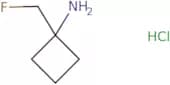
Fórmula:C11H9N3Pureza:Min. 95%Peso molecular:183.21 g/mol1-(Fluoromethyl)cyclobutan-1-amine hydrochloride
CAS:Versatile small molecule scaffoldFórmula:C5H11ClFNPureza:Min. 95%Peso molecular:139.6 g/molMK 1903
CAS:MK 1903 is a fatty acid that has been shown to reduce insulin resistance and metabolic disorders by increasing ATP levels in the body. It has also been shown to have anti-angiogenic effects, which may be due to its ability to decrease neutrophil recruitment and improve the clinical use of MK 1903. This drug has been found to synergistically work with ursodeoxycholic acid for the treatment of inflammatory diseases.
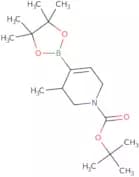
Fórmula:C8H8N2O2Pureza:Min. 95%Peso molecular:164.16 g/mol1-Boc-3-methyl-1,2,3,6-tetrahydropyridine-4-pinacol ester
CAS:Versatile small molecule scaffold
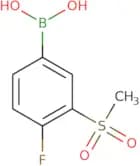
Fórmula:C17H30BNO4Pureza:Min. 95%Peso molecular:323.24 g/mol4-Fluoro-3-(methanesulfonyl)phenylboronic acid
CAS:Versatile small molecule scaffold
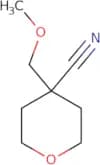
Fórmula:C7H8BFO4SPureza:Min. 95%Peso molecular:218.02 g/mol4-(Methoxymethyl)oxane-4-carbonitrile
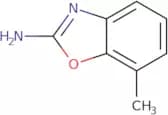
CAS:Versatile small molecule scaffoldFórmula:C8H13NO2Pureza:Min. 95%Peso molecular:155.19 g/mol7-Methyl-1,3-benzoxazol-2-amine
CAS:Versatile small molecule scaffold
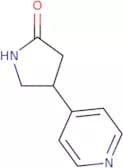
Fórmula:C8H8N2OPureza:Min. 95%Peso molecular:148.16 g/mol4-(Pyridin-4-yl)pyrrolidin-2-one
CAS:Versatile small molecule scaffold
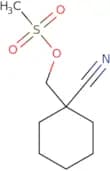
Fórmula:C9H10N2OPureza:Min. 95%Peso molecular:162.19 g/mol(1-Cyanocyclohexyl)methyl methanesulfonate
CAS:Versatile small molecule scaffold
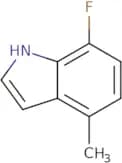
Fórmula:C9H15NO3SPureza:Min. 95%Peso molecular:217.29 g/mol7-Fluoro-4-methyl-1H-indole
CAS:Versatile small molecule scaffold
Fórmula:C9H8FNPureza:Min. 95%Peso molecular:149.16 g/mol{[4-(4-tert-Butylphenyl)-1,3-thiazol-2-yl]methyl}(methyl)amine
CAS:Versatile small molecule scaffoldFórmula:C15H20N2SPureza:Min. 95%Peso molecular:260.4 g/moltert-Butyl N-[1-(4-aminophenyl)ethyl]carbamate
CAS:Versatile small molecule scaffold
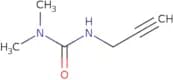
Fórmula:C13H20N2O2Pureza:Min. 95%Peso molecular:236.31 g/mol1,1-Dimethyl-3-(prop-2-yn-1-yl)urea
CAS:Versatile small molecule scaffold
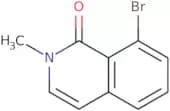
Fórmula:C6H10N2OPureza:Min. 95%Peso molecular:126.16 g/mol8-Bromo-2-methyl-1,2-dihydroisoquinolin-1-one
CAS:Versatile small molecule scaffoldFórmula:C10H8BrNOPureza:Min. 95%Peso molecular:238.08 g/mol3-Methoxy-9H-carbazole
CAS:3-Methoxy-9H-carbazole is a fluorescent molecule that belongs to the group of carbazoles. It is activated by thermally generated hypochlorous acid, which provides linear response over a wide range of concentrations. This compound has high values for quantum yield, fluorescence intensity and photostability. 3-Methoxy-9H-carbazole has been shown to be an efficient acceptor in exciton quenching and is responsible for the fluorescence of nature.
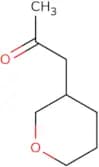
Fórmula:C13H11NOPureza:Min. 95%Peso molecular:197.23 g/mol1-(Oxan-3-yl)propan-2-one
CAS:Versatile small molecule scaffold
Fórmula:C8H14O2Pureza:Min. 95%Peso molecular:142.2 g/mol(2R)-2-{[(tert-Butoxy)carbonyl]amino}hex-5-ynoic acid
CAS:(2R)-2-{[(tert-Butoxy)carbonyl]amino}hex-5-ynoic acid is a synthetic macrocycle that has been shown to have biological and chemical activities. It targets bacterial biofilms, and the cyclodepsipeptide has been shown to inhibit the growth of Gram-positive bacteria in vitro. This compound also inhibits the development of biofilm by inhibiting the production of extracellular polymeric substances (EPS) on the surface of bacteria, which are important for bacterial attachment to surfaces. The cyclodepsipeptide binds to EPS through hydrophobic interactions, promoting its detachment from surfaces. This macrocyclization prevents EPS formation by binding to proteins involved in its synthesis. The cyclodepsipeptide also has an effect on bacterial cell membrane integrity, which may be due to its ability to inhibit protein synthesis and DNA replication.
Fórmula:C11H17NO4Pureza:Min. 95%Peso molecular:227.26 g/mol

![3-Methylimidazo[4,3-b][1,3]thiazole-2-carboxylic acid](/_next/image/?url=https%3A%2Fstatic.cymitquimica.com%2Fproducts%2F3D%2Fthumb-webp%2FTEC32411.webp&w=3840&q=75)
![2-Methyl-2,4,6,7-tetrahydrothiopyrano[4,3-c]pyrazole-3-carboxylic acid 5,5-dioxide](/_next/image/?url=https%3A%2Fstatic.cymitquimica.com%2Fproducts%2F3D%2Fthumb-webp%2FTEC29992.webp&w=3840&q=75)
![5-Oxaspiro[3.5]nonan-8-ol](/_next/image/?url=https%3A%2Fstatic.cymitquimica.com%2Fproducts%2F3D%2Fthumb-webp%2FTEC18123.webp&w=3840&q=75)
![1-Oxa-9-thia-4-azaspiro[5.5]undecane](/_next/image/?url=https%3A%2Fstatic.cymitquimica.com%2Fproducts%2F3D%2Fthumb-webp%2FTEC17595.webp&w=3840&q=75)
![2,2-Dimethyl-3,4-dihydro-2H-benzo[b][1,4]thiazine](/_next/image/?url=https%3A%2Fstatic.cymitquimica.com%2Fproducts%2F3D%2Fthumb-webp%2FTDA30119.webp&w=3840&q=75)
![3-[(2-Methoxy-2-oxoethyl)sulfanyl]propanoic acid](/_next/image/?url=https%3A%2Fstatic.cymitquimica.com%2Fproducts%2F3D%2Fthumb-webp%2FTDA27467.webp&w=3840&q=75)

![2-Methyl-3H-imidazo[4,5-F]quinoline](/_next/image/?url=https%3A%2Fstatic.cymitquimica.com%2Fproducts%2F3D%2Fthumb-webp%2FTDA20185.webp&w=3840&q=75)
![{[4-(4-tert-Butylphenyl)-1,3-thiazol-2-yl]methyl}(methyl)amine](/_next/image/?url=https%3A%2Fstatic.cymitquimica.com%2Fproducts%2F3D%2Fthumb-webp%2FTAB72589.webp&w=3840&q=75)
![tert-Butyl N-[1-(4-aminophenyl)ethyl]carbamate](/_next/image/?url=https%3A%2Fstatic.cymitquimica.com%2Fproducts%2F3D%2Fthumb-webp%2FTAB08668.webp&w=3840&q=75)

![(2R)-2-{[(tert-Butoxy)carbonyl]amino}hex-5-ynoic acid](/_next/image/?url=https%3A%2Fstatic.cymitquimica.com%2Fproducts%2F3D%2Fthumb-webp%2FSYB46482.webp&w=3840&q=75)